Attractions and Places To See in Las Heras - Top 15
Best attractions and places to see in Las Heras include a diverse array of natural landscapes and significant historical sites within Mendoza Province, Argentina. The region is characterized by the majestic Andes mountains, offering high-altitude experiences and unique geological formations. Visitors can explore provincial parks, natural monuments, and historical areas that reflect the region's rich heritage and outdoor appeal. This area provides a variety of experiences, from tranquil lagoons to challenging mountain trails.
Best attractions and places to see in…
Last updated: July 17, 2026
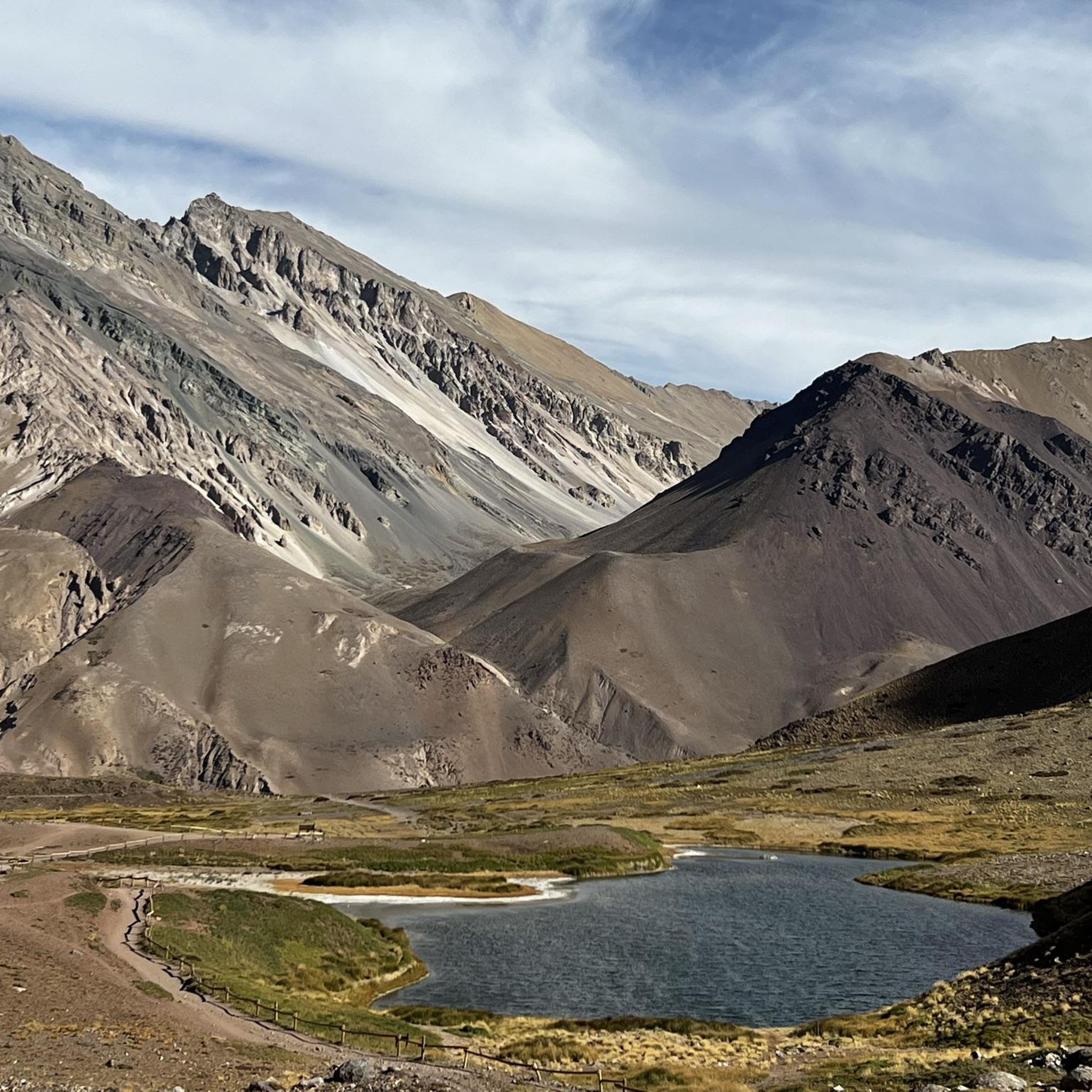
Mirror Lagoon
Highlight • Lake
Translated by Google •
Tip by

Suspension bridge
Highlight • Bridge
Translated by Google •
Tip by

Sign up now to discover places like this
Get recommendations on the best single tracks, peaks, & plenty of other exciting outdoor places.
Sign up for free
View of Mount Aconcagua
Highlight • Viewpoint
Translated by Google •
Tip by

View from Cerro Arco
Highlight • Viewpoint
Translated by Google •
Tip by

Confluencia Campsite
Highlight • Rest Area
Can be reached on a day trip from Horcones.
Translated by Google •
Tip by
Plaza Argentina
Highlight • Rest Area
Translated by Google •
Tip by

Caracoles de Villavicencio
Highlight (Segment) • Trail
Tip by

Camp 1
Highlight • Rest Area
Translated by Google •
Tip by
Hill of the Cross
Highlight • Summit
Translated by Google •
Tip by

Penitente Fields
Highlight • Natural Monument
Translated by Google •
Tip by
Sign up for free to discover even more attractions in Las Heras.
Sign up for free
Already have an account?
Start today with a free account
Your next adventure awaits.
Login or Signup
Popular around Las Heras
Tips from the Community

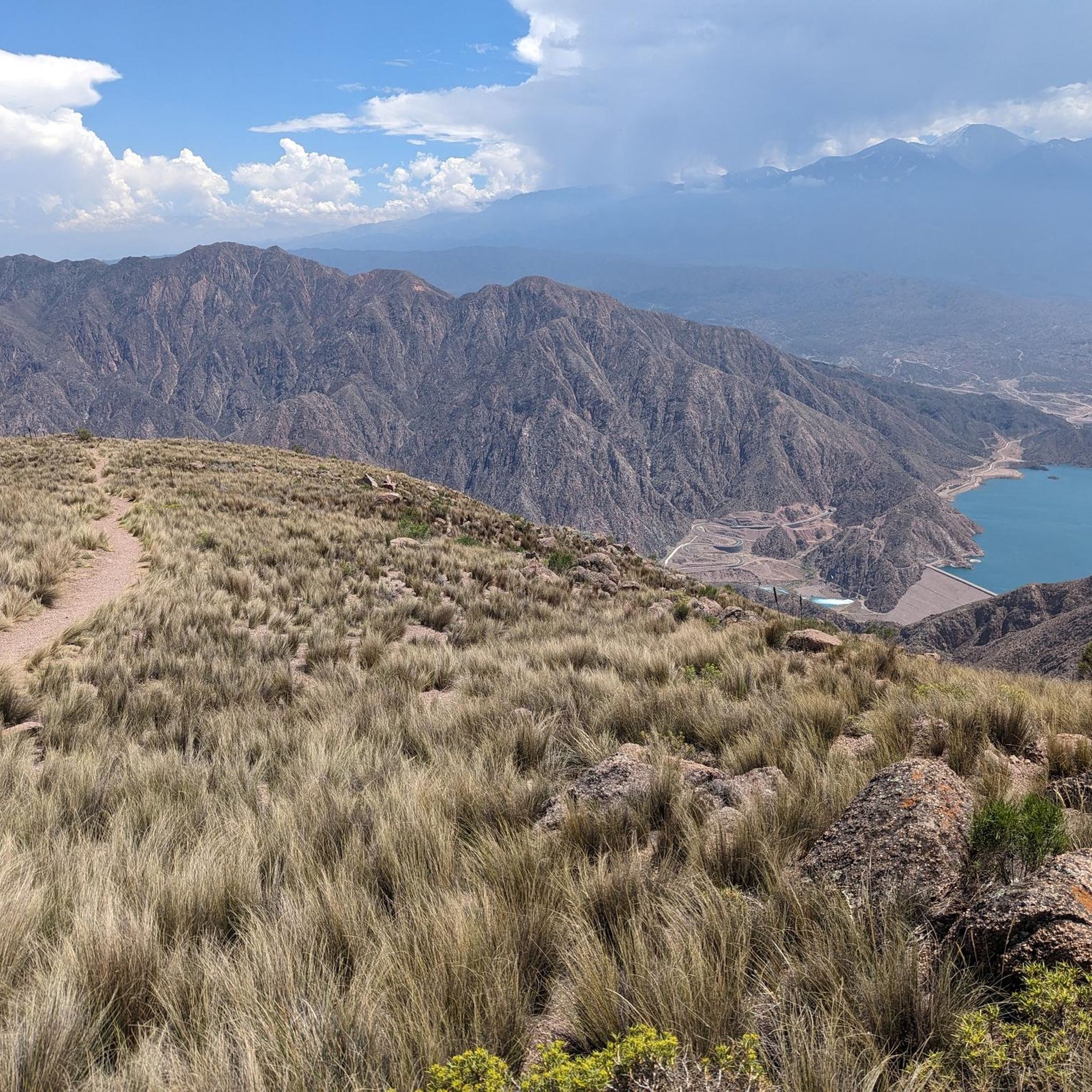
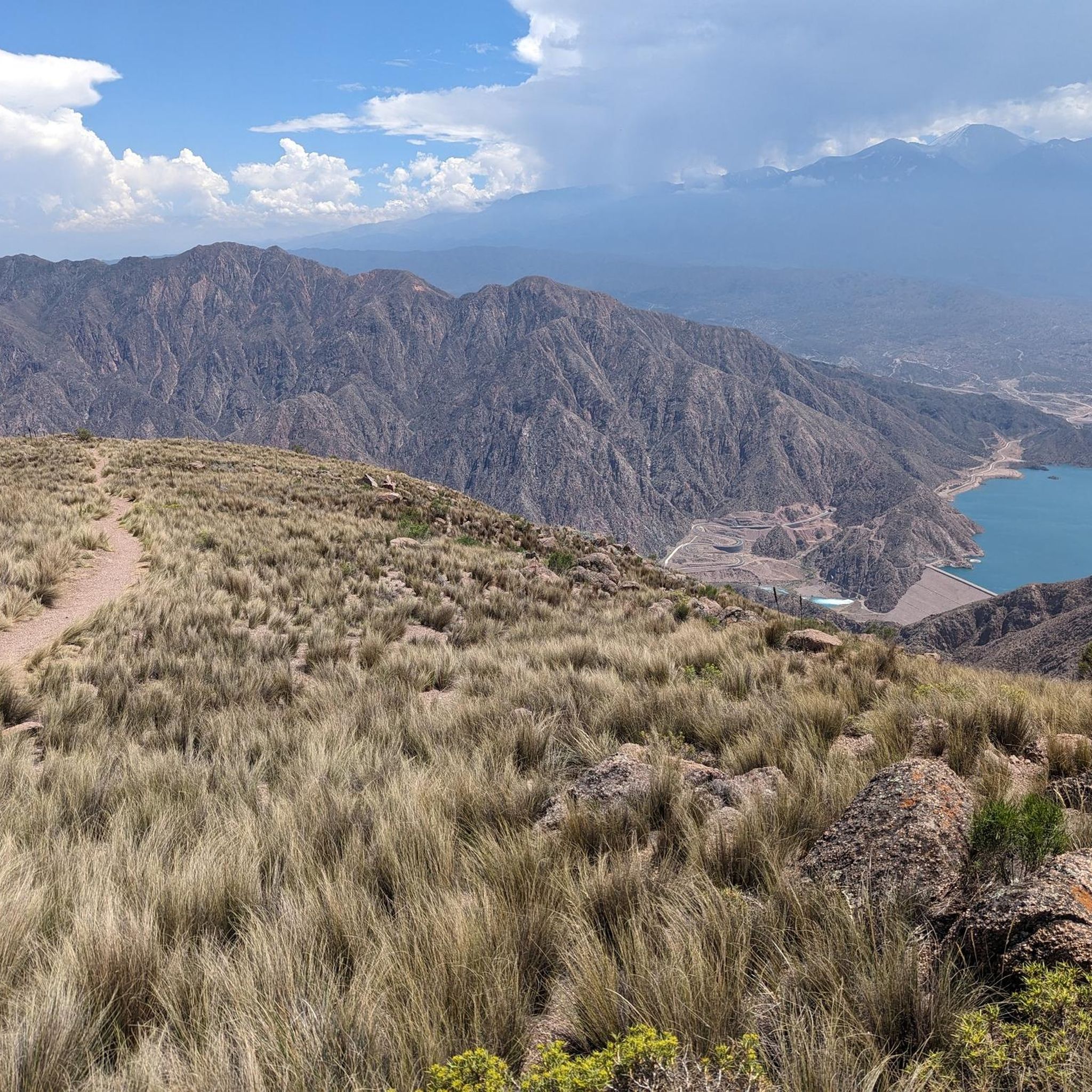
Easy enough for the average hiker. The trail isn't marked, so you'll have to search a bit for the right route at times. Be careful at the start of the hike. You have two options: to the right is the Mirador Via Cruzis, a short route past crosses depicting the Way of the Cross. To the left, keeping to the left at the beginning, is the route to Cerro de la Cruz.
0
0

Plaza de Argentina is the base camp for the east face of Aconcagua, located at 4,200 meters in the Relincho Valley, accessible after a 7-8 hour trek from the park entrance at Horcones. This key camp for the Polish and Ameghino-Guanacos routes offers high-altitude services, a dining hall, restrooms, and a capacity for 300 people, serving as the starting point for porters to Camp 1 and acclimatization rotations. From here, the decisive stages begin, traversing moraines and penitentes beneath the East Glacier, with views of the Ameghino Col and the hidden face of the Andean giant. Its organized logistics make it an essential stop for managing equipment and assessing acclimatization before the summit attempt.
0
0
The penitente fields are spectacular glacial formations that appear on the ascent to Aconcagua. They are needles of snow and ice up to 5 meters high. These aligned towers, with their silhouettes reminiscent of hooded monks, form when solar radiation preferentially melts the lower areas of the snow, leaving vertical peaks facing the prevailing wind. Their irregular labyrinth complicates progress, requiring zigzags, trekking poles, and caution to avoid falls, but they offer a unique landscape that marks the beginning of high-altitude mountaineering.
0
0
Camp 1 on Aconcagua, on the route via Plaza Argentina, is located at approximately 4,950 meters in the Relincho Valley, below the East Glacier and overlooking the Ameghino Pass. This first high-altitude camp, used on the Polish and Ameghino-Guanacos variants, is reached after ascending moraines and penitentes from Plaza Argentina. It serves as a key base for acclimatization rotations: climbing, setting up, and descending to sleep at base camp, assessing adaptation before attempting the higher camps on the summit. Its strategic position makes it an essential stop for connecting with high-altitude logistics while progressing on the far side of the Andean giant.
0
0

The bridge spans the stream that winds through the valleys, supported by cables that vibrate slightly when you walk across it. It's undoubtedly one of the route's iconic features.
1
0

Besides the lake, here you have an incredible view of Mount Aconcagua, which, let's remember, is the highest peak in South America.
1
0

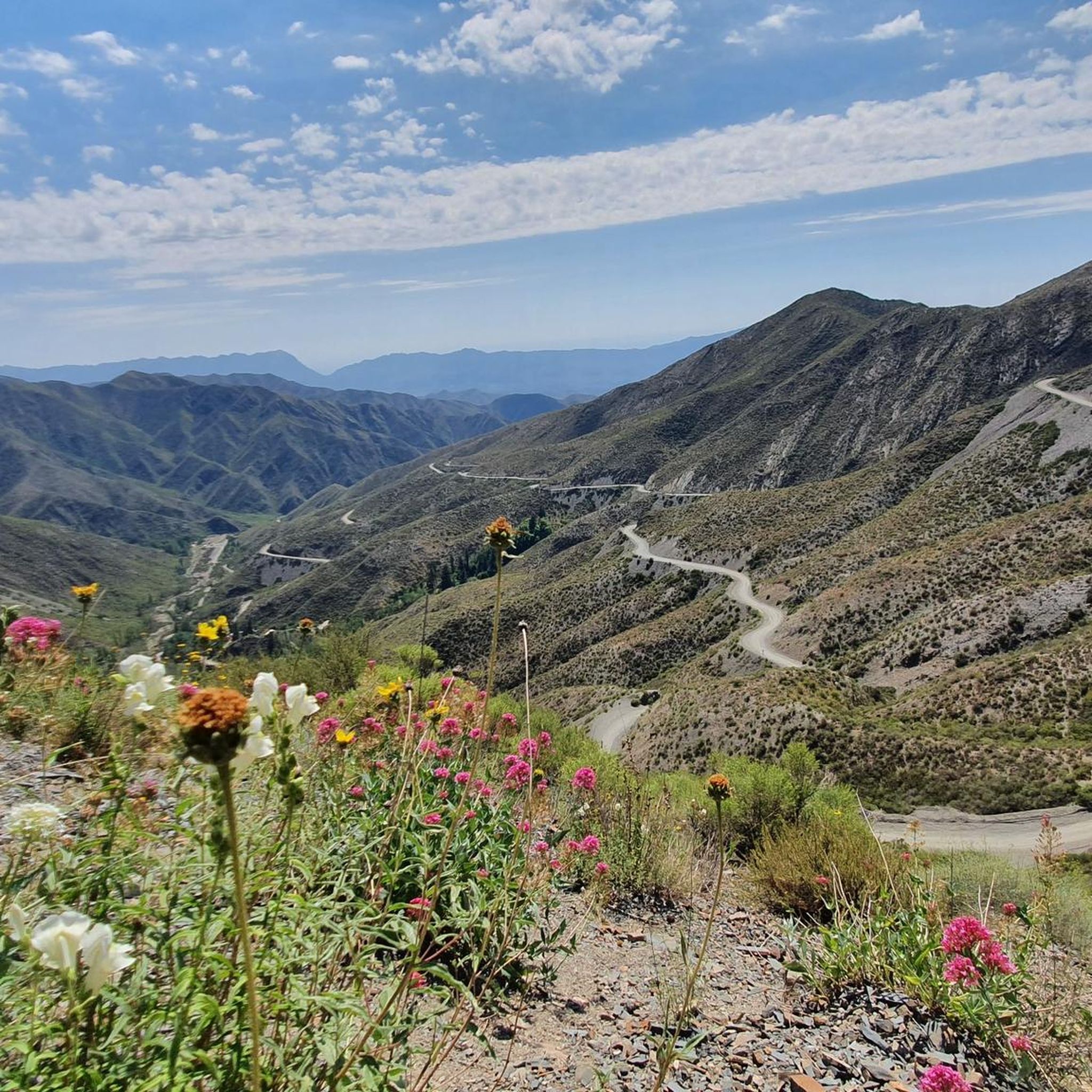
The Caracoles de Villavicencio are the path to follow to reach the Paramillos Cross. It was used in the past as a step to Chile. Today is an unmissable journey that is also known as "the 365 curves road." In this tour is El Balcón, a natural viewpoint from which you can see the highest peaks of Los Andes such as the Tupungato (6,800m), the Mercedary (6,770 m) and the Aconcagua (6,959 m). It is a picturesque road, also called "the one-year route," which covers the distance from Paso Caracoles to Cruz de Paramillos (3,200 m.s.n.m), being formerly the forced passage to Chile. It is currently an unmissable cornice trail, with an interesting flora and fauna and a spectacular view of the Cordillera. (Wikimapia)
1
0

The ascent via the normal route is rather boring and unspectacular. However, there is a small path that goes over the mountains, but it is a bit more technical and demanding.
3
0
Frequently Asked Questions
What natural features can I explore in Las Heras?
Las Heras offers a diverse range of natural landscapes. You can visit the unique Mirror Lagoon, which reflects the sky and surrounding scenery, though it dries up in summer. The region is also home to the iconic Puente del Inca, a natural bridge formation sculpted by thermal waters, and the vast View of Mount Aconcagua, the highest peak in South America.
Where can I find panoramic views of the Andes in Las Heras?
For breathtaking panoramic views, consider visiting View of Mount Aconcagua, offering an incredible perspective of the majestic peak. Another excellent spot is View from Cerro Arco, known for its vistas and paragliding opportunities. Cerro de la Gloria also provides stunning views of Mendoza city and the surrounding mountains.
What historical sites can I visit in Las Heras?
Las Heras is rich in history. You can explore the Campo Histórico El Plumerillo, where General José de San Martín prepared the Liberating Army. The Museo del Área Fundacional showcases the region's heritage, including a replica of the original Plaza Mayor. Don't miss the Monumento al Ejército de los Andes on Cerro de la Gloria, honoring San Martín's forces.
Are there opportunities for mountaineering or high-altitude trekking?
Yes, Las Heras is a gateway to high-altitude adventures. Parque Provincial Aconcagua attracts mountaineers globally. You can trek to Confluencia Campsite, a base camp for climbing Aconcagua at 3400 meters above sea level. For challenging routes, consider the trails around Plaza Argentina or Camp 1.
What outdoor activities can I do near Las Heras attractions?
The region offers diverse outdoor activities. You can find numerous hiking trails, including moderate options like 'Paseo por Quebrada de Los Horcones' in Aconcagua Provincial Park, or more challenging routes like the 'Confluencia Base Camp Trail'. For mountain biking, explore trails such as 'Cerro de la Gloria loop' or 'Hidden Corner – Cabañas Regionales Don Ricardo loop'. Find more details on these activities in the Hiking in Las Heras and MTB Trails in Las Heras guides.
Are there family-friendly activities in Las Heras?
Families can enjoy several attractions. Parque General San Martín, one of Argentina's largest urban parks, offers pathways and scenery, and is home to the Mendoza Zoo. The recreational area of El Challao provides trails, viewpoints, and picnic spots. For a unique natural experience, explore the Uspallata valley with its scenic drives and the colorful Cerro de los Siete Colores.
Where can I relax and enjoy thermal waters?
For relaxation, visit Termas de Cacheuta, a modern spa complex with thermal pools and services amidst stunning landscapes. The Reserva Natural Villavicencio also features an iconic thermal hotel and offers a tourist circuit, combining nature with opportunities for relaxation.
What is the best time of year to visit Las Heras?
The best time to visit Las Heras largely depends on your planned activities. For mountaineering and high-altitude trekking in Parque Provincial Aconcagua, the summer months (December to February) are ideal. If you prefer milder weather for general exploration and outdoor activities, spring (September to November) and autumn (March to May) offer pleasant temperatures.
What wildlife can I expect to see in the region?
The Reserva Natural Villavicencio is a prime location for wildlife spotting, home to diverse species including guanacos, pumas, and condors. In the high Andean areas, you might also encounter various bird species and other resilient mountain fauna.
Are there attractions suitable for winter visits?
While some high-altitude areas may be more challenging in winter, attractions like Puente del Inca and the Uspallata valley remain accessible and offer unique snowy landscapes. Thermal spas like Termas de Cacheuta are also perfect for a relaxing winter escape. Urban attractions and wineries are generally open year-round.
Can I visit wineries in Las Heras?
Yes, Las Heras is part of the renowned Mendoza wine region. Notable wineries such as Bodega Ruca Malén and Bodega Lagarde offer tours, tastings, and wine-pairing meals, providing a delightful cultural and culinary experience.
What is the Suspension bridge and why is it iconic?
The Suspension bridge is an iconic feature in Las Heras, spanning a stream in the valleys. It's supported by cables and is known for vibrating slightly as you walk across it, offering a memorable experience and a unique photo opportunity along the route.
Most popular routes in Las Heras

Get inspired with the komoot mobile app


Explore more
Still not found the Highlight you’re looking for? See guides of the top attractions in other regions:
