Attractions and Places To See in Arica Y Parinacota - Top 10
Best attractions and places to see in Arica Y Parinacota include a diverse landscape where the Atacama Desert meets the Andes and the Pacific Ocean. This northern Chilean region features a unique blend of natural beauty, historical landmarks, and cultural sites. Visitors can explore high-altitude lakes, volcanoes, ancient archaeological sites, and historic architecture.
Best attractions and places to see in Arica Y Parinacota
- The most popular attractions is San Marcos Cathedral of Arica, a religious building designed by Gustave…
Last updated: July 17, 2026
Cerro Acotango
Highlight • Summit
Translated by Google •
Tip by

San Marcos Cathedral of Arica
Highlight • Religious Site
The building was commissioned by the government of Peruvian …
Translated by Google •
Tip by

Sign up now to discover places like this
Get recommendations on the best single tracks, peaks, & plenty of other exciting outdoor places.
Sign up for free
Parinacota Volcano
Highlight • Volcano
Translated by Google •
Tip by
Timar Village and Church
Highlight • Settlement
Translated by Google •
Tip by

Presencias Tutelares Sculptures
Highlight • Monument
Translated by Google •
Tip by
Arica Customs House
Highlight • Historical Site
Translated by Google •
Tip by

Tapaaca Pass
Highlight • Mountain Pass
Translated by Google •
Tip by

Laguna Chungará
Highlight • Lake
Translated by Google •
Tip by
Ticnamar Village
Highlight • Settlement
Translated by Google •
Tip by
Penitentes Ice Formations on Acotango Glacier
Highlight • Natural Monument
Translated by Google •
Tip by
Sign up for free to discover even more attractions in Arica Y Parinacota.
Sign up for free
Already have an account?
Start today with a free account
Your next adventure awaits.
Login or Signup
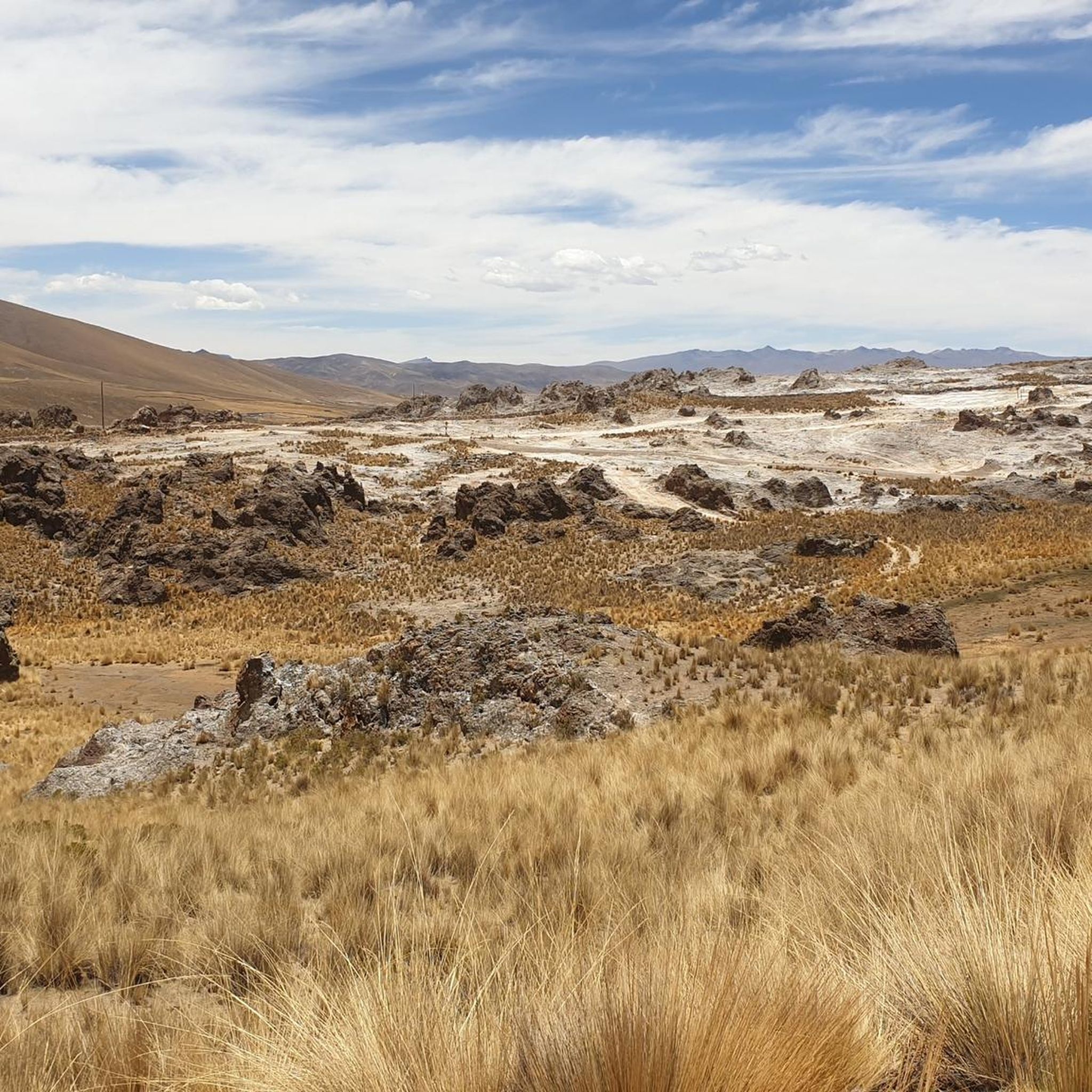
Tips from the Community

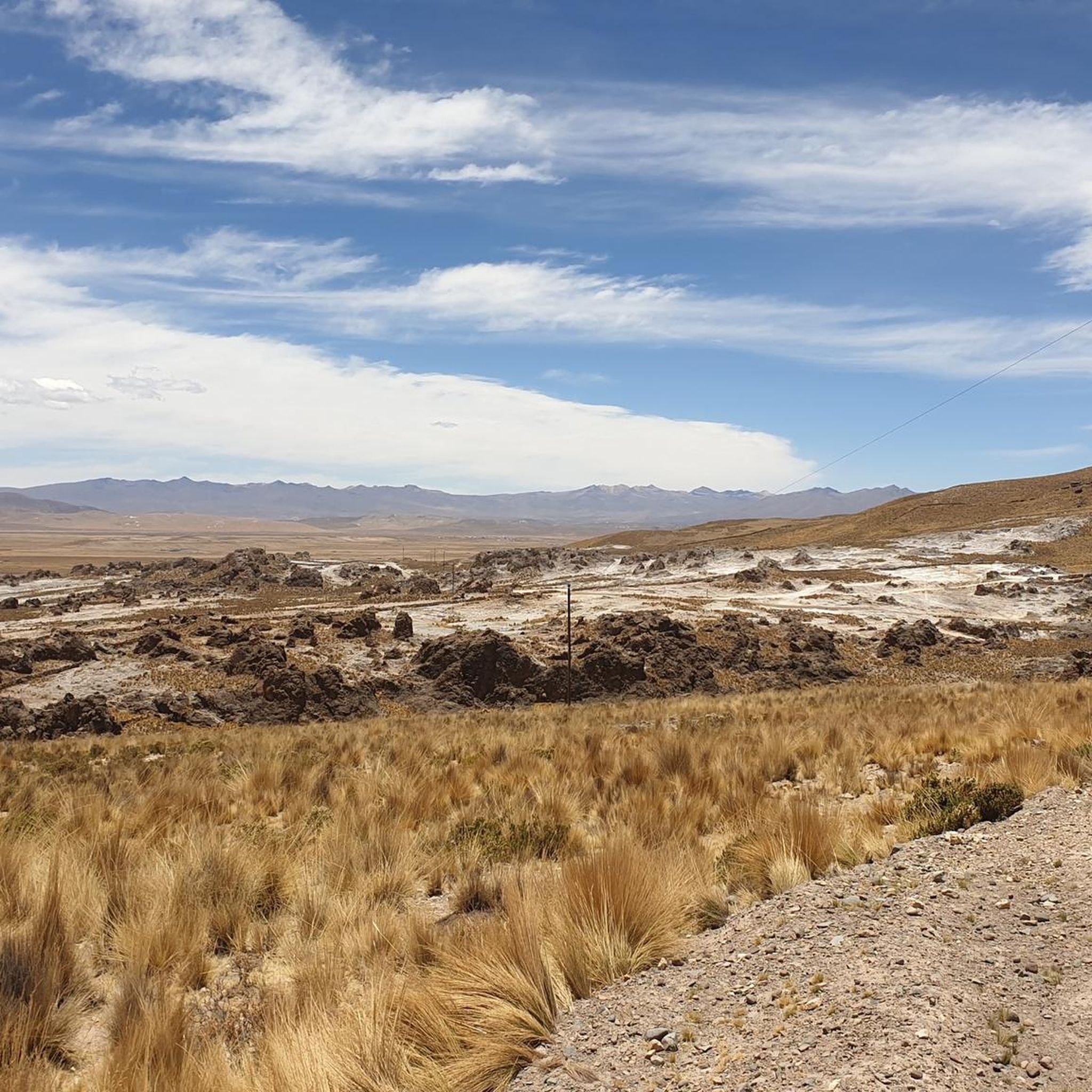
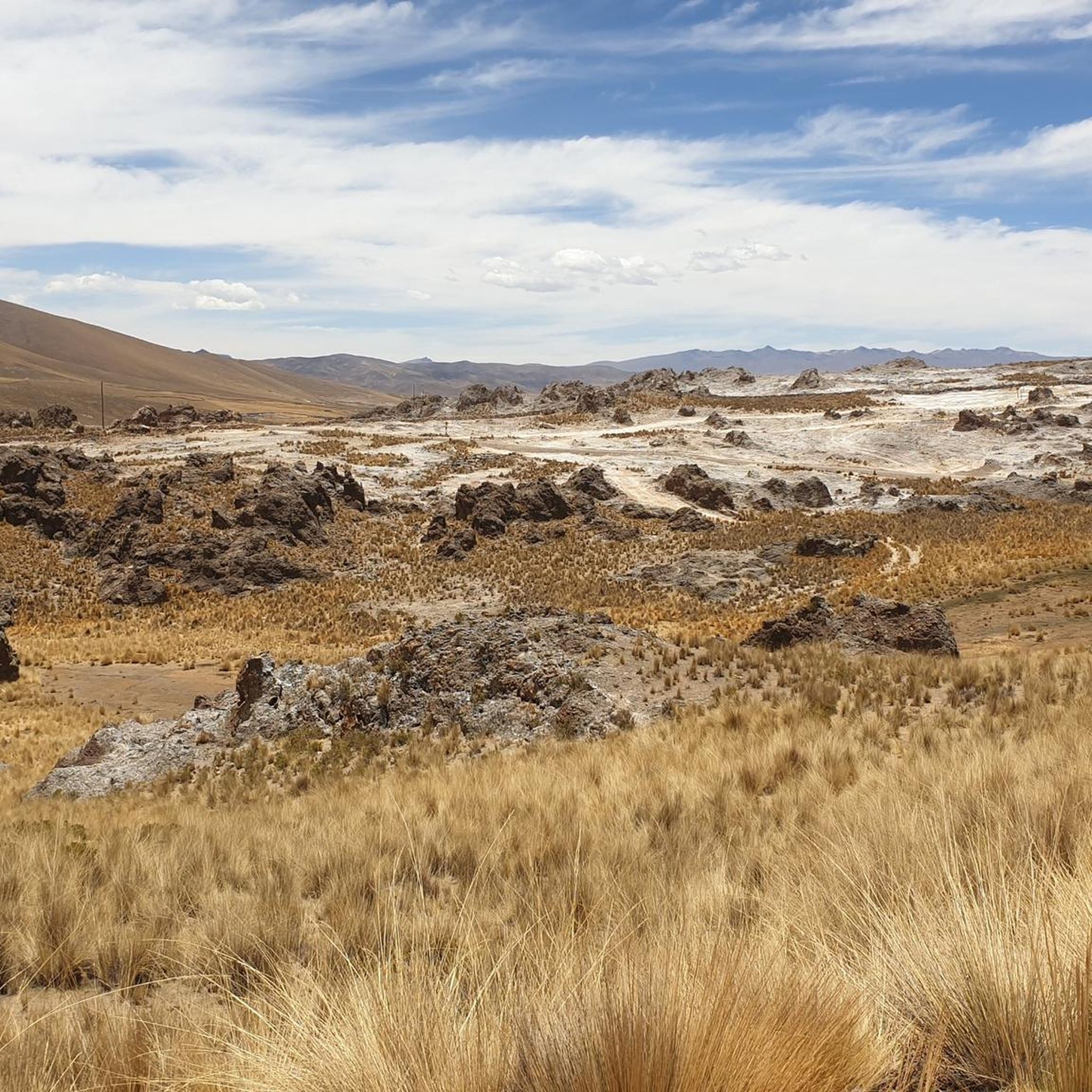
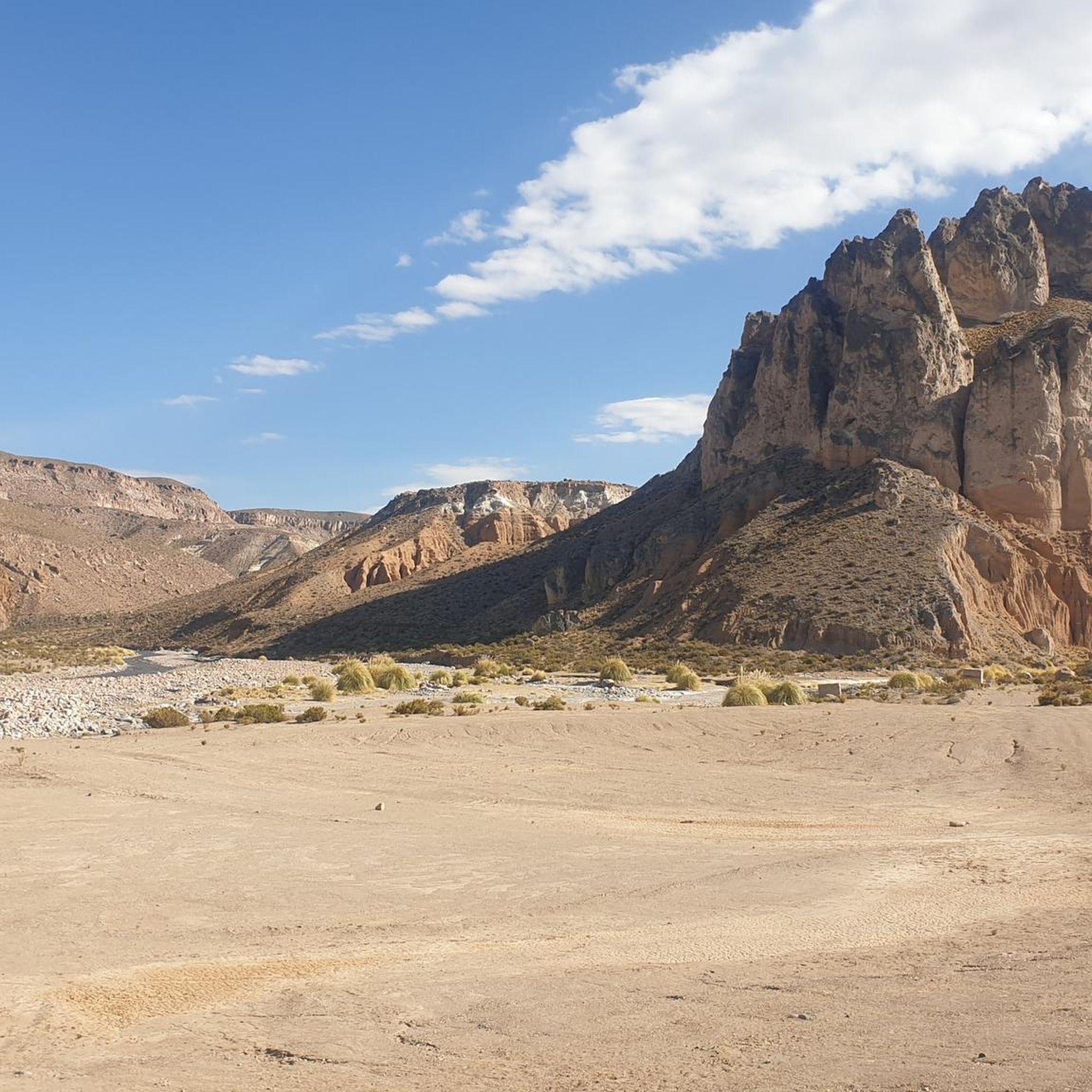
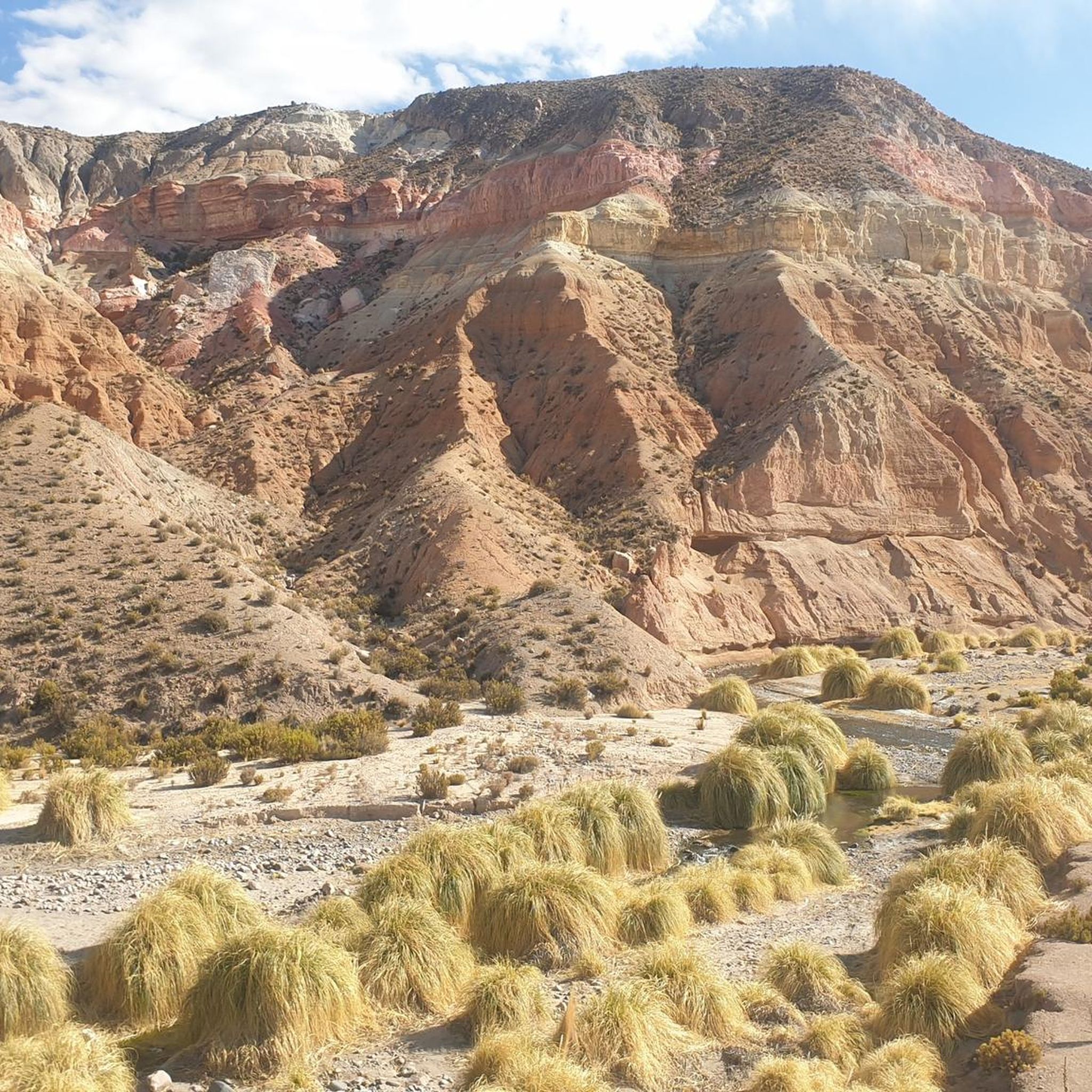
Hello Life in Travel :) I am travelling with my friend next week to north of Chile and will be passing close by...we will stay on a main road basically from Arica to bolivian border. I was wondering if you could share where exactly are those colourful sand dunes located on picture 1?
0
0

The “City Church of Arica” is actually called St. Mark's Cathedral or Catedral de San Marcos] also the Cathedral of Arica. The building was commissioned by the government of Peruvian President José Balta to the workshops of Frenchman Gustave Eiffel and was originally intended for the resort of Ancón.
0
0

Parinacota is a stratovolcano with a height of 6,348 m on the border between Chile and Bolivia in the Atacama Desert area. It is located in the Lauca National Park, 145 kilometers east of Arica in the Cordillera Occidental of the central Andes. Together with the neighboring Pomerape volcano, which lies northeast of it, it forms the Payachata complex. At its feet lies Lake Chungará. His current activity is limited to fumarole activity. More general information can be found on Wikipedia. The normal route from the Bolivian side starts between the two volcanoes Parinacota and Pomerape and can only be reached with off-road vehicles. The climb goes quite directly towards the summit, although the path is usually not visible because it is covered by snow or snow. However, that's not a problem, you just go straight up until you reach the highest point. You won't be confronted with any major technical difficulties, but the climb will take longer due to the high altitude and the quite a few meters in altitude that have to be covered. Acclimatization in advance is definitely recommended. Breaking into the frozen snow cover on the surface also doesn't make the climb any easier. However, the gigantic view of the enormous crater, of the Parinacota and the Sajama, as well as the Altiplano, Acotango and much more, rewards all the effort.
2
0
At this point the Glaciar del Acotango forms a so-called penitential ice, which, however, does not have to be crossed during the ascent. The icy peaks here are sometimes up to 2 m high. Looks very impressive
1
0
At 6052, the Acotango is a fairly easy 6000m on the border of Chile and Bolivia. The normal route leads from the Bolivian side through the huge crater of the extinct volcano and offers hardly any technical difficulties, but the altitude should not be underestimated. The view of the southern Altiplano and the neighboring mountains of the Cordillera Occidental such as the Sajama, Parinacota and Pomerape, as well as Gullatiri and much more on the Chilean side are very impressive.
1
0

We did the Cerro Acotango from the Bolivian side. A great tour, both alone and above all for acclimatization for another 6000m peaks in Sajama National Park. Sajama can take you to the trailhead. At this time of year (end of April) crampons are essential.
0
1

Pass at an altitude of 4800 m, at the foot of the Tapaaca volcano
1
0

Another attraction in Arica is the customs building, which was designed by Gustave Eiffel.
0
0
Frequently Asked Questions
What historical sites can I explore in Arica y Parinacota?
The region is rich in history. You can visit the iconic San Marcos Cathedral of Arica, an impressive metallic structure designed by Gustave Eiffel's workshops. Another significant landmark is the Arica Customs House, also an Eiffel design. Don't miss the Morro de Arica, a historic hill offering panoramic views and housing a museum about the War of the Pacific. For ancient history, the Museo Arqueológico San Miguel de Azapa displays some of the world's oldest mummies, the Chinchorro mummies, and the region is home to the UNESCO-recognized Qhapaq Ñan (Andean Road System) and numerous geoglyphs.
What natural parks and features should I visit in the region?
Arica y Parinacota boasts stunning natural beauty.
Lauca National Park, a UNESCO Biosphere Reserve, is a must-see, featuring high-altitude lakes like Chungará Lake, surrounded by snow-capped peaks such as the Parinacota Volcano. The Salar de Surire Natural Monument offers unique salt flats and is a prime spot for birdwatching, especially for flamingos. You can also explore Las Vicuñas National Reserve, dedicated to protecting vicuñas, or the coastal Cuevas de Anzota for archaeological remains and scenic walks.
Are there any challenging mountain climbs or viewpoints in Arica y Parinacota?
Yes, for those seeking adventure, the region offers several impressive peaks. Cerro Acotango, a 6,052-meter summit on the border with Bolivia, provides spectacular views of the southern Altiplano and neighboring mountains. The Parinacota Volcano, at 6,348 meters, also offers a challenging climb with a gigantic view of its crater and the surrounding landscape. The Tapaaca Pass is another viewpoint for challenging routes.
What cultural experiences can I find in Arica y Parinacota?
The region is rich in cultural heritage. You can visit traditional Altiplano villages like Socoroma, Belén, and Parinacota, which feature centuries-old Andean Baroque churches. The "Ruta de Las Misiones" offers a journey through these pre-Hispanic settlements. If you visit in January or February, you might experience the vibrant Carnaval Andino Con la Fuerza del Sol in Arica, a major festival celebrating Andean and Afro-descendant cultures with lively dances.
Are there family-friendly attractions in Arica y Parinacota?
Yes, several attractions are suitable for families. The San Marcos Cathedral of Arica is a historical site that can be enjoyed by all ages. The beaches of Arica, such as Playa La Lisera and El Laucho Beach, are perfect for relaxation and water activities. The Azapa Valley, known for its olive groves, also features a "Garden of Hummingbirds" where various species can be observed, which can be a delightful experience for children.
What outdoor activities can I do near these attractions?
The Arica y Parinacota region offers diverse outdoor activities. You can find numerous cycling routes, including easy to moderate loops like "Playa Las Machas loop from Las Palmas" or "Connection With My Inner Self loop from Condominio San Marcos." For hiking, explore moderate trails such as "Putre Main Square – Putre Church loop from Putre" or "View of Parinacota loop from Parinacota." Mountain biking enthusiasts can tackle routes like "Morro Gordo – Playa Arenillas Negras loop from Parque Urbano Punta Norte." You can find more details on these activities in the Cycling in Arica Y Parinacota, Hiking in Arica Y Parinacota, and MTB Trails in Arica Y Parinacota guides.
Where can I see unique wildlife in the Arica y Parinacota region?
For wildlife spotting, Lauca National Park is excellent for birdwatching, home to over 140 bird species. The Salar de Surire Natural Monument is particularly known for its three different types of flamingos. Las Vicuñas National Reserve is dedicated to protecting vicuñas, animals similar to llamas, offering opportunities to observe these creatures in their natural habitat. The Humedal del Río Lluta is another wetland area that provides a habitat for various bird species.
What is the best time to visit Arica y Parinacota?
Arica is known as the "City of Eternal Spring," offering pleasant weather year-round, making its coastal attractions enjoyable anytime. For exploring the high-altitude areas like Lauca National Park and the Altiplano, the dry season (typically May to November) is often preferred for clearer skies and more stable weather, though temperatures can be cold at higher elevations. The vibrant Carnaval Andino Con la Fuerza del Sol takes place in January or February.
Are there any unique geological formations or natural phenomena to observe?
Beyond the volcanoes and salt flats, you can witness the fascinating Penitentes Ice Formations on Acotango Glacier, a unique natural monument. The deep-blue lagoons within the Salar de Surire, situated in the world's driest non-polar desert, also present a striking geological contrast.
Can I visit traditional villages with historical churches in the region?
Absolutely. The Arica y Parinacota region is dotted with charming Altiplano villages that have preserved their heritage. Villages like Socoroma, Belén, and Timar Village feature intact, centuries-old churches showcasing a unique blend of indigenous and Spanish influences, often referred to as Andean Baroque. These offer a glimpse into the region's rich cultural and architectural past.
What are some lesser-known or unique attractions in Arica y Parinacota?
Beyond the main highlights, consider visiting the Presencias Tutelares Sculptures, a set of reinforced concrete and clay sculptures commemorating the region's first cultures. The Azapa Valley, while known for its archaeological museum, also offers a pleasant experience with its olive groves and tropical fruit cultivation, and the aforementioned "Garden of Hummingbirds" for a tranquil natural encounter.
Most popular attractions in Arica Y Parinacota

Get inspired with the komoot mobile app


Didn’t find what you were looking for?
Are you keen on exploring more awesome places nearby? Browse our guides:
Explore more
Still not found the Highlight you’re looking for? See guides of the top attractions in other regions:
