The best walks and hikes in San Cristóbal
4.3
(10)
94
hikers
4
hikes
Hiking in San Cristóbal, Dominican Republic, offers a variety of trails through its diverse landscape. The region features coastal areas, urban parks, and some elevated terrain, providing different environments for outdoor activities. Hikers can explore paths that lead through natural areas and connect to local points of interest.
Best hiking trails in San Cristóbal
- The most popular hiking route is Butterfly Garden loop from Los Rios, a 4.4 miles (7.1 km) trail that takes 1 hour 51 minutes to…
Last updated: July 5, 2026
5.0
(2)
39
hikers
10.1km
02:35
40m
40m
Moderate hike. Good fitness required. Easily-accessible paths. Suitable for all skill levels.
3.3
(3)
19
hikers
Moderate hike. Good fitness required. Easily-accessible paths. Suitable for all skill levels.

Sign up for free
5.0
(3)
12
hikers
12.2km
03:52
520m
520m
Moderate hike. Good fitness required. Easily-accessible paths. Suitable for all skill levels.
4.0
(1)
9
hikers
9.19km
02:23
50m
50m
Moderate hike. Good fitness required. Easily-accessible paths. Suitable for all skill levels.
4.0
(1)
8
hikers
7.09km
01:51
50m
50m
Easy hike. Great for any fitness level. Easily-accessible paths. Suitable for all skill levels.
7
hikers
Moderate hike. Good fitness required. Easily-accessible paths. Suitable for all skill levels.
Our route recommendations are based on thousands of hikes, rides, and runs completed by other people on komoot.
Start today with a free account
Your next adventure awaits.
Login or Signup




Tips from the Community

Description of the Cathedral of Santo Domingo The Cathedral of Santo Domingo, officially known as Santa María la Menor, is an outstanding historical and architectural landmark in Santo Domingo, the capital of the Dominican Republic. It is considered the first church in the New World and has been a UNESCO World Heritage Site since 1990, as it is located in the city's historic colonial quarter. Architecture and Building Style The cathedral combines various architectural styles, most notably: Gothic elements: These are visible in the structure and the pointed arch windows. Renaissance and Baroque elements: Particularly evident in the decorations and details of the facade and interiors. The building material consists primarily of golden coral limestone, which gives the cathedral its distinctive appearance. Historical Significance The cathedral was originally built as a Catholic church for the Spanish colonists. It symbolizes the beginning of Christian architecture in the Americas and is a significant testament to the Spanish colonial era. The cathedral also houses the tomb of Christopher Columbus, further emphasizing its historical significance. Location and Surroundings The cathedral is located in the heart of Santo Domingo's historic center, considered the first European settlement in the New World. It is surrounded by other historical buildings, museums, and Columbus Park, making a visit a truly cultural experience. Conclusion The Cathedral of Santo Domingo is not only an architectural masterpiece that harmoniously blends Gothic and Baroque styles, but also a significant symbol of the history and culture of the Dominican Republic and of the entire colonial history of the Americas.
0
0
Description of Parque Colón in the Dominican Republic Parque Colón, also known as Columbus Park, is the central plaza in the historic Ciudad Colonial district of Santo Domingo, the capital of the Dominican Republic. This park is a vibrant and historically significant public space that forms the heart of the colonial old town. Location and Significance The park is located in the middle of the Colonial Zone, a UNESCO World Heritage Site known for its well-preserved Spanish colonial architecture. It is a popular meeting place for locals and tourists alike and serves as a starting point for walking tours of the historic center. Design and Landmarks At the center of the park stands a statue of Christopher Columbus, which gives the plaza its name. The park is surrounded by historic buildings, including the impressive Cathedral of Santo Domingo, the first cathedral in the Americas, as well as other colonial structures that reflect the city's history and culture. Parque Colón is furnished with benches, shady trees, and well-maintained green spaces, inviting visitors to linger. Cultural events, street performers, and markets are frequently held here, giving the square a vibrant atmosphere. Atmosphere During the day, the park is a lively place, with nearby cafes and restaurants offering local specialties. In the evenings, the square is often romantically illuminated, providing a pleasant backdrop for strolls. Conclusion Parque Colón is not only a historical monument but also a vibrant social and cultural hub in Santo Domingo. It uniquely blends history, architecture, and the daily lives of the city's residents and is a must-see for every visitor to the Dominican Republic.
0
0
The Church of Our Lady of Las Mercedes in Santo Domingo is a significant historical and architectural landmark. Here is a detailed description: Architecture and Construction The church is a large stone structure with a main building and several side chapels. Architecturally, it is distinguished by the use of porticoes, columns, arches, and elaborate sculptures that reflect the craftsmanship of the time. The church dates back to the 17th century, making it an important example of colonial architecture. Interior Furnishings Inside is a large, polychrome wooden altarpiece dating from 1740. This intricately carved altarpiece is an outstanding example of religious art from that era. The church also houses other religious artworks and iconography dedicated to the patron saint, the Virgen de las Mercedes. Significance and Use The church is not only an architectural monument but also an active place of worship and a cultural center. It plays an important role in the religious life of the city and is a popular destination for pilgrims and tourists. The patron saint, Our Lady of Las Mercedes, is often depicted in iconography wearing a white tunic, a scapular, and a cloak. Location and Surroundings The church is located in the historic center of Santo Domingo, making it an easily accessible and significant part of the colonial old town. It is an important stop on many cultural and historical walking tours through the city.
0
0
The National Pantheon of the Dominican Republic is a historically significant building in the Zona Colonial of Santo Domingo, located on Las Damas (The Ladies) Street. History and Origin The building was constructed between 1714 and 1746 by the Spaniard Jerónimo Quezada y Garcón. It originally served as a church for the Jesuit order. It was one of the last buildings erected by the Spanish on Dominican soil. Transformation into a National Memorial In 1958, the then-dictator Rafael Trujillo transformed the building into the National Pantheon of the Dominican Republic. Since then, it has served as the final resting place for over 40 national heroes and important figures in Dominican history. Architecture and Significance The Pantheon is an outstanding example of colonial architecture and reflects 18th-century Spanish building styles. It is a symbol of national identity and honor, housing the remains of important statesmen, military leaders, and cultural figures. Location and Visit The National Pantheon is located in the historic center of Santo Domingo, a UNESCO World Heritage Site. It is a major cultural and tourist attraction, offering visitors insights into the history and heroes of the Dominican Republic.
0
0

Central square in Santo Domingo. I think it fits!!
0
0
Very beautiful building complex with wonderful photo opportunities.
0
0

The Columbus statue by French sculptor Ernest Gilbert in the heart of Santo Domingo's old town was commissioned as part of the celebrations for the 400th anniversary of the discovery of America by Christopher Columbus. The reason for the creation of the statue was clearly to glorify Christopher Columbus and commemorate the "discovery" of America, but at the same time the depiction of Anacaona also honored the indigenous population of the island, albeit in a subordinate role. The statue is now a controversial monument, as it is both a symbol of the history and cultural heritage of the Dominican Republic and a glorification of the colonial era and a suppression of indigenous history. In recent years there have been repeated discussions about the possible removal of the statue.
0
0

A beautifully landscaped Japanese garden. Woody plants, a lake, a small bridge and water turtles. Everything is there.
0
0
Frequently Asked Questions
How many hiking trails are available in San Cristóbal, Dominican Republic?
Currently, there are 4 hiking routes documented in San Cristóbal, Dominican Republic, on komoot. These trails offer a range of experiences from easy strolls to more challenging moderate ascents.
Are there any easy hiking trails suitable for beginners in San Cristóbal?
Yes, for beginners or those looking for a relaxed walk, the Butterfly Garden loop from Los Rios is an excellent choice. It's an easy 4.4 miles (7.1 km) route that typically takes less than 2 hours to complete.
What is the typical duration for hikes in San Cristóbal?
Hike durations in San Cristóbal vary. Easy routes like the Butterfly Garden loop from Los Rios can be completed in under 2 hours. More moderate trails, such as the Ascent to Resolí loop from Doña Ana, can take around 3 hours 50 minutes due to their length and elevation gain.
Are there any circular hiking routes in San Cristóbal?
Yes, many of the trails in San Cristóbal are circular. Examples include the Lago Enriquillo loop from Parqueos Torre Orange and the Ascent to Resolí loop from Doña Ana, allowing you to start and end at the same point.
What kind of terrain can I expect on San Cristóbal's hiking trails?
The hiking trails in San Cristóbal, Dominican Republic, feature a mix of urban park paths and natural areas. You'll find routes with moderate ascents, such as the Ascent to Resolí loop from Doña Ana, and loops around natural features like Lago Enriquillo.
What do other hikers say about the trails in San Cristóbal?
The komoot community rates the trails in San Cristóbal highly, with an average score of 4.2 stars from over 9 reviews. Hikers often appreciate the varied terrain and the options available for different ability levels.
Are there any challenging hikes in San Cristóbal?
For a more challenging experience, consider the Ascent to Resolí loop from Doña Ana. This moderate 7.6 miles (12.2 km) path includes significant elevation gain, providing a good workout for experienced hikers.
Can I find trails that combine urban exploration with nature in San Cristóbal?
Yes, some routes offer a blend of urban and natural environments. The Parque Billini – Parque Colón (Columbus Park) loop from Joaquín Balaguer, for instance, takes you through city parks and connects to historical points of interest.
What is the longest hiking trail available in San Cristóbal?
The longest hiking trail currently listed is the Parque Billini – Parque Colón (Columbus Park) loop from Joaquín Balaguer, which covers 8 miles (12.9 km) and is rated as moderate difficulty.
Are there any trails that pass by significant natural features like lakes?
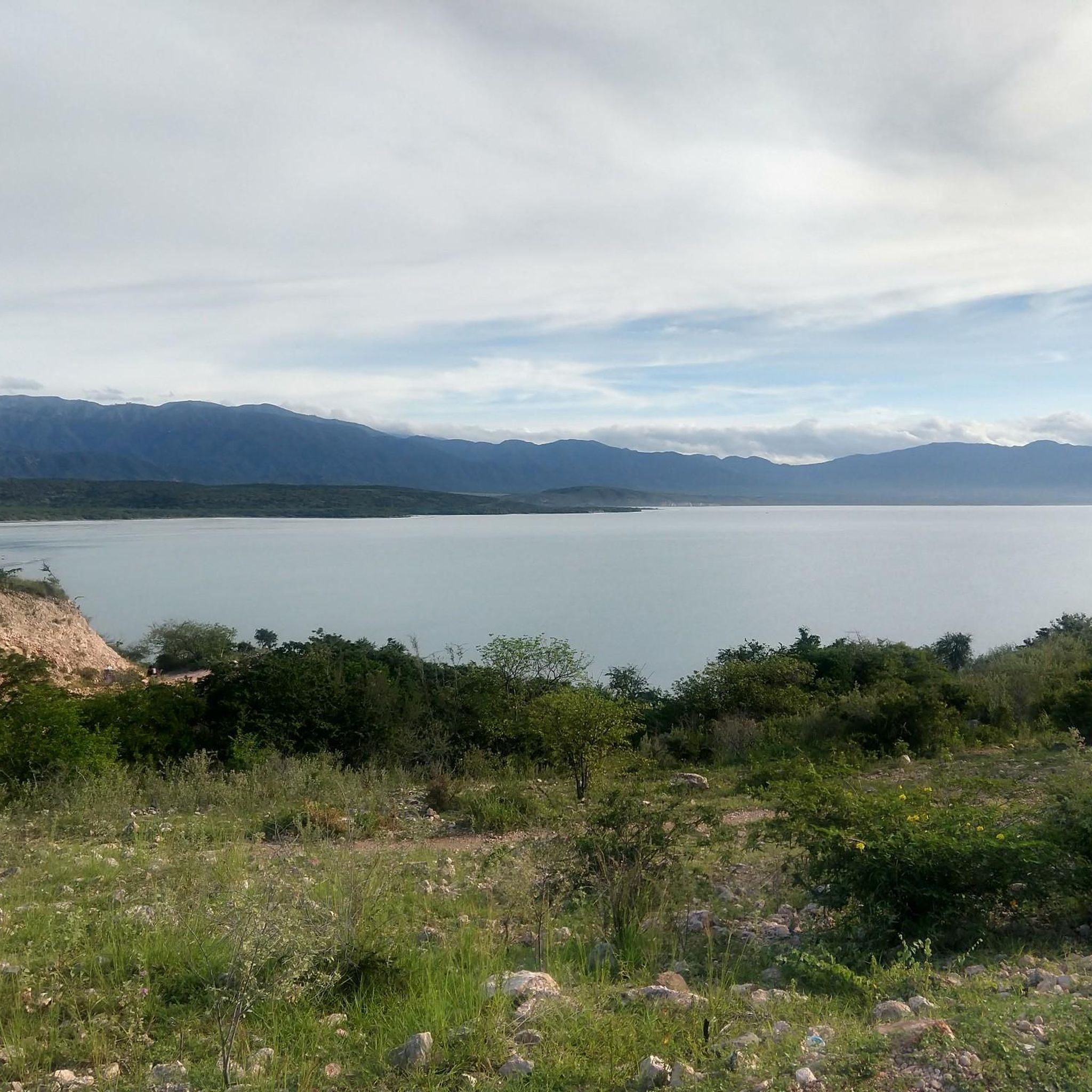
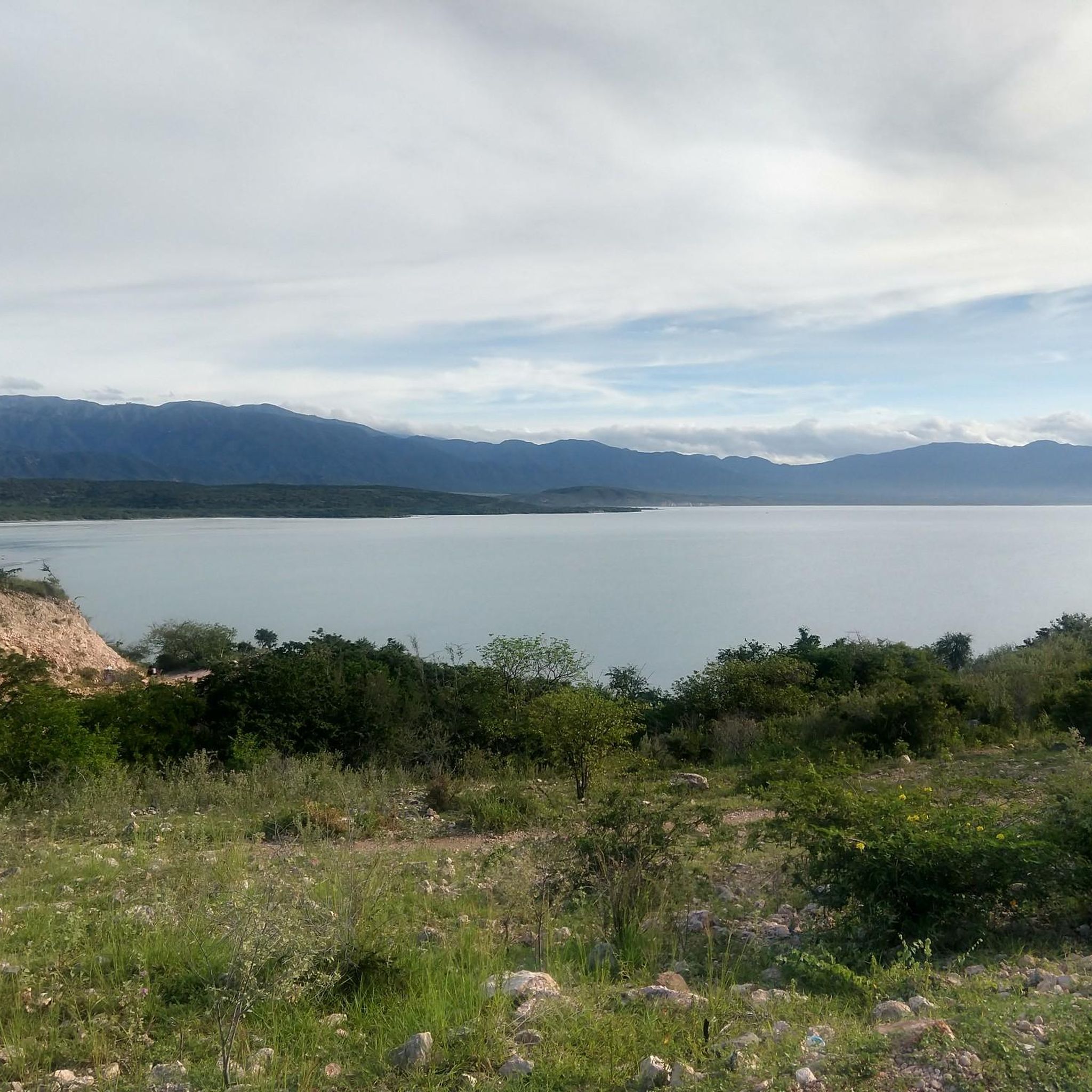
Yes, the Lago Enriquillo loop from Parqueos Torre Orange is a 6.3 miles (10.1 km) trail that leads through varied terrain and circles around the natural feature of Lago Enriquillo.
What types of hikes are most common in San Cristóbal?
Hiking in San Cristóbal is characterized by urban park paths, moderate ascents, and loops around natural features. The network offers options for different ability levels, from easy strolls to more demanding moderate routes.

Get inspired with the komoot mobile app


Didn’t find what you were looking for?
Check out more Hikes throughout San Cristóbal below and find the perfect route in your destination.
Explore more
Browse the best Hikes in other regions.
