The 13 Most Amazing Peaks around Habach
Best mountain peaks around Habach are found within the Hohe Tauern National Park in Salzburg, Austria. This region is known for its unique emerald deposits and impressive surrounding mountain peaks. The valley offers diverse hiking opportunities, ranging from leisurely walks to challenging high-alpine tours. It is a geological area with varied rock zones and pristine nature.
Best mountain peaks around Habach
- The most popular mountain peaks is Sonnenspitz summit with views over Lake Kochel, a summit that offers a…
Last updated: August 16, 2026
Rötelstein Summit
Highlight • Summit
Translated by Google •
Tip by

Graseck Summit
Highlight • Summit
Translated by Google •
Tip by

Sign up now to discover places like this
Get recommendations on the best single tracks, peaks, & plenty of other exciting outdoor places.
Sign up for free
Heuwinkl Chapel (Pilgrimage Church of St. Mary in Heuwinkl)
Highlight • Religious Site
de.m.wikipedia.org/wiki/Heuwinklkapelle
Wikipedia (List of architectural monuments in Iffeldorf, 2023-12-28):
de.m.wikipedia.org/wiki/Liste_der_Baudenkmäler_in_Iffeldorf#D-1-90-132-10
“Catholic pilgrimage chapel of St. Mary ... Quatrefoil-shaped central building with pilaster strips and bell dome …
Translated by Google •
Tip by

View of Kochelsee from Stutzenstein
Highlight • Viewpoint
Translated by Google •
Tip by

Röthelstein Summit (1,394 m)
Highlight • Summit
Translated by Google •
Tip by

Sign up for free to discover even more peaks around Habach.
Sign up for free
Already have an account?
Start today with a free account
Your next adventure awaits.
Login or Signup
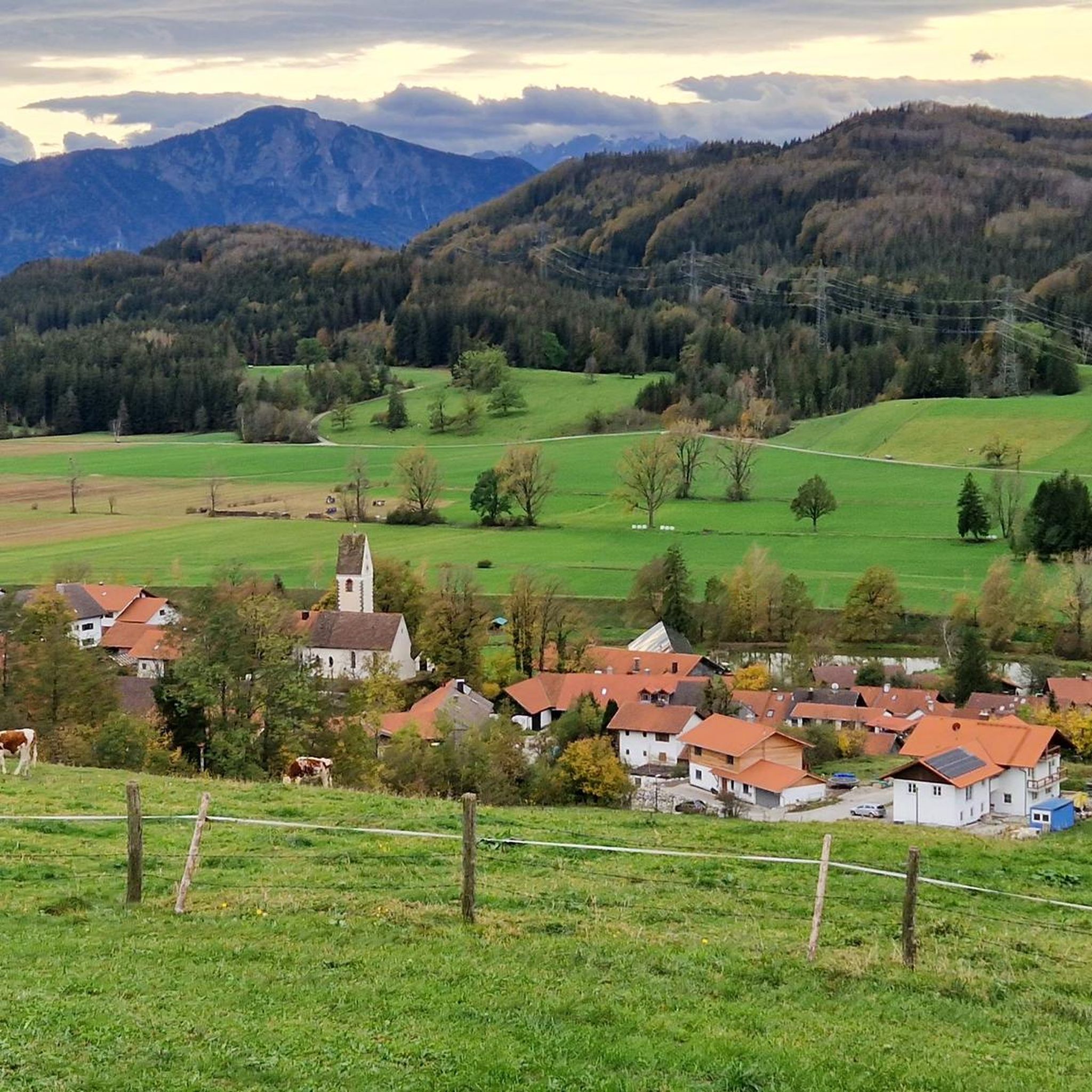
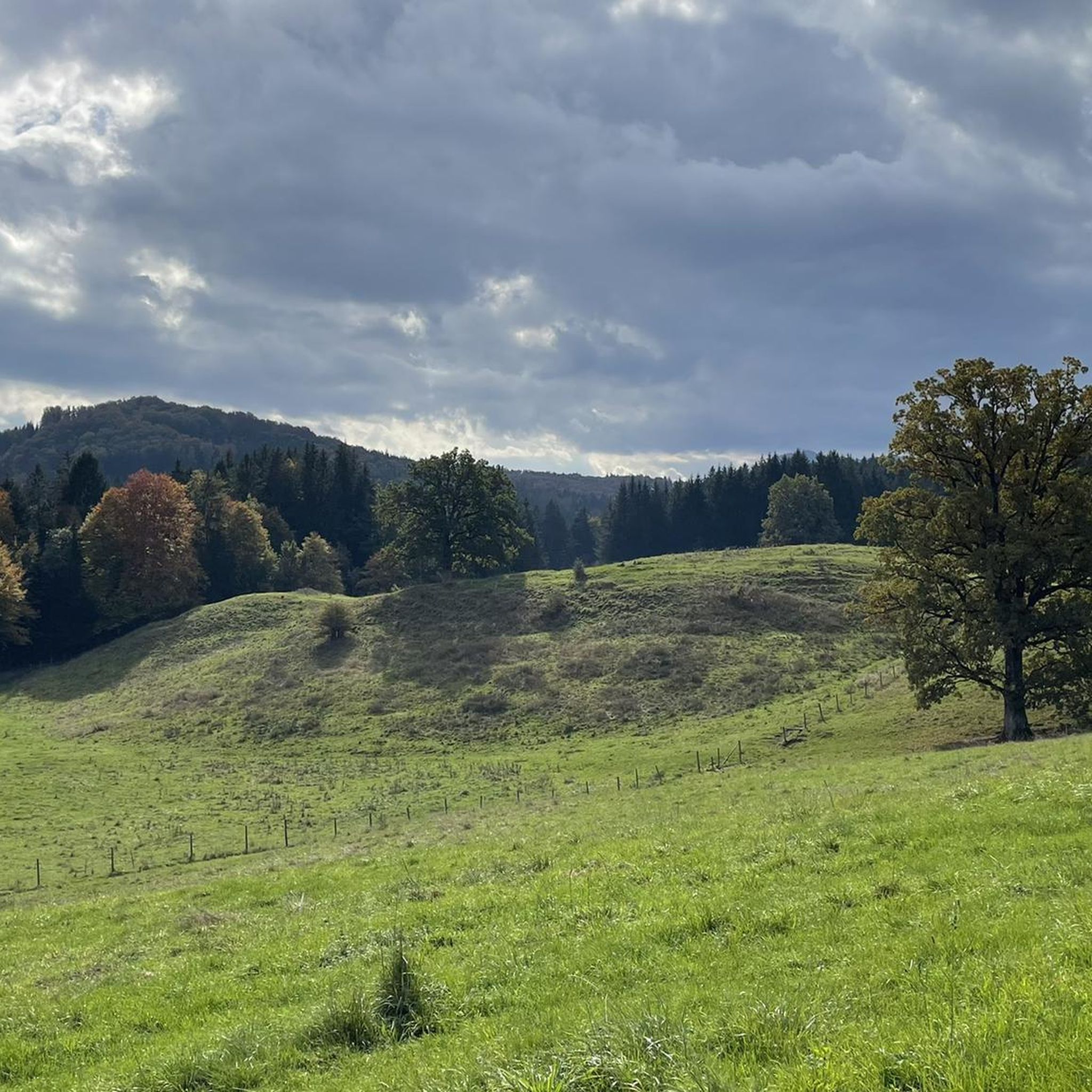
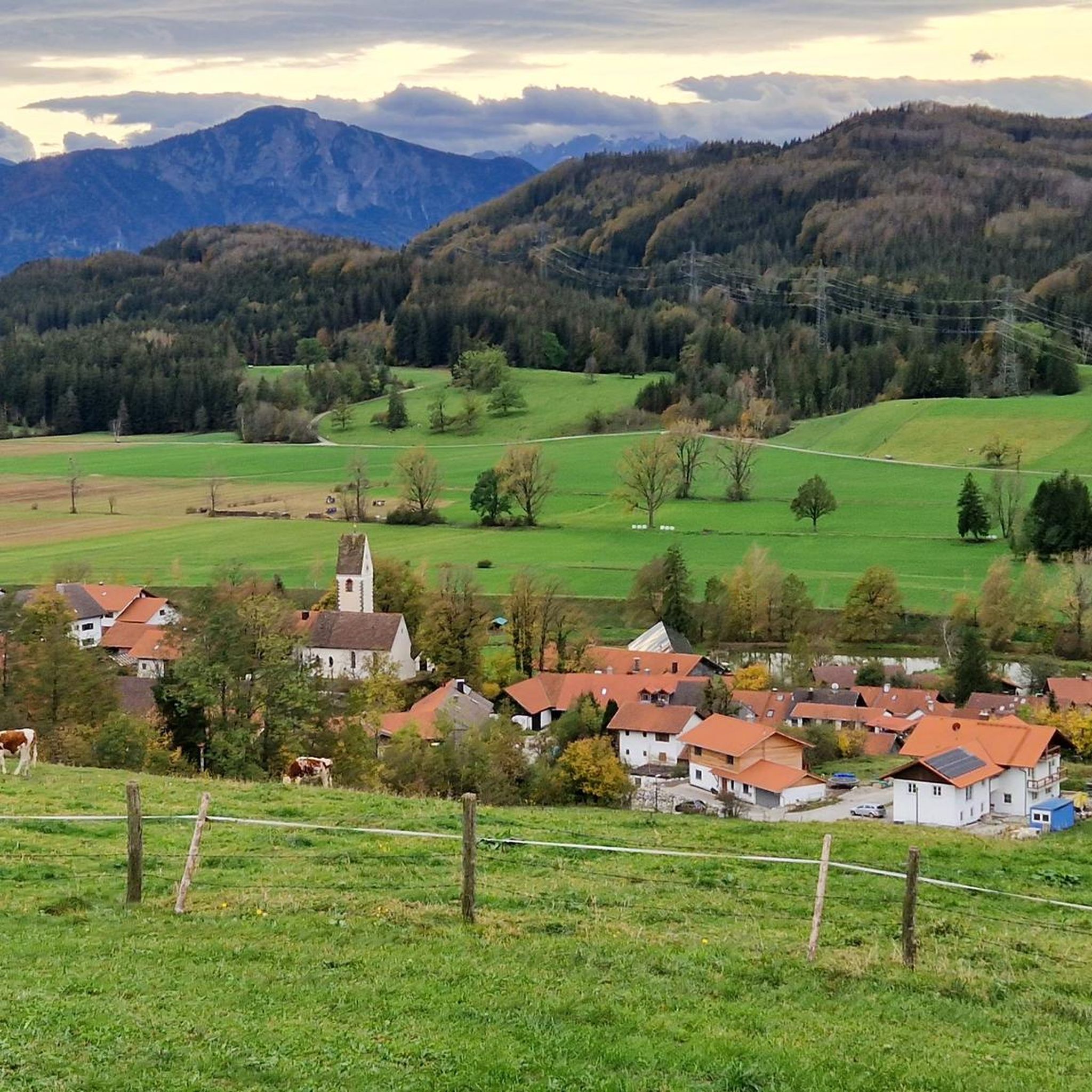
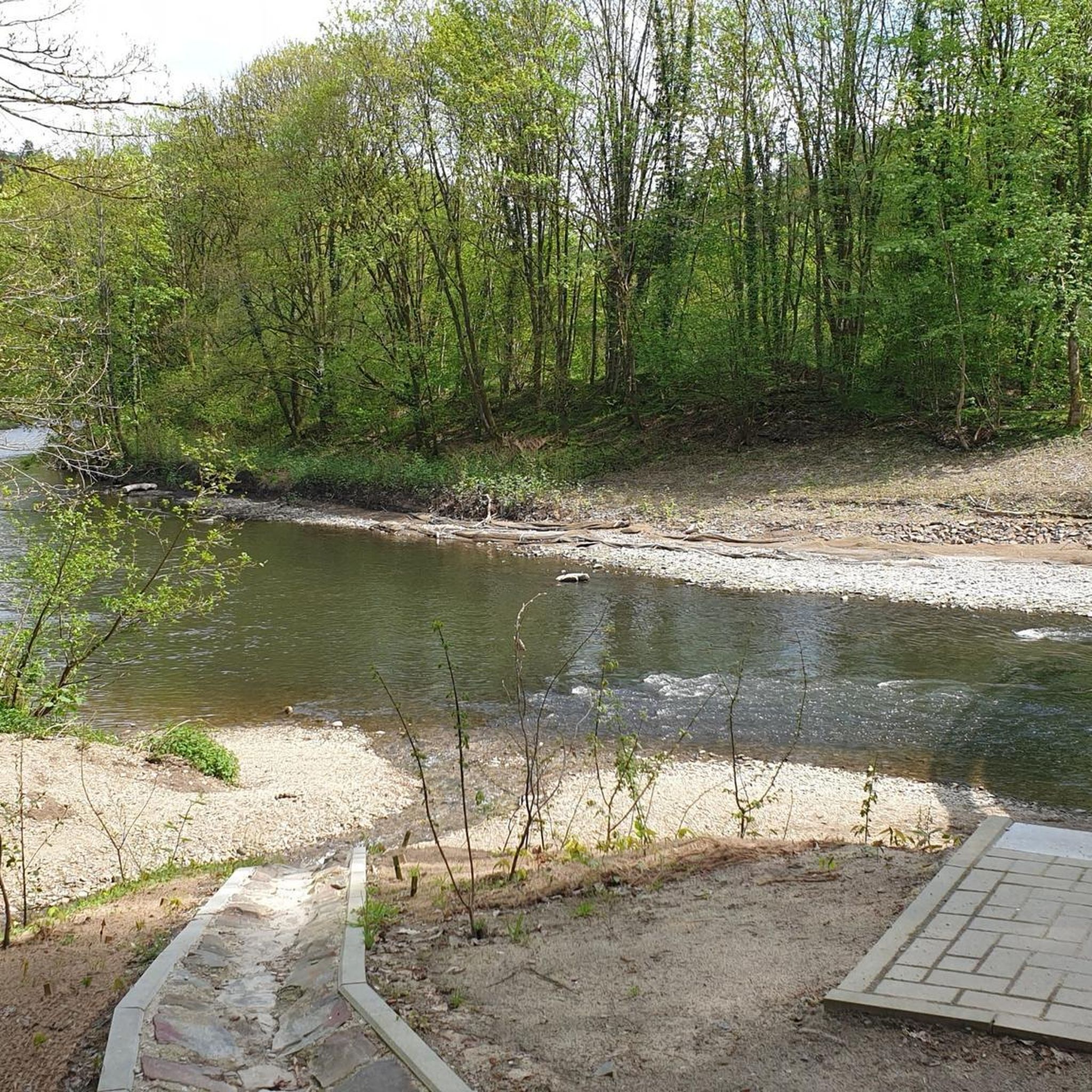
Tips from the Community


an inconspicuous peak with a beautiful view of Lake Kochel
0
0

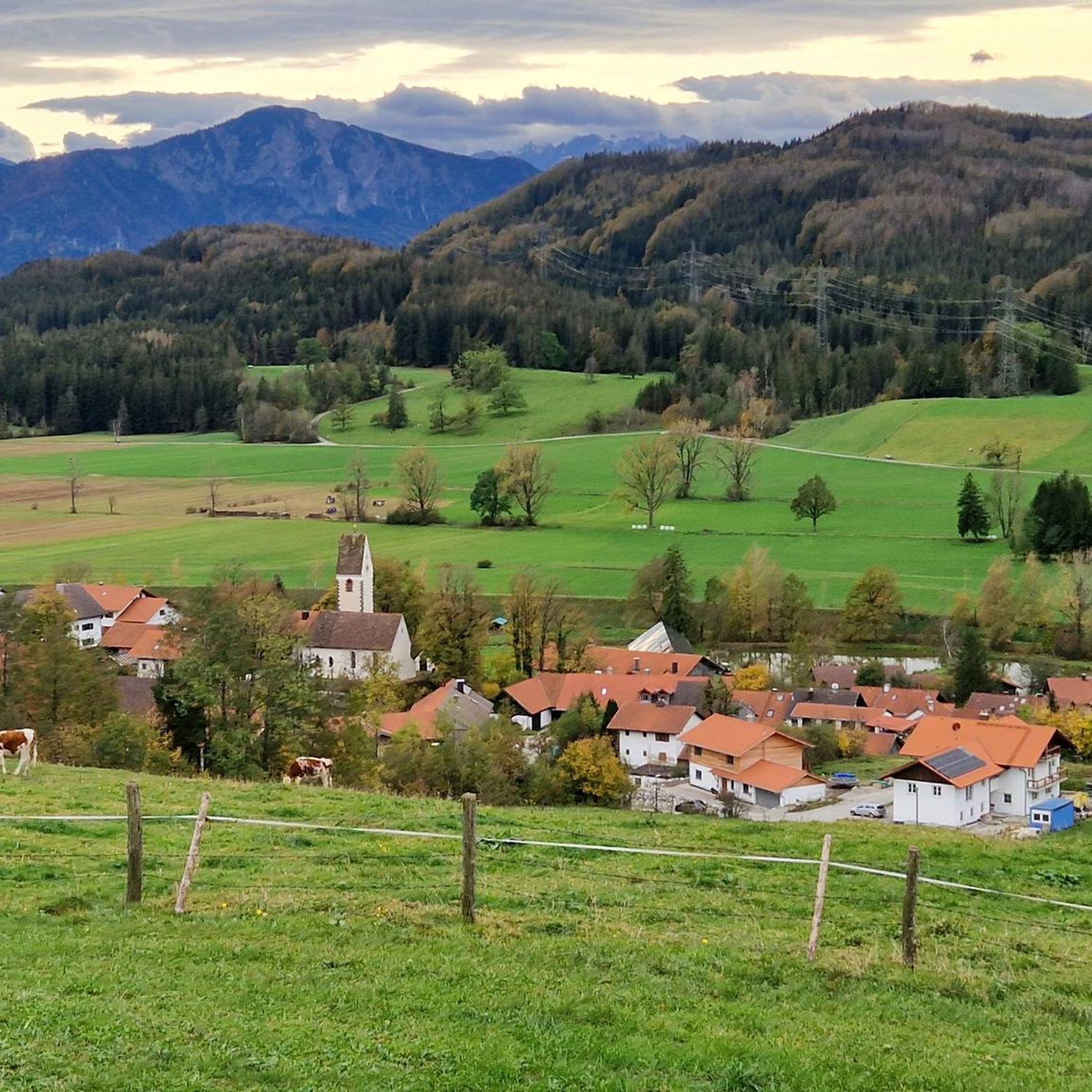
In absolute terms, the Graseck is not very high, but it still stands 600 m above Lake Kochel, as the western side drops steeply down to the lake. This means that there are great views of the lake, which lies like a pearl in the plain below. The path there is somewhat exposed and often goes through steep grassy slopes, so it should be approached with caution, especially in snow.
1
0

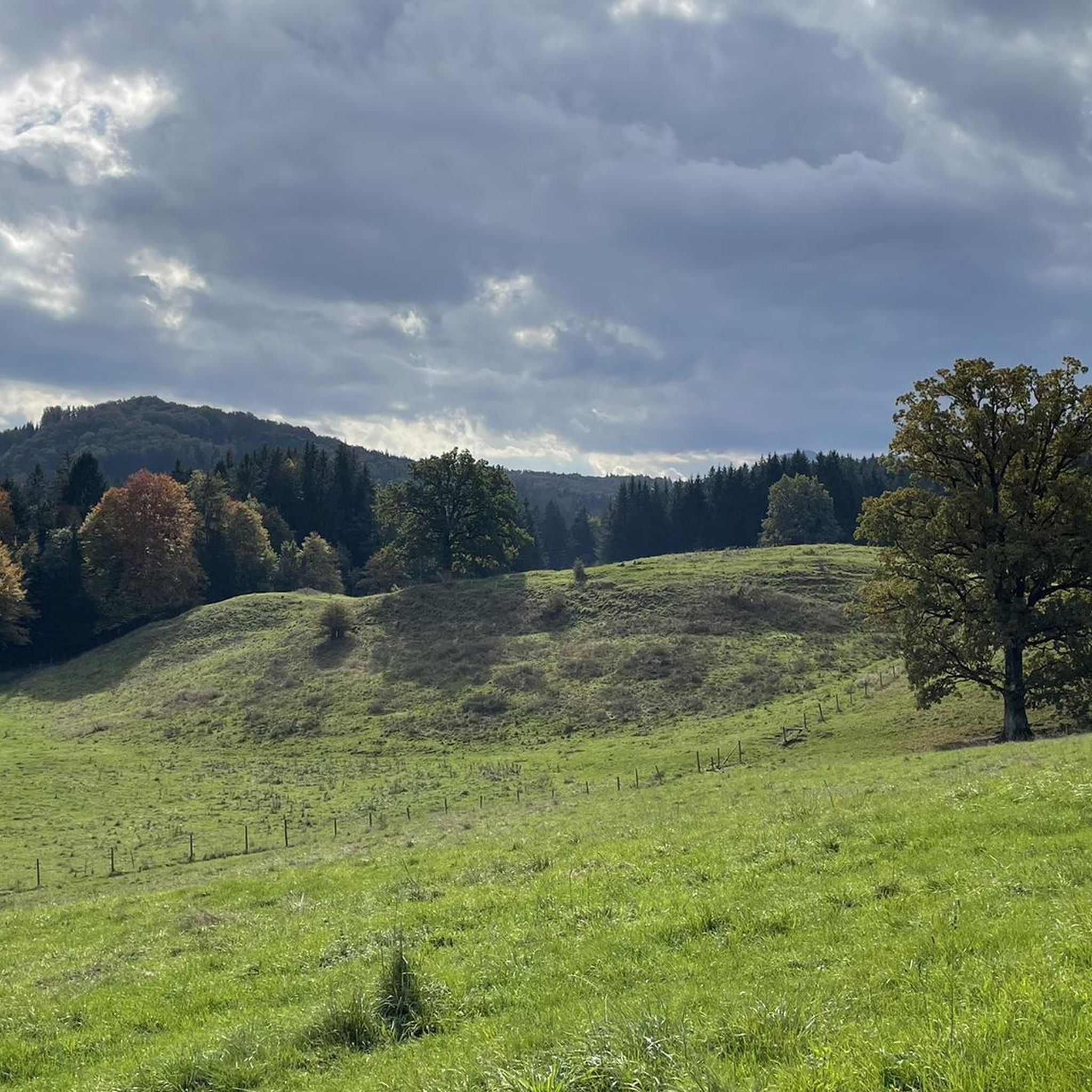
A nice hike, without any difficulties, on wide forest paths, up and down. Shortly before the summit (100/150m) there is a steep root path with a few rocks leading up. There is not much space at the summit cross.
1
0
A nice hike, without any difficulties, on wide forest paths, up and down. Shortly before the summit (100/150m) there is a steep root path with a few rocks leading up. There is not much space at the summit cross.
0
0

The tour to the Stuzenstein is not particularly high, but it is certainly strenuous. In some places it was very steep uphill, as was the case on the last section, which contained a lot of rubble and erosion damage. Before you get to the Stuzenstein and the amazing view, you really have to fight for it. As I said, the path is not very good. I strongly recommend hiking boots and poles, because the path to the plateau is a root and stone path that goes very steeply off the path to the left, while the ridge drops off to the right. If you are not sure-footed and have a head for heights, you should not do it, because the path to the great view is slippery in slightly damp weather, like today, and should be approached with caution. Nevertheless, it is worth the effort. Why is the tour worth it? "The view answers the question"!
0
0
The tour up the Stuzenstein is not particularly high, but it is certainly strenuous. In some places it was very steep uphill, as was the case on the last section, which contained a lot of rubble and erosion damage. Before you get to the Stuzenstein and the amazing view, you really have to fight for it. As I said, the path is not very good. I strongly recommend hiking boots and poles, because the path up to the plateau is a root and stone path that is very steep and goes off the path to the left, while the ridge drops off to the right. If you are not sure-footed and have a head for heights, you should not do it, because the path to the great view is slippery in slightly damp weather like today and should be approached with caution. Nevertheless, it is worth the effort.
0
0

The climb to Röthelstein is actually not very demanding except for the last 200 meters. The climb leads along wide forest paths. Shortly below the summit cross, however, it becomes challenging: rooty paths, steep and sometimes rocky sections follow. You should definitely be sure-footed. Not recommended when it is wet.
0
0
Frequently Asked Questions
What are some of the most popular mountain peaks around Habach?
The Habach region offers a variety of impressive peaks. One of the most popular is Sonnenspitz summit with views over Lake Kochel, known for its beautiful panorama over Lake Kochel and the Loisach. Another highly regarded spot is View of Kochelsee and Herzogstand, which provides extensive vistas of Walchensee and Kochelsee, along with the surrounding Alpine foothills.
What makes the Habach Valley's mountain peaks unique?
The Habach Valley, nestled within the Hohe Tauern National Park, is renowned for its unique emerald deposits, being Europe's only significant source. Beyond this geological marvel, the peaks offer diverse hiking opportunities, from leisurely walks to challenging high-alpine tours, all set within a pristine natural landscape shaped by glaciers.
What are some of the highest mountain peaks in the Habach Valley?
The Habach Valley boasts several majestic peaks over 3,000 meters. Notable examples include Hohe Fürleg (3,243 m), Plattiger Habach (3,207 m), Kratzenberg (3,022 m), and Larmkogel (3,017 m). These offer challenging ascents and extensive views of the Hohe Tauern range.
What is the terrain and difficulty like for hiking the peaks in Habach Valley?
The Habach Valley offers a range of terrain and difficulty levels. You can find leisurely walks along the Habach River, moderate trails through spruce forests, and challenging high-alpine tours leading to prominent summits. For instance, the ascent to Sonnenspitz summit is described as a steep but rewarding climb through the forest, while the Rötelstein Summit requires sure-footedness and freedom from giddiness, especially on its final meters.
Are there family-friendly mountain peaks or trails in the Habach Valley?
Yes, the Habach Valley offers options for families. While some peaks are challenging, there are also leisurely walks and trails suitable for families. For example, Sonnenspitz summit is categorized as family-friendly, and the Heuwinkl Chapel, a historical site and viewpoint, is also considered family-friendly.
Can I bring my dog on trails in the Habach Valley?
Many trails in the Habach Valley are dog-friendly, allowing you to enjoy the mountains with your canine companion. For instance, the Sonnenspitz summit is listed as dog-friendly. However, for more challenging routes like Rötelstein Summit, it's advised that both owner and dogs are absolutely sure-footed and free from giddiness, especially on steeper sections.
When is the best time to visit the Habach mountains?
The best time to visit depends on your desired activity. The valley offers diverse hiking opportunities throughout the warmer months, from spring to autumn. High-alpine tours are typically best undertaken in summer when snow conditions are favorable. For specific seasonal considerations, especially regarding high-altitude routes, it's always advisable to check local conditions.
What notable landmarks or viewpoints can I find among the Habach peaks?
Beyond the peaks themselves, the region features several notable landmarks and viewpoints. The Heuwinkl Chapel (Pilgrimage Church of St. Mary in Heuwinkl) is a historical religious building and viewpoint known for its oversized dome. Many summits, like Sonnenspitz and Rötelstein Summit, also serve as excellent viewpoints offering expansive panoramas.
What outdoor activities can I do near the Habach peaks besides hiking?
In addition to hiking, the area around Habach offers excellent opportunities for cycling and running. You can explore various routes such as the 'Benediktbeuern pilgrimage site – Benediktbeuern Abbey loop' for cycling or the 'Path Through the Birch Grove – Beautiful panorama loop' for running. For more details on these activities, you can refer to the Cycling around Habach guide and the Running Trails around Habach guide.
Are there specific hiking routes recommended near the Habach peaks?
Yes, there are numerous hiking routes near the Habach peaks catering to different preferences. Popular options include the 'View of the Bavarian Alps – View of Riegsee and Staffelsee loop' and the 'View of Zugspitze – View of Riegsee and Staffelsee loop'. These routes offer moderate difficulty and stunning views. You can find more detailed information and additional routes in the Hiking around Habach guide.
What do visitors enjoy most about the mountain peaks around Habach?
Visitors frequently praise the breathtaking panoramic views from the summits, such as those from Sonnenspitz and View of Kochelsee and Herzogstand. The diverse and engaging trails, from varied forest paths to challenging high-alpine sections, are also highly appreciated. Many enjoy the sense of tranquility and the pristine nature found within the Hohe Tauern National Park, often noting the rewarding experience after a good climb.
Can I learn about the geology of the Habach Valley while visiting the peaks?
Absolutely. The Habach Valley is a geological marvel. An 'Emerald Trail' features information boards explaining the geological conditions and mineral wealth of the area, including its famous emerald deposits. This allows visitors to combine scenic hikes with an educational experience about the formation of the Hohe Tauern over millions of years.
Are there alpine huts available for overnight stays or refreshments near the Habach peaks?
Yes, the Habach Valley and its surrounding peaks are well-equipped with alpine huts. Huts like the Thüringer Hütte and the Neuen Fürther Hütte provide essential services, offering opportunities for overnight stays, refreshments, and serving as crucial bases for longer mountain expeditions and hut-to-hut tours.
Most popular routes around Habach
Most popular attractions around Habach

Get inspired with the komoot mobile app


Explore more
See even more amazing summits around Habach with these guides:
