Attractions and Places To See in N.A. (Lake Titicaca) - Top 20
Best attractions and places to see in N.A. (Lake Titicaca) include the world's highest navigable lake, situated at an elevation of 3,812 meters, straddling the border of Peru and Bolivia. This region is known for its deep blue waters set against the Andes Mountains and holds significant cultural heritage, often considered the birthplace of the sun in Inca mythology. Visitors can explore ancient sites, unique floating islands, and communities preserving traditional ways of life. The area offers a blend of…
Last updated: July 4, 2026
Chincana Ruins, Isla del Sol
Highlight • Historical Site
Translated by Google •
Tip by

Basilica of Our Lady of Copacabana
Highlight • Religious Site
Translated by Google •
Tip by

Sign up now to discover places like this
Get recommendations on the best single tracks, peaks, & plenty of other exciting outdoor places.
Sign up for free
Cathedral Basilica of St. Charles Borromeo (Puno Cathedral)
Highlight • Religious Site
Translated by Google •
Tip by
Puno Main Square
Highlight • Monument
Tip by

Saint John the Baptist Church, Puno
Highlight • Religious Site
Translated by Google •
Tip by
Sign up for free to discover even more attractions in N.A. (Lake Titicaca).
Sign up for free
Already have an account?
Start today with a free account
Your next adventure awaits.
Login or Signup
Popular around N.A. (Lake Titicaca)
Tips from the Community

historic inside
0
0

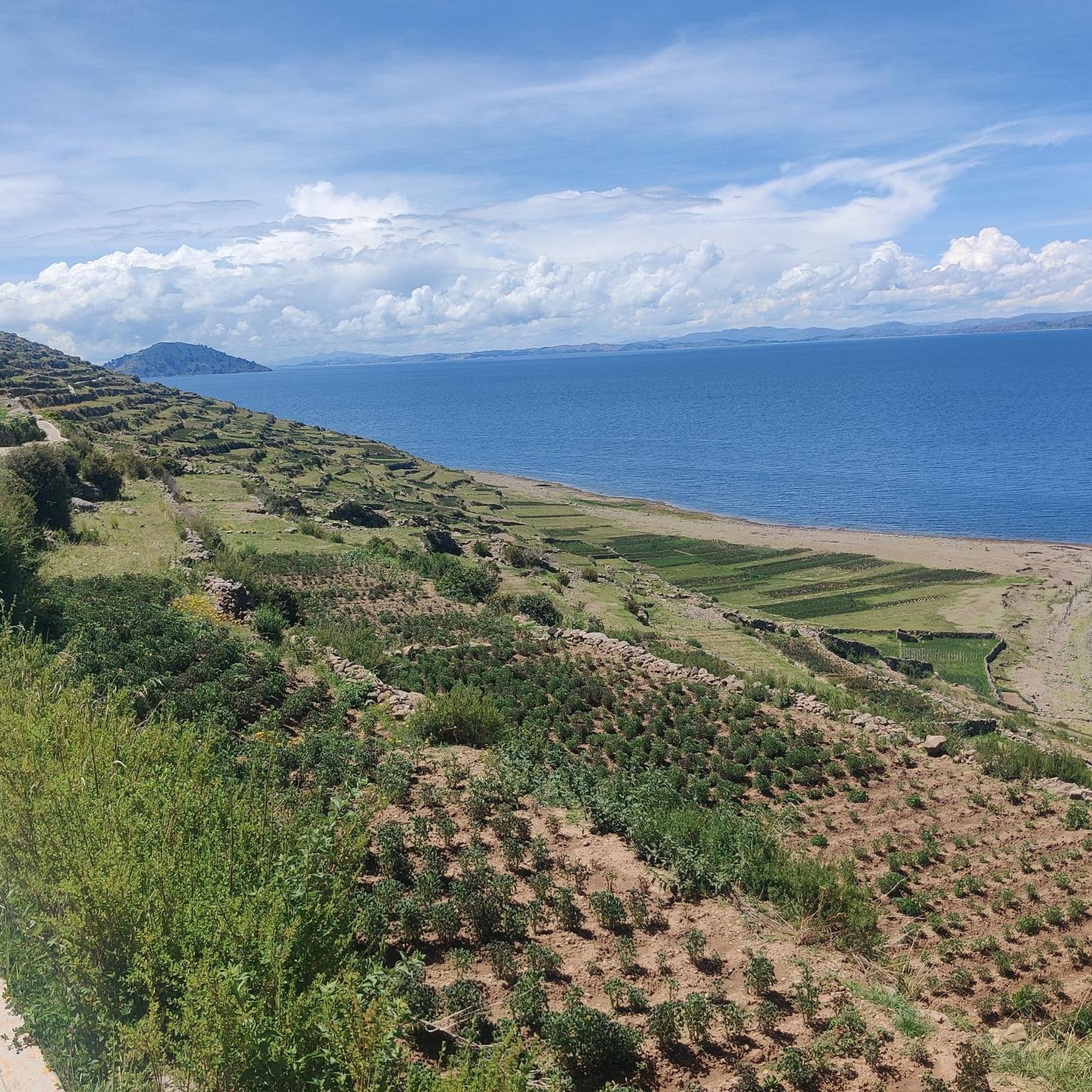
Even the path to the Chincana Temple offers spectacular views of the lake and the surrounding area. The scenery is almost Mediterranean, with small, hidden coves, fine sandy beaches, and turquoise waters, a dreamlike experience.
2
1
The Basilica of Our Lady of Copacabana is a 17th-century Spanish colonial shrine that houses the statue of the Virgen de Copacabana. The statue can be rotated; on weekends, it faces the church, and during the week, it can be seen in the Virgin's house on the first floor.
3
0

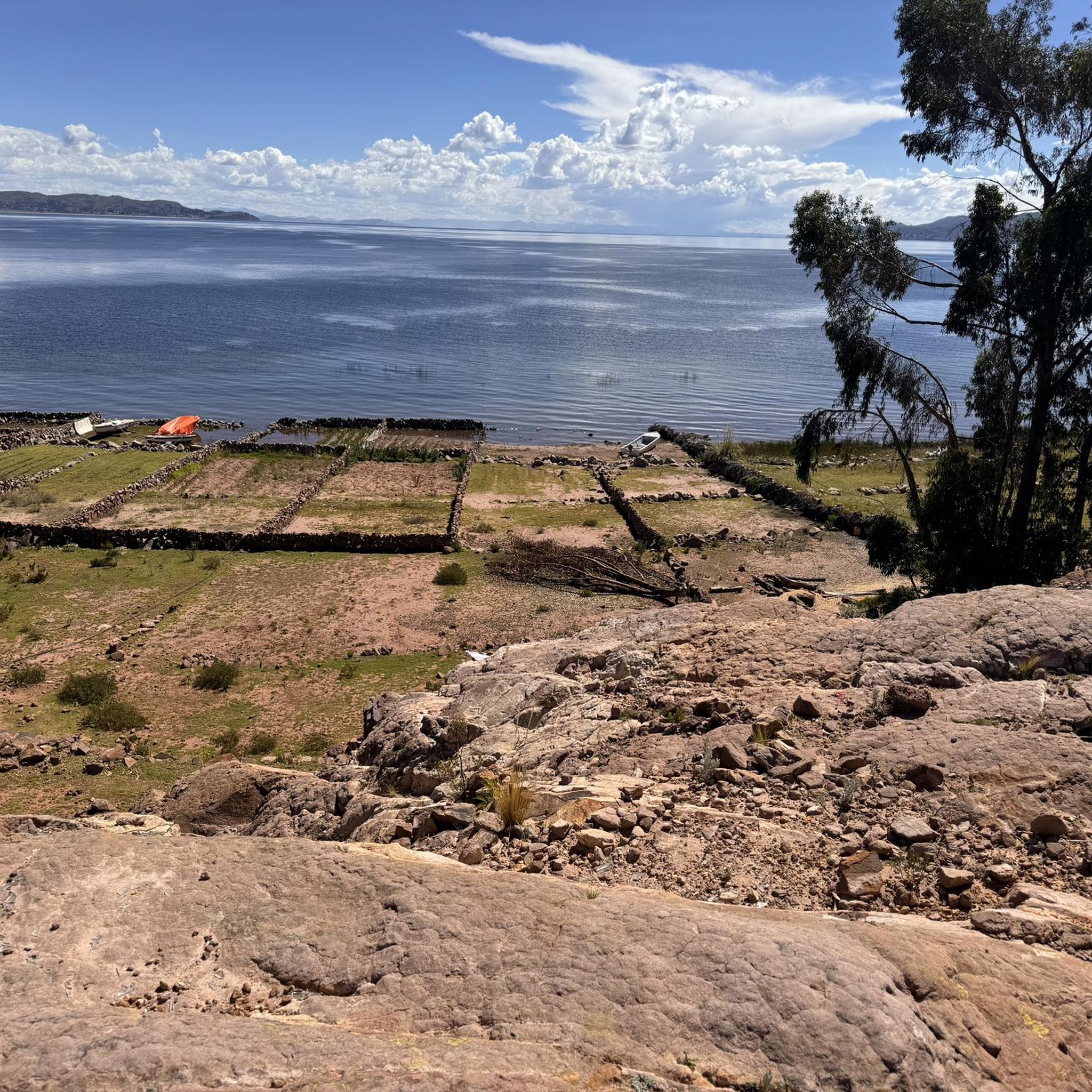
The trail meanders along Lake Titicaca, where the azure waters lap against the rocky shoreline in an almost unreal way. The historic site itself is a mix of ancient stone walls and a backdrop that is almost meditative. Once you reach the top, it's worth stopping for a moment to look out over the pristine landscape. If you feel like it, you can even take a refreshing swim on the shore - a rare opportunity at this altitude. But remember to bring plenty of water with you, as the height of Lake Titicaca is noticeable.
1
0

Puno's main Catholic church, the most striking element of the central Plaza de Armas with its two bell towers and beautiful stone facade. It is beautifully decorated, the interior is relatively simple. After admiring the carved stone figures outside, head inside to enjoy the serene atmosphere under the vaulted ceilings and marvel at the large marble altar. Although the official name of Puno Cathedral is the Cathedral Basilica of San Carlos Borromeo, very few people use the full name of this landmark today. The cathedral was built in 1757 and is part of the Andean Baroque school of architecture, a style commonly adopted in the mountainous regions of South America. After the fire in 1930, Puno Cathedral was completely rebuilt and received the designation of Historical Cultural Heritage of the Nation of Peru in 1972. The remains of Julio Gonzáles Ruiz, a former bishop of the Diocese of Puno, are buried in the cathedral. There appears to be a bullet stuck in this painting, which dates back to a conflict over ownership of the mines of San Luis de Alba in the 18th century, which is why it is known as 'The Lord of the Bullet'.
0
0
The Church of San Juan Bautista is a building made of adobe and very simple, more than 200 years old. It was the temple of the indigenous population, the displaced, the marginalized and the poor. It is the home of the patron saint of Puno: the Virgin of Candelaria, who is said to have performed miraculous apparitions to protect the exploited miners of Lacaycota, and also to destroy the ants, snakes and toads sent by the devil to destroy the capital of the highlands. The church has a French pointed arch style façade and was rebuilt in 1876 with three Gothic altars and a large number of religious paintings inside. Every year in February the church is full of believers who celebrate the feast of the Virgin of Candelaria amidst colorful festivities. The Church of San Juan is very close to the Plaza de Armas, just in front of Pino Park.
0
0

Nice ruins with a great backdrop. Also a nice place to go for a dip.
0
0
The church of San Juan Bautista de Puno in the city of Puno is more than 200 years old and is the main residence of the patron saint of Puno, the Virgen de la Candelaria.
1
0
Frequently Asked Questions
What unique cultural experiences can I find on Lake Titicaca's islands?
Lake Titicaca offers several unique island experiences. You can visit the Taquile Island, known for its UNESCO-recognized textile art and ancient weaving traditions. Another option is the Uros Floating Islands, crafted entirely from totora reeds by the indigenous Uros people, where you can learn about their traditional way of life. Amantani Island also offers authentic cultural experiences, including homestays with local Quechua-speaking communities and ancient temples like Pachatata and Pachamama.
Are there any significant Inca or pre-Inca archaeological sites to visit?
Yes, Lake Titicaca is rich in ancient history. On the Bolivian side, you can explore Chincana Ruins, Isla del Sol, also known as "The Labyrinth," which is considered sacred in Inca lore. Isla del Sol is believed to be the birthplace of the Inca sun god, Inti, and features over 80 ruins. Nearby, Isla de la Luna holds the ruins of a supposed Inca nunnery. On the mainland, the pre-Inca site of Tiwanaku showcases impressive massive stone structures that predate the Inca empire. In Peru, Sillustani features ancient circular burial towers called *chullpas* overlooking Lake Umayo.
What natural features and viewpoints should I seek out around Lake Titicaca?
The lake itself is a breathtaking natural feature, being the world's highest navigable lake. For stunning panoramic views, consider hiking up Cerro Calvario in Copacabana, Bolivia. The Chincana Ruins, Isla del Sol also offer spectacular views of the lake and surrounding Andes. The vast expanse of deep blue water against the mountains is a constant highlight. The unique ecosystem, including totora reeds and endemic species like the Titicaca water frog, adds to the natural wonder.
What kind of outdoor activities and routes are available near Lake Titicaca's attractions?
You can find various outdoor activities around Lake Titicaca. For hiking, options range from easy to difficult. An easy route is the 5.7 km "Cerro Calvario – Plaza 2 de Febrero, Copacabana loop from Copacabana." A moderate option is the 8.5 km "View of Lake Titicaca – Carus Summit Cross loop from Hospedaje casa simion." For a more challenging adventure, try the 22.8 km "Playa de las Sirenas – Cerro Santa Barbara Junction loop from Isla del Sol." You can find more details on these and other routes in the Hiking in N.A. (Lake Titicaca) guide. Running trails are also available, such as the 10.7 km "View of Lake Titicaca loop from Copacabana" or the 6.1 km "Pachatata loop from Amantaní," detailed in the Running Trails in N.A. (Lake Titicaca) guide.
Are there family-friendly attractions or activities in the Lake Titicaca region?
Yes, several attractions are suitable for families. The Cathedral Basilica of St. Charles Borromeo (Puno Cathedral) and Saint John the Baptist Church, Puno are historical and religious sites that can be interesting for all ages. Exploring the Puno Main Square offers a central point to experience the city's atmosphere. The Uros Floating Islands provide a unique and engaging cultural experience for children and adults alike, allowing them to see a different way of life. Many boat tours to the islands are also family-friendly.
What is the best time of year to visit Lake Titicaca?
The dry season, typically from May to October, is generally considered the best time to visit Lake Titicaca. During these months, you can expect clear skies, plenty of sunshine, and less rainfall, making it ideal for exploring the islands and enjoying outdoor activities. While temperatures can be cool, especially at night due to the high altitude, the days are usually pleasant. The wet season (November to April) brings more rain, which can sometimes impact travel and visibility, though the landscape becomes greener.
What do visitors enjoy most about the attractions in Lake Titicaca?
Visitors frequently praise the stunning natural beauty, especially the deep blue waters of the lake set against the Andes Mountains. The rich cultural heritage and ancient history are also major draws, with many appreciating the opportunity to learn about Inca and pre-Inca civilizations. The unique experiences offered by the island communities, such as the Uros Floating Islands and the textile art of Taquile Island, are often highlighted as memorable. The serene atmosphere and the chance to disconnect from modern life are also highly valued.
Are there any religious or spiritual sites of interest in the region?
Yes, the region holds significant spiritual importance. Isla del Sol is considered sacred in Inca lore, believed to be the birthplace of the sun god Inti. Amantani Island features ancient temples dedicated to Pachatata (Earth Father) and Pachamama (Mother Earth). In Puno, the Cathedral Basilica of St. Charles Borromeo (Puno Cathedral) is an 18th-century Baroque masterpiece, and the Saint John the Baptist Church, Puno is home to the image of the Virgin of Candelaria, patron saint of Puno.
How long should I plan to spend exploring Lake Titicaca's attractions?
To fully appreciate the diverse attractions of Lake Titicaca, it's recommended to spend at least 2-3 days. This allows enough time to visit key islands like the Uros Floating Islands, Taquile, and Amantani (often combined in multi-day tours), explore the cities of Puno or Copacabana, and potentially visit archaeological sites like Tiwanaku or Sillustani. If you plan on extensive hiking or want to experience a homestay, extending your visit to 4-5 days would be beneficial.
What is the significance of the totora reeds in Lake Titicaca?
The totora reeds are incredibly significant to Lake Titicaca's ecosystem and its indigenous communities. These reeds grow abundantly in the shallow waters and are used by the Uros people to construct their unique floating islands, homes, and boats. Beyond their cultural use, totora reeds are vital for the lake's ecosystem, providing habitat and food for many aquatic species, including the critically endangered Titicaca water frog, and supporting a large population of water birds.
Can I find any unique or lesser-known places to visit around Lake Titicaca?
While many visitors focus on the main islands, the Llachón Peninsula in Peru offers a 'hidden gem' experience with unique perspectives of the lake and opportunities to engage with local communities. Additionally, the Chucuito Fertility Temple (Templo de Inca Uyu) near Chucuito, with its intriguing stone statues, provides a glimpse into debated ancient rituals and local folklore, offering a different kind of historical exploration.
Most popular routes in N.A. (Lake Titicaca)
Most popular attractions in N.A. (Lake Titicaca)

Get inspired with the komoot mobile app


