Top 12 Castles around Dießen am Ammersee
Best castles around Dießen am Ammersee offer insights into the region's historical fortified sites and past. The area features historical castle sites and structures, including former medieval castle locations on hills like Burgberg and Schatzberg. These landmarks provide scenic viewpoints over the Ammer moorland and the Alps, showcasing the strategic importance of the landscape.
Best castles around Dießen am Ammersee
- The most popular castles is Seefeld Castle, a castle complex preserved for eight centuries. It has retained the appearance of a medieval castle, featuring a 13th-century keep and spur layer.
- Another must-see spot is Pöring Castle Church of Mary of Reconciliation, a religious building with historical significance. This small hall building features a curved choir and chapel area, designed by Dominikus Zimmermann in the 18th century.
- Visitors also love Mühlfeld Castle, a castle with more than six centuries of history. It served as a seat for the Andechs and Wessobrunn convents until the 19th century and was once the summer residence of Benedictine monks.
- Dießen am Ammersee is known for historical castle sites, former fortifications, and religious buildings with castle elements. Visitors can explore ruins, former foundations, and preserved complexes that reflect the region's aristocratic past.
- The castles around Dießen am Ammersee are appreciated by the komoot community, with more than 1400 upvotes and over 400 photos shared.
Last updated: August 30, 2026
Seefeld Castle
Highlight • Castle
Many beautiful paths.
Is something on the mountain. Therefore, a certain level of fitness is required if you are traveling by bike or on foot.
Translated by Google •
Tip by

Pöring Castle Church of Mary of Reconciliation
Highlight • Religious Site
Translated by Google •
Tip by

Sign up now to discover places like this
Get recommendations on the best single tracks, peaks, & plenty of other exciting outdoor places.
Sign up for free
Mühlfeld Castle
Highlight • Castle
Translated by Google •
Tip by

City wall at Hofgraben, Landsberg am Lech
Highlight • Historical Site
Translated by Google •
Tip by
Burgberg Monument
Highlight • Monument
More information and source: augsburger-allgemeine.de/landsberg/Burg-und-Schatzberg-geben-Geheimnisse-nicht-preis-id6591361.html
Author: augsburger-allgemeine.de/autoren/Modlinger-id3311.html
Translated by Google •
Tip by

Sign up for free to discover even more castles around Dießen am Ammersee.
Sign up for free
Already have an account?
Start today with a free account
Your next adventure awaits.
Login or Signup
Popular around Dießen am Ammersee
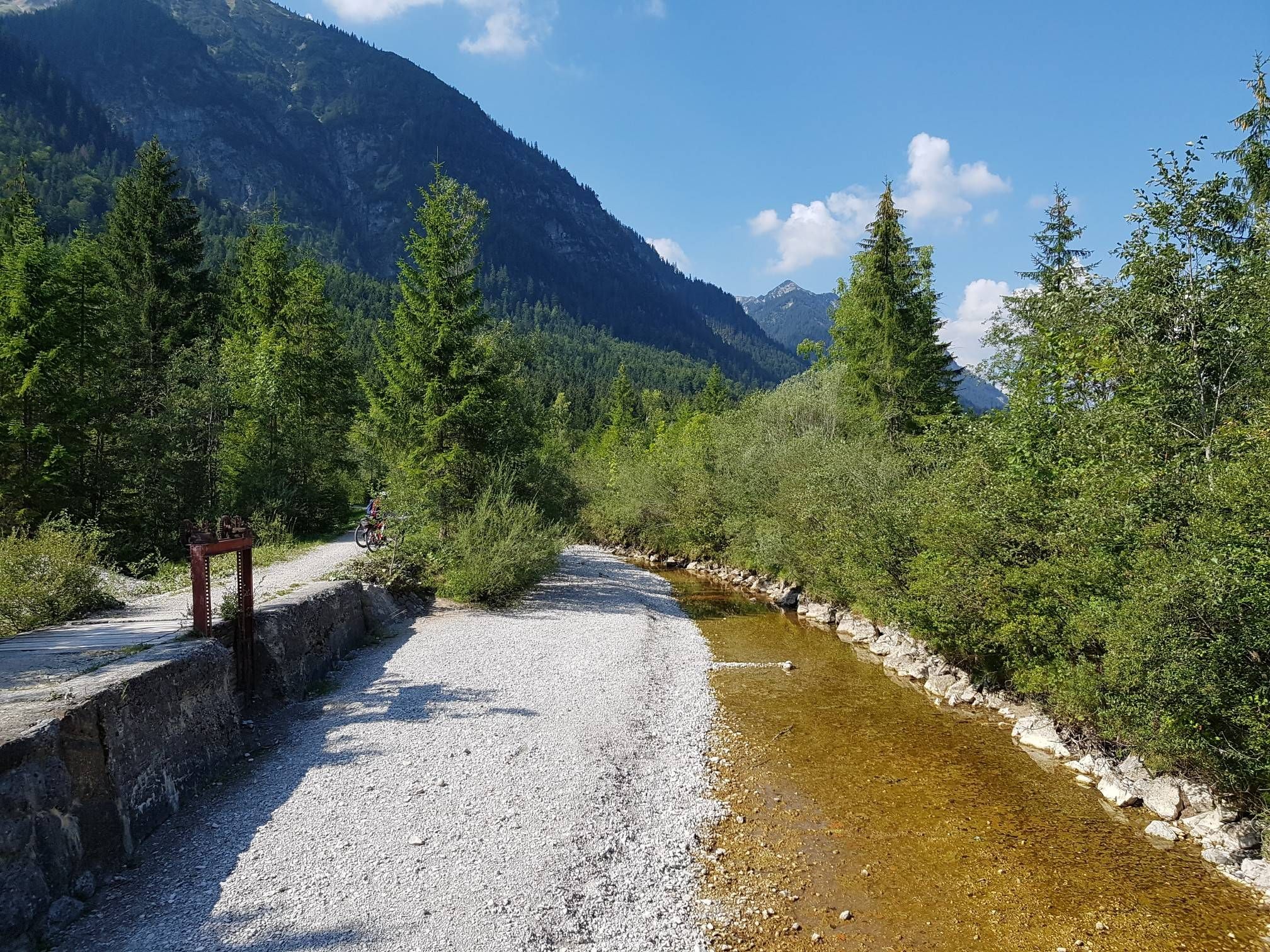
The Ammer-Amper Cycle Path – Experience nature in the foothills of the Alps
Europe’s Seasonal Birding Hotspots
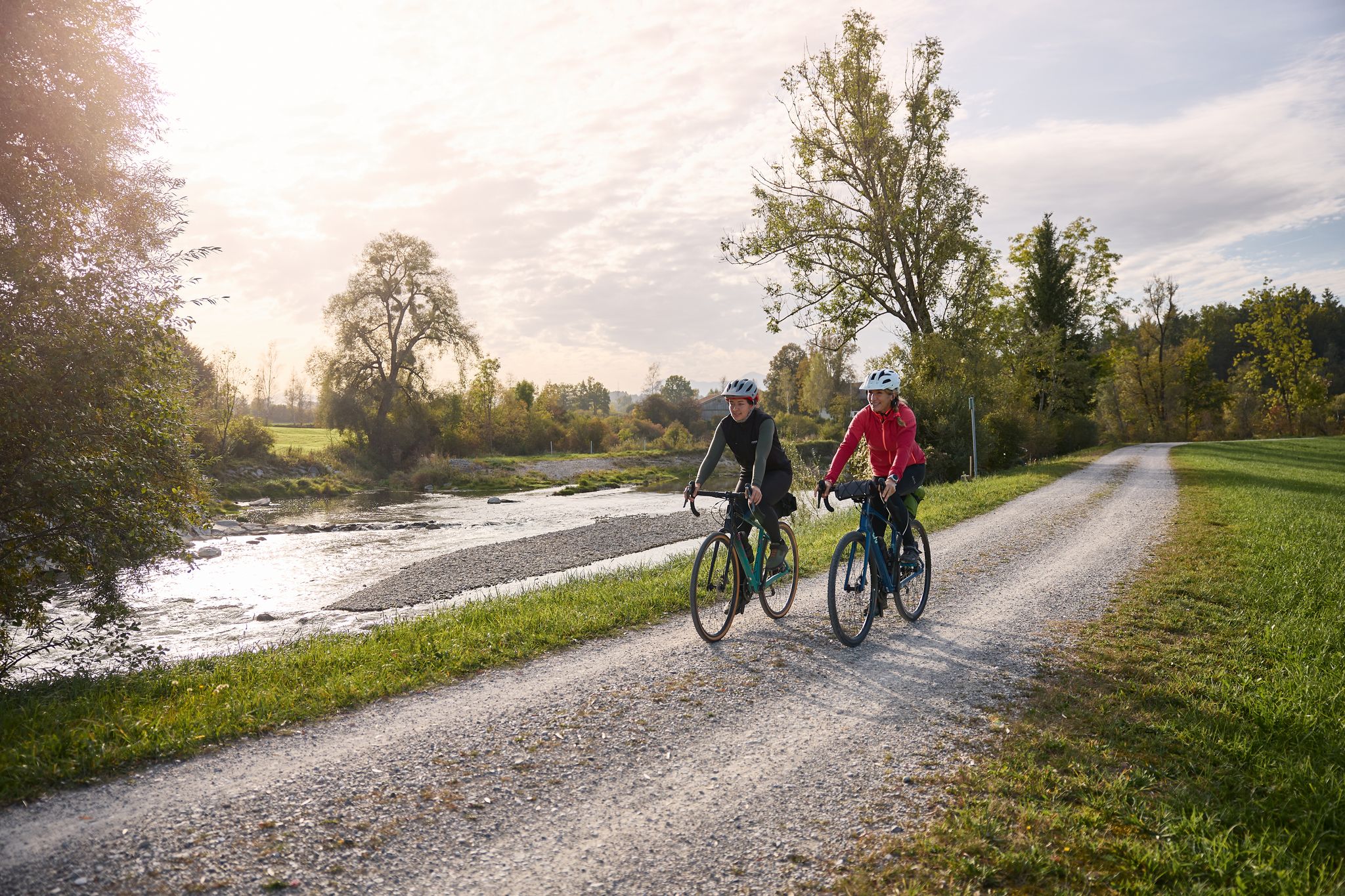
Along the water – Ammer-Amper cycle path
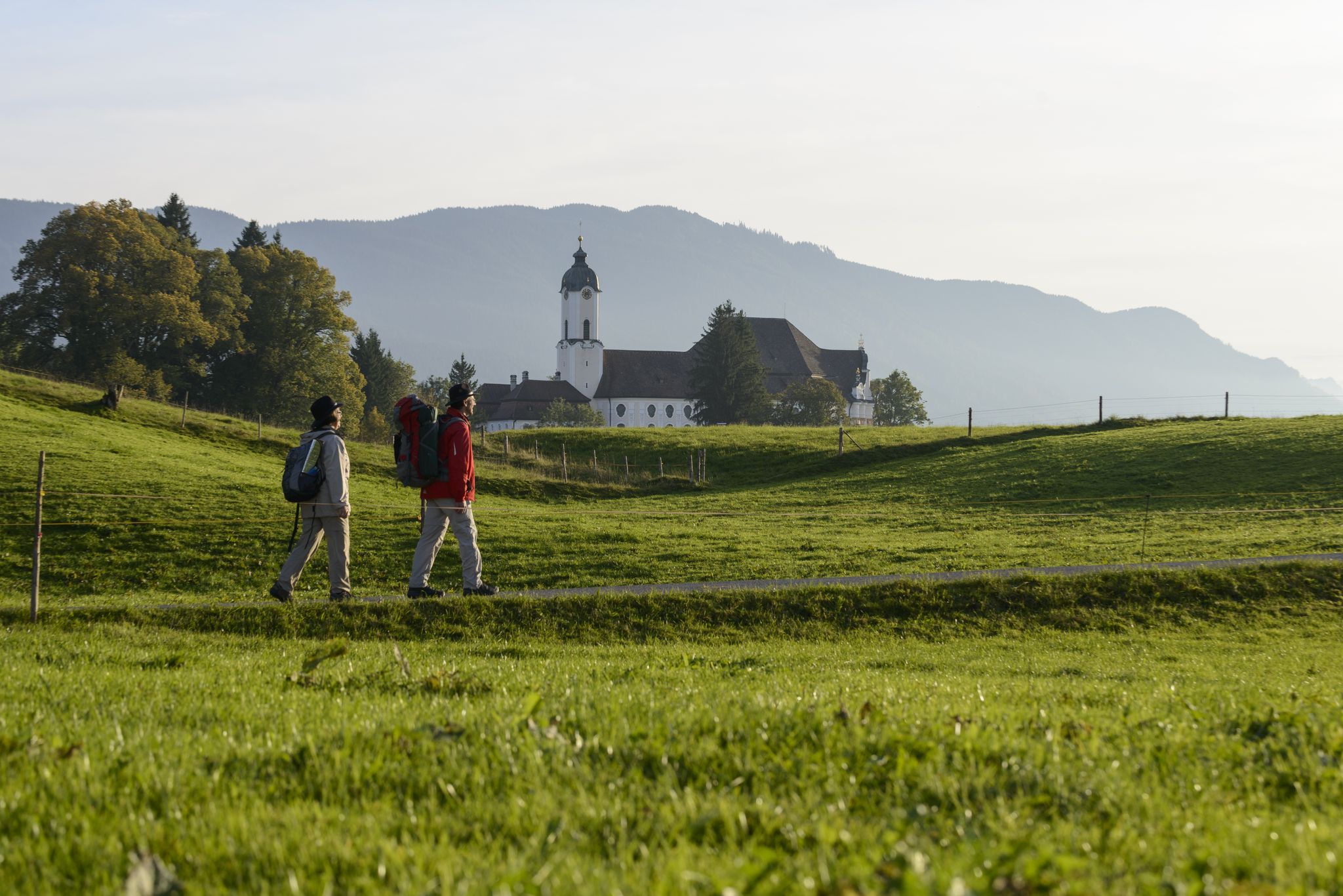
König-Ludwig-Weg: On the trails of Bavaria's fairytale König
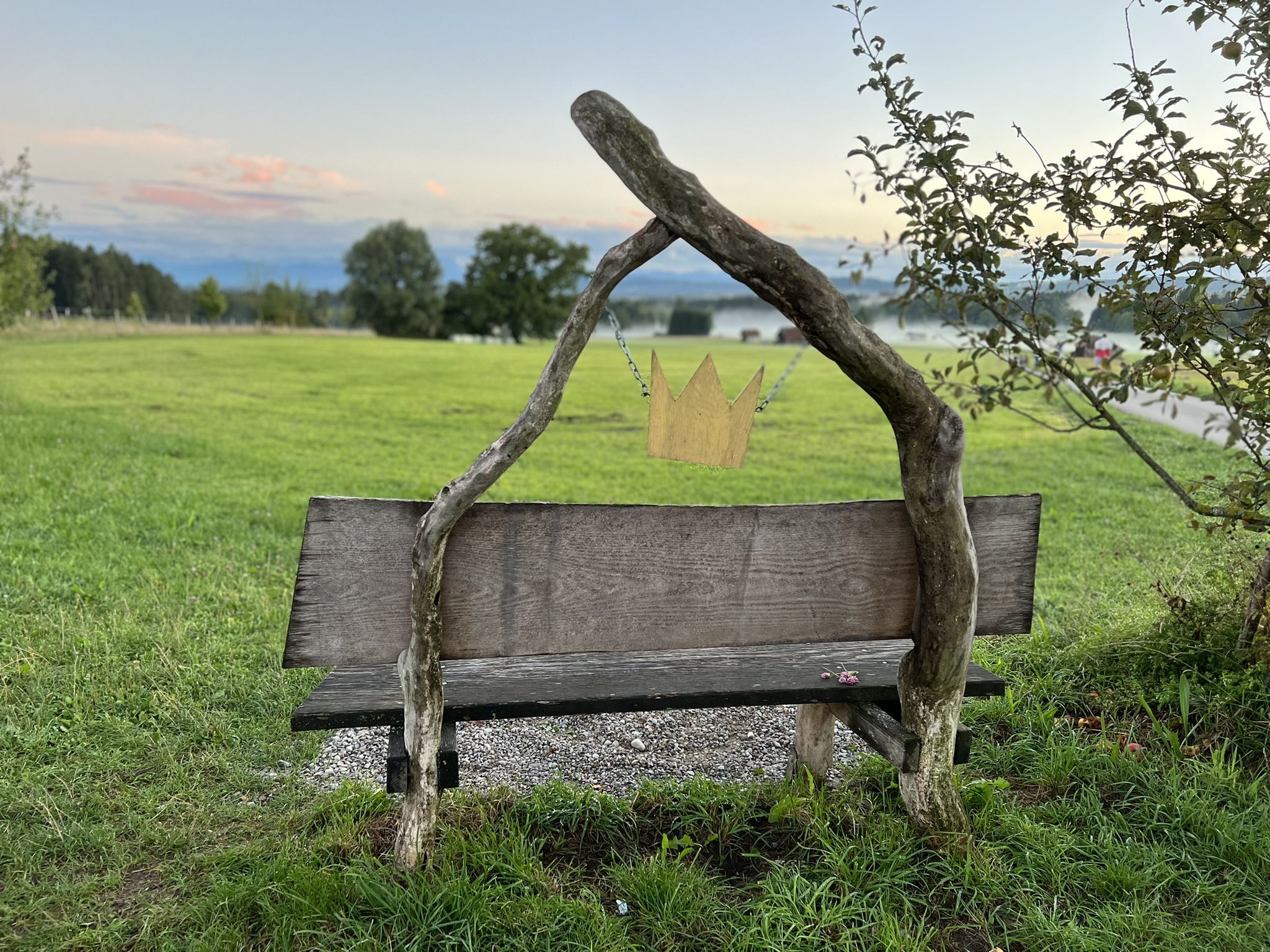
Hike the King Ludwig Trail – in the footsteps of a Bavarian king
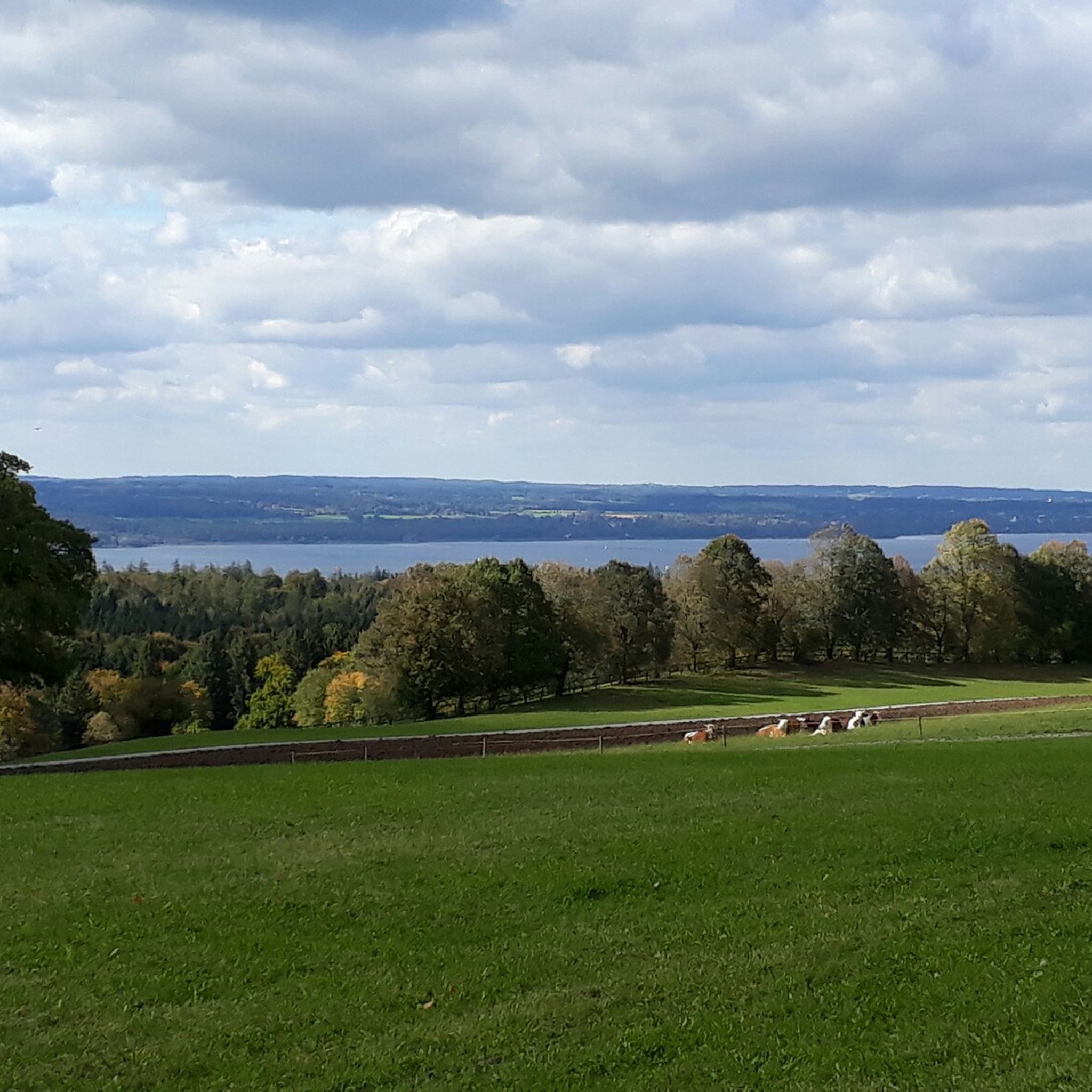
Hiking around Dießen am Ammersee
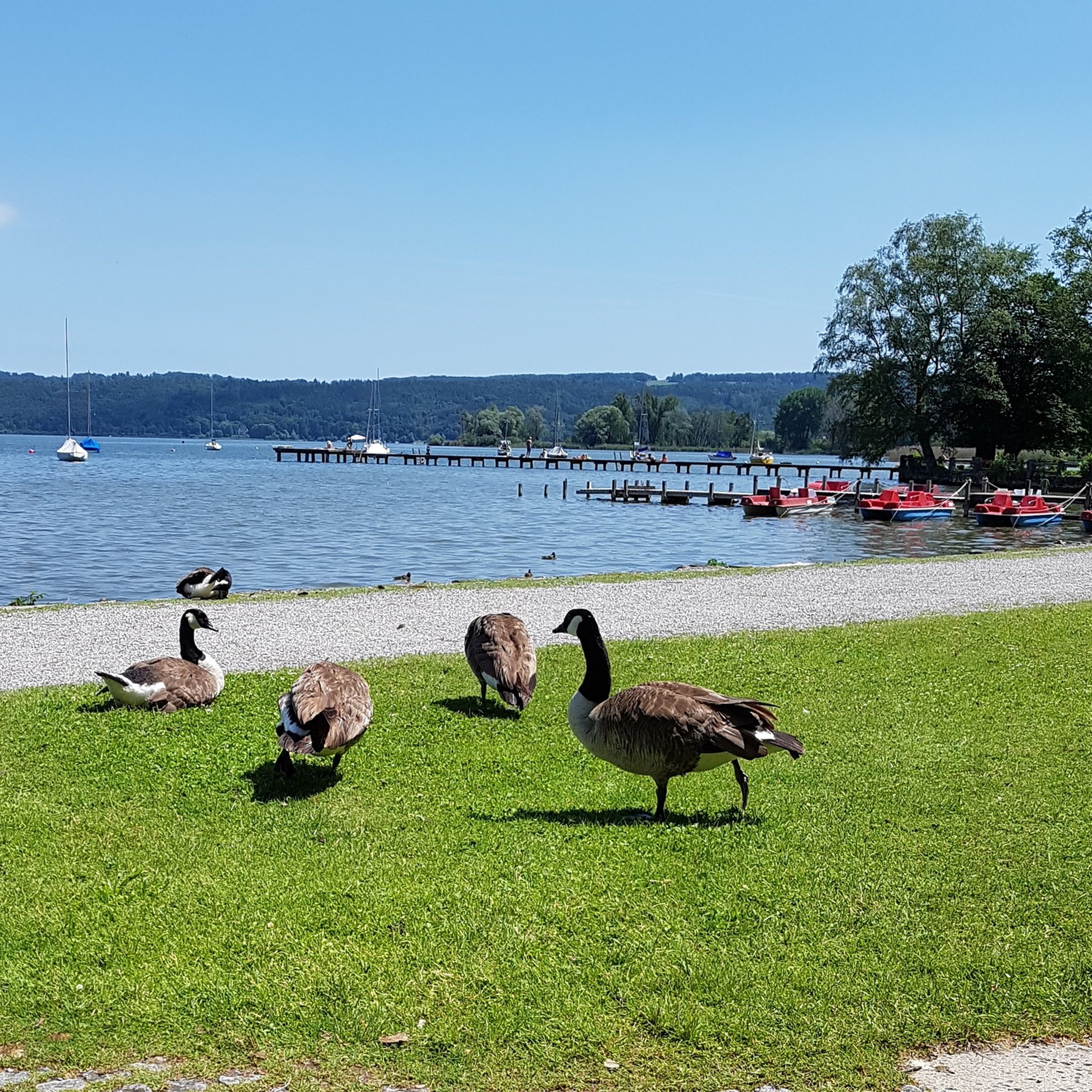
Cycling around Dießen am Ammersee
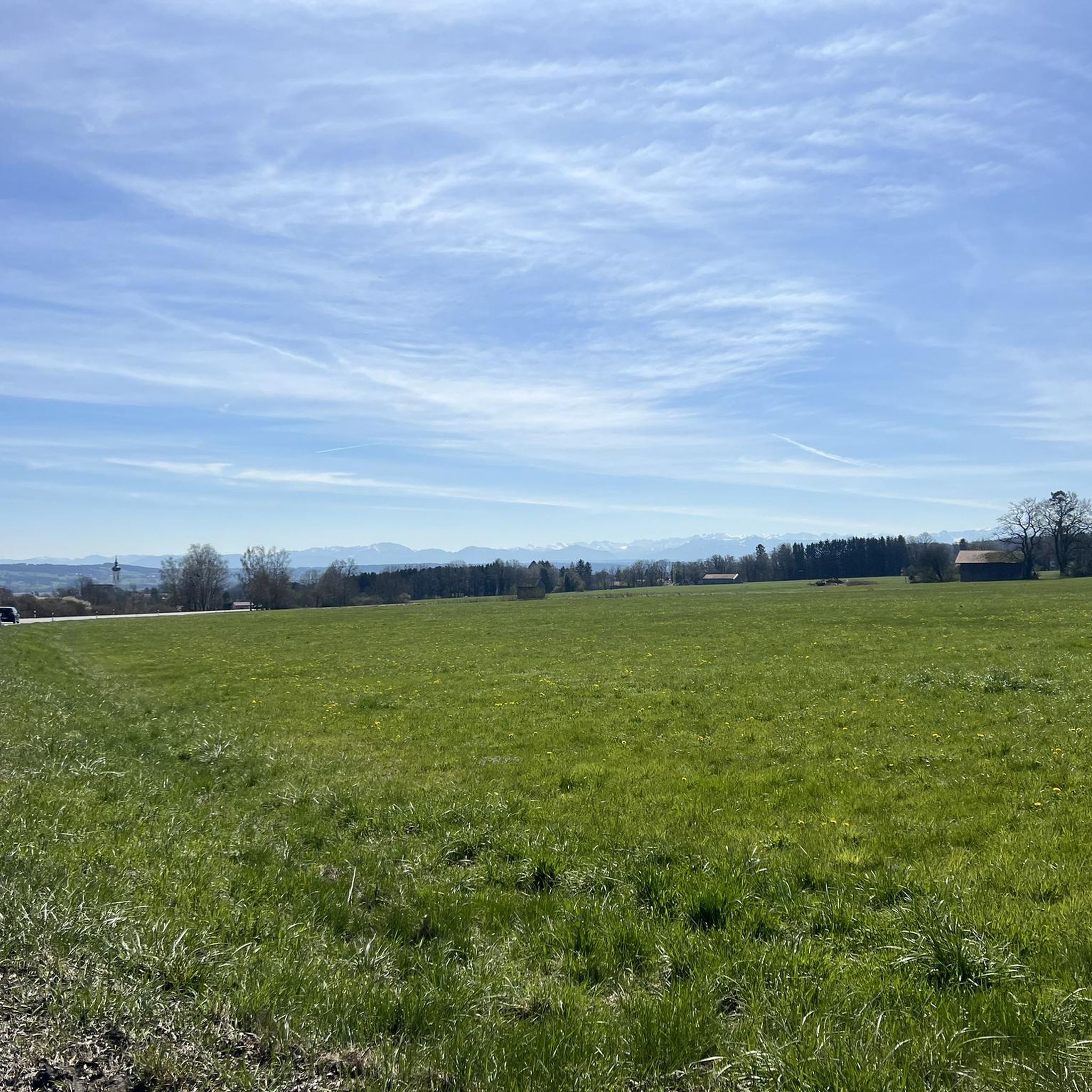
Road Cycling Routes around Dießen am Ammersee
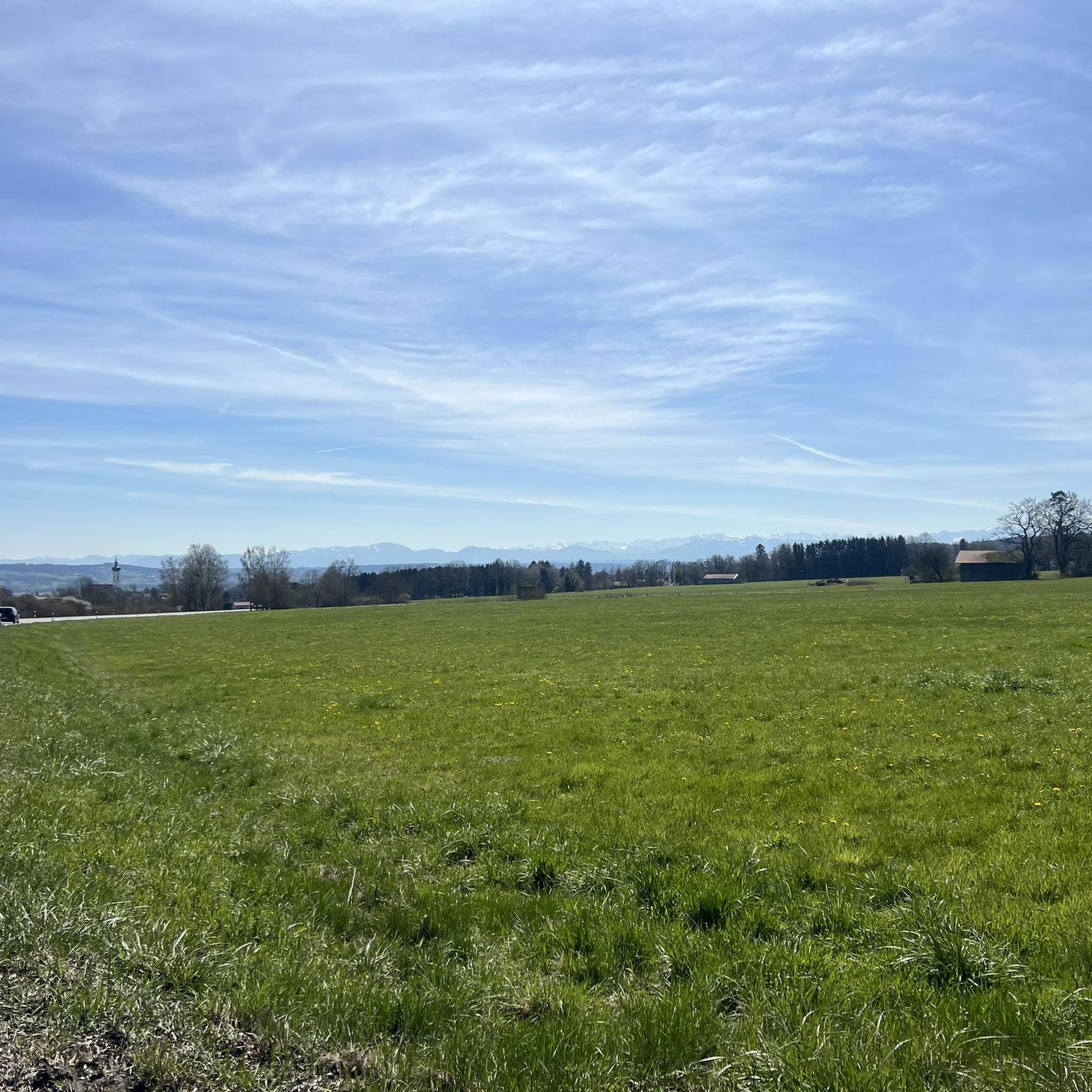
MTB Trails around Dießen am Ammersee
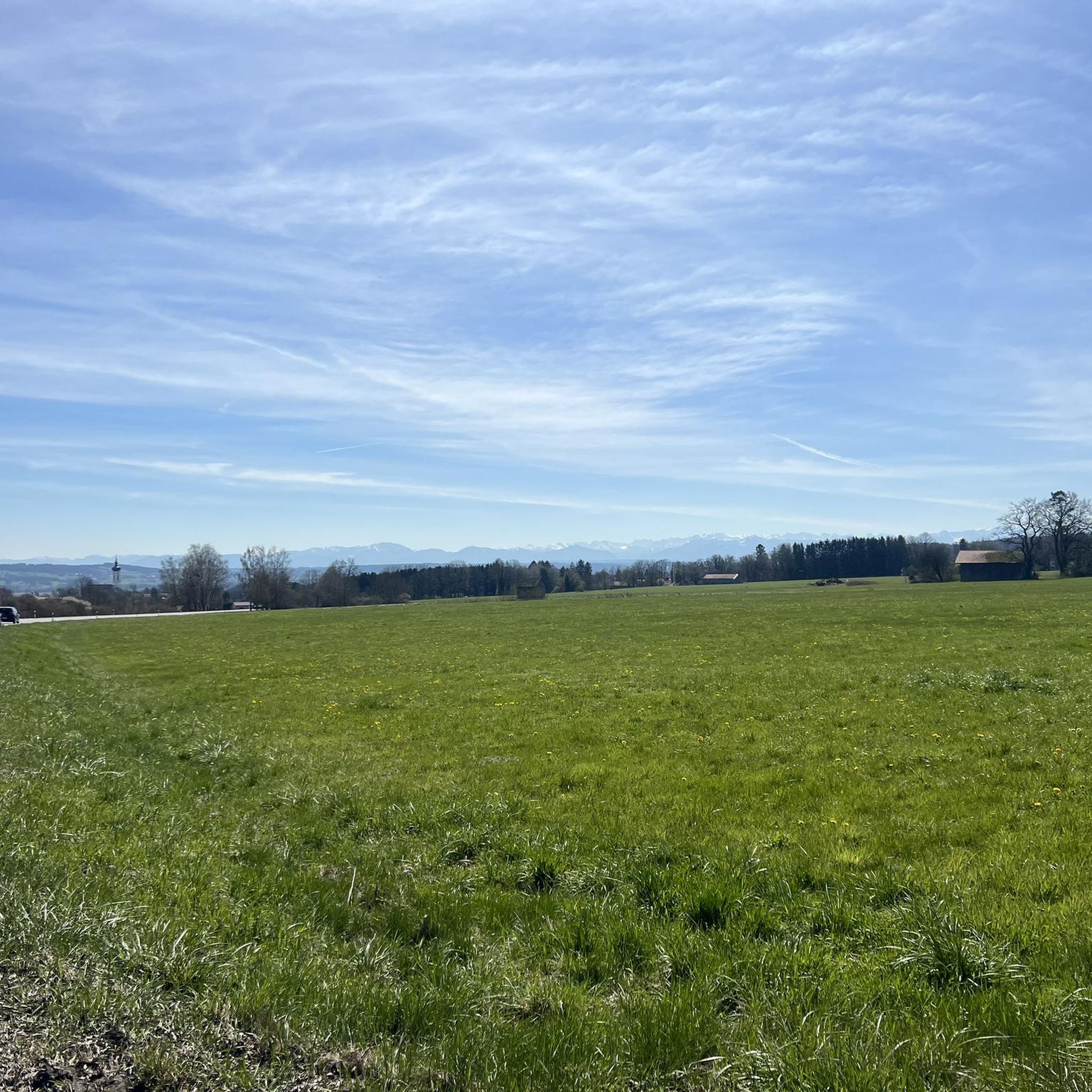
Running Trails around Dießen am Ammersee
Other adventures around Dießen am Ammersee


Tips from the Community

Called Mulevelden in the 12th century and owned by the Counts of Andechs, now privately owned.
0
0
The castle was probably built between the 9th or 10th century. It was the property of the Wessobrunn monastery until the 14th century.
2
0
The first fortification was built in the 13th century and more than 2 kilometers of it have been preserved to this day
1
0

Unfortunately there is no information about this castle on site. A pity! But it is a very well maintained facility!
0
0

Wikipedia (Poering Castle, 2023-04-11): https://de.m.wikipedia.org/wiki/Schloss_Pöring Wikipedia (list of architectural monuments in Landsberg am Lech, 2023-04-11): https://de.m.wikipedia.org/wiki/Liste_der_Baudenkmäler_in_Landsberg_am_Lech#D-1-81-130-431 “Pöring Castle ... Cubic three-story hipped-roof building with baroque cottages, two-story lean-to roof extension to the east and a former chapel wing to the south, over the older core roof structure dendrologically dated to 1494, conversion and expansion of the former chapel wing in baroque forms 1731–1739 and neo-Gothic revision with a three-story raised, crenellated head building and knight's hall 1846, extension of the lean-to roof extension after 1739... Catholic castle and pilgrimage church of Our Lady of Reconciliation, small hall building with curved choir and chapel area, bass violin windows, hipped roof and roof turret, by Dominikus Zimmermann, 1739–42 ... D-1-81-130-431” Parish community of Landsberg Mariä Himmelfahrt, Pitzling and Reisch (Pöring Castle Church, 2023-04-11): https://pg-mariaehimmelfahrt.de/kirchen/schlosskirche-poering/
8
0

A simple hipped roof building, in need of renovation and not open to the public as it is privately owned.
4
0

Stay a little up here.😊
2
0

City fortifications of Landsberg am Lech The medieval city fortifications of the large district town of Landsberg am Lech (Upper Bavaria) were built in three sections from the 13th to the 16th century and were strengthened during the 16th and 17th centuries. Century reinforced by submitted bastions. The walling, which has been preserved almost completely, together with the historic building stock of the old town, forms an urban ensemble of national importance. The city's first fortifications were probably built towards the end of the 13th century. In 1315 the Lechtor appears in a document. At this time the settlement was probably completely surrounded by walls and palisade walls. In 1315 and probably again in 1319 there were heavy fighting in connection with the conflict between Louis of Bavaria and Frederick the Handsome of Austria. Source: https://de.wikipedia.org/wiki/Stadt Befestigungs_Landsberg_am_Lech
3
0
Frequently Asked Questions
What kind of historical castle sites can I expect to find around Dießen am Ammersee?
The Dießen am Ammersee area features historical castle sites and structures rather than grand, intact castles. You'll find former medieval castle locations on hills like Burgberg and Schatzberg, which offer insights into the region's past fortifications. These sites often provide scenic viewpoints over the Ammer moorland and the Alps, highlighting their strategic importance.
Which specific historical castle sites are most significant in the Dießen am Ammersee area?
Significant sites include Burgberg Monument, which was once the location of the 'Shonenberch' castle, and Schatzberg, a moraine hill that also housed former buildings and offers fantastic views. While no grand structures remain, these locations are rich in history and allow you to imagine the former fortifications.
Are there any well-preserved castles or castle-like structures to visit near Dießen am Ammersee?
Yes, Seefeld Castle is a notable example, having preserved the appearance of a medieval castle for eight centuries, complete with a 13th-century keep. Another significant site is Mühlfeld Castle, which has over six centuries of history and served as a summer residence for Benedictine monks. Additionally, the Pöring Castle Church of Mary of Reconciliation, designed by Dominikus Zimmermann, has historical significance and castle elements.
Can I find hiking trails that include these historical castle sites around Dießen am Ammersee?
Absolutely. Many hiking routes in the area incorporate these historical sites. For example, the 'Uphill Trail to Schönburg – Burgberg Monument loop from Wengen' is a moderate MTB trail that includes the Burgberg Monument. You can explore various options in the MTB Trails around Dießen am Ammersee guide.
What are the best viewpoints near these historical castle sites?
The Schatzberg hill, south of Burgberg, offers fantastic views over the Ammer moorland towards the Hoher Peißenberg and the Alps. From Seefeld Castle, if you go to the south side near the goldsmiths' entrance, you'll find a nice view of the castle garden.
Are the castle sites around Dießen am Ammersee suitable for families?
Many of the historical sites and surrounding trails are suitable for families, especially those interested in history and scenic walks. The Große Pulverturm and City Wall of Aichach is specifically listed as family-friendly. Exploring the former castle locations on Burgberg and Schatzberg can be an engaging outdoor activity for children to imagine medieval times.
Can I bring my dog to the castle sites and trails?
While specific dog-friendly policies for each site may vary, the natural outdoor settings of the castle ruins and historical hills like Burgberg and Schatzberg are generally accessible for walks with dogs, provided they are kept on a leash. Always check local signage for any restrictions.
What is the best time of year to visit the castle sites around Dießen am Ammersee?
Spring, summer, and early autumn are generally the best times to visit, offering pleasant weather for exploring the outdoor historical sites and enjoying the scenic views. Winter visits can be picturesque, especially with snow, but some paths might be less accessible, and amenities could have reduced hours.
How can I reach the castle sites using public transport?
Dießen am Ammersee has public transport connections. For specific castle sites, local bus services or regional trains might get you close, often requiring a walk to the exact location. It's advisable to check local transport schedules for the most up-to-date information on routes to areas like Burgberg or Seefeld.
Are there options for cycling near the castle sites?
Yes, the region offers various cycling opportunities. You can find numerous routes for gravel biking, road cycling, and mountain biking that pass near or through areas with historical significance. For instance, the 'Ammersee Ridge Trail' is available for both gravel biking and MTB, offering scenic rides through the landscape.
What is the historical significance of Mühlfeld Castle?
Mühlfeld Castle boasts over six centuries of history. It served as a seat for the Andechs and Wessobrunn convents until the 19th century and was once the summer residence of Benedictine monks from Andechs Monastery, built on behalf of Duke Albrecht V of Bavaria.
What is the history behind the Schloßberg in Dießen am Ammersee?
The Schloßberg is a moraine hill that once held a medieval 'Burgstall' (castle site). Although no visible walls, ditches, or ramparts remain from the medieval period, a small manor house ('Schlösschen') was built here around 1720, though nothing of it is recognizable today. You can find more historical context on Wikipedia.
Most popular routes around Dießen am Ammersee
Most popular attractions around Dießen am Ammersee

Get inspired with the komoot mobile app


Explore more
Looking for the best castles somewhere else? Discover other guides around Dießen am Ammersee:
