Attractions and Places To See in Santa Teresa - Top 20
Attractions and places to see in Santa Teresa, Peru, offer a blend of historical significance and challenging natural beauty. This region serves as a key access point to ancient Inca ruins and high-altitude natural monuments. Visitors can explore archaeological sites nestled within tropical mountain forests and experience the dramatic Andean terrain. The area is particularly known for its trekking routes leading to iconic landmarks.
Best attractions and places to see in Santa Teresa
- The most popular attractions is Machu Picchu…
Last updated: July 17, 2026
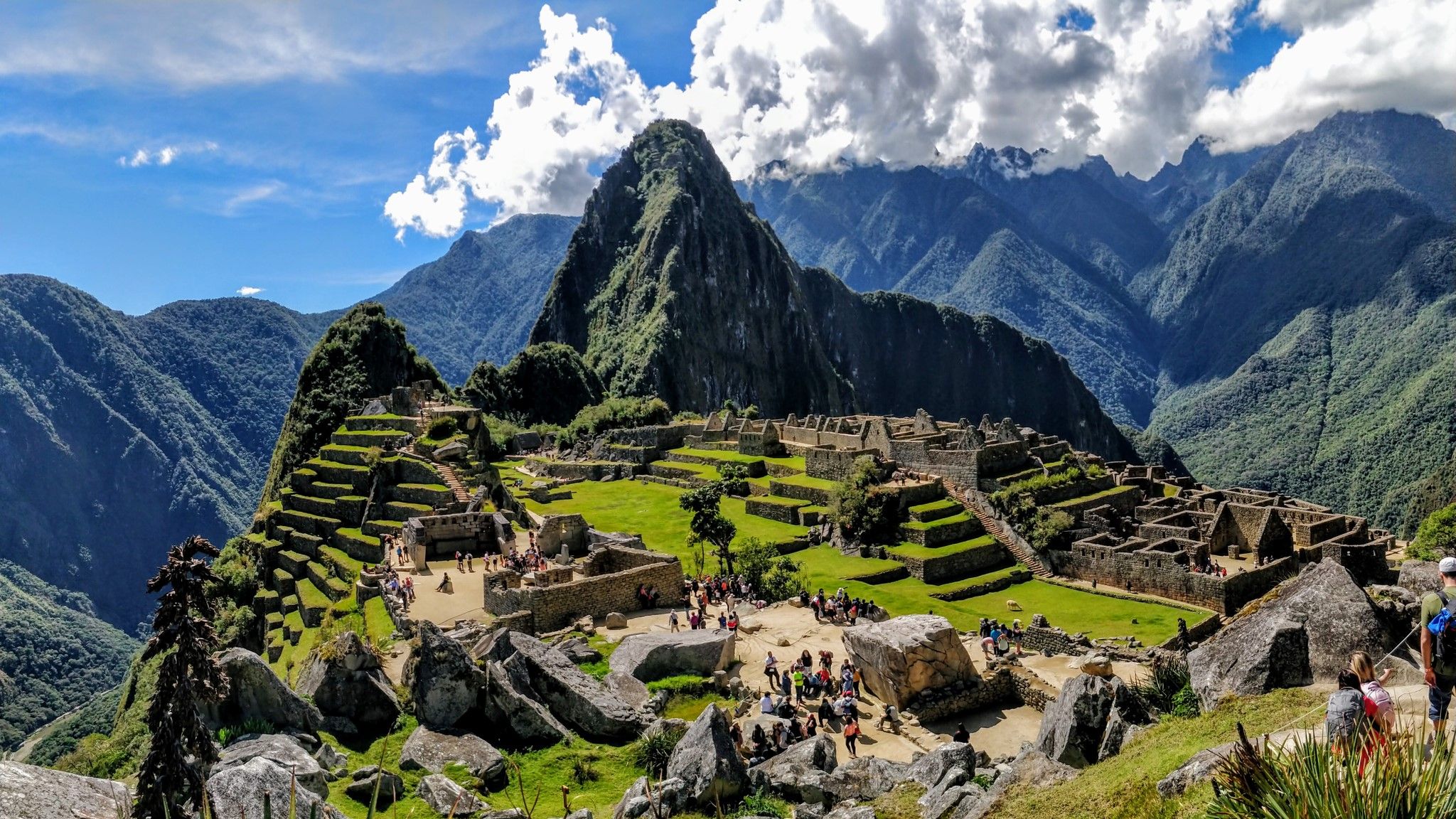
Machu Picchu
Highlight • Historical Site
Translated by Google •
Tip by

Lake Humantay
Highlight • Lake
Translated by Google •
Tip by
Sign up now to discover places like this
Get recommendations on the best single tracks, peaks, & plenty of other exciting outdoor places.
Sign up for free
Central Plaza of Machu Picchu
Highlight • Historical Site
Translated by Google •
Tip by

Llactapata Ruins
Highlight • Historical Site
Translated by Google •
Tip by
Salkantay Pass
Highlight • Mountain Pass
Translated by Google •
Tip by
Sign up for free to discover even more attractions in Santa Teresa.
Sign up for free
Already have an account?
Start today with a free account
Your next adventure awaits.
Login or Signup
Popular around Santa Teresa
Other adventures in Santa Teresa

Tips from the Community


The view of the lagoon is beautiful. If you have already done hikes in Huaraz, the view is not so exciting. We also have to say that the hike up there was not very exciting. In the end it is just a steep climb until you get to the lagoon. If you want to see more hikes from Peru, you can find them in our Kommod profile and a summary of all Peru hikes will soon be available on our blog https://30tage-reisen.de
1
0

Surrounded by roofless stone buildings and steep terraces, Machu Picchu's central plaza offers magnificent views of Huayna Picchu. The plaza is the green island amidst the Inca stone buildings that make up Machu Picchu, and travelers will often see llamas roaming and grazing in the grass. The grassy area of the Central Plaza separates the Sacred Plaza and Intiwatana from the residential areas on the other side of the complex. Source: https://www.peru-machu-picchu.com/central-plaza.php
1
0

Machu Picchu is epic. The ruins stand 2,430 meters above sea level amidst a tropical mountain forest in a stunningly beautiful environment. It was probably the most incredible urban creation of the Inca Empire at the height of its splendour; its gigantic walls, terraces and ramps seem almost cut naturally into the continuous rock cliffs. Seeing Machu Picchu with your own eyes is simply extraordinary. There is a one-way circuit to visit the site, so please note that there is no turning back. However, you can start the circuit again if you have missed anything. Be aware that the place gets very busy. It's hard to experience the place with peace and quiet, but it's incredibly impressive. The engineering detail is astounding, considering how long ago all of this was built.
7
2
Llactapata is an archaeological site from which you have a good view, including Machu Picchu in the distance. The ruins are very well preserved. Interestingly, the part of the ruins covered in vegetation gives an idea of what Machu Picchu and similar archaeological sites looked like before they were rediscovered. Llactapata was rediscovered in 1912, but was actually forgotten and left intact until the 21st century. The location of Llactapata suggests that it was an important stopover and place of worship on the Inca route to Machu Picchu. The name comes from the two Quechua words "llaqta", which means place, and "pata", which means high.
3
0
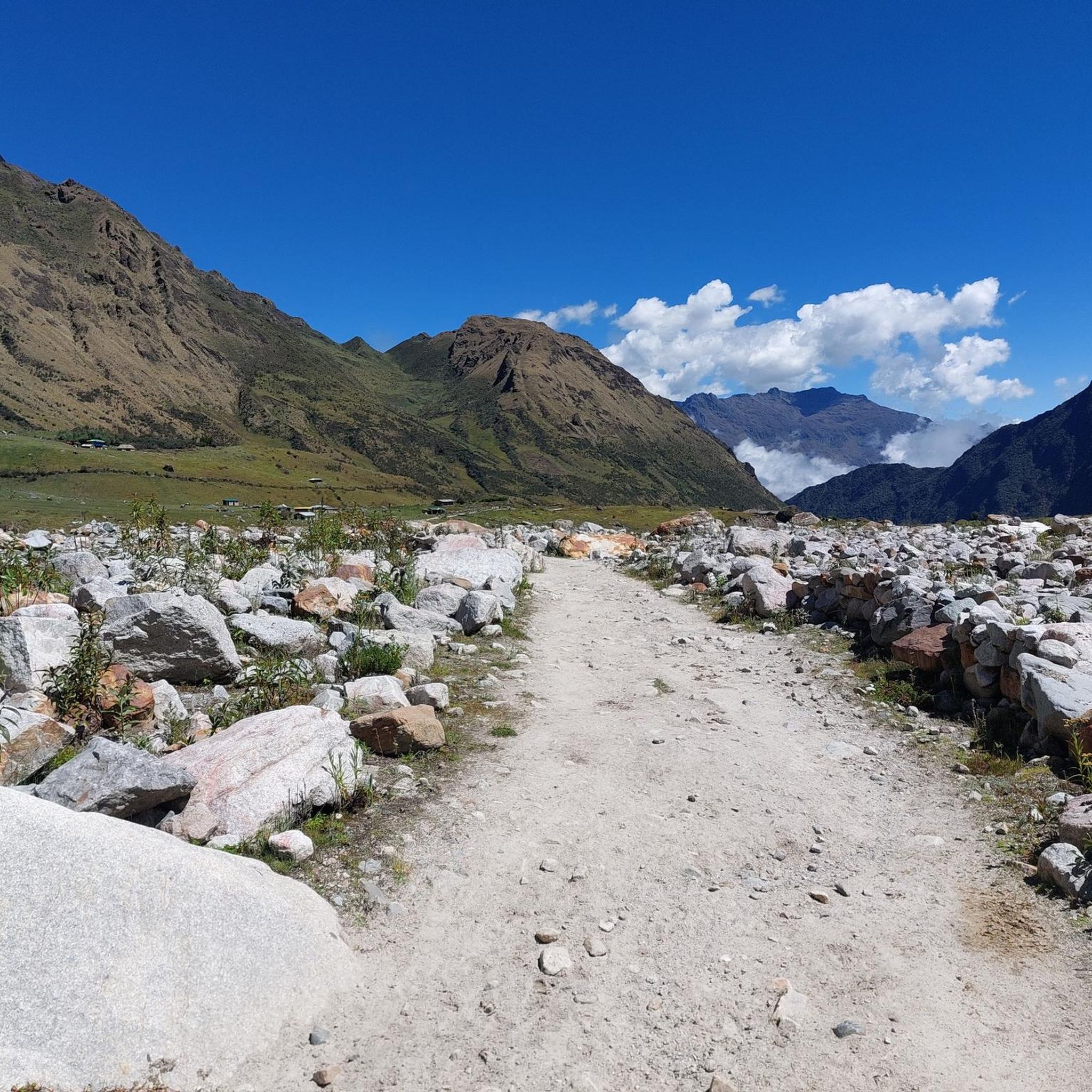
Once you reach the spectacular Salkantay Pass, you are faced with breathtaking views of the Humantay and the Salkantay. The pass is located at an altitude of 4,630 meters, but the mountains tower over you. The Humantay measures over 5,500 meters and the Salkantay reaches the dizzying altitude of 6,271 meters. This place has long been considered sacred by the inhabitants of the Peruvian Andes. The climb is tiring, but once up here, the rarefied air doesn't matter anymore. The place has breathtaking beauty. I advise you to chew and suck coca leaves, which are very popular locally and easy to find. They help with the physical challenges of the high altitude.
4
0
Humantay Lake is one of the most beautiful places to visit in the area and a mandatory detour for anyone on the Salkantay Trek. The difficult high-altitude climb is rewarded by the splendid turquoise of the circular lake at the foot of the gigantic wall of the Humantay. It's a turquoise paradise. Another highlight is the small kiosk at 4,250 meters above sea level, whose beer is hard to resist after the strenuous ascent. If you're lucky, you can see condors up close here. Sometimes they fly right over you. It's very impressive.
4
1
Frequently Asked Questions
What kind of historical sites can I explore in Santa Teresa, Peru?
Santa Teresa, Peru, is a gateway to significant Inca archaeological sites. You can visit the iconic Machu Picchu, a historical site nestled in a tropical mountain forest, known for its impressive architecture and integration with natural rock cliffs. Another notable site is Llactapata Ruins, which offers insights into Inca urban creation and provides distant views of Machu Picchu.
Are there any natural attractions or viewpoints in the Santa Teresa region?
Absolutely. The region boasts stunning natural beauty. You can discover Lake Humantay, a high-altitude lake with splendid turquoise waters at the foot of the gigantic Humantay mountain. The Salkantay Pass offers breathtaking panoramic views of the Humantay and Salkantay mountains at an altitude of 4,630 meters.
What are the best outdoor activities or routes near Santa Teresa's attractions?
The Santa Teresa region is ideal for trekking and outdoor exploration. Many visitors undertake the Salkantay Trek, which passes by attractions like Lake Humantay and the Salkantay Pass. For those interested in running, there are challenging routes available, such as the Montaña Huayna Picchu loop or the Montaña Machupicchu loop from Machu Picchu. You can find more details on these and other running trails in the Running Trails in Santa Teresa guide.
What is the difficulty level of hiking trails around Santa Teresa's main attractions?
Many trails in the Santa Teresa region, especially those leading to high-altitude natural monuments like Lake Humantay and the Salkantay Pass, are considered challenging due to the elevation gain and high altitude. For example, the Salkantay Pass is at 4,630 meters. Even routes around Machu Picchu, such as the Montaña Huayna Picchu loop, are rated as difficult.
What do visitors enjoy most about the attractions in Santa Teresa, Peru?
Visitors are consistently impressed by the sheer grandeur and historical significance of sites like Machu Picchu, often describing it as an 'extraordinary' and 'incredibly impressive' urban creation. The natural beauty of places like Lake Humantay with its 'splendid turquoise waters' and the 'breathtaking views' from the Salkantay Pass are also highly praised. The engineering detail of ancient Inca structures is frequently highlighted.
Are there any unique travel experiences related to transportation in the Santa Teresa area?
Yes, a unique experience is traveling by the PeruRail train through Aguas Calientes. This train offers a scenic journey, and for those seeking an alternative, many visitors walk along the railway line between Hidroelectrica and Aguas Calientes, though it can be very busy during peak times.
What should I pack for hiking and exploring the high-altitude attractions in Santa Teresa?
Given the high altitudes and challenging terrain, it's advisable to pack layers of clothing suitable for varying temperatures, including warm gear for higher elevations. Sturdy hiking boots are essential. For high-altitude challenges, some visitors find that chewing coca leaves, a local tradition, can help with physical exertion. Always carry enough water and snacks.
Is it possible to see Machu Picchu from other archaeological sites in the region?
Yes, from the Llactapata Ruins, you can get a good view of Machu Picchu in the distance. This archaeological site provides a unique perspective and is well-preserved, giving an idea of what other Inca sites might have looked like before extensive restoration.
What is the best time to visit Santa Teresa, Peru, for outdoor activities?
While specific seasonal advice isn't provided, the region is characterized by tropical mountain forests and high-altitude monuments. Generally, the dry season (May to October) is preferred for trekking and outdoor activities in the Peruvian Andes, offering clearer skies and more stable weather conditions for exploring sites like Machu Picchu and Lake Humantay.
Are there any specific tips for visiting Machu Picchu?
When visiting Machu Picchu, be aware that it operates on a one-way circuit, so there's no turning back once you pass certain points. It can get very busy, especially during peak hours. Many visitors opt for guided tours, though it's also possible to explore parts independently after an initial guided section. Arriving early in the morning can help avoid some of the crowds.
What kind of terrain can I expect on trails around Santa Teresa?
The terrain around Santa Teresa is diverse, ranging from tropical mountain forests to high-altitude Andean landscapes. Trails can involve significant elevation changes, rocky paths, and sometimes muddy conditions, especially during the rainy season. For instance, the climb to Salkantay Pass is described as tiring, indicating rugged mountain terrain.
Most popular routes in Santa Teresa
Most popular attractions in Santa Teresa

Get inspired with the komoot mobile app


Explore more
Still not found the Highlight you’re looking for? See guides of the top attractions in other regions:
