Attractions and Places To See in Sabandia - Top 20
Best attractions and places to see in Sabandia include its tranquil countryside, crystal-clear springs, and the historic Molino de Sabandia. Located approximately 8 km from Arequipa's city center, Sabandia offers picturesque landscapes. The district is known for its traditional rural architecture and natural features, providing a distinct cultural and scenic experience. The area offers a variety of attractions to see and explore, from colonial architecture to scenic landscapes.
Best attractions and places to see in Sabandia
- The most popular attractions is Arequipa's Plaza de Armas and Cathedral, a historical site that served as a central hub for social and religious activities. This square is the founding place of the city and is surrounded by significant historical buildings.
- Another must-see spot is Santa Catalina Monastery, Arequipa, a religious building. This 20,000-sq-meter complex developed as a city within the city, where nuns lived isolated from the outside world.
- Visitors also love San Camilo Market, a man-made monument. This market, inaugurated in 1938, is considered a historical monument of the city and offers a variety of products and handicrafts.
- Sabandia is known for historical landmarks, natural features, and traditional rural architecture. The area offers a variety of attractions to see and explore, from colonial architecture to scenic landscapes.
- The attractions in Sabandia are appreciated by the komoot community, with more than 50 upvotes and over 160 photos available for exploration.
Last updated: July 16, 2026
Arequipa's Plaza de Armas and Cathedral
Highlight • Historical Site
Translated by Google •
Tip by

Santa Catalina Monastery, Arequipa
Highlight • Religious Site
Santa Catalina is more than a monastery, a melting pot of secrets that the visitor can barely guess through its enclosures, but whose truth will remain forever within its walls.
Translated by Google •
Tip by
Sign up now to discover places like this
Get recommendations on the best single tracks, peaks, & plenty of other exciting outdoor places.
Sign up for free
Church of the Society of Jesus, Arequipa
Highlight • Religious Site
Translated by Google •
Tip by
San Francisco Square, Arequipa
Highlight • Historical Site
Translated by Google •
Tip by

San Camilo Market
Highlight • Monument
Translated by Google •
Tip by
Sign up for free to discover even more attractions in Sabandia.
Sign up for free
Already have an account?
Start today with a free account
Your next adventure awaits.
Login or Signup
Popular around Sabandia
Tips from the Community

Saint Catherine of Siena is the saint who inspired this monastery, where silence found its voice in the bright colors of its walls and in the cobbled corridors that converge on the beautiful main square. Santa Catalina is more than a monastery, a melting pot of secrets that the visitor can barely guess through its enclosures, but whose truth will remain forever within its walls.
8
0
According to the chronicles, the most important social and religious activities were held in this space. Bullfights were even held. However, until 1868, the square was mainly the home of the city's merchants. After the earthquake (magnitude 9 on the Ritcher scale), a large part of the cathedral was damaged, as were the arches that surround the square. At that time, a process of beautification of the place began. The arcades were unified, the cathedral was improved and the merchants of the area were relocated.
9
0
The current façade is 40 meters high and 107 meters long and, as already mentioned, occupies an entire side of Arequipa's main square. In 1868, the next earthquake destroyed the basilica; the bell towers, the portal, some arches of the façade and the altars were rebuilt faithfully. The cathedral was last damaged by an earthquake in 2001; both towers were severely damaged, but these were repaired just one year later.
6
0
The San Camilo market is the largest and most famous in Arequipa. The "San Camilo de Lelis" monastery and the San Camilo church used to be here, both of which were destroyed by an earthquake. The market was built on this site and inaugurated in 1938. Inside, in addition to all kinds of edible products, handicrafts and various utensils, you can also see the sculptures of San Camilo, Señor del Perdón and San Pedro. The market is considered a historical monument of the city. Today it is one of the most famous tourist attractions.
9
0
The Temple of the Company houses the most valuable paintings of Arequipa from the sixteenth century and the most remarkable Baroque altarpieces of the city. The sixty-six oil paintings form an important collection by two masters who had a significant influence on the painting of the Viceroyalty: the Jesuit monks Bernardo Bitti and Diego de la Puente.
6
0
The Jesuit Church on the main square of the Peruvian city of Arequipa is a true gem from the colonial era. The magnificent Iglesia de la Compañía (literally "Church of the Community") is located in the southeast corner of the palm-lined Plaza de Armas and is one of the most beautiful baroque churches in all of Peru.
8
0

Nice little square in Arequipa's old town next to the Complejo San Francisco with shady trees and benches and steps to sit down. There are also bars, restaurants and souvenir shops.
2
0
The Monastery of Saint Catherine of the Sisters of the Order of Saint Catherine. Catalina de Siena is located in the center of the Peruvian city of Arequipa in the Andes, more than 2300 meters above sea level. The monastery and church are dedicated to St. Dedicated to Catherine of Siena. The twenty nuns who currently live in the monastery live in a side wing that is part of the cloister. You can visit most of the monastery building.
2
0
Frequently Asked Questions
What historical landmarks can I visit in Sabandia?
The most prominent historical landmark in Sabandia is the Molino de Sabandia, a colonial-era watermill built in 1621. Constructed from *sillar*, Arequipa's distinctive white volcanic stone, it showcases traditional rural architecture and hydraulic engineering from the colonial era. You can observe its restored machinery in action and learn about the region's milling history.
What natural features can I explore in Sabandia?
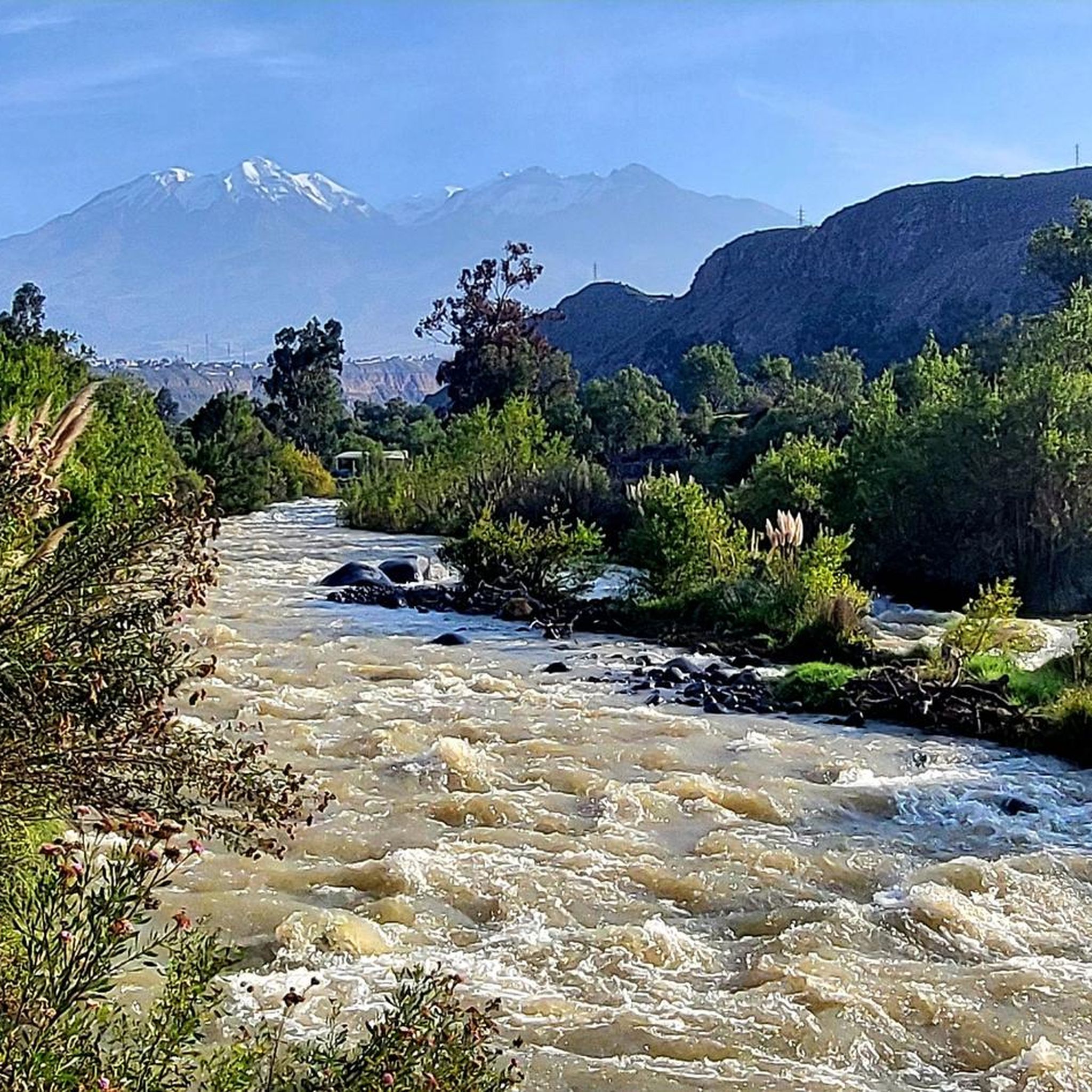
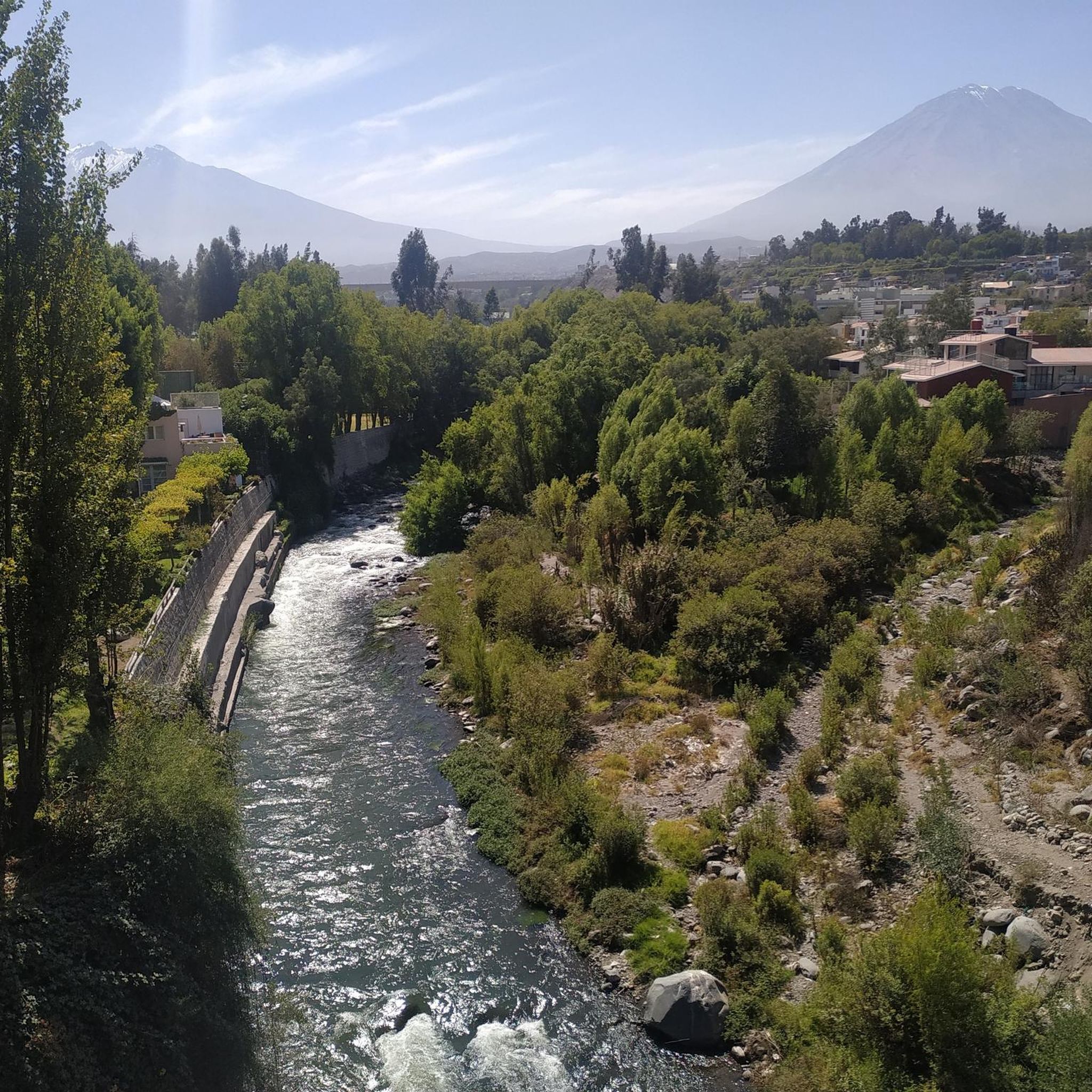
Sabandia is known for its picturesque countryside landscapes, offering a peaceful escape from the city. You can enjoy lush gardens, traditional Andean landscapes with stone terraces, and crystal-clear springs. The area around the Molino de Sabandia is particularly scenic, with crop fields and flowing canals.
Are there family-friendly activities in Sabandia?
Yes, Sabandia offers family-friendly experiences, primarily centered around the Molino de Sabandia. Children can enjoy seeing the historic watermill machinery in action, grinding wheat and barley. The mill's grounds also feature local flora and fauna, including animals native to Peru like llamas and alpacas, as well as geese, ducks, and chickens, creating an engaging environment for all ages.
Can I see volcanoes from Sabandia?
Yes, from Sabandia, visitors can enjoy scenic views of the surrounding volcanoes, which significantly contribute to the area's natural beauty and provide a stunning backdrop to the tranquil countryside.
What kind of wildlife can I expect to see in Sabandia?
While Sabandia is not a wildlife reserve, the grounds of the Molino de Sabandia often feature various species of local flora and fauna. Visitors might encounter animals native to Peru, such as llamas and alpacas, as well as farm animals like geese, ducks, and chickens, contributing to the old hacienda atmosphere.
Are there hiking trails near Sabandia's attractions?
Yes, Sabandia offers opportunities for hiking. You can find various routes, including moderate trails like the 'San Francisco Square, Arequipa – San Camilo Market loop from Arequipa' (8.7 km) or the 'Arequipa Main Square – Yanahuara Viewpoint loop from Arequipa' (10.2 km). For more options, explore the Hiking in Sabandia guide.
What cycling opportunities are available in Sabandia?
Sabandia and its surroundings provide several cycling routes. Options range from moderate to difficult, such as the 'Carmen Alto Church – Carmen Alto Viewpoint loop from Arequipa' (17.4 km) or longer, more challenging rides like the 'Bike loop from Arequipa' (38.7 km). For detailed routes, refer to the Cycling in Sabandia guide.
Can I find mountain biking trails in Sabandia?
Yes, mountain biking enthusiasts can find trails in the Sabandia area. Routes vary in difficulty, with options like the 'Gruta de la virgen loop from Arequipa' which has both moderate (53.2 km) and difficult (81.9 km) versions. More trails are available in the MTB Trails in Sabandia guide.
How can I get to Sabandia from Arequipa?
Sabandia is located approximately 8 km from the historic center of Arequipa. You can reach it by local public transport, such as a bus or a taxi, which offers a convenient way to experience the tranquil countryside just outside the city.
Is there parking available at the Molino de Sabandia?
Yes, parking facilities are available at the Molino de Sabandia, making it accessible for visitors traveling by car.
What makes Sabandia a unique place to visit?
Sabandia stands out for its blend of historical significance and natural beauty. It offers a tranquil escape from the city, centered around the iconic Molino de Sabandia, a working colonial-era watermill. The picturesque countryside, crystal-clear springs, and views of surrounding volcanoes further enhance its unique charm.
What do visitors enjoy most about the Molino de Sabandia?
Visitors particularly enjoy the historical insight provided by the working machinery of the Molino de Sabandia, showcasing traditional hydraulic engineering. The lush gardens, traditional Andean landscapes, and the presence of local animals like llamas and alpacas on the grounds also contribute to a memorable and engaging experience.
Most popular routes in Sabandia

Get inspired with the komoot mobile app


Explore more
Still not found the Highlight you’re looking for? See guides of the top attractions in other regions:
