Attractions and Places To See in Huasta - Top 8
Best attractions and places to see in Huasta, a district in Peru's Ancash Region, offers a captivating blend of natural beauty, rich history, and cultural heritage. Recognized as a "Patrimonio Monumental de la Nación," it features stunning mountainous landscapes from the Cordillera Wallanka and numerous lakes. The area is also home to significant pre-Inca ruins and well-preserved colonial architecture, providing a diverse range of experiences for visitors.
Best attractions and places to see in Huasta
- The most popular attractions is…
Last updated: July 17, 2026
Quartelhuain Campsite
Highlight • Rest Area
Translated by Google •
Tip by

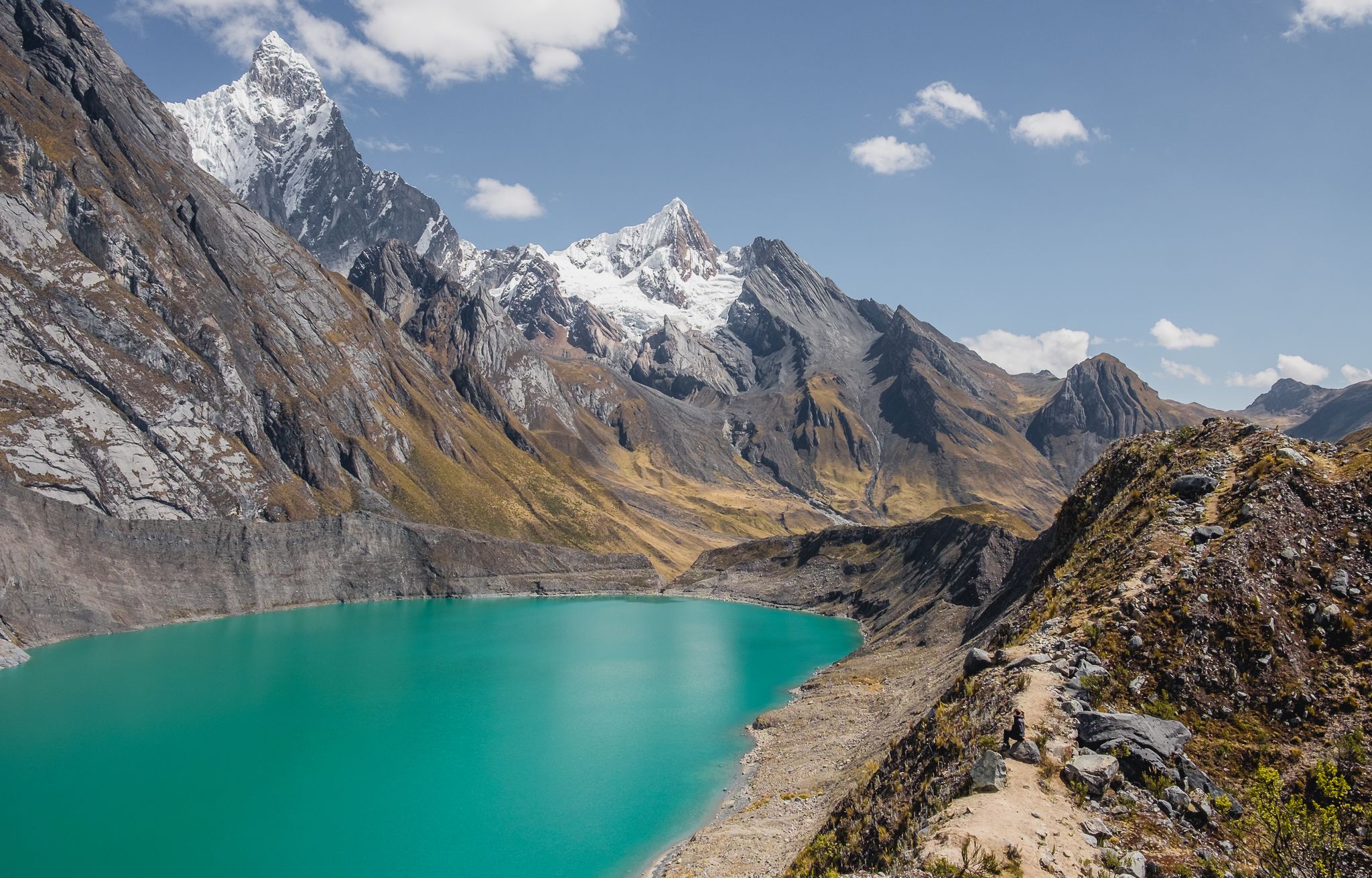
Campsite above Laguna Carhuacocha
Highlight • Rest Area
Translated by Google •
Tip by
Sign up now to discover places like this
Get recommendations on the best single tracks, peaks, & plenty of other exciting outdoor places.
Sign up for free
Laguna Mitococha Campsite
Highlight • Rest Area
Translated by Google •
Tip by
Laguna Jahuacocha Campsite
Highlight • Rest Area
Translated by Google •
Tip by
Pocpa
Highlight • Settlement
Translated by Google •
Tip by
Sign up for free to discover even more attractions in Huasta.
Sign up for free
Already have an account?
Start today with a free account
Your next adventure awaits.
Login or Signup
Popular around Huasta
Other adventures in Huasta

Tips from the Community

Small village in the Andes. The Huayhuash Trek starts here. You can reach the village by bus from Chiquián.
0
0
Beautifully located campsite on Laguna Jahuacocha. A local woman sells beer here, among other things. Perfect at the end of the Huayhuash Trek.
1
0
What a campsite! Incredible views of the mighty mountains. In the middle, Peru's second highest mountain, Yerupajá, rises a dizzying 6,635 meters high.
1
0
Located near the lake, surrounded by mighty, glaciated mountains - simply breathtaking. You can fill up water at a small stream.
1
0
The campsite has outhouses and a stream to fill up with water. In the distance, rugged, snow-capped peaks rise.
0
0
Frequently Asked Questions
What kind of natural landscapes can I explore in Huasta?
Huasta is renowned for its diverse natural beauty, featuring the stunning Cordillera Wallanka mountain range and numerous picturesque lakes. You can find beautiful campsites like Campsite above Laguna Carhuacocha, offering incredible views of mighty mountains including Peru's second-highest peak, Yerupajá. Other notable lakes include Laguna Mitococha and Laguna Jahuacocha, often surrounded by glaciated mountains.
Are there any historical or cultural sites to visit in Huasta?
Absolutely. Huasta is rich in history. The most prominent cultural site is the 16th-century colonial-style Temple of Huasta, a masterpiece blending Hispanic and Peruvian art. The town also features well-preserved cobblestone streets and traditional colonial architecture. Additionally, you can explore mysterious pre-Inca ruins and cemeteries, which are significant archaeological sites.
What are some popular outdoor activities in Huasta?
The mountainous and lake-filled landscape of Huasta makes it ideal for outdoor enthusiasts. Hiking and cycling are very popular, especially around the lakes like Laguna Mitococha and Laguna Jahuacocha. Many visitors also use the area as a starting point or stopover for the famous Huayhuash Trek. Campsites like Quartelhuain Campsite and Laguna Mitococha Campsite provide excellent bases for exploration.
What is there to see and do within Huasta town itself?
The town of Huasta offers a charming experience with its well-preserved cobblestone streets and colonial architecture, showcasing a blend of Spanish and French influences. You can visit the historic Temple of Huasta and the Plaza de Armas. The town is also known for its traditional way of life, including local agriculture and gastronomy, such as delicious cheeses and natural bread made in traditional ovens.
Are there family-friendly activities available in Huasta?
While many activities involve hiking, families can enjoy the scenic beauty of the lakes and the cultural experience of exploring Huasta town. The historical sites and the general atmosphere of the colonial town can be engaging for children. Gentle walks around the town or short excursions to accessible viewpoints can also be enjoyable for families.
What kind of accommodation and dining options are available in Huasta?
Huasta, being a more traditional district, offers a range of local guesthouses and hostels. For dining, you'll find local eateries serving traditional Peruvian cuisine, often featuring regional specialties like fresh cheeses and pan made in traditional ovens. For those undertaking treks, several campsites like Campsite above Laguna Carhuacocha and Laguna Jahuacocha Campsite provide basic facilities.
What is the best time to visit Huasta for outdoor activities?
The dry season, typically from May to September, is generally considered the best time to visit Huasta for outdoor activities like hiking and cycling. During these months, the weather is usually more stable with clearer skies, offering optimal conditions for enjoying the mountainous landscapes and lakes.
Do I need any special permits to visit attractions or hike in Huasta?
For general exploration of Huasta town and its colonial sites, permits are typically not required. However, for certain pre-Inca ruins or specific trekking routes, especially those within protected areas or leading to remote campsites, it's advisable to check with local authorities or tour operators regarding any necessary permits or fees. The Ministry of Culture has initiated preservation efforts for the pre-Inca sites.
Can I find viewpoints with impressive scenery in Huasta?
Yes, Huasta is full of incredible viewpoints. Many of the campsites, such as Campsite above Laguna Carhuacocha and Laguna Mitococha Campsite, are strategically located to offer breathtaking panoramic views of the surrounding glaciated mountains and lakes. The entire Cordillera Wallanka range provides numerous opportunities for stunning vistas.
What are some unique cultural experiences in Huasta?
Beyond the historical architecture, Huasta is known for its vibrant cultural festivities, such as the celebration of the 'Señor del Conchuyaco' (also known as 'Señor del Camino'). These events feature traditional dances and music, offering a deep dive into local customs and folklore. You can also observe traditional agricultural practices, including the use of donkeys for transporting milk.
How can I get around Huasta and its attractions?
Within Huasta town, you can easily explore on foot, enjoying the cobblestone streets and colonial architecture. For reaching more distant natural attractions like the lakes and mountain trails, local transportation options may include shared taxis or private arrangements. Some trekking routes, like the Huayhuash Trek, often start from nearby villages such as Pocpa, which can be reached by bus from Chiquián.
Most popular attractions in Huasta

Get inspired with the komoot mobile app


Explore more
Still not found the Highlight you’re looking for? See guides of the top attractions in other regions:
