The best walks and hikes around Groß Plasten
4.6
(5367)
20,502
hikers
211
hikes
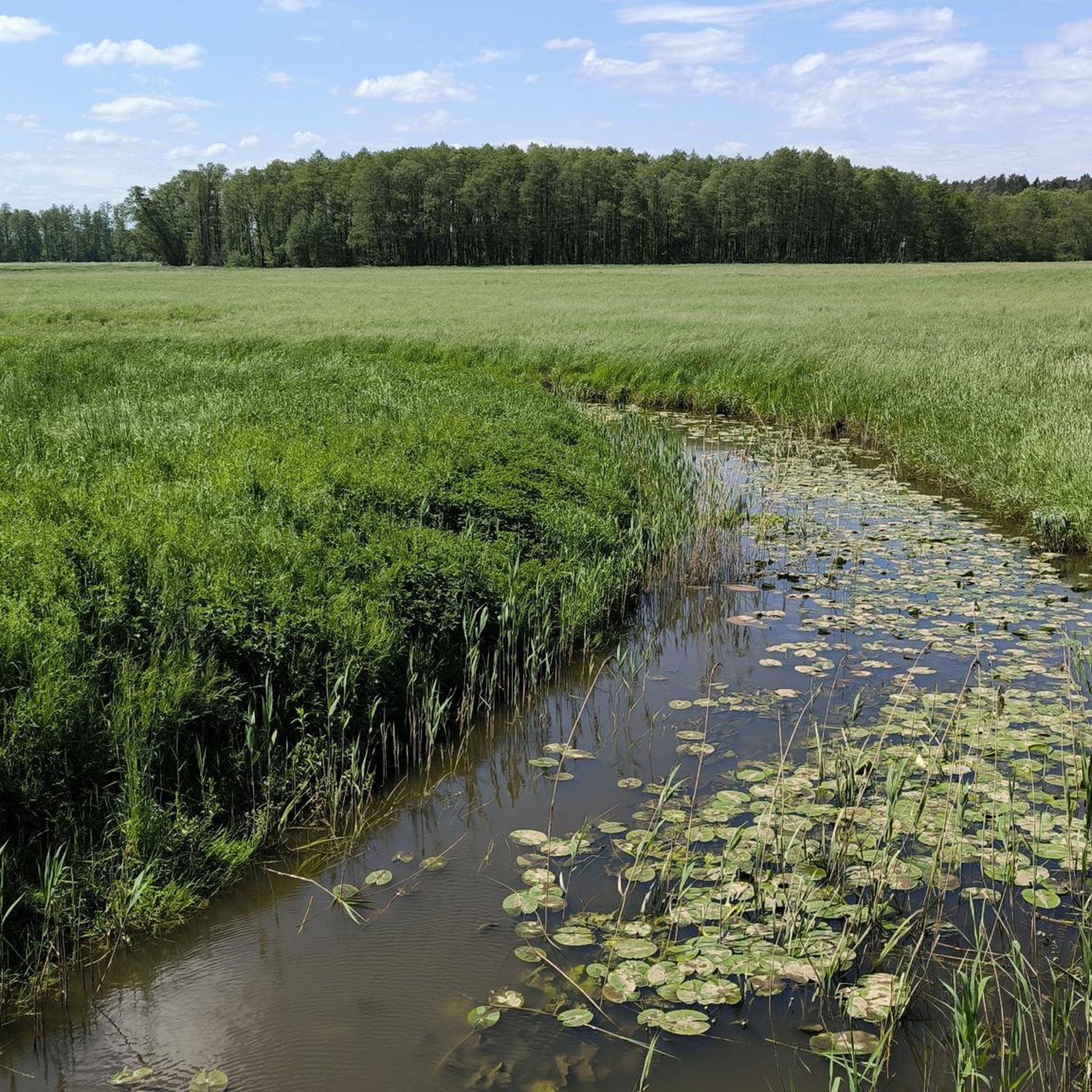
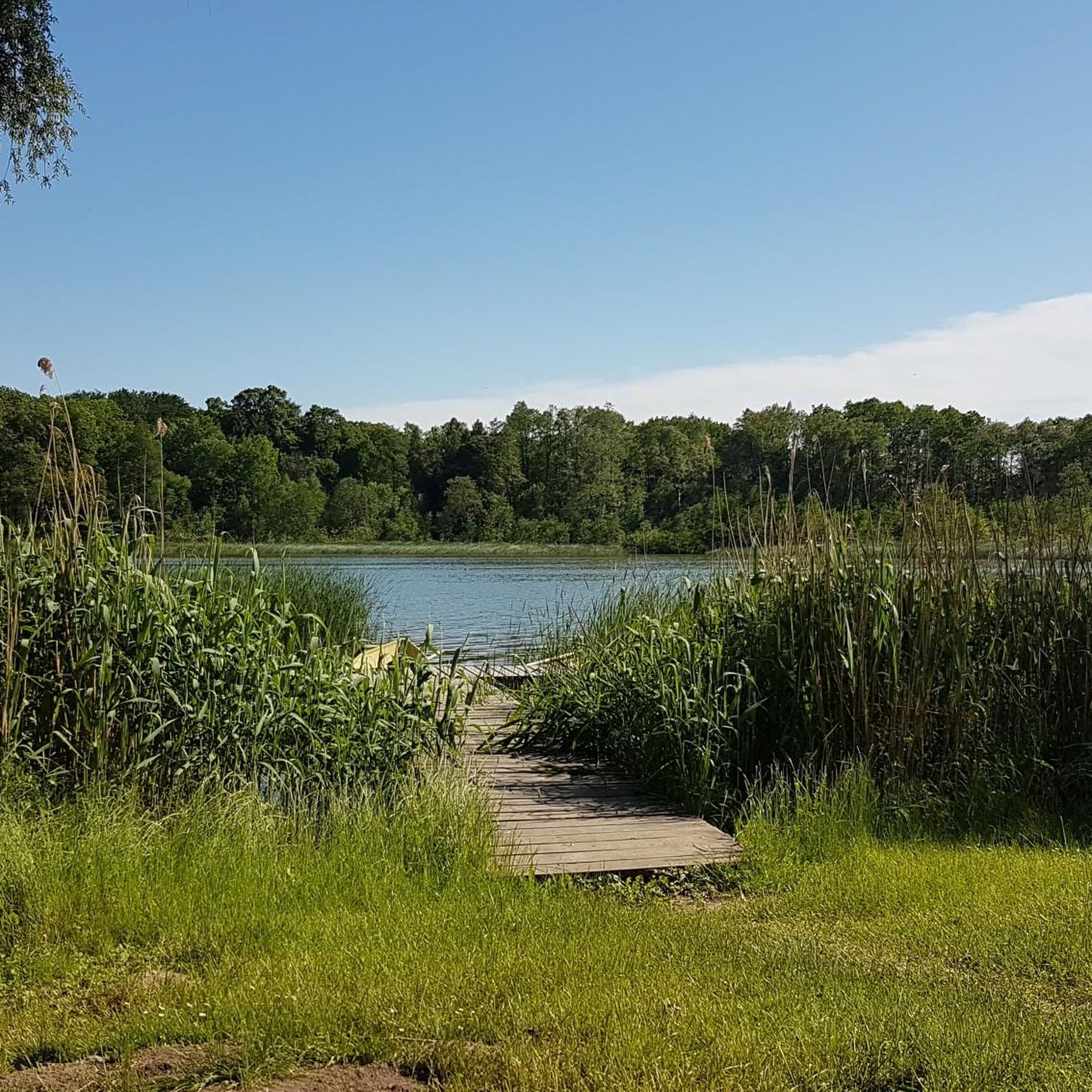
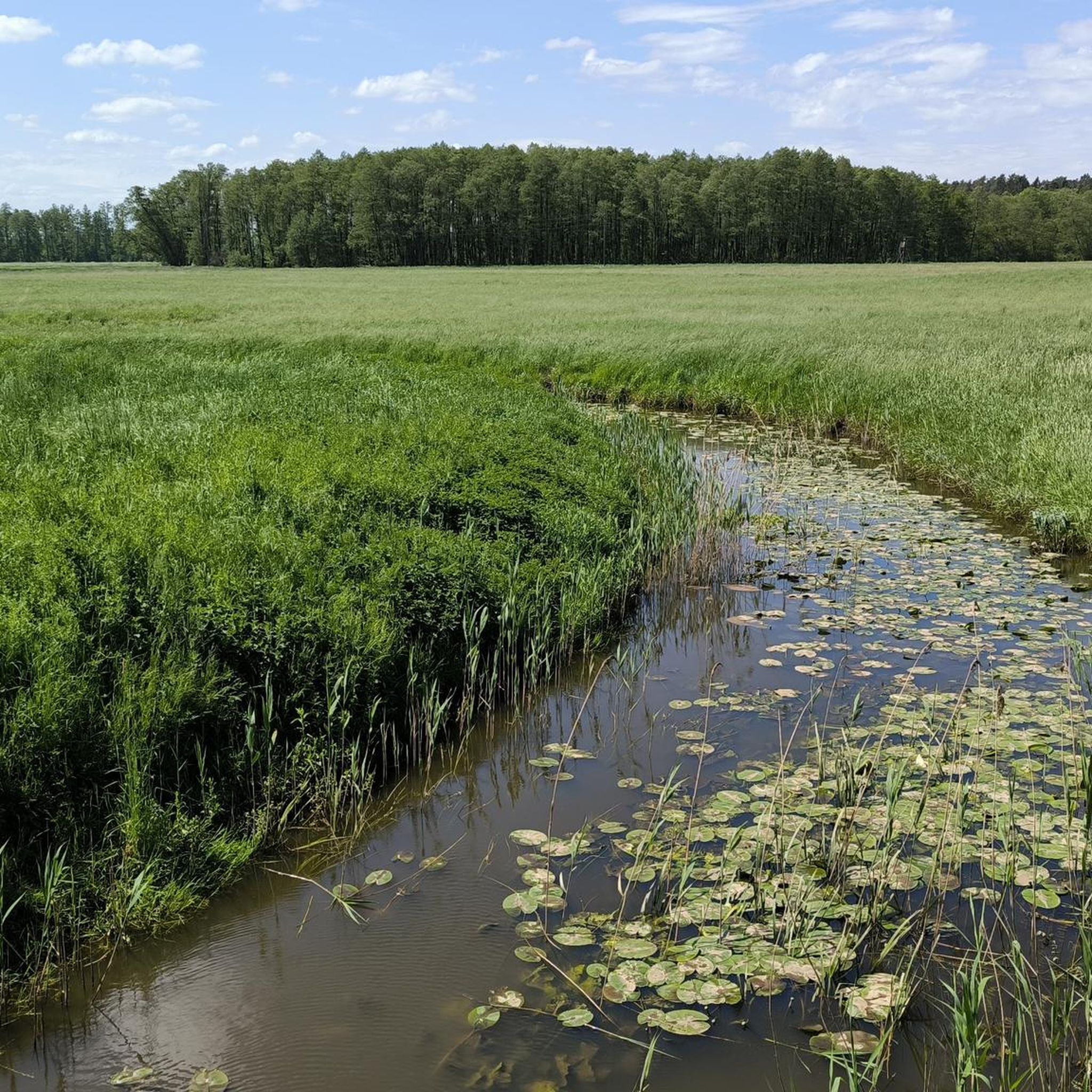
Hiking around Groß Plasten offers diverse landscapes within the Mecklenburg Lake District. The region features a pleasant hilly terrain, numerous lakes including Torgelower See and Großer Varchentiner See, and borders the expansive Müritz National Park. This area is characterized by vast forests, extensive reed beds, and moors, providing varied topography for outdoor activities.
Best hiking trails around Groß Plasten
- The most popular hiking route is Schlosshotel Groß Plasten – Alte Allee loop from Groß Plasten, a 3.1 miles (4.9…
Last updated: July 1, 2026
4.7
(6)
42
hikers
Easy hike. Great for any fitness level. Easily-accessible paths. Suitable for all skill levels.
4.6
(9)
28
hikers
Moderate hike. Good fitness required. Easily-accessible paths. Suitable for all skill levels.

Sign up for free
4.8
(6)
12
hikers
Moderate hike. Good fitness required. Easily-accessible paths. Suitable for all skill levels.
5.0
(2)
10
hikers
4.39km
01:09
30m
30m
Easy hike. Great for any fitness level. Easily-accessible paths. Suitable for all skill levels.
9
hikers
Easy hike. Great for any fitness level. Easily-accessible paths. Suitable for all skill levels.
Get access to more routes and recommendations from other explorers.
Sign up for free
Already have an account?
Our route recommendations are based on thousands of hikes, rides, and runs completed by other people on komoot.
Start today with a free account
Your next adventure awaits.
Login or Signup
Tips from the Community

Remains of a late medieval motte-and-bailey castle, consisting of two motte-and-bailey castles situated in a marshy pond. Villages founded by immigrant settlers in the Middle Ages usually included a small castle complex. These were built by members of the lower nobility, who, as locators, led a group of immigrants. The actual castle consisted of a ring ditch surrounding a small hill. In Klein Plasten, the moat even encloses two low hills. The settlement, initially consisting of only a few farmsteads, bordered the motte-and-bailey castle. From this settlement, the present-day village of Klein Plasten developed.
0
0
The village church in Groß Plasten is an impressive example of early 20th-century Neo-Baroque architecture. It was built between 1898 and 1901 and consecrated on December 1, 1901. The architect was Franz Schwechten, known as the "Kaiser's favorite architect," who also designed the Kaiser Wilhelm Memorial Church in Berlin – hence the church in Groß Plasten is sometimes referred to as its "little sister."
0
0
The complex includes the manor house (also referred to as a castle), farm buildings, an avenue, an ice cellar and parts of a landscaped park with a bridge.
0
0
Today, the tower stands as a relic of the estate's heyday. It is considered a local historical monument in the lake-rich landscape. It likely served to supply water to the estate and surrounding buildings, typical of 19th-century rural complexes. A precise construction date is not documented in the available sources.
0
0
The estate comprises, in addition to the main castle, other buildings including a coach house (with 29 rooms in a Spanish country house style, extended in 2003), a residence, a garage, and a warehouse. The steward's house – typically the residence of the estate manager on historic properties – was located in building number 37.
0
0
Former workshop as part of the estate; typical for craft use in manor houses of the 18th/19th centuries. No detailed construction years are known, but it is in the context of the baroque manor tradition.
0
0
The coach house in Groß Plasten is now an integral part of the hotel and is used for accommodation or events.
0
0

The church in Groß Dratow was originally a rectangular fieldstone building from the 13th century. During restoration work in 1908, an 18th-century timber-framed extension to the east was removed, the nave was extended to the east, and a five-sided apse with three round windows was added. https://www.dorfkirchen-in-mv.de/content/Version_1/detail_gesamt.php?Reg_Nr=884
0
0
Frequently Asked Questions
How many hiking trails are available around Groß Plasten?
There are over 200 hiking routes around Groß Plasten. The network includes a wide range of options, with more than 110 easy trails, nearly 90 moderate routes, and a few more challenging hikes, catering to various fitness levels.
What kind of landscapes can I expect on hikes near Groß Plasten?
Hiking around Groß Plasten offers diverse landscapes, from pleasant hilly terrain to vast forests and numerous lakes, including the Torgelower See and Großer Varchentiner See. The region also borders the expansive Müritz National Park, featuring extensive reed beds, moors, and ancient beech forests.
Are there any family-friendly hiking routes in Groß Plasten?
Yes, Groß Plasten offers several easy routes suitable for families. A great option is the Schlosshotel Groß Plasten – Alte Allee loop from Groß Plasten, which is 3.1 miles (4.9 km) long and connects the historic castle with its surrounding landscape park. Another short, easy walk is the Groß Plasten Church – Schlosshotel Groß Plasten loop from Groß Plasten, which is 1.6 miles (2.6 km) and passes through the village and historic sites.
Can I bring my dog on the hiking trails around Groß Plasten?
Many trails around Groß Plasten are suitable for hiking with dogs, especially those through forests and open landscapes. When hiking within the Müritz National Park, it's important to keep dogs on a leash to protect wildlife and ensure a pleasant experience for all visitors. Always check local signage for specific regulations.
What are some notable landmarks or viewpoints along the hiking trails?
Hikers can discover several interesting points. The Groß Plasten Castle and its surrounding park are often part of local routes. You might also encounter historic churches, such as the Renaissance-style church in Groß Plasten or the charming half-timbered church in Klein Plasten. Within the Müritz National Park, the Käflingsberg Tower offers stunning panoramic views over the forests and lakes.
Are there circular hiking routes available?
Yes, many of the hiking routes around Groß Plasten are designed as loops. For example, the Schlosshotel Groß Plasten – Alte Allee loop from Groß Plasten and the Groß Plasten Church – Schlosshotel Groß Plasten loop from Groß Plasten are both circular, offering convenient starting and ending points.
What is the best time of year to go hiking in Groß Plasten?
The Mecklenburg Lake District, including Groß Plasten, is beautiful for hiking from spring through autumn. Spring brings blooming nature, while summer offers pleasant temperatures for lakeside walks. Autumn is particularly scenic with vibrant fall foliage and is an excellent time for wildlife observation, especially migrating birds like cranes.
Can I observe wildlife while hiking in this region?
Absolutely. The region, particularly within the Müritz National Park, is known for its diverse wildlife. Hikers often spot sea eagles, ospreys, and cranes, especially during spring and autumn migration. Deer are also common. The vast forests and wetlands provide a rich habitat for many species.
What do other hikers enjoy most about hiking in Groß Plasten?
The area is highly rated by the komoot community, with an average score of 4.6 stars from over 6,000 reviews. Hikers often praise the diverse and well-maintained trails, the tranquil natural beauty of the lakes and forests, and the opportunities to combine nature experiences with cultural sights like the historic castle and churches.
Are there options for longer, more challenging hikes?
While Groß Plasten is known for its many easy and moderate trails, there are also options for longer excursions. For instance, the Charlottenhof Rest Area – Forge 1860, Groß Dratow loop from Schloen-Dratow is a moderate 8.9 miles (14.3 km) route that takes around 3 hours 40 minutes, offering a more extended experience through varied terrain.
Is there public transport available to reach hiking areas around Groß Plasten?
While specific public transport connections directly to all trailheads might be limited, the town of Waren (Müritz) serves as a central hub with better public transport links. From Waren, you can often find regional buses or consider local taxi services to reach starting points around Groß Plasten and the Müritz National Park. It's advisable to check local bus schedules in advance.
Are there any guided hiking tours available in the area?
Yes, for those seeking deeper insights into the region's nature and history, ranger-guided hikes and events are available, particularly within the Müritz National Park. Additionally, certified nature and landscape guides offer individual tours, which can be a great way to explore themed or adventure trails, especially for families.
Most popular routes around Groß Plasten
Most popular attractions around Groß Plasten

Get inspired with the komoot mobile app


Explore more
Browse the best Hikes in other regions.
