Top 17 Castles around Wülknitz
Castles around Wülknitz offer a compelling blend of history and ongoing revitalization. The region, though without an intact historical castle at its core, features significant historical estates and architectural remnants. The former site of Schloss Tiefenau, once a grand Baroque castle, now showcases preserved elements and extensive restoration efforts. These sites provide a unique glimpse into centuries of Saxon heritage, combining historical significance with natural landscapes.
Best castles around Wülknitz
- The most popular castles is Elsterwerda Castle, a castle…
Last updated: October 9, 2026
Elsterwerda Castle
Highlight • Castle
More information: de.wikipedia.org/wiki/Schloss_Elsterwerda
Translated by Google •
Tip by

Tiefenau Castle Baroque Garden and Fountain
Highlight • Castle
Is privately owned and has been restored for years, unfortunately no access.
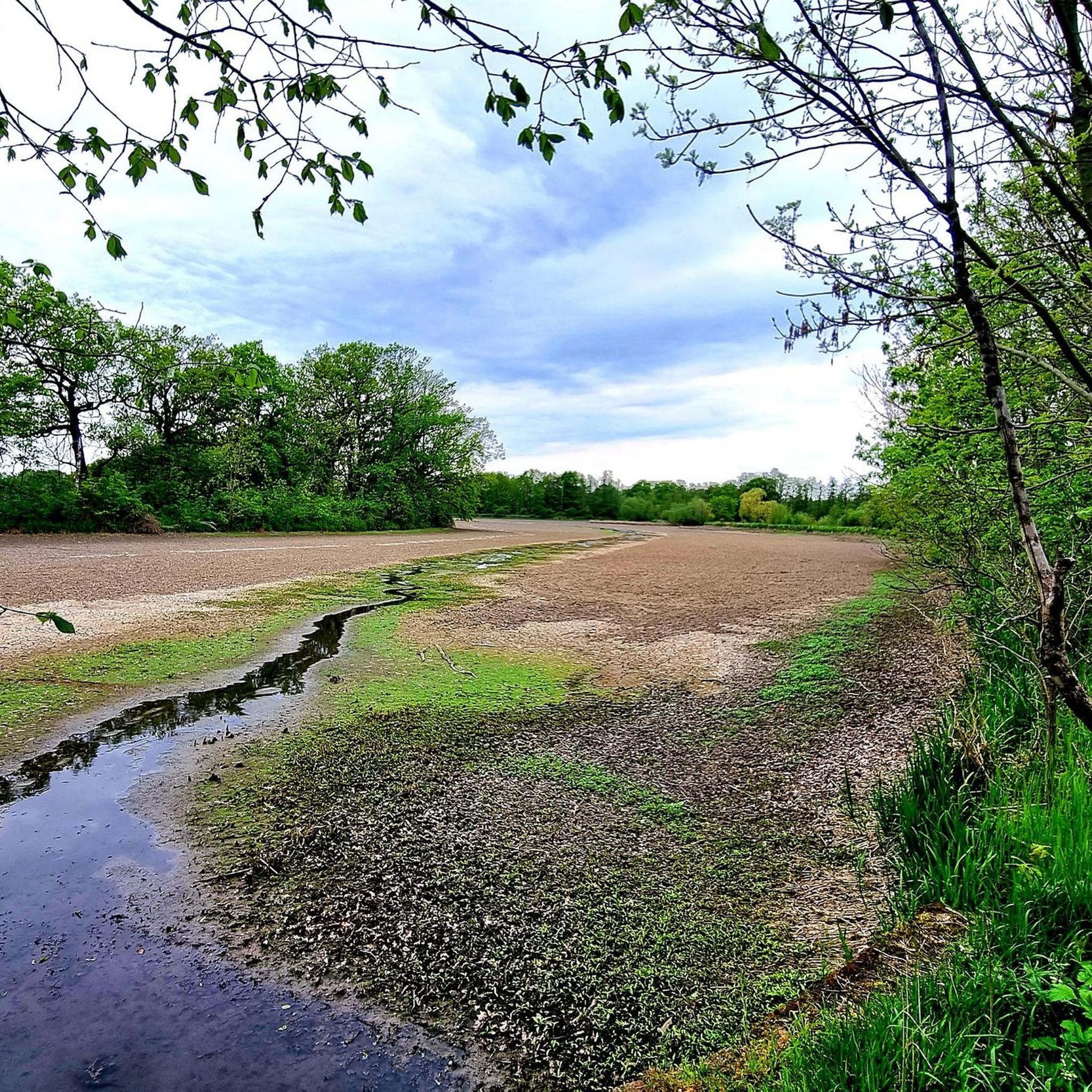
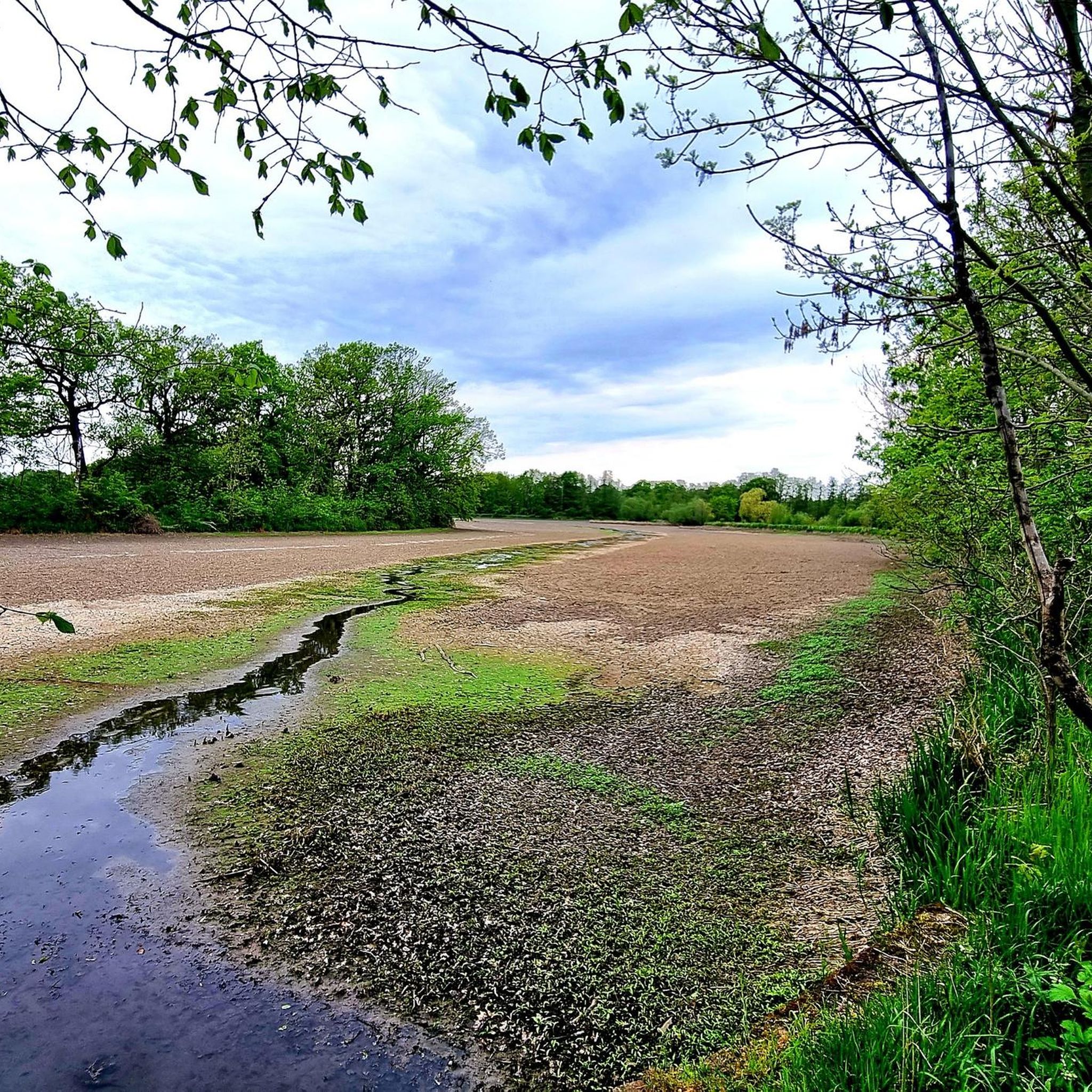
Behind the castle is a beautiful rose garden and adjoining the fish ponds, pure nature.
Translated by Google •
Tip by

Sign up now to discover places like this
Get recommendations on the best single tracks, peaks, & plenty of other exciting outdoor places.
Strehla Castle
Highlight • Castle
Translated by Google •
Tip by

Electoral Saxon Post Milestone Elsterwerda
Highlight • Monument
This is not the original location, but for the resulting "inaccuracies" of the distance information in travel days, this is probably not important :-)
Translated by Google •
Tip by

Zabeltitz Palace and Baroque Garden
Highlight • Castle
More information: de.wikipedia.org/wiki/Zabeltitz#Kurf%C3%BCrstliches_Stallgeb%C3%A4ude_im_Renaissancestil_(Altes_Schloss_genannt)
Translated by Google •
Tip by
Sign up for free to discover even more castles around Wülknitz.
Already have an account?
Start today with a free account
Your next adventure awaits.

Tips from the Community

The Saxon post milestone stands near the Protestant town church of St. Catherine on the main street. This distance marker, dating from 1738, is considered an important piece of cultural heritage and a landmark that shapes the townscape. In August 2025, the approximately 4.60-meter-high column was dismantled for professional restoration. https://www.elsterwerda.de/kursaechsische-postmeilensaeule-erstrahlt-im-neuen-glanz/
1
0

Very friendly coffee here. =)
0
0

A very beautiful old postal mile marker. Marks the postal route from Berlin to Vienna.
1
0

The oldest part of the building, the Knights' Hall between the two mighty towers, which has been preserved as a ruin, dates from 1335. The lower parts date from the 13th to 14th centuries, the late Gothic cell vaults in the upper floors date from around 1530, the gable tops and roof turrets were added towards the end of the 16th century. In the 15th to 16th centuries the castle was rebuilt as a palace and the north wing was rebuilt in 1890 after a fire. The gatehouse to the front courtyard was built around 1560 and decorated with dormer windows and gables. The palace forms a closed square with late Gothic and Renaissance architectural forms, the wing on the Elbe side, built around 1530 for Otto Pflugk, has a late Gothic brick gable with tracery pattern, the stair towers in the courtyard have Renaissance gables. The cell-vaulted "drinking room" in the southwest tower was decorated with rich paintings in 1532, which are attributed to the circle around Lucas Cranach. The castle is surrounded by a spacious English landscape park with some old trees, which stretches down the mountainside to the Elbe. (https://de.wikipedia.org/wiki/Schloss_Strehla)
4
0

Pyramid-shaped post mile post with Saxon-Polish coat of arms. Originally at the northern city gate
1
0
Former castle, now used as the Elsterschloss-Gymnasium. Baroque three-wing complex on the site of a medieval castle on the Black Elster. Built in 1616 as a Renaissance castle
2
0

One of many preserved post mile posts in the former Saxon territory of Prussia.
0
0

Churches are always worth a visit. They give hikers a place to relax and rest.
0
0
Frequently Asked Questions
What kind of castles and historical sites can I explore around Wülknitz?
The Wülknitz region offers a mix of historical castle sites, revitalized baroque gardens, and medieval fortresses. While the original Schloss Tiefenau was destroyed, its preserved elements like the Schlosskirche and Baroque Park are being restored. You can also visit intact structures such as Elsterwerda Castle, now a gymnasium, and the medieval Strehla Castle.
Are there any family-friendly castle attractions in the Wülknitz area?
Yes, several sites are suitable for families. Elsterwerda Castle, which houses a gymnasium, and Strehla Castle are both listed as family-friendly. The Tiefenau Castle Baroque Garden and Fountain, with its restored rose garden and ponds, also offers a pleasant environment for families to explore.
What is the history behind the Schloss Tiefenau site?
The history of the Tiefenau estate dates back to 1013, with a castle first mentioned in 1259. The grand Baroque Schloss Tiefenau, built between 1704 and 1710, was unfortunately destroyed in 1948. However, significant elements like the Schlosskirche (Castle Church) with its Silbermann Organ, the Baroque Park, and the Grottenpavillon have been preserved and are undergoing extensive restoration. The former manor house is also being revitalized into a premium resort.
Can I visit the Schlosskirche and Baroque Park at Tiefenau?
Yes, the Schlosskirche (Castle Church) and the Baroque Park at Tiefenau are key surviving structures. The church, built in 1716, houses a renowned Silbermann organ. The English landscape park features connecting paths and fish ponds, while the adjacent 6,000 square meter rose garden has been restored with its original layout and fountain sculptures. These areas offer a serene environment for visitors.
What outdoor activities can I do near the castles around Wülknitz?
The region around Wülknitz offers various outdoor activities. You can find numerous routes for gravel biking, mountain biking, and hiking. For example, there are easy hiking loops like the 'Tiefenau Castle – Tiefenauer Ponds loop' or more challenging MTB trails. For detailed routes, explore the Gravel biking around Wülknitz, MTB Trails around Wülknitz, and Hiking around Wülknitz guides.
Are there any easy hiking trails around the castles?
Yes, there are easy hiking options available. For instance, near Tiefenau, you can find the 'Tiefenau Castle – Tiefenauer Ponds loop from Röderaue-Wülknitz', which is an easy 4.7 km hike. You can find more easy routes in the Hiking around Wülknitz guide.
What is unique about Strehla Castle?
Strehla Castle is a medieval mountain fortress with origins dating back to before the 10th century, built to protect a river crossing. It showcases late Gothic and Renaissance architecture, including a cell-vaulted 'drinking room' from 1532 with rich coloring, attributed to the circle around Lucas Cranach.
What is the current status of the Old Manor House at Tiefenau?
The Old Manor House (Rittergut), part of the original Tiefenau estate, is currently undergoing extensive revitalization to become a 'Premium Resort Schloss Tiefenau'. This project aims to transform the grounds into a resort with a hotel and holiday homes. Guided tours are regularly offered to inform visitors about the construction advancements and historical preservation efforts.
Are there any castles that are also educational institutions?
Yes, Elsterwerda Castle is a notable example. This extensively renovated castle complex now houses the Elsterschloss-Gymnasium and is considered one of Germany's most beautiful schools. Its first mention as a castle dates back to 1288.
What is the best time of year to visit the castles and gardens in the Wülknitz region?
The Baroque Park and Rose Garden at Tiefenau are particularly pleasant in warmer months, offering a serene environment for walking and relaxation when the gardens are in full bloom. While specific opening times for all castles vary, spring and summer generally provide the best weather for exploring the outdoor grounds and gardens.
Can I find any historical monuments other than castles in the area?
Yes, the region also features other historical monuments. For example, the Electoral Saxon Post Milestone Elsterwerda, dating from 1738, marked the historic post route from Berlin to Dresden and Vienna. It is located on a small square in front of St. Katharina's Church.
Most popular routes around Wülknitz
Most popular attractions around Wülknitz

Get inspired with the komoot mobile app


Explore more
Looking for the best castles somewhere else? Discover other guides around Wülknitz:
