The best MTB trails in Calca
5.0
(5)
21
riders
3
rides
Mountain biking in Calca offers diverse terrain within Peru's Sacred Valley of the Incas. The region is characterized by impressive Andean landscapes, ancient Inca paths, and high-altitude trails that descend into valley communities. Riders encounter a mix of technical sections, steep descents, and flowy singletracks, often alongside the Vilcanota River. This area provides varied elevations and natural features for mountain biking exploration.
Best mountain bike trails in Calca
- The most popular mountain bike trail is Sacsayhuamán – Qurikancha loop from…
Last updated: July 10, 2026
5.0
(3)
10
riders
27.6km
02:15
550m
550m
Moderate mountain bike ride. Good fitness required. Advanced riding skills necessary.
5
riders
53.0km
04:21
1,050m
1,050m
Hard mountain bike ride. Very good fitness required. Suitable for all skill levels.

Sign up for free
5.0
(2)
2
riders
106km
07:19
1,530m
1,530m
Hard mountain bike ride. Very good fitness required. Suitable for all skill levels.
2
riders
24.2km
01:58
530m
530m
Moderate mountain bike ride. Good fitness required. Advanced riding skills necessary.
2
riders
26.6km
02:21
640m
640m
Moderate mountain bike ride. Good fitness required. Suitable for all skill levels.
Our route recommendations are based on thousands of hikes, rides, and runs completed by other people on komoot.
Start today with a free account
Your next adventure awaits.
Login or Signup
Tips from the Community

The Temple of the Sun is one of the most impressive relics of the Inca culture and was built in honor of the sun god Inti. It was the spiritual and religious center of the Inca Empire. Today, the Qoricancha stands as a symbolic example of the fusion of Inca building culture and Spanish colonial architecture. The Qoricancha housed not only the Temple of the Sun, but also other sacred shrines for other deities. (Temple of the Moon Goddess, the Temple of Lightning, the Temple of the Rainbow, the Temple of Water, and others. All temples were clad in gold and adorned with precious stones. The Spaniards plundered the treasures and partially destroyed the temple to build a monastery on it. The monastery was repeatedly damaged by several earthquakes, but the walls of the Inca temple have remained undamaged, which speaks to the exceptional architecture. Even today, 15 monks still live here.
1
0

Old round Inca stones are still in the house. They were probably used to grind grain.
0
0

The Salineras de Maras are hidden in the highlands of southern Peru. In a mountain gorge, not far from Cusco, a mosaic of white-brown salt fields has developed over the centuries. There are said to be 4,000 fields. Rock salt, the so-called "white gold", was mined here as early as the time of the Incas. The descendants of that advanced civilization still harvest the popular Sal de Maras, which is also exported abroad. Source and further information: https://info-peru.de/salzterrassen-maras-peru/
2
0

The salt pans of Maras "Salinera de Maras" is the highest salt farm in the world. Thousands of salt basins are located on steep mountain terraces. What was once the white gold of the Incas is now only a very small source of income for the hard-working Andean salt farmers of Peru.
8
0


The salt mines are a great stopover if you want to hike from Maras (small town near the salt mines) into the valley to the Urubamba river. You can almost integrate the salt mines into the hiking route, as there are two entrances and exits, so that you can walk through the mines. The salt mines cost admission.
3
0

The salt mines traditionally have been available to any person wishing to harvest salt. The owners of the salt ponds must be members of the community, and families that are new to the community wishing to propitiate a salt pond get the one farthest from the community. The size of the salt pond assigned to a family depends on the family's size. Usually there are many unused salt pools available to be farmed. Any prospective salt farmer need only locate an empty currently unmaintained pond, consult with the local informal cooperative, learn how to keep a pond properly within the accepted communal system, and start working. https://en.m.wikipedia.org/wiki/Maras,_Peru
4
0
Frequently Asked Questions
What kind of terrain can I expect on mountain bike trails in Calca?
Mountain biking in Calca offers a diverse range of terrain, from ancient Inca paths to high-altitude singletracks. You'll encounter technical sections, steep descents, rock gardens, and fast, flowy parts. Many routes feature natural hits and wall rides, often with a 'choose your own adventure' feel as you navigate the Andean landscapes.
Are there mountain bike trails suitable for different skill levels in Calca?
Yes, Calca's mountain biking network provides options for various ability levels. While many trails feature challenging technical sections and steep descents, there are also moderate routes available. For example, the Sacsayhuamán – Qurikancha loop from San Sebastián is rated moderate, offering ancient sites and valley views.
What are some notable natural features or viewpoints I might encounter while mountain biking in Calca?
Calca is nestled in the heart of the Sacred Valley, offering breathtaking Andean vistas. You'll ride alongside the Vilcanota River and be surrounded by impressive snow-capped peaks like Pitusiray and Sawasiray. Many trails provide sweeping views of the valley and its lush landscapes, especially on descents from higher elevations.
What is the best time of year for mountain biking in Calca?
The dry season, typically from May to October, is generally considered the best time for mountain biking in Calca. During this period, trails are less muddy and conditions are more favorable for riding. Calca's lower altitude also offers a milder climate compared to Cusco, making it a good location for acclimatization.
Are there any family-friendly mountain bike trails in Calca?
While many trails in Calca are known for their technical and challenging nature, some routes may be more suitable for families depending on experience. It's advisable to check individual trail descriptions for difficulty and terrain to ensure they align with your family's skill level. The region offers a mix of moderate and difficult routes.
Can I bring my dog on the mountain bike trails in Calca?
Specific regulations regarding dogs on mountain bike trails in Calca can vary. While local people often herd animals along ancient paths, it's best to check with local authorities or tour operators for the most current rules on bringing pets, especially in protected or archaeological areas, to ensure a smooth experience for you and your dog.
What archaeological sites or historical landmarks can I see near the mountain bike trails?
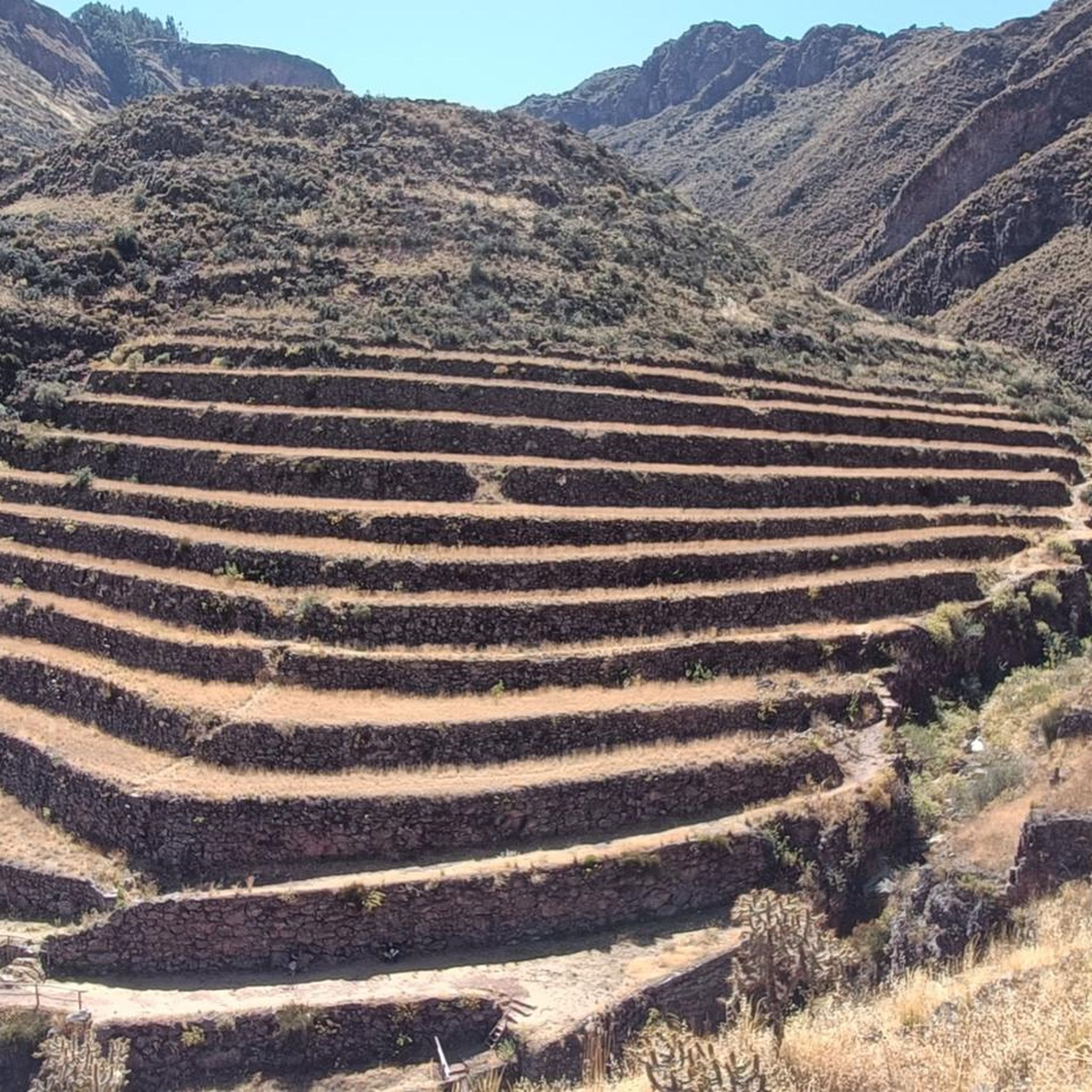
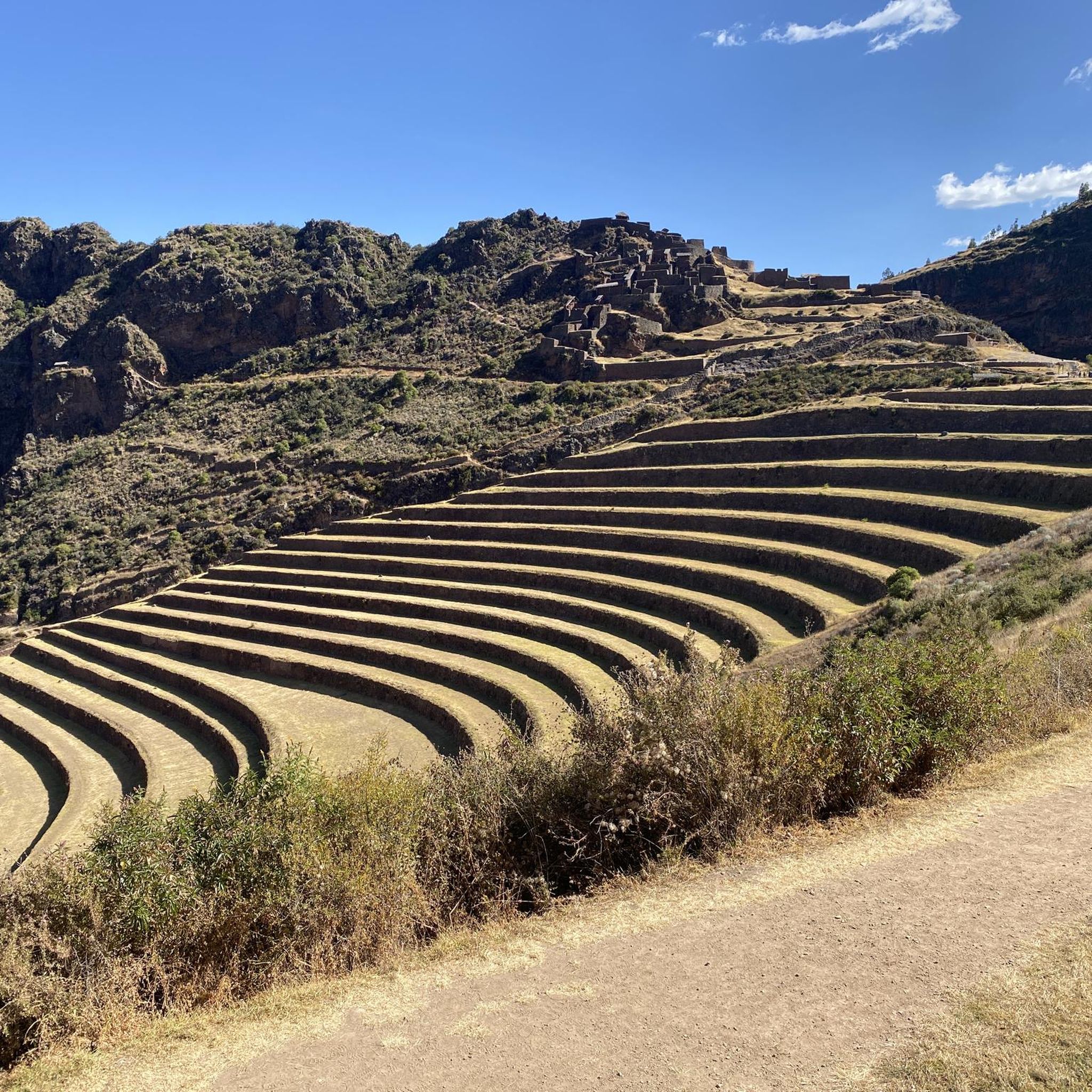
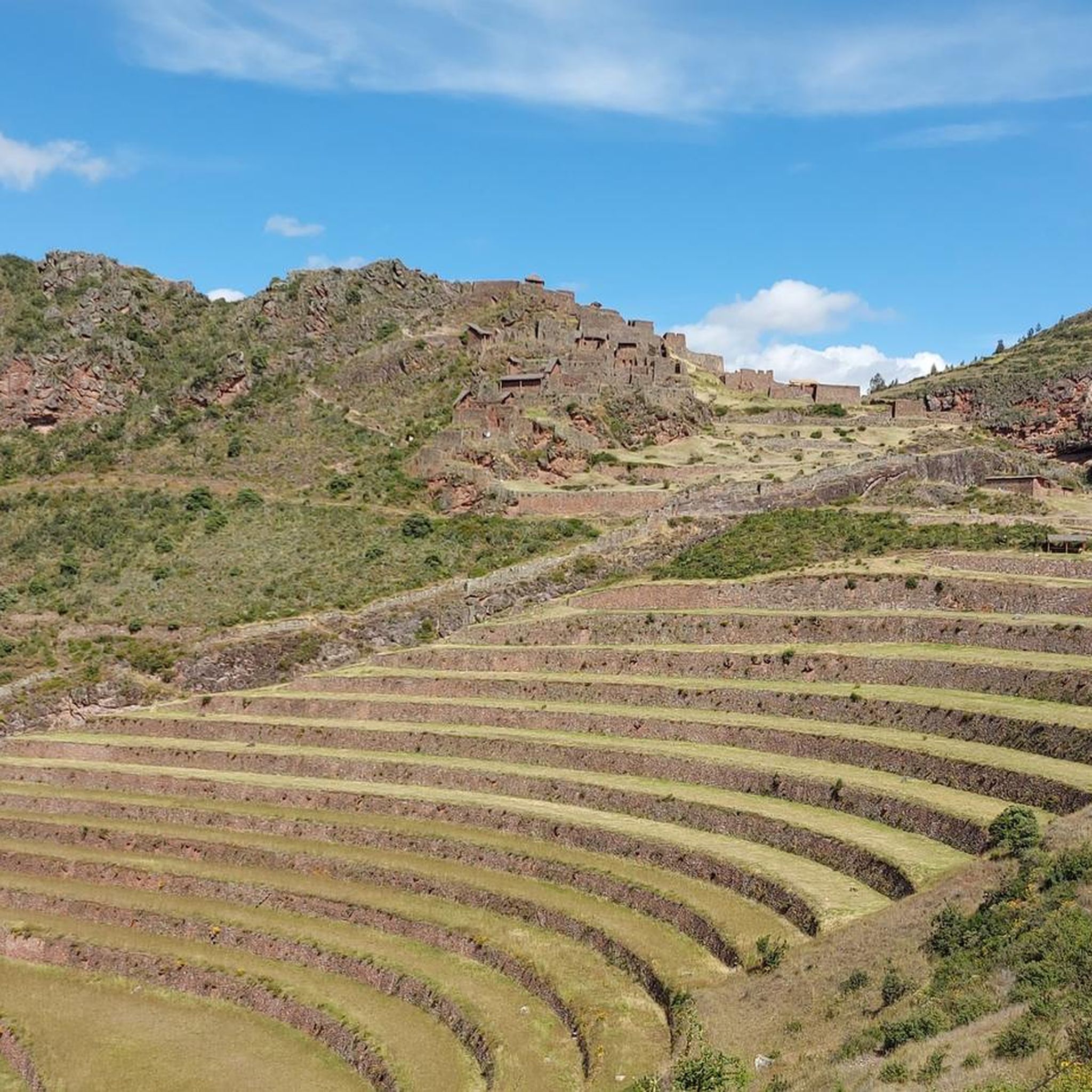
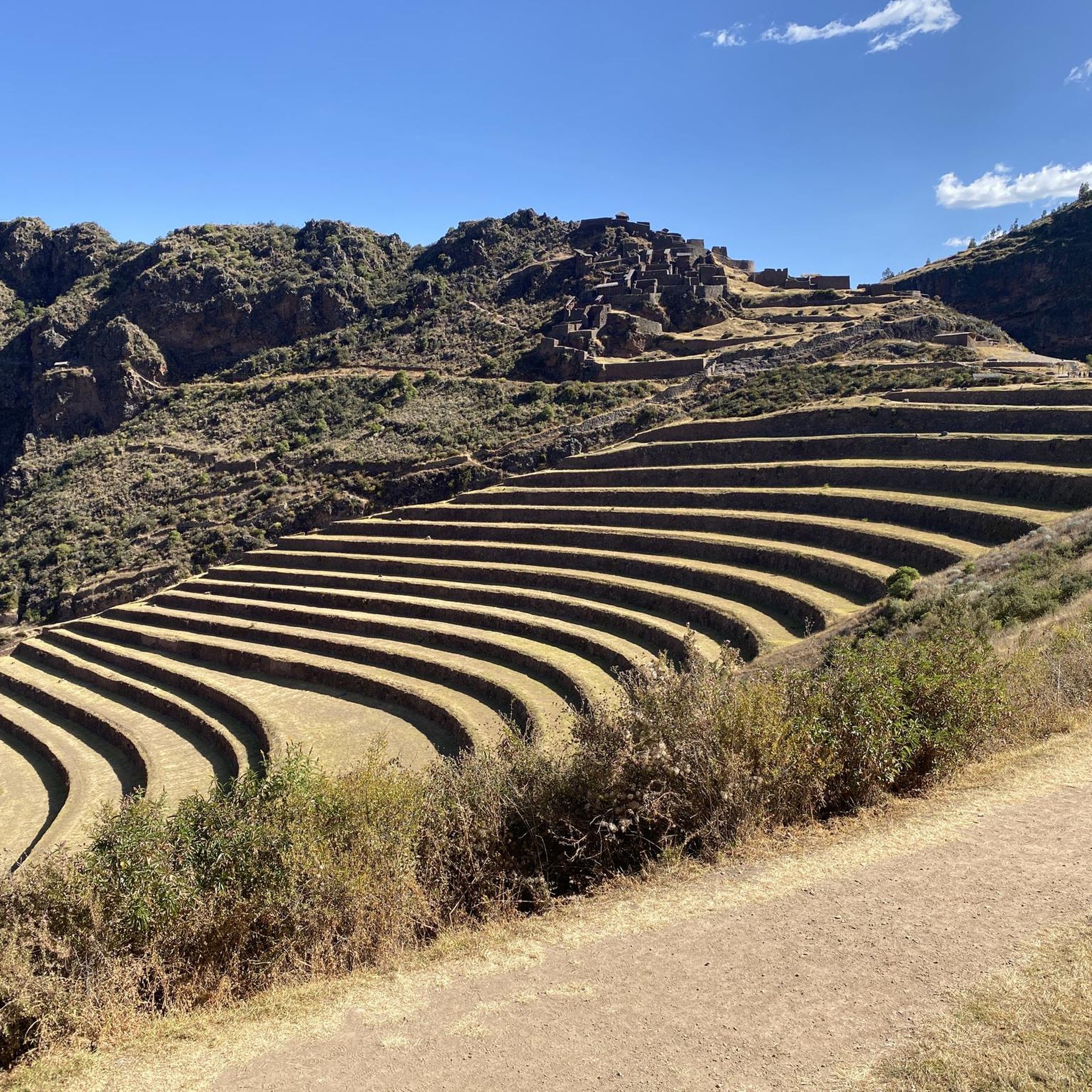
Calca and its surroundings are rich in history. You can explore sites like the Pisac Archaeological Site, known for its Inca constructions and terraces. The advanced Huchuy Qosqo trail leads to a pre-Inca fortress. Other nearby attractions include the Ancient Cliff Tombs of Pisac and the Pisac Artisan Market.
Are there any hot springs in Calca for relaxation after a ride?
Yes, Calca is home to natural sulfurous hot springs, such as Minas Moqo and Machacancha. These mineral-rich waters offer a perfect place for relaxation and natural therapies after a day of mountain biking, providing a soothing experience with temperatures ranging from 15°C to 20°C.
What do other mountain bikers say about the trails in Calca?
The mountain bike trails in Calca are highly rated by the komoot community, with an average score of 5.0 stars from 5 reviews. Riders often praise the unique experience of riding on ancient Inca paths, the stunning Andean scenery, and the challenging yet rewarding descents.
Are there any circular mountain bike routes available in Calca?
Yes, there are several circular mountain bike routes in the Calca area. For instance, the Maras Salt Mines – Querocancha Archaeological Zone loop from Urubamba is a challenging 32.3-mile path that traverses varied terrain. Another option is the moderate Qolqapampa loop from Universidad Andina del Cusco (UAC) - Campus Larapa.
Where can I find parking for mountain bike trails in Calca?
Parking availability for mountain bike trails in Calca can vary depending on the specific trailhead. Many routes start from or pass through towns like Calca or Urubamba, where public parking might be available. For trails starting in more remote areas, it's often best to inquire with local tour operators or accommodation providers for recommended parking spots.
What are some of the longer mountain bike routes in the Calca region?
For those seeking longer rides, the Calca region offers extensive routes. The Pikillacta – Qurikancha loop from Wanchaq is a significant 69.1-mile trail that leads through historical sites and open landscapes, typically taking around 7 hours and 45 minutes to complete.
Most popular attractions in Calca

Get inspired with the komoot mobile app


Didn’t find what you were looking for?
Check out more MTB trails throughout Calca below and find the perfect route in your destination.
