Top 13 Castles around Scheibenberg
Best castles around Scheibenberg are located within the broader Erzgebirge region, which surrounds the town of Scheibenberg. Scheibenberg is recognized for its natural features, such as the Scheibenberg mountain and its distinctive basalt columns. The surrounding area provides historical sites, blending natural landscapes with cultural heritage for visitors.
Best castles around Scheibenberg
- The most popular castles is Schwarzenberg Castle, a castle that originated as a 12th-century defensive structure. It was later converted into a Saxon electoral hunting lodge and…
Last updated: October 9, 2026
Schwarzenberg Castle
Highlight • Castle
Translated by Google •
Tip by

Schlettau Castle
Highlight • Castle
Translated by Google •
Tip by

Sign up now to discover places like this
Get recommendations on the best single tracks, peaks, & plenty of other exciting outdoor places.
Schreckenberg Tower
Highlight • Monument
Translated by Google •
Tip by

St. George's Church (Schwarzenberg)
Highlight • Religious Site
The church history in Schwarzenberg is probably almost as old as the castle, which was built around …
Translated by Google •
Tip by

Passklaus Tower, Tannenberg
Highlight • Historical Site
Translated by Google •
Tip by

Sign up for free to discover even more castles around Scheibenberg.
Already have an account?
Start today with a free account
Your next adventure awaits.
Popular around Scheibenberg

The Stoneman Trail in the Ore Mountains

Flying high on two wheels – bike holidays in the Ore Mountains

Stoneman Miriquidi MTB Gesamtstrecke (3 Tage - Bronze)
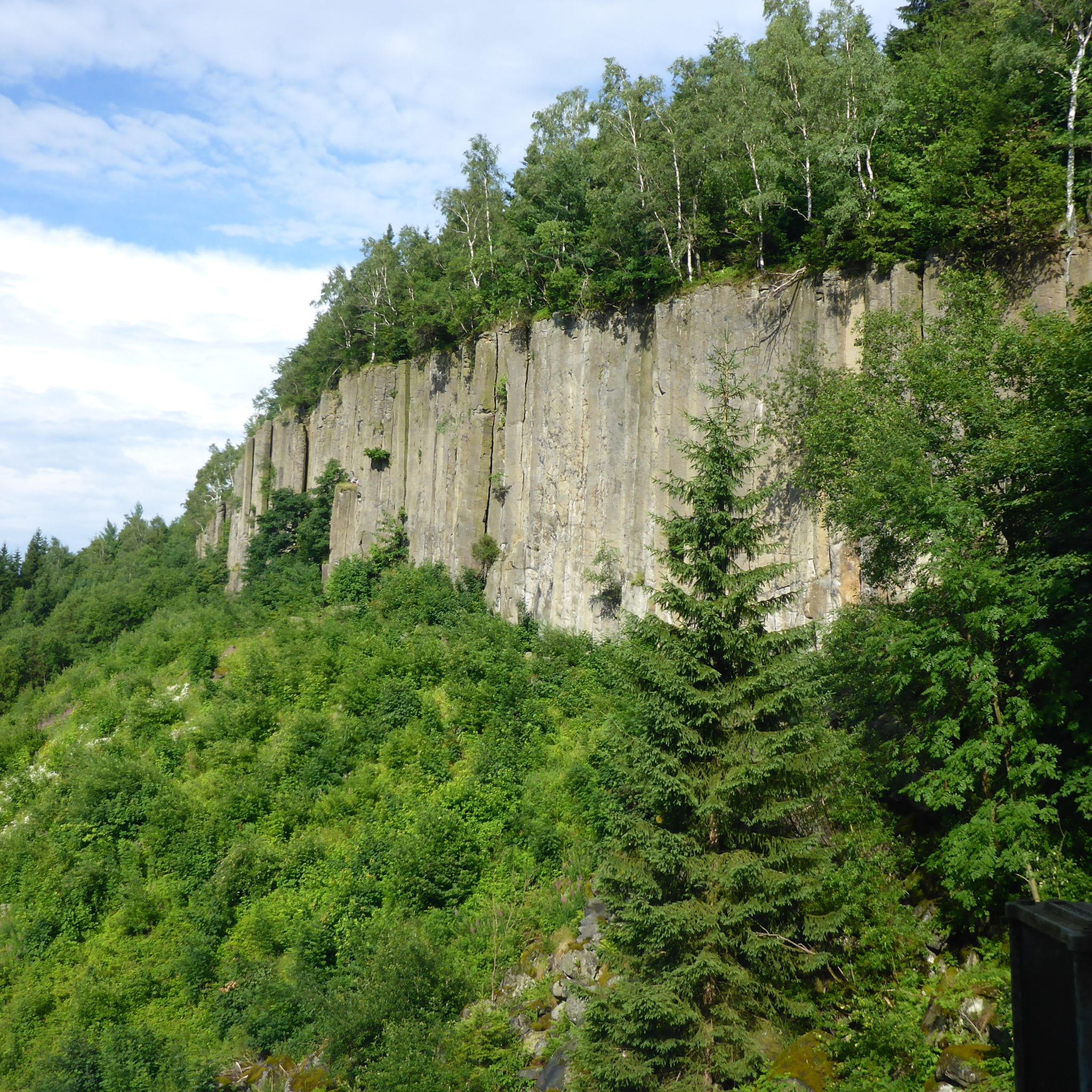
Hiking around Scheibenberg
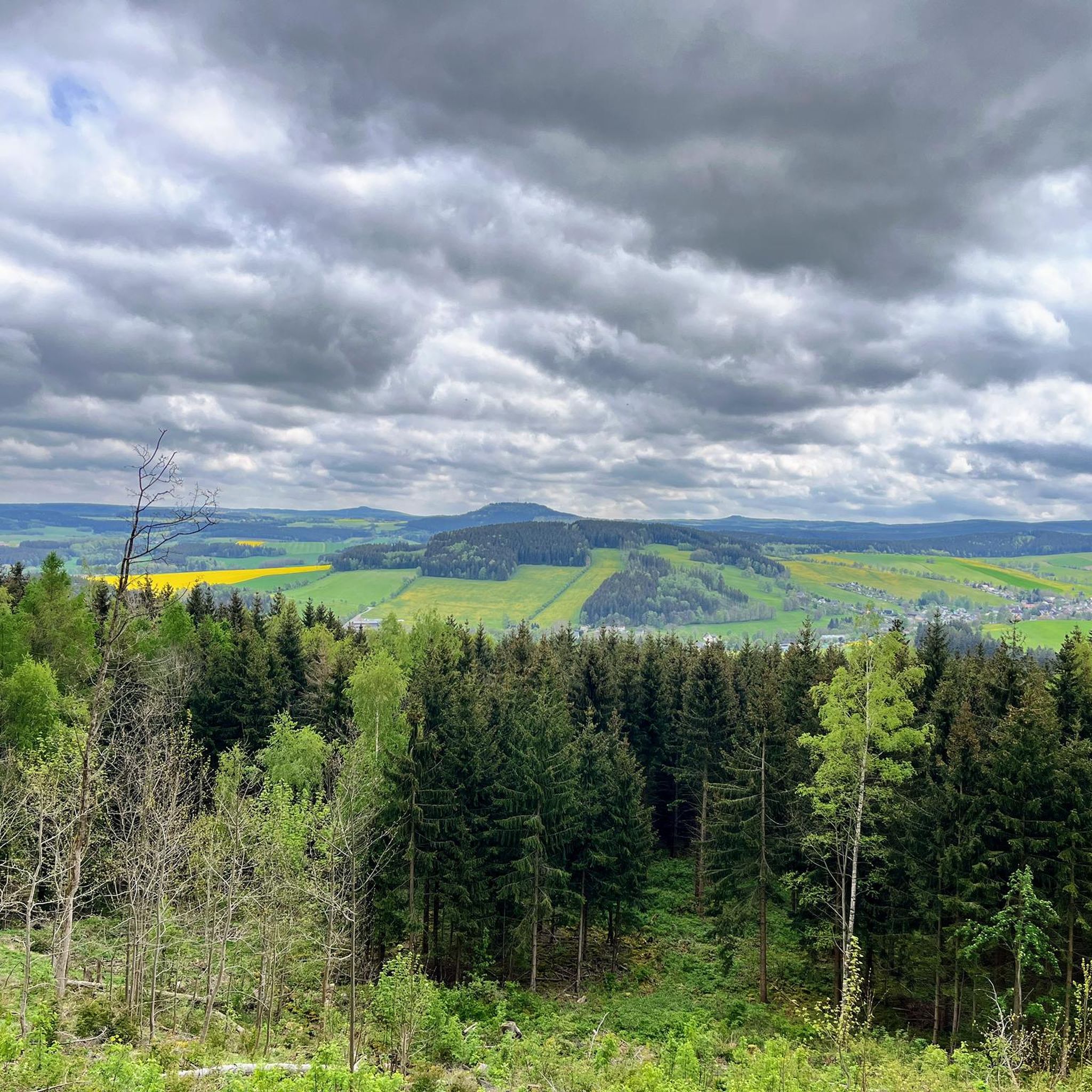
Cycling around Scheibenberg
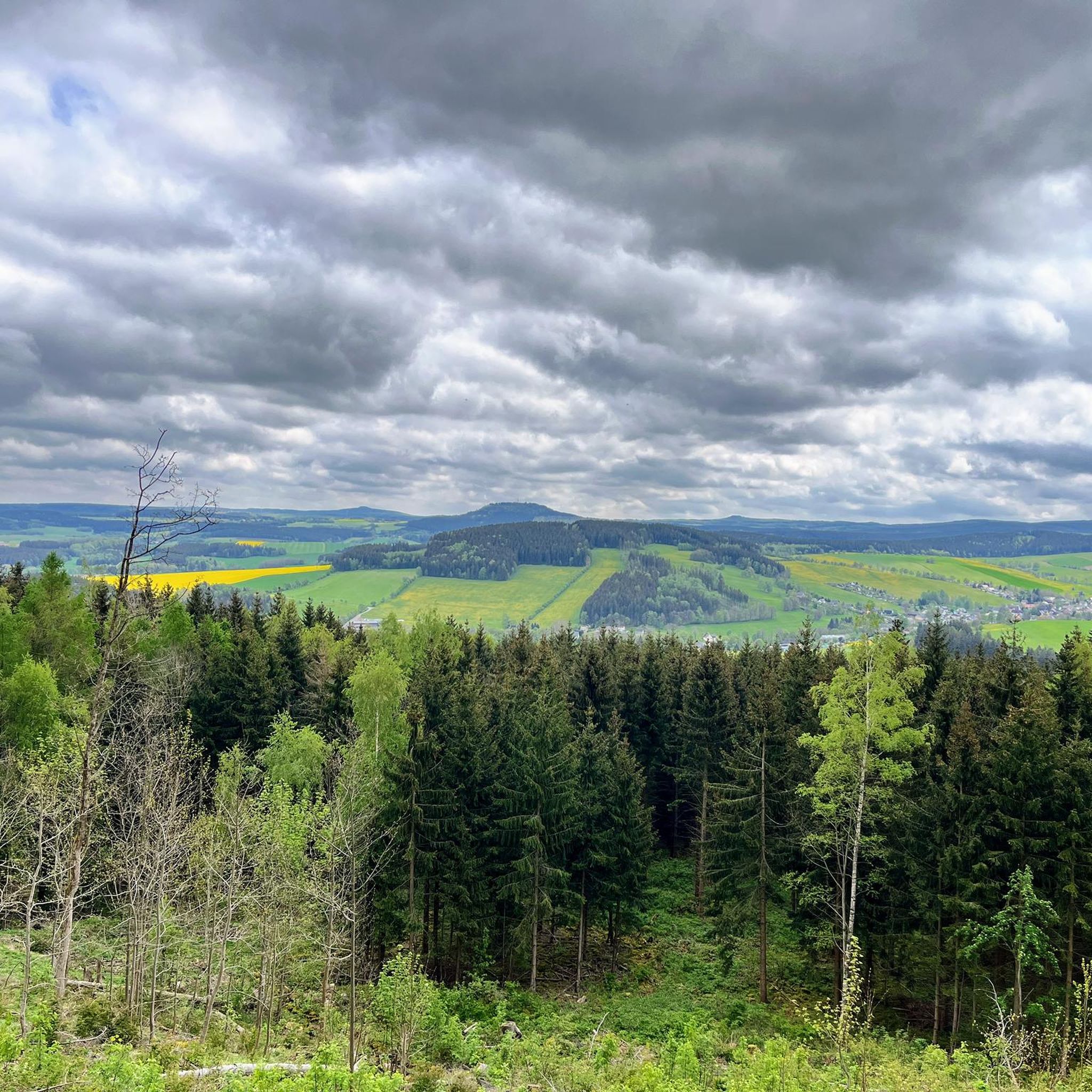
MTB Trails around Scheibenberg
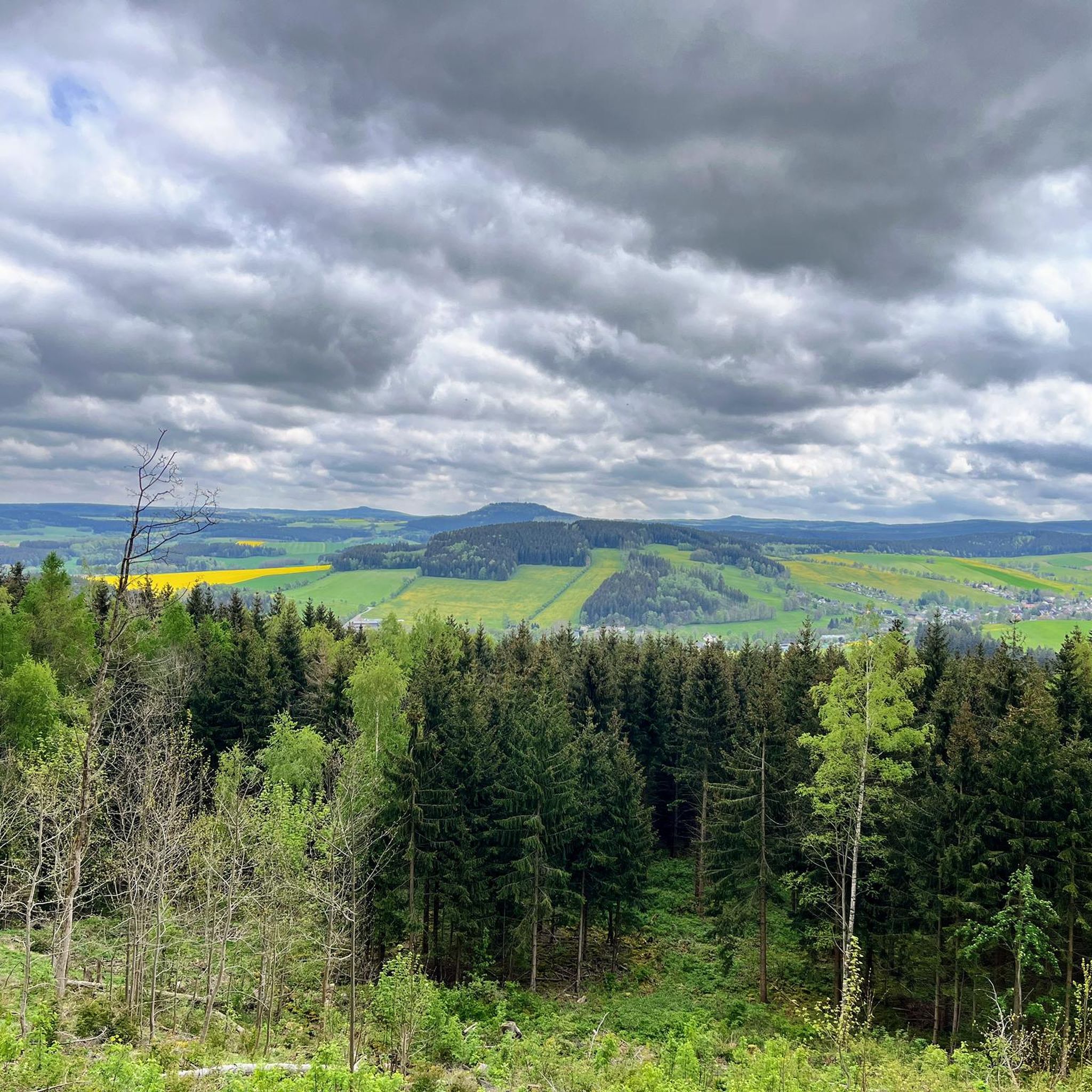
Road Cycling Routes around Scheibenberg
Running Trails around Scheibenberg
Gravel biking around Scheibenberg
Other adventures around Scheibenberg


Tips from the Community

The Evangelical Lutheran St. George's Church in Schwarzenberg/Erzgebirge is an outstanding example of Baroque sacred architecture and, together with the neighboring castle, dominates the cityscape of the old town. **History and Construction** The origins of the parish date back to the 12th century. The present church was built between 1690 and 1699 according to plans by the Lößnitz master builder Johann Georg Roth, as the previous church on the lower market square had become too small and dilapidated. Half of the building site was donated by the Saxon Elector Johann Georg III and the other half by Balthasar Lehmann, the Schwarzenberg Oberzehnder. Construction was carried out by master mason Johann Georg Pauli and master carpenter Samuel Georg. The church, designed as a transverse church, was consecrated on October 22, 1699. **Architecture and Furnishings** The interior of the church impresses with its cantilevered wooden ceiling, added in 1728 and considered a technical masterpiece with a clear width of 34 × 18 meters. The Baroque furnishings include a magnificently carved altar, an artfully wrought choir screen from 1721, crafted by the Schwarzenberg master blacksmith Zacharias Georgi, as well as a Baroque pulpit and a surrounding gallery with numerous boxes. **Music and Organ** St. George's Church is an important center of sacred music. In 1993, a new organ by the Hermann Eule company from Bautzen was installed. It has 39 stops on slider chests and is based on historical models. Concerts are held here regularly, including the "Music Summer in St. Georgen" concert series and the internationally renowned Erzgebirge Music Festival. **Current Condition** Despite its structural integrity, the church is showing signs of age-related damage. Cracks in the masonry and leaky windows are endangering the building's structure. Parts of the gallery had to be closed off in 2018 due to the risk of falling. A comprehensive renovation is necessary to preserve the church as a spiritual and cultural center.
3
0


The moated castle is also known as Hofwall and was probably built in the middle of the 12th century around 1162 to protect the road that passed by. The castle was destroyed during a Hussite invasion. Only the 14 m high tower, which is still preserved today, was preserved. It once had wooden structures and extensions. The moated castle served as a mansion for Leonhard and Nickel von Tannenberg around 1420. Parts of a broken bell were found in the remains of the castle complex in 1770, suggesting that the castle may have had its own chapel. In 1995 and 1996, conservation measures were carried out on the listed Passklausen Tower. The former water-bearing ditch has been preserved except for a section that was filled in in the northern area. The facility was placed under monument protection at the end of 1959. Source:https://sachsens-schloesser.de/tannenberg-wasserburg-passklausenturm/
1
0

A landmark of the city of Schwarzenberg, visible from afar.
8
0

This castle, which dates back to the 14th century, is located directly at the confluence of the Zschopau and Roter Pfütze rivers. Today, a support association takes care of the administration of the buildings and the attached museum. In the idyllic castle park you can discover over 30 different tree species.
2
0

It's worth a trip here, but it's very busy on the Advent weekends🙈
4
0

The survey is primarily of historical significance. This is where the roots of Annaberg silver ore mining lie. In October 1491, Caspar Nietzel came across a silver vein not far from the Frohnauer Obermühle. As a result, in 1496 the “Neustadt am Schockenberg” was built on the opposite bank of the Sehm, which was soon given the name Sankt Annaberg.
1
0

Here you will receive a point for the digital hiking pin at SummitLynx. The church history in Schwarzenberg is probably almost as old as the castle, which was built around 1150, because it was common to build a chapel when establishing a settlement. The current church building of St. Georgen, which together with the castle forms Schwarzenberg's landmark, was built between 1690 and 1699 after the little church on the lower market had become dilapidated and too small. The Reformation had already arrived in Schwarzenberg in 1529. https://www.st-georgen-schwarzenberg.de/
5
0
Frequently Asked Questions
What castles can I visit near Scheibenberg?
While Scheibenberg itself is known for natural features, the surrounding Erzgebirge region offers several historical castles. Notable options include Schwarzenberg Castle, Schlettau Castle, and the romantic Schreckenberg Tower.
Are there museums or specific attractions within the castles?
Yes, Schwarzenberg Castle houses the city museum of Schwarzenberg. Schlettau Castle also contains a museum, and its idyllic castle park features over 30 different tree species.
What kind of history do the castles around Scheibenberg represent?
The castles offer a glimpse into various historical periods. For example, Schwarzenberg Castle originated as a 12th-century defensive structure and was later converted into a Saxon electoral hunting lodge. Schlettau Castle dates back to the 14th century, while the Schreckenberg Tower is a 19th-century romantic ruin built as emergency work.
Are the castles and surrounding areas family-friendly?
Many of the castles, such as Schwarzenberg Castle, Schlettau Castle, and Passklaus Tower, are considered family-friendly. Their historical significance and surrounding natural areas often provide engaging experiences for all ages.
What natural features can I see near these castles?
The region combines historical sites with natural beauty. Near Schlettau Castle, you can explore its castle park with diverse tree species and the confluence of the Zschopau and Roter Pfütze rivers. The Schreckenberg Tower offers views of the surrounding Ore Mountains, and the Former Greifenstein Castle is located on the Greifensteine rocks at approximately 700 meters elevation.
What outdoor activities can I do near the castles around Scheibenberg?
The area around Scheibenberg and its castles is excellent for outdoor activities. You can find numerous routes for hiking, cycling, and gravel biking. For example, there are hiking routes like the 'Ottomar Zahm Trail' and 'View of the Youth Ski Jump' loops, and cycling routes such as the 'Fichtelberg Peace Bell' loop. You can explore more options in the hiking guide, cycling guide, and gravel biking guide for Scheibenberg.
Are there hiking trails that connect Scheibenberg with nearby castles?
While specific trails directly connecting Scheibenberg to individual castles are not detailed, the broader region offers extensive hiking networks. You can find trails around the castles themselves, such as those near the Former Greifenstein Castle, and explore various routes in the hiking guide for Scheibenberg that allow you to combine nature with historical sites.
What are the parking options near Schwarzenberg Castle and Schlettau Castle?
For Schlettau Castle, parking is available directly at the site. For Schwarzenberg Castle, parking options are typically found within the town of Schwarzenberg, often within walking distance of the castle.
Can I reach the castles near Scheibenberg by public transport?
Public transport connections are available to the towns where the castles are located. For instance, Schwarzenberg and Schlettau are accessible by regional buses and trains. From Scheibenberg, you would typically use local bus services to connect to these towns, then proceed to the castles.
What do visitors enjoy most about the castles around Scheibenberg?
Visitors appreciate the blend of historical architecture and natural landscapes. The community frequently upvotes highlights like Schwarzenberg Castle for its well-preserved structure and museum, and Schlettau Castle for its idyllic park. The scenic views from places like Schreckenberg Tower are also highly valued.
Are there any hidden or lesser-known castles in the region?
While not 'hidden' in the sense of being undiscovered, the Passklaus Tower in Tannenberg is a charming, older fortified tower situated in a small pond, offering a unique historical sight that might be less prominent than the larger castles. The Former Greifenstein Castle, now ruins on the Greifensteine rocks, also offers a more rugged, historical experience.
What is the best time to visit the castles around Scheibenberg?
The castles and surrounding areas are enjoyable throughout the year. Spring and summer offer pleasant weather for exploring castle parks and hiking trails. Autumn provides beautiful foliage, while winter can offer a picturesque, snow-covered landscape, though some outdoor activities might be limited by conditions.
Most popular routes around Scheibenberg
Most popular attractions around Scheibenberg

Get inspired with the komoot mobile app


Explore more
Looking for the best castles somewhere else? Discover other guides around Scheibenberg:
