Top 15 Castles around Flörsbachtal
Castles around Flörsbachtal are part of a region known for its natural beauty and extensive hiking and cycling paths within the Spessart hills. While prominent castles are not directly within the municipality, the area features historical sites that offer insights into its rich heritage. These include ancient churches with significant historical elements, such as St. Matthäus in Lohrhaupten and St. Marien in Kempfenbrunn. The region is also renowned for its natural landscapes, including the Wiesbüttmoor nature preserve.
Best castles around…
Last updated: July 1, 2026
Ruins of the Birklergrund Glassworks
Highlight • Historical Site
Translated by Google •
Tip by

Wiesen Castle
Highlight • Castle
Translated by Google •
Tip by

Sign up now to discover places like this
Get recommendations on the best single tracks, peaks, & plenty of other exciting outdoor places.
Sign up for free
Burgjoss Castle
Highlight • Castle
Translated by Google •
Tip by

Fronhofer Schlösschen
Highlight • Castle
mainpost.de/regional/main-spessart/paar-aus-paris-renoviert-das-fronhofer-schloesschen-art-8883794
mainpost.de/regional/main-spessart/das-dach-des-fronhofer-schloesschens-in-burgsinn-ist-decked-art-10401844
Translated by Google •
Tip by

Bartenstein Castle Ruins and View of Partenstein
Highlight • Castle
Translated by Google •
Tip by

Sign up for free to discover even more castles around Flörsbachtal.
Sign up for free
Already have an account?
Start today with a free account
Your next adventure awaits.
Login or Signup
Popular around Flörsbachtal
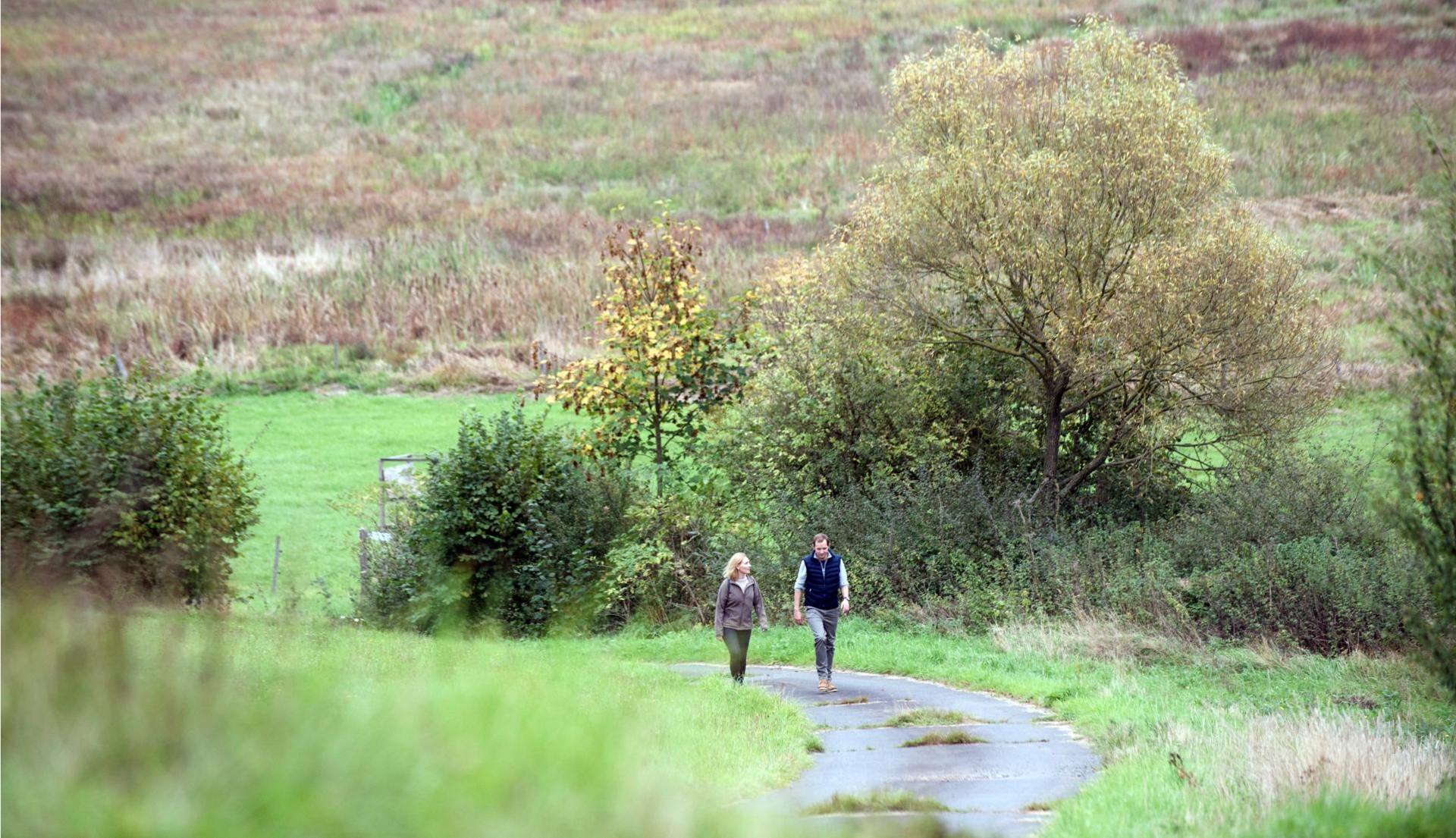
Pleasure hiking in the Spessart: trails that taste as good as they look
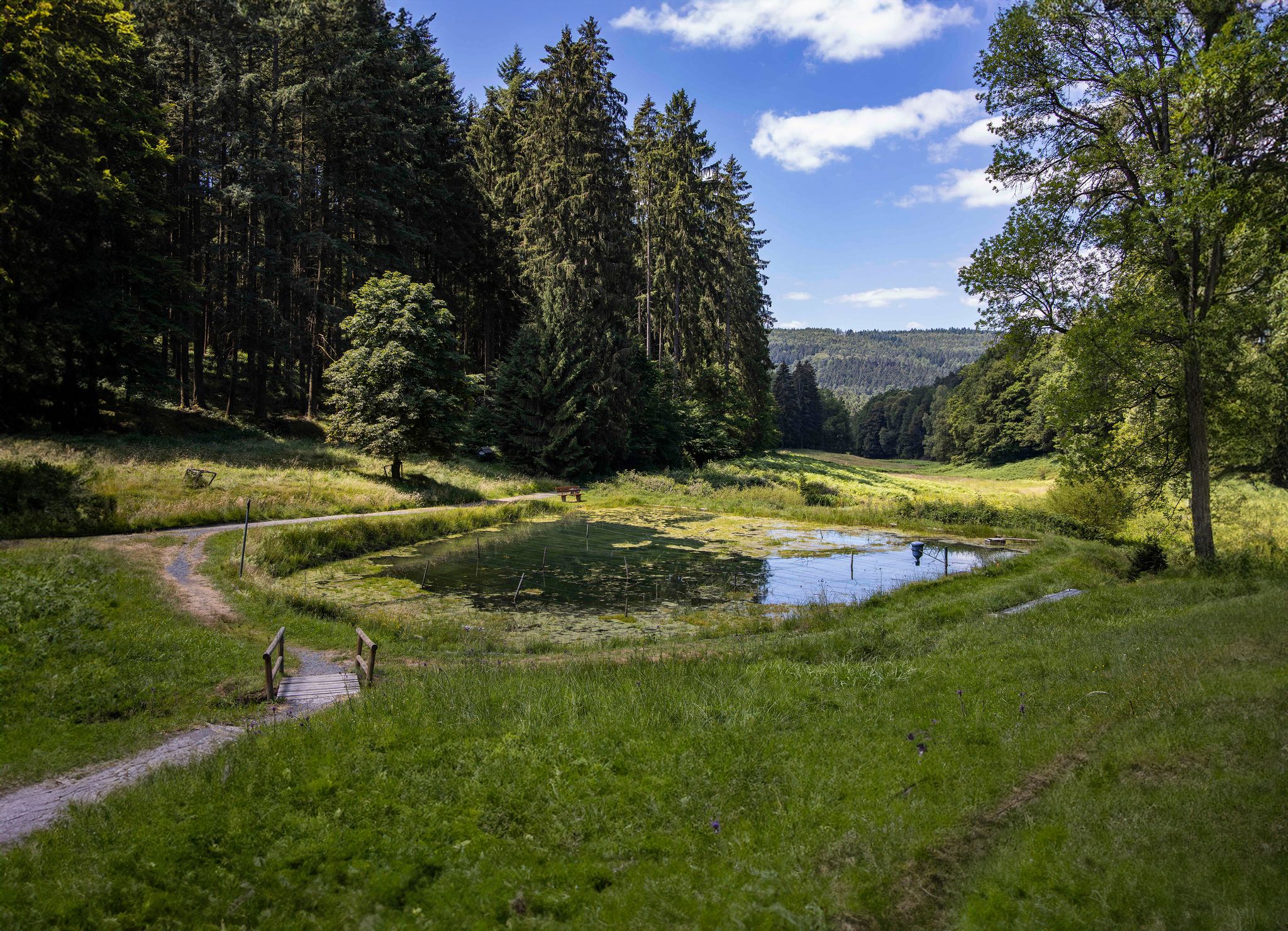
Hike through one of Germany’s greatest forests – Spessart 3
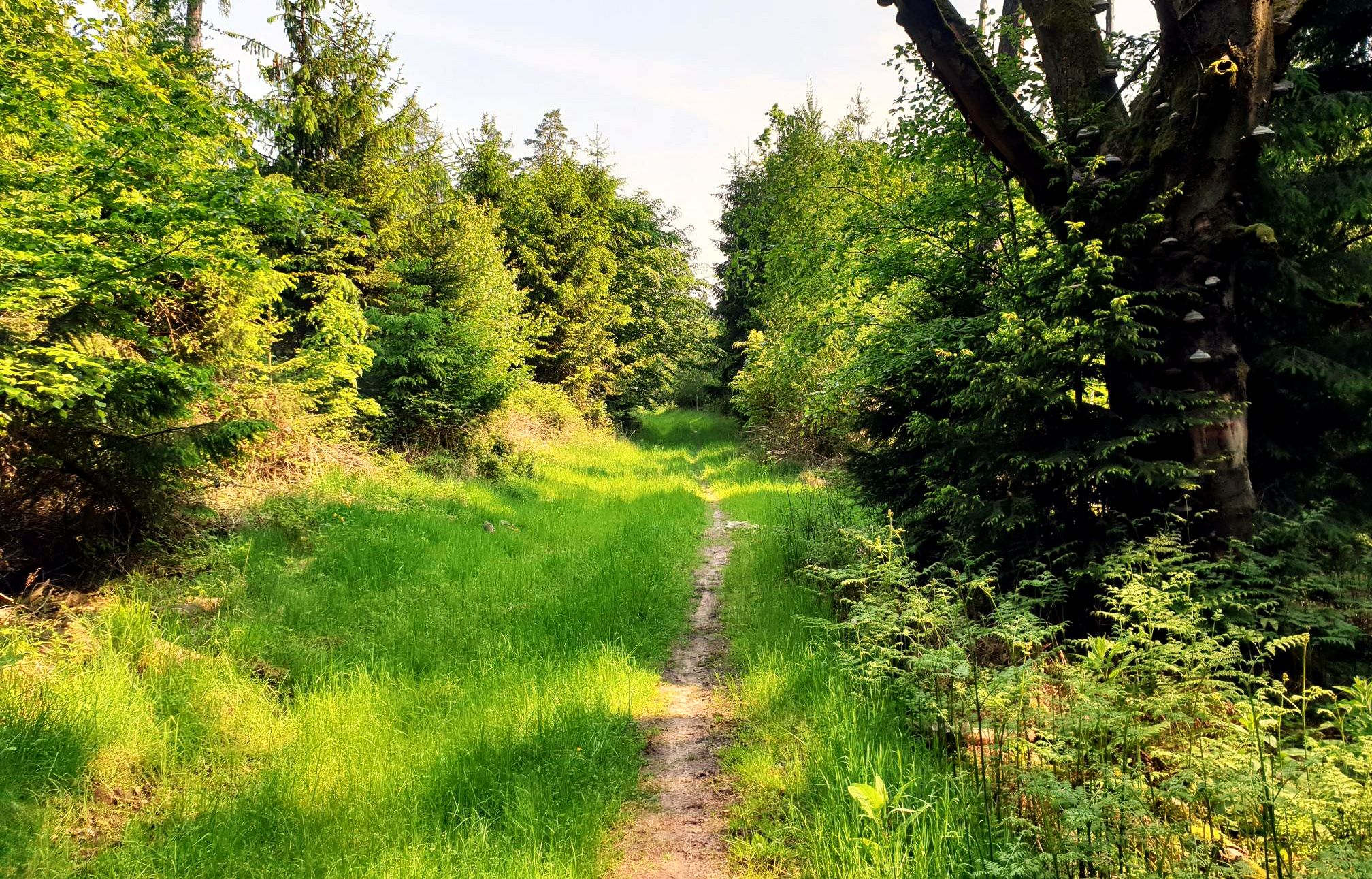
Mountain biking in the Spessart – Awesome trails in Germany

Wandern auf dem Spessartweg 3
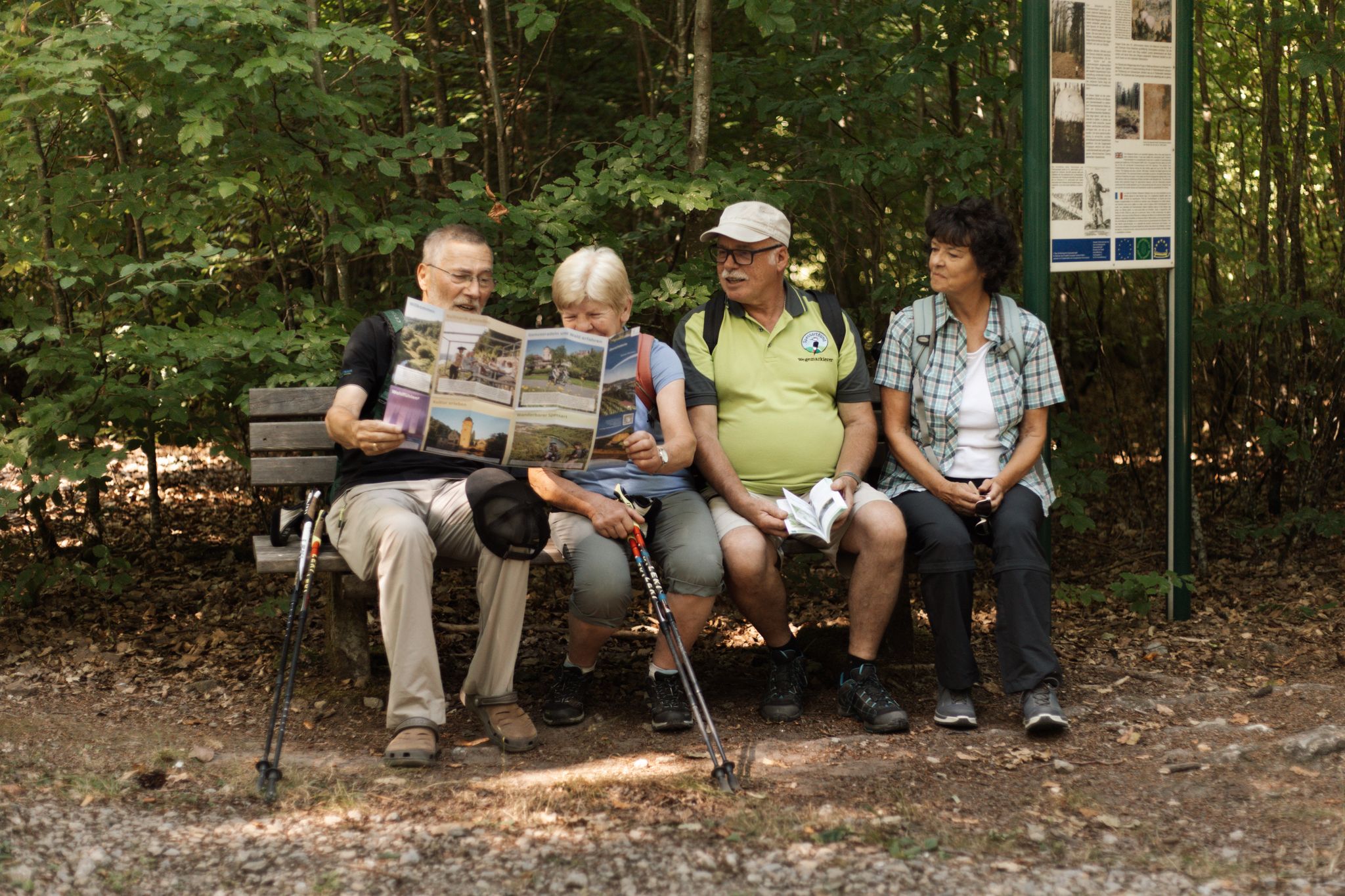
Europäische Kulturwege zwischen Frammersbach und Lohr a.Main
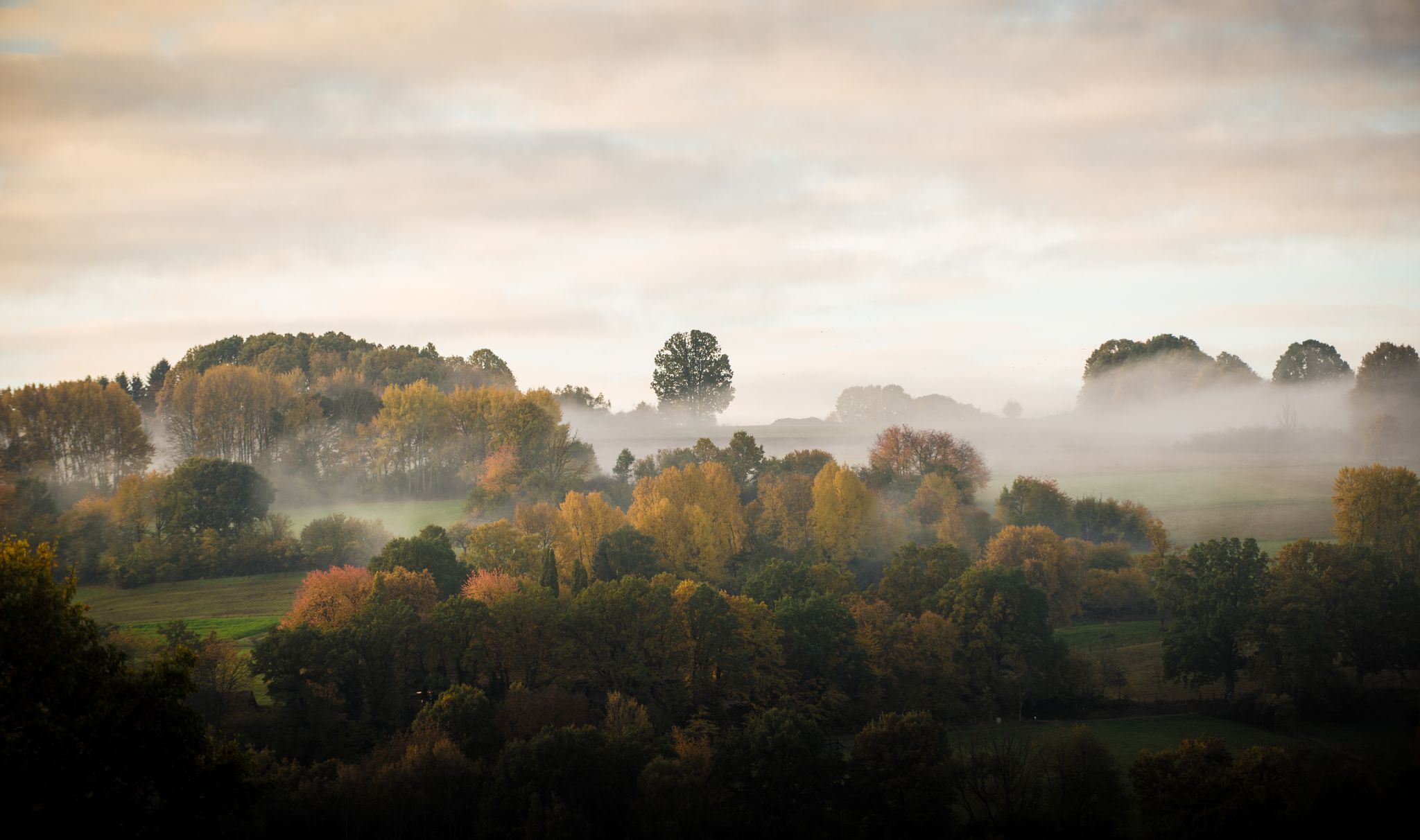
Die schönsten Herbstwanderungen im Spessart
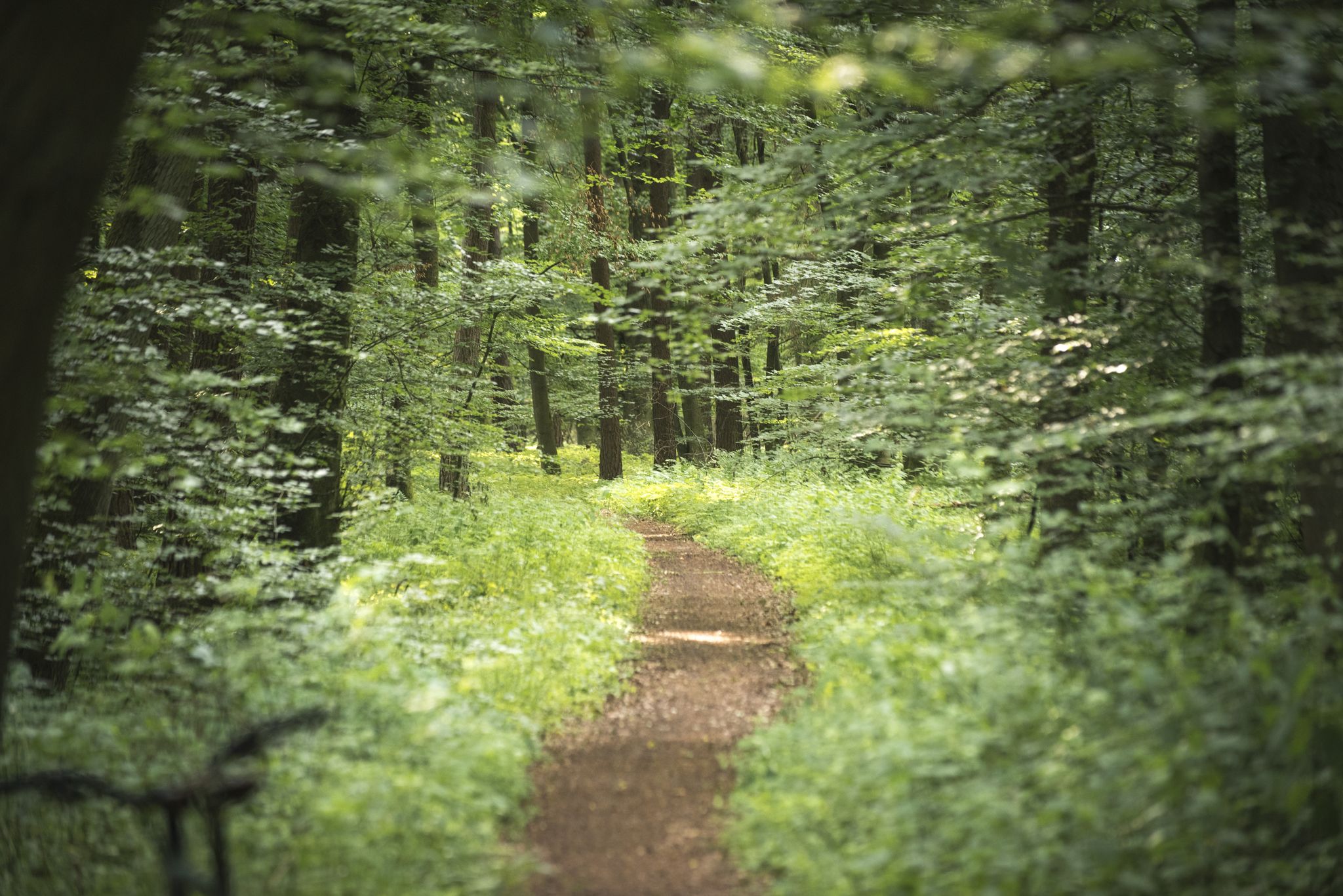
Die schönsten Premium-Spazierwanderwege im Hessischen Spessart
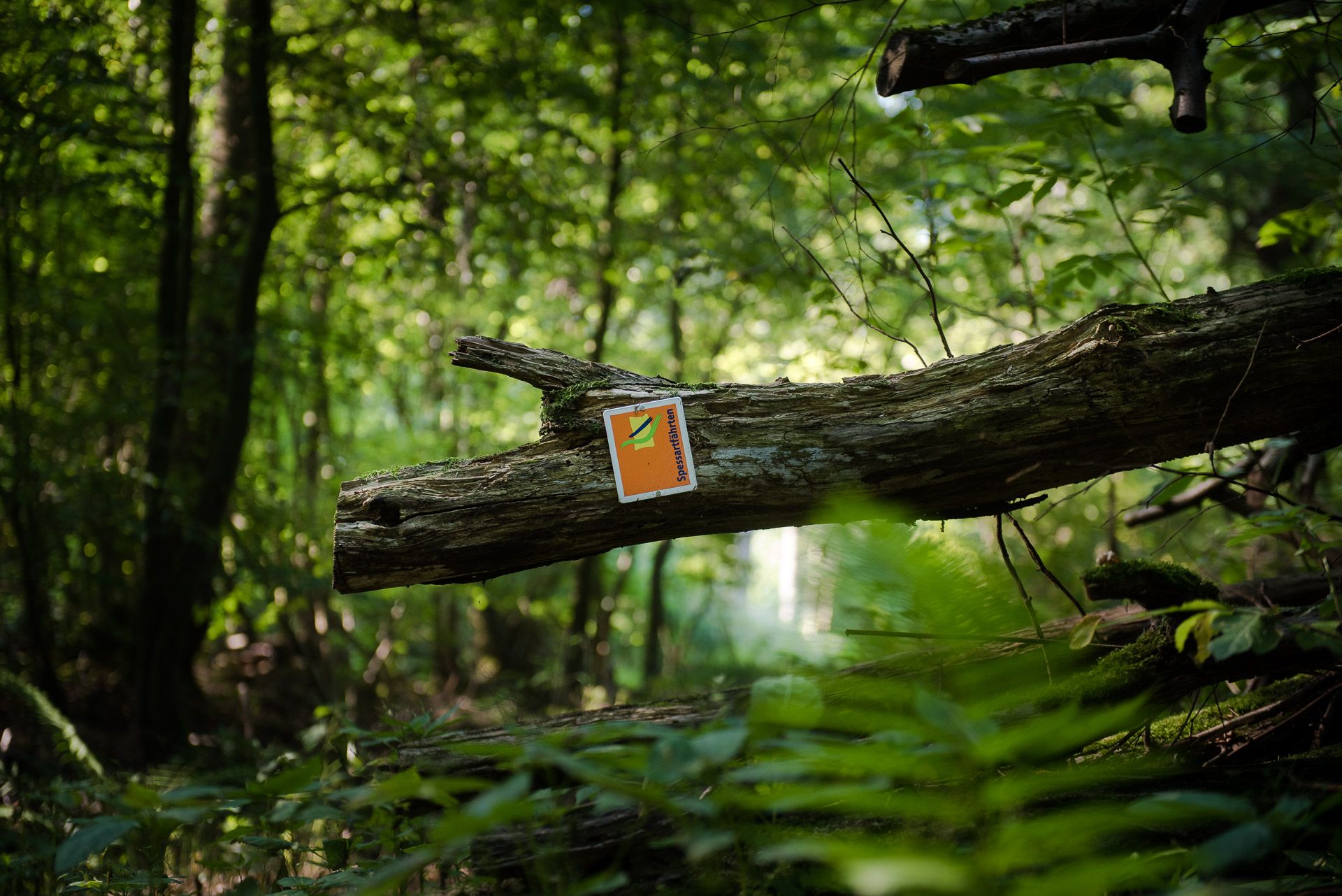
Die Spessartfährten: Sanfte Tageswanderungen durch den hessischen Spessart
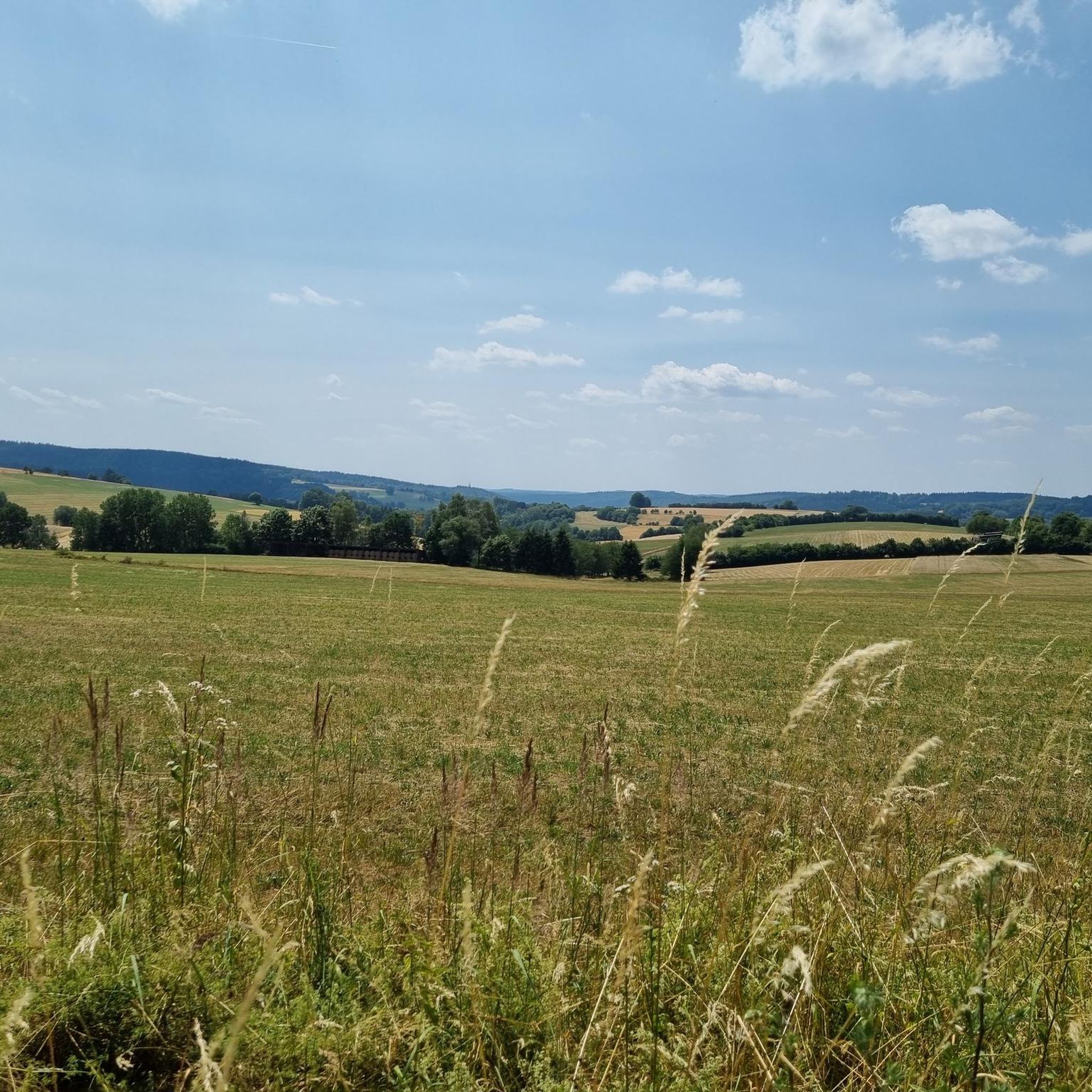
Hiking around Flörsbachtal
MTB Trails around Flörsbachtal
Other adventures around Flörsbachtal


Tips from the Community

The castle is privately owned
1
0

Wiesen Castle was built in 1597 by Wolfgang von Dalberg, Elector of Mainz. Since the castle is privately owned, it is unfortunately not open to the public.
2
0

Worth a look, a beautiful view of the place
4
0
A very nice view of the place
4
0

Wiesen Castle At first glance, Wiesen's traffic situation seems unfavorable, but two state roads cross here. In the late Middle Ages, around 1400, Wiesen was even at the junction of two important supra-regional traffic routes, on Birkenhainer Strasse and Eselsweg. In Wiesen, on the site of the current castle, there was a castle belonging to the Counts of Rieneck, who controlled both of these high-altitude traffic routes from here. The forests and valleys around Wiesen were then dominated by glass production and the glass trade. The current building of the castle was probably built next to the church in the late 16th century. The former Mainz castle and its outbuildings, together with the church, form a slightly elevated, picturesque group of buildings on the edge of the actual village center. The importance of the castle lies in its excellent location in the townscape and its special significance for local history as a bearer of tradition from the old story of the village's founding. During excavations in the castle, Gothic stove tiles were also discovered. They are called Tannenberg type tiles after Tannenberg Castle on the Bergstrasse. Tiles of this type were manufactured in Dieburg from the middle of the 14th century and traded along the Main as far as Holland. The fragments suggest that the lord of the castle in Wiesen - formerly from Rieneck - owned a stove around 1400, the equipment of which reveals a high standard of living. However, the good piece was not only intended to serve as optimal room heating, but above all to impress guests with the proud display of wealth. Source: Information board at the site
4
0

Beautiful small castle ruin with the best view of Partenstein.
2
0

A castle complex with an almost endless history, a rat's tail of owners and countless renovations
11
1
The seat of Hess. Forestry office with an almost endless past, countless renovations (formerly moated castle) and a list of owners that Von wrote...😉
2
1
Frequently Asked Questions
What kind of historical sites can I find around Flörsbachtal, beyond traditional castles?
While prominent castles are not directly within Flörsbachtal, the region offers a rich historical tapestry. You can explore ancient churches like St. Matthäus in Lohrhaupten, with its 15th-century tower, or St. Marien in Kempfenbrunn, featuring late Gothic elements. Additionally, sites like the Ruins of the Birklergrund Glassworks provide insight into 18th-century industrial history in the Spessart.
Are there any castle ruins to explore near Flörsbachtal?
Yes, you can visit the Bartenstein Castle Ruins and View of Partenstein. These grounds offer a glimpse into the past with old freight elevator structures and provide panoramic views of Partenstein and the surrounding area.
Can I visit Wiesen Castle, and what is its history?
Wiesen Castle is a former hunting lodge built in 1597. It is privately owned, so interior access is generally not possible. However, you can view its historic architecture from the outside and appreciate its stately presence. It was built under the Elector of Mainz Wolfgang von Dalberg.
What are some family-friendly historical sites around Flörsbachtal?
Several sites are suitable for families. The Ruins of the Birklergrund Glassworks offer information boards that clearly present the history of glass production, which can be engaging for children. Burgjoss Castle, with its long history and moated castle origins, also provides an interesting backdrop for a family outing.
Are there hiking or cycling trails near these historical sites?
Absolutely. The Flörsbachtal region is renowned for its natural beauty and extensive hiking and cycling paths. You can find numerous routes, such as the 'SpessartBiking Tour 7: Flörsbach-Runde' for mountain biking or various running and cycling loops. For more details on routes, explore the MTB Trails around Flörsbachtal, Running Trails around Flörsbachtal, or Cycling around Flörsbachtal guides.
What natural features or viewpoints can I find near the castles?
The region is rich in natural landscapes. Near the Bartenstein Castle Ruins, you'll find a beautiful viewpoint overlooking Partenstein. Flörsbachtal itself is known for the Wiesbüttmoor nature preserve and the Hermannskoppe, the highest elevation in the Hessian Spessart, offering scenic vistas and opportunities for nature observation.
What is the best time of year to visit the historical sites and natural areas around Flörsbachtal?
The best time to visit is generally during spring, summer, and early autumn (April to October) when the weather is pleasant for outdoor activities like hiking and cycling. The natural landscapes are vibrant, and the historical sites are easily accessible. Winter can also offer a unique, serene experience, though some paths might be less accessible.
Is Burgjoss Castle open to the public?
Burgjoss Castle is a Renaissance castle that houses the Jossgrund Forestry Office. While it's a prominent landmark in the townscape, its primary function is administrative. You can admire its exterior and learn about its history, which includes origins as a moated castle.
What is the Fronhofer Schlösschen?
The Fronhofer Schlösschen is a noble seat, originally a widow's residence for the von Tüngen family from 1607. It features a Renaissance-style exterior and has undergone extensive restoration. It's a charming historical building that adds to the region's architectural heritage.
What do visitors enjoy most about the historical sites around Flörsbachtal?
Visitors appreciate the blend of history and nature. They enjoy the panoramic views from sites like Bartenstein Castle Ruins, the historical insights provided by information boards at places like the Ruins of the Birklergrund Glassworks, and the opportunity to combine cultural exploration with hiking or cycling in the beautiful Spessart forest.
Are there any hidden historical gems to discover in the area?
Beyond the more prominent sites, the region's smaller historical churches, such as the medieval church at Flörsbach, offer unique insights into local heritage. These often house significant artifacts or architectural details, providing a deeper connection to the area's past.
Can I find cafes or pubs near these historical sites?
While specific cafes or pubs directly adjacent to every historical site are not guaranteed, the villages and towns within the Flörsbachtal region and the broader Spessart area offer various dining and refreshment options. It's advisable to check local listings for establishments in nearby communities like Lohrhaupten, Kempfenbrunn, or Partenstein.
Most popular routes around Flörsbachtal
Most popular attractions around Flörsbachtal

Get inspired with the komoot mobile app


Explore more
Looking for the best castles somewhere else? Discover other guides around Flörsbachtal:
