Top 8 Castles around Mitchel Troy
Best castles around Mitchel Troy are found in the surrounding Monmouthshire area, a region rich in history and natural beauty. This area features a collection of historically significant castles and notable historic houses. These structures offer insights into different periods of Welsh and English history, ranging from Norman fortresses to elegant country estates. The landscape provides a scenic backdrop for exploring these historical landmarks.
Best castles around Mitchel Troy
- The most popular castles is Skenfrith Castle, a castle that…
Last updated: August 27, 2026
St Briavels Castle
Highlight • Castle
Tip by

Monmouth Town Centre
Highlight • Settlement
Tip by

Sign up now to discover places like this
Get recommendations on the best single tracks, peaks, & plenty of other exciting outdoor places.
Sign up for free
Skenfrith Castle
Highlight • Castle
Tip by

White Castle
Highlight • Historical Site
The fort was established by the Normans in the …
Tip by

Abergavenny Castle and Museum
Highlight • Historical Site
Tip by
Sign up for free to discover even more castles around Mitchel Troy.
Sign up for free
Already have an account?
Start today with a free account
Your next adventure awaits.
Login or Signup
Tips from the Community

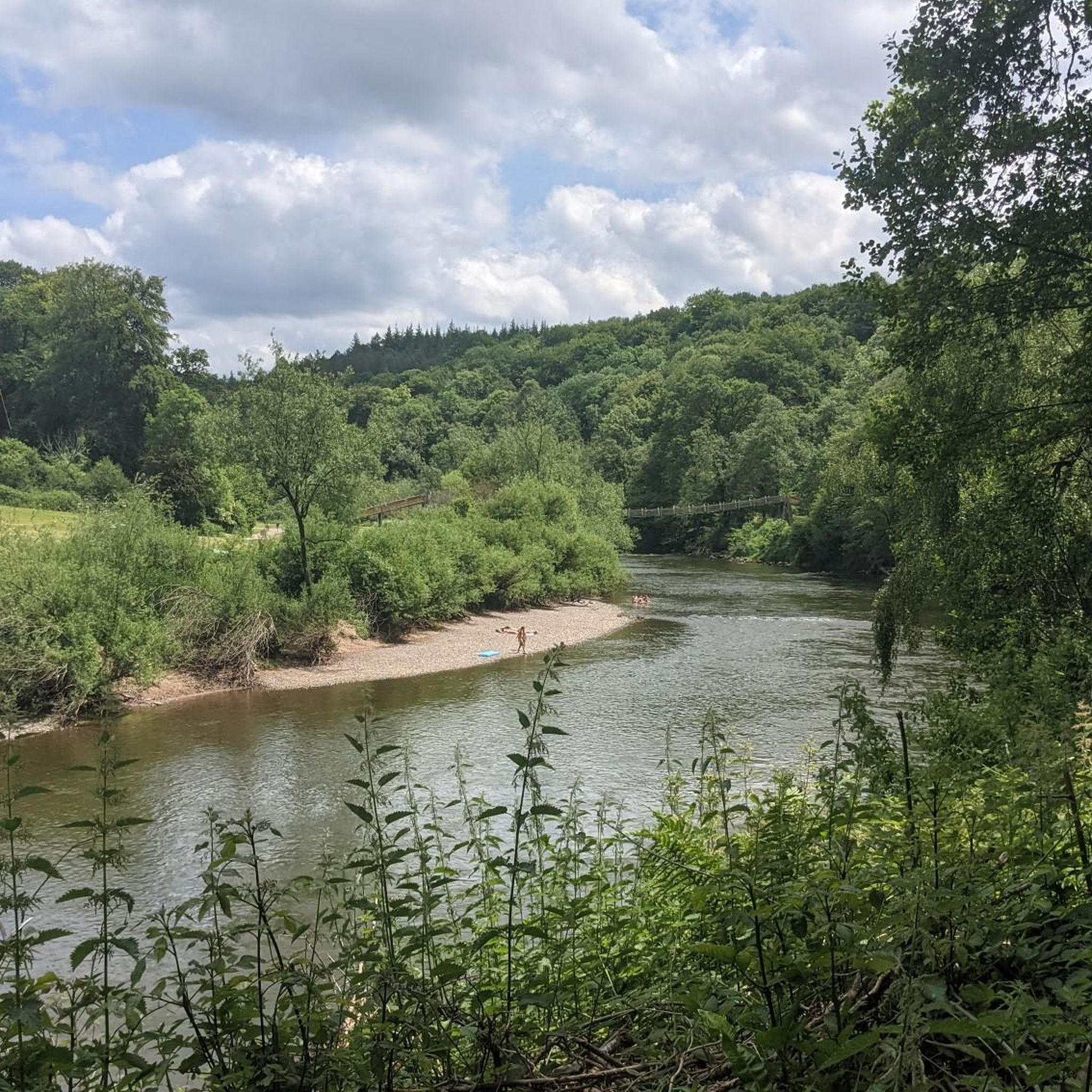
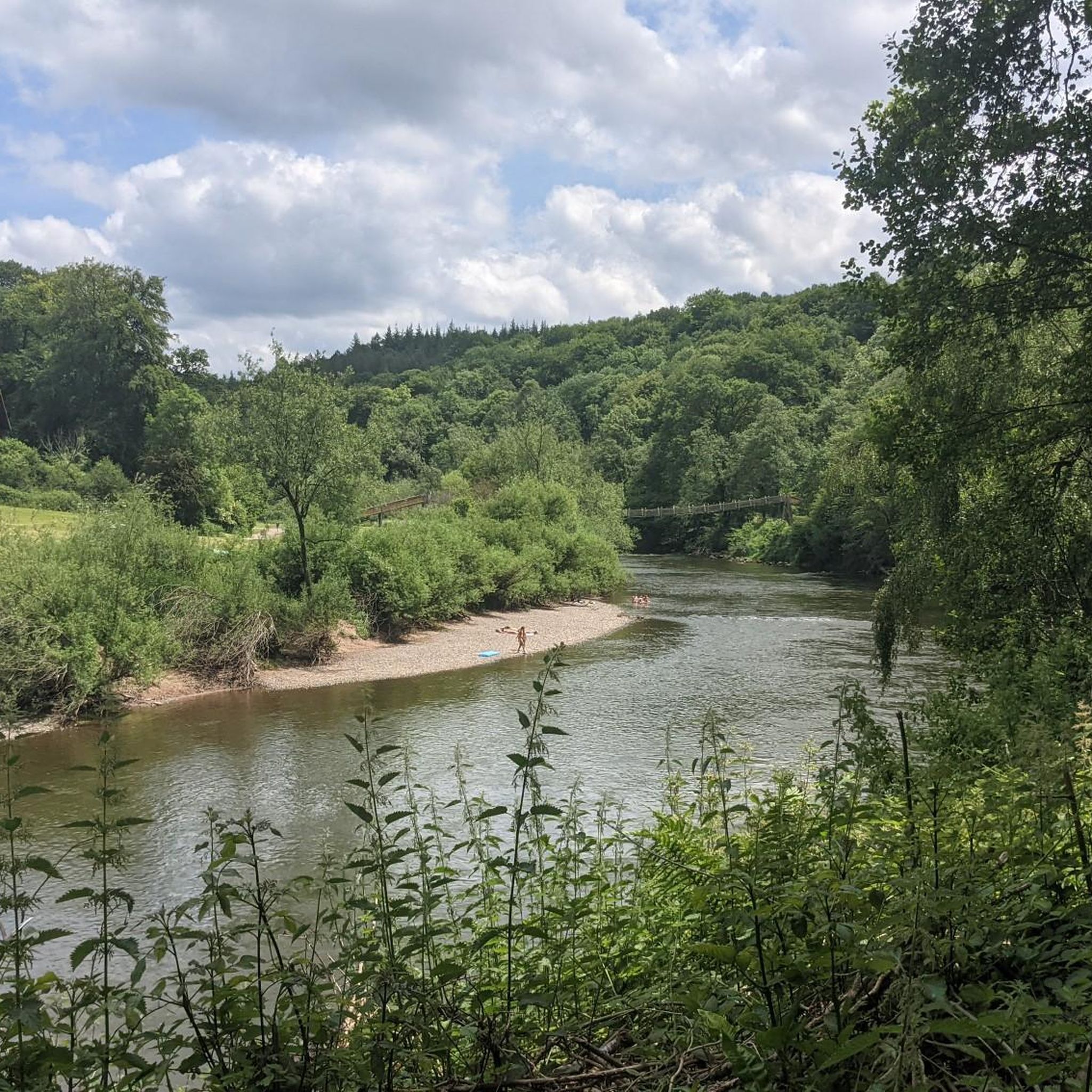
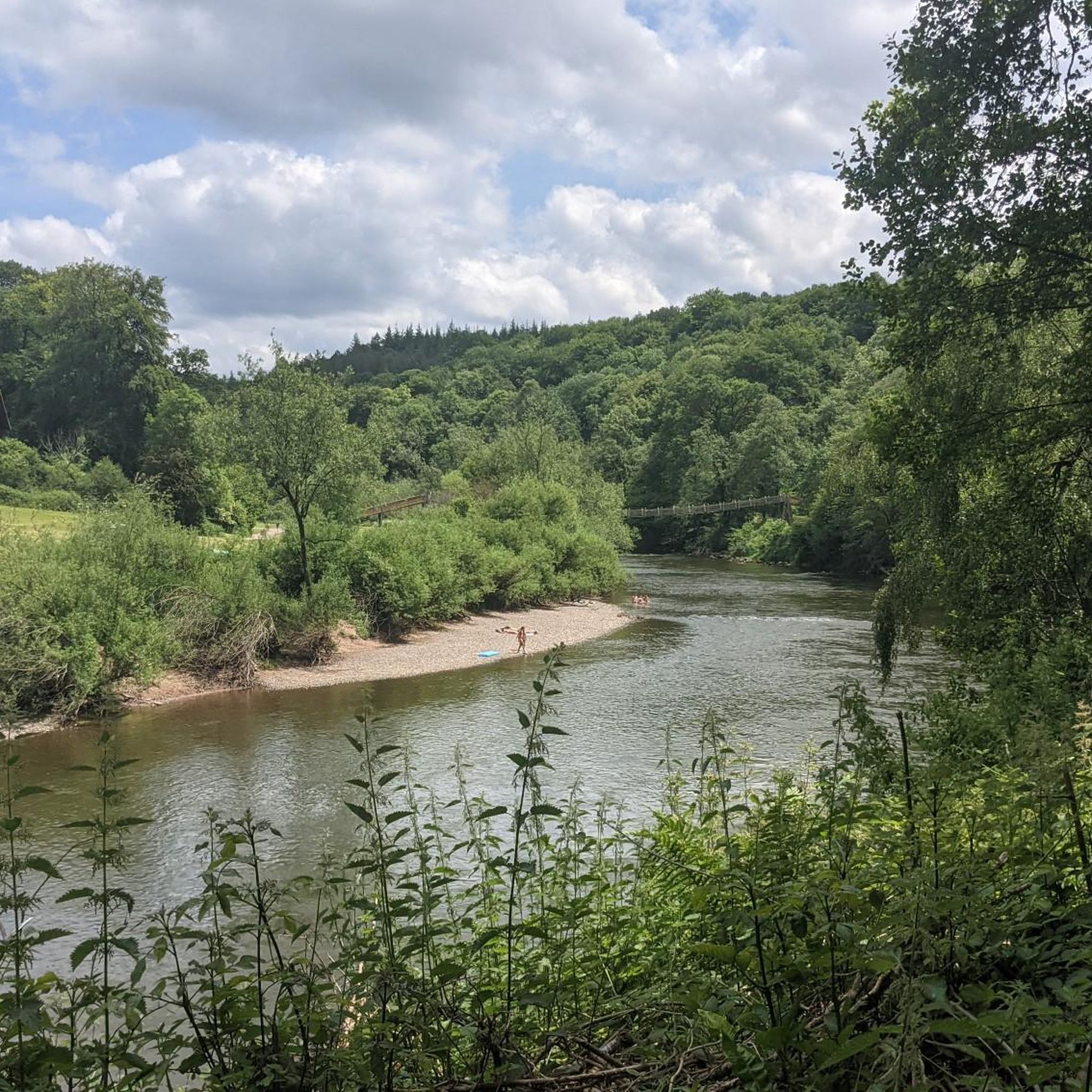
Monmouth is a charming historic market town that sits right on the confluence of Rivers Wye and Monnow. It's noted for its 13th-century gated bridge and being the birthplace of Henry V. The River Wye separates the town of Monmouth to the east from Wyesham to the west and provides a scenic wonderland for many river activities. I have finished many a DOE gold award canoe trip at this point.
0
0
White Castle is a ruined but super nice castle to visit and sits between the villages of Llantilio Crossenny and Llanvetherine. It is part of the 'Three Castles' group, along with nearby Grosmont and Skenfrith. These historic Norman fortresses were built to control the border region, and White Castle is known as the most imposing due to a strong inner and outer ward. It also has an imposing, water-filled, stone-lined moat. It is free to enter and maintained by Cadw.
0
0
Skenfrith Castle is a beautiful ruined castle owned and run by the National Trust in the quaint village of Skenfrith. It's a lovely valley setting next to the River Monnow, and right next door is the equally charming St Bridget's Church. The castle was originally established by the Normans in the wake of the invasion of England in 1066 to protect the route from Wales to Hereford. In 1135, a major Welsh revolt took place, and in response, King Stephen brought together Skenfrith Castle and its sister fortifications of Grosmont and White Castle to form a lordship known as the "Three Castles", which continued to play a role in defending the region from Welsh attack for several centuries. It is obviously a ruin now, but the walls are still substantial, and the fulcrum of the place is the imposing, commanding keep. This is a three-storey, 12-metre-high circular keep built around 1219–1244 by Hubert de Burgh. There is good parking there and plenty of green space for picnics and parking. There is also no charge for entry. A great place to visit, along with nearby Grosmont and White Castle.
0
0

This 13th century Norman Castle is set in a beautiful riverside location. It's managed by the National Trust and has free parking and free entry. It's also a good starting point for exploring the area.
1
0

Interesting C13th castle. Beautiful setting by river. Well worth a visit. Free parking. I used it as a starting point.
0
0

The 300-year old Shire Hall, on Agincourt Square in the centre of Monmouth, has outside a large sculpture of King Henry V (also called Henry of Monmouth) and a statue of the aviation pioneer Charles Rolls who lived near Monmouth. Rolls also co-founded the Rolls-Royce car manufacturing firm.
0
0

Skenfrith is a Norman castle redeveloped by a later owner in 1219. It's a National Trust property with free entry.
1
0
The ruins of Abergavenny Castle (Castell y Fenni) stand testament to a turbulent history. It was said that the castle "has been oftner stain'd with the infamy of treachery, than any other castle in Wales." It's now free and somewhat safer to enter.
1
0
Frequently Asked Questions
Which castles near Mitchel Troy are suitable for families?
Several castles in the area are family-friendly. Skenfrith Castle offers free entry and a picturesque riverside setting for exploration. Abergavenny Castle and Museum provides ruins to explore and a museum to engage visitors with local history. St Briavels Castle, with its impressive gatehouse and unique history as a youth hostel, also welcomes families to explore its grounds.
What kind of historical significance do the castles around Mitchel Troy have?
The castles in this region offer a rich tapestry of history. Monmouth Castle is notable as the birthplace of King Henry V and has a history of continuous military occupancy. St Briavels Castle served as a royal administrative center and was a primary manufacturer of crossbow bolts in medieval times. Skenfrith Castle is a well-preserved 13th-century Norman castle, showcasing medieval military architecture.
Are there walking trails or outdoor activities near these castles?
Yes, the area around Mitchel Troy offers various outdoor activities. You can find numerous hiking, running, and cycling routes nearby. For example, there are routes like the 'Monmouth Town Centre – Monnow Bridge loop' for hiking, or the 'Peregrine Way Cycle Route loop' for running. You can explore more options for outdoor activities in the region by visiting the Hiking around Mitchel Troy guide, the Running Trails around Mitchel Troy guide, or the Cycling around Mitchel Troy guide.
What makes St Briavels Castle unique?
St Briavels Castle is unique for several reasons. It features a huge Edwardian gatehouse and has a history as a royal administrative center and a debtors' prison. Today, it operates as a youth hostel, owned by English Heritage, making it one of the few castles where visitors can stay overnight. You can find more information about its history and current use on the English Heritage website.
Is there a castle that is actually a folly near Mitchel Troy?
Yes, Clytha Castle is a picturesque folly built in 1790 by William Jones as a memorial to his late wife. It stands on Clytha Hill within the tranquil landscaped Clytha Estate, offering a charming architectural sight rather than a defensive structure.
What are the accessibility options for castles in the area?
While specific wheelchair accessibility varies by site, the remnants of Monmouth Castle are located within Monmouth Town Centre, which is generally considered wheelchair accessible. For other castles like Skenfrith and Abergavenny, visitors can typically explore the grounds and ruins, but interior access may have limitations due to their historic nature. It's always advisable to check directly with each site for detailed accessibility information.
What is the best time of year to visit the castles around Mitchel Troy?
The spring and summer months (April to September) generally offer the most pleasant weather for exploring the castle ruins and grounds, with longer daylight hours. However, visiting in autumn can provide beautiful scenery with changing foliage, and winter visits can offer a quieter, more atmospheric experience, though some facilities might have reduced hours.
Are there any historic houses to visit in addition to castles?
Yes, in addition to castles, the region features notable historic houses. Treowen, located in Mitchel Troy itself, is a historically significant Grade I listed country house. It offers a unique insight into the architectural style and domestic life of a Welsh manor house from its period and is open to the public on specific days.
What can I expect when visiting Abergavenny Castle and Museum?
Abergavenny Castle and Museum features beautiful castle ruins that are well worth a visit. A quaint museum is located within the castle grounds, helping visitors understand the town's history. Entry to the ruins and museum is free, making it an accessible historical attraction.
Is there free entry to any of the castles?
Yes, Skenfrith Castle, a National Trust property, offers free entry, allowing visitors to explore its 13th-century Norman ruins and enjoy its picturesque riverside location. Abergavenny Castle and Museum also offers free entry to its ruins and museum.
What should I wear when visiting castles in this region?
Given that many castles are ruins or involve outdoor exploration, comfortable walking shoes are highly recommended. Layers of clothing are also advisable, as the weather can change, especially in open areas. If you plan to explore nearby walking trails, appropriate hiking gear would be beneficial.
Most popular attractions around Mitchel Troy

Get inspired with the komoot mobile app


Explore more
Looking for the best castles somewhere else? Discover other guides around Mitchel Troy:
