Attractions and Places To See around Welsh St. Donats - Top 20
Best attractions and places to see around Welsh St. Donats are situated in the Vale of Glamorgan, offering a blend of historical sites, natural landscapes, and cultural points of interest. The region features ancient churches, medieval structures, and significant prehistoric burial chambers. Rolling green hills, extensive woodlands like Hensol Forest, and proximity to the Wales Coast Path provide diverse outdoor exploration opportunities.
Best attractions and places to see around Welsh St. Donats
- The most popular attractions is Garth Summit,…
Last updated: October 7, 2026
Garth Summit
Highlight • Viewpoint
Tip by

Porthkerry Viaduct
Highlight • Historical Site
Tip by

Sign up now to discover places like this
Get recommendations on the best single tracks, peaks, & plenty of other exciting outdoor places.
Llantwit Major Heritage Centre and The Old White Hart
Highlight • Religious Site
Tip by

Tinkinswood Burial Chamber
Highlight • Monument
Tip by

St Teilo's Church, St Fagans National Museum of History
Highlight • Religious Site
Tip by
Sign up for free to discover even more attractions around Welsh St. Donats.
Already have an account?
Start today with a free account
Your next adventure awaits.
Tips from the Community

The project „Seeing the Past“ was initiated by a Welsh teaching couple to bring the stories behind historical buildings and events to life. This is impressively demonstrated here at St Teilo's Church. A visit to the rebuilt St Teilo's Church gives a realistic impression of what churches looked like in the 16th century. Upon entering the church, you are almost overwhelmed by the difference... adorned with realistic murals, sometimes still partly in their original state... right up to the depiction of the Hell Apocalypse - under the attic. Above the panels with the apostles... it's worth taking a close look....
0
0

Bring earplugs with you
0
0

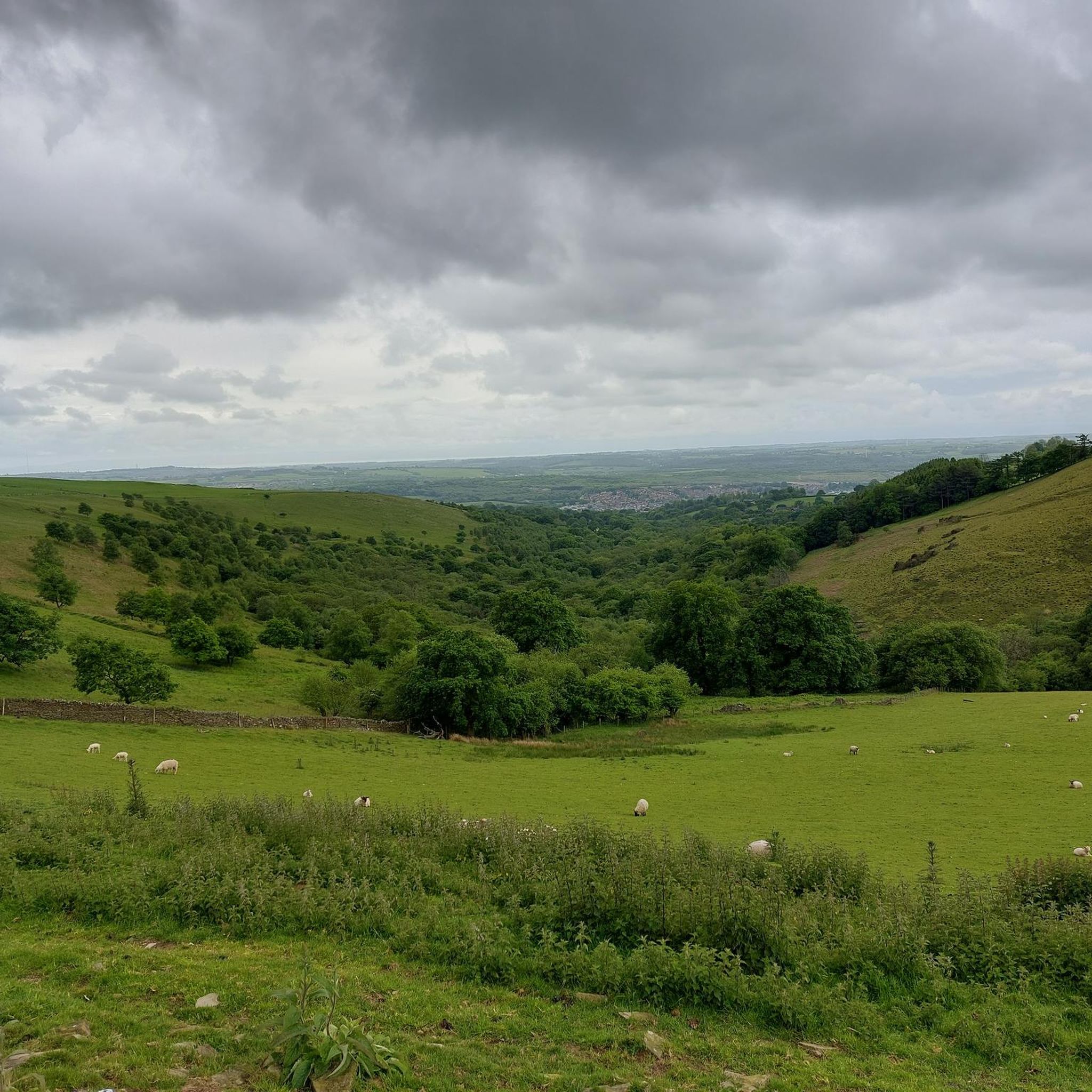
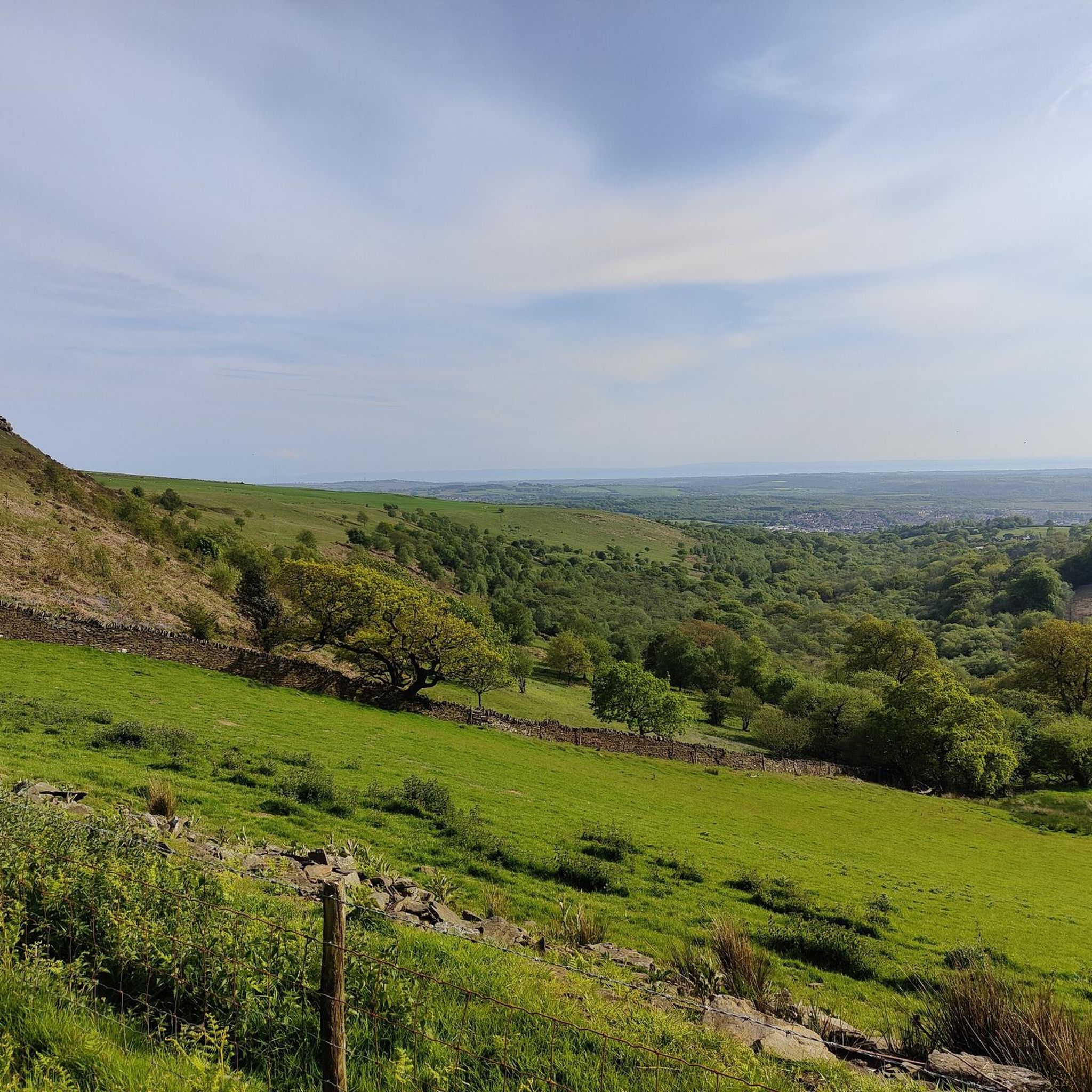
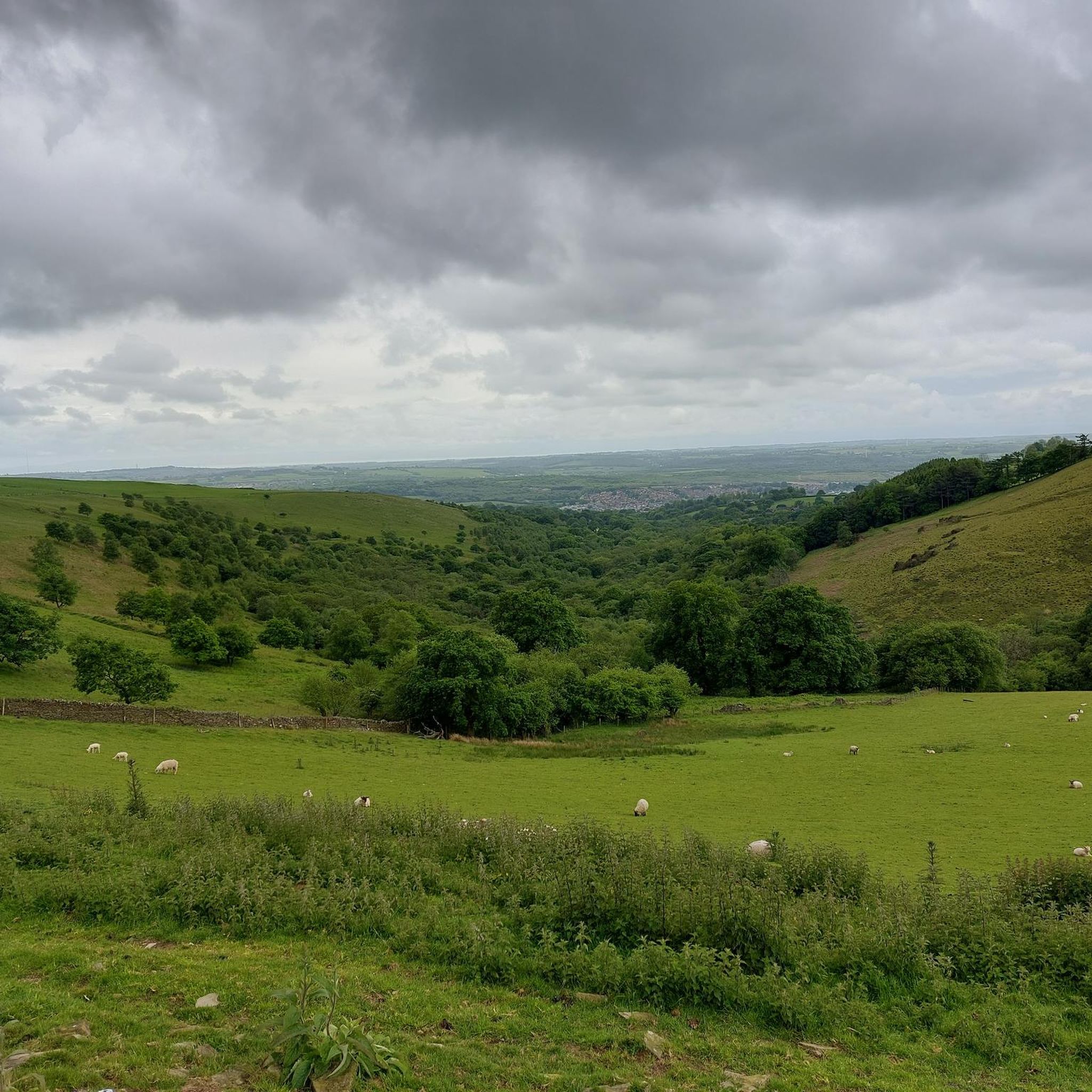
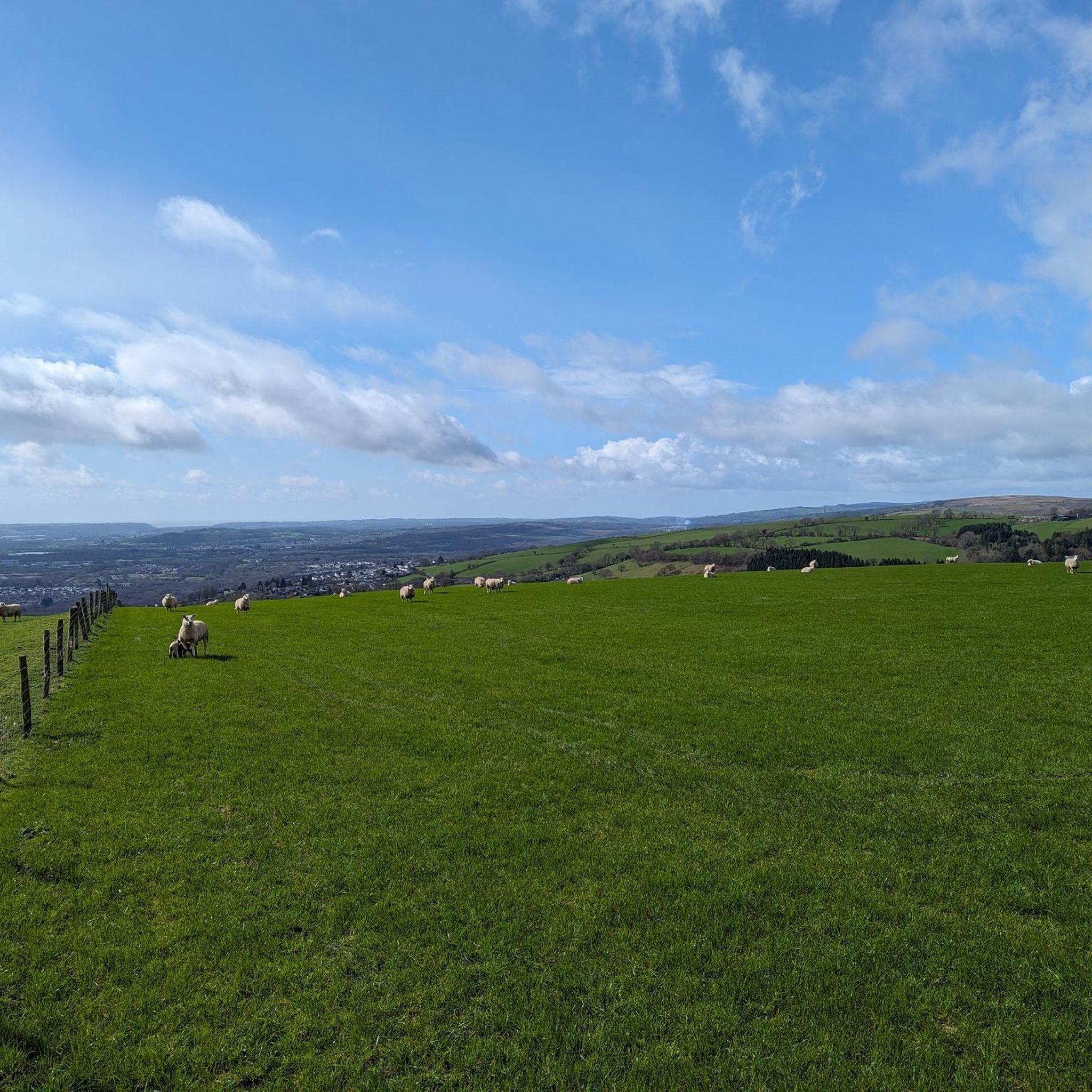
The Garth has a nice flat top with views across the valleys. Lots of sheep grazing too (March). Also a number of mounds provide some cover from the wind if a break is in order
0
0

Ugly but kinda impressive grave - looks like concrete built... This Neolithic (New Stone Age) tomb is topped with one of largest capstones in Britain. Measuring a massive 24ft/7m by 15ft/4.5m and weighing around 40 tons (as much as an articulated lorry). Experts reckon that at least 200 individuals would have been required to hoist it into place. Excavations have uncovered the remains of over 50 people, along with broken pottery and flint tools. https://www.visitwales.com/de/attraction/historic-site/tinkinswood-burial-chamber-cadw-1843268
0
0

Tinkers Burial Chamber, also known as Tinkers Grave, is located in the Vale of Glamorgan, Wales. It is a notable prehistoric burial site characterized by its megalithic structure. Here are some key points about this site: Key Features: Historical Context: Tinkers Burial Chamber dates back to the Neolithic period, approximately 4,000 to 5,000 years ago. It is considered a burial tomb used by ancient communities. Structure: The chamber consists of a series of large stones arranged in a particular configuration, often covered by a mound of earth. This type of burial site is referred to as a dolmen or cromlech. Folklore and Local Legends: The site is steeped in local folklore. It is often associated with stories of itinerant workers or "tinkers," who were believed to be metalworkers or travelers. The site is sometimes considered to have supernatural associations. Archaeological Importance: Tinkers Burial Chamber is significant for understanding prehistoric burial practices and the social structures of ancient communities in this region. Archaeological studies have provided insights into the rituals and beliefs of the time. Location and Accessibility: The burial chamber is located in a scenic area of the Vale of Glamorgan, which is known for its natural beauty and historical sites. It is accessible to the public, making it a popular spot for visitors interested in history and archaeology. Easy to access with laybys to park in near by and easy to access via walking paths.
0
0
Porthkerry Viaduct is a notable railway viaduct located near Porthkerry Park in the Vale of Glamorgan, Wales. It was built in the mid-19th century (completed in 1887) to carry the Barry Railway over the Porthkerry Valley. The structure features a series of elegant arches and is constructed from local sandstone, making it both a functional piece of infrastructure and a striking landmark in the area. The viaduct is approximately 1,200 feet long and stands about 100 feet high at its tallest point, with 13 arches. It is an excellent example of Victorian engineering and is often appreciated for its aesthetic appeal as well as its historical significance. The surrounding area is popular with walkers and nature enthusiasts, thanks to the scenic views and nearby parkland. Today, while the Barry Railway is no longer in operation, the Porthkerry Viaduct remains an important heritage site and is a popular spot for photography and sightseeing.
0
0

Tinkinswood Burial Chamber is a Neolithic tomb topped with one of the largest capstones in Britain. Measuring 24 feet (7 m) by 15 feet (4.5 m) and weighing as much as an articulated lorry, experts think it would have taken at least 200 people to hoist the massive stone into place.
0
0

The marvellous 16-arch Porthkerrry Viaduct stands at a whopping 110 feet (33m) high. It was designed and engineered by James and William Szlumper and was originally built to carry coal to Barry Docks. It's located in Porthkerry Park, where there's also a wonderful little café serving delicious food and drinks, Mrs Marcos.
2
0
Frequently Asked Questions
What historical sites can I visit near Welsh St. Donats?
The area is rich in history. You can explore the ancient Llantwit Major Heritage Centre and The Old White Hart, which includes the 13th-century St Illtyd's Church, one of Wales's oldest parish churches. Don't miss the impressive Porthkerry Viaduct, a Victorian engineering marvel. Further back in time, discover the Neolithic burial chambers of St Lythans and Tinkinswood, the latter featuring one of Britain's largest capstones. St Donat's Church in Welsh St. Donats itself dates back to 1173, and the nearby St Donat's Castle, home to UWC Atlantic College, occasionally opens its doors to the public.
Are there family-friendly attractions around Welsh St. Donats?
Yes, several attractions are suitable for families. The Porthkerry Viaduct is located within Porthkerry Park, which is great for a day out. Both St Lythans Burial Chamber and Tinkinswood Burial Chamber offer intriguing historical insights for all ages. The Llantwit Major Heritage Centre also provides an engaging look into local history.
What natural features and viewpoints can I explore?
Nature lovers will enjoy the area's diverse landscapes. The Garth Summit offers commanding panoramic views just outside Cardiff. Hensol Forest, with its extensive network of paths and picturesque lake, is perfect for walks. You can also find several other woodlands managed by The Wildlife Trust, such as Coed Llwyn Rhyddid and Coed y Bwl, known for their diverse ecosystems. The Wales Coast Path is also nearby, offering scenic walks along the Bristol Channel.
What outdoor activities and trails are available near Welsh St. Donats?
The region offers numerous opportunities for outdoor activities. You can find excellent running trails, including the popular Hensol Forest – Pysgodlyn Mawr loop. For mountain biking, there are routes like the View of Ogmore Valley loop. Gravel biking enthusiasts can explore trails such as the Bwlch Panoramic Viewpoint loop. You can find detailed routes and guides for these activities on komoot: Running Trails around Welsh St. Donats, MTB Trails around Welsh St. Donats, and Gravel biking around Welsh St. Donats.
Are there any easy walking trails suitable for beginners or casual strolls?
Yes, there are several options for easier walks. The Pysgodlyn Mawr – Hensol Forest loop is an easy hike that circles the picturesque Pysgodlyn Mawr lake. The extensive network of paths within Hensol Forest also provides gentle routes. Additionally, the planned new lake at Pwll Y Darren Farm will feature informal walking paths and viewing points, enhancing recreational opportunities.
What is St Donat's Castle and can I visit it?
St Donat's Castle is a significant medieval castle located in the nearby coastal village of St Donats. It has been continuously inhabited for over 800 years and is now home to UWC Atlantic College. While not always open to the public, the castle does open its doors on selected dates, allowing visitors to explore its historic grounds, antique ceilings, fireplaces, and even a moat. The St Donats Arts Centre, housed in a former Medieval Tythe Barn on the castle grounds, also offers public events. For more information on visiting, you might check resources like Visit Wales.
What is the significance of St Donat's Church in Welsh St. Donats?
St Donat's Church in Welsh St. Donats is a Grade I listed building with origins dating back to 1173. Its current architecture primarily reflects later periods, featuring 16th-century arched brace truss roof timbers and a 13th-century font. A medieval cross stands in its churchyard, and the village itself is named after this historic church. You can learn more about its heritage at medievalheritage.eu.
What do visitors enjoy most about the attractions around Welsh St. Donats?
Visitors particularly appreciate the commanding views from spots like Garth Summit, with many noting it as a beautiful place to catch a sunrise or sunset. The historical significance and impressive engineering of sites like the Porthkerry Viaduct are also highly valued. The ancient burial chambers offer a unique glimpse into the past, and the overall blend of history and natural beauty makes the area appealing for exploration and photography.
Are there any unique historical anecdotes or legends associated with the area?
Yes, the area holds a unique historical anecdote related to the Cross of St Donats. A local legend from 1559 tells of a cross appearing in a tree on the estate of Sir Henry Stradling, which became a focal point for Catholic dissent during the reign of Elizabeth I. A stone cross still marks this spot along a lane between Llantwit Major and St Donats, adding a touch of mystery to the region's history.
Where can I find other woodlands or nature reserves in the Vale of Glamorgan?
Beyond Hensol Forest, the Vale of Glamorgan boasts several other woodlands managed by The Wildlife Trust of South and West Wales. These include Coed Llwyn Rhyddid, Coed Garnllwyd, Brynna Woods and Llanharan Marsh, Y Gweira, Cwm Colhuw, Coed y Bwl, and Coed y Bedw – Pentyrch. These sites are significant for their diverse ecosystems, offering ancient broadleaved woodlands, marshy grassland, and coastal calcareous grassland to explore.
What is the Pwll Y Darren Farm project?
Pwll Y Darren Farm in Welsh St. Donats has plans to create a new lake. This project is designed to enhance biodiversity, offer recreational opportunities through informal walking paths and viewing points, and improve the landscape. The non-navigable lake will feature a naturalistic profile with varied depths and nesting islands to support local wildlife.
Can I visit the remains of Talyfan Castle?
Yes, the remains of Talyfan Castle are situated north of Welsh St. Donats. Visitors can see visible features including a protective ditch, a length of the outer embankment, and ruined walls of the castle and a later farmhouse, offering a glimpse into its past.
Most popular routes around Welsh St. Donats
Most popular attractions around Welsh St. Donats

Get inspired with the komoot mobile app


Explore more
Still not found the Highlight you’re looking for? See guides of the top attractions in other regions:
