Attractions and Places To See around Llan-Maes - Top 20
Best attractions and places to see around Llan-Maes include a blend of historical landmarks and natural features within the Vale of Glamorgan. The area features a rich history, with evidence of Bronze Age and Roman settlements, alongside medieval sites. Llan-Maes is characterized by its rural setting, coastal plain, and picturesque village charm. Visitors can explore ancient churches, historical ruins, and scenic coastal paths.
Best attractions and places to see around Llan-Maes
- The most popular attractions is Porthkerry Viaduct, a…
Last updated: August 13, 2026
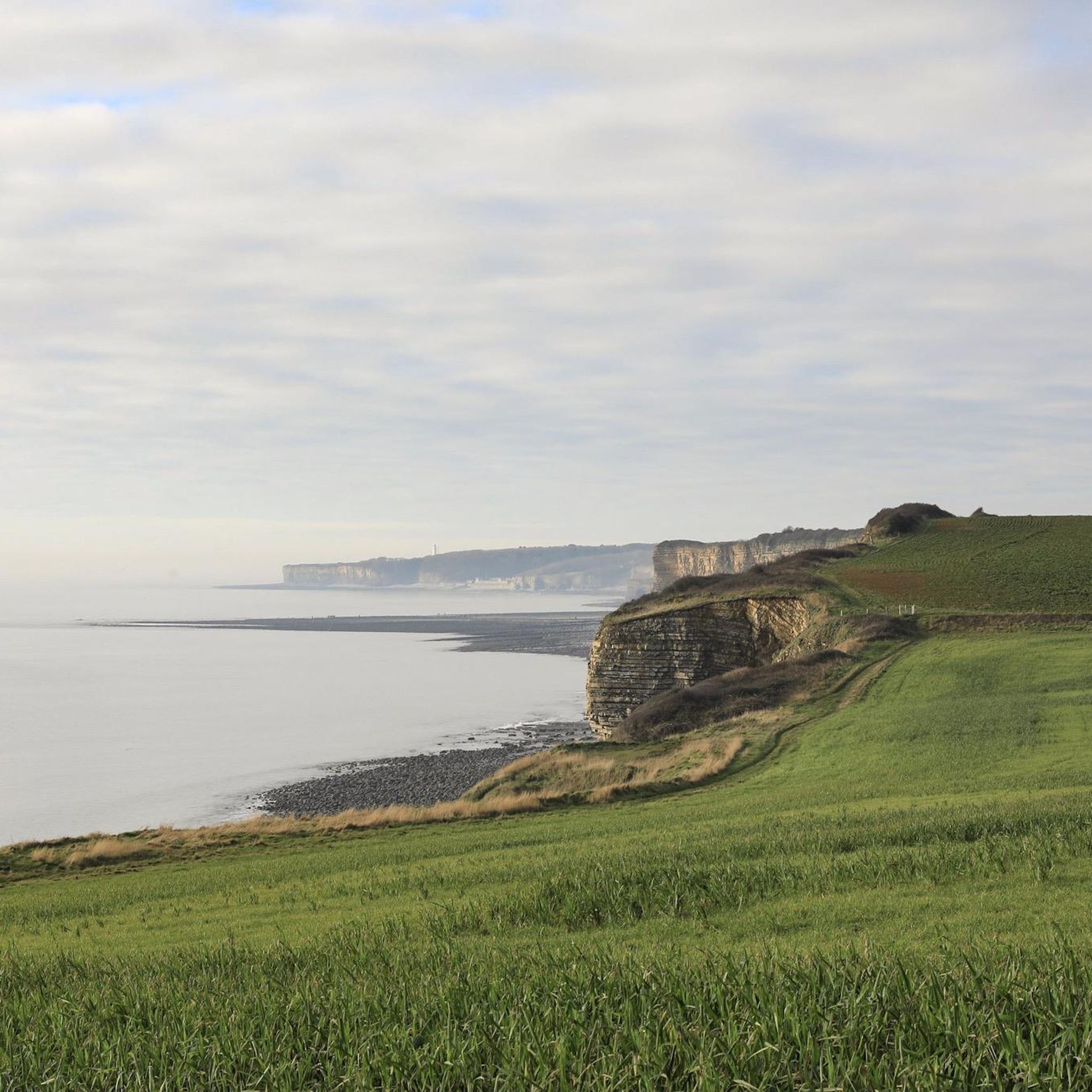
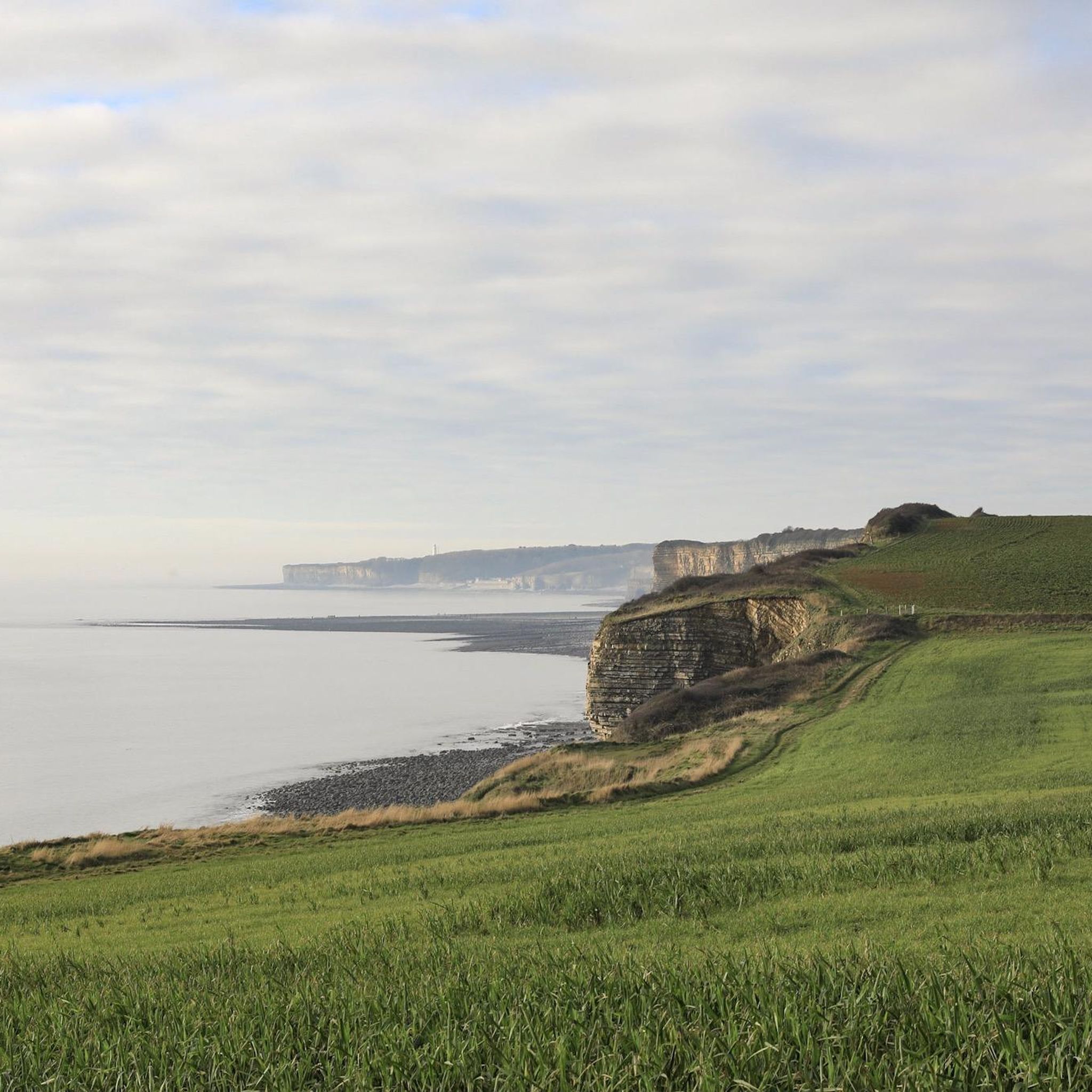
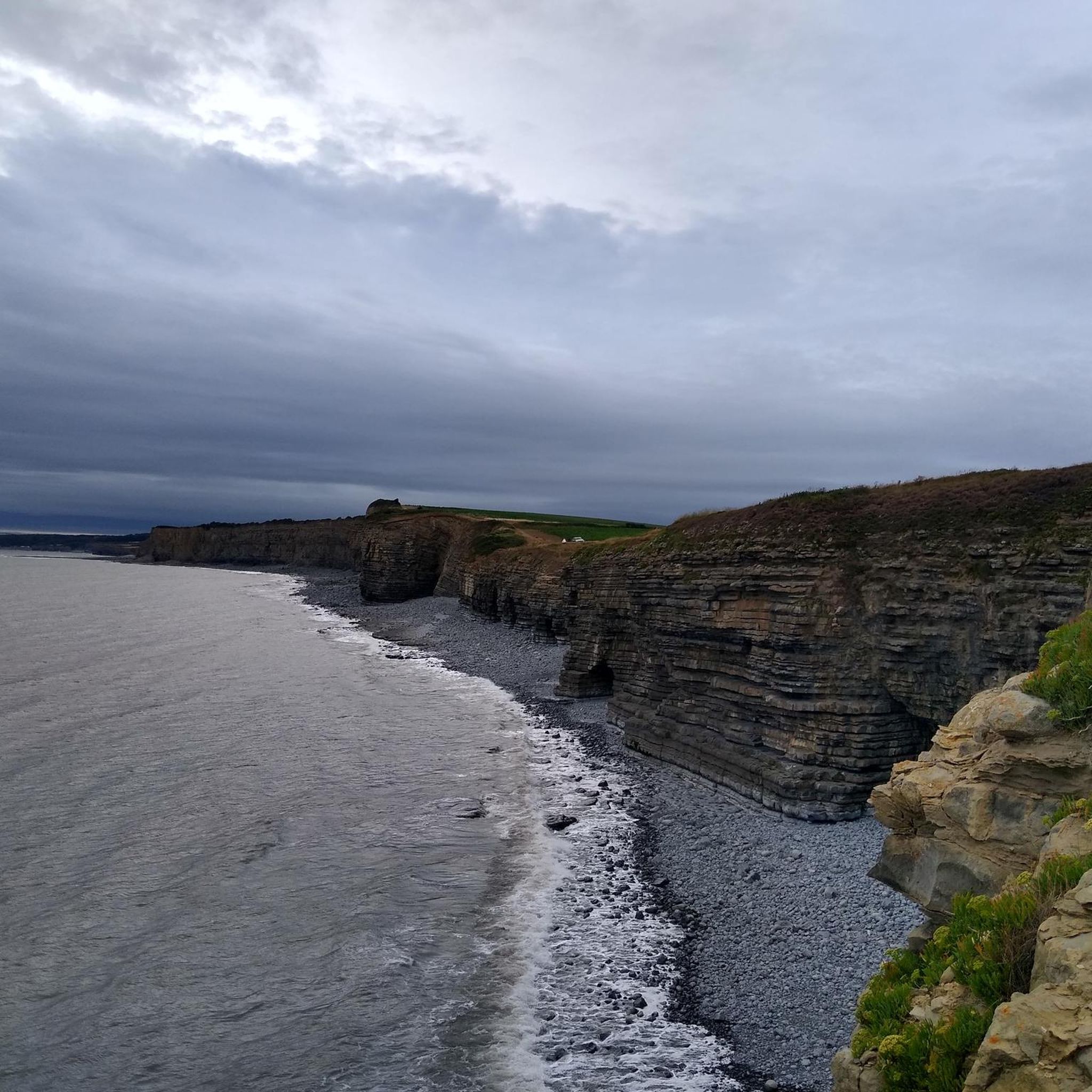
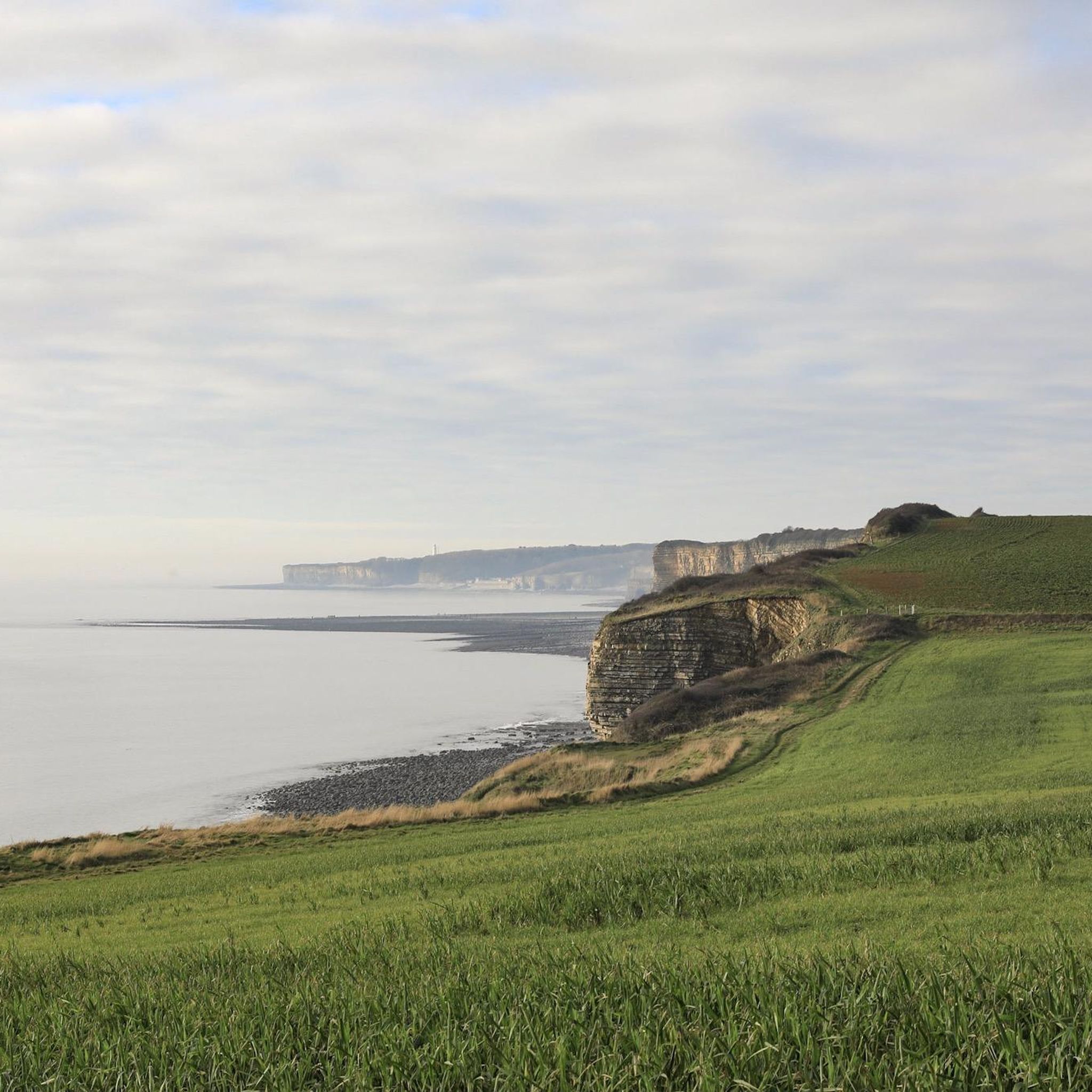
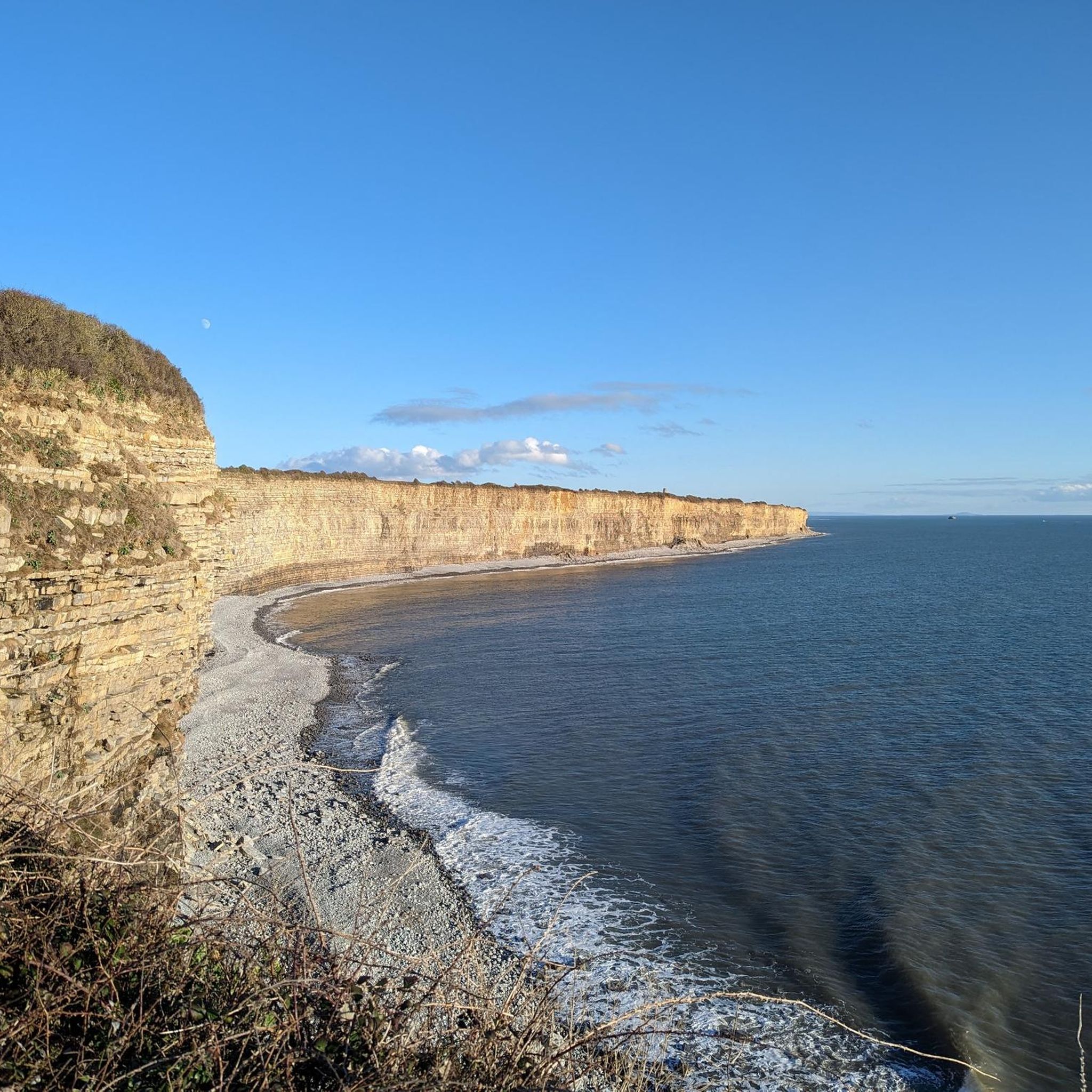
Dunraven Beach
Highlight • Viewpoint
Tip by

Porthkerry Viaduct
Highlight • Historical Site
Tip by

Sign up now to discover places like this
Get recommendations on the best single tracks, peaks, & plenty of other exciting outdoor places.
Sign up for free
Nash Point Lighthouse and Cliffs
Highlight (Segment) • Natural Monument
Tip by

Llantwit Major Heritage Centre and The Old White Hart
Highlight • Religious Site
Tip by
Tinkinswood Burial Chamber
Highlight • Monument
Tip by

Sign up for free to discover even more attractions around Llan-Maes.
Sign up for free
Already have an account?
Start today with a free account
Your next adventure awaits.
Login or Signup
Tips from the Community


Bring earplugs with you
0
0

Ugly but kinda impressive grave - looks like concrete built... This Neolithic (New Stone Age) tomb is topped with one of largest capstones in Britain. Measuring a massive 24ft/7m by 15ft/4.5m and weighing around 40 tons (as much as an articulated lorry). Experts reckon that at least 200 individuals would have been required to hoist it into place. Excavations have uncovered the remains of over 50 people, along with broken pottery and flint tools. https://www.visitwales.com/de/attraction/historic-site/tinkinswood-burial-chamber-cadw-1843268
0
0

Tinkers Burial Chamber, also known as Tinkers Grave, is located in the Vale of Glamorgan, Wales. It is a notable prehistoric burial site characterized by its megalithic structure. Here are some key points about this site: Key Features: Historical Context: Tinkers Burial Chamber dates back to the Neolithic period, approximately 4,000 to 5,000 years ago. It is considered a burial tomb used by ancient communities. Structure: The chamber consists of a series of large stones arranged in a particular configuration, often covered by a mound of earth. This type of burial site is referred to as a dolmen or cromlech. Folklore and Local Legends: The site is steeped in local folklore. It is often associated with stories of itinerant workers or "tinkers," who were believed to be metalworkers or travelers. The site is sometimes considered to have supernatural associations. Archaeological Importance: Tinkers Burial Chamber is significant for understanding prehistoric burial practices and the social structures of ancient communities in this region. Archaeological studies have provided insights into the rituals and beliefs of the time. Location and Accessibility: The burial chamber is located in a scenic area of the Vale of Glamorgan, which is known for its natural beauty and historical sites. It is accessible to the public, making it a popular spot for visitors interested in history and archaeology. Easy to access with laybys to park in near by and easy to access via walking paths.
0
0
Porthkerry Viaduct is a notable railway viaduct located near Porthkerry Park in the Vale of Glamorgan, Wales. It was built in the mid-19th century (completed in 1887) to carry the Barry Railway over the Porthkerry Valley. The structure features a series of elegant arches and is constructed from local sandstone, making it both a functional piece of infrastructure and a striking landmark in the area. The viaduct is approximately 1,200 feet long and stands about 100 feet high at its tallest point, with 13 arches. It is an excellent example of Victorian engineering and is often appreciated for its aesthetic appeal as well as its historical significance. The surrounding area is popular with walkers and nature enthusiasts, thanks to the scenic views and nearby parkland. Today, while the Barry Railway is no longer in operation, the Porthkerry Viaduct remains an important heritage site and is a popular spot for photography and sightseeing.
0
0


Great place to explore, great views along the coastline on a clear day
0
0
Tinkinswood Burial Chamber is a Neolithic tomb topped with one of the largest capstones in Britain. Measuring 24 feet (7 m) by 15 feet (4.5 m) and weighing as much as an articulated lorry, experts think it would have taken at least 200 people to hoist the massive stone into place.
0
0
Frequently Asked Questions
What historical sites can I explore in Llan-Maes?
Llan-Maes is rich in history. You can visit St Cattwg's Church, a thirteenth-century church with roots possibly as early as the 5th or 6th century, featuring a Norman tub font and a 15th-century wall painting. The village also has the remains of Malefant Castle, a Late Medieval defended hall, and significant historical residences like The Great House (circa 1700) and Llanmaes House (circa 1600). Additionally, archaeological discoveries indicate prehistoric timber roundhouses and Roman settlement remains in the area.
Are there any natural attractions or viewpoints near Llan-Maes?
Yes, the area offers several natural attractions. You can visit Dunraven Beach, a scenic viewpoint and beach with sandy and rocky areas, perfect for exploring rock pools and finding fossils. The Llanmaes Brook winds through the village, adding to its rural charm. The village is also nestled within the coastal plain of the Vale of Glamorgan, offering picturesque rural settings and public footpaths.
What are some family-friendly attractions in the Llan-Maes area?
Families can enjoy several attractions. Porthkerry Viaduct is a striking Victorian engineering marvel located in Porthkerry Park, which often has a café. Dunraven Beach is excellent for families, offering rock pooling and fossil hunting. The St Lythans Burial Chamber, a Neolithic tomb, is also considered family-friendly and provides an interesting historical outing.
Can I find walking or hiking trails around Llan-Maes?
Absolutely. Llan-Maes is an excellent base for walking and hiking. You can find various routes, including easy, moderate, and difficult options. For example, there are easy hikes like the "Gravel Path With Coastal Views" loop from Llantwit Major, and more challenging routes such as the "Stout Bay – Aberthaw Lime Works" loop. You can explore more hiking options on the Hiking around Llan-Maes guide.
Where can I find information about the ancient history of Llan-Maes?
Llan-Maes has a deep history stretching back to the Bronze Age and Roman period. Archaeological discoveries, including a 2003 hoard, have revealed prehistoric timber roundhouses and Roman pottery. Remains of a Roman fort have also been found near the coast road. The St Lythans Burial Chamber is a significant Neolithic tomb from around 4,000 BC, offering a glimpse into the region's ancient past.
What cultural points of interest are there in Llan-Maes village?
Within Llan-Maes village, you can experience its rural charm by visiting the Village Green, a preserved communal space. The village's only remaining public house, The Blacksmiths Arms, is a local landmark, named after the old forge opposite it. The older part of the village also features picturesque cottages and houses, some of which were formerly historic establishments like the Brown Lion pub and post-office.
Is there a place to eat or drink in Llan-Maes?
Yes, The Blacksmiths Arms is the village's only remaining public house, offering a place to eat and drink. For more options, nearby towns like Llantwit Major provide additional amenities, including cafes and pubs.
What is the Porthkerry Viaduct, and why is it significant?
The Porthkerry Viaduct is a magnificent Victorian railway viaduct, standing 110 feet (33m) high with 16 arches. Completed in 1887, it was designed to carry the Barry Railway and is an excellent example of Victorian engineering. It's a striking landmark constructed from local sandstone, popular with walkers and photographers, and is located near Porthkerry Park.
What can I expect to see at Dunraven Beach?
Dunraven Beach, also known as Southerndown Beach, is a beautiful bay with sandy and rocky areas exposed at low tide. Visitors can explore rich rock pools, search for fossils, and enjoy spectacular cliff views. The coastal path offers stunning vistas all the way to Ogmore by Sea. The nearby walled gardens and Dunraven Castle ruins are also worth a visit.
What kind of outdoor activities, besides hiking, can I do near Llan-Maes?
Beyond hiking, you can explore mountain biking trails around Llan-Maes. There are moderate routes like the "View of the Countryside Path – Smilog Trails" loop from Llangan, and longer options such as the "Smilog Trails – Winding Path and Archway" loop from Bonvilston. You can find more details on the MTB Trails around Llan-Maes guide.
What is the significance of St Cattwg's Church in Llan-Maes?
St Cattwg's Church is a central historical and cultural site in Llan-Maes. Dating back to the thirteenth century, it may have even earlier roots. It features a beautifully carved Norman tub font from the 12th century, parts of a late medieval rood screen, and a faded 15th-century wall painting believed to depict St. George and the Dragon. The churchyard also holds the base of a medieval preaching cross, famously used by John Wesley in 1749, and served as a fictional wedding venue in the BBC comedy "Gavin and Stacey."
Are there any ancient burial sites near Llan-Maes?
Yes, the St Lythans Burial Chamber is a notable ancient site near Llan-Maes. It is a single stone megalithic dolmen, built around 4,000 BC during the mid-Neolithic period, originally part of a chambered long barrow. While only the huge internal stones are now exposed, it offers a fascinating glimpse into prehistoric burial practices in the Vale of Glamorgan.
What do visitors enjoy the most about the attractions near Llan-Maes?
Visitors particularly appreciate the blend of historical significance and natural beauty. Highlights like Porthkerry Viaduct are admired for their engineering marvel and scenic surroundings. Dunraven Beach is loved for its beautiful views, rock pools, and fossil hunting opportunities. The historical depth of sites like Llantwit Major Heritage Centre and the ancient St Illtyd's Church also draw significant interest.
Most popular attractions around Llan-Maes

Get inspired with the komoot mobile app


Explore more
Still not found the Highlight you’re looking for? See guides of the top attractions in other regions:
