Top 12 Castles around Westerburg
Castles around Westerburg offer a glimpse into centuries of regional history, with the town's landscape dominated by Schloss Westerburg. This historic castle, first documented in 1192, has evolved from a medieval fortress into a multi-functional site. The broader region features a variety of other castles, including moated castles and ruins, providing diverse historical and architectural interest. These sites are often integrated into local hiking trails, allowing for exploration of both cultural landmarks and the natural surroundings.
Best castles around Westerburg
…Last updated: October 10, 2026
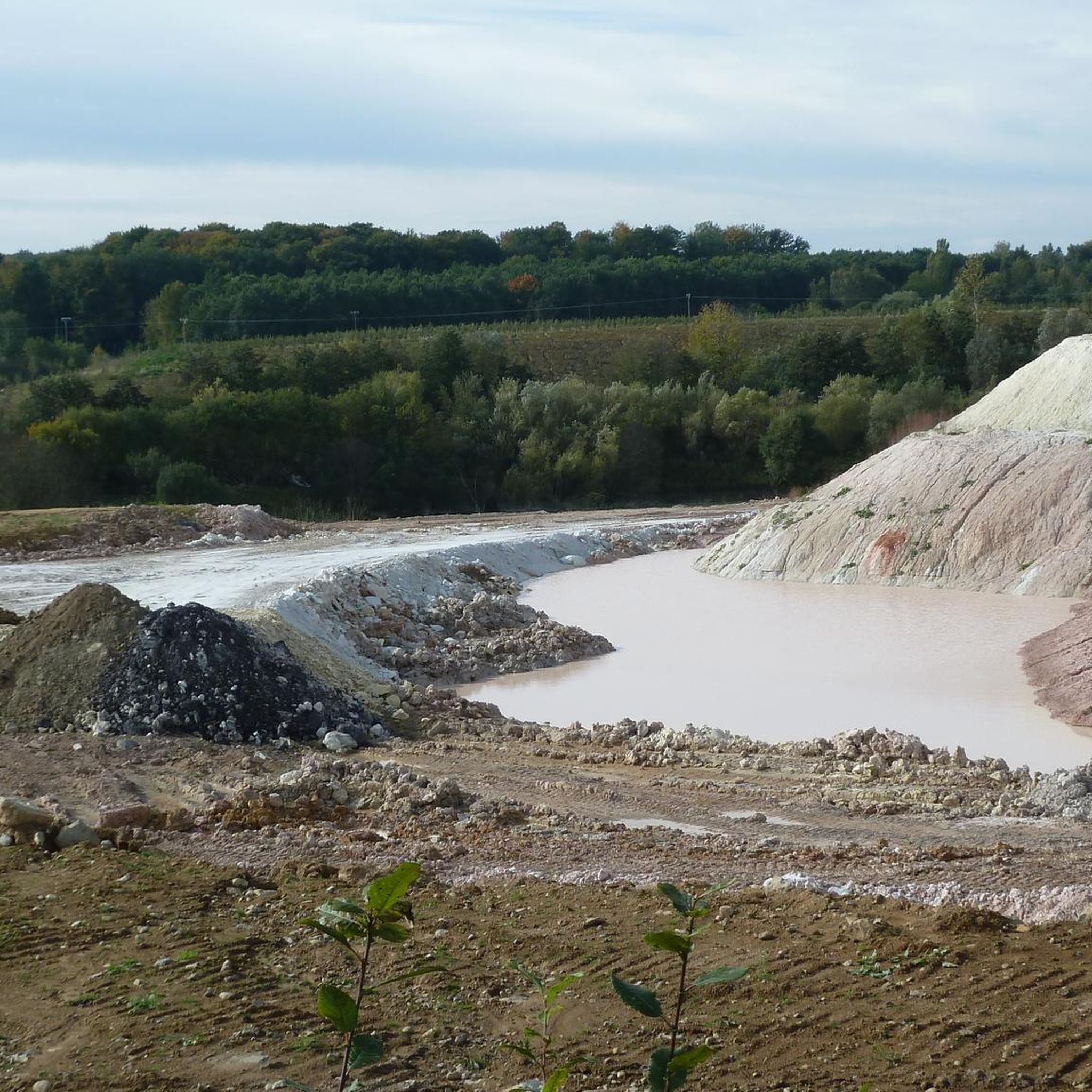
Seligenstatt monastery pond
Highlight • Lake
Translated by Google •
Tip by

Ellar Castle
Highlight • Castle
A really nice facility.
Translated by Google •
Tip by
Sign up now to discover places like this
Get recommendations on the best single tracks, peaks, & plenty of other exciting outdoor places.
Steinebach Ruins
Highlight • Historical Site
The environment is very mystical.
Translated by Google •
Tip by

Hofgut Neuroth Moated Castle
Highlight • Castle
Translated by Google •
Tip by

Waldmannshausen Castle
Highlight • Castle
Translated by Google •
Tip by

Sign up for free to discover even more castles around Westerburg.
Already have an account?
Start today with a free account
Your next adventure awaits.
Popular around Westerburg
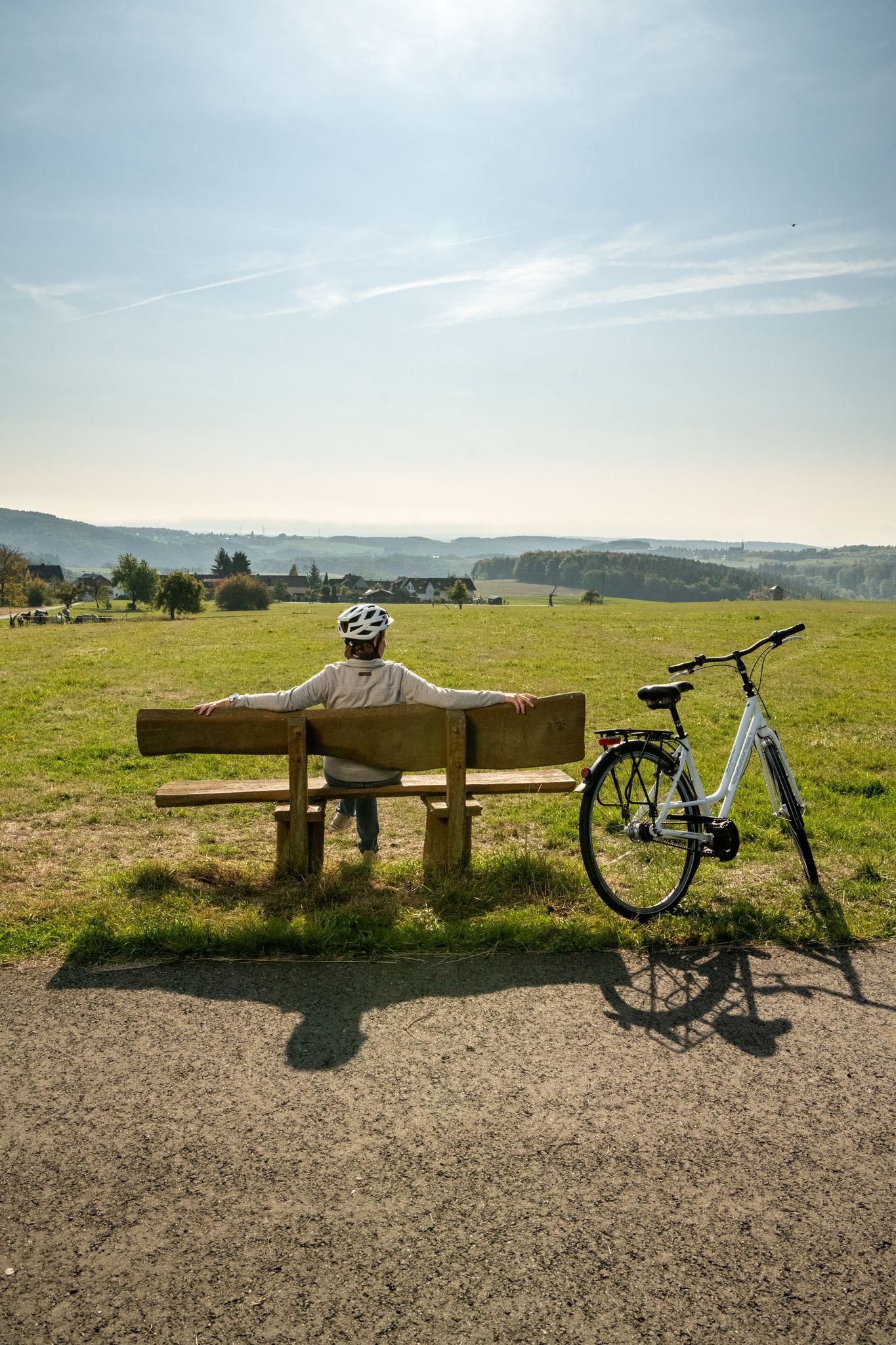
Discover the Westerwald by bike – 10 breathtaking loops
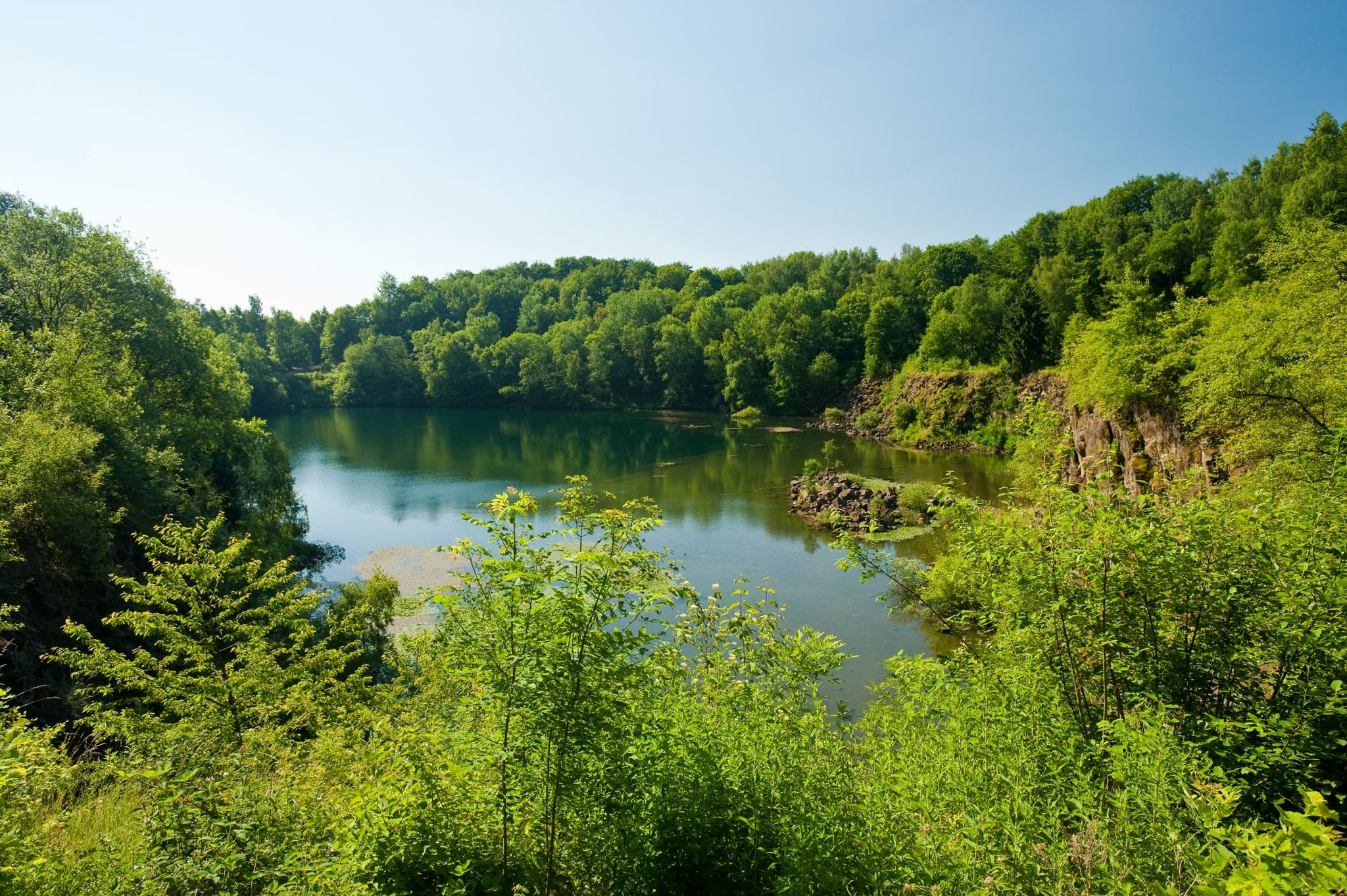
19 short hikes in the Westerwald
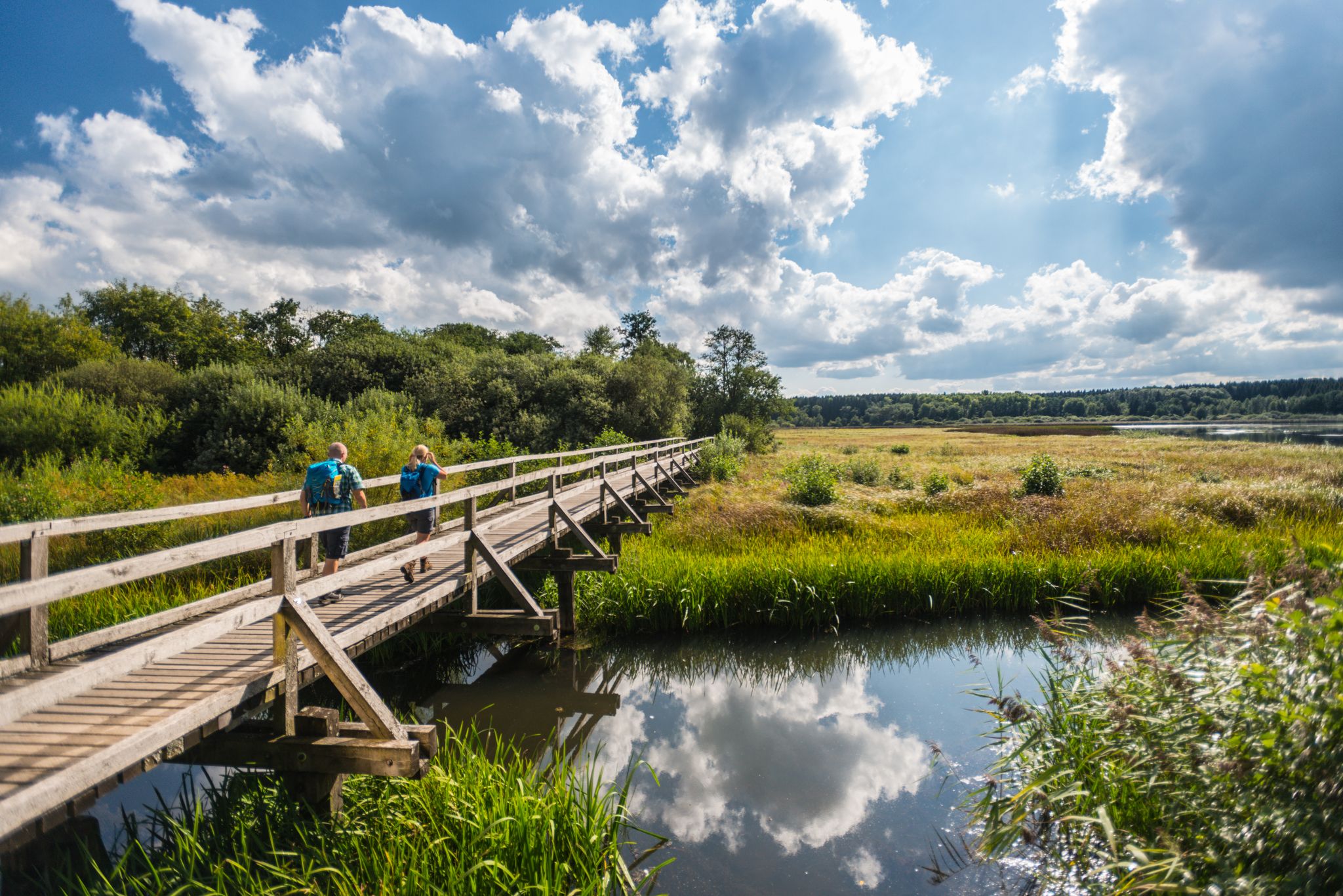
More than just forests – 16 stages on the WesterwaldSteig
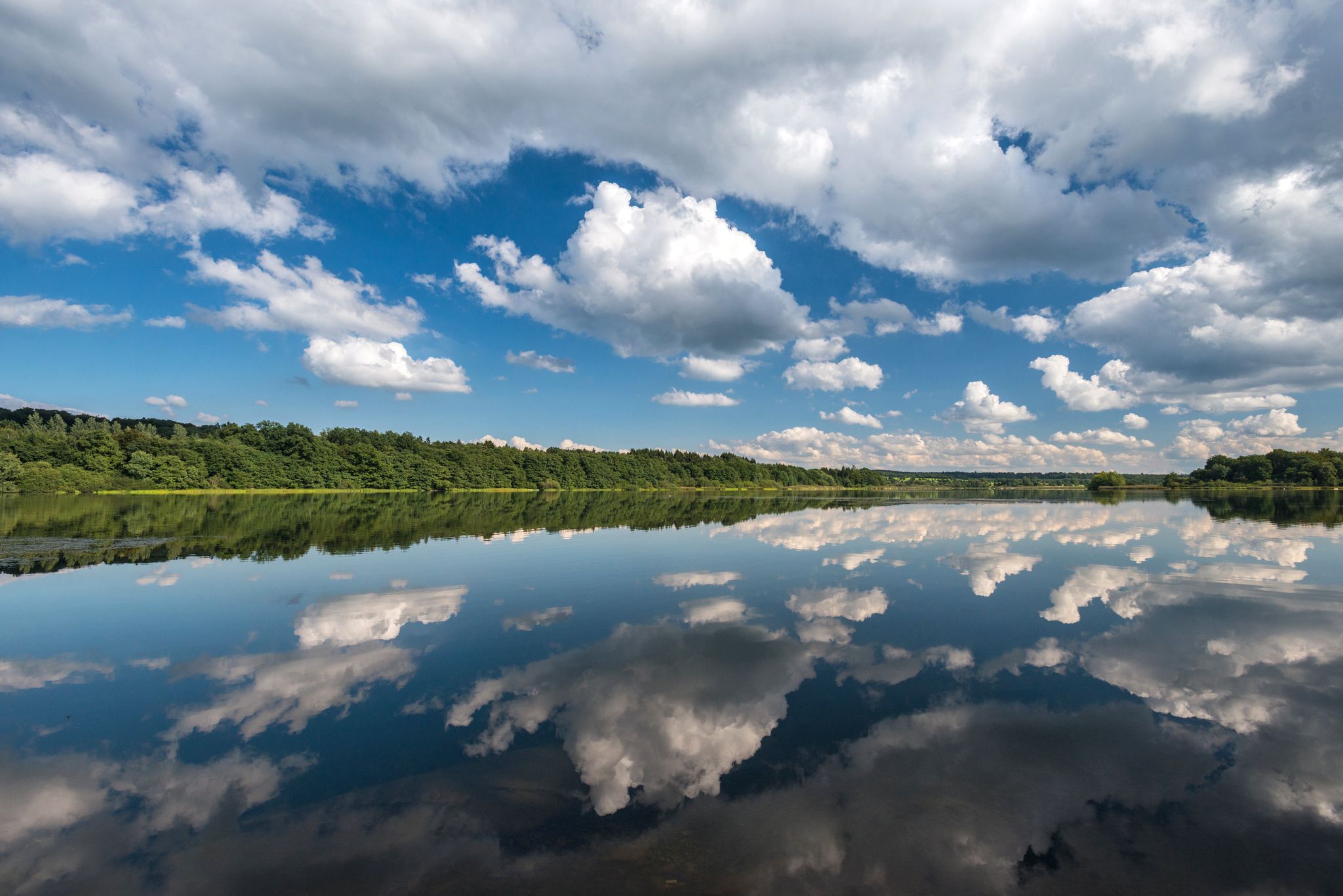
Waterways in Germany’s Westerwald — hiking along rivers and lakes
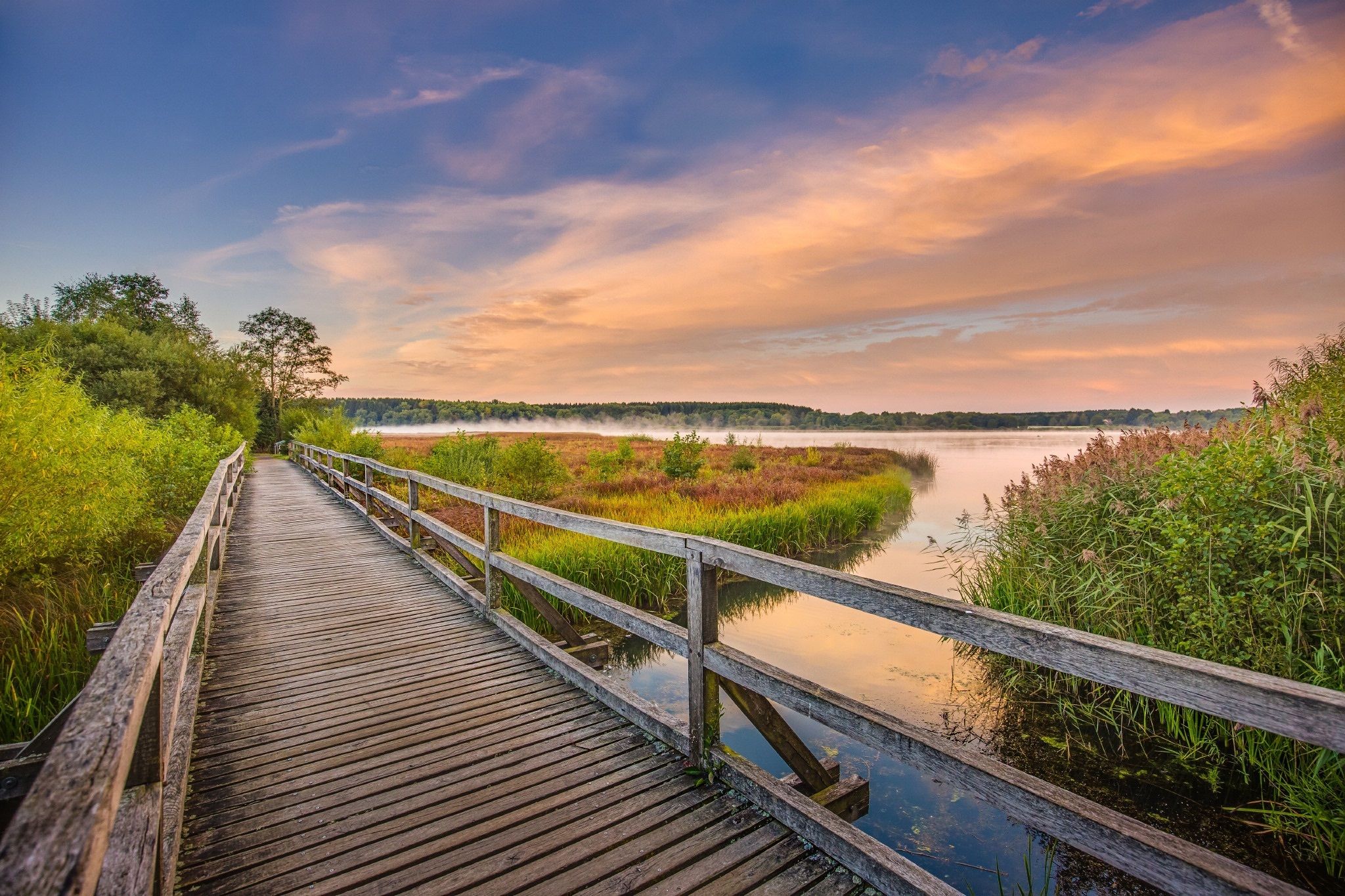
Along rivers and lakes — Germany’s Westerwald waterways
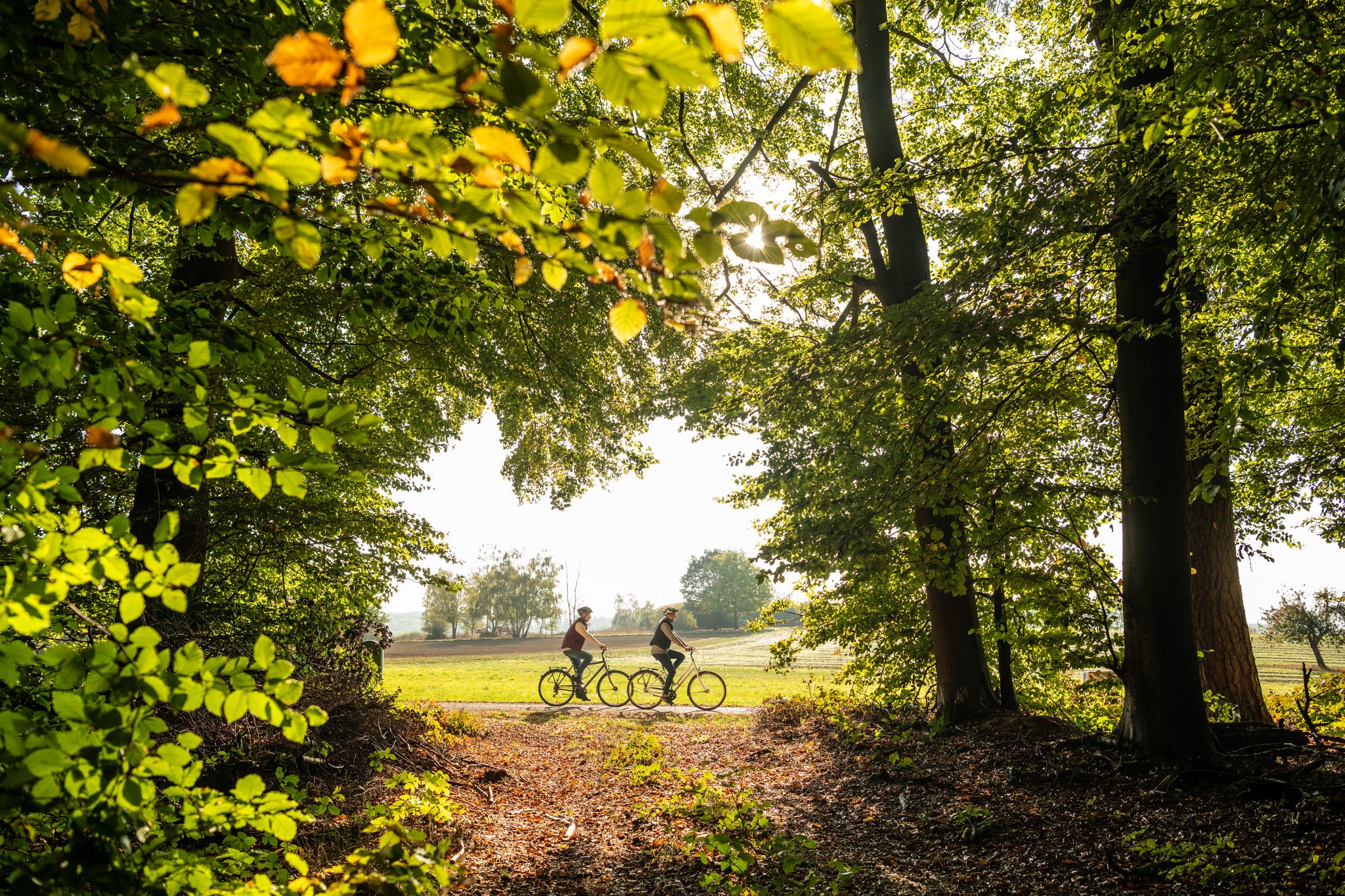
Riding in the Westerwald mountains – lonely paths and magnificent views
More than just forests – 16 stages on the WesterwaldSteig
Cycling around Westerburg
MTB Trails around Westerburg
Hiking around Westerburg
Other adventures around Westerburg


Tips from the Community

Absolutely worth seeing in our area 🙏‼️
1
0
The first predecessor of the present-day castle was built shortly before 1340 as an allodial property of the von Neuroth family of castle knights. In 1584, after several changes of ownership, it passed by inheritance to the lower noble family of Brambach. This united the associated estates with those of an older ministerial family of Neuroth, who had already established a farmstead elsewhere in the district before 1222. Furthermore, the House of Brambach acquired other scattered rights to the small settlement, thus creating a unified estate. In 1687, Johann Philipp von Brambach sold the castle for 13,000 Rhenish guilders to Wilhelm Rheinhard Freiherr von Walderdorff. The family, elevated to the rank of Imperial Lords in 1660, was pursuing a strategy at this time of consolidating its holdings around its ancestral seat, Molsberg Castle. The acquisition of the Neuroth estate likely falls within this context. Since the time of the Brambach family, and from the second half of the 19th century onward under the Walderdorff family, the estate served as a secondary residence for the family. When no family members resided there, it housed foresters and administrators of the count's estates. The tenants of the adjacent farmyard were responsible for the upkeep and maintenance of the manor house. The Walderdorff family still owns the estate today. They continue to use it as their residence and farm numerous fields in and around Bilkheim.
2
0
solid paths around it - from May even accessible up to the tower
1
0

There isn't much left, but it's still beautiful here.
1
0

Awesome. There is also a (summer) restaurant in the castle
1
0


There is a very interesting legend about the castle ruins. The environment is very mystical.
5
0

There's a lot to see and hear along the way at night
2
0
Frequently Asked Questions
What are some of the most popular castles to visit around Westerburg?
The region around Westerburg offers several notable castles. Among the most popular are Molsberg Castle, known for its historic park, and Ellar Castle, which has been beautifully restored and offers views from its walls. Visitors also frequently explore the Steinebach Ruins, a resting place on local hiking routes with a mystical legend.
What is the history of Schloss Westerburg?
Schloss Westerburg, a landmark of the town, was first documented in 1192 but likely has earlier origins. It served as the seat for the Lords of Westerburg from the 13th century and was expanded over centuries. The oldest parts, including the castle chapel, date to the early 13th century, with significant additions in the 15th and 18th centuries. It has adapted through various roles, from a noble residence to a recreation home, and now hosts a dental institute, restaurant, and event venue.
Are there family-friendly castles or activities near Westerburg?
Yes, several castles around Westerburg are considered family-friendly. Molsberg Castle features a park suitable for walks, and Ellar Castle is a restored site that families can explore. The Steinebach Ruins also offer an interesting stop for families on a hike, complete with a local legend.
What kind of outdoor activities can I do near the castles around Westerburg?
The area around Westerburg's castles is excellent for outdoor activities. You can find numerous hiking trails, including the 'Wäller Jakobsweg' and routes offering views of the Taunus. For cyclists, there are routes like the 'St. Blasius Chapel – Eternal Ice Dornburg loop'. Jogging enthusiasts can enjoy trails around Wiesensee or the Westerburg Wind Farm. You can find more details on these activities in the Hiking around Westerburg, Cycling around Westerburg, and Running Trails around Westerburg guides.
Are there any moated castles in the Westerburg area?
Yes, the Westerburg area is home to at least one notable moated castle. The Hofgut Neuroth Moated Castle is a beautiful example, privately owned but offering a picturesque sight for visitors. It's the only one of its kind in the Westerwald district and has a rich history dating back to the 14th century.
What is the best time of year to visit the castles around Westerburg?
The romantic castle garden at Schloss Westerburg is highlighted as a charming destination, suggesting spring and summer offer pleasant conditions for exploring the grounds. The region's hiking trails, which often integrate the castles, are also best enjoyed in milder weather. While winter walks are possible, checking weather conditions is advisable for a comfortable visit.
What natural features can I see near the castles?
Beyond the castles themselves, the region offers natural beauty. The idyllic castle park at Molsberg Castle features very old and interesting trees. The Seligenstatt monastery pond, near the ruins of a Benedictine monastery, provides a serene natural setting. Many castles are also integrated into scenic hiking trails, allowing visitors to enjoy the surrounding forests and landscapes.
Are there any lesser-known castles or ruins worth exploring?
While Schloss Westerburg is prominent, the broader region includes other castles like Molsberg Castle, Ellar Castle, Steinebach Ruins, Hofgut Neuroth Moated Castle, and Waldmannshausen Castle. The Steinebach Ruins, for instance, offer a mystical environment and serve as an ideal resting place on hiking routes, providing a glimpse into a local legend.
What do visitors enjoy most about the castles around Westerburg?
Visitors appreciate the diverse historical structures, from moated castles to ruins and restored fortresses, each with a unique past. The komoot community has shown strong engagement, with over 400 upvotes and more than 100 photos shared, indicating a high level of satisfaction with the historical and scenic interest these sites provide. The integration of castles into hiking trails is also a popular aspect.
Can I find cafes or restaurants near the castles?
Yes, Schloss Westerburg itself hosts the wine cellar and restaurant 'Semper Frey'. Additionally, for Molsberg Castle, the restaurant 'Haus am Berg' is recommended for its location and views. The region generally offers options for refreshments and meals, especially in the towns and villages surrounding the castle sites.
Is Schloss Westerburg accessible to the public?
Schloss Westerburg is privately owned and hosts MediCastle, a dental institute, along with the 'Semper Frey' restaurant and event spaces. While it's not a traditional museum, its renovated halls are available for celebrations and seminars, and civil weddings can be held there. The romantic castle garden is also highlighted as a charming and worthwhile destination for visitors.
Are there any castles with scenic viewpoints?
Yes, Ellar Castle, after its restoration, offers views of the surrounding land from its walls. The Steinebach Ruins are also noted as a viewpoint, providing a scenic spot for hikers to rest and enjoy the surroundings.
Most popular routes around Westerburg
Most popular attractions around Westerburg

Get inspired with the komoot mobile app


Explore more
Looking for the best castles somewhere else? Discover other guides around Westerburg:
