The best walks and hikes around Queensferry
4.4
(582)
7,194
hikers
257
hikes
Hiking around Queensferry is characterized by its varied terrain, including riverside paths along the River Dee and trails through local parks. The region features gentle elevations, making many routes accessible for different fitness levels. Woodlands and green spaces are common, providing natural settings for outdoor activities.
Best hiking trails in Queensferry
- The most popular hiking route is Chester Water Tower – River Dee Riverside Trail loop from Shotton, a 14.6 miles (23.5 km) trail that takes 5 hours 54 minutes to complete. This difficult route offers extensive riverside views.
- Another top favourite among local hikers is Wepre Brook River Path – Wepre Park Waterfall loop from Shotton, an easy 4.3 miles (6.9 km) path. This trail leads through Wepre Park, featuring a waterfall and varied parkland scenery.
- Local hikers also love the Old Chapel Cafe loop from Hawarden, a 8.3 miles (13.4 km) trail leading through local villages and countryside, often completed in about 3 hours 21 minutes.
- Hiking around Queensferry is defined by riverside paths, local park trails, and gentle countryside routes. The network offers options for different ability levels, from easy strolls to more challenging long-distance paths.
- The routes in Queensferry are highly rated by the komoot community with an average score of 4.4 stars from over 500 reviews. More than 6,000 hikers have used komoot to explore Queensferry's varied terrain.
Last updated: June 25, 2026
4.6
(7)
114
hikers
3.64km
00:59
50m
50m
Easy hike. Great for any fitness level. Easily-accessible paths. Suitable for all skill levels.
5.0
(5)
52
hikers
Moderate hike. Good fitness required. Easily-accessible paths. Suitable for all skill levels.

Sign up for free
5.0
(7)
34
hikers
10.4km
02:39
30m
30m
Moderate hike. Good fitness required. Easily-accessible paths. Suitable for all skill levels.
5.0
(2)
22
hikers
23.5km
05:54
20m
20m
Hard hike. Very good fitness required. Easily-accessible paths. Suitable for all skill levels.
15
hikers
6.89km
01:50
70m
70m
Easy hike. Great for any fitness level. Easily-accessible paths. Suitable for all skill levels.
Get access to more routes and recommendations from other explorers.
Sign up for free
Already have an account?
Our route recommendations are based on thousands of hikes, rides, and runs completed by other people on komoot.
Start today with a free account
Your next adventure awaits.
Login or Signup
Tips from the Community

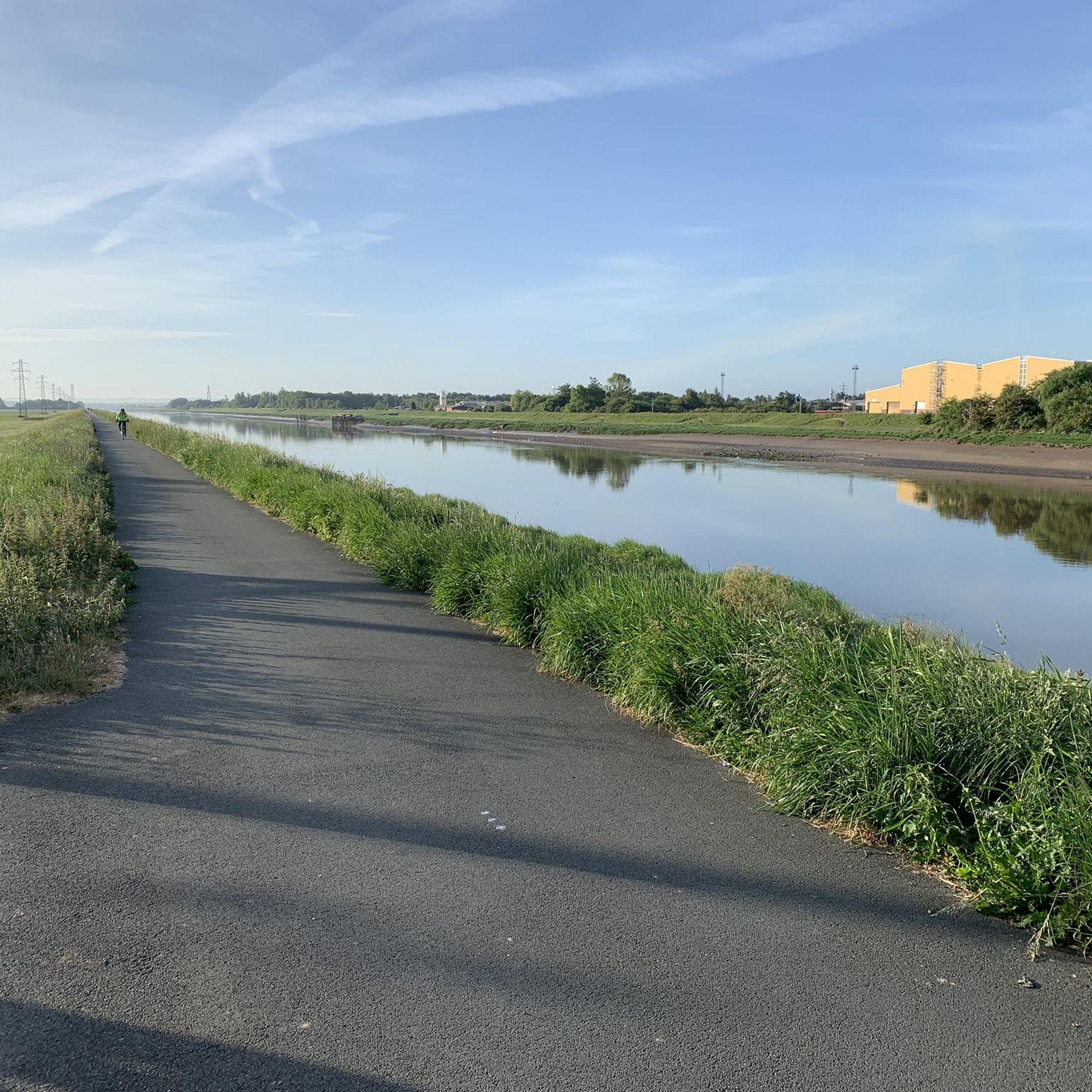
good pathetic to ride or walk ! beware its closed on Race days 🐴
0
0

Originally called the New Tower, the Water Tower stands at the end of a crenellated retaining wall in an area now known as Tower Gardens. The spur wall connects the Water Tower to Bonewaldesthorne Tower, located at the northwest angle of the main walls. The lower area where the Water Tower stands was once covered by the River Dee before the river silted up and receded. The Water Tower was built in 1322 by the mason John de Helpeston for the sum of 100 pounds and remains largely unchanged today. The Water Tower's purpose was to guard Chester's port. Now that the river has receded, the "Tower Gardens" area is a pleasant place to relax in fine weather. There is a children's playground and a bowling alley at the Water Tower. Source: http://www.discoverchester.co.uk/
0
0

A 'tip' rather than a 'highlight' "The station is not staffed and only has basic amenities (departure screens, waiting shelters and timetable poster boards on each platform). Step-free access is available to both platforms, but transfer between them requires the use of a level crossing at the end of the platforms towards the bridge. The Chester Millennium Greenway cycle route runs adjacent to the station and provides access to the northbound platform. The route also connects the station to Shotton." You can't buy tickets at the station but you can buy them online or on board from the ticket inspector. From Bidston, where the trains terminate in one direction, you can join the Merseyrail network to travel onwards to the Wirral and Liverpool. Sources; https://tfw.wales/places/stations/hawarden-bridge https://en.m.wikipedia.org/wiki/Hawarden_Bridge_railway_station
1
0
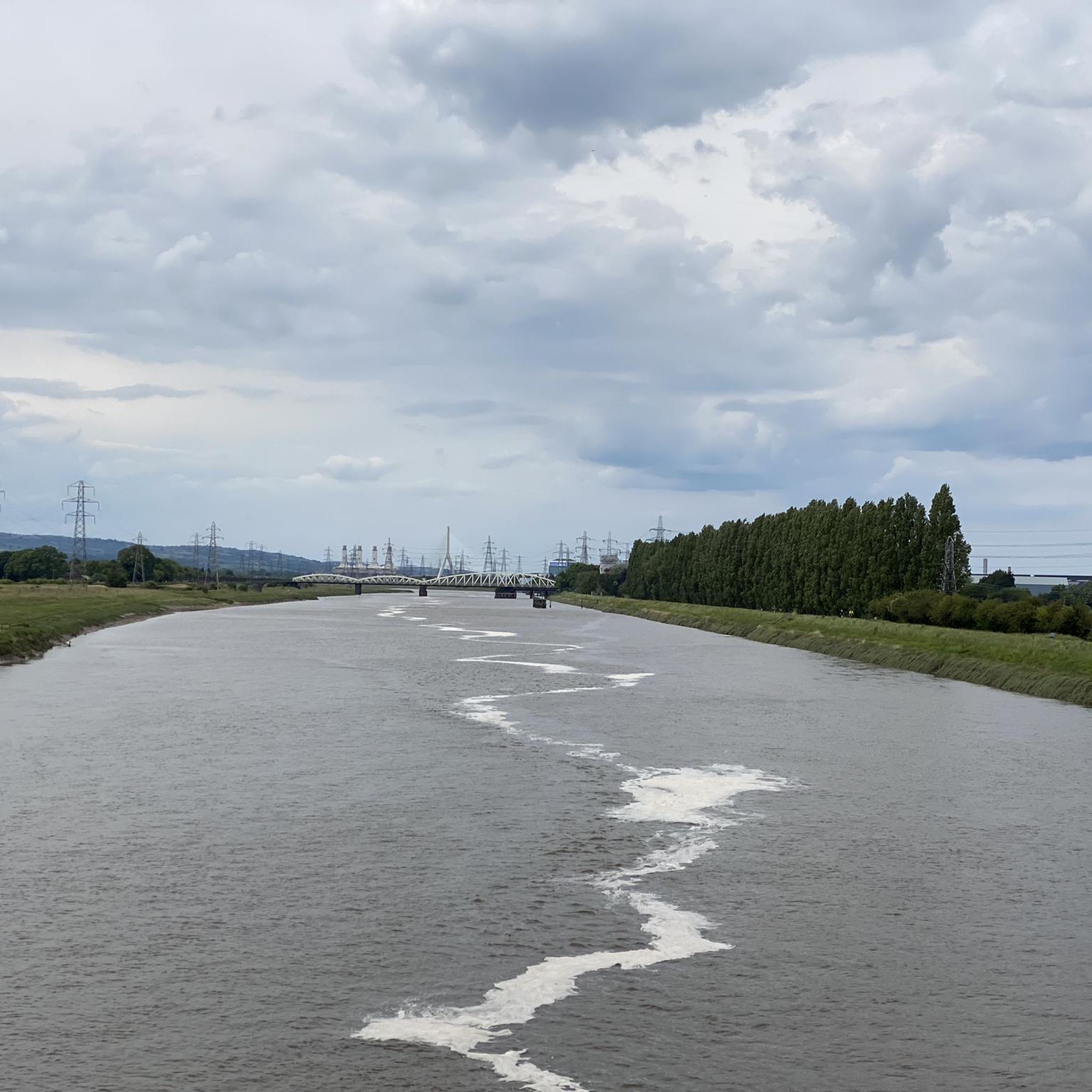
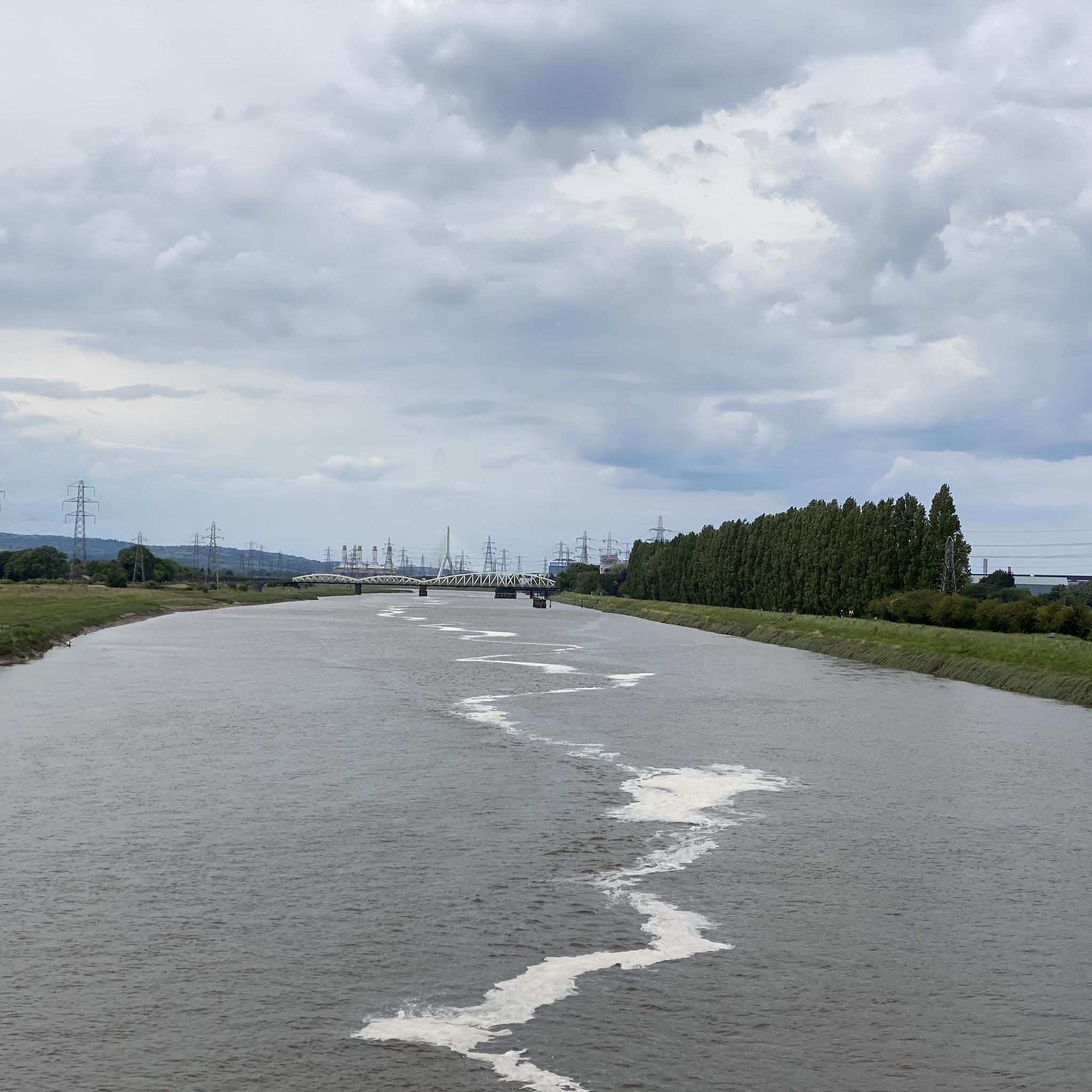
The view from the bridge gives a great perspective of the 'canalisation' of the River Dee - a straight 5 mile section of the river. In the distance you can just make out the Queensferry and Flintshire Bridges. "The Saltney Ferry Footbridge in Flintshire was built in 1968 to replace a ferry that crossed the River Dee. The ferry service had been operating since 1790 and was run by the Manifold family. Ferry service history The ferry service began in 1790 and was run by the Manifold family The ferry service was a 12-seat service that operated from 5 AM–9 PM The ferry carried babies, coffins, and was used for chain-making and sea-going industries The ferry service ended around 1966 Footbridge construction The footbridge is a four span reinforced concrete structure The bridge is approximately 100m long and 2.14m wide The bridge was built with a removable central section to allow boats with tall masts to navigate upstream The bridge is suitable for pedestrians and cyclists River Dee The River Dee has been designated a Site of Special Scientific Interest (SSSI) and a Special Area of Conservation (SAC)." Various sources; AI Summary https://www.bbc.co.uk/news/uk-wales-north-east-wales-30532480 https://www.jenningsbce.co.uk/saltney-ferry-foot-bridge/ https://sealandcommunitycouncil.co.uk/about/local-history/
1
0
"The Jubilee Bridge (also known as the Blue Bridge) is a double leaf rolling bascule bridge which spans the River Dee at Queensferry, Wales. The bridge was built by Sir William Arrol & Co. between 1925 and 1927. It takes its name from an earlier bridge on the same site which was completed during the Diamond Jubilee of Queen Victoria in 1897. The abutments of the old bridge are still visible at both sides to the left (facing north) of the current bridge. The remains can be seen at low tide near the abutments. By the 1960s shipping had ceased on the River Dee. The bridge's lifting mechanism was removed and the roadway fixed permanently in place. In 2005 the Jubilee Bridge was awarded Grade II Listed building status by Cadw." Source: https://en.m.wikipedia.org/wiki/Jubilee_Bridge_(Queensferry)
1
0
"Hawarden Bridge (/ˈhɑːrdən/; Welsh: Pont Penarlâg) is a railway bridge over the River Dee, near Shotton, Flintshire, Wales. It was built by the Manchester, Sheffield and Lincolnshire Railway (which later became the Great Central Railway), as part of the Chester & Connah's Quay Railway. It opened on 3 August 1889. During the 1880s, the Manchester, Sheffield and Lincolnshire Railway Company undertook the construction of a line between Chester Northgate and what is now known as Hawarden Bridge Junction. The most significant geographical feature of the route to overcome was the River Dee. It was decided to opt for a 165 meter-long bridge to cross over the river; this structure was complicated by the need to incorporate a means of passage for the tall ships that traversed the Dee at this time. The Board of Trade, advised by Sir George Nares, decreed that the envisioned bridge would need a single navigable opening of at least 140 feet. Hawarden Bridge was designed by the civil engineer C.A. Hobson. The bridge was officially opened to traffic on 3 August 1889; the opening ceremony was officiated by Catherine Gladstone, the wife of Prime Minister William William Gladstone. A key feature of the Hawarden Bridge was its central section, which was referred to as Span 10; this allowed it to function as a swing bridge. As originally built, it was able to rotate through 90-degrees to enable the passage of tall ships on the River Dee. At the time of its completion, this was the largest opening span of any swing bridge in the United Kingdom. Presently, the bridge can no longer open, the span having been welded shut decades ago. The last time that Span 10 was opened was during 1960. The remains of the rotating mechanism – hydraulic cylinders attached to a drive chain and sprocket – are still visible beneath the bridge. Both pedestrians and cyclists may also traverse Hawarden Bridge via a dedicated walkway. The walkway, which connected between the Wales Coast Path and the Chester Greenway Railway Path section of National Cycle Route 5, is the responsibility of registered charity Sustrans Cymru." You can read more about the bridge here; https://en.m.wikipedia.org/wiki/Hawarden_Bridge
1
0
"The John Summer Clock Tower building opened in 1907 and was the headquarters of Shotton Steelworks, before closing in 2009 and falling into serious disrepair after being sold by the company. Wilsons Auctions have now taken on the restoration project, with a view to securing the future of the historic and Grade II listed site." You can read more about the history of the building, Shotton Point and surrounding areas here; https://www.wilsonsauctions.com/news/history-of-shotton-point/
1
0
The section of public footpath and cycling route is closed to the public during race meetings (see pic). Worth checking the racecourse website before setting out for a walk along this route. https://www.chester-races.com/
0
0
Frequently Asked Questions
How many hiking trails are available in Queensferry?
Queensferry offers a wide variety of hiking trails, with over 260 routes available on komoot. These range from easy strolls to more challenging long-distance paths, catering to different preferences and fitness levels.
What are the general characteristics of hiking trails in Queensferry?
Hiking around Queensferry is defined by its varied terrain, including picturesque coastal paths along the Firth of Forth, trails through lush woodlands like Dalmeny Estate and Ferry Glen, and gentle countryside routes. Many paths offer stunning views of the iconic Forth Bridges.
What do other hikers say about the trails in Queensferry?
The hiking routes in Queensferry are highly rated by the komoot community, with an average score of 4.4 stars from over 500 reviews. Hikers frequently praise the diverse scenery, the impressive views of the Forth Bridges, and the well-maintained paths.
When is the best time of year to go hiking in Queensferry?
Queensferry offers enjoyable hiking year-round. Spring and autumn provide pleasant temperatures and beautiful scenery, with changing foliage or blooming wildflowers. Summer is ideal for longer days and coastal walks, while winter can offer crisp, clear views, especially of the Forth Bridges, though some paths might be muddy.
Are there any family-friendly hiking options in Queensferry?
Yes, Queensferry has many easy trails suitable for families. Over 170 routes are classified as easy, including pleasant strolls through local parks and woodlands. The Wepre Brook River Path – Wepre Park Waterfall loop from Shotton, for example, is an easy 4.3-mile path that leads through varied parkland scenery and features a waterfall, making it a great option for families.
Can I bring my dog on the trails in Queensferry?
Many trails in Queensferry are dog-friendly, particularly those through woodlands and along coastal paths. Estates like Dalmeny and Dundas often welcome dogs, though it's always advisable to keep them on a lead, especially near livestock or wildlife, and to check specific estate rules. Always remember to clean up after your pet.
Are there any trails with waterfalls in Queensferry?
Yes, the Wepre Brook River Path – Wepre Park Waterfall loop from Shotton is an easy 4.3-mile (6.9 km) trail that specifically features a waterfall within Wepre Park, offering a scenic and refreshing hiking experience.
What kind of natural features can I expect to see while hiking in Queensferry?
Queensferry's natural landscape is diverse. You'll encounter the expansive Firth of Forth estuary, extensive coastal paths, lush native woodlands within estates like Dalmeny and Dundas, and green spaces like Ferry Glen. There are also smaller hills such as Craigie Hill and Mons Hill offering panoramic views, and peaceful spots like Dundas Loch.
What historical sites or landmarks can I explore on a hike?
Queensferry is rich in history. You can hike past the UNESCO World Heritage site of the Forth Bridge, as well as the Forth Road Bridge and Queensferry Crossing. Historic estates like Dalmeny House and Barnbougle Castle are situated along the coast, and Dundas Castle is also nearby. For specific points of interest, consider exploring the Eastgate Clock or the River Dee Riverside Trail.
Are there any long-distance hiking routes that pass through Queensferry?
Yes, a significant section of the John Muir Way, a national long-distance route, passes through Queensferry. The 15.5-mile leg from South Queensferry to Edinburgh is particularly popular, offering stunning views of the three bridges and leading through varied landscapes.
Where can I find good viewpoints of the Forth Bridges?
Many trails in Queensferry offer excellent views of the Forth Bridges. Coastal paths, particularly those around Ferry Glen and within the Dalmeny Estate, provide spectacular vantage points. Modest hills like Craigie Hill and Mons Hill also offer rewarding panoramic views of the bridges and the surrounding Firth of Forth.
Are there any circular hiking routes available in Queensferry?
Yes, many of the hiking routes in Queensferry are circular, allowing you to start and end at the same point. For example, the Old Chapel Cafe loop from Hawarden is an 8.3-mile (13.4 km) circular trail that takes you through local villages and countryside.
Are there challenging hikes in Queensferry for experienced hikers?
While many trails are easy or moderate, Queensferry does offer more challenging options. There are 9 routes classified as difficult, such as the Chester Water Tower – River Dee Riverside Trail loop from Shotton, a 14.6-mile (23.5 km) trail that provides extensive riverside views and requires a good level of fitness.
Most popular attractions around Queensferry

Get inspired with the komoot mobile app


Explore more
Browse the best Hikes in other regions.
