Attractions and Places To See around Beadnell - Top 20
Best attractions and places to see around Beadnell include a variety of coastal features, historical sites, and natural landscapes within the Northumberland Coast Area of Outstanding Natural Beauty. The village itself features a unique west-facing harbour and historic lime kilns. Visitors can explore expansive sandy beaches, ancient castles, and areas rich in wildlife. This region offers diverse points of interest for those seeking both natural beauty and historical significance.
Best attractions and places to see around Beadnell
- The most popular attractions is Craster Harbour, a settlement that is a small fishing village famous for its traditionally smoked kippers. It serves as a good starting point for coastal hikes, including a short walk to Dunstanburgh Castle.
- Another must-see spot is Dunstanburgh Castle, a historical castle ruin. Built in the early 14th century, this towering ruin is full of history and has inspired artists such as JMW Turner.
- Visitors also love Seahouses Harbour and Beach, a large village with a beautiful beach, fishing port, and harbour. It is a popular destination known for its rich sea wildlife and as an embarkment point for trips to the Farne Islands.
- Beadnell is known for its historic castles, expansive beaches, and charming harbours. The area offers a variety of attractions to see and explore, from natural coastal beauty to significant historical landmarks.
- The attractions around Beadnell are appreciated by the komoot community, with 173 upvotes and 97 photos shared by visitors.
Last updated: June 20, 2026
Craster Harbour
Highlight • Settlement
Tip by

Dunstanburgh Castle
Highlight • Castle
Since then, it was used as a Lancastrian stronghold during the Wars of the Roses and inspired artists such as JMW Turner.
Tip by

Sign up now to discover places like this
Get recommendations on the best single tracks, peaks, & plenty of other exciting outdoor places.
Sign up for free
Seahouses Harbour and Beach
Highlight • Beach
Tip by
Low Newton Beach
Highlight • Beach
Tip by

Embleton Bay
Highlight • Natural
Tip by

Sign up for free to discover even more attractions around Beadnell.
Sign up for free
Already have an account?
Start today with a free account
Your next adventure awaits.
Login or Signup
Tips from the Community

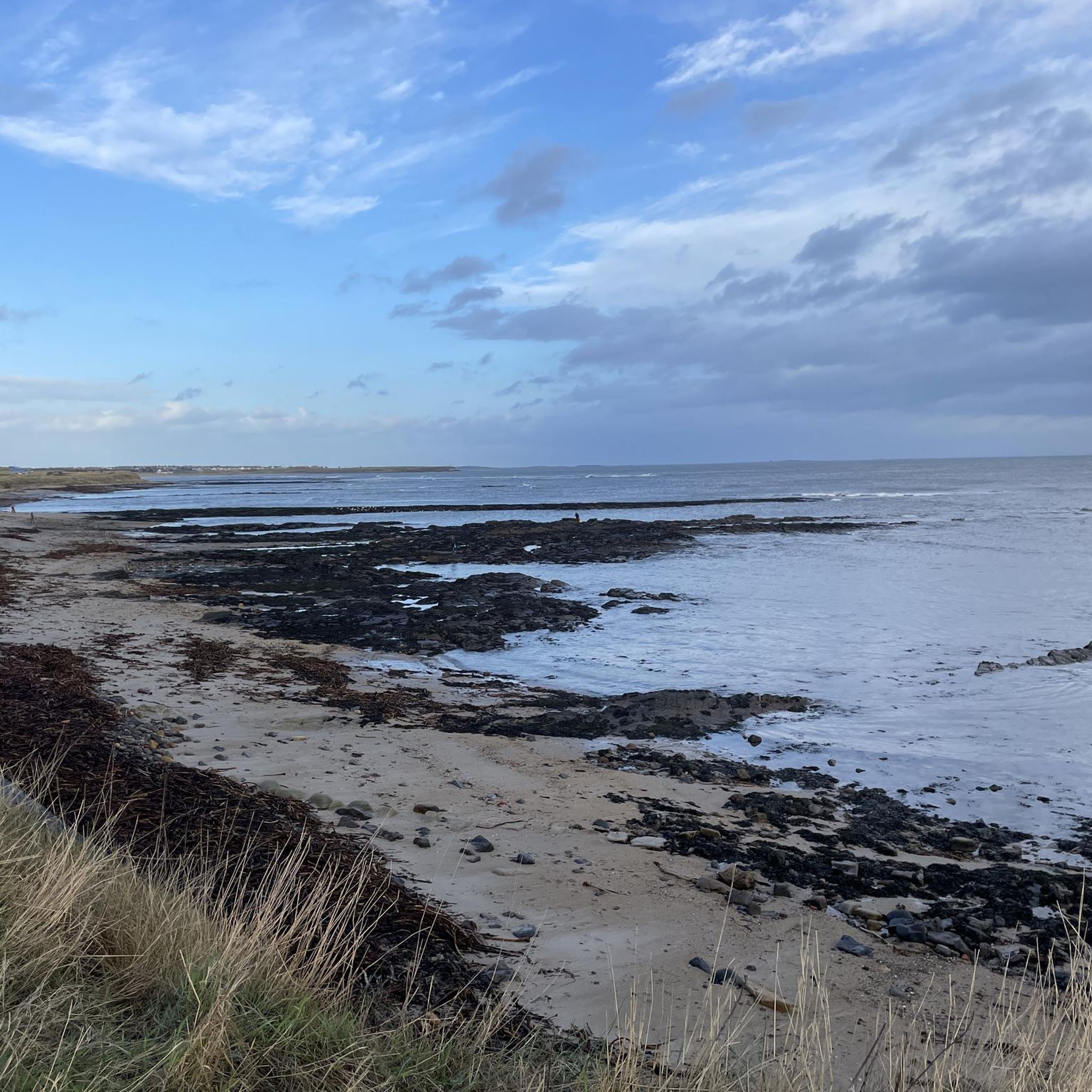
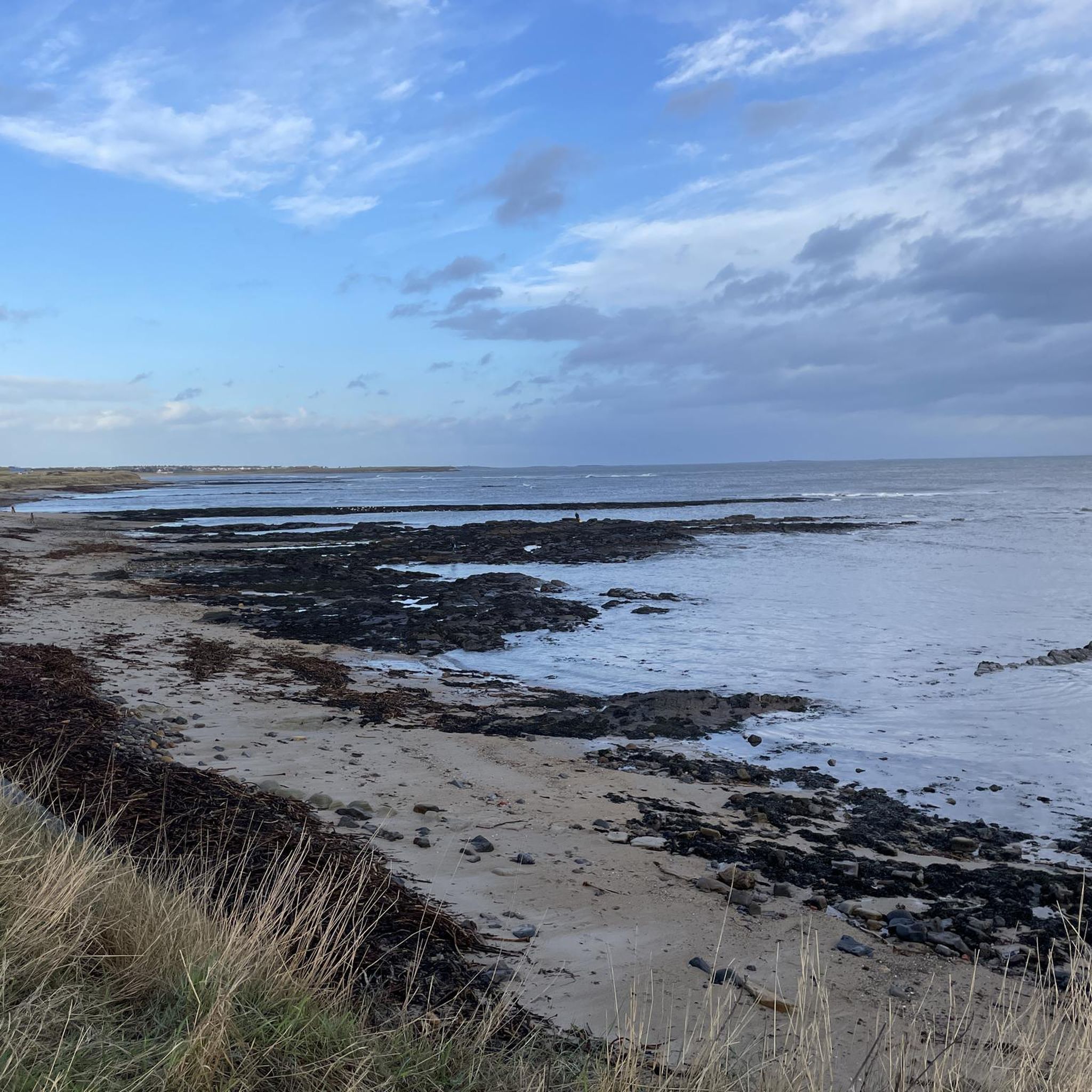
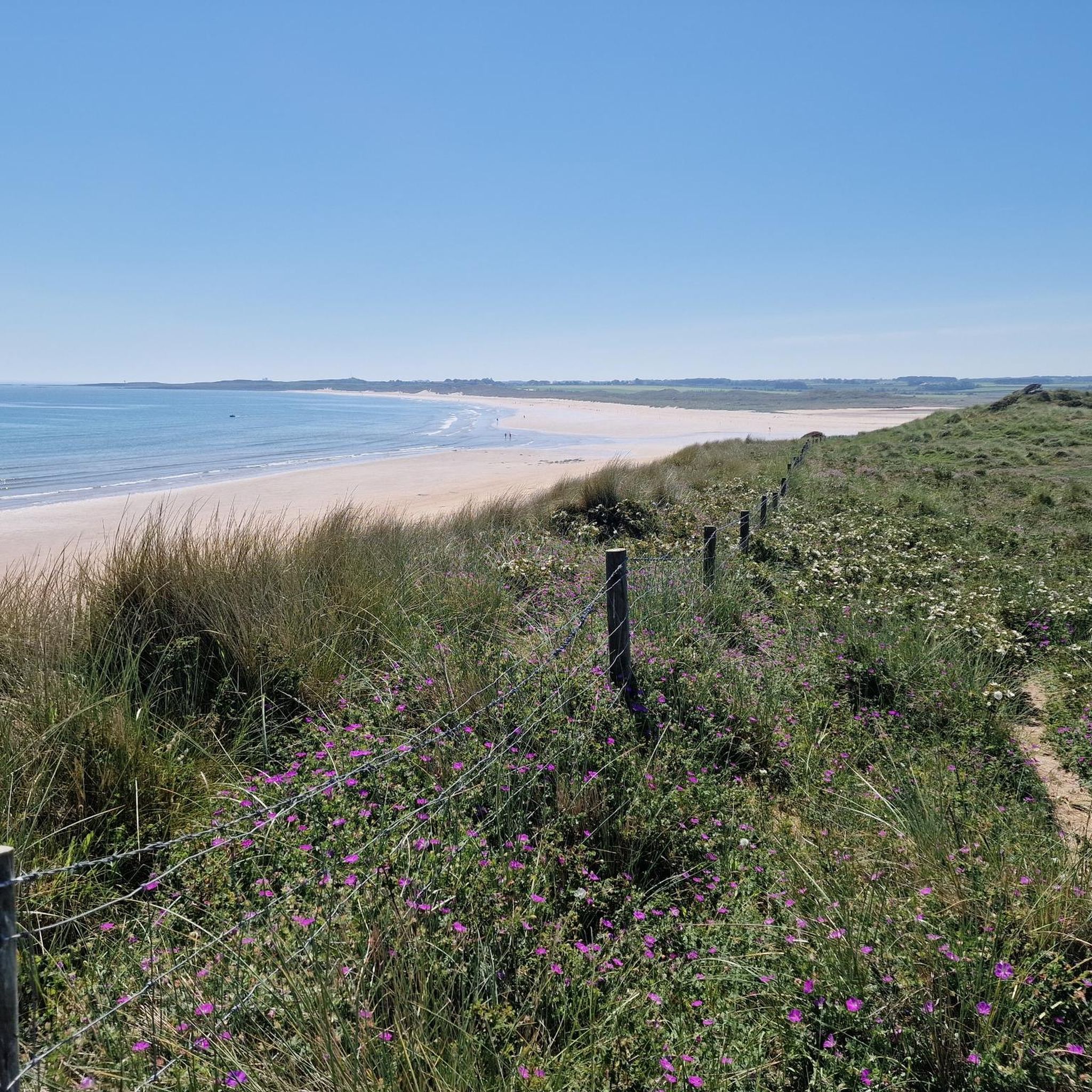
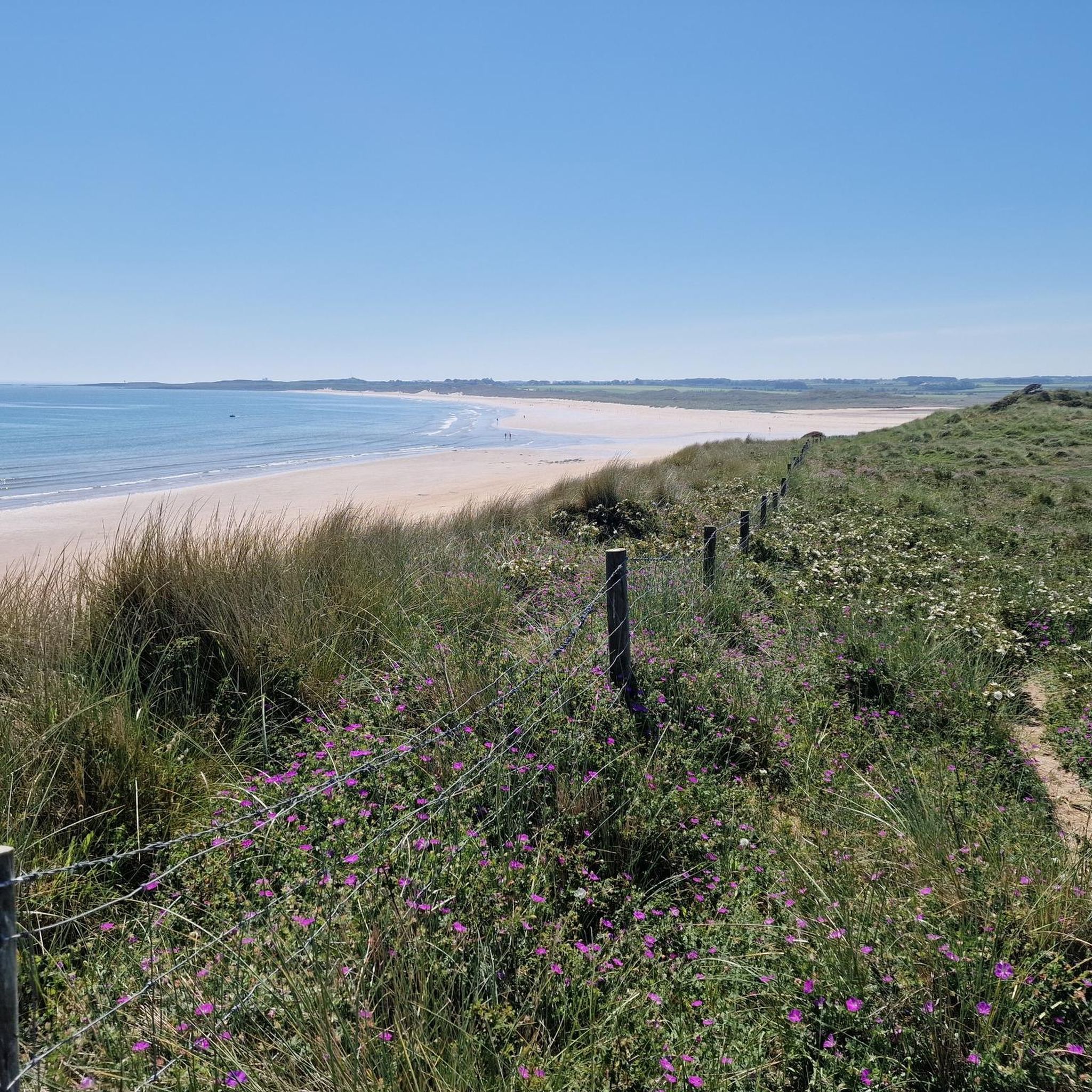
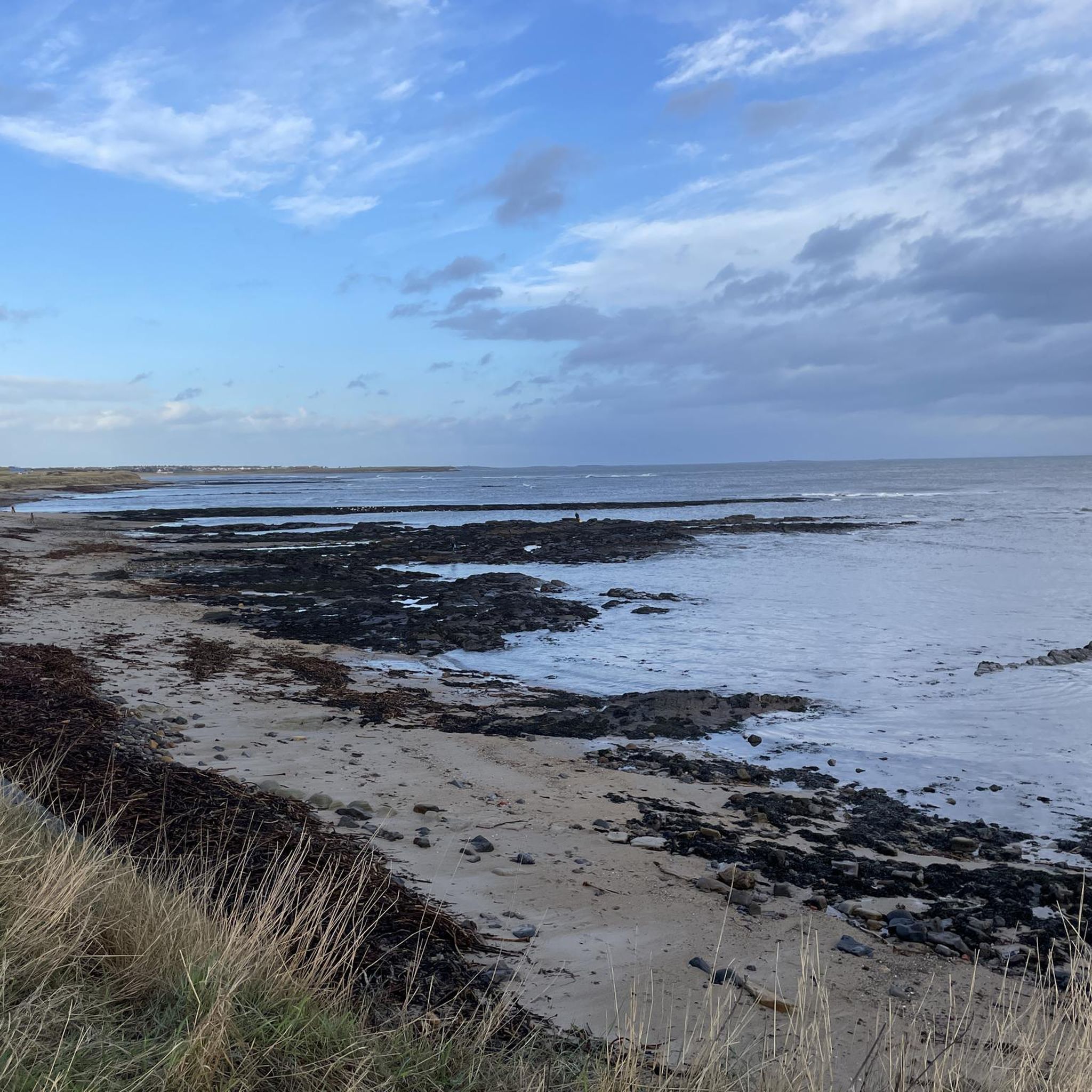
A large sandy bay where you can walk across the beach as an alternative to the coastal path through the dune.
0
0

This is such a great castle to go to. the views at the top on a clear day are brilliant. I normally walk the whole beach from Low Newton. My favourite coastline.
1
0

Seahouses harbour is a popular location for tourists, many are waiting on the day trip boats to the Farne Islands, there are queues waiting to book on the boats
1
0
Craster in a small village in rural Northumberland. There were plenty of tourists and passers by sitting at many benches and what appears to be a pup or cafe. A nice place to visit in good weather
1
0

In the mid-13th century, Newton-by-the-Sea was part of the barony of Vesci, initially held by John Viscount for one knight's fee. Ownership passed through notable figures including Simon de Montfort and Edmund of Lancaster. By 1725, it became part of the Barony of Embleton and saw ownership by the Forster family, who built Newton Hall in the late 18th century for Joseph Forster. Low Newton, or Newton Seahouses, emerged in the early 19th century as a community for fishermen. The National Trust now manages some of these cottages, as well as the Coastguard Station, built around 1828. In the 19th century, Newton-by-the-Sea had around 250 residents. By 1895, it was a township of 1,211 acres with a population of 220. Today, the parish has about 135 dwellings, home to a mix of residents, holiday homeowners, and visitors. Many residents commute to nearby towns or Newcastle. The National Trust owns much of the coastal land and part of The Square at Low Newton.
0
0


Good pub the Fisherman's popular too but no shops unless you want smoked kippers. Coffee shop and visitor parking up the road.
0
0

As well as the wonderful wildlife and coastline, Seahouses is known for its seafaring traditions and history. In particular it is famed for its iconic Royal National Lifeboat Institution (RNLI) figure Grace Darling. She and her father took a rowing boat out to sea from Seahouses in 1838 and managed to save many people after the Forfarshire fishing boat crashed into rocks. An RNLI lifeboat at Seahouses bears the name Grace Darling in her honour.
1
1
Frequently Asked Questions
What natural features can I explore around Beadnell?
Beadnell is situated within the Northumberland Coast Area of Outstanding Natural Beauty, offering stunning natural landscapes. You can visit the expansive, horseshoe-shaped Beadnell Bay Beach, known for its golden sands and dunes. Further along the coast, Embleton Bay provides a pristine stretch of sand with views of Dunstanburgh Castle, and Low Newton Beach is another lovely spot. The area is rich in diverse flora and serves as a breeding site for seabirds.
Are there good beaches for watersports near Beadnell?
Yes, Beadnell Bay Beach is a prime location for various watersports. It's popular for swimming, paddleboarding, kayaking, surfing, windsurfing, and kitesurfing. The local sailing club also operates here, making it a hub for sailing enthusiasts.
Where can I go for a coastal walk near Beadnell?
You can enjoy walks along the Northumberland Coastal Path, which runs directly through Beadnell. A popular route is the approximately 3-mile stretch between Beadnell and Seahouses. For more structured options, consider routes like the 'Seahouses loop from Beadnell' or the 'Beadnell Bay Beach – Seahouses Harbour and Beach loop', both offering moderate hiking experiences. You can find more hiking routes on the Hiking around Beadnell guide.
What kind of wildlife can I see in Beadnell Bay?
Beadnell Bay is a significant spot for wildlife enthusiasts. During the summer nesting season, it hosts the UK's largest mainland colony of Arctic Terns and Little Terns. Birdwatchers can also spot oystercatchers, redshanks, and ringed plovers. Seals and dolphins, particularly white-beaked dolphins, are often sighted in the waters, especially in late summer. The Long Nanny Burn, flowing into the bay, is crucial for these and other migratory birds.
What historical sites are there to visit around Beadnell?
The region boasts several historical sites. A must-see is Dunstanburgh Castle, a towering ruin built in the early 14th century, which has inspired artists like JMW Turner. The charming fishing village of Craster Harbour is famous for its traditionally smoked kippers and serves as a starting point for coastal hikes to the castle. In Beadnell itself, you can find the historic Lime Kilns and the ruins of Ebb's Nook / St. Ebba's Chapel.
Can I visit any unique historical structures in Beadnell itself?
Yes, Beadnell village features several unique historical structures. The Beadnell Harbour, dating back to the 18th century, is notable as the only west-facing harbor on England's east coast. Just behind the harbor, you'll find the historic Lime Kilns, built in 1798 and later used for curing herring. Additionally, Ebb's Nook, on a rocky promontory, contains the ruins of a medieval chapel and evidence of an earlier monastic site dedicated to St. Ebba.
Are there family-friendly attractions around Beadnell?
Many attractions around Beadnell are suitable for families. Expansive sandy beaches like Beadnell Bay, Seahouses Harbour and Beach, and Embleton Bay are perfect for children to play and explore. Historical sites like Dunstanburgh Castle offer an engaging experience for all ages, combining history with scenic walks. Seahouses also provides boat trips to the Farne Islands, which are popular for spotting marine wildlife.
What are some easy walks I can do around Beadnell?
For easy walks, consider the 'Beadnell Bay Beach loop' or the 'Beadnell Harbour – Beadnell Limekilns loop', both offering pleasant, shorter routes. These walks allow you to enjoy the coastal scenery and historical sites without strenuous effort. More easy options can be found in the Easy hikes around Beadnell guide.
What is the best time of year to visit Beadnell for attractions and walks?
The summer months (June to August) are ideal for enjoying Beadnell's beaches, watersports, and wildlife, especially for birdwatching the Arctic Terns. Spring and autumn also offer pleasant weather for coastal walks and exploring historical sites, often with fewer crowds. Winter can be beautiful for dramatic coastal scenery, though some facilities might have reduced hours.
Are there places to eat or drink near the attractions?
Yes, villages like Craster and Seahouses, which host popular attractions, offer options for food and drink. Craster Harbour has The Jolly Fisherman pub, known for good beer and food. Seahouses is famous for its fish and chips. In Beadnell village itself, The Craster Arms incorporates a sixteenth-century pele tower and provides a historic setting for a meal or drink.
What are the most popular attractions according to visitors?
Visitors highly appreciate Craster Harbour for its charm and as a starting point for coastal hikes. Dunstanburgh Castle is loved for its historical significance and impressive ruins. Seahouses Harbour and Beach is also a favorite, known for its vibrant atmosphere, sea wildlife, and as an embarkment point for trips to the Farne Islands. The attractions around Beadnell have collectively received 173 upvotes and 97 photos shared by visitors on komoot.
Can I find mountain biking trails near Beadnell's attractions?
Yes, there are mountain biking trails available in the wider Beadnell area. Routes like the 'Seahouses Harbour – View of Farne Islands loop from Craster' or the 'Craster Harbour – Seahouses Harbour loop from Bamburgh' offer moderate mountain biking experiences. You can explore more options in the MTB Trails around Beadnell guide.
Most popular attractions around Beadnell

Get inspired with the komoot mobile app


Explore more
Still not found the Highlight you’re looking for? See guides of the top attractions in other regions:
