The best road cycling routes around Wylam
4.7
(11)
829
riders
44
rides
Road cycling around Wylam offers diverse experiences through scenic landscapes and historical features. The area is characterized by its setting along the River Tyne, providing riverside paths and varied countryside terrain. Cyclists can explore routes that follow the historic Wylam Waggonway or connect to the long-distance Hadrian's Cycleway. The region features a mix of moderate and challenging elevations, with views of the Wylam Bridge and surrounding natural areas.
Best road cycling routes around Wylam
- The most popular road cycling route…
Last updated: July 12, 2026
4.0
(2)
154
riders
46.7km
02:05
380m
380m
Moderate road ride. Good fitness required. Mostly well-paved surfaces and easy to ride.
5.0
(3)
87
riders
98.2km
04:37
1,140m
1,140m
Hard road ride. Very good fitness required. Mostly well-paved surfaces and easy to ride.

Sign up for free
56
riders
51.7km
02:33
640m
640m
Moderate road ride. Good fitness required. Mostly well-paved surfaces and easy to ride.
106
riders
81.2km
04:03
570m
570m
Moderate road ride. Good fitness required. Some segments of this route may be unpaved and difficult to ride.
43
riders
77.2km
03:22
620m
620m
Moderate road ride. Good fitness required. Mostly well-paved surfaces and easy to ride.
Get access to more routes and recommendations from other explorers.
Sign up for free
Already have an account?
Our route recommendations are based on thousands of hikes, rides, and runs completed by other people on komoot.
Start today with a free account
Your next adventure awaits.
Login or Signup
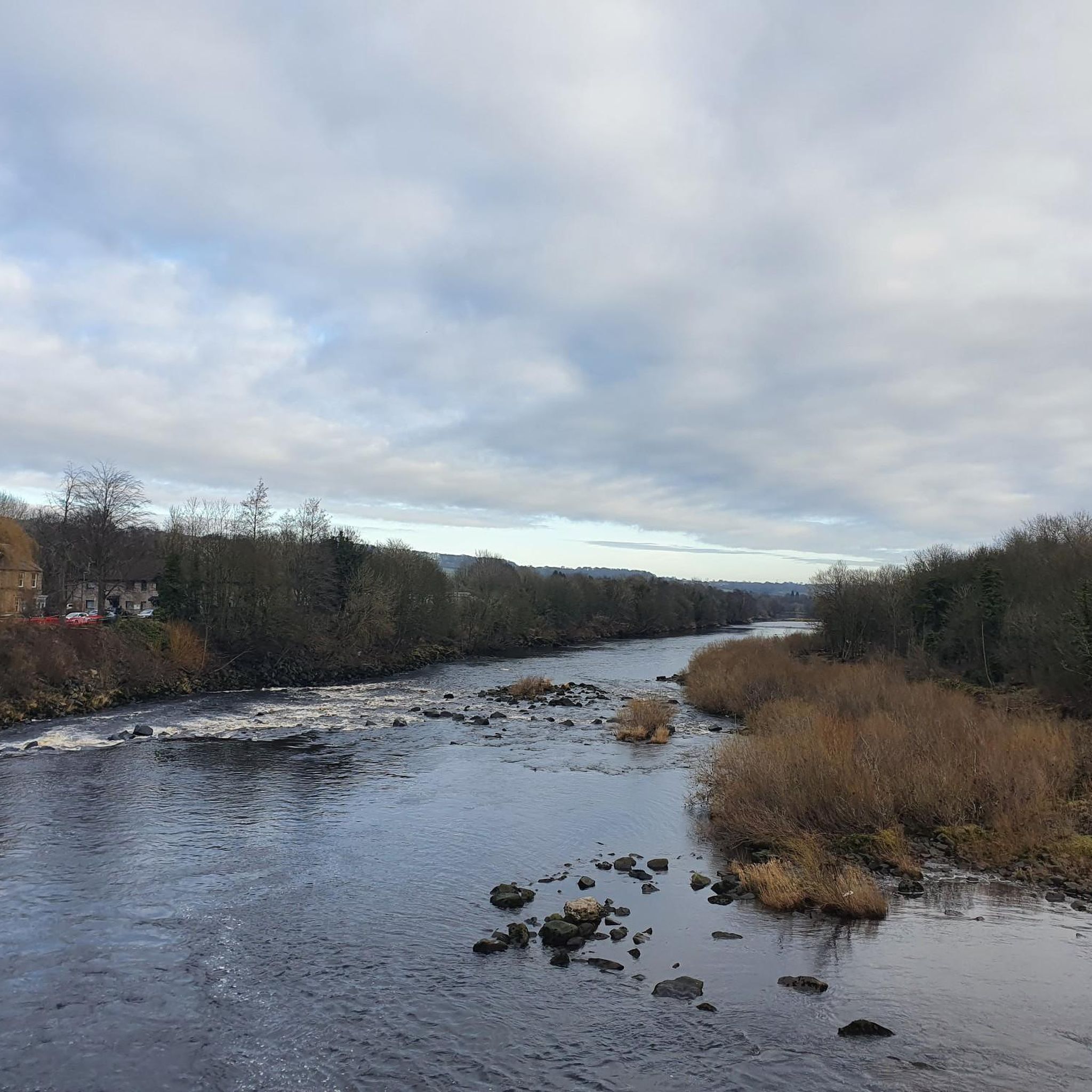
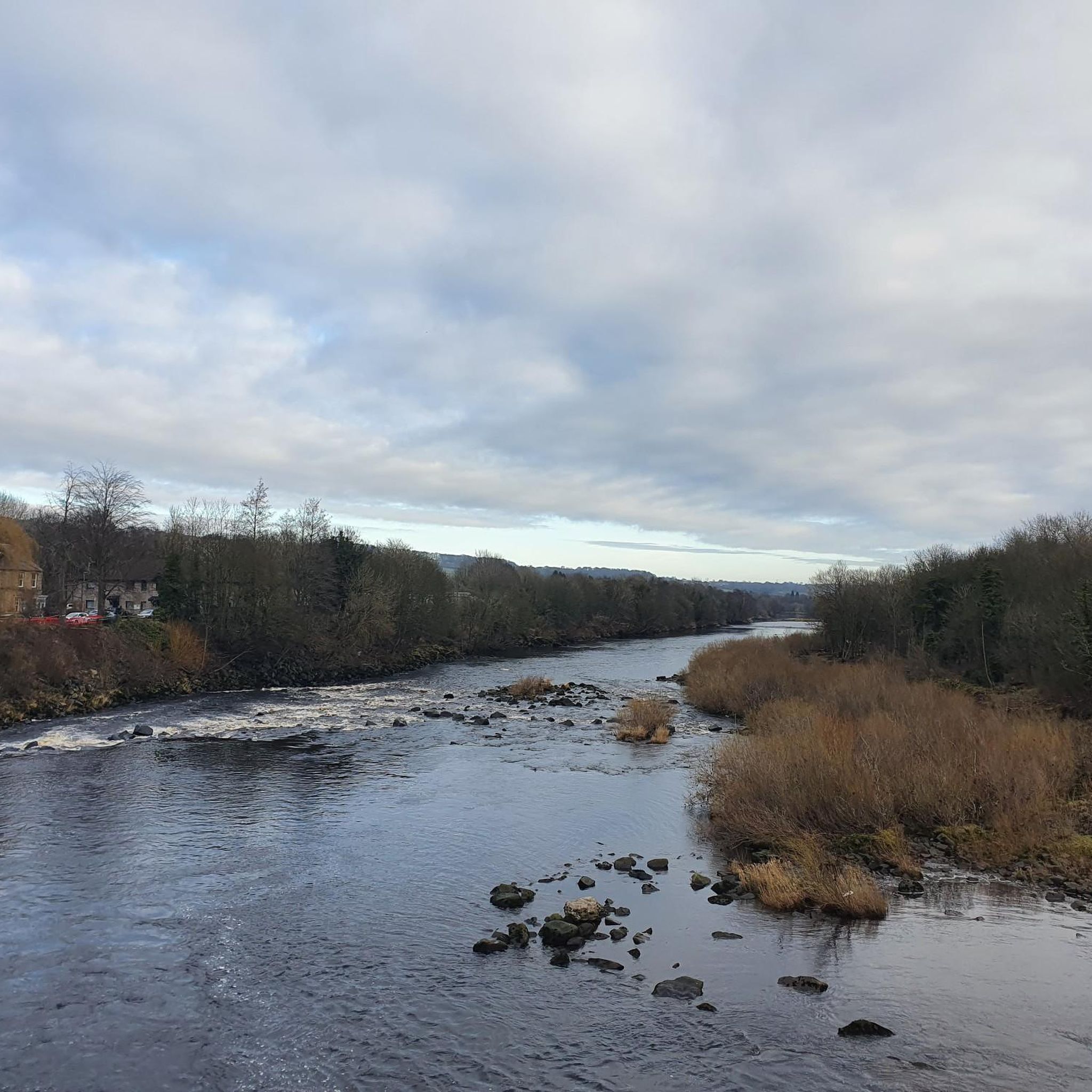
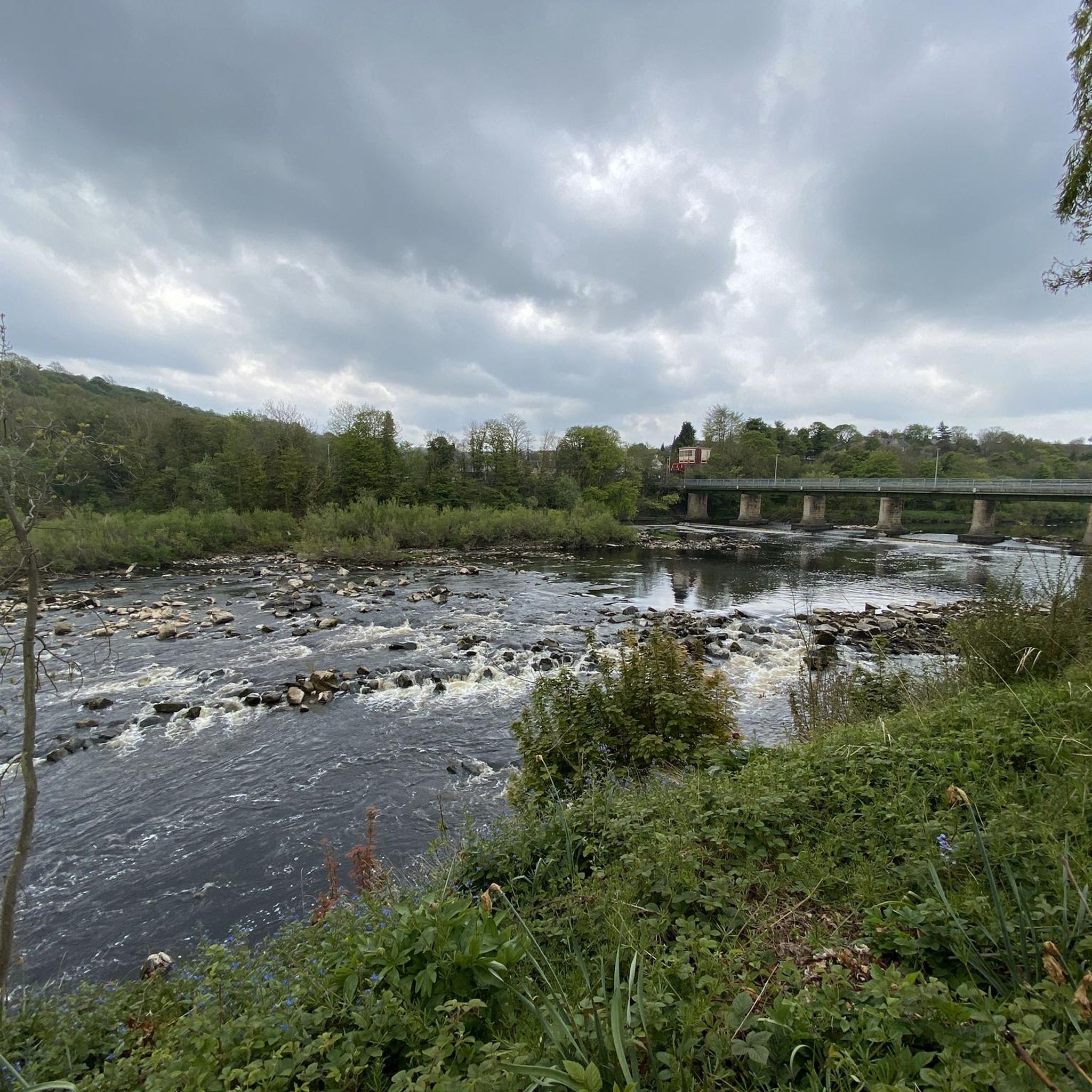
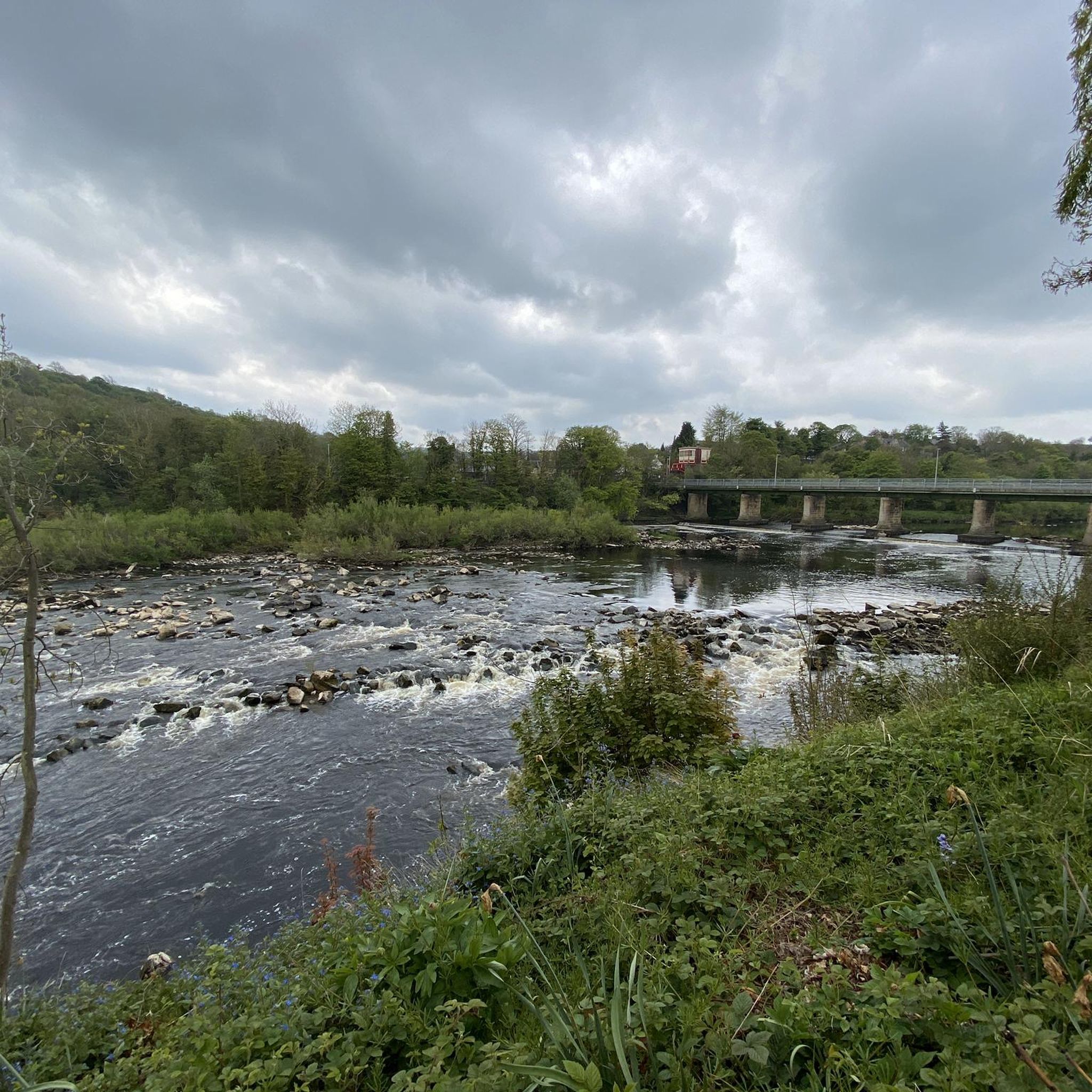

Tips from the Community

Lovely village and central to a lot of historical road racing/club runs in Northumberland
0
0
Classic Northumberland cycling cafe. Tasty food reasonably priced, top cake
0
0

George Stephenson's birthplace is a simple stone worker's cottage on the north bank of the River Tyne in Wylam, built circa 1760 to house mining families, and where the future railway pioneer was born in 1781. A Grade II* listed building owned by the National Trust, it is now a historic house museum with original furnishings and displays about Stephenson's childhood and early locomotives, and is opened to visitors by costume guides who wish to experience the living conditions of a Georgian mining family.
10
0
St. Andrew’s Church in Corbridge is one of the oldest and most historic churches in Northumberland, with roots dating back to 674 AD, when St. Wilfrid founded a monastery here. Although the original timber-framed building has disappeared, the current church still incorporates Roman stonework from the nearby Corstopitum Fort, including an impressive tower arch dating from around 150 AD. Saxon and Norman elements include a Saxon window, a Norman zigzag doorway, and a 13th-century chancel. Vicar’s Pele Tower: a 14th-century fortified tower house built with Roman stone, once a refuge from Scottish raids. King’s Oven: a communal bread oven dating from 1310, still visible on the site. Memorial Gate: commemorates 108 local men who died in WWI.
4
0

The Hagg Bank Bridge, also known as the Points Bridge or Half-Moon Bridge, is a Grade II* listed pedestrian bridge spanning the River Tyne at Wylam. It was originally built in 1876 as a railway bridge for the Scotswood, Newburn & Wylam Railway. W.G. Laws's design incorporated a 73-metre single rib arch with no piers in the river, an innovation at the time and likely inspiration for later bridges such as the Tyne Bridge and Sydney Harbour Bridge. Following the closure of the railway line in 1968, the bridge was reopened in 1975 as a walkway and cycle path linking Wylam with the Tyne Riverside Country Park.
8
0
Hexham Abbey is one of England's oldest and most impressive churches. The abbey was originally founded in 674 AD by St. Wilfrid, using stones from nearby Roman ruins. The oldest part—the Saxon crypt—is still intact and represents a rare remnant of early Christian architecture. Inside, you'll find stained glass, the Roman tombstone of Flavinus, a 1st-century standard-bearer, an impressive Phelps organ from 1974, and a frith stool (Saxon bishop's chair). Admission to the abbey is free, with a small charge for the crypt.
9
0

Frequently Asked Questions
How many road cycling routes are available around Wylam?
Wylam offers a wide selection of road cycling routes, with over 40 different tours available. These routes cater to various skill levels, from easy rides to more challenging ascents.
What kind of terrain can I expect on road cycling routes in Wylam?
Road cycling in Wylam features diverse terrain, characterized by its setting along the River Tyne. You'll find riverside paths, varied countryside, and a mix of moderate and challenging elevations. Routes like the Rookhope Arch – Rookhope Old Mine Headframe loop from Wylam offer significant elevation gain for experienced riders.
Are there any easy road cycling routes suitable for beginners in Wylam?
Yes, Wylam has several easy road cycling routes. While specific beginner routes aren't highlighted in the top picks, the area offers 6 routes classified as easy, providing gentler options for those new to road cycling or looking for a relaxed ride.
What historical landmarks or natural features can I see while cycling in Wylam?
Wylam's road cycling routes are rich with historical and natural sights. You can cycle past the historic Hagg Bank Bridge, a Grade II* listed structure repurposed for cyclists and walkers. Another notable stop is George Stephenson's Birthplace, accessible via the Wylam Waggonway. The routes also offer views of the River Tyne and the surrounding countryside, including dramatic vistas of the Wylam Bridge.
Are there family-friendly road cycling options in Wylam?
While many road cycling routes are designed for experienced riders, the historic Wylam Waggonway, which follows the River Tyne, is suitable for both walking and cycling and can be a good option for families. For dedicated road cycling, consider routes with moderate difficulty and less traffic, though specific family-friendly road routes are not explicitly detailed.
Is Wylam suitable for road cycling year-round, or is there a best season?
Wylam offers road cycling opportunities throughout the year. However, the best season for road cycling is typically spring through autumn when the weather is milder and conditions are more predictable. Winter rides are possible but may require more caution due to potentially colder temperatures and varied road conditions.
Where can I find parking for road cycling routes in Wylam?
Many road cycling routes in Wylam, such as the Wylam railway station – Stamfordham Village Green loop, often start or pass near Wylam railway station, which typically offers parking facilities. The Tyne Riverside Country Park, also a feature on some routes, provides additional parking options for cyclists.
Are there places to stop for refreshments like cafes or pubs along Wylam's cycling routes?
Wylam village itself has amenities including cafes and pubs where cyclists can stop for refreshments. Many routes pass through or near villages that offer similar facilities. For example, the Capheaton Tea Room – Hexham Abbey loop suggests a tea room stop, indicating that such options are integrated into the cycling experience.
What do other cyclists say about road cycling in Wylam?
The road cycling routes in Wylam are highly rated by the komoot community, with an average score of 4.7 stars from over 10 reviews. More than 800 road cyclists have used komoot to explore Wylam's varied terrain, often praising the scenic landscapes and the mix of moderate and challenging rides available.
How long do road cycling routes in Wylam typically take to complete?
The duration of road cycling routes in Wylam varies significantly depending on the distance and difficulty. For instance, a moderate route like the Wylam railway station – Stamfordham Village Green loop (46.3 km) typically takes around 2 hours 3 minutes, while a more difficult and longer route such as the Tesco Annfield Plain – George Stephenson's Birthplace loop (81.1 km) could take over 4 hours.
Does Hadrian's Cycleway pass through Wylam?
Yes, the renowned Hadrian's Cycleway, a long-distance cycling route with significant historical importance, passes directly through Wylam. This offers cyclists an opportunity to connect with a broader network and explore the region's Roman heritage.
What is the Wylam Waggonway, and is it suitable for road cycling?
The Wylam Waggonway is an historic route that follows the River Tyne. It is suitable for both walking and cycling, offering a scenic and relatively flat path. While it's a multi-use trail, its well-maintained surface makes it enjoyable for road cyclists looking for a gentler ride and a chance to immerse themselves in nature and history.
Are there any specific viewpoints or scenic spots along the road cycling routes in Wylam?
Absolutely. The region is known for its scenic beauty. You can enjoy dramatic vistas of the Wylam Bridge from Wylam Wood Road. The routes along the River Tyne and through the Tyne Riverside Country Park also offer picturesque views and opportunities to observe local wildlife. Additionally, the Gibside Estate is a nearby viewpoint that can be incorporated into longer rides.
Most popular routes around Wylam
Most popular attractions around Wylam

Get inspired with the komoot mobile app


Explore more
Browse the best Road cycling routes in other regions.
