The best walks and hikes around Wallington Demesne
4.2
(106)
957
hikers
12
hikes
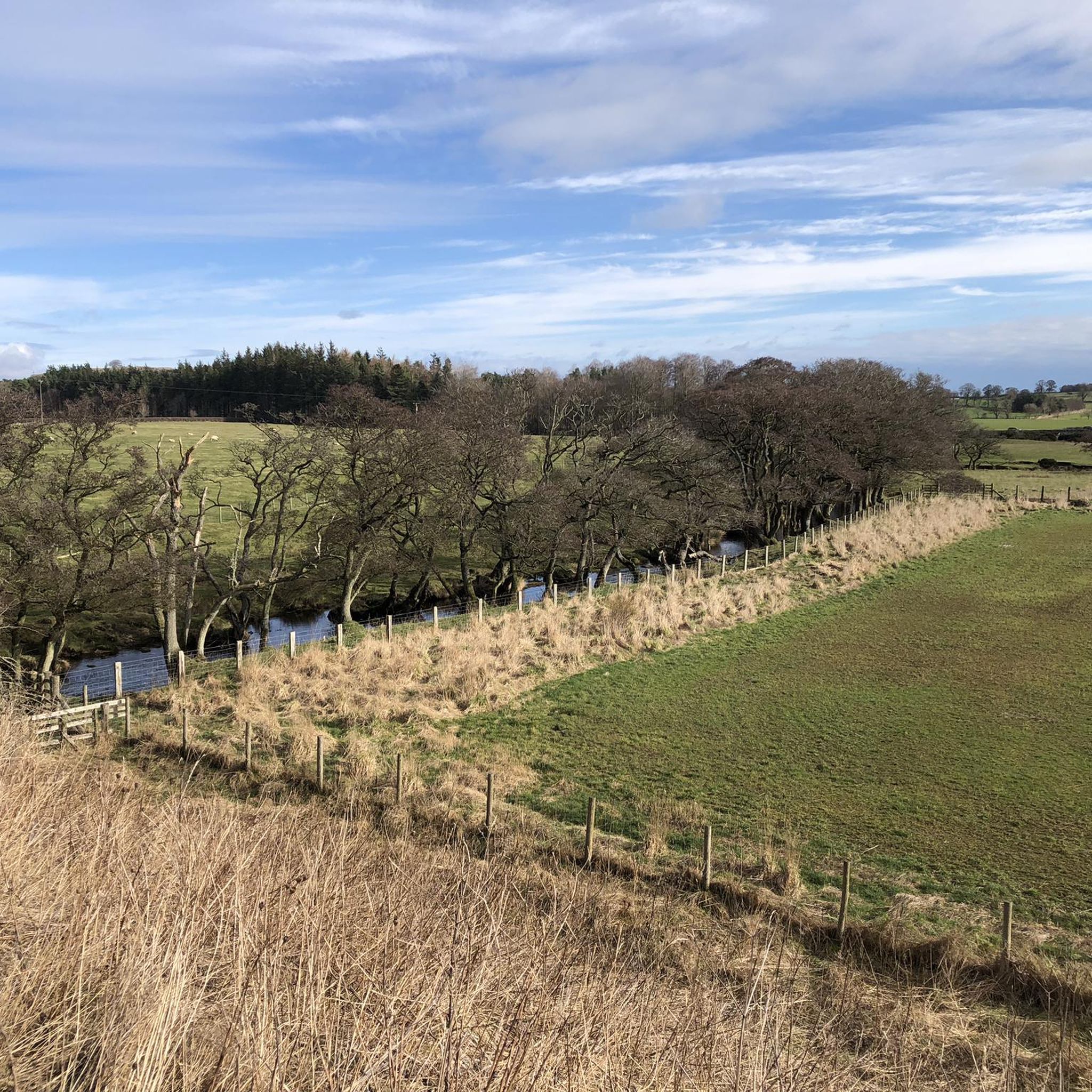
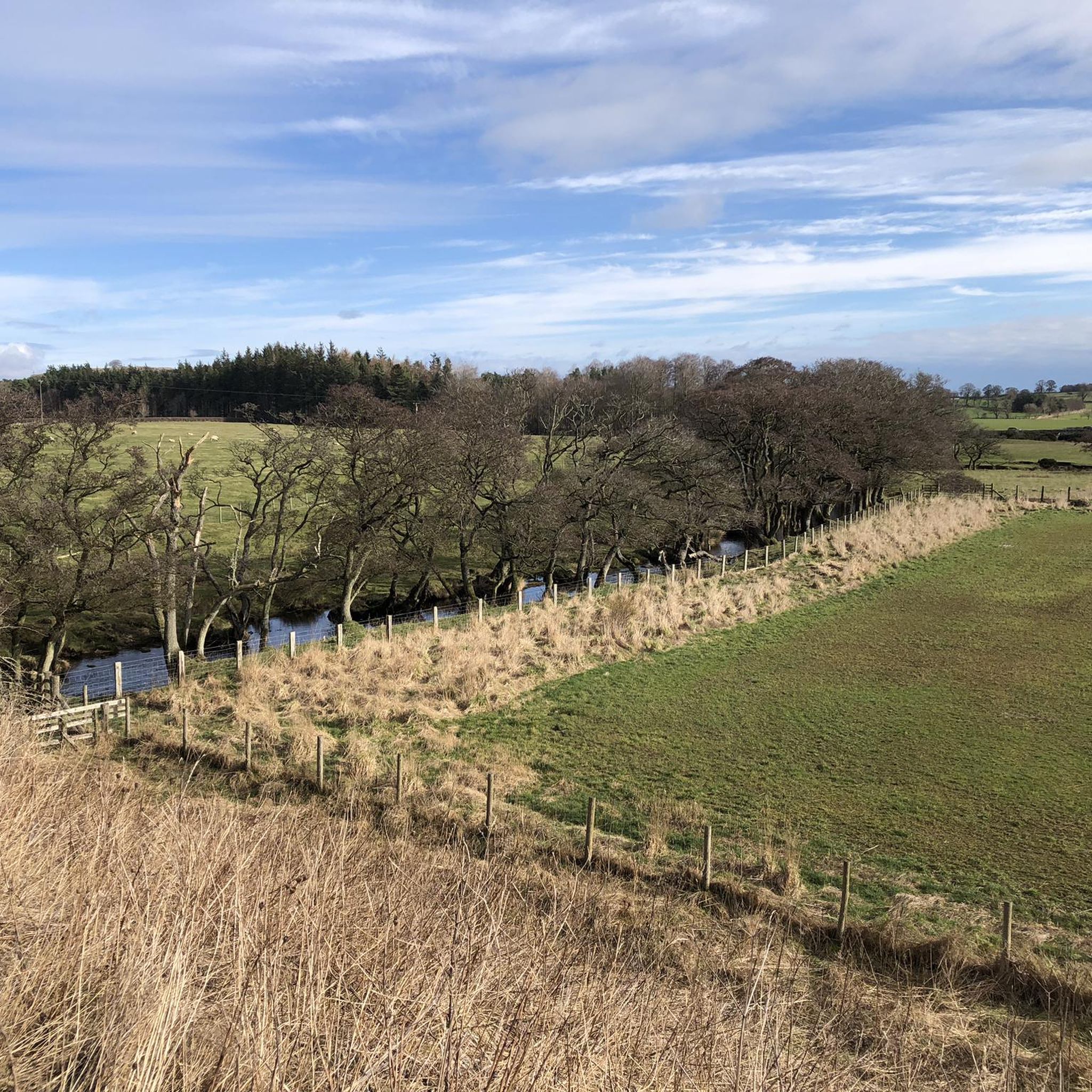
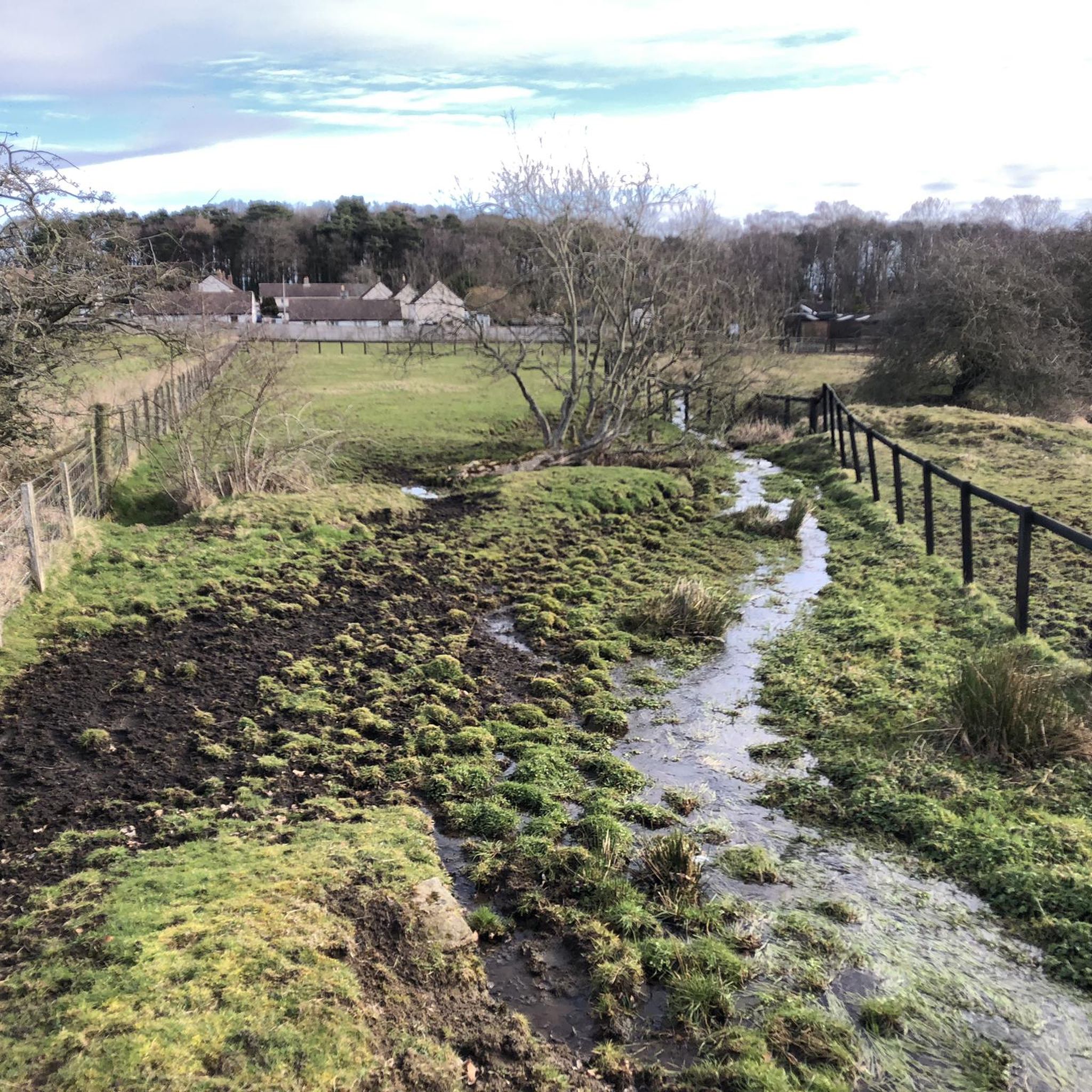
Hiking around Wallington Demesne offers diverse landscapes across its vast estate, featuring a mix of open moorland, wooded streams, farmland, and lakes. The terrain includes gentle riverside paths along the River Wansbeck, grassy fields, and more demanding moorland sections. This National Trust property provides varied environments for outdoor exploration.
Best hiking trails around Wallington Demesne
- The most popular hiking route is River Walk at Wallington, a 2.9 miles (4.6 km) trail that takes 1 hour 13 minutes to complete.…
Last updated: August 17, 2026
4.7
(16)
288
hikers
4.61km
01:13
50m
50m
Easy hike. Great for any fitness level. Easily-accessible paths. Suitable for all skill levels.
4.7
(22)
155
hikers
10.8km
02:49
80m
80m
Moderate hike. Good fitness required. Easily-accessible paths. Suitable for all skill levels.

Sign up for free
5.0
(2)
9
hikers
Easy hike. Great for any fitness level. Easily-accessible paths. Suitable for all skill levels.
2.0
(1)
5
hikers
16.2km
04:17
160m
160m
Moderate hike. Good fitness required. Easily-accessible paths. Suitable for all skill levels.
4.7
(11)
258
hikers
Easy hike. Great for any fitness level. Easily-accessible paths. Suitable for all skill levels.
Get access to more routes and recommendations from other explorers.
Sign up for free
Already have an account?
Our route recommendations are based on thousands of hikes, rides, and runs completed by other people on komoot.
Start today with a free account
Your next adventure awaits.
Login or Signup
Popular around Wallington Demesne
Tips from the Community


Wallington House is a country house and gardens located in Wallington, Northumberland, England. It has been owned by the National Trust since 1942 and showcases the history of Northumberland and the Trevelyan family .
0
0

A lovely little pond on the walk to the walled garden. This is part of the National Trust grounds. There’s a little bench to sit and enjoy the view
0
0

Wallington Hall as an estate has been here since 1475, but it was mostly demolished and re-built in the mid 1700s. It was then in the hands of the Trevelyn family until gifted to the National Trust in 1948 by the socialist MP Sir Charles Trevelyn. The National Trust now owns and manages the house and estate which consists of a wild and informal range of garden, woodland, parkland and wetland. You can visit and look around, but it's paid entry unless you're a NT member. There is a café and toilets on site.
0
0
Frequently Asked Questions
How many hiking trails are available in Wallington Demesne?
Wallington Demesne offers a wide selection of hiking opportunities, with over 25 routes available for exploration. These trails cater to various preferences, ranging from easy riverside strolls to more challenging moorland paths.
Are there easy hiking trails suitable for beginners or casual walkers?
Yes, Wallington Demesne has numerous easy trails perfect for beginners or those seeking a relaxed walk. A popular choice is the River Walk at Wallington, an easy 2.9-mile route that meanders along the banks of the River Wansbeck through lush woodlands. Another accessible option is the Shaftoe Crags – The Punch Bowl loop from Bolam Lake Country Park, which is about 2.5 miles long.
Can I bring my dog on the hiking trails at Wallington Demesne?
Wallington Demesne is generally dog-friendly, offering many trails where dogs are welcome, often on a lead. It's advisable to check specific National Trust guidelines upon arrival, especially concerning areas with livestock or sensitive wildlife habitats, to ensure a pleasant and safe experience for everyone.
Are there any family-friendly walks at Wallington Demesne?
Absolutely. Many trails at Wallington Demesne are suitable for families, including those with prams. The River Walk at Wallington is particularly popular for families due to its easy terrain and opportunities to spot wildlife. The estate also features play areas and engaging natural features that children will enjoy.
What kind of wildlife can I expect to see while hiking?
Wallington Demesne is teeming with wildlife. Hikers often spot roe deer, badgers, and various bird species like buzzards and kingfishers. The estate is also home to rarer species such as red squirrels, white-clawed crayfish, and otters, especially along the River Wansbeck. There's even a dedicated bird-watching window at the visitor center.
Are there circular hiking routes available?
Yes, Wallington Demesne offers several circular routes. A notable one is the Wannie Line Walk, a moderate 6.7-mile circular path that follows former railway lines through varied habitats, including farmland and woodland, and passes old lime kilns.
Where can I park when visiting Wallington Demesne for a hike?
Wallington Demesne, being a National Trust property, provides ample parking facilities for visitors. Specific parking areas are usually well-signposted upon arrival at the estate. It's recommended to check the National Trust website for any current parking information or charges before your visit.
What are some interesting historical or natural landmarks to see along the trails?
The trails at Wallington Demesne offer a rich blend of natural beauty and historical interest. You can discover unique attractions like the 'Elementree' art sculpture, old lime kilns, and an abandoned quarry along routes like the Wannie Line. The estate itself, with Wallington Hall, dates back to 1475. Nearby, you can also explore natural features like Fontburn Reservoir or historical sites such as Belsay Castle.
What do other hikers say about the trails in Wallington Demesne?
The hiking routes in Wallington Demesne are highly regarded by the komoot community, holding an average rating of 4.2 stars from nearly 100 reviews. Hikers frequently praise the diverse landscapes, well-maintained paths, and the abundance of wildlife, making it a rewarding destination for outdoor enthusiasts.
What is the best time of year to go hiking in Wallington Demesne?
Thanks to its temperate maritime climate, Wallington Demesne is suitable for hiking year-round. Spring brings blooming wildflowers and active wildlife, while autumn offers stunning foliage. Summer provides longer daylight hours, and even winter walks can be beautiful, especially through the woodlands, though some moorland paths might be more exposed.
Are there any longer, more challenging hikes for experienced walkers?
While many trails are easy to moderate, Wallington Demesne does offer options for more experienced walkers. The 6-mile Greenleighton Moor walk, for instance, is a circular trail that crosses moorland and skirts the shores of Fontburn Reservoir, providing more expansive views and a greater challenge than the riverside paths.
What kind of terrain can I expect on the trails?
The terrain at Wallington Demesne is highly varied. You'll find gentle, flat paths along the River Wansbeck, grassy fields, and more demanding moorland ascents. The estate encompasses woodlands, farmland, lakes, and mires, ensuring a diverse walking experience that caters to different fitness levels and preferences.
How long do hikes typically take in Wallington Demesne?
Hike durations vary significantly depending on the route and your pace. Shorter, easy walks like the River Walk at Wallington can be completed in just over an hour. Moderate trails such as the Wannie Line Walk might take around 3 hours, while longer routes could extend to half a day or more.
Most popular attractions around Wallington Demesne

Get inspired with the komoot mobile app


Explore more
Browse the best Hikes in other regions.
