Attractions and Places To See around Slaley - Top 20
Best attractions and places to see around Slaley include a blend of historical sites and natural landscapes in Northumberland. The area provides access to expansive forests, scenic valleys, and significant cultural landmarks. Visitors can explore ancient religious buildings, historical structures, and natural features like moors and trails. Slaley serves as a base for discovering both local points of interest and wider regional attractions.
Best attractions and places to see around Slaley
- The most popular attractions is Hexham Abbey and the Abbey Grounds, a religious building that serves as Hexham's visual centerpiece with origins dating back to 674 AD. The Abbey Grounds feature formal gardens and woodland areas, offering a pleasant space to explore.
- Another must-see spot is Hexham Abbey, a religious building and historical site. Visitors can explore one of England's oldest churches, featuring a Saxon crypt, stained glass, and a Roman tombstone.
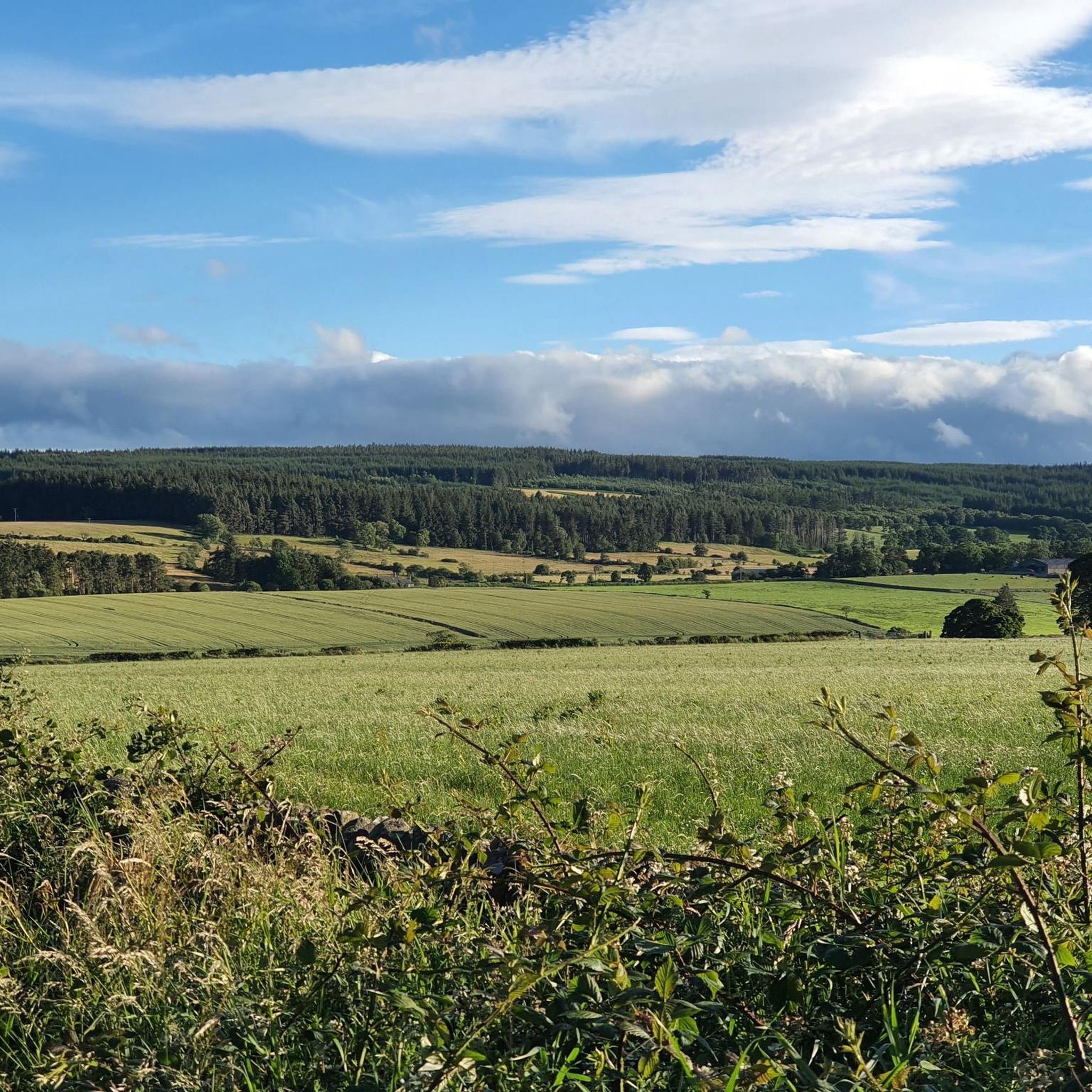
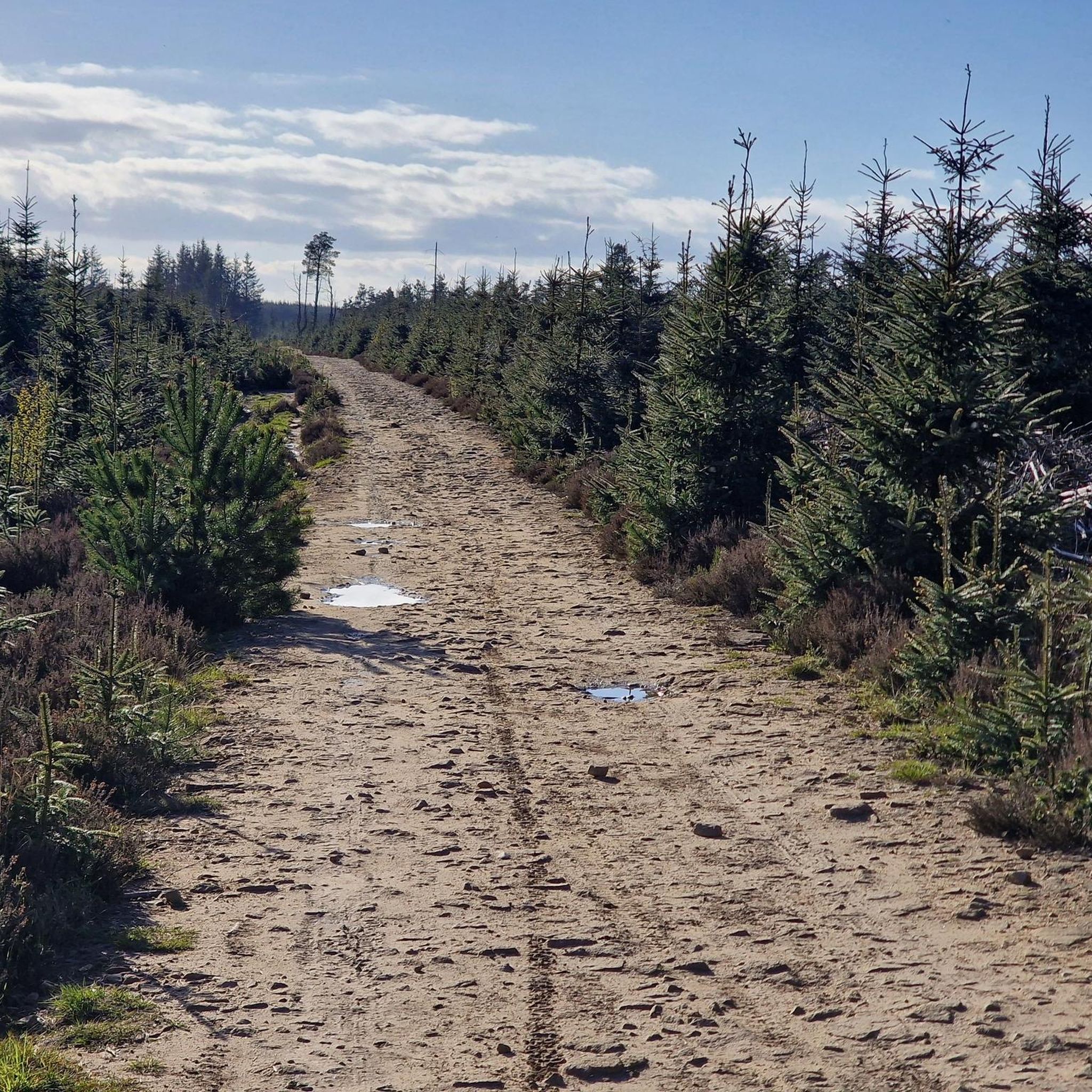
- Visitors also love Blanchland Moor, an open moorland area with extensive views. This ancient road offers a firm path, ideal for gaining height and enjoying the wild moorland scenery.
- Slaley is known for its historical sites, religious buildings, and natural trails. The area offers a variety of attractions to see and explore, from ancient abbeys to scenic moors and challenging climbs.
- The attractions around Slaley are appreciated by the komoot community, with more than 70 upvotes and over 40 photos shared by visitors.
Last updated: October 7, 2026
Hexham Abbey
Highlight • Religious Site
In the town, the stunning Hexham Abbey is worth a visit. As is the Sele, a beautiful little park. There is a good number of hotels and B&Bs, as well as many places to eat and drink.
Tip by

Hexham Abbey and the Abbey Grounds
Highlight • Religious Site
The current abbey dates back to the 11th century, though it has seen many changes during a tumultuous history, including sackings from marauding Scots. It was extensively renovated in the 19th century.
The Abbey Grounds and the Sele's display of formal gardens and little woodland areas are a delight to explore. There are also toilet facilities here.
Tip by
Sign up now to discover places like this
Get recommendations on the best single tracks, peaks, & plenty of other exciting outdoor places.
Bolt's Law summit
Highlight • Summit
Tip by

Carrier's Way Trail
Highlight (Segment) • Climb
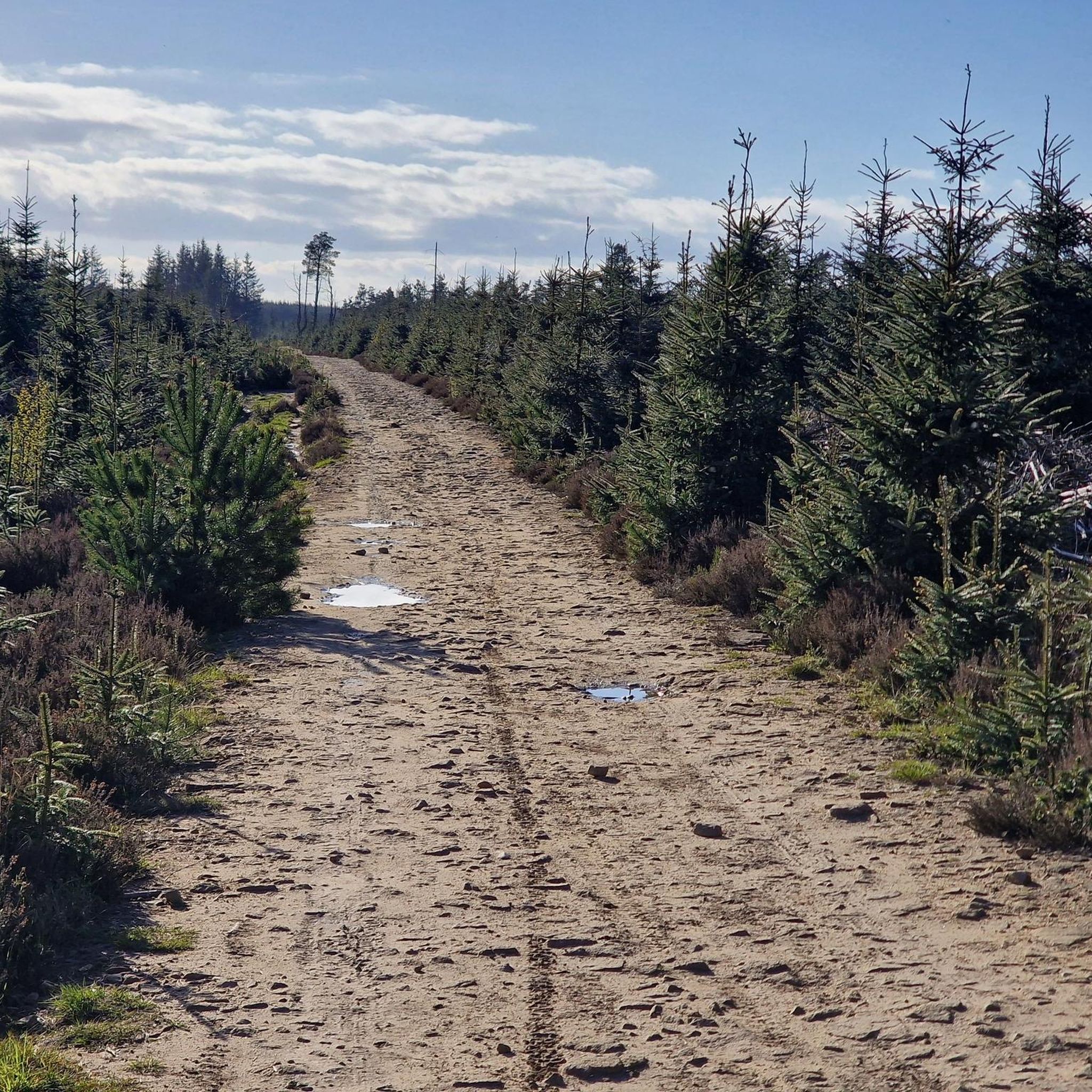
Their industry gave us this wonderful little trail across Burntshieldhaugh Fell.
Tip by

The Moot Hall, Hexham
Highlight • Historical Site
Translated by Google •
Tip by

Sign up for free to discover even more attractions around Slaley.
Already have an account?
Start today with a free account
Your next adventure awaits.

Tips from the Community

Originally built in AD 674, the Abbey was built up during the 12th century into its current form, with additions around the turn of the 20th century. Since the dissolution of the monasteries in 1537, the Abbey has been the parish church of Hexham.
1
0

Fantastic views across open moorland in ever direction, definitely worth a visit.
0
0
Fantastic if you love being out in the open fells, great views in every direction and you are most certainly going to have it all to yourself.
0
0

Hexham Moot Hall is an impressive medieval gatehouse dating from around 1379, situated on the east side of the Market Place. It was built by order of the Archbishop of York, Alexander Neville, as a gateway to the walled complex surrounding the Old Gaol. A Grade I listed building, it is one of the best-preserved medieval courthouses in Northern England. It comprises a four-story tower with a vaulted doorway on the ground floor and a courtroom on the first floor. The tower features Gothic windows, a machicolated parapet, and a three-story annex with a stepped gable. It served as the Hexhamshire Courthouse until 1572, and then for the midsummer quarter sessions until 1838.
9
0
Hexham Abbey is one of England's oldest and most impressive churches. The abbey was originally founded in 674 AD by St. Wilfrid, using stones from nearby Roman ruins. The oldest part—the Saxon crypt—is still intact and represents a rare remnant of early Christian architecture. Inside, you'll find stained glass, the Roman tombstone of Flavinus, a 1st-century standard-bearer, an impressive Phelps organ from 1974, and a frith stool (Saxon bishop's chair). Admission to the abbey is free, with a small charge for the crypt.
9
0

James - sorry - just noticed the question; a number of options - the full route is from Consett - Hownsgill car park (Morrisons - but watch the duration - I think you have 7 hours before fines kick in); you can park at Rowley, Healeyfiled or Waskerley and work your way back to any of those reasonably easily; one thing to watch is that they've not put a sign up to stop you taking the link from the C3C to the bridleway that takes you over Bolt's Law - it was never really public access but cuts out a lot of riding; just bear in mind you might get turned round. Another option is to park up on Meadow's Edge where the bridleways cross the road.
0
0

About the patron saint of this church: Saint Andrew is one of the twelve apostles whom Jesus Christ called to follow him. However, in the biblical accounts, he is often somewhat overshadowed by his far more famous brother, Saint Peter. In the Gospels, we find the calling of the two siblings portrayed in different ways. According to the Gospel of John (John 1:40-42), Andrew is called first (together with another unnamed disciple). Later, he tells his brother that he has found the Messiah. The feast of Saint Andrew in the calendar of saints is November 30th in all major Christian denominations. The X-shaped white "St. Andrew's Cross," on which he was executed, forms the national flag of Scotland against a blue background and has also found its way onto the national flag of the United Kingdom of Great Britain.
4
0
Frequently Asked Questions
What historical sites can I visit near Slaley?
The area around Slaley is rich in history. You can explore the stunning Hexham Abbey, one of England's oldest churches with a Saxon crypt and Roman tombstone. Also in Hexham, visit The Moot Hall, an impressive medieval gatehouse. A short drive away, you'll find the UNESCO World Heritage Site of Hadrian's Wall, with sites like Vindolanda and Corbridge Roman Town offering insights into Roman Britain.
Are there any significant cultural landmarks within Slaley village itself?
Yes, Slaley village has its own historical and cultural points of interest. The Church of St. Mary, dating back to 1832, stands on the site of much older churches. The Commemoration Hall is a central community hub, gifted to the village in 1922. Slaley Hall, an impressive Edwardian mansion, now operates as a hotel and features an international golf course. Historic inns like the Rose and Crown Inn and Travellers Rest also add to the village's charm.
Where can I find natural beauty and outdoor activities around Slaley?
Slaley offers abundant natural beauty. Explore the expansive Slaley Forest for woodland walks and bike rides, home to diverse wildlife and a sculpture trail. Derwent Reservoir, on the parish's southern edge, is popular for watersports. Juliet's Wood, a Northumberland Wildlife Trust reserve, features ancient trees and various woodland creatures. The scenic Devil's Water valley is also a notable feature often included in local walking routes. Don't miss Blanchland Moor for extensive views and wild moorland scenery.
Are there good hiking trails near Slaley?
Yes, the Slaley area is excellent for hiking. You can find a variety of trails, from leisurely woodland walks in Slaley Forest to more challenging routes across open moorland like Blanchland Moor. For more detailed options, including moderate and easy loops, check out the dedicated guide to Hiking around Slaley.
What cycling opportunities are available in the Slaley area?
Slaley Forest provides excellent opportunities for leisurely bike rides on its forest roads. For road cyclists, there are numerous routes of varying difficulty, including scenic loops through the Northumberland countryside. You can find detailed information and routes in the Road Cycling Routes around Slaley guide.
Can I spot wildlife in the Slaley area?
Yes, the natural areas around Slaley are home to diverse wildlife. Slaley Forest is known for red squirrels, roe deer, woodpeckers, and owls. Juliet's Wood, a Northumberland Wildlife Trust reserve, also provides a habitat for various woodland mammals and birds, making it a great spot for wildlife observation.
Are there family-friendly attractions around Slaley?
Absolutely. Families can enjoy exploring the Hexham Abbey and the Abbey Grounds, which offer formal gardens and woodland areas. Slaley Forest features a sculpture trail that can be fun for children. Further afield, Beamish, The Living Museum of the North, provides an immersive historical experience, and Kirkley Hall Gardens and Zoo houses over 150 species of animals, perfect for a family day out. Pow Hill Country Park also offers accessible walks around Derwent Reservoir.
What are the best options for running trails near Slaley?
The Slaley area offers several running trails suitable for various fitness levels. You can find moderate and difficult loops through Slaley Forest, including routes that pass by the Keyhole Stone Carving. For a comprehensive list of options, refer to the Running Trails around Slaley guide.
What is the Slaley Show?
The Slaley Show is an annual event with a rich history dating back to 1848. It remains a significant highlight on the village's calendar, offering a traditional agricultural show experience with various attractions, competitions, and entertainment for all ages.
Are there any challenging trails for experienced hikers or mountain bikers?
For those seeking a challenge, the Carrier's Way Trail offers a historical route across Burntshieldhaugh Fell, known for its challenging terrain. Blanchland Moor also provides an excellent climb with extensive views for hikers and can be part of more demanding routes.
What is Slaley Hall and what does it offer?
Slaley Hall is an impressive Edwardian mansion that has been transformed into a luxurious hotel, spa, and golf resort. Beyond its historical significance, it offers accommodation, spa services, and two championship golf courses set within 1,000 acres of Northumberland countryside. You can find more information about the resort on their website.
What do visitors enjoy most about the attractions around Slaley?
Visitors particularly appreciate the blend of historical sites and natural landscapes. The stunning architecture and history of places like Hexham Abbey are highly rated. The extensive views and wild moorland scenery of areas like Blanchland Moor are also very popular, offering a sense of tranquility and natural beauty.
Most popular attractions around Slaley

Get inspired with the komoot mobile app


Explore more
Still not found the Highlight you’re looking for? See guides of the top attractions in other regions:
