Attractions and Places To See around Rennington - Top 20
Attractions and places to see around Rennington, a village in Northumberland, England, include historic landmarks, natural features, and cultural sites. Located approximately four miles northeast of Alnwick, the area offers a blend of coastal scenery and historical interest. Visitors can explore ancient ruins, pristine beaches, and charming villages. The region provides opportunities for walks and cultural experiences.
Best attractions and places to see around Rennington
- The most popular attractions is Craster Harbour, a settlement known for its traditionally smoked…
Last updated: July 3, 2026
Craster Harbour
Highlight • Settlement
Tip by

Dunstanburgh Castle
Highlight • Castle
Tip by

Sign up now to discover places like this
Get recommendations on the best single tracks, peaks, & plenty of other exciting outdoor places.
Sign up for free
Low Newton Beach
Highlight • Beach
Tip by

Embleton Bay
Highlight • Natural
Tip by

Lion Bridge, Alnwick
Highlight • Bridge
Tip by
Sign up for free to discover even more attractions around Rennington.
Sign up for free
Already have an account?
Start today with a free account
Your next adventure awaits.
Login or Signup


Tips from the Community

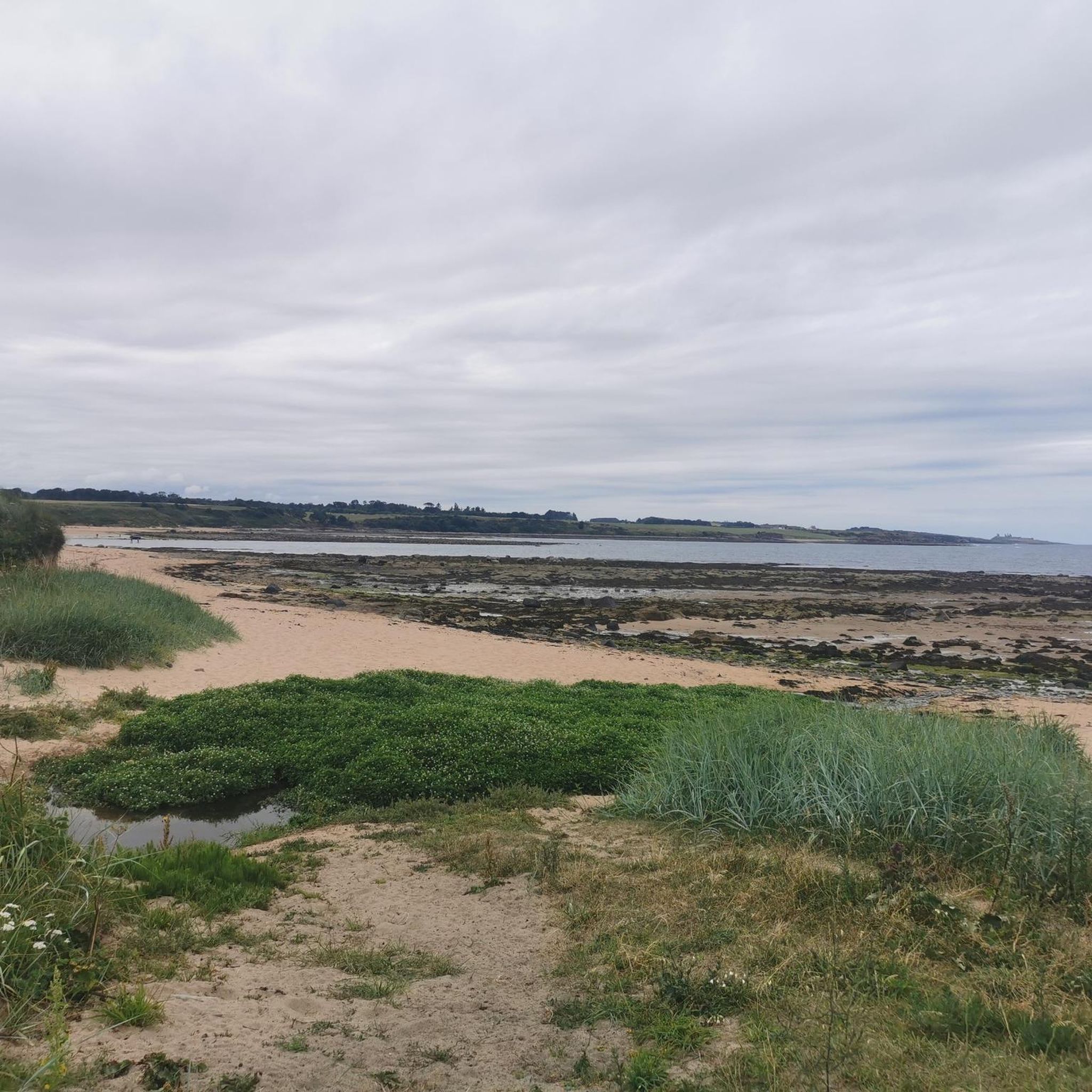
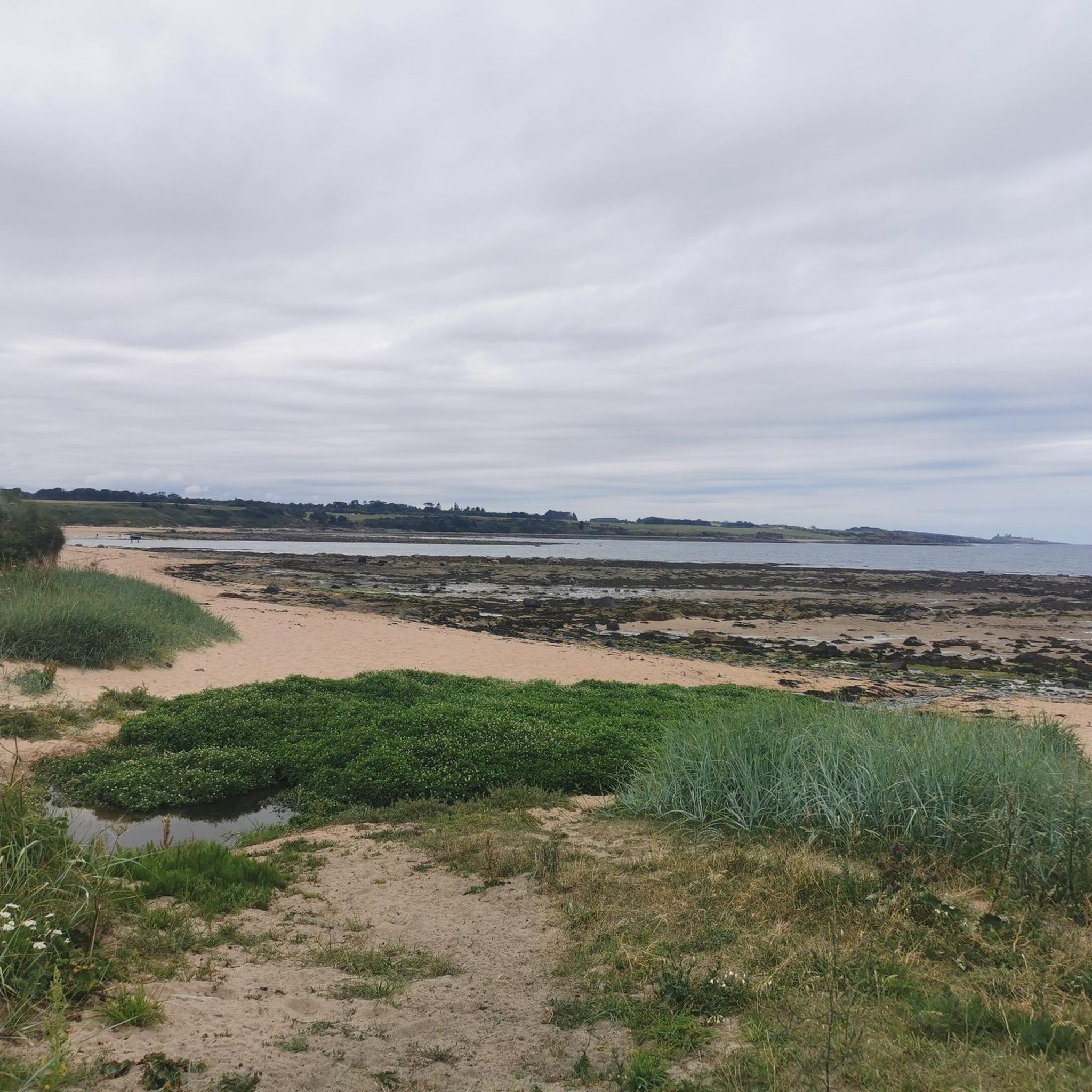
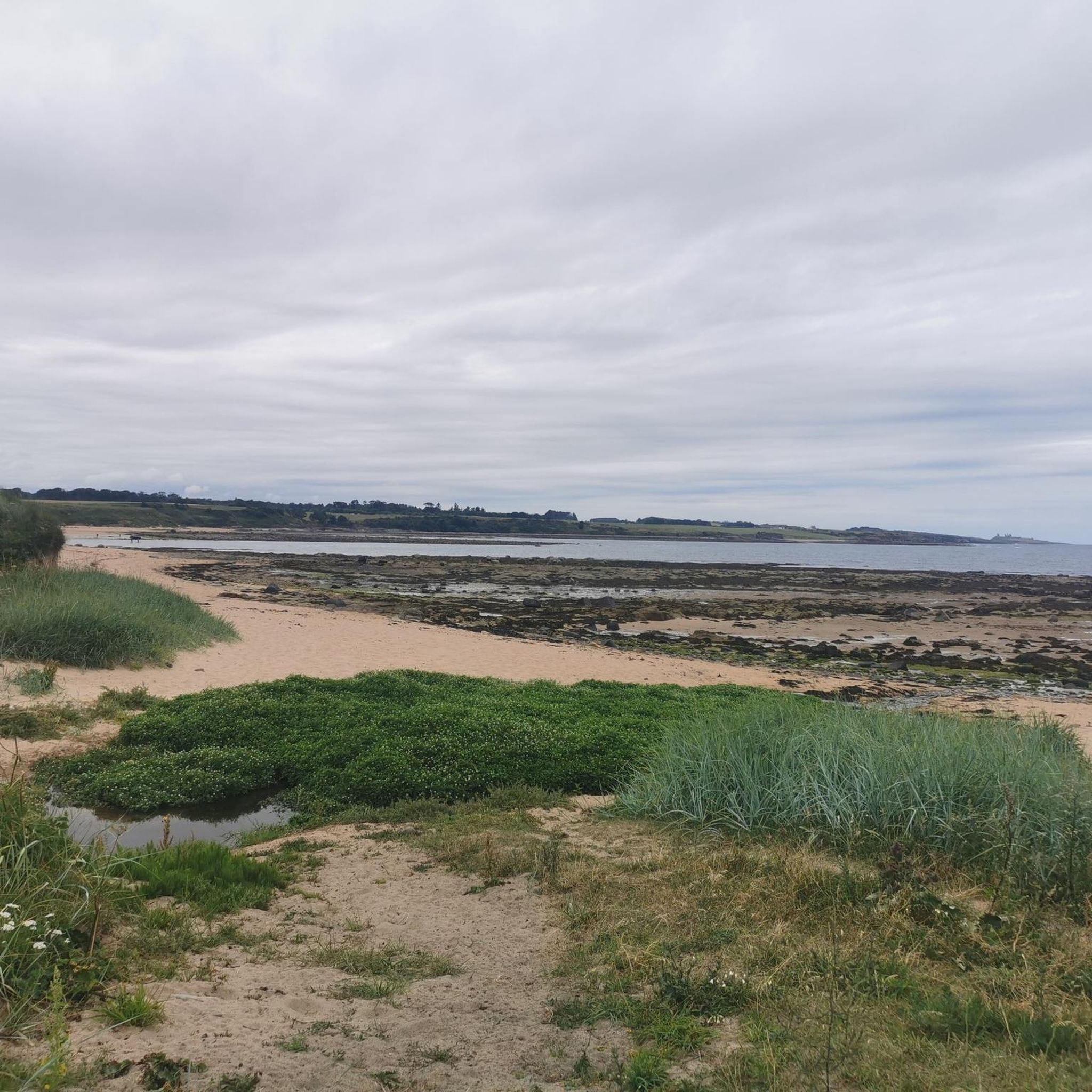
A large sandy bay where you can walk across the beach as an alternative to the coastal path through the dune.
0
0

For several centuries, the bridge at this point has allowed travelers to effortlessly cross the River Aln. Although the distance from source to mouth is only about 40 kilometers, the river lends its name to both the town of Alnwick and the castle perched on a hill. Symbolically, the bridge structure is guarded by an elegantly crafted stone lion, which also serves as the heraldic animal of the local noble Percy family.
2
0

This is such a great castle to go to. the views at the top on a clear day are brilliant. I normally walk the whole beach from Low Newton. My favourite coastline.
1
0

Craster in a small village in rural Northumberland. There were plenty of tourists and passers by sitting at many benches and what appears to be a pup or cafe. A nice place to visit in good weather
1
0

In the mid-13th century, Newton-by-the-Sea was part of the barony of Vesci, initially held by John Viscount for one knight's fee. Ownership passed through notable figures including Simon de Montfort and Edmund of Lancaster. By 1725, it became part of the Barony of Embleton and saw ownership by the Forster family, who built Newton Hall in the late 18th century for Joseph Forster. Low Newton, or Newton Seahouses, emerged in the early 19th century as a community for fishermen. The National Trust now manages some of these cottages, as well as the Coastguard Station, built around 1828. In the 19th century, Newton-by-the-Sea had around 250 residents. By 1895, it was a township of 1,211 acres with a population of 220. Today, the parish has about 135 dwellings, home to a mix of residents, holiday homeowners, and visitors. Many residents commute to nearby towns or Newcastle. The National Trust owns much of the coastal land and part of The Square at Low Newton.
0
0


Good pub the Fisherman's popular too but no shops unless you want smoked kippers. Coffee shop and visitor parking up the road.
0
0
Constructed in 1775 by John Adam, the Lion Bridge gracefully spans the River Aln in Alnwick. This stone bridge boasts four elegant arches, with a commanding focal point - the intricately crafted Percy Lion - gracing its center on the eastern side. The bridge's design is a castle-like aesthetic, harmonizing seamlessly with the presence of Alnwick Castle that stands sentinel nearby. Once a vital artery, the bridge bore the weight of the old Great North Road as it traversed the river Aln. This historic bridge has rightfully earned its Grade 1 Listing.
1
0
Frequently Asked Questions
What historical sites can I explore near Rennington?
Rennington and its surroundings are rich in history. You can visit the impressive ruins of Dunstanburgh Castle, a 14th-century Lancastrian stronghold. A short distance away in Alnwick, the graceful Lion Bridge, built in 1775, is another notable landmark. Within Rennington village itself, All Saints Church and the site of a "shrunken medieval village" offer further historical interest.
Are there any natural attractions or beaches close to Rennington?
Yes, the area boasts beautiful natural features, especially along the Northumberland Coast. Embleton Bay is a pristine stretch of golden sand, recognized as one of the UK's best beaches, offering low dunes and abundant wildlife. Nearby, Low Newton Beach provides opportunities for walks along the shore or through a nature reserve.
What outdoor activities, like hiking, can I do near Rennington?
The Northumberland Coast offers excellent opportunities for outdoor activities. You can find numerous hiking trails, including easy walks like the Dunstanburgh Castle loop from Craster (approx. 5 km). For more options, including moderate and difficult routes, explore the various hiking guides around Rennington. Craster is a popular starting point for coastal walks both north and south.
Are there family-friendly attractions around Rennington?
Many attractions in the area are suitable for families. The beaches like Embleton Bay and Low Newton Beach are great for children. Exploring the ruins of Dunstanburgh Castle can also be an exciting adventure for all ages. The charming fishing village of Craster Harbour is also a pleasant spot for families.
What is the best time of year to visit Rennington for outdoor activities?
The best time to visit Rennington for outdoor activities is generally during the spring (April-May) and summer (June-August) months when the weather is milder and days are longer. This period is ideal for coastal walks and exploring historical sites. The annual Rennington Scarecrow Festival also takes place over the August Bank Holiday weekend, offering a unique cultural experience.
Where can I find food and drink near the attractions?
Several places offer refreshments. In Craster, The Jolly Fisherman pub is a popular stop known for good beer and food. Near Low Newton Beach, you can find a historic pub and small shops. If you're walking near Embleton Bay, the Eleanor Byres café is not far inland.
Can I bring my dog to the attractions and on walks near Rennington?
Many of the outdoor areas and walking trails along the Northumberland Coast are dog-friendly, making it a great destination for pet owners. Beaches like Embleton Bay and Low Newton Beach are generally welcoming to dogs, though seasonal restrictions may apply in some areas. Always keep dogs under control and check local signage.
What are some unique cultural experiences or events in Rennington?
Rennington hosts the annual Rennington Scarecrow Festival over the August Bank Holiday weekend. This event helps raise funds for the village hall and church, offering a charming and unique local cultural experience. The nearby fishing village of Craster Harbour is renowned for its traditionally smoked kippers, providing a taste of local heritage.
Are there opportunities for wildlife spotting in the Rennington area?
Yes, the Northumberland Coast, particularly around Embleton Bay, is rich in wildlife. The low dunes boast diverse flora, and the area serves as a breeding site for seabirds. Keep an eye out for various bird species and other coastal wildlife during your walks.
How long should I plan to spend at the attractions around Rennington?
The time you spend can vary. For a site like Dunstanburgh Castle, allow 1-2 hours to explore the ruins and enjoy the views. Coastal walks can range from a quick hour to half a day, depending on the route. Visiting villages like Craster Harbour or spending time on Embleton Bay could easily fill a few hours or more, especially if combined with a meal.
What are the most popular attractions around Rennington according to visitors?
The komoot community highly appreciates Craster Harbour, a charming fishing village known for its smoked kippers and as a starting point for coastal walks. Dunstanburgh Castle, with its impressive ruins and rich history, is another must-see spot. Visitors also enjoy Low Newton Beach for its scenic beauty and walking opportunities.
Are there any mountain biking trails near Rennington?
Yes, there are mountain biking opportunities in the wider Rennington area. You can find various routes, including easy and moderate trails. For example, there's an easy 26 km loop from Craster covering Craster Harbour – Craster Tower Gateway. Explore the MTB Trails around Rennington guide for more detailed routes and difficulties.
Most popular attractions around Rennington

Get inspired with the komoot mobile app


Explore more
Still not found the Highlight you’re looking for? See guides of the top attractions in other regions:
