Attractions and Places To See around Newton-By-The-Sea - Top 20
Best attractions and places to see around Newton-By-The-Sea include a blend of natural coastal features, historical landmarks, and charming village settings. This picturesque area on the Northumberland Coast is characterized by its expansive sandy beaches, significant historical sites, and diverse wildlife. Visitors can explore a variety of landscapes, from tranquil nature reserves to dramatic clifftop ruins. The region offers opportunities for coastal walks and observing local marine and bird life.
Best attractions and places to see around Newton-By-The-Sea
- The most…
Last updated: May 6, 2026
Ros Castle Hill Fort
Highlight • Viewpoint
Tip by

Craster Harbour
Highlight • Settlement
Tip by

Sign up now to discover places like this
Get recommendations on the best single tracks, peaks, & plenty of other exciting outdoor places.
Sign up for free
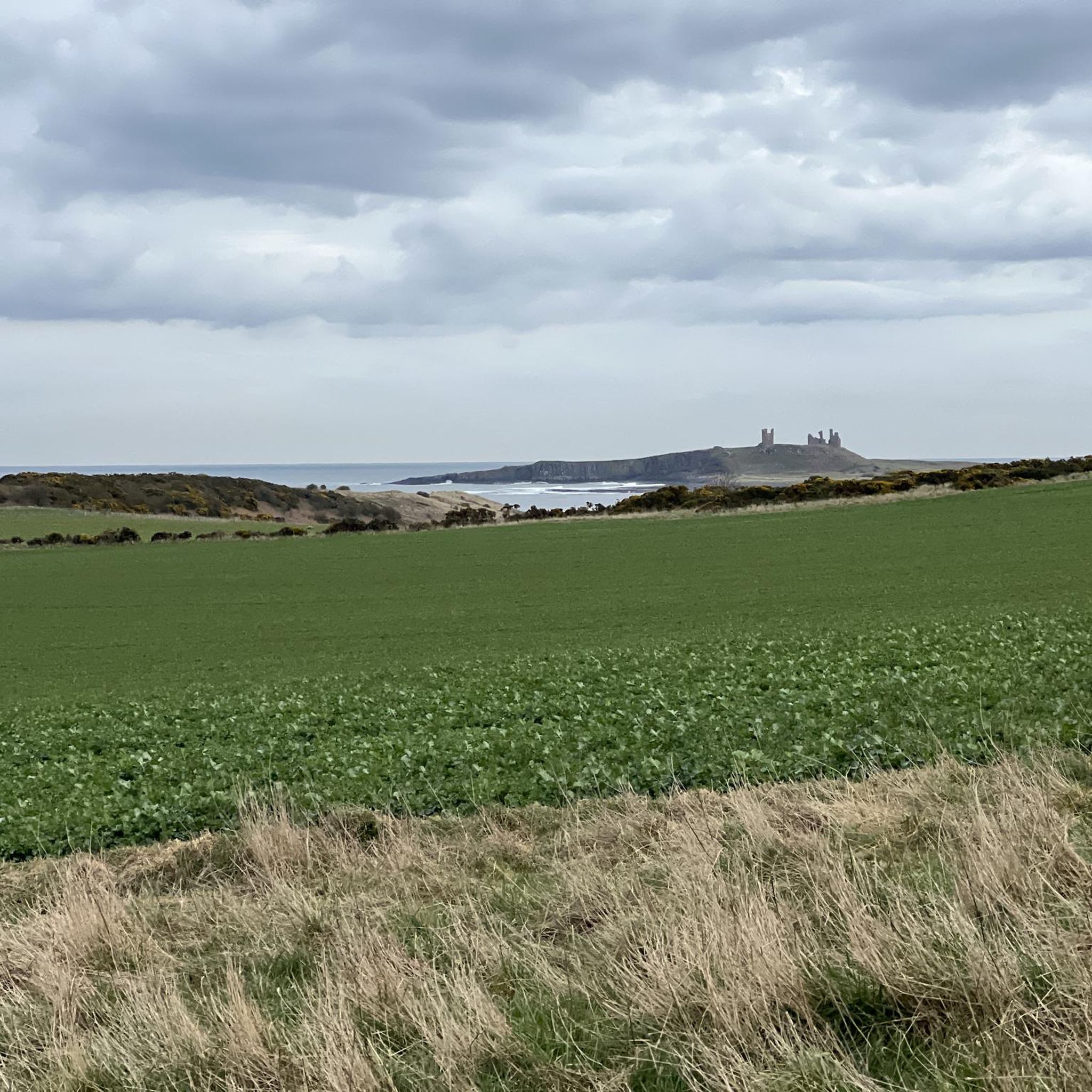
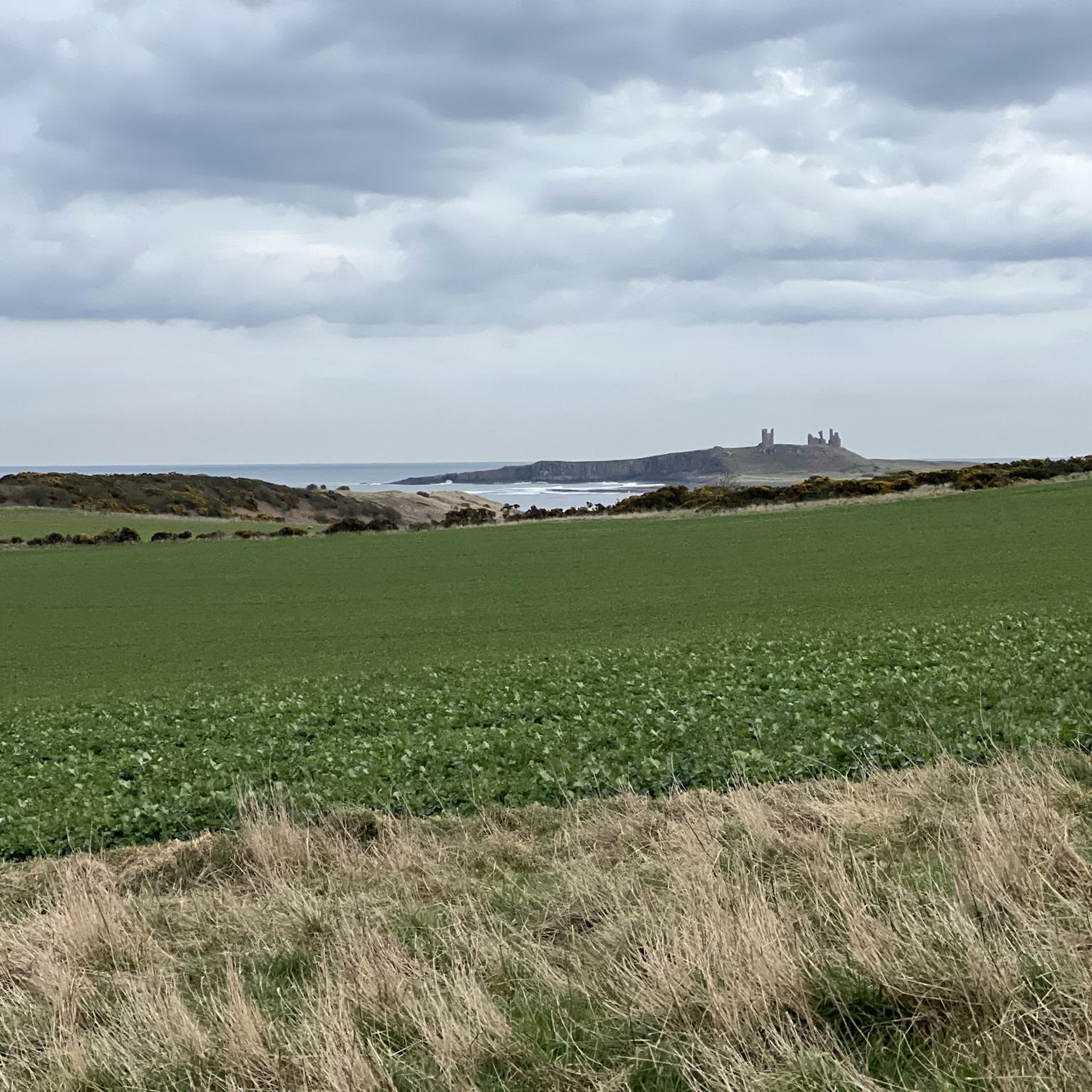
Dunstanburgh Castle
Highlight • Castle
Tip by

Seahouses Harbour and Beach
Highlight • Beach
Tip by
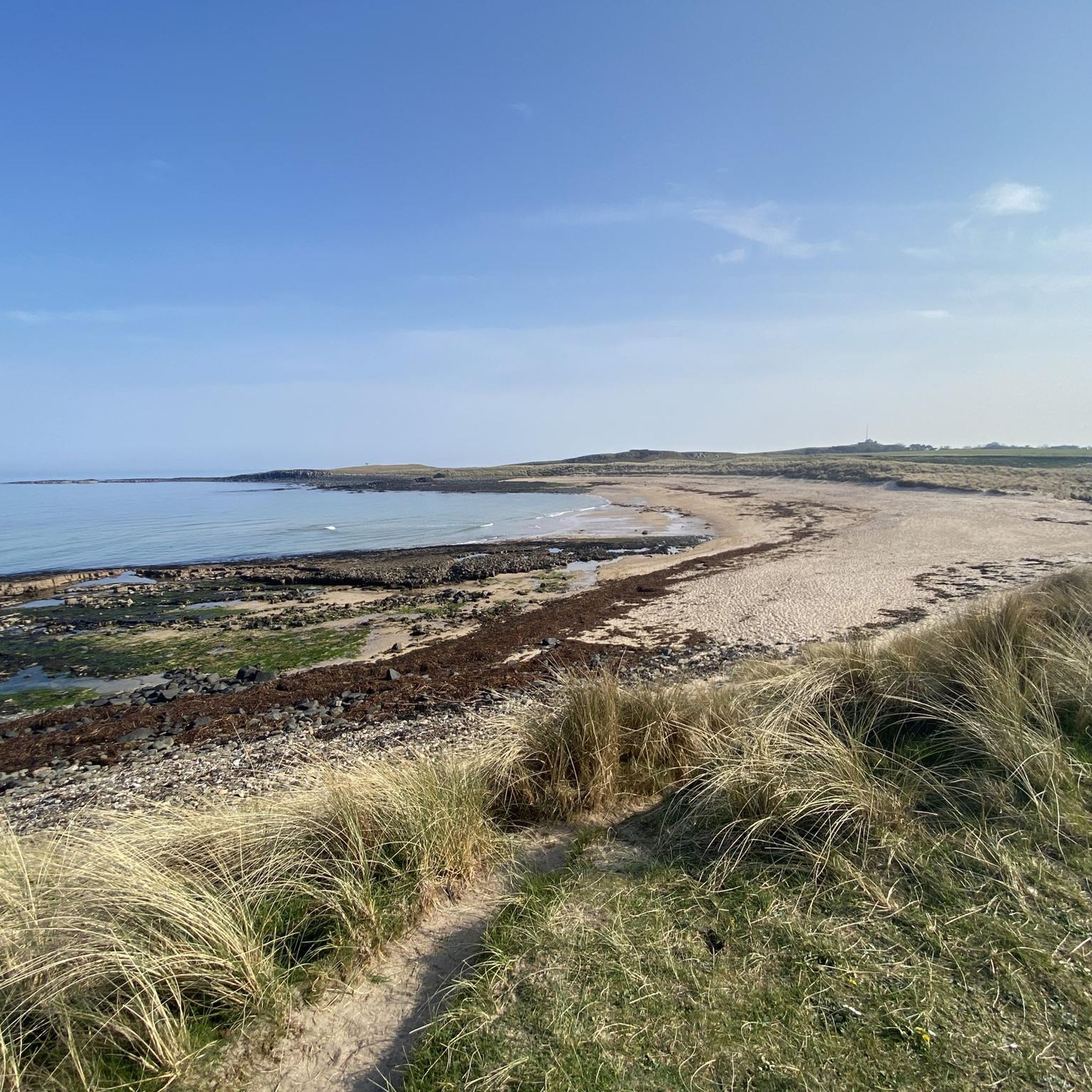
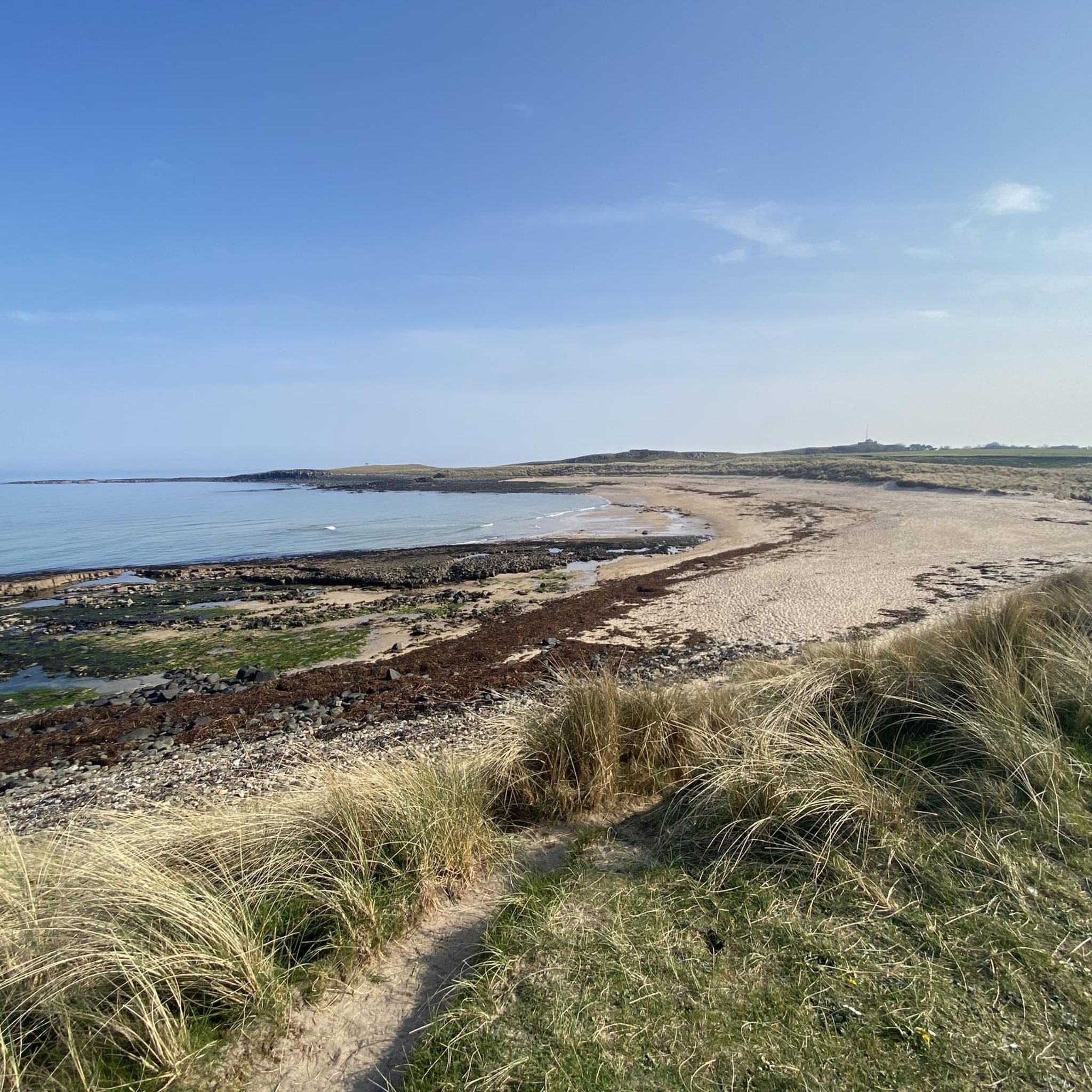
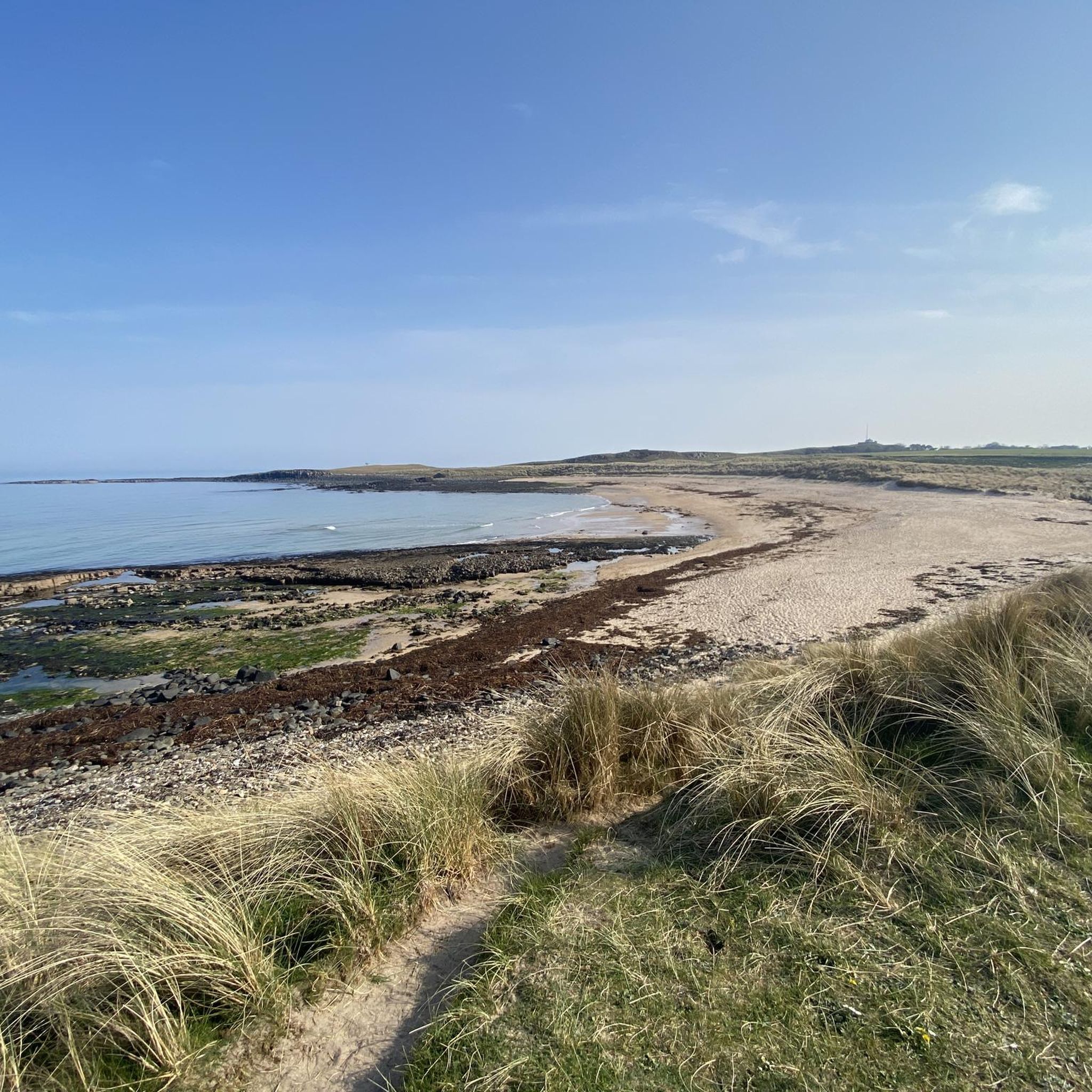
Low Newton Beach
Highlight • Beach
Tip by
Sign up for free to discover even more attractions around Newton-By-The-Sea.
Sign up for free
Already have an account?
Start today with a free account
Your next adventure awaits.
Login or Signup
Other adventures around Newton-By-The-Sea

Tips from the Community

Ros Castle (Ros Hill) 316m P221 (1037ft) (DoBIH Hill ID: 2317) [JNSA 12818] County of Northumberland Definitive List summit.
0
0

This is such a great castle to go to. the views at the top on a clear day are brilliant. I normally walk the whole beach from Low Newton. My favourite coastline.
1
0

Seahouses harbour is a popular location for tourists, many are waiting on the day trip boats to the Farne Islands, there are queues waiting to book on the boats
1
0
Craster in a small village in rural Northumberland. There were plenty of tourists and passers by sitting at many benches and what appears to be a pup or cafe. A nice place to visit in good weather
1
0

In the mid-13th century, Newton-by-the-Sea was part of the barony of Vesci, initially held by John Viscount for one knight's fee. Ownership passed through notable figures including Simon de Montfort and Edmund of Lancaster. By 1725, it became part of the Barony of Embleton and saw ownership by the Forster family, who built Newton Hall in the late 18th century for Joseph Forster. Low Newton, or Newton Seahouses, emerged in the early 19th century as a community for fishermen. The National Trust now manages some of these cottages, as well as the Coastguard Station, built around 1828. In the 19th century, Newton-by-the-Sea had around 250 residents. By 1895, it was a township of 1,211 acres with a population of 220. Today, the parish has about 135 dwellings, home to a mix of residents, holiday homeowners, and visitors. Many residents commute to nearby towns or Newcastle. The National Trust owns much of the coastal land and part of The Square at Low Newton.
0
0


Good pub the Fisherman's popular too but no shops unless you want smoked kippers. Coffee shop and visitor parking up the road.
0
0

As well as the wonderful wildlife and coastline, Seahouses is known for its seafaring traditions and history. In particular it is famed for its iconic Royal National Lifeboat Institution (RNLI) figure Grace Darling. She and her father took a rowing boat out to sea from Seahouses in 1838 and managed to save many people after the Forfarshire fishing boat crashed into rocks. An RNLI lifeboat at Seahouses bears the name Grace Darling in her honour.
1
1
Frequently Asked Questions
What natural features can I explore in Newton-By-The-Sea?
Newton-by-the-Sea is rich in natural beauty. You can enjoy the expansive sandy Low Newton Beach, known for its high bathing water quality and rock pools teeming with marine life. Seahouses Harbour and Beach also offers a beautiful sandy stretch and rich sea wildlife. Newton Point provides amazing sea views, and Embleton Bay offers spectacular vistas, often with Dunstanburgh Castle in the background.
Are there historical sites or landmarks to visit near Newton-By-The-Sea?
Yes, the area boasts significant historical landmarks. The most prominent is Dunstanburgh Castle, a dramatic 14th-century clifftop ruin. In High Newton-by-the-Sea, you'll find St. Mary's Church, a historic village church with traditional Northumberland stone architecture, uniquely featuring a late 19th-century tin tabernacle. Newton Point also has buildings reminding visitors of its 20th-century defense role.
What family-friendly activities are available in Newton-By-The-Sea?
Families can enjoy exploring the rock pools at Low Newton Beach, which are full of marine life like hermit crabs and anemones. The spacious beaches are perfect for walking and relaxing. Seahouses Harbour and Beach is another family-friendly spot, offering boat trips to the Farne Islands to see seals and seabirds. Many coastal walks are suitable for families, offering scenic views and fresh air.
Where can I go for coastal walks and outdoor activities?
Newton-by-the-Sea is an excellent starting point for scenic coastal walks. A popular route leads to Dunstanburgh Castle from Craster Harbour, offering panoramic sea views. You can also head north along the Northumberland Coast Path towards Beadnell. For more specific hiking options, check out the easy hikes around Newton-By-The-Sea, including routes like the 'Low Newton Beach – View of Dunstanburgh Castle loop'.
Is Newton-By-The-Sea a good place for birdwatching?
Absolutely. The Newton Pool Bird Reserve is a freshwater nature reserve and a haven for birdwatching. It's popular with waders and various species such as common terns, eider ducks, curlews, and grey herons. It also serves as a stop for spring and autumn migrants, including rare birds. The reserve features a wheelchair-accessible bird hide for easy viewing.
What kind of wildlife can I expect to see in the area?
Beyond the diverse birdlife at Newton Pool Bird Reserve, the area is known for other wildlife. You might spot grey seals and harbour porpoises along the coast, especially near Seahouses Harbour and Beach. Inland, keep an eye out for roe deer and brown hares.
Are there places to eat and drink in Newton-By-The-Sea?
Yes, the village offers charming options. The historic Ship Inn, located in Low Newton Square, is a notable spot. Housed in an 18th-century building, it features its own microbrewery, producing over 20 different cask ales. Craster Harbour is famous for its traditionally smoked kippers, and The Jolly Fisherman pub there is known for good beer and food.
What is the best time of year to visit Newton-By-The-Sea?
Newton-by-the-Sea offers beauty year-round. Summer is ideal for enjoying the beaches and coastal walks, with pleasant weather for outdoor activities. Spring and autumn are excellent for birdwatching, as the Newton Pool Bird Reserve sees many migrants. The dramatic clifftop views, especially around Dunstanburgh Castle, are stunning in any season, particularly at sunrise or sunset.
Are there accessible options for visitors with mobility needs?
Yes, the Newton Pool Bird Reserve features a wheelchair-accessible bird hide, allowing visitors with mobility needs to enjoy birdwatching comfortably. While many coastal paths can be uneven, specific accessible routes may be available; it's always recommended to check local information for the most up-to-date details on path conditions.
Can I bring my dog to walks and attractions in Newton-By-The-Sea?
Many of the coastal walks and beaches in the Newton-by-the-Sea area are dog-friendly, making it a great destination for pet owners. However, it's always advisable to check specific signage at nature reserves or protected areas, such as the Newton Pool Bird Reserve, for any restrictions or lead requirements to protect local wildlife.
Where can I find parking when visiting Newton-By-The-Sea?
Parking is generally available in and around the villages of Low Newton-by-the-Sea and High Newton-by-the-Sea. For popular spots like Low Newton Beach or starting points for walks to Dunstanburgh Castle, designated car parks are usually provided. It's recommended to arrive early during peak season to secure a spot.
How can I reach Newton-By-The-Sea using public transport?
Public transport options to Newton-by-the-Sea are available, though they may be less frequent than in larger towns. Bus services connect the village to other communities along the Northumberland Coast. For detailed and up-to-date schedules, it's best to consult local bus operator websites or travel planning resources.
What do visitors particularly enjoy about the attractions around Newton-By-The-Sea?
Visitors frequently praise the stunning natural beauty, especially the expansive sandy beaches and dramatic sea views. The historic charm of places like Dunstanburgh Castle and the quaint villages like Low Newton Square are also highly appreciated. Many enjoy the peaceful atmosphere, the opportunities for coastal walks, and the chance to spot diverse wildlife.
Are there any unique or lesser-known spots worth discovering?
Beyond the main attractions, consider exploring the 16th-century turrets at the rear of The Ship Inn in Low Newton Square, a unique architectural detail. St. Mary's Church in High Newton-by-the-Sea, with its distinctive tin tabernacle construction, offers an interesting glimpse into local history and architecture. For panoramic views, Ros Castle Hill Fort, though slightly further afield, provides superb vistas and is an ancient Iron Age site.
Are there cycling routes available around Newton-By-The-Sea?
Yes, the area offers various cycling opportunities. You can find several road cycling routes around Newton-By-The-Sea, catering to different difficulty levels. Examples include the 'Craster Tower Gateway – Howick Village loop' and the 'Bamburgh Castle – Bamburgh Castle loop'. For more details and route options, refer to the Road Cycling Routes around Newton-By-The-Sea guide.
Most popular routes around Newton-By-The-Sea
Most popular attractions around Newton-By-The-Sea

Get inspired with the komoot mobile app


Explore more
Still not found the Highlight you’re looking for? See guides of the top attractions in other regions:
