Attractions and Places To See around Meldon - Top 20
Attractions and places to see around Meldon offer a diverse range of experiences. Situated on the edge of Dartmoor in West Devon, this area features significant natural landscapes, including moorland, granite tors, and the West Okement River. The region is characterized by its historical landmarks and industrial heritage, providing insights into Victorian engineering and past quarrying activities. Visitors can explore a variety of sites that blend natural beauty with historical significance.
Best attractions and places to see around Meldon
- The…
Last updated: October 7, 2026
Wannie Line Walk
Highlight • Trail
Tip by

Bothal Castle
Highlight • Viewpoint
Tip by

Sign up now to discover places like this
Get recommendations on the best single tracks, peaks, & plenty of other exciting outdoor places.
St Mary Magdalene Church
Highlight • Other
The parish church dates back to the late 12th century and was remodeled in the 13th century, likely after the village was burned by King John …
Tip by

Butterfield Woods Entrance
Highlight • Historical Site
Tip by
Morpeth Clock Tower
Highlight • Historical Site
Tip by
Sign up for free to discover even more attractions around Meldon.
Already have an account?
Start today with a free account
Your next adventure awaits.
Tips from the Community

Fantastic views of the Bothal Castle ruin from the village of Bothal (old English for dwelling). Well worth a stop to take in the magnificent castle, though be warned, you're in a bit of a dip, so it's a climb out from both sides.
1
0

Bothal Castle is an impressive building with a rich history. It was originally built in the12th century, but transformed into its current form in 1343. It's a private residence, and therefore not accessible to the public.
0
0

History of the Church: The parish church dates back to the late 12th century and was remodeled in the 13th century, likely after the village was burned by King John in 1216. The 14th century saw the addition of transepts. Major restoration and the addition of a south aisle, west tower, clerestory, and porch were carried out by R.J. Johnson of Newcastle in 1874-5. Exterior: The church features a mix of medieval squared stone and 19th-century ashlar with red tile roofs. Key elements include a west tower with an octagonal southwest stair turret, a south aisle with stepped angle buttresses and lancet windows, and a projecting southwest porch. The north nave wall has 13th-century masonry and a blocked door. The chancel’s south wall includes a 12th-century priest’s door and lancet windows, while the transepts have trefoiled ogee lights. Interior: Inside, the 12th-century south arcade features round moulded arches on round piers with scalloped capitals. The north transept and south transept have foliage-carved capitals and a small piscina, respectively. The chancel arch and tower arch are 19th-century, and the chancel includes triple sedilia and eastern lancets with 12th-century outer shafts. Fittings include a 1622 Revely monument, a Romanesque wall monument, a medieval bell, and various 19th-century items like the font, pulpit, and reredos with figures of Saints Aidan and Cuthbert.
0
0
The Morpeth Clock Tower, situated near Market Place in Morpeth, is an impressive structure with a height of 60 feet and walls measuring 3 feet 6 inches in thickness. Adjacent to the Morpeth Town Hall and the YMCA buildings, the tower is a Grade II* listed building. Constructed between 1604 and 1634, the Clock Tower boasts a weathered appearance due to its use of recycled Medieval stone. While it was believed that the stone originated from a gatehouse at the west end of Oldgate, it is more likely that it was sourced from the nearby ruins of Newminster Abbey, which was dissolved in 1537. In 1706, the tower acquired a set of six bells cast by renowned bell founder Richard Phelps from the Whitechapel Bell Foundry. These bells were originally intended for the Parish Church of Berwick-upon-Tweed but were presented to the Corporation of Morpeth by Major General Edmund Maine, MP of Morpeth, after the people of Berwick failed to elect Maine as their member of parliament. This led to the local saying, "Berwick Bells are heard in Morpeth." The bells were restored and placed in a new cast iron frame in 1951 by John Taylor & Co to commemorate the Festival of Britain, as they had fallen into disrepair over the years.
0
0
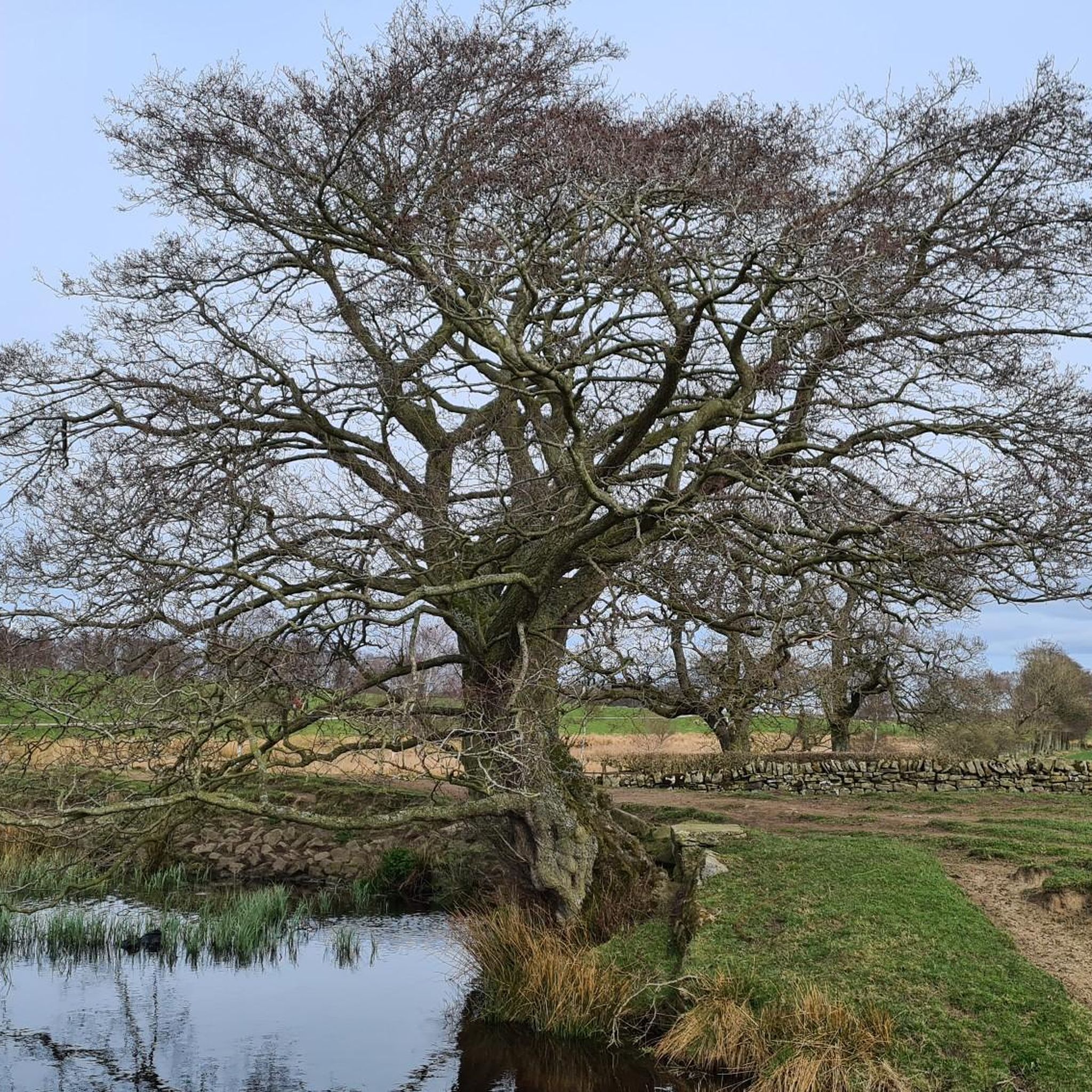
These woods and the steep sided Howburn valley once held coal mines, from as recent as the 1920s right back to Roman times. You can see some traces of the industry from the old bricks that are occasionally used to line the path. You might also see some acient 'bell mines' in the woods, pits that were dug and expanded out underground to dig out the coal seams. The large meadow on the left as you come back from the walk is called 'Pestilence Close' and supposedly the Morpeth inhabitants who died in the plague of 1665 are buried here. The Romano-British smetled iron in the valley, and traces of their works also exist. Hard to believe so much industry existed in what is now a green nature reserve. While not on the walk itself, the Victorian 'County Lunatic Asylum' existed where the new housing estate is now at the edge of the woods. A little further up, you might see what is left of the Morpeth racecourse, where horses were raced in the 1730s. The grandstand is long gone, but you can see traces of the oval track in the fields
1
0
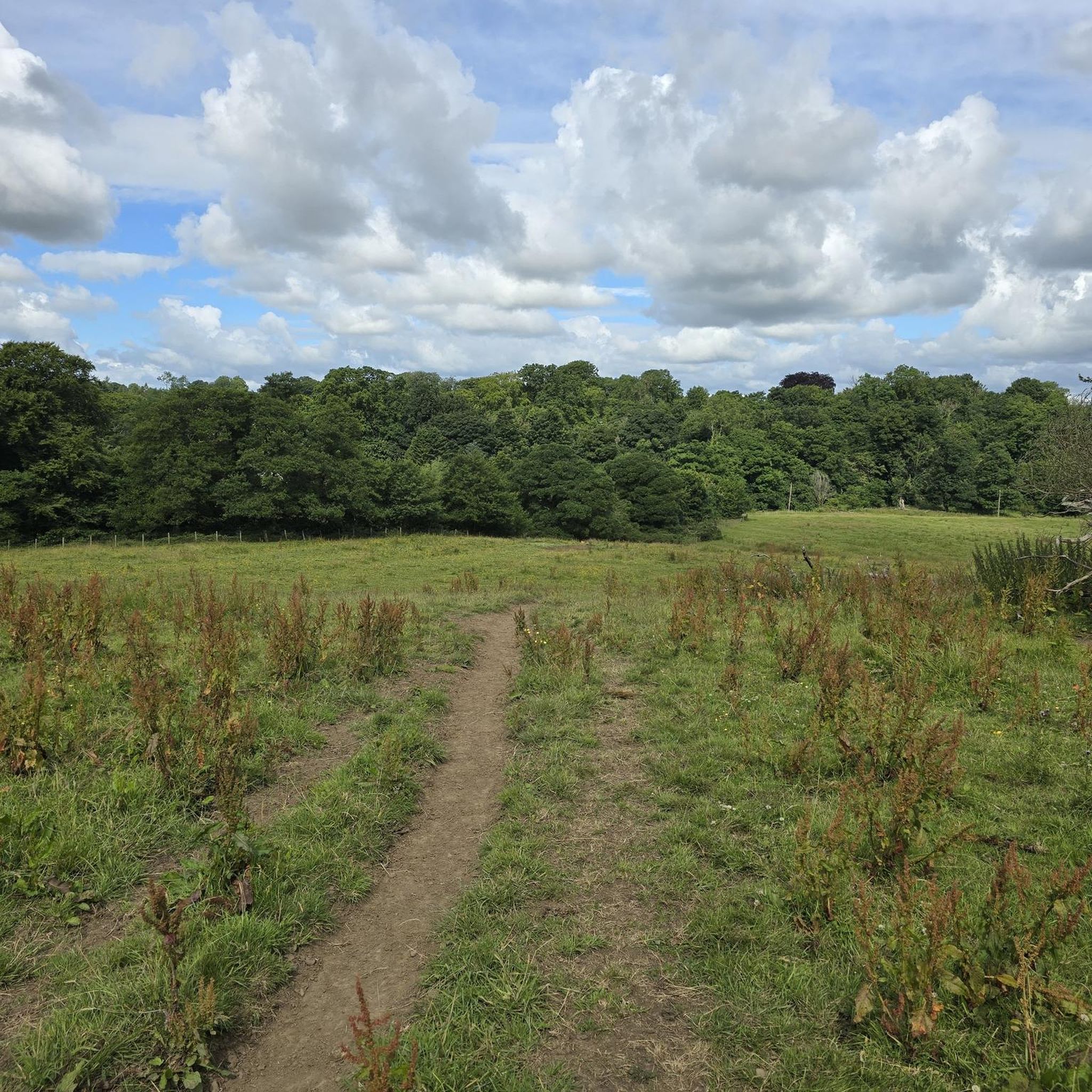
Very enjoyable walk seems to have been remarked so fairly easy to find your way out of the various fields you will end up in.
1
0
Bothal is a small village in Northumberland, England, known for its historical landmarks and rural charm. The village features Bothal Castle, a well-preserved privately-owned medieval castle from the 14th century. The Church of Saint Andrew, a parish church with Norman architecture dating back to the 12th century, is another notable attraction. Bothal also offers picturesque countryside for outdoor activities such as walking, cycling, and fishing along the River Wansbeck. Visitors can enjoy exploring the village's historical sites and taking in its natural beauty.
0
0

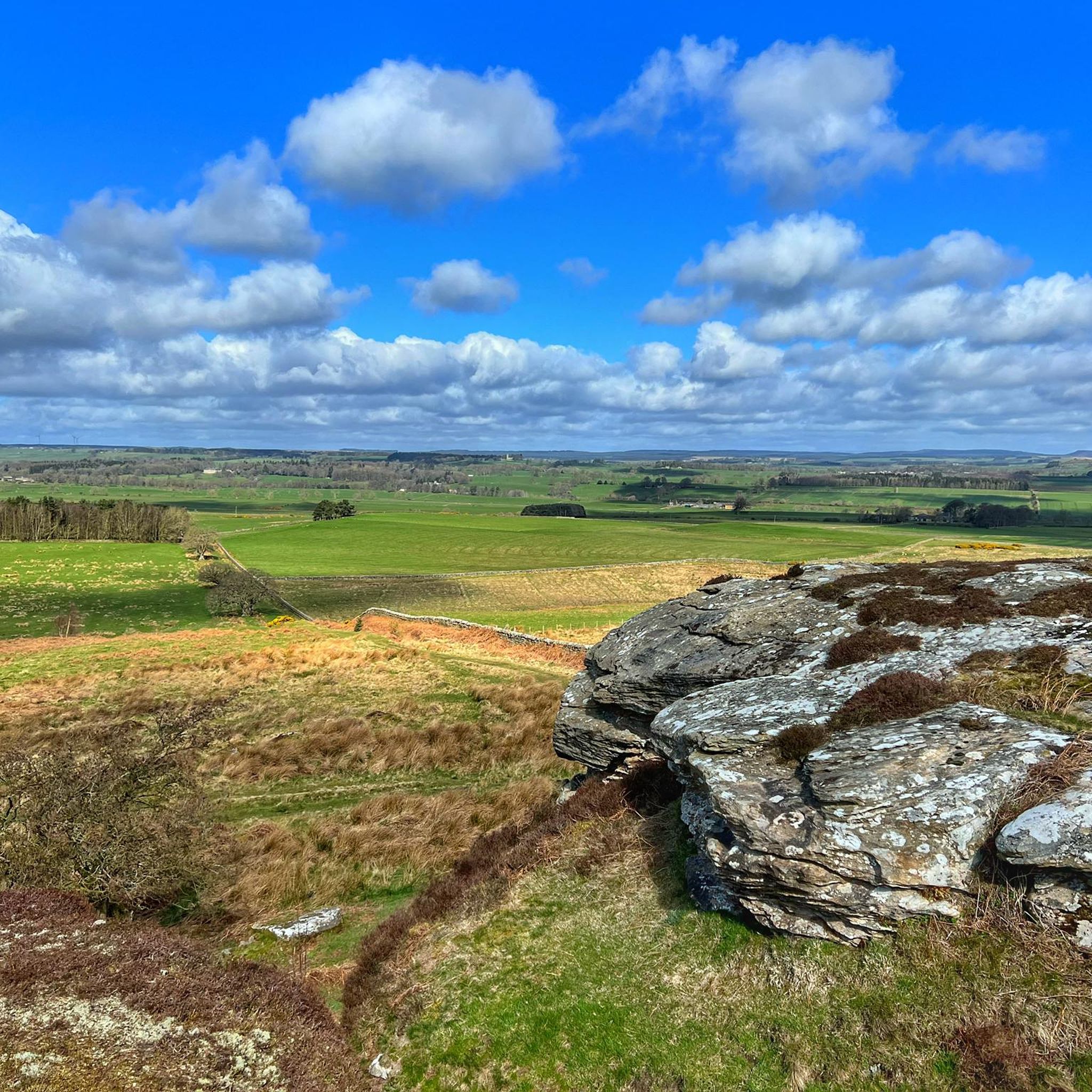
The Wannie Line walk is a circular walk waymarked by the National Trust as part of the nearby Wallington Estate. The walk follows a section of the old Wannie and Rothbury railway lines. The old steam trains that used to use these lies carried stone, lime, coal and livestock, as well as passengers. The lines closed in 1966 due to the rise in the use of the car and fewer passengers. Today the walk follows the railways, so the trail is flat and easy to walk, it's a nice circular 10km walk waymarked with NT orange arrows. As well as the course of the old railways you'll see old lime kilns and an abandoned quarry.
2
0
Frequently Asked Questions
What are some popular walks and trails around Meldon?
The Wannie Line Walk is a popular 10 km circular trail that follows old railway lines, passing lime kilns and an abandoned quarry. It's flat and easy, making it suitable for many. You can also find scenic walks around Meldon Reservoir and across the impressive Meldon Viaduct, which offers panoramic views of Dartmoor.
What historical landmarks can I visit in the Meldon area?
Meldon is rich in history. You can explore the impressive Meldon Viaduct, a 19th-century engineering marvel. Nearby, Bothal Castle offers magnificent views and a glimpse into 12th-century architecture. The area also features industrial archaeology sites like old lime kilns and quarry remains.
Are there family-friendly activities or walks suitable for children around Meldon?
Yes, the Wannie Line Walk is marked as family-friendly due to its flat and easy terrain. Another interesting spot for families is Stepping Stones at The Stanners within Morpeth Park, which also features the William Turner Garden and historical significance.
What natural features can I explore near Meldon?
Meldon sits on the edge of Dartmoor National Park, offering moorland, granite tors, and diverse habitats. Key natural features include Meldon Reservoir, the West Okement River, and the unique rock exposures at Meldon Aplite Quarry, a Site of Special Scientific Interest. Black-a-tor Copse, with its ancient oak trees, is also a scenic hiking destination.
What is the significance of the Meldon Viaduct?
The Meldon Viaduct is an impressive 19th-century wrought iron truss bridge, built in 1874. It spans 165 meters across the West Okement River valley and is recognized as a Scheduled Monument, showcasing Victorian engineering. Today, it's part of The Granite Way cycle path, offering stunning panoramic views.
Are there any historical sites related to industry or mining near Meldon?
Yes, Meldon has a rich industrial past. You can find the active Meldon Quarry and the disused Meldon Aplite Quarry, which is a Site of Special Scientific Interest. Remains of lime kilns, some dating back to the late 18th century, mining traces, spoil heaps, and old tramways can also be explored, particularly along the Wannie Line Walk and in Butterfield Woods.
Can I go cycling near Meldon's attractions?
Absolutely! The Granite Way, a scenic, traffic-free cycle path, incorporates the Meldon Viaduct and is part of the National Cycle Network Route 27. For more cycling options, you can explore various routes in the area, such as those found in the Cycling around Meldon guide.
Are there opportunities for running trails around Meldon?
Yes, Meldon and its surroundings offer several running trails. You can find routes of varying difficulties, including moderate loops from Morpeth or Whalton. For detailed options, refer to the Running Trails around Meldon guide.
What do visitors enjoy most about the attractions around Meldon?
Visitors particularly appreciate the blend of natural beauty and historical significance. The easy, scenic walks like the Wannie Line Walk are highly rated for their historical context and pleasant terrain. The magnificent views from places like Bothal Castle and the Meldon Viaduct are also frequently highlighted.
Are there challenging hikes or high points near Meldon?
For those seeking more challenging hikes, Meldon is close to Yes Tor and High Willhays, which are the highest points on Dartmoor. These offer demanding walks and expansive views across the moorland. The area around Meldon Reservoir also provides access to the open moor, though some paths may be near military firing ranges, so check local information before heading out.
Where can I find parking for walks around Meldon?
Parking is generally available near popular starting points for walks, such as Meldon Reservoir and the Meldon Viaduct. Specific car park locations and any potential fees should be checked locally upon arrival.
Are there cafes or pubs near Meldon Reservoir?
While Meldon itself is a hamlet, there are cafes and pubs in nearby towns and villages, such as Okehampton, which is a short drive away. These establishments offer refreshments and meals after exploring the reservoir and surrounding areas.
What are the public transport options to reach Meldon's attractions?
Public transport to Meldon can be limited due to its rural location on the edge of Dartmoor. Okehampton, the nearest town, may offer bus services that connect to some areas. However, for direct access to many attractions like Meldon Reservoir or the Meldon Viaduct, driving is often the most convenient option.
Most popular attractions around Meldon

Get inspired with the komoot mobile app


Explore more
Still not found the Highlight you’re looking for? See guides of the top attractions in other regions:
