The best running trails around Hepscott
4.2
(12)
3,422
runners
226
runs
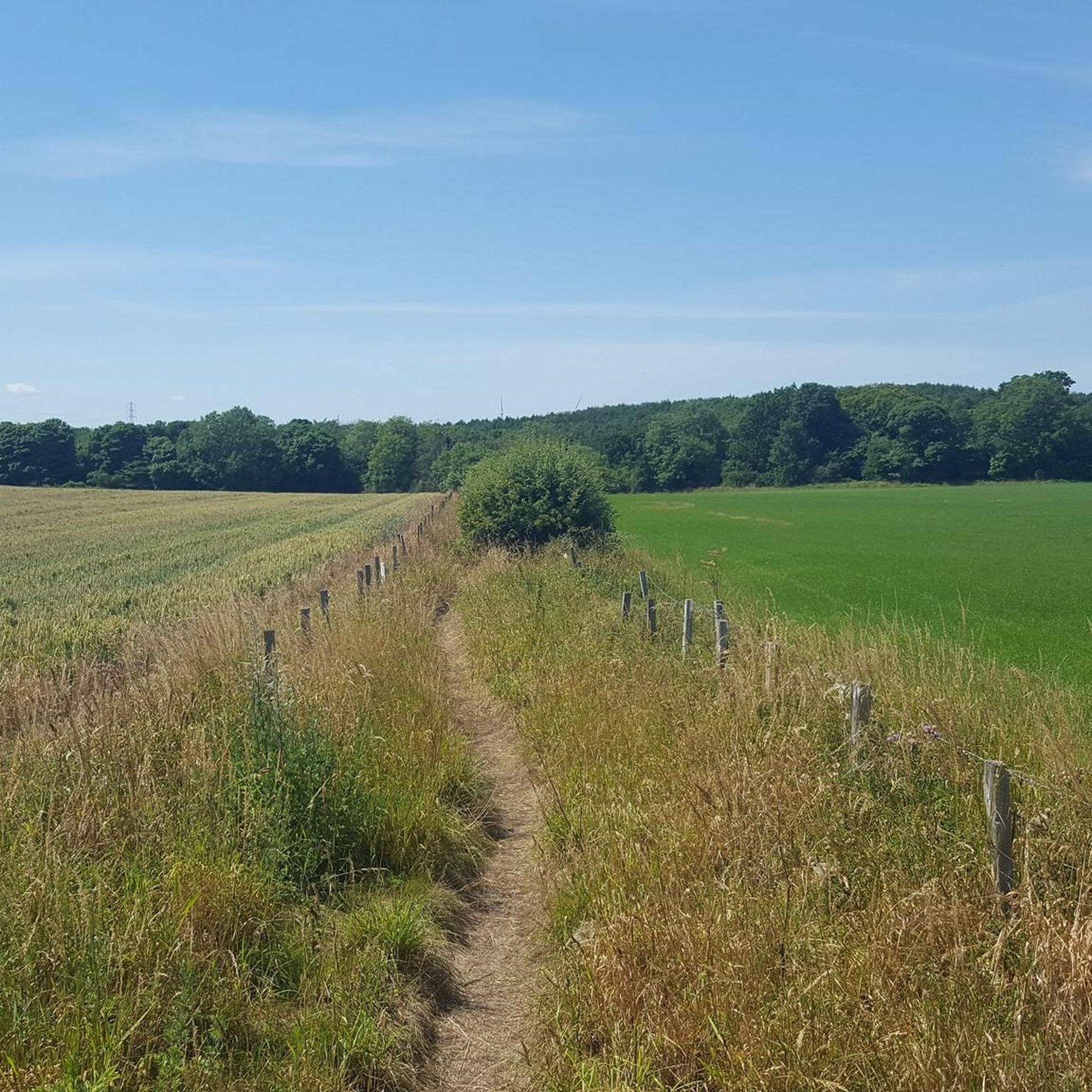
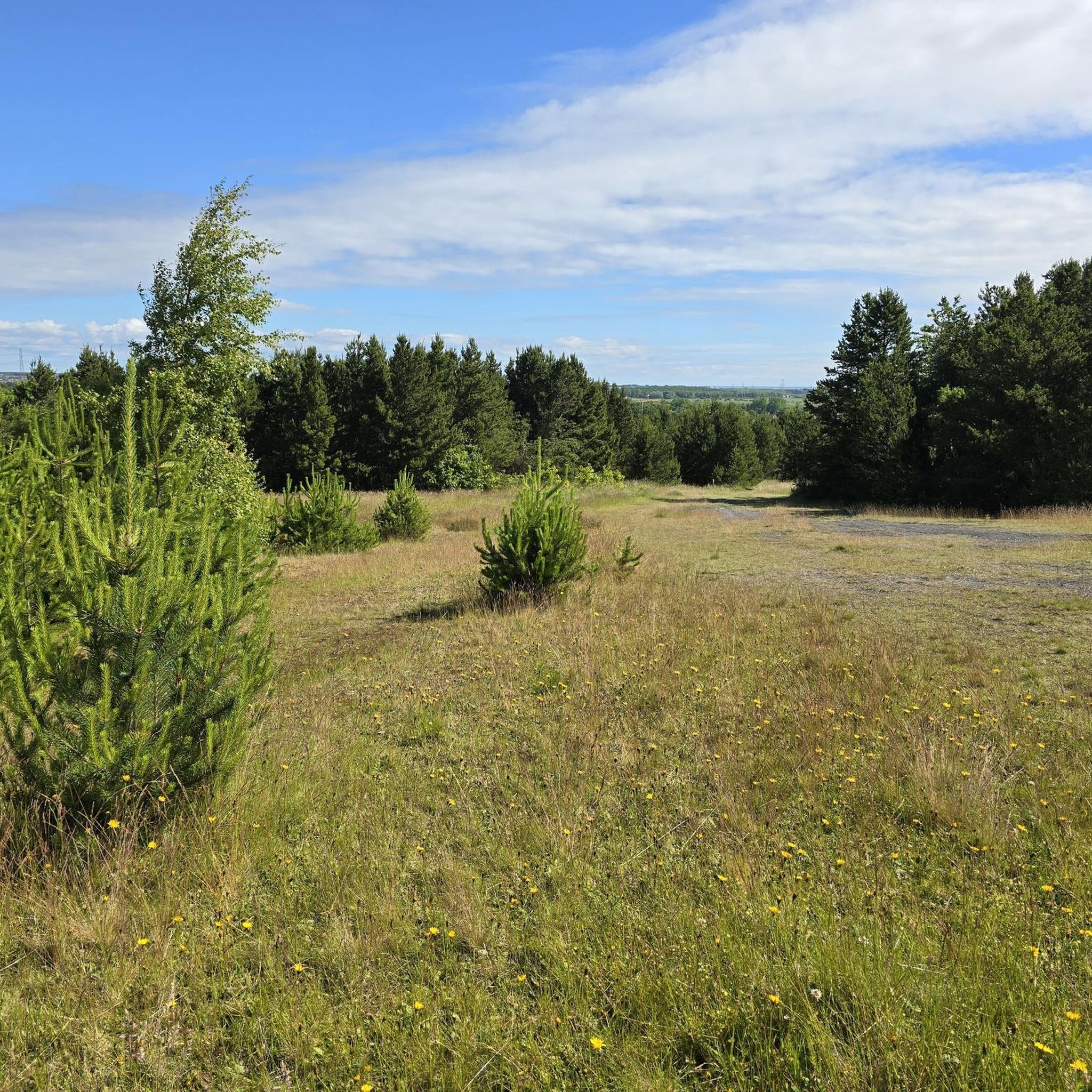
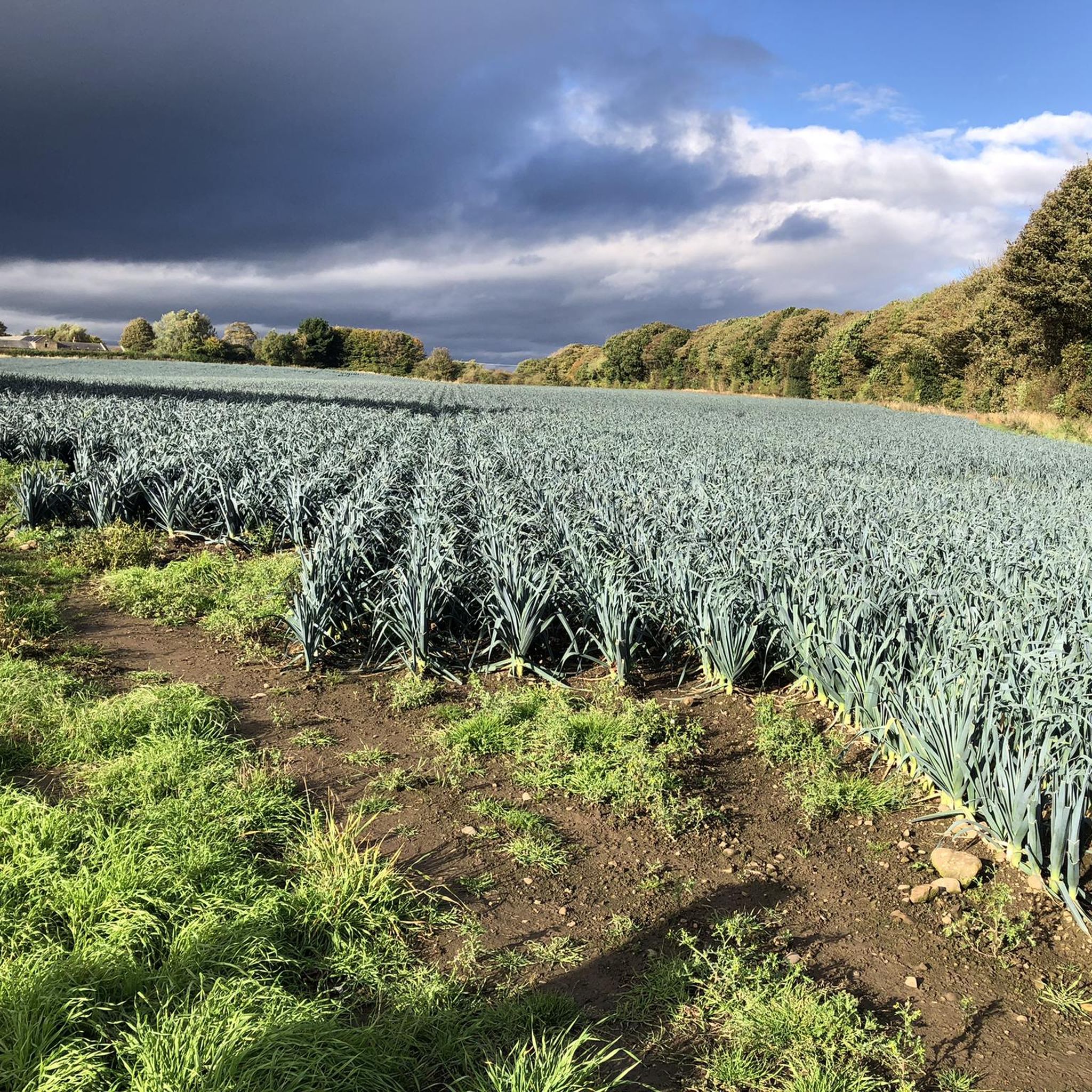
Jogging around Hepscott offers a diverse environment for outdoor activities, thanks to its varied terrain and proximity to natural landscapes within Northumberland. The region's geography transitions from low and flat areas near the North Sea coast to increasingly mountainous terrain towards the northwest, providing a range of gradients for runners. Hepscott and its surroundings feature established running routes on both paved and natural surfaces, catering to different fitness levels. This allows for experiences from gentle, flat runs to more challenging…
Last updated: April 23, 2026
3.0
(1)
72
runners
Moderate run. Good fitness required. Mostly paved surfaces. Suitable for all skill levels.
30
runners
6.67km
00:42
30m
30m
Moderate run. Good fitness required. Mostly paved surfaces. Suitable for all skill levels.

Sign up for free
22
runners
9.99km
01:03
40m
40m
Moderate run. Good fitness required. Mostly paved surfaces. Suitable for all skill levels.
23
runners
11.5km
01:11
60m
60m
Moderate run. Good fitness required. Mostly paved surfaces. Suitable for all skill levels.
22
runners
17.0km
01:47
130m
130m
Hard run. Very good fitness required. Mostly paved surfaces. Suitable for all skill levels.
Get access to more routes and recommendations from other explorers.
Sign up for free
Already have an account?
Our route recommendations are based on thousands of hikes, rides, and runs completed by other people on komoot.
Start today with a free account
Your next adventure awaits.
Login or Signup

Tips from the Community

Lovely hamlet, nice spot for a break and a snack. Some great quiet lanes around here
0
0

It’s nice in spring with the fruit trees and flowers
0
0

The Chantry Footbridge replaced an older two-arch bridge from the 13th century. An iron footbridge was built on the site in 1869, and it was refurbished in 2004. The bridge connects Bridge Street with Hill Gate on the south side. At the north end of the footbridge is the 13th century All Saints Chantry, which was restored in 1980 and is now a tourist information center, craft center, and museum. Just upstream from the bridge is a weir.
0
0
The Telford Bridge replaced an older medieval bridge and connects the two halves of the town. It was designed by John Dobson, although Thomas Telford is often credited due to the inscription on the parapet. Telford chose the location and oversaw the construction. St George's United Reformed Church is located on the north side of the bridge, while the Court House is on the south side.
0
0
These woods and the steep sided Howburn valley once held coal mines, from as recent as the 1920s right back to Roman times. You can see some traces of the industry from the old bricks that are occasionally used to line the path. You might also see some acient 'bell mines' in the woods, pits that were dug and expanded out underground to dig out the coal seams. The large meadow on the left as you come back from the walk is called 'Pestilence Close' and supposedly the Morpeth inhabitants who died in the plague of 1665 are buried here. The Romano-British smetled iron in the valley, and traces of their works also exist. Hard to believe so much industry existed in what is now a green nature reserve. While not on the walk itself, the Victorian 'County Lunatic Asylum' existed where the new housing estate is now at the edge of the woods. A little further up, you might see what is left of the Morpeth racecourse, where horses were raced in the 1730s. The grandstand is long gone, but you can see traces of the oval track in the fields
1
0
St. George's Church in Morpeth has a rich history that spans centuries. Originally established as a Presbyterian ministry in 1693, the congregation held its first services in a tannery loft before constructing a chapel in 1721. In 1850, they seized the opportunity to acquire the Old Mill, designed by Sir John Vanbrugh, and embarked on the construction of a new stone church. This magnificent building, completed in 1860, showcased an early English architectural style and boasted a striking stained glass rose window. The church played a central role in the community, attracting individuals from diverse occupations in the mid-19th century. However, it underwent significant changes over time. In the early 1960s, the church was divided horizontally to accommodate a church hall, kitchen, and meeting rooms above, altering the external appearance. Despite initial opposition, these modifications provided a new space for various community groups and activities. Throughout its history, St. George's Church experienced challenges, including a major flood in 2008 that left the building unusable for six months. However, the congregation demonstrated resilience by sharing services with the Morpeth Methodists and utilizing the valuable church hall. The church's enduring presence and commitment to the community have been exemplified through initiatives such as the 150th-anniversary celebrations, which featured a graphic created by local artist Anji Allen. Today, St. George's Church remains a cherished place of worship and a vital hub for the community. It continues to host numerous activities, including the St. George's Community Players, the church's ceilidh band 'sgurc', country dance clubs, music groups, and more. The church stands as a testament to the enduring spirit and history of Morpeth, serving as a place where faith, culture, and community intersect.
0
0

This bridge was originally erected at Oldgate/Curly Kews in 1872 and moved here in 1931.
0
0
Frequently Asked Questions
How many running routes are available around Hepscott?
There are over 200 running routes around Hepscott, offering a wide variety of options for all fitness levels. This includes 26 easy routes, 149 moderate routes, and 43 more challenging paths.
Are there any easy or beginner-friendly jogging paths in Hepscott?
Yes, Hepscott offers a selection of easy jogging paths suitable for beginners or those looking for a more relaxed run. There are 26 routes classified as easy, providing gentle terrain and shorter distances.
What kind of terrain can I expect on the running trails in Hepscott?
The running trails around Hepscott feature a diverse environment with varied terrain. You can expect a mix of both paved and natural surfaces. The region's geography transitions from low and flat areas near the North Sea coast to more undulating terrain inland, offering different gradients for runners.
Are there any challenging or long-distance running routes near Hepscott?
For those seeking a challenge, Hepscott and the surrounding Northumberland area offer more difficult and longer running routes. There are 43 routes classified as difficult, with options like the Stobsford Footbridge – Robin of Pegswood Sculpture loop from Pegswood, which spans over 10 miles (16.9 km) with significant elevation changes.
Are there any circular running routes in the Hepscott area?
Yes, many of the running routes around Hepscott are circular, allowing you to start and finish at the same point. Examples include the popular Mill Leet – Haw Hill loop from Morpeth and the Clark's Bee Bog loop from Hepscott.
What are some interesting landmarks or natural features I might see while running in Hepscott?
While jogging around Hepscott, you can encounter various points of interest. The broader Northumberland region is known for its diverse geography, including areas like the Cheviot Hills and Northumberland Sandstone Hills. Specific landmarks you might find near routes include historical sites like Bothal Castle or Mitford Castle Ruins, and unique sculptures such as Northumberlandia (Lady of the North).
Are the running trails in Hepscott suitable for families?
Many of the routes around Hepscott are suitable for families, especially the easier and moderate paths. The varied terrain means you can find routes that are less strenuous and offer pleasant scenery for a family outing. Always check the route details for distance and elevation to ensure it matches your family's fitness level.
Are dogs allowed on the running routes around Hepscott?
Generally, dogs are welcome on many of the running routes around Hepscott, especially on public footpaths and trails. However, it's always recommended to keep dogs on a lead, particularly near livestock or in nature conservation areas, and to follow local signage regarding dog access. Specific rules may apply to certain parks or private lands.
Is there parking available near the running trails in Hepscott?
Yes, many running routes in and around Hepscott have accessible parking options. For example, routes originating from Morpeth or Pegswood often have nearby public parking. It's advisable to check specific route details or local maps for designated parking areas before you head out.
Can I access the running routes in Hepscott using public transport?
Hepscott and nearby towns like Morpeth are served by public transport, which can provide access points to various running routes. Morpeth, in particular, has bus and train connections. You may need to plan your journey to find the most convenient public transport stop closest to your desired starting point.
What do other runners say about jogging in Hepscott?
The running routes in Hepscott are highly regarded by the komoot community, with an average rating of 4.0 stars from over 10 reviews. Runners often praise the varied terrain, the mix of paved and natural surfaces, and the scenic beauty of the Northumberland landscape.
Are there places to get refreshments or food near the running trails?
Yes, Hepscott and its surroundings offer amenities for refreshments. Places like Hepscott Park Garden Cafe and Moorhouse Farm Shop are available, providing opportunities for a coffee, snack, or local produce before or after your run. Morpeth, a nearby town, also offers a wider selection of cafes, pubs, and restaurants.
Most popular attractions around Hepscott

Get inspired with the komoot mobile app


Explore more
Browse the best Running Trails & Routes in other regions.
