Attractions and Places To See around Muggleswick - Top 20
Best attractions and places to see around Muggleswick include historical landmarks and natural landscapes within County Durham, England. Situated on the fringes of the North Pennines Area of Outstanding Natural Beauty, the area features moorland, rolling hills, and ancient woodlands. Visitors can explore sites like the ruins of a 13th-century monastic grange and the Derwent Gorge and Muggleswick Woods National Nature Reserve. The region offers opportunities for walking and cycling through varied terrain.
Best attractions and places to see around…
Last updated: October 7, 2026
Waskerley Way
Highlight (Segment) • Cycleway
Tip by

Hownsgill Viaduct
Highlight • Cycleway
Tip by
Sign up now to discover places like this
Get recommendations on the best single tracks, peaks, & plenty of other exciting outdoor places.
Terris Novalis Sculptures
Highlight • Viewpoint
Tip by

Bolt's Law summit
Highlight • Summit
Tip by

Carrier's Way Trail
Highlight (Segment) • Climb
Their industry gave us this wonderful little trail across Burntshieldhaugh Fell.
Tip by

Sign up for free to discover even more attractions around Muggleswick.
Already have an account?
Start today with a free account
Your next adventure awaits.
Tips from the Community

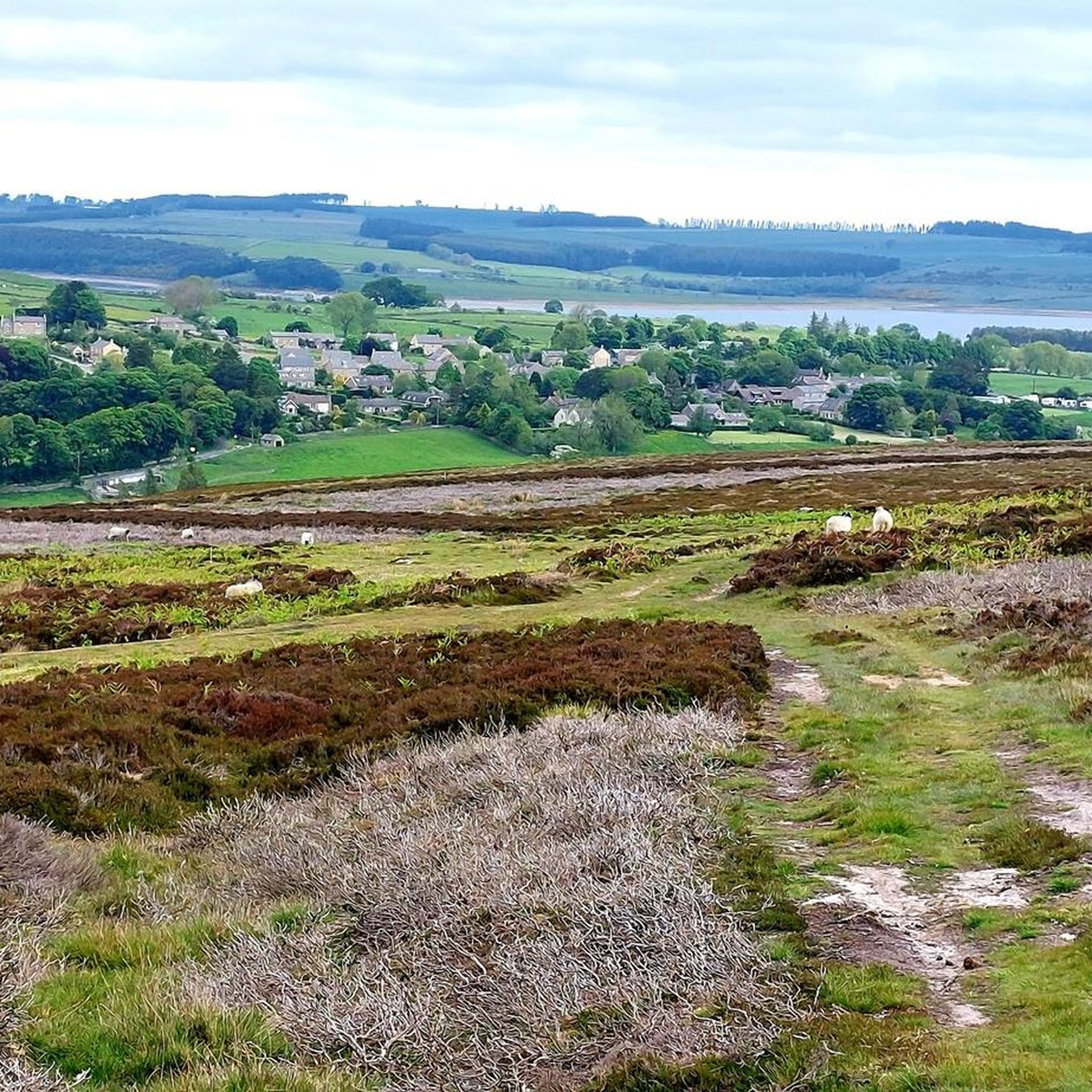
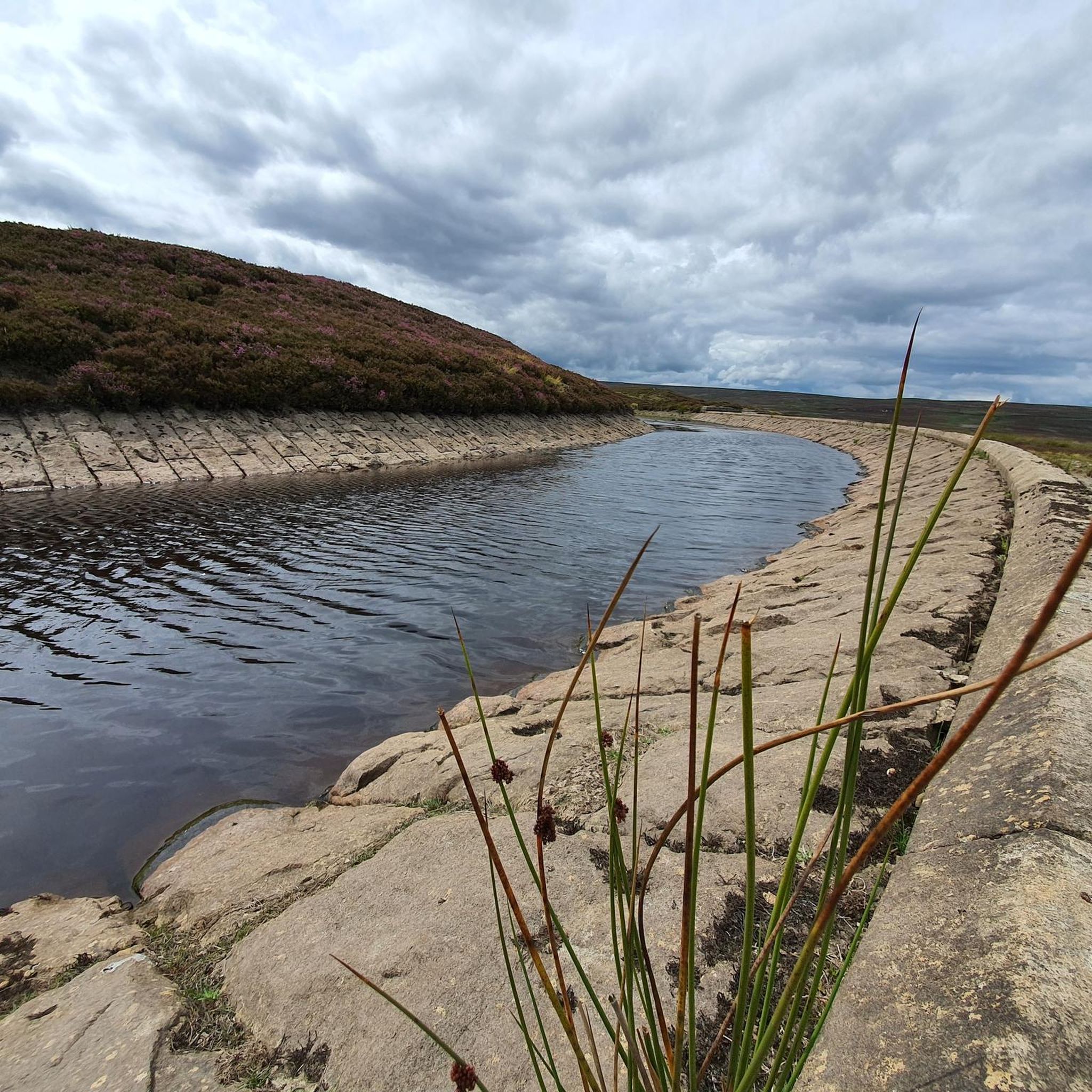
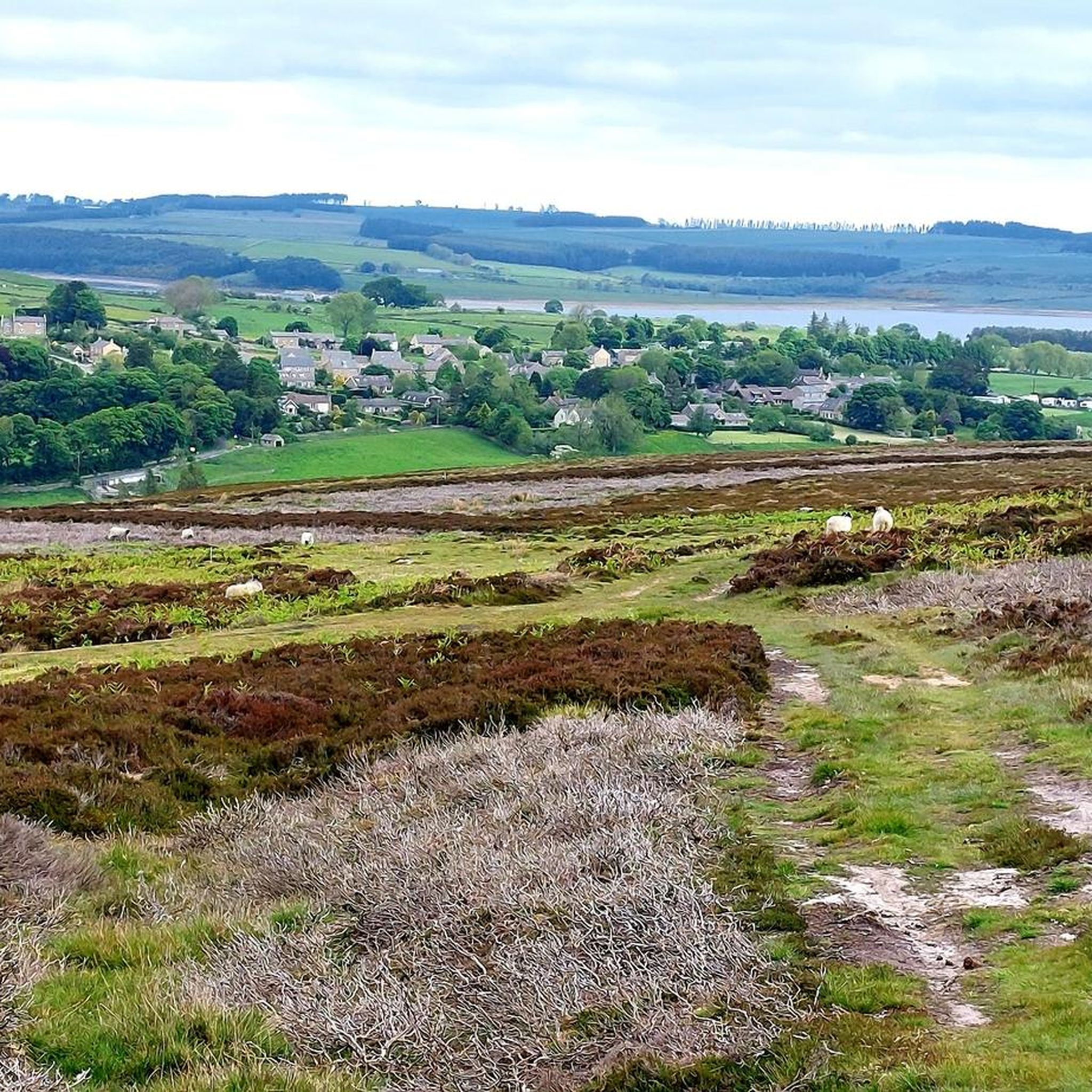
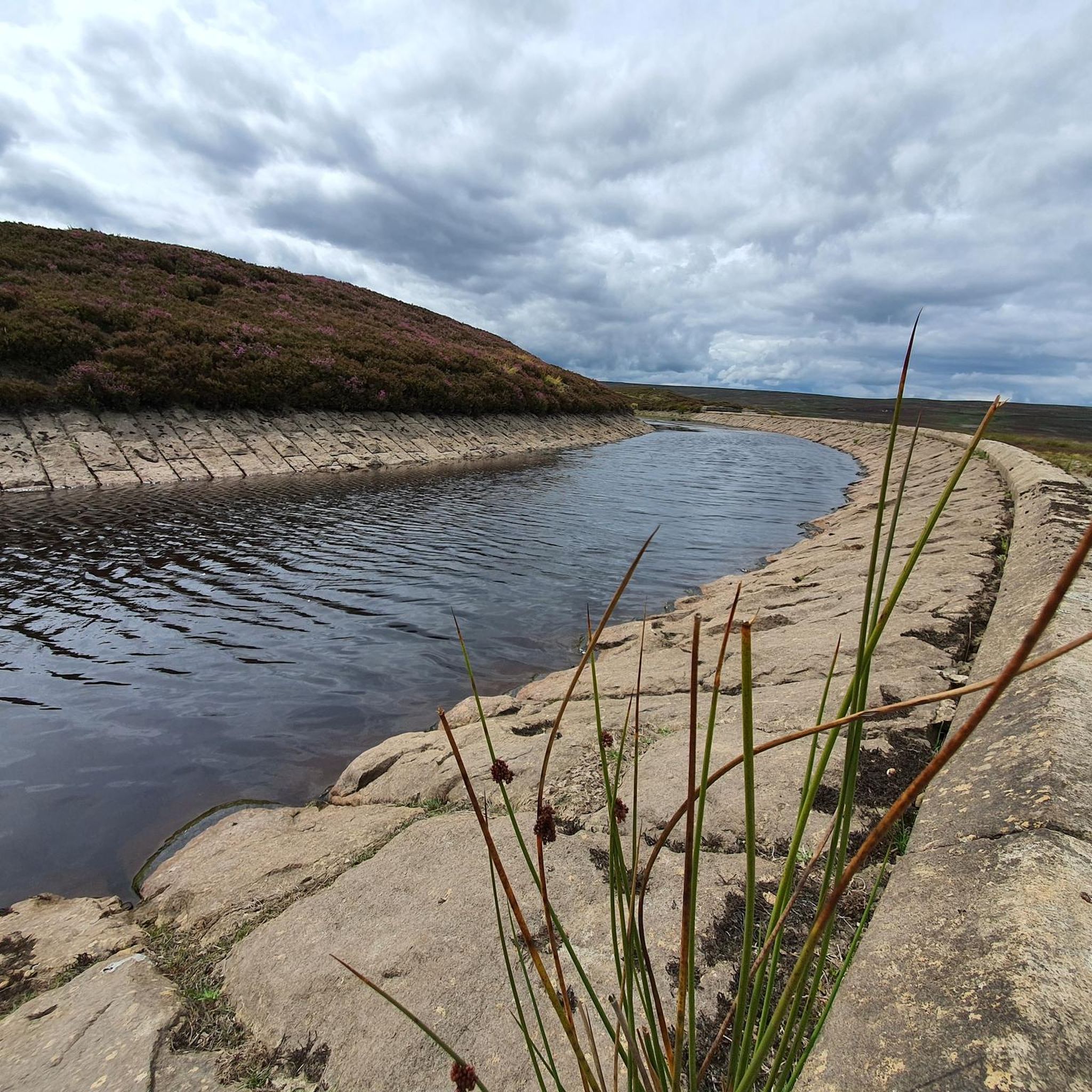
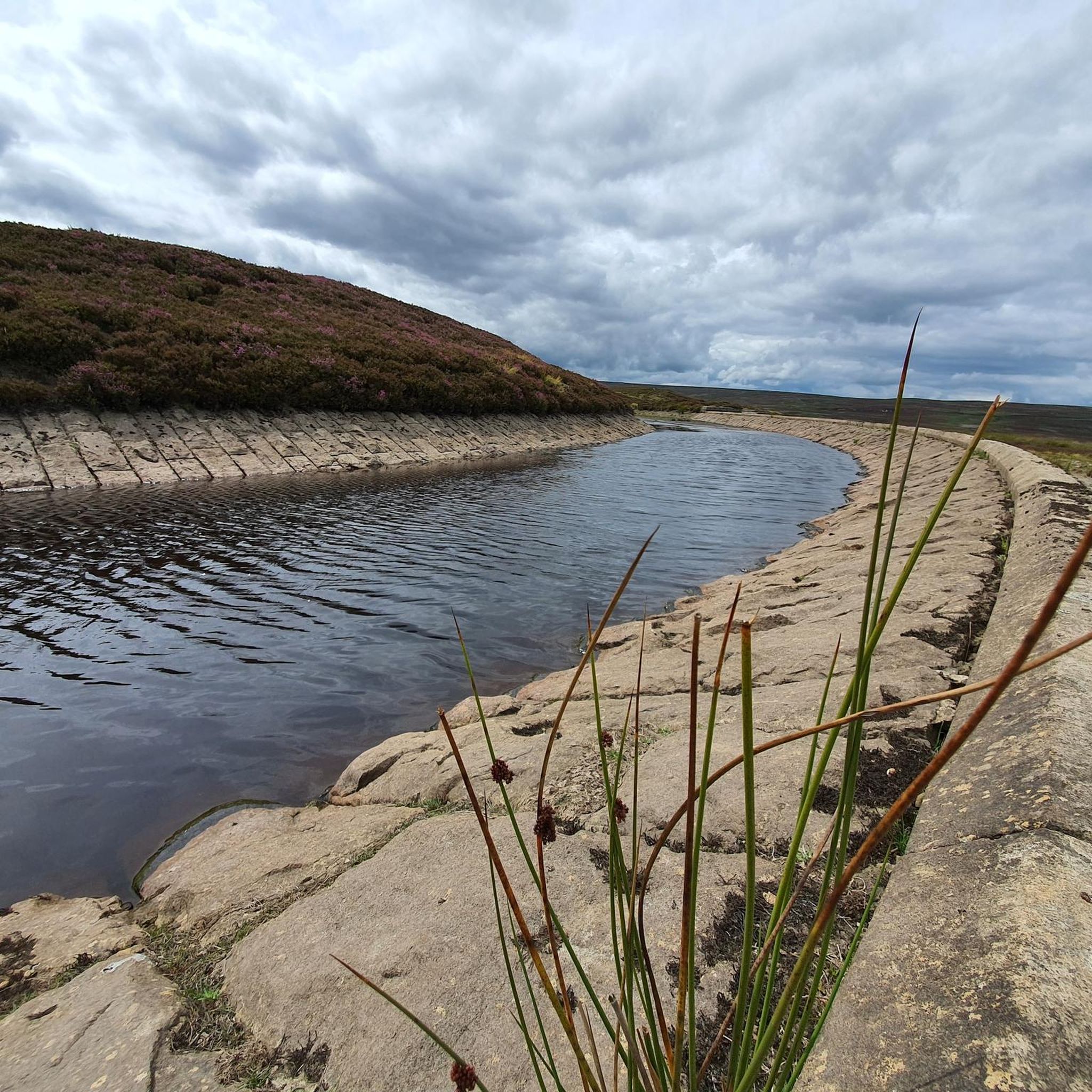
Fantastic views across open moorland in ever direction, definitely worth a visit.
0
0
Fantastic if you love being out in the open fells, great views in every direction and you are most certainly going to have it all to yourself.
0
0


From Hownsgill Viaduct you can see for miles around whilst standing on the old railway bridge. The actual bridge has elevated side wall protector barriers, this to stop anything going over the side, the drop below is considerably higher than a house. There were high winds on the bridge on the day I rode over, the barriers also protect from the weather. You get very good views over both sides of the bridge.
0
0

James - sorry - just noticed the question; a number of options - the full route is from Consett - Hownsgill car park (Morrisons - but watch the duration - I think you have 7 hours before fines kick in); you can park at Rowley, Healeyfiled or Waskerley and work your way back to any of those reasonably easily; one thing to watch is that they've not put a sign up to stop you taking the link from the C3C to the bridleway that takes you over Bolt's Law - it was never really public access but cuts out a lot of riding; just bear in mind you might get turned round. Another option is to park up on Meadow's Edge where the bridleways cross the road.
0
0

Viaduct is now open, the paving is slightly bumpy though!
0
0


This sculpture consists of two measuring instruments; a theodolite and an engineer's level, reproduced twenty times life size, standing approximately six metres tall. Made from stainless steel and supported on animal feet
0
0
Frequently Asked Questions
What historical sites can I explore around Muggleswick?
Muggleswick is rich in history. You can visit the ruins of the 13th-century Muggleswick Monastic Grange, a Grade I listed building that was once a significant monastic site. Another notable historical landmark is All Saints Church, an 18th-century church rebuilt around 1869, standing on a site of worship for over 900 years. Its churchyard features Grade II listed gravestones and a war memorial with a lychgate made from timbers of HMS Powerful. Additionally, the area's industrial heritage is commemorated by the Terris Novalis Sculptures, monumental steel artworks near Consett.
Are there family-friendly attractions in the Muggleswick area?
Yes, there are several family-friendly attractions. The Hownsgill Viaduct, part of the C2C cycle route, offers expansive views and is suitable for family walks or bike rides. The Terris Novalis Sculptures are also a fascinating stop for all ages, showcasing impressive large-scale art. For active families, the traffic-free Waskerley Way is ideal for cycling, walking, or even horse riding, offering a safe and scenic route through the countryside.
What natural landscapes and features can I discover near Muggleswick?
Muggleswick is nestled within the beautiful North Pennines Area of Outstanding Natural Beauty (AONB), offering diverse natural landscapes. You can explore Muggleswick Common, an expansive upland moorland known for heather and wildlife. The Derwent Gorge and Muggleswick Woods National Nature Reserve (NNR) features ancient sessile oak woodlands and semi-natural grasslands, home to red kites, buzzards, and roe deer. The Derwent Gorge and Horsleyhope Ravine SSSI is also nearby, recognized for its rich plant species. Additionally, Derwent Reservoir provides opportunities for scenic walks and enjoying the water.
What outdoor activities are popular around Muggleswick?
The Muggleswick area is excellent for various outdoor activities. Walking and cycling are particularly popular, with trails like the Waskerley Way and routes around Derwent Reservoir. The region is also part of the Northern Saints Trails and the Roof of England long-distance trail. For more specific routes, you can find numerous MTB Trails, Road Cycling Routes, and Running Trails that cater to different skill levels.
Are there good cycling routes near Muggleswick?
Absolutely. The traffic-free Waskerley Way is a popular choice for cyclists, offering a scenic 15.6 km path through the countryside. The C2C cycle route also passes nearby, notably over the impressive Hownsgill Viaduct, which provides expansive views. For more detailed options, explore the Road Cycling Routes around Muggleswick or MTB Trails around Muggleswick for specific tours.
Where can I find good viewpoints or scenic spots in the area?
The Muggleswick area offers several excellent viewpoints. The Hownsgill Viaduct provides impressive panoramic views of the surrounding landscape. Blanchland Moor, an ancient road, also offers extensive views of the wild moorland. Additionally, the Terris Novalis Sculptures are situated on the moors, providing a unique perspective of the area's industrial past against a natural backdrop.
What is the Muggleswick Conservation Area?
Much of Muggleswick is designated as a Conservation Area. This designation helps to preserve the village's unique character, historical significance, and architectural heritage. It ensures that development within the area respects its special qualities, including its traditional buildings and natural setting. You can find more information about the conservation area on the Durham County Council website.
Are there any ancient trails or historical paths to walk?
Yes, the area features ancient paths with historical significance. The Carrier's Way Trail is rumored to have existed since prehistory, used by pack pony drivers transporting smelted lead in the 17th century. Blanchland Moor also features an ancient road that originally ran from Blanchland to Hexham, offering a glimpse into the region's past transport routes.
What kind of wildlife can I expect to see in the natural reserves?
In the Derwent Gorge and Muggleswick Woods National Nature Reserve (NNR), you can expect to see a rich diversity of flora and fauna. This includes impressive birds of prey such as red kites and buzzards, as well as mammals like roe deer. The Muggleswick Common SSSI is also important for its diverse habitats, supporting various plant species and birds, and is utilized for grouse rearing.
What do visitors enjoy most about the trails around Muggleswick?
Visitors particularly enjoy the varied terrain and scenic beauty of the trails. For instance, the Waskerley Way is praised for its traffic-free nature, passing through impressive railway structures, patchwork farmland, and moorland. The trails on Blanchland Moor are appreciated for their good, firm going and extensive views of the wild moorland, especially when tackled as a climb.
Can I find routes for running near Muggleswick?
Yes, there are several options for running. The area offers a variety of trails suitable for jogging, ranging from moderate to difficult. You can explore routes around the reservoirs or through the moorland. For specific running paths and distances, refer to the Running Trails around Muggleswick guide, which lists options like the Hisehope & Smiddy Shaw reservoirs loop or the running loop from Waskerley.
Most popular routes around Muggleswick
Most popular attractions around Muggleswick

Get inspired with the komoot mobile app


Explore more
Still not found the Highlight you’re looking for? See guides of the top attractions in other regions:
