Attractions and Places To See around Mickleton - Top 20
Best attractions and places to see around Mickleton include a variety of historical sites, natural features, and cultural points of interest. This region, nestled in Gloucestershire, offers access to the Cotswolds, Shakespeare Country, and the Vale of Evesham. The landscape features notable hills, gardens, and historical village centers. Visitors can explore ancient churches, conservation areas, and significant natural landmarks.
Best attractions and places to see around Mickleton
- The most popular attractions is High Force Waterfall, a viewpoint where the River Tees drops 21 meters into a plunge pool. It is one of England's largest waterfalls, offering impressive views year-round.
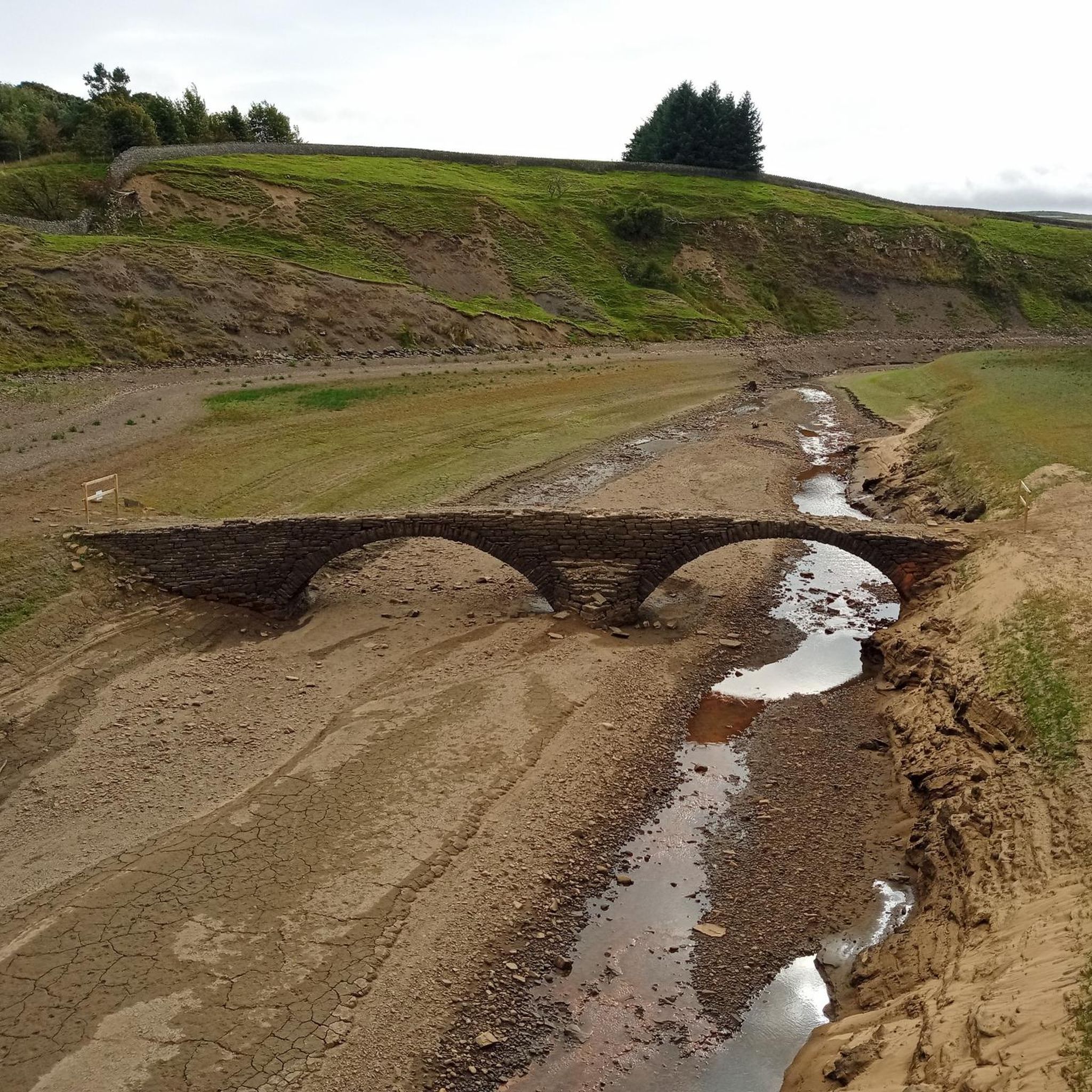
- Another must-see spot is Wynch Bridge, a chain suspension bridge across the River Tees. This narrow bridge, built in 1820, provides views over a deep ravine and is a Grade II-listed historical site.
- Visitors also love Bowes Castle Ruins, the remains of Henry II's 12th-century keep. This English Heritage site is free to enter and stands on the location of a Roman fort.
- Mickleton is known for its historical landmarks, natural beauty, and cultural sites. The area offers a variety of attractions to see and explore, from ancient gardens to significant historical structures.
- The attractions around Mickleton are appreciated by the komoot community, with over 240 upvotes and more than 200 photos shared by visitors.
Last updated: June 20, 2026
High Force Waterfall
Highlight • Viewpoint
Tip by

Wynch Bridge
Highlight • Bridge
Tip by
Sign up now to discover places like this
Get recommendations on the best single tracks, peaks, & plenty of other exciting outdoor places.
Sign up for free
Low Force Waterfall
Highlight • River
Tip by
Mickle Fell Summit Cairn
Highlight • Viewpoint
Access Days — gov.uk/government/publications/warcop-access-times
General Information — assets.publishing.service.gov.uk/media/5a79714ce5274a2acd18cdf4/dte_info_leaflet_northwest.pdf
Application procedure — assets.publishing.service.gov.uk/media/66339f8e4d8bb7378fb6c172/WTA_Mickle_Fell_Access_Permit_Request_Procedures.pdf
Tip by

Barnard Castle Market Cross
Highlight • Historical Site
Tip by

Sign up for free to discover even more attractions around Mickleton.
Sign up for free
Already have an account?
Start today with a free account
Your next adventure awaits.
Login or Signup
Tips from the Community

Best views from the north side of the river i.e. before crossing Wynch bridge
0
0

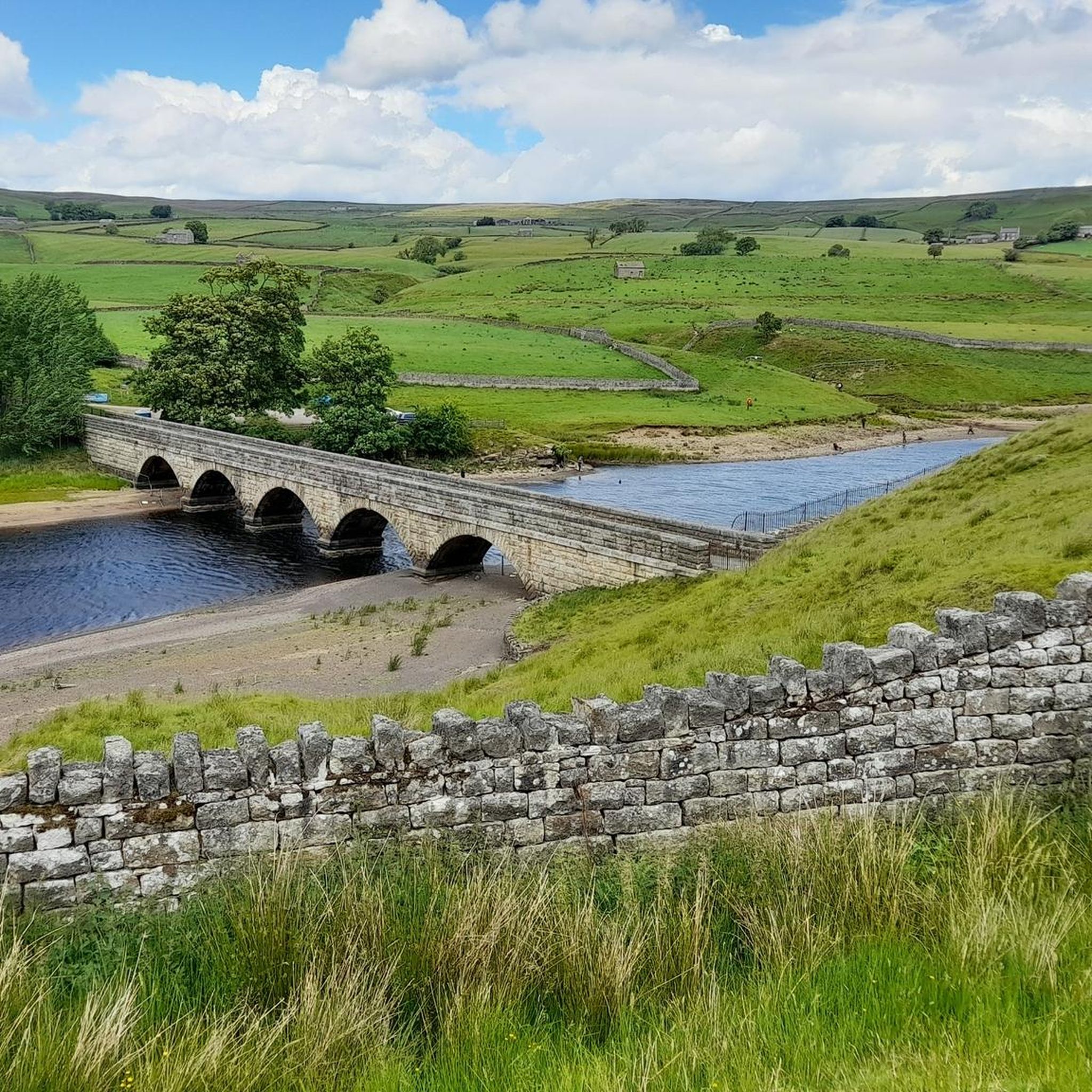
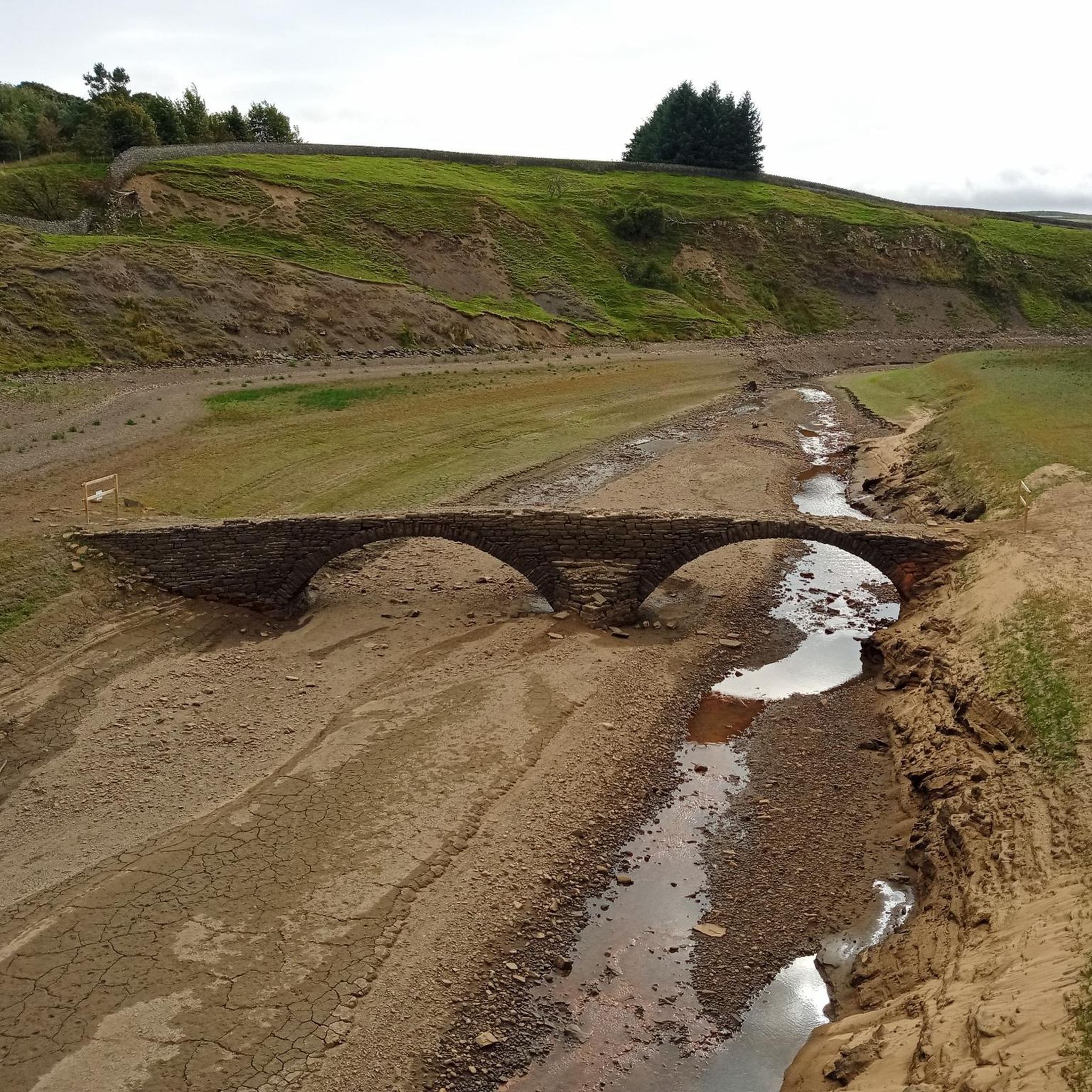
This is among the more interesting of the bridges that cross the river Tees. This suspension footbridge owes its existence to the Holwick lead miners who used it to get to the lead mine at Little Eggleshope in the fells to the north.
0
0
Low Force is a beautiful spot. With a series of low cascades, it is not as dramatic as nearby High Force, but it is an area still worth visiting. You can park nearby at Bowlees Visitor Centre, which has a decent car park with a donations payment box.
0
0

In the case of a "market cross," as we encounter here again, one would have to ask the fundamental question of whether it is actually primarily a small sacred monument—as its cross shape suggests—or whether it is more of a secular object. In times long past, such a cross—unlike classic wayside crosses or field crosses—was only allowed to be erected if the corresponding locality also possessed so-called "market rights"—that is, if it had been granted them by the local ruler.
0
0

Mickle Fell is the highest peak in Yorkshire, depending on which list you look at. It is an imposing bulk of a mountain and difficult to get to as a large chunk of it is in the Warcop military training range and access is limited. Normally, 10–12 weekends are set aside annually by the military to allow hikers to walk one of two routes to its summit. There are two routes: the Northern Route and the Southern Route, and both require permits. I did the Southern Route, which is a linear route following a fence for most of the way. The middle section of this route is difficult and boggy. For further information, scheduled hiking days, and contact numbers, see the links below. Access Days — https://www.gov.uk/government/publications/warcop-access-times General Information — https://assets.publishing.service.gov.uk/media/5a79714ce5274a2acd18cdf4/dte_info_leaflet_northwest.pdf Application procedure — https://assets.publishing.service.gov.uk/media/66339f8e4d8bb7378fb6c172/WTA_Mickle_Fell_Access_Permit_Request_Procedures.pdf
3
0

A market was established below the castle in the 13th-c. The impressive octagonal stone pavilion of the Market Cross was built in 1747. The arcade surrounding its base once sheltered market traders and the upper floor served as a lockup, town hall and a courtroom.
1
0

While this chain suspension bridge over the River Tees was built in 1830, there was an even older one at the same location dating back to 1741, which could have been the first of its kind in England. It is located right next to the Low Force waterfalls.
0
0
Frequently Asked Questions
What historical sites can I visit in and around Mickleton?
Mickleton and its surroundings are rich in history. You can explore the 12th-century St. Lawrence Church, the historic Mickleton Conservation Area with its timber-framed cottages, and the impressive 13th-century Littleton Tithe Barn, a National Trust property. Further afield, consider visiting Bowes Castle Ruins, the remains of a 12th-century keep built on a Roman fort site, or the 1596 Harvard House in Stratford-upon-Avon.
Are there any natural attractions or beauty spots near Mickleton?
Yes, Mickleton is surrounded by natural beauty. You can witness the powerful High Force Waterfall, where the River Tees dramatically drops 21 meters. Dover's Hill offers sublime scenery and a fascinating past. For panoramic views, head to Meon Hill, which is said to have inspired J.R.R. Tolkien. The village also has a lovely Millennium Green perfect for relaxation.
What gardens can I visit in the Mickleton area?
The area boasts two renowned gardens. Hidcote Manor Garden, a National Trust property, is an Arts and Crafts garden known for its secret gardens, magnificent flora, and superb herbaceous borders. Nearby, Kiftsgate Court Gardens are impressive, created by three generations of female gardeners and featuring the reassembled portico of Mickleton Manor.
What outdoor activities can I do near Mickleton?
Mickleton is an excellent base for outdoor adventures. You can enjoy hiking on the famous Cotswold Way, which passes through the village. For more structured routes, explore the many options for hiking around Mickleton, including trails around Balderhead Reservoir or along the River Tees. There are also numerous road cycling routes and mountain biking trails available.
Are there family-friendly attractions in Mickleton?
Absolutely. Families can enjoy the impressive High Force Waterfall, which has well-maintained tracks suitable for all walking abilities. The Bowes Castle Ruins are free to enter and offer a chance to explore history. The Millennium Green in the village is also a great spot for picnics and relaxation with children.
What cultural experiences does Mickleton offer?
Mickleton provides several cultural insights. The Court Barn Museum exhibits work by local designers and craftspeople. You can also experience authentic British culture at traditional country pubs like the King's Arms and Butcher's Arms. The village is also known for its market gardening heritage, with local produce readily available.
What is the best time to visit Mickleton attractions?
Mickleton's attractions can be enjoyed year-round. Gardens like Hidcote and Kiftsgate are at their peak during spring and summer. Historical sites and natural landmarks are accessible in most seasons, though some walking trails might be boggy in wetter months. The High Force Waterfall is particularly impressive after heavy rain.
Are there any unique local traditions or points of interest in Mickleton?
Mickleton is home to the famous Pudding Club at the Three Ways House Hotel, established to preserve the Great British Pudding. The village also has a Memorial Fountain by Victorian architect William Burges, located on a green in front of the hotel. Additionally, the area has a strong market gardening heritage, known for its local produce.
What do visitors enjoy most about the attractions around Mickleton?
Visitors frequently praise the stunning natural beauty, particularly the powerful High Force Waterfall and the exhilarating crossing over the deep ravine at Wynch Bridge. The historical sites like Bowes Castle Ruins are appreciated for their free access and historical significance. Many also enjoy the well-maintained paths and the opportunity for family-friendly outings.
Are there any accessible attractions for visitors with mobility needs?
Yes, some attractions offer better accessibility. The Barnard Castle Market Cross is noted as wheelchair accessible. While specific details for all sites vary, the paths around High Force Waterfall are generally well-maintained, making it easier for visitors. It's always advisable to check specific venue information for detailed accessibility provisions.
Can I find places to eat and drink in Mickleton village?
Yes, Mickleton village offers traditional country pubs such as the King's Arms and the Butcher's Arms, where you can enjoy local hospitality and food. These establishments provide a welcoming atmosphere for visitors looking to relax and refuel.
Most popular routes around Mickleton
Most popular attractions around Mickleton

Get inspired with the komoot mobile app


Explore more
Still not found the Highlight you’re looking for? See guides of the top attractions in other regions:
