The best running trails around Colton
4.5
(82)
7,172
runners
387
runs
Jogging around Colton offers a variety of routes through diverse landscapes. The area features paths alongside canals, through local parks, and past plantations, providing varied terrain for runners. These routes often include gentle elevation changes, making them suitable for different fitness levels. The network of trails allows for exploration of both natural and semi-urban environments.
Best jogging routes around Colton
- The most popular jogging route is Waterfall in Elmore Park loop from Rugeley, a 7.5 miles (12.0 km) trail…
Last updated: August 18, 2026
28
runners
12.0km
01:16
70m
70m
Moderate run. Good fitness required. Mostly paved surfaces. Suitable for all skill levels.
25
runners
5.22km
00:32
20m
20m
Moderate run. Good fitness required. Mostly paved surfaces. Suitable for all skill levels.

Sign up for free
4.0
(1)
23
runners
Moderate run. Good fitness required. Mostly paved surfaces. Suitable for all skill levels.
17
runners
6.98km
00:43
20m
20m
Moderate run. Good fitness required. Mostly paved surfaces. Suitable for all skill levels.
12
runners
Hard run. Very good fitness required. Mostly paved surfaces. Suitable for all skill levels.
Get access to more routes and recommendations from other explorers.
Sign up for free
Already have an account?
Our route recommendations are based on thousands of hikes, rides, and runs completed by other people on komoot.
Start today with a free account
Your next adventure awaits.
Login or Signup
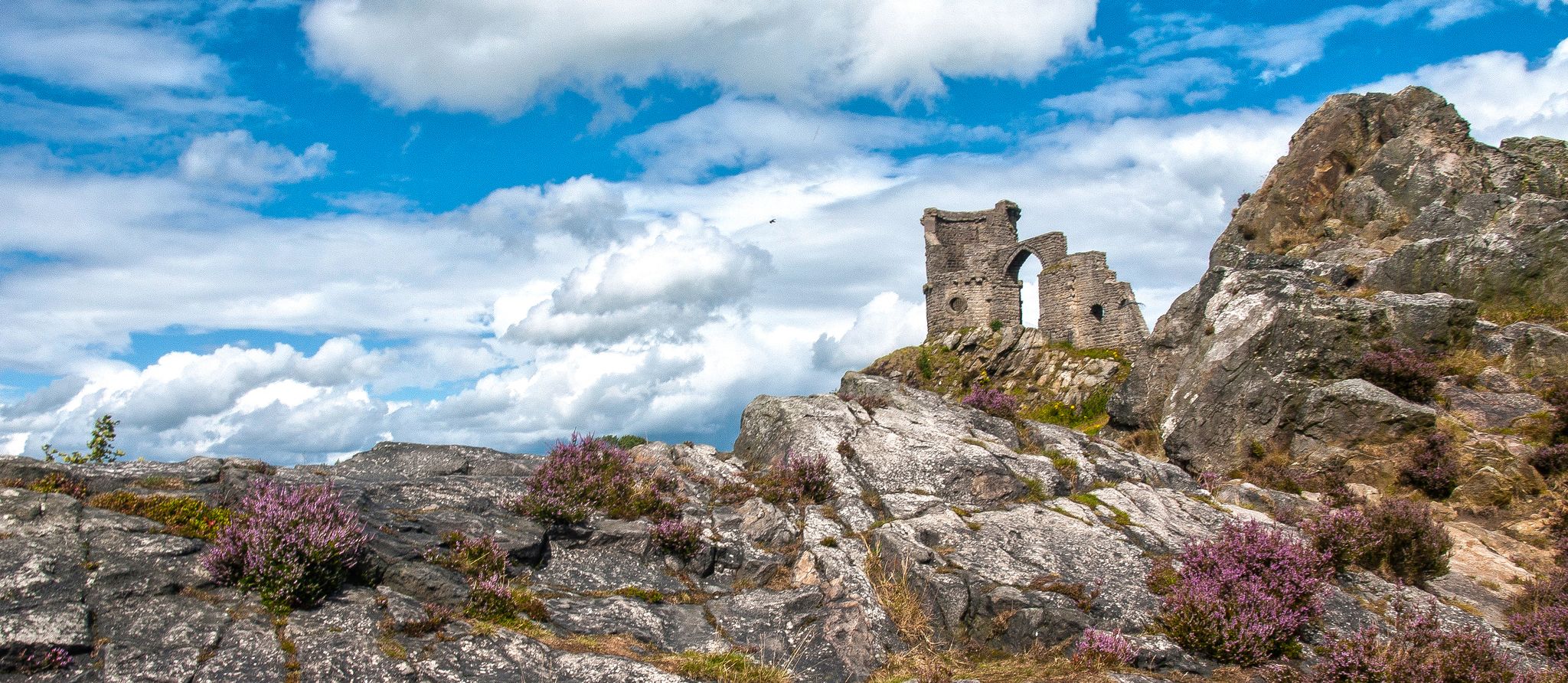
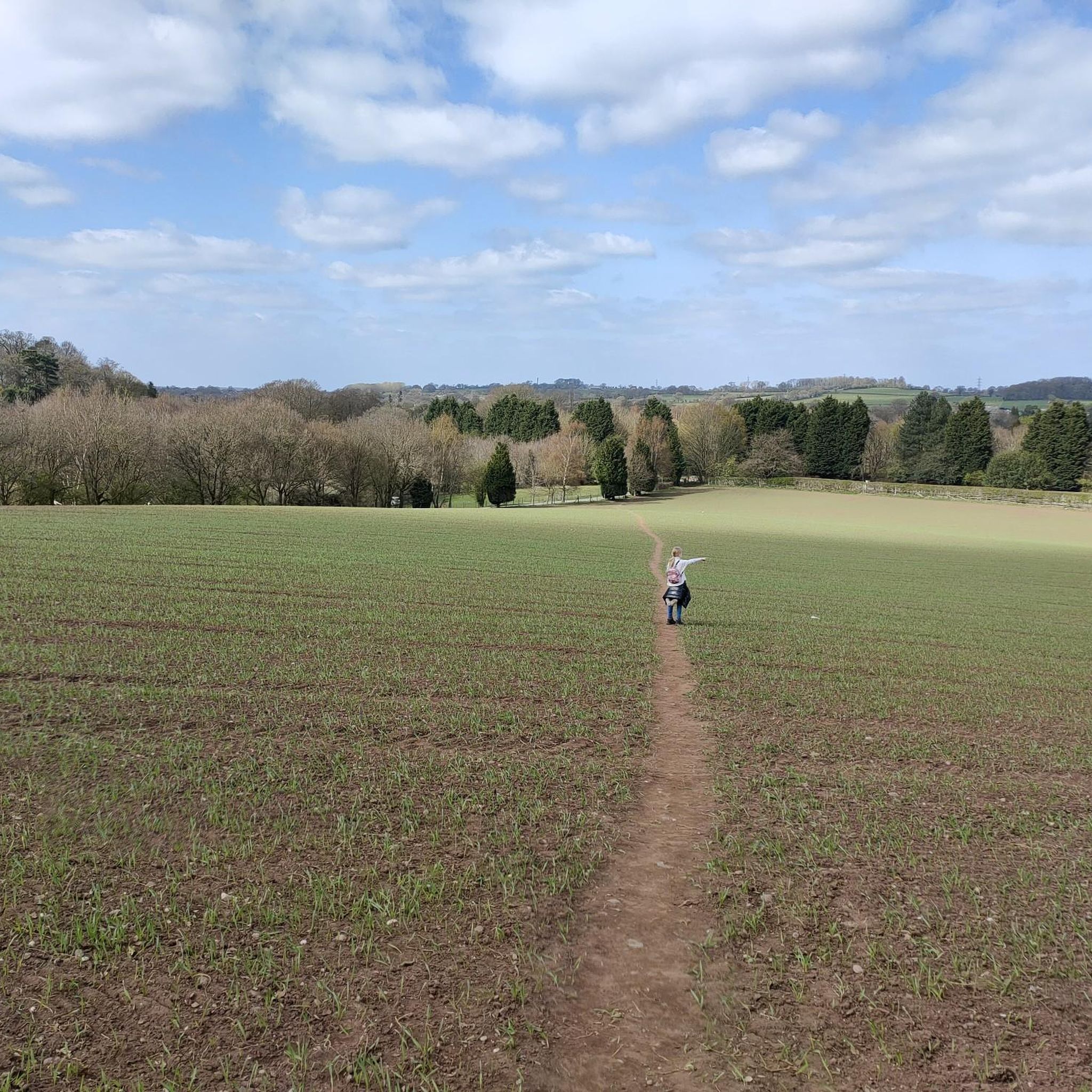
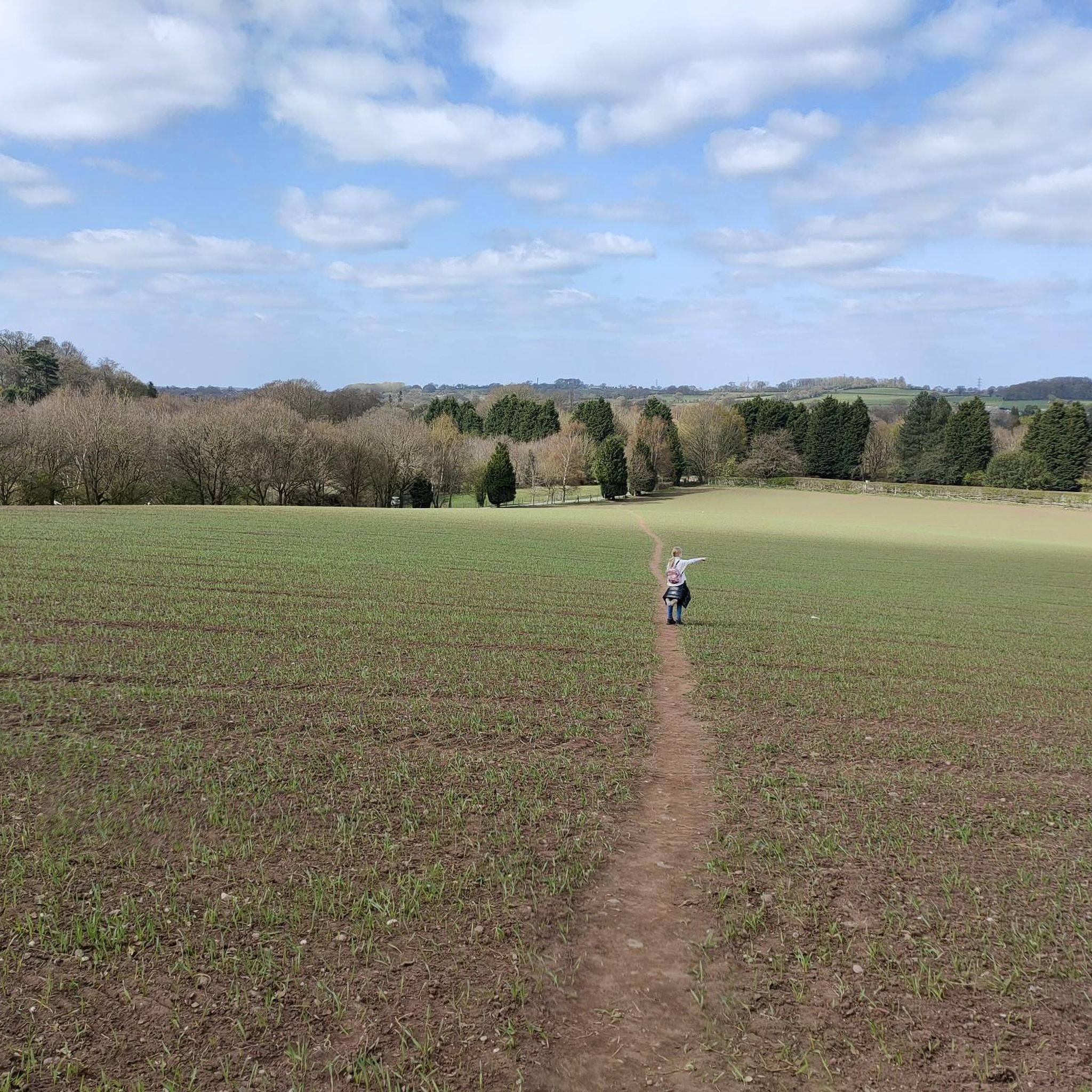
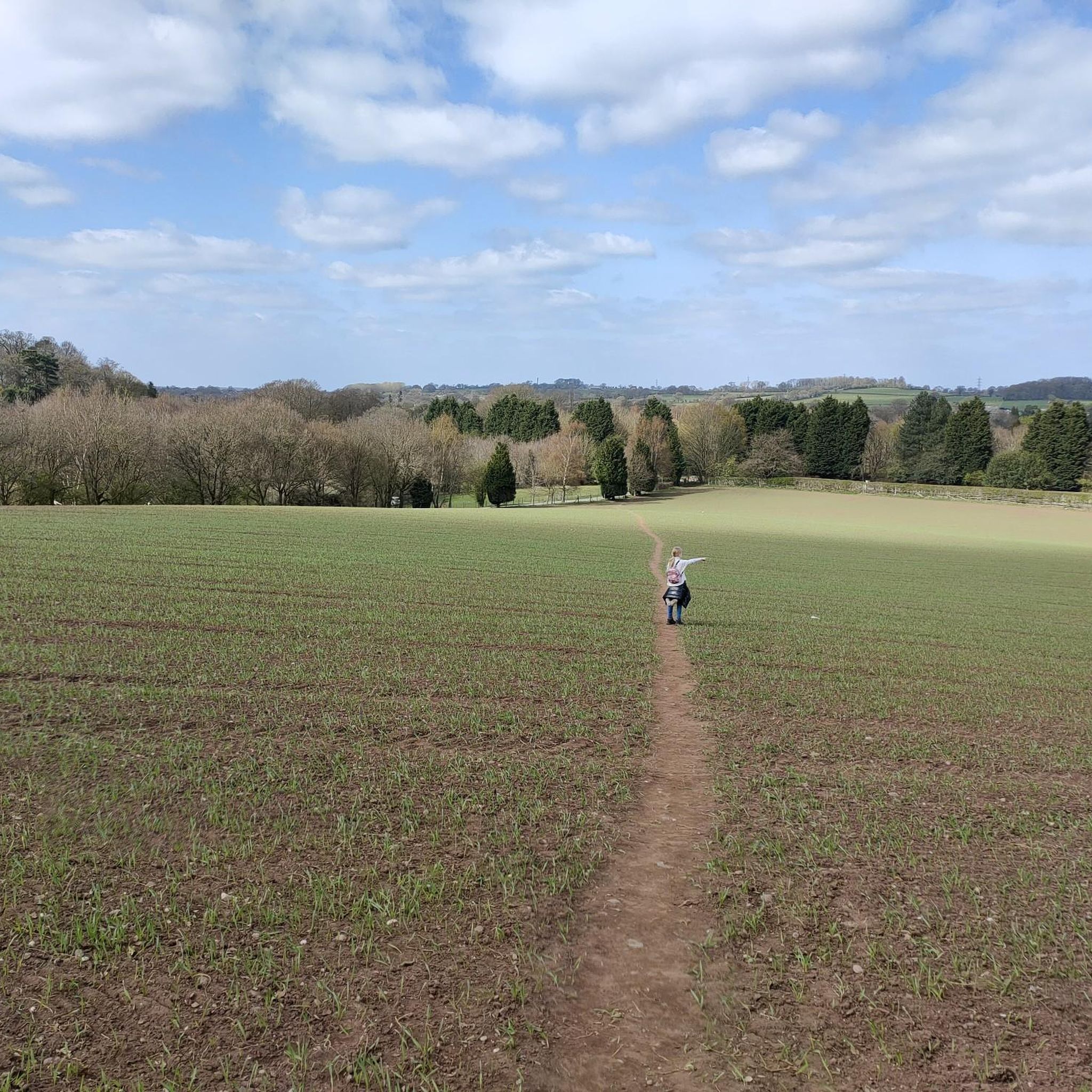

Other adventures around Colton

Tips from the Community

Essex Bridge is a historic, Grade I listed packhorse bridge located at the Shugborough Estate in Staffordshire, England, which crosses the River Trent. Originally built in the 16th century, it is notable as the longest surviving packhorse bridge in Britain and was constructed for Queen Elizabeth I's use, linking the estate to nearby woodlands. It is one of the oldest bridges in England that has not been altered. The bridge is situated over the River Trent near Great Haywood and is an integral part of the Shugborough Estate, a National Trust property. It was built around 1550 by the Earl of Essex for a visit from Queen Elizabeth I so she could access hunting grounds on the other side of the river. It is the longest surviving packhorse bridge in Britain, with 14 of its original 40 arches still intact today. The bridge is a Grade I listed monument and is one of the oldest un-altered bridges in England. source: internet
0
0


The site of the ‘Bloody’ steps, just visible behind the large tree on the opposite side of the towpath. The site of the 'Bloody Steps', is on the Trent & Mersey canal, just past Brindley Bank aqueduct. In 1839, Christina Collins, a local dressmaker, was murdered nearby. Her body was found in the canal and carried up the steps to the Talbot Inn. James Owen and George Thomas were later hanged for her murder
0
0
The headstone to Christina Collins' grave. She was murdered on the Trent and Mersey Canal by boatmen. The site of the 'Bloody Steps', is on the Trent & Mersey canal, just past Brindley Bank aqueduct. In 1839, Christina Collins, a local dressmaker, was murdered nearby. Her body was found in the canal and carried up the steps to the Talbot Inn. James Owen and George Thomas were later hanged for her murder.
0
0
This is St Augustine's church, which was opened in 1823 by the Bishop of Chester. It was built as a replacement for the original parish church, which had become too small for the town's growing congregation and was in a poor state of repair. The remains of the original church stand on the other side of the road. The land on which the new St Augustine's church was erected was provided by the second Viscount Anson of Shugborough Hall, who later became the First Earl of Lichfield. The building cost £6,501 17s 2d, which was partly met through the sale of materials from the original church. The new building was of simple design. We can see from the pointed windows and other features that it copied the mediaeval Gothic style of church building. Yew trees can be found in churchyards throughout the country. Many different explanations of the historical connection between the two have been offered, but the truth is likely to be a combination of these. The yew tree is poisonous and poses a particular danger to cattle and horses, so could not be grown where animals grazed. However, since mediaeval churchyards were often enclosed, yew could be grown within their grounds without endangering livestock. Some have suggested that yew trees were planted in churchyards to encourage farmers to keep better control of livestock. The famous English longbow was often made from yew, so it was important for mediaeval villages to have a supply of the timber.
0
0
The grave of John Parsons Cook, for whose murder Dr William Palmer, 'the Rugeley Poisoner', was hanged. Apparently, though, no amount of building to the glory of God could deliver one local character from a life of infamy. Doctor William Palmer, the son of a timber merchant, married Ann Brooks in 1847. She subsequently bore him five children, but four died mysteriously in infancy. Ann's father also died under suspicious circumstances and, when her grieving mother came to stay, she too was dead within the space of a week. Later, when William owed money to a bookmaker, the bookie suddenly became very ill and died before he had a chance to collect his cash. In the meantime, William took out insurance policies for his wife and brother, but they both died soon after the first payments had been made. The insurance company refused to pay out, so - heavily in debt - William went to the races with a friend by the name of John Parsons Cook. As luck would have it, Cook won, but unfortunately died before picking up his winnings. So who do you suppose showed up to collect them? Why, Dr William Palmer of course! By this stage, it wasn't just the insurance company who were crying foul, and Palmer was arrested for Cook's murder. The newspapers of the time called it the 'Trial of the Century' and for weeks it was headline news. After over a month in court Palmer was eventually found guilty and was publicly executed in Stafford at 8am on Saturday 14 June, 1856, in front of a crowd of 10,000. But that wasn't the end of William Palmer. So notorious were his crimes, and so voracious was the press in reporting them, that he endured for more than 100 years as a waxwork model in Madam Tussaud's Chamber of Horrors. Remarkably, it stayed there until 1979. One story tells how the people of Rugeley were so horrified by the scandal surrounding the trial that they petitioned Parliament to change the name of the town. The Prime Minister considered the petition and agreed the town name could be changed, but only if they named it after him; the problem was, his name was Palmerston.
0
0
To the east of the chancel is the unusual tomb of two sisters - Elizabeth Cuting, who died in 1695, and Emma Hollinhurst, who died in 1696. On its top are carved effigies of two figures, each tied at the top and bottom in a shroud. These curious effigies are behind a local legend that the sisters were buried alive in sacks by Oliver Cromwell - despite Cromwell having died earlier, in 1658. The true story of the tomb is connected to a Parliamentary Act of 17 years earlier, which required corpses to be buried in wool. These ladies, among others, preferred to be buried in linen, and defied the Act, as the burial register shows. Defiance would have resulted in a fine. At one end of the tomb is a skull and cross bones, a symbol that signified mortality. This was a common adornment on tombs at the time.
0
0
Here are the remains of the original St Augustine's church, which became the parish church in the 12th century. These remains have come to be known as the old chancel. The 12th-century church had just a nave and a chancel. A lady chapel was added in the 13th century, and a tower in the 14th. A north aisle was added, too. By the 19th century the church had become too small for the town's growing population and was in a poor state of repair. A new St Augustine's, which was dedicated in January 1923, was built on a plot of land opposite. Shortly afterwards, the nave, north aisle, porch and vestry of the original church were demolished. The tower, arcade, lady chapel and chancel are all that remain.
1
0
Frequently Asked Questions
How many running routes are available around Colton?
There are over 400 running routes around Colton, offering a wide variety of options for different preferences and fitness levels. The komoot community has explored more than 6,000 of these routes.
What kind of terrain can I expect on jogging routes in Colton?
Jogging around Colton features diverse terrain, including canal-side paths, trails through local parks, and routes winding through plantations. You'll find a mix of natural and semi-urban environments, often with gentle elevation changes.
Are there any easy running routes suitable for beginners or a relaxed jog?
Yes, Colton offers 46 easy running routes. These are perfect for beginners or those looking for a less strenuous run, allowing you to enjoy the scenery at a comfortable pace.
Can I find circular running routes in Colton?
Many of the routes around Colton are circular, providing convenient starting and ending points. For example, the popular Waterfall in Elmore Park loop from Rugeley is a moderate 7.5-mile trail that brings you back to your starting point.
What do other runners enjoy most about jogging in Colton?
The running routes in Colton are highly rated by the komoot community, with an average score of 4.6 stars from over 50 reviews. Runners often praise the varied terrain, from peaceful canal towpaths to scenic park trails, and the options available for different ability levels.
Are there any routes with interesting natural features or landmarks?
Absolutely! The Waterfall in Elmore Park loop from Rugeley features a beautiful waterfall. You can also explore routes that pass by historical landmarks, such as the Tomb of the Two Sisters – St Augustine's Church loop from Rugeley, or enjoy the tranquil canal-side scenery along the The Site of the Bloody Steps – Trent and Mersey Canal Towpath loop from Rugeley.
Are there any lakes or natural monuments to see near the running trails?
Yes, the area around Colton features several natural attractions. You can find beautiful lakes like Fairoak Pools and Stony Brook Pools. For natural monuments, consider visiting Sherbrook Stepping Stones or the Glacial Boulder, Cannock Chase.
What is a good moderate running route for a longer distance?
For a moderate, longer run, consider the Salt's Plantation loop from Rugeley Trent Valley. This route covers approximately 9.1 miles (14.6 km) and takes about 1 hour 35 minutes to complete, offering pleasant plantation scenery.
Are there any running routes that follow canal towpaths?
Yes, canal towpaths are a defining feature of running in Colton. The The Site of the Bloody Steps – Trent and Mersey Canal Towpath loop from Rugeley is an excellent option, offering a relatively flat and scenic 8.9-mile (14.3 km) run along the canal.
Are there any shorter, moderate running options available?
For a shorter, moderate run, the Start of Short Route loop from Rugeley is a good choice. It's about 3.3 miles (5.4 km) long and can be completed in around 33 minutes, offering a quick and enjoyable jog.
What are the general difficulty levels of running routes in Colton?
Colton offers a good mix of difficulty levels. Out of over 400 routes, 46 are easy, 303 are moderate, and 55 are considered difficult. This ensures there's a suitable challenge for every runner.
Most popular attractions around Colton

Get inspired with the komoot mobile app


Explore more
Browse the best Running Trails & Routes in other regions.
