Attractions and Places To See around Aislaby - Top 20
Best attractions and places to see around Aislaby encompass a range of historical landmarks, natural features, and outdoor activities. Located in North Yorkshire, the village provides access to the North York Moors National Park, known for its diverse landscapes. The area offers opportunities to explore significant historical sites, ancient rock formations, and popular mountain bike trails. Visitors can discover a variety of attractions, from heritage railways to dramatic waterfalls.
Best attractions and places to see around Aislaby
- The most popular…
Last updated: July 3, 2026
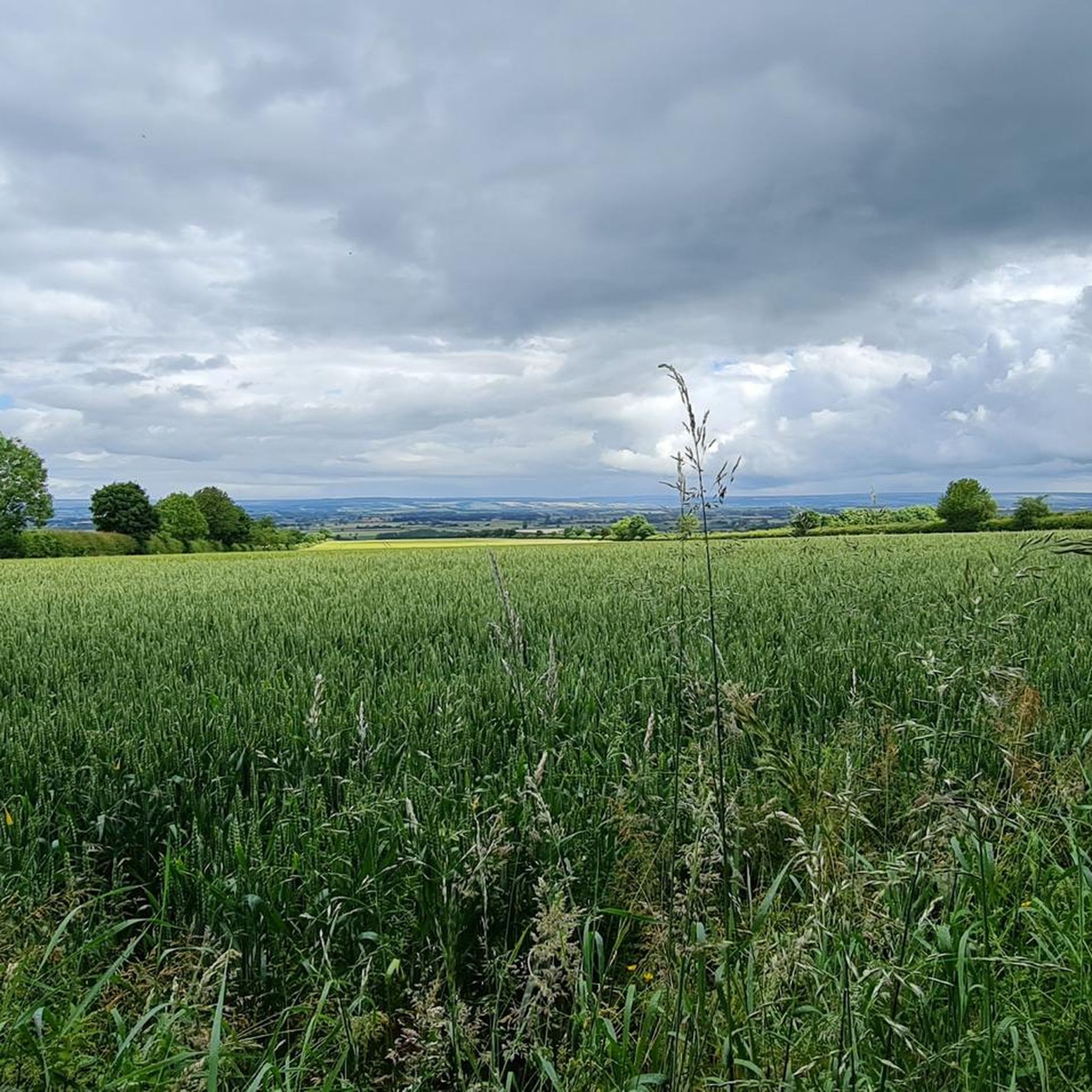
Dalby Forest mountain bike trails
Highlight • MTB Park
Tip by

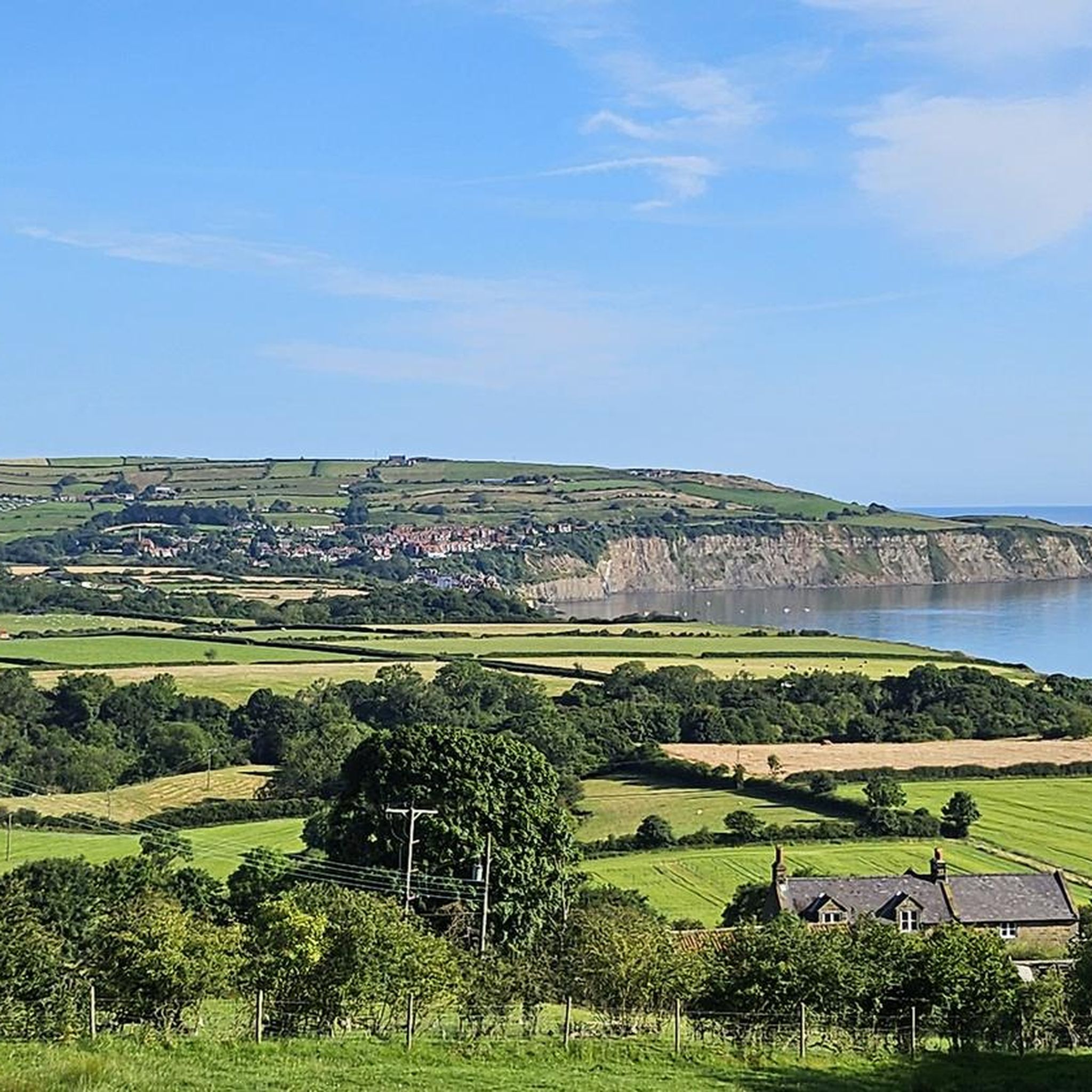
Bank Top Iron Kilns
Highlight • Historical Site
Tip by

Sign up now to discover places like this
Get recommendations on the best single tracks, peaks, & plenty of other exciting outdoor places.
Sign up for free
Hutton-le-Hole Village Green and Stream
Highlight • Settlement
Tip by

Dundale Griff
Highlight • Viewpoint
Tip by

The Bridestones
Highlight • Natural
Tip by
Sign up for free to discover even more attractions around Aislaby.
Sign up for free
Already have an account?
Start today with a free account
Your next adventure awaits.
Login or Signup

Tips from the Community

Bridestones are unique rock formations located in Dalby Forest, North Yorkshire. Originally formed by movement of glaciers during the last Ice Age, the sandstone formations date back 150 million years ago.
0
0

The Bridestones are the remnants of a sandstone cap, deposited during the Jurassic period, some 150 million years ago. The formations consist of alternating layers of hard sandstone and softer calcareous layers. Erosion by wind, frost, and rain over millennia has created the unique and bizarre shapes seen today. The term "Bridestones" may have originated from the Old Norse words "brink-stones" or "edge stones" The Bridestones are steeped in folklore and legend, connecting them to ancient cultures and mythical beings. Some legends suggest the Bridestones were ancient meeting places for Druids, while others tell tales of giants who once roamed the moors. One legend speaks of a young couple who eloped and found shelter among the rocks, whose love caused the stones to form a protective arch. Another story tells of Nan Moor and Jack Stone, guardians of the stones, who lived in a rock house and were possibly married there. The Bridestones are sometimes associated with the Celtic goddess Brigantia.
0
0
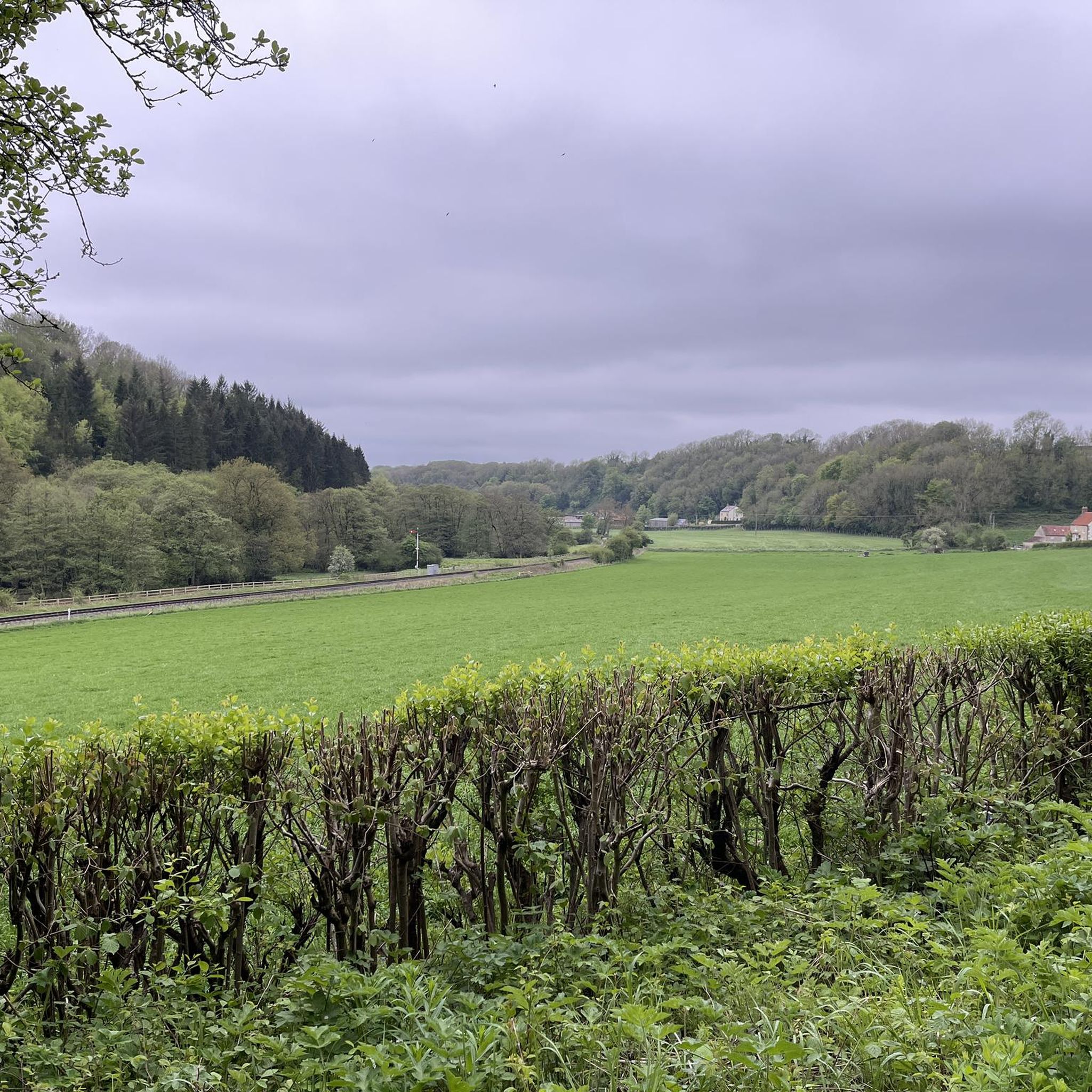
Dundale Griff is a delightful narrow side valley leading down from Dundale Pond to Levisham Beck. It's an area with significant historical traces, particularly relating to medieval times, when a monastic sheep farm (bercary) was established at the head of Dundale Griff, with the foundations of the stone buildings still visible today. Dundale Pond's history is linked to industrial water supply starting in the 19th century. William Kay, who owned a silk mill requiring substantial water, supplemented his supply by drawing water from a lake at Miswell Farm and connecting it to the hollow at Dundale via a tunnel. He is believed to have constructed a dam at Dundale to create the pond. Another tunnel then carried water from Dundale Pond to the mill. Both lakes were referred to as 'balancing ponds' to maintain consistent water levels. Look out for the herd of resident Highland Cows, actively breeding and very cute small calves can be seen in early summer.
0
0
Apparently regarded by the Victorians as "ill-planned and untidy", but now quite possibly one the most picturesque Moors villages, Hutton-le-Hole is a very popular starting point for hikes. Fairly sizeable car park just on the eastern side of the village off the road to Lastingham. Lots more info available at https://en.wikipedia.org/wiki/Hutton-le-Hole, https://www.yorkshire.com/hutton-le-hole/?srsltid=AfmBOoqlQxZoMrKrxFTMhz3S7ZTijB3NKHNKMKO3WYru-vDGGmjNYk2Q, https://www.northyorkmoors.org.uk/places-to-go/hutton-le-hole-lastingham-appleton-le-moors
0
0

Cafe & bike shop both take card payments (and apple payments even if theres no signal). Great place to stop for a slice of cake, sandwich and a coffee. Or bike repairs if needed (and a bit of clothes shopping with all the latest brands there).
0
0

dalby forest mountain biking, cafe, walks, park bike hire, awesome mountain biking
0
0
From Landofiron.org.uk: This landscape was utterly transformed during Rosedale’s Victorian ‘iron rush’ when Bank Top was a centre for the processing and transport of ironstone. Mining began in 1856, with ironstone hewn from nearby Hollins Mines and hauled by a steam winding engine up an inclined tramway to Bank Top. Vast quantities of ore – over 300,000 tonnes a year – were then processed in giant kilns, before being carried by moorland railway to blast furnaces in County Durham and Teesside. The Bank Top site also included coal depots, railway workers’ cottages and an engine shed. Production at Hollins peaked quickly and in 1885 the mines were abandoned, having largely exhausted their iron reserves in just 29 years.
1
0

Interesting ruins, great hikes with great views possible. This vastness is crazy
0
0
Frequently Asked Questions
What natural features can I explore near Aislaby?
The area around Aislaby is rich in natural beauty. You can visit the dramatic Bridestones, ancient sandstone rock formations within a nature reserve, or explore the stunning landscapes of the North York Moors National Park. Other notable natural attractions include Falling Foss Waterfall, Mallyan Spout Waterfall (the tallest in the North York Moors), and the tranquil Scaling Reservoir, perfect for walks and scenic views.
Are there historical sites to visit around Aislaby?
Yes, Aislaby and its surroundings offer several significant historical sites. You can explore the ruins of Bank Top Iron Kilns, a testament to the region's 19th-century iron industry. Nearby, you'll find the impressive Whitby Abbey, a dramatic ruin with roots dating back to the seventh century, and Aislaby Hall, a historical building from 1742. The Church of St. Margaret in Aislaby also has a history stretching back to medieval times.
What family-friendly activities are available near Aislaby?
For families, Hutton-le-Hole Village Green and Stream is a charming spot, often considered one of the prettiest villages in the North York Moors, with a stream running through its green. Dalby Forest mountain bike trails offer graded options suitable for various skill levels, including family-friendly routes. The North Yorkshire Moors Railway also provides a unique heritage rail experience, with stops like Goathland Station, famous for its role in *Harry Potter* and *Heartbeat*.
Where can I go for outdoor activities like hiking or cycling near Aislaby?
The North York Moors National Park, accessible from Aislaby, provides extensive opportunities for outdoor activities. For hiking, you can find numerous trails, including the picturesque Esk Valley Walk. For cycling, Dalby Forest mountain bike trails offer a range of graded options. You can find more detailed routes and guides for hiking at Hiking around Aislaby, running at Running Trails around Aislaby, and gravel biking at Gravel biking around Aislaby.
What are some unique viewpoints or scenic spots around Aislaby?
For panoramic views, consider exploring Aislaby Moor, which is Open Access Land. A hike to a trig point at 866 feet near the Whitby to Guisborough road offers sea views of Whitby Abbey and its viaduct. Dundale Griff also provides a delightful narrow side valley with historical traces and a chance to spot Highland Cows.
Are there any hidden gems or less-known places to discover near Aislaby?
A true hidden gem is Boggle Hole, a private cove with a café offering a tranquil coastal experience. Hob Hole Beck in Westerdale provides a serene parking spot by a picturesque water splash, ideal for picnics and as a starting point for scenic walks. The historical Aislaby Quarry, which supplied stone for Whitby Abbey, also offers a glimpse into the region's industrial past.
What is the North Yorkshire Moors Railway and where can I access it?
The North Yorkshire Moors Railway (NYMR) is a heritage railway offering a unique journey through the stunning North York Moors. Levisham Station, about 11.1 miles from Aislaby, is a charming stop on this iconic railway. Goathland railway station, another stop, is famous for its appearances in *Harry Potter* and *Heartbeat*.
Can I find places to eat or stay in Aislaby and the surrounding area?
While Aislaby is a village, the surrounding area, particularly villages like Hutton-le-Hole, offer good pubs and cafes. Many nearby towns and villages within the North York Moors National Park and along the coast provide various accommodation options, from cozy B&Bs to larger hotels.
What is the best time to visit Aislaby for outdoor activities?
The North York Moors National Park and the surrounding areas are beautiful year-round. Spring and summer offer lush greenery and warmer temperatures ideal for hiking and cycling. Autumn brings stunning fall foliage, while winter can provide a unique, serene experience, though some trails might be more challenging due to weather conditions. Always check local weather forecasts before heading out.
What is the significance of Aislaby Hall?
Aislaby Hall is a significant historical building with origins dating back to 1742. Although reconstructed in 1955 after a fire, it retains much of its Georgian interior. The hall, along with its contemporary gazebo and garden walls, is Grade II* listed, highlighting its architectural importance. It also gained popular culture recognition from its feature in the British TV series *Heartbeat*. You can learn more about its history on Wikipedia.
Are there any coastal attractions near Aislaby?
Yes, Aislaby's proximity to the North Yorkshire and Cleveland Heritage Coast means you can easily access breathtaking natural beauty, stunning walks, diverse wildlife, and dramatic coastal scenery. Whitby Abbey, perched on cliffs overlooking the sea, is a prominent coastal landmark, and Boggle Hole offers a tranquil private cove experience.
Most popular attractions around Aislaby

Get inspired with the komoot mobile app


Explore more
Still not found the Highlight you’re looking for? See guides of the top attractions in other regions:
