Attractions and Places To See around Easby - Top 20
Best attractions and places to see around Easby, a tranquil hamlet in North Yorkshire, are centered around its historic ruins and picturesque natural setting. The area offers a blend of cultural heritage and scenic beauty, particularly along the River Swale. Visitors can explore significant historical sites and enjoy the surrounding natural landscape. This region provides opportunities for gentle walks and cultural exploration.
Best attractions and places to see around Easby
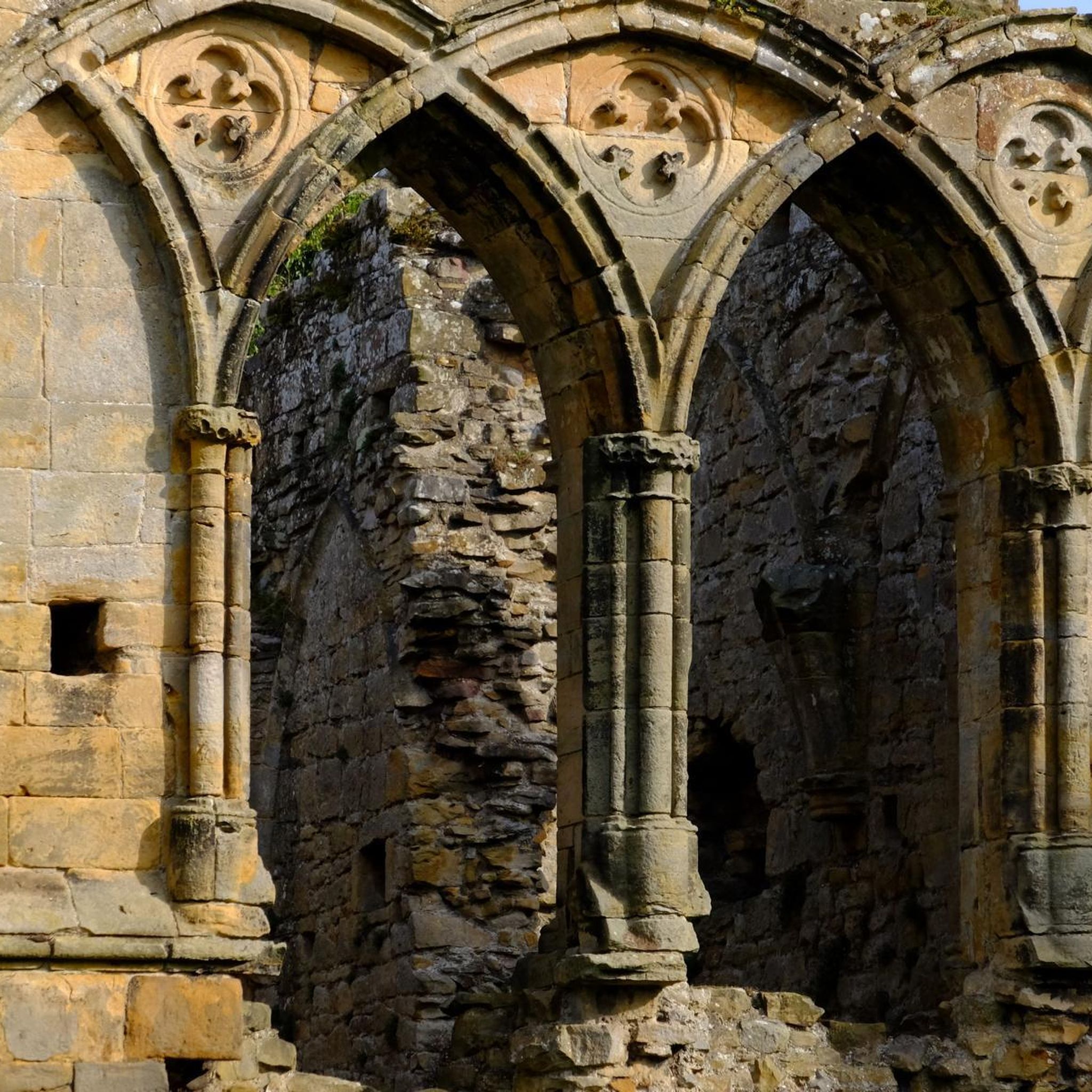
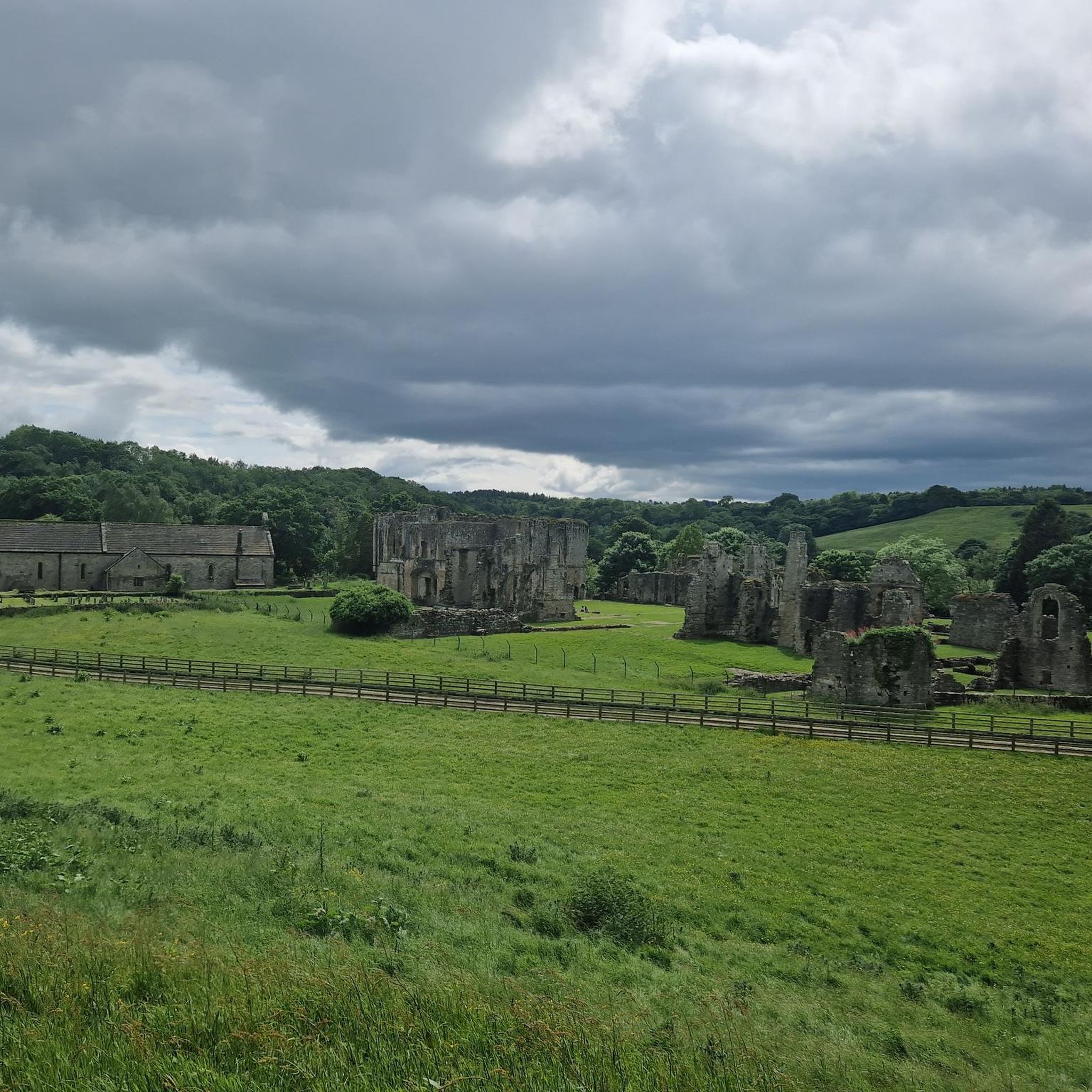
- The most popular attractions is Ruins of Easby Abbey, a historical site that is a ruined Premonstratensian monastery dating back to 1152. Maintained by English Heritage, it is situated by the River Swale and is free to enter.
- Another must-see spot is Richmond Castle, a viewpoint and one of Britain's oldest Norman fortresses, constructed from 1071. It stands on a rocky outcrop above the River Swale and is managed by English Heritage.
- Visitors also love Richmond Market Town and Castle, a historical site known for its Norman castle, Georgian architecture, and traditional cobbled market place. The town offers museums, cafes, and restaurants, situated by the River Swale.
- Easby is known for its historical sites, cultural landmarks, and natural features. The area provides a variety of attractions to see and explore, from ancient ruins to charming market towns.
- The attractions around Easby are appreciated by the komoot community, with 128 upvotes and 110 photos shared by visitors.
Last updated: July 2, 2026
Ruins of Easby Abbey
Highlight • Historical Site
Tip by

Richmond Market Town and Castle
Highlight • Historical Site
Boasting a fine example of a Norman castle, Georgian architecture, a traditional cobbled market place, the beautiful River Swale, and with plenty of museums, cafes, and restaurants, there is plenty for you to explore here.
Tip by
Sign up now to discover places like this
Get recommendations on the best single tracks, peaks, & plenty of other exciting outdoor places.
Sign up for free
The Drummer Boy's Stone
Highlight • Historical Site
Tip by

Richmond Castle
Highlight • Viewpoint
Tip by
St Joseph and St Francis Xavier Church
Highlight • Religious Site
Translated by Google •
Tip by

Sign up for free to discover even more attractions around Easby.
Sign up for free
Already have an account?
Start today with a free account
Your next adventure awaits.
Login or Signup

Tips from the Community


Great place to stop for a break when out cycling. Richmond market place has plenty of cafes and pubs, for bite to eat and a refreshing drink.
0
0

The wall paintings are wonderful - always a joy to see. The bike ride alongside the Swale is perfect. Watch out for herons, which can often be seen fishing on a rock. The ice cream at the parlour as you arrive at the station is delicious. The deli just inside is also fabulous…….
0
0

Biggest ruins I've seen, no entry fee, lots of interesting places to see, my favourite part was the roof underneath the refectory
0
0

Legend has it that at the end of the eighteenth century, a tunnel was discovered at Richmond Castle that was believed to lead to Easby, where there is a ruined abbey. It is said that the entrance to this tunnel was uncovered by soldiers but the passageway beyond was so narrow and full of rubble that they couldn’t fit through it. So a little drummer boy was lowered in and the boy was told to walk along the tunnel, banging his drum, whilst above ground the soldiers would follow his drumming and learn where the tunnel led. All was well at first. The soldiers walked along, listening carefully, and were led out of the castle, across the marketplace and down towards the river. It is told that they managed to follow the drumbeats all the way to Easby woods but all of a sudden the drumming stopped, still some distance from Easby and the abbey. The drumming never resumed and the Drummer Boy was never seen again. A marker of the tunnel above ground is the Drummer Boy’s Stone, on the path to Easby, pinpointing the spot where it’s said that the drumbeats of this poor unfortunate lad were last heard.
0
0

The church dates from 1868. It can be regarded as a prestige project of the then pastor, Father William Strickland: once finished, everyone was amazed by the beauty, but also amazed by the price. She put the parish in huge debt and Father Strickland in big trouble with his superiors. His parishioners objected to the amount of the debt, in particular to the construction of the school, which they believed could have been provided more cheaply. This building is now used as a parish hall.
0
0

Easby Abbey was founded in 1152 but demolished in the mid 1500s. The ruins are free to visit, with information boards set up and managed by English Heritage. The parish church is still used and contains 13th century wall paintings.
1
0
Frequently Asked Questions
What historical sites can I explore in Easby?
Easby is rich in history. You can visit the impressive Ruins of Easby Abbey, a well-preserved Premonstratensian monastery from 1152. Within the abbey precincts, you'll find the active St Agatha's Church, which features rare 13th-century wall paintings. Nearby, you can also see Easby Mill, an 18th-century corn mill built on medieval foundations. A short walk away, Richmond Castle, one of Britain's oldest Norman fortresses, offers further historical exploration.
What natural features can I enjoy around Easby?
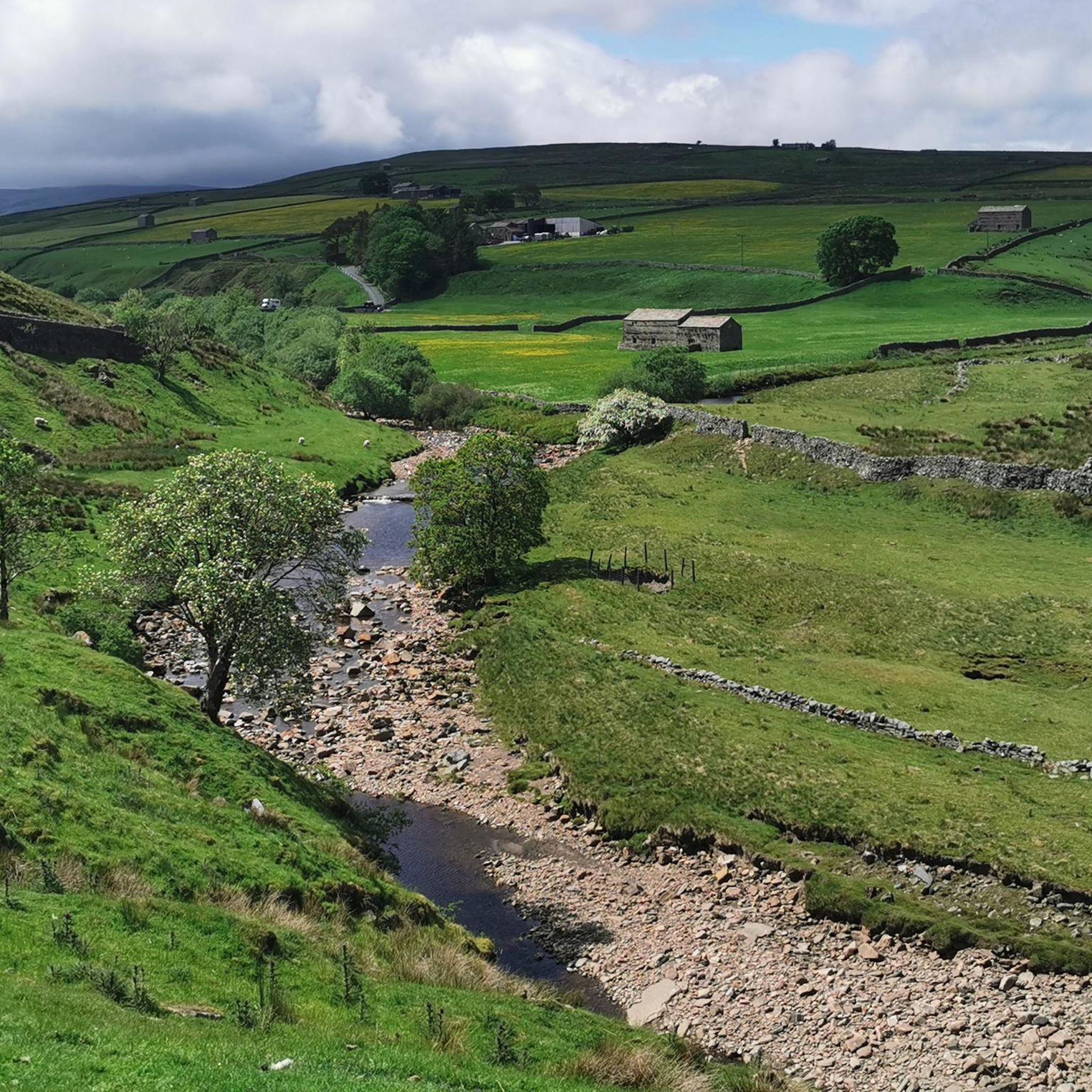
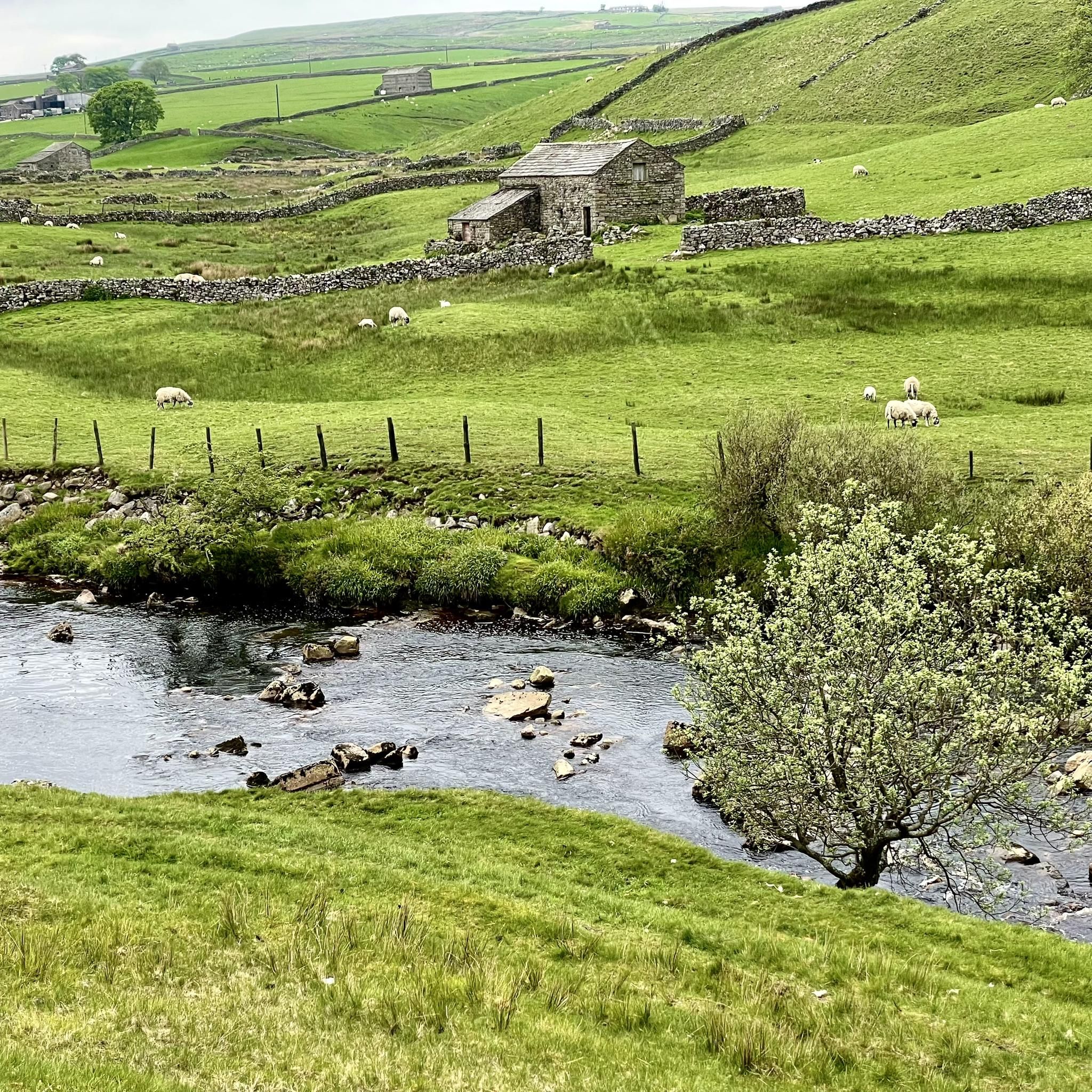
The area around Easby is known for its picturesque natural setting, particularly along the River Swale. The abbey itself is beautifully situated by the river, which is one of the fastest-flowing in England. The landscape, with its tree-clad slopes, creates a tranquil atmosphere ideal for gentle walks and photography.
Are there popular walking routes connecting Easby to nearby towns?
Yes, a popular and scenic 1 to 1.5-mile riverside walk connects Easby Abbey to the nearby market town of Richmond. This gentle stroll offers lovely views and can start from The Station in Richmond. For more extensive options, you can explore various hiking routes around Easby.
What hiking trails are available near Easby?
Easby and its surroundings offer several hiking opportunities. Popular routes include the 'Richmond Castle – Hudswell Woods loop from Richmond' (easy, 5.1 km) and the 'Ruins of Easby Abbey – Richmond Town Centre loop from Colburn' (moderate, 11.1 km). You can find more details and other trails on the Hiking around Easby guide page.
Can I go cycling around Easby?
Yes, the region around Easby is suitable for cycling. There are various routes for both road cycling and mountain biking. For road cyclists, options include the 'Richmond loop to Buttertubs Pass' (difficult, 84.8 km) or the 'Moulton BookStop – Deighton Straight Road loop from Richmond' (moderate, 65.6 km). Mountain bikers can explore trails like the 'Whitcliffe Wood – Ruins of Easby Abbey loop from Colburn' (moderate, 24.1 km). Discover more routes on the Road Cycling Routes around Easby and MTB Trails around Easby guide pages.
Are there family-friendly attractions or activities in Easby?
Easby offers several family-friendly options. The Ruins of Easby Abbey are free to enter and provide an engaging historical site for exploration. The gentle riverside walk from Easby to Richmond is also suitable for families. Additionally, Richmond Castle is another historical site that can be enjoyed by families.
What is the best time of year to visit Easby?
Easby's tranquil atmosphere and scenic beauty make it enjoyable throughout much of the year. Spring and autumn offer pleasant temperatures for walking and photography, with beautiful foliage changes. Summer is ideal for picnics and enjoying the riverside, while winter can offer a unique, serene experience, though paths might be muddy.
Is Easby Abbey free to enter?
Yes, the Ruins of Easby Abbey are free to enter and are managed by English Heritage. Visitors can explore the site during reasonable daylight hours.
Are there cafes or pubs near Easby Abbey?
While Easby itself is a tranquil hamlet, the nearby Richmond Market Town, just a short walk away, offers a variety of cafes, restaurants, and pubs. It's an excellent place to stop for refreshments after exploring the abbey and its surroundings.
What is the legend behind the Drummer Boy Stone?
The Drummer Boy Stone marks the location of a local legend. It's said that a drummer boy was sent into a tunnel from Richmond Castle, believed to lead to Easby Abbey, instructed to beat his drum so soldiers could follow his path above ground. The drumming stopped suddenly in Easby woods, and the boy was never seen again. The stone pinpoints where his drumbeats were last heard.
What are some scenic viewpoints in the wider Easby area?
Beyond Easby, the wider North York Moors area offers breathtaking views. Notable spots include Captain Cook's Monument on Easby Moor, which provides extensive vistas from 1,063 feet. Carlton Bank Summit Trig Point offers views of Roseberry Topping and the North York Moors, while The Wainstones are a distinctive rocky outcrop popular with hikers, providing views towards Middlesbrough and the Tees.
What do visitors enjoy most about Easby?
Visitors particularly appreciate the peaceful and tranquil atmosphere of Easby, especially around the abbey and the River Swale. The blend of cultural heritage with the picturesque natural setting, along with opportunities for gentle walks and photography, makes it a beloved destination. The well-preserved ruins of Easby Abbey are often highlighted as a captivating historical experience.
Most popular attractions around Easby

Get inspired with the komoot mobile app


Explore more
Still not found the Highlight you’re looking for? See guides of the top attractions in other regions:
