Attractions and Places To See around Wilstrop - Top 20
Best attractions and places to see around Wilstrop offer a glimpse into historical landscapes and a tranquil rural setting in North Yorkshire. This civil parish, located approximately 8 miles west of York, is characterized by its historical remnants and natural features. The area is situated near the River Nidd, which forms part of its northern boundary, contributing to its rural character.
Best attractions and places to see around Wilstrop
- The most popular attractions is Aldwark Bridge, a bridge that…
Last updated: August 13, 2026
Aldwark Bridge
Highlight • Bridge
Tip by

Beningbrough Hall
Highlight • Cafe
Tip by

Sign up now to discover places like this
Get recommendations on the best single tracks, peaks, & plenty of other exciting outdoor places.
Sign up for free
St John the Baptist Church, Healaugh
Highlight • Historical Site
Tip by

Clifton Ings Trail
Highlight (Segment) • Cycleway
Tip by

Marston Moor Battle Monument
Highlight • Monument
This was one of the deciding …
Tip by

Sign up for free to discover even more attractions around Wilstrop.
Sign up for free
Already have an account?
Start today with a free account
Your next adventure awaits.
Login or Signup

Tips from the Community

It's been closed for 3 years according to the local I spoke to for directions, go straight to the park and ride down the road and rejoin the cycle way there.
1
1

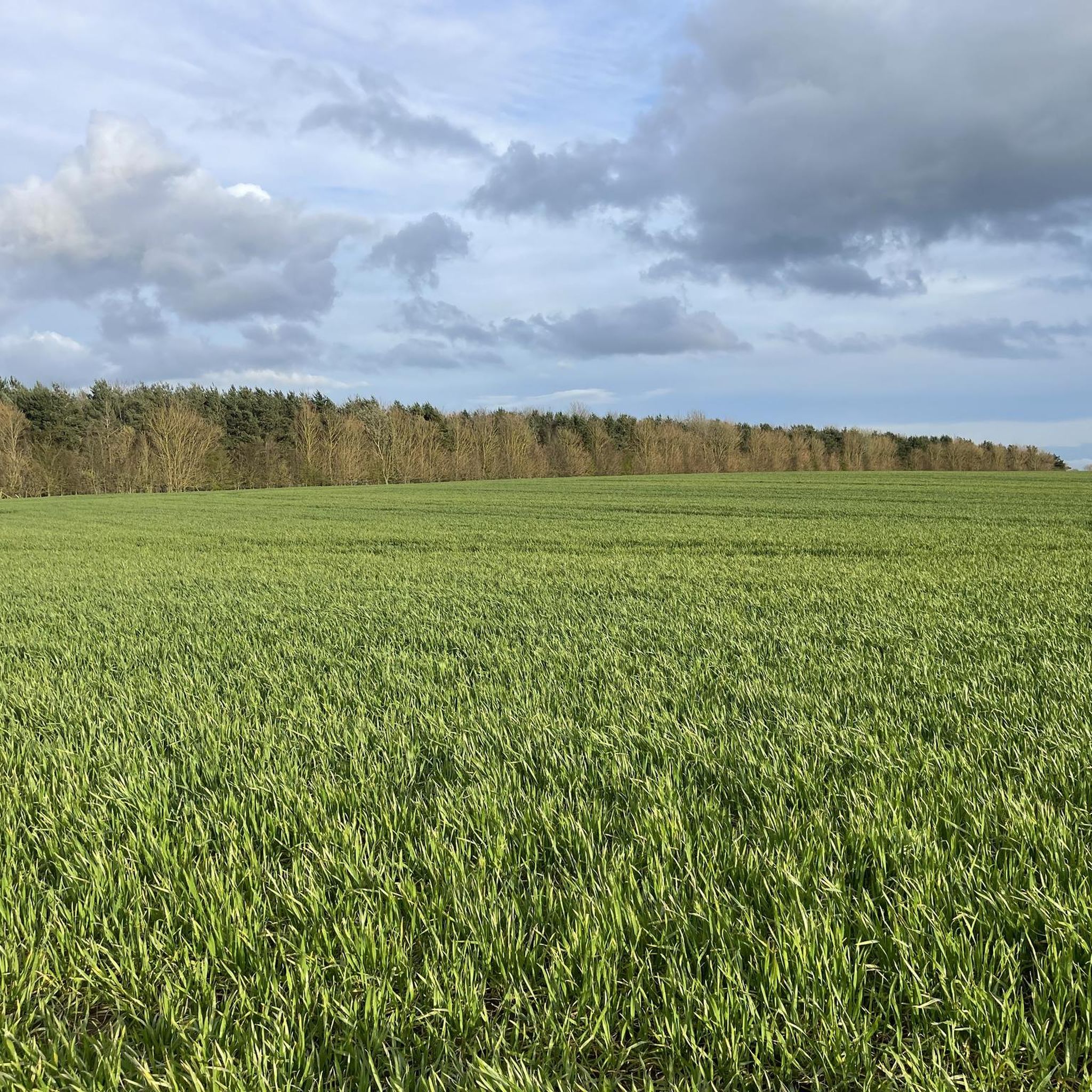
This footpath follows the banks of the River Ouse and the stream along the edge of Clifton Ings into (or out of) York. It shares the trail with the York and Selby long distance walking trail. The Ings are a flood defence scheme where the grassland here can be flooded at times of high flow, reducing the impact of the river and flooding in York. In the summer, farmers use the lush grassland to feed the cattle.
1
0

The construction of the church is thought to have taken place around 1150, and remnants of the Norman-era structure remain both within its walls and on its exterior. The chancel and the south door stand as the most ancient segments that persist, originating from the earliest times. Subsequently, the north aisle and the priest's door emerged during the final quarter of the 12th century, marking the next stages of architectural evolution. The trio of church bells, crafted by George Dalton in the year 1786. While these bells frequently ring out, their full peal cannot be executed due to a crack within the tower. This precautionary measure is in place to prevent exacerbating the crack's condition through excessive vibrations.
2
0

In some ways Beningbrough is a real treat. It's on the natural cycle route from Thirsk to York and provides a lovely stretch of very quiet, stately home grounds to cycle through. And if you are a National Trust member you might as well visit when you are there: the gardens are very pretty, and there is a café. On the other hand, the hall itself is rather deserted with very little by way of furnishings. It certainly doesn't feel like a real place, more like a cinema set in between films.
0
0

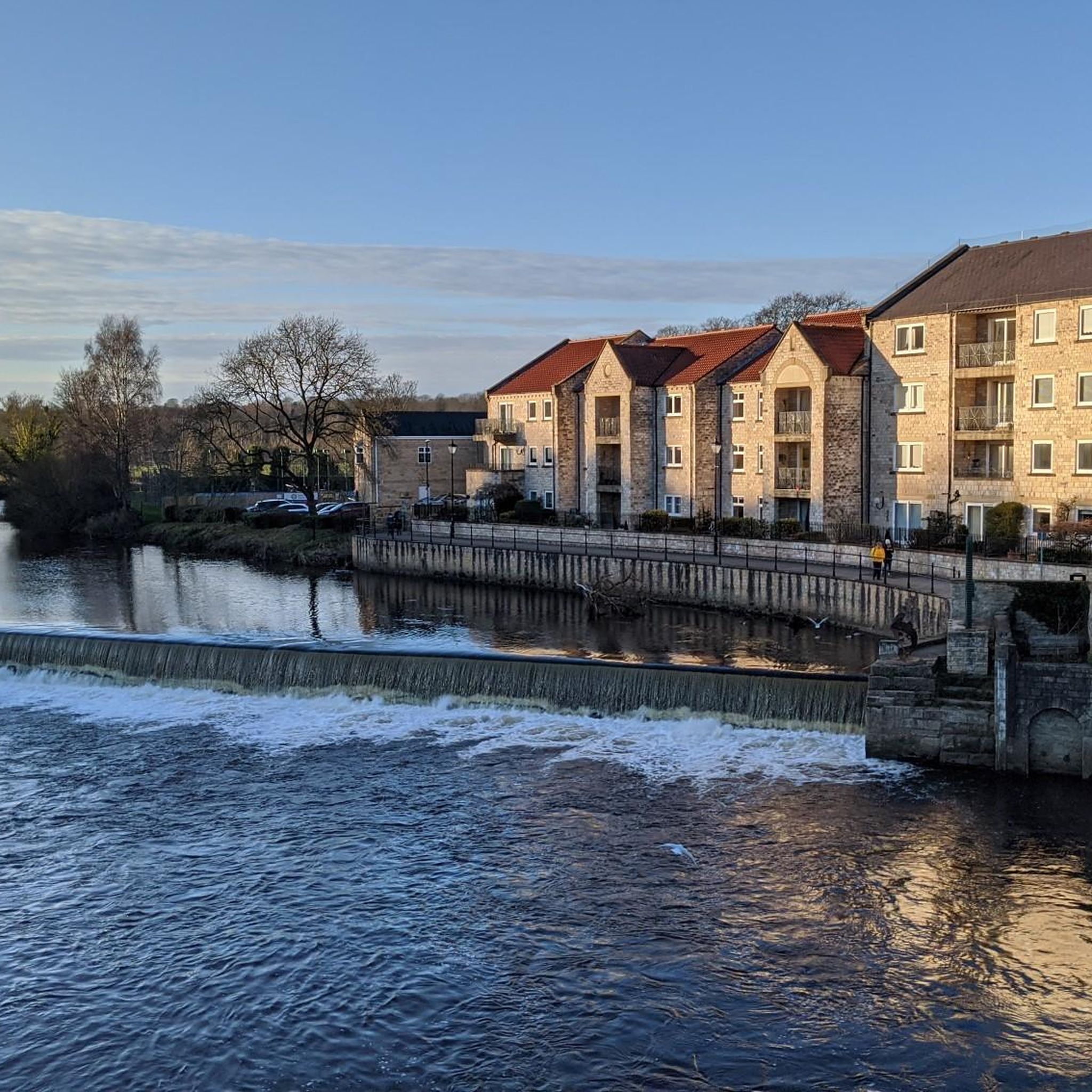
I believe that the bridge is closed for repair until 31 October 2023 so look to take a detour. Komoot has automatically routed me across the golf course to the North which you can get through with your bike (unofficially).
0
0

Please note that at the time of writing this bridge is closed to all traffic including cyclists.
1
0

Beningbrough Hall is a large Georgian mansion with extensive gardens and parkland. It was built in 1716 by York landowner John Bourchier III. The National Trust acquired the estate in 1958 after it was given to the country in lieu of death duties. You can visit the house and gardens and there is also a shop and cafe on site. If you're not a NT member there is an admission price to explore the house and gardens but the parkland has footpaths through it and is open to all, as is Home Farm cafe.
0
0

The Battle of Marsden Moor was fought on 2nd July 1644, the largest in the English Civil War and possibly the largest ever in England. It was a decisive point as the Royalists were defeated meaning they had lost control of the North of England. There are a number of interp boards at the memorial which give further information.
0
0
Frequently Asked Questions
What historical sites can I explore around Wilstrop?
Wilstrop is rich in history. You can visit the site of the Deserted Medieval Village of Wilstrop, where earthworks from a 15th-century depopulated village are still visible. Another significant historical landmark is Marston Moor Battle Monument, commemorating a decisive English Civil War battle. Additionally, Beningbrough Hall, a Georgian Mansion, offers insights into 18th-century life with its portraits and walled garden.
Are there any notable bridges in the Wilstrop area?
Yes, Aldwark Bridge is a popular attraction, known for its historical significance and location near the River Nidd, featuring a picnic area and wildlife site. Another historical bridge is Skip Bridge, an early 19th-century Grade II listed structure that carried the old A59 route over the River Nidd.
What kind of outdoor activities are available near Wilstrop?
The area around Wilstrop offers various outdoor activities. You can explore walking and cycling trails like the Harland Way (Wetherby Railway Path), which follows a former railway track with expansive countryside views. For more structured routes, you can find numerous road cycling, gravel biking, and running trails, including options along the River Nidd and near Tockwith.
Are there walking or cycling trails suitable for families?
Absolutely. The Harland Way (Wetherby Railway Path) is a family-friendly trail offering easy cycling and walking. The Clifton Ings Trail, following the River Ouse, is also suitable for families, though it's important to note that parts may be closed for flood defense. Many of the nearby running and gravel biking routes also offer accessible sections for family outings.
Can I find any natural areas or wildlife spots?
Wilstrop's rural setting near the River Nidd provides opportunities for enjoying nature. The Aldwark Bridge area includes a wildlife site. The River Nidd itself forms part of the parish's northern boundary, contributing to its natural character. The Clifton Ings Trail is part of a flood defense scheme where grasslands are used by farmers to feed cattle in summer, offering a glimpse of local wildlife and agricultural landscapes.
What is the significance of the Deserted Medieval Village of Wilstrop?
The Deserted Medieval Village of Wilstrop is a significant historical site where earthworks from a village depopulated in the 15th century are still visible. The landowner at the time evicted residents to make way for sheep grazing, and the site was converted into a park in the 16th century. Archaeological remains, including ditched enclosures and hollow ways, offer a unique insight into medieval life and land use. The name 'Wilstrop' itself has Viking origins.
Is Wilstrop accessible by public transport?
Wilstrop is a small civil parish with no modern village, so direct public transport options are limited. It is advisable to check bus routes to nearby larger villages like Tockwith or Green Hammerton, and then plan for a short walk or taxi to specific points of interest within Wilstrop. Given its rural nature, a car is generally recommended for exploring the area.
Are there places to eat or stay near Wilstrop?
While Wilstrop itself is a small parish without commercial amenities, nearby villages like Tockwith and Green Hammerton offer options for cafes, pubs, and accommodation. For example, Beningbrough Hall has a farm shop with a cafe that can be accessed without paying admission to the house and gardens.
What is the best time of year to visit Wilstrop?
The best time to visit Wilstrop and its surrounding attractions is generally during the spring, summer, and early autumn months (April to October). During these periods, the weather is more favorable for outdoor activities like walking and cycling, and the historical sites are more pleasant to explore. The rural landscapes are also at their most vibrant.
Are there any dog-friendly walking options near Wilstrop?
Many of the rural walking trails and paths around Wilstrop, including sections of the running trails and the Harland Way, are suitable for dog walking. Always ensure your dog is under control, especially near livestock, and follow local signage regarding lead requirements. Remember to clean up after your pet to help keep the countryside enjoyable for everyone.
What do visitors particularly enjoy about the attractions near Wilstrop?
Visitors appreciate the blend of history and natural beauty. The historical significance of sites like Marston Moor Battle Monument and the tranquil setting of Aldwark Bridge are often highlighted. The opportunity to explore former railway paths like the Harland Way, offering expansive countryside vistas, is also a favorite among the komoot community.
Where can I find more information about the Battle of Marston Moor?
You can visit the Marston Moor Battle Monument itself, where interpretive boards provide detailed information about this significant English Civil War battle. The monument commemorates the event that took place on July 2nd, 1644, and was a decisive point in the war, leading to the Royalists losing control of Northern England.
What is the Harland Way?
The Harland Way, also known as the Wetherby Railway Path, is a trail that stretches approximately 3 miles alongside a formerly abandoned railway track. It offers expansive countryside vistas and leads to the picturesque village of Spofforth, known for its charming 18th-century cottages and the historic Spofforth Castle. It's a popular route for walking and cycling.

Get inspired with the komoot mobile app


Explore more
Still not found the Highlight you’re looking for? See guides of the top attractions in other regions:
