Attractions and Places To See around Wath - Top 20
Best attractions and places to see around Wath include a mix of historical landmarks, natural features, and cultural sites in South Yorkshire, England. The town, situated near the River Dearne, offers green spaces like Wath Lake and Wath Wood. Its heritage is marked by remnants of its coal mining past and medieval history. Visitors can explore a variety of points of interest that reflect the region's character.
Best attractions and places to see around Wath
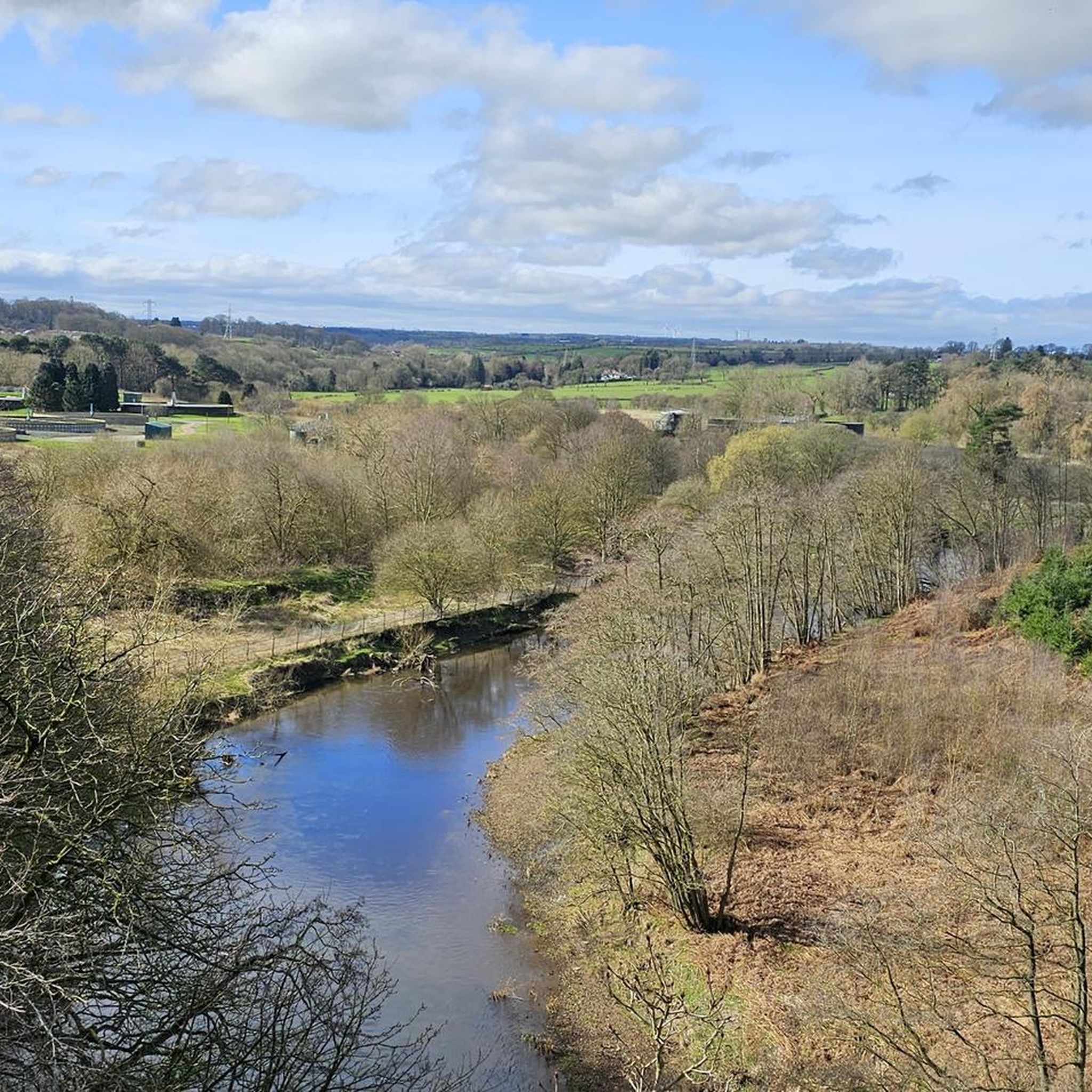
- The most popular attractions is Seven Bridges Valley, a river area that follows the River Skell. It features a series of bridges, some of which no longer span the river due to changes in water flow, offering an easy walking route.
- Another must-see spot is Hackfall Wood, a woodland managed by the Woodland Trust. Visitors can explore waterfalls, dense woodland trails, a stream, and various grottos and ruins.
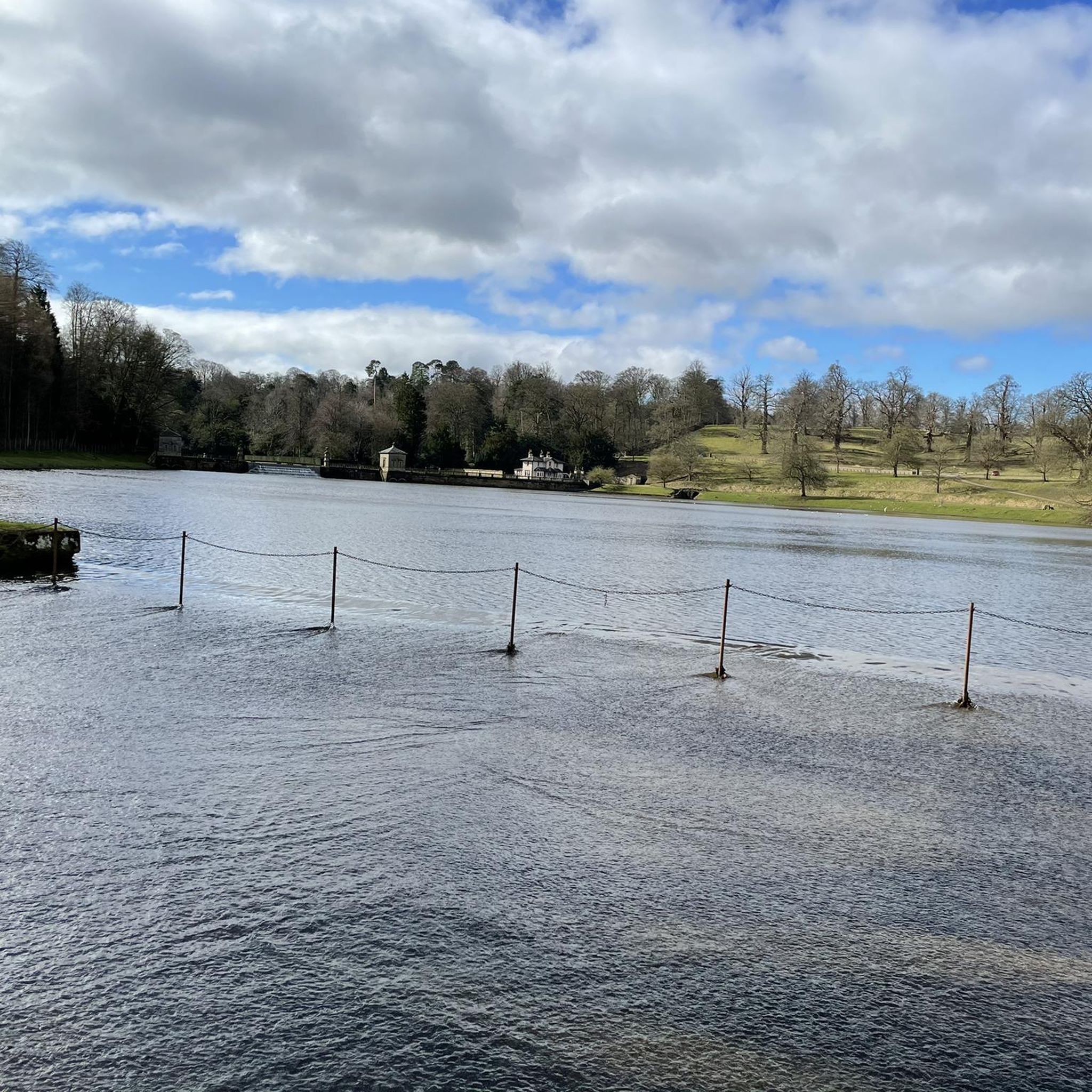
- Visitors also love Studley Royal Deer Park and St Mary's Church, a natural parkland with a Victorian High Anglican Church. This area is known for its deer and offers views over the surrounding countryside.
- Wath is known for its historical landmarks, natural lakes and woods, and cultural sites. The area provides opportunities to explore local history, enjoy scenic walks, and appreciate green spaces.
- The attractions around Wath are appreciated by the komoot community, with 98 upvotes and 79 photos shared by visitors.
Last updated: October 7, 2026
Studley Royal Deer Park and St Mary's Church
Highlight • Natural
Tip by

Masham Market Square
Highlight • Restaurant
Masham is a town with two breweries and a top selection of pubs for your post exercise refreshments!
Tip by

Sign up now to discover places like this
Get recommendations on the best single tracks, peaks, & plenty of other exciting outdoor places.
Obelisk at Ripon Market Place
Highlight • Historical Site
The Market Place is the centre of Ripon, with its 24m obelisk at the centre, the oldest free standing obelisk in England built to replace the old market cross.
From here expand a network of streets and alleyways with a plethora of shops, cafes, pubs and restaurants always ready to feed a pair of hungry legs.
Tip by

Hackfall Wood
Highlight • Waterfall
Tip by

Seven Bridges Valley
Highlight (Segment) • River
Tip by
Sign up for free to discover even more attractions around Wath.
Already have an account?
Start today with a free account
Your next adventure awaits.


Tips from the Community


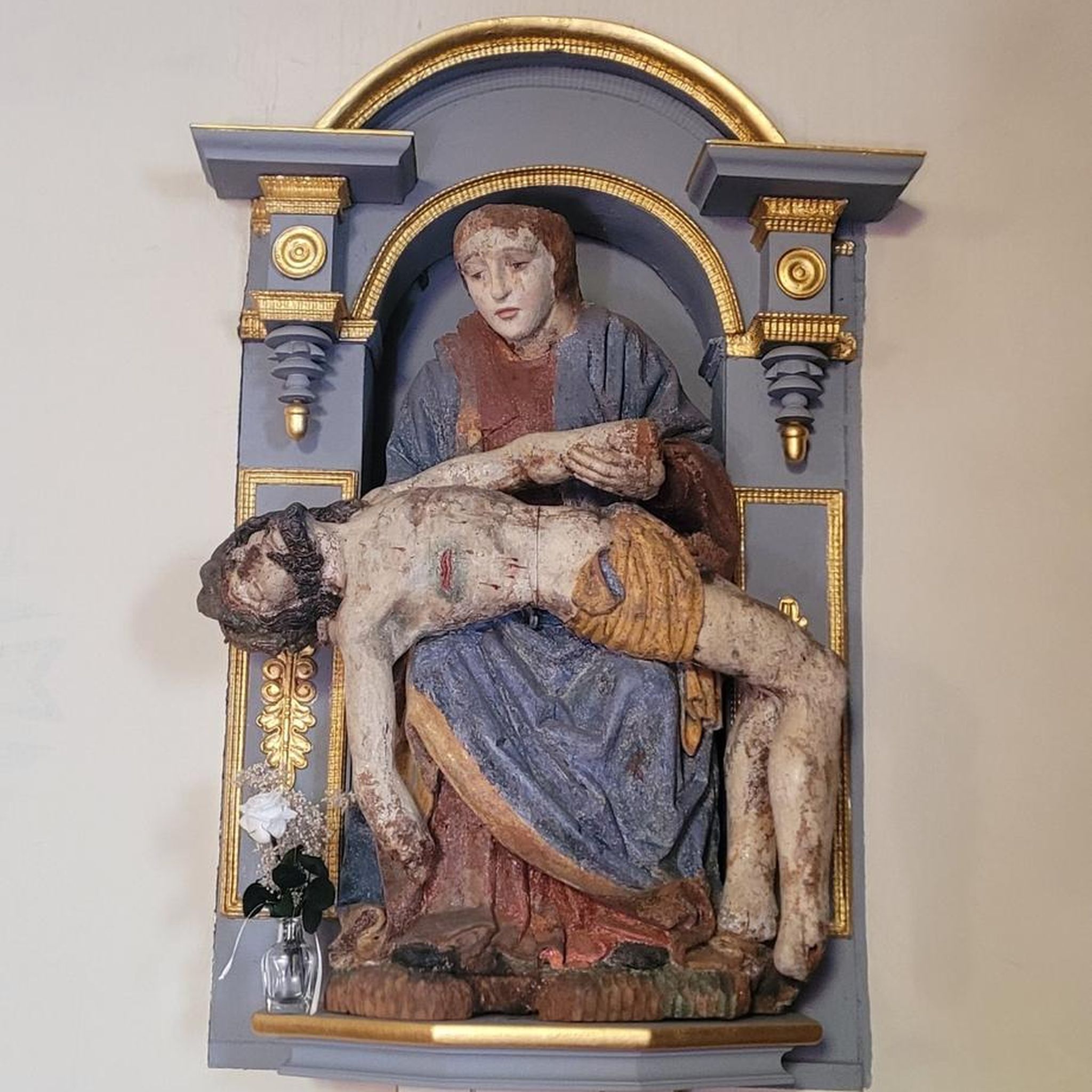
St Mary’s Church at Studley Royal Park is one of the most striking examples of Victorian Gothic Revival architecture in the region. Designed by William Burges in the 1870s, the church is breathtaking inside and out, with intricate carvings, rich stained glass, and dramatic decoration throughout. The craftsmanship and attention to detail are extraordinary, making this church not only a place of worship but also a work of art. Its location within the deer park adds to the sense of tranquillity, and it is well worth a visit for anyone interested in architecture, history, or simply beautiful spaces. The church was actually born out of tragedy, it was built in memory of Frederick Vyner who was kidnapped and murdered in Greece in 1870. While travelling near Marathon, he and others were taken hostage by brigands demanding ransom. A failed rescue attempt led to his death, and his grieving family* used the unspent ransom money to build two churches in his memory – Christ the Consoler at Newby Hall and St Mary’s at Studley Royal. *Frederick’s mother, was Lady Mary Vyner, and his sister (Henrietta), was married to George Robinson who later became 1st Marquess of Ripon, the owner of Studley Royal).
0
0

The Church of St Mary, Studley Royal, is a Victorian Gothic Revival church built in the Early English style by William Burges
0
0


A television series that I can wholeheartedly recommend presents the culture-loving viewer (in German) with remarkable examples of human creativity from many countries around the world. What they all have in common is that they have been given "World Heritage" status by UNESCO. * "A park, gnarled trees, twisted by the wind, as if by a giant's hand. Herds of fallow deer and roe deer graze in the tall grass. In the valley, nature is reflected in an artificial lake district: the visitor stands in Lord Aislabie's "Watergarden". Small Greek temples and Gothic turrets are also reflected in the water, because in the 18th century it was fashionable to decorate the parks of noble country estates with Greek temples and Gothic turrets - real ruins were very popular. And the Lord had a really magnificent ruin in his park. If you walk along the well-kept park paths by the stream that flows through the artificial lakes, you will see "Fountains Abbey" or what is left of what was once the largest English Cistercian monastery in Yorkshire, an impressive ruin." is written on the media library's website. The corresponding film contribution (in German) can be found at the following link => https://www.ardmediathek.de/video/schaetze-der-welt/der-park-v-studley-und-die-ruinen-von-fountains-abbey-gb-folge-197/swr/Y3JpZDovL3N3ci5kZS83MDM1MzE0
0
0

Victorian High Anglican Church with views over the surrounding countryside. This church sits outside the Fountains Estate so can be visited without a ticket.
1
0

It forms part of the Yorkshire Heritage Way, Bradford Cathedral to Ripon Cathedral linking the Unesco world heritage sites of Saltaire and Fountains Abbey / Studley Royal.
1
0
Frequently Asked Questions
What natural attractions and outdoor activities can I enjoy around Wath?
Wath offers several natural spots for outdoor enjoyment. You can take leisurely walks around Seven Bridges Valley, which follows the River Skell, or explore the scenic Hackfall Wood with its waterfalls and woodland trails. Other local options include Wath Lake and Manvers Lake, both ideal for walks and wildlife spotting. For more structured outdoor activities, you can find various hiking, running, and cycling routes in the wider area, such as those listed in the hiking guide for Wath.
Are there historical sites or cultural landmarks to visit in Wath?
Yes, Wath has a rich history reflected in its landmarks. You can visit the prominent Norman All Saints Church, a Grade I listed building. The Wath Main Pit Head Winding Wheel stands as a tribute to the town's coal mining heritage. Remnants of medieval history, such as the bases of the Market Cross and Town Cross, can also be found. Nearby, you can also explore Studley Royal Deer Park and St Mary's Church, a Victorian High Anglican Church set within natural parkland.
What family-friendly attractions are available near Wath?
For families, Wath and its surroundings offer several engaging options. Seven Bridges Valley and Hackfall Wood are great for family walks and exploring nature. Wath Lake and Manvers Lake provide peaceful settings for picnics and easy strolls. Slightly further afield, the Magna Science Adventure Centre in Rotherham offers an interactive experience for all ages, and Brodsworth Hall and Gardens provides beautiful grounds to explore.
Are there any accessible paths for wheelchairs or buggies around Wath?
Yes, Wath Lake features accessible paths suitable for wheelchairs and buggies, making it a good option for inclusive outings. Additionally, Masham Market Square and the Obelisk at Ripon Market Place are noted as wheelchair accessible, offering cultural exploration in nearby towns.
Where can I find places to eat or drink near the attractions?
Manvers Lake has a café on-site, perfect for refreshments during your visit. In nearby Masham, the Market Square is home to many independent businesses, pubs, and cafes. Similarly, Ripon's Market Place, centered around the Obelisk, offers a plethora of shops, cafes, pubs, and restaurants.
What are some popular walking routes or trails near Wath?
Beyond the local lakes and woods, you can find several popular walking routes. The Seven Bridges Valley offers an easy walking route along the River Skell. For more extensive options, the hiking guide for Wath includes routes like the 'Ripon Cathedral – Weeping Willow at The Ford loop' and the 'River Ure Bridge, Ripon – Ripon Canal Basin loop'.
Are there any cycling routes around Wath?
Yes, the area around Wath provides various cycling opportunities. You can explore routes such as the 'Bilton Greenway – View of Knaresborough Viaduct loop' or the 'Gouthwaite Reservoir loop'. For a comprehensive list of options, refer to the cycling guide for Wath, which details routes of varying difficulty.
What is the significance of the River Dearne to Wath?
The River Dearne is central to the town's identity, as Wath's name is derived from the Old Norse word 'vad,' meaning ford or wading place, indicating its historical importance as a crossing point. The river offers picturesque views and opportunities for peaceful walks, showcasing the local topography and natural beauty.
Where can I park when visiting attractions in Wath?
Convenient parking is available at the Wath Main Pit Head Winding Wheel, which serves as a good starting point for exploring Wath Lake and its surroundings. Wath Park on Moor Road also provides parking facilities. For attractions in nearby towns, the Market Place in Ripon is mainly used as a short-stay car park, though it is closed on Thursdays for the market.
What is Elsecar Heritage Centre and is it near Wath?
Elsecar Heritage Centre is a nearby attraction that showcases the region's industrial past. It features historical products such as trains, industrial machinery, and old pianos, offering insights into the area's rich heritage. It's a great option for those interested in local history and industrial archaeology.
What do visitors particularly enjoy about the attractions around Wath?
Visitors frequently highlight the natural beauty and historical depth of the area. For instance, the Studley Royal Deer Park is praised for its stunning parkland and deer sightings. Hackfall Wood is loved for its waterfalls, dense woodland trails, and historical grottos. The easy walking routes, like those in Seven Bridges Valley, are also very popular.
Are there any notable historical buildings in the town center of Wath?
Beyond All Saints Church, Wath Hall and Montgomery Hall are significant historical buildings that contribute to the town's architectural and cultural landscape. These are situated near the church and a campus of Dearne Valley College, reflecting the town's development over time.
Most popular attractions around Wath

Get inspired with the komoot mobile app


Explore more
Still not found the Highlight you’re looking for? See guides of the top attractions in other regions:
