Top 20 Castles around Hünfeld
Best castles around Hünfeld are found in a region of Hesse, Germany, known for its rich history and diverse historical sites. The area features a landscape dotted with castles and their ruins, offering insights into medieval defensive architecture and regional power struggles. Visitors can explore remnants of ancient fortifications and well-preserved historical buildings. This region provides a tangible connection to the past, with sites spanning centuries of architectural and cultural development.
Best castles around Hünfeld
- The most popular castles is…
Last updated: April 24, 2026
View of Bieberstein Castle
Highlight • Castle
Translated by Google •
Tip by

Historic Old Town of Schlitz
Highlight • Historical Site
Translated by Google •
Tip by

Sign up now to discover places like this
Get recommendations on the best single tracks, peaks, & plenty of other exciting outdoor places.
Sign up for free
Castle park in Fulda
Highlight • Monument
Translated by Google •
Tip by

Fulda City Palace
Highlight • Castle
Translated by Google •
Tip by

Vorderburg, Schlitz
Highlight • Castle
Translated by Google •
Tip by

Sign up for free to discover even more castles around Hünfeld.
Sign up for free
Already have an account?
Start today with a free account
Your next adventure awaits.
Login or Signup
Popular around Hünfeld
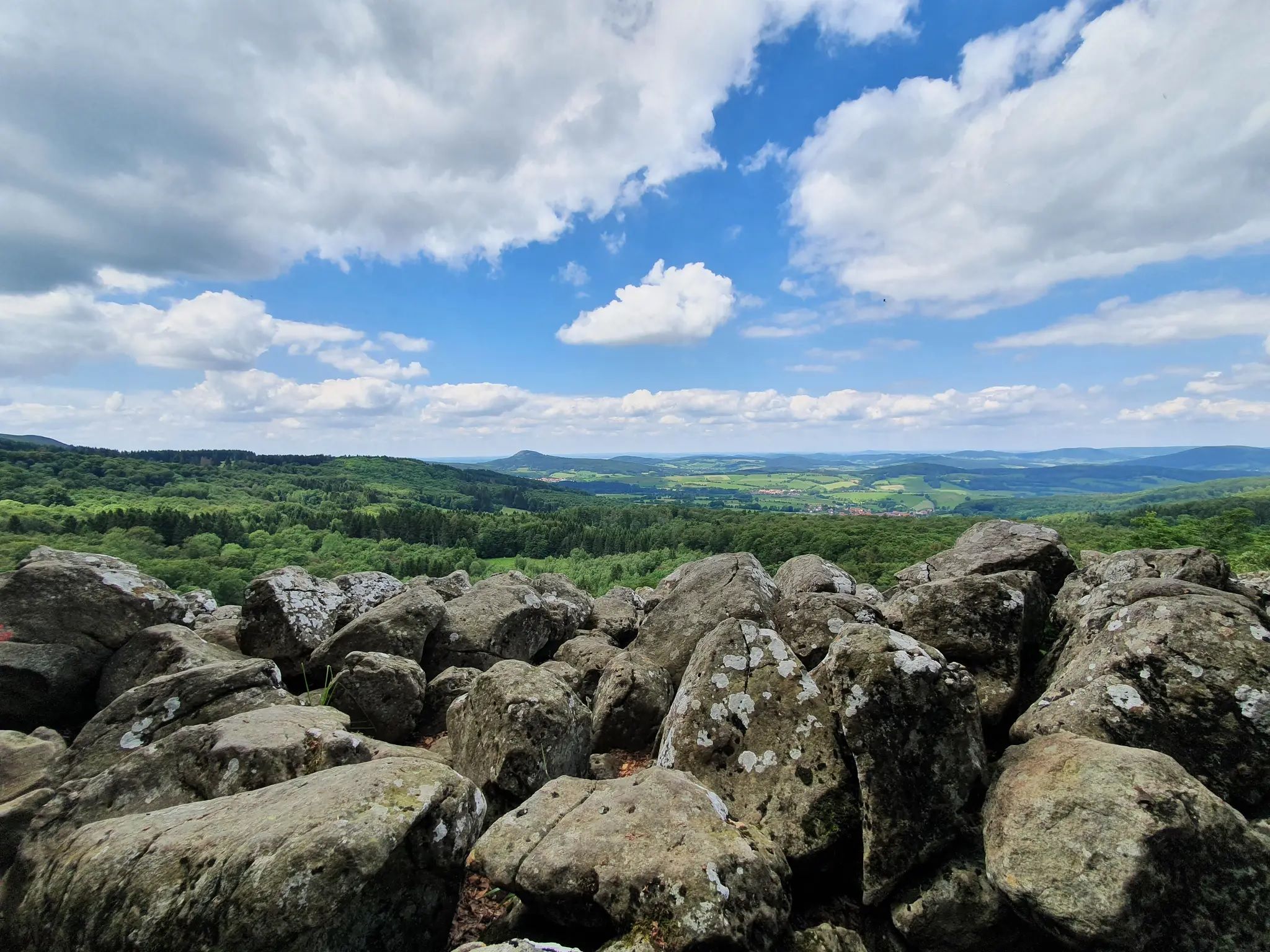
Discover Rhön - Half-day tours through the biosphere reserve
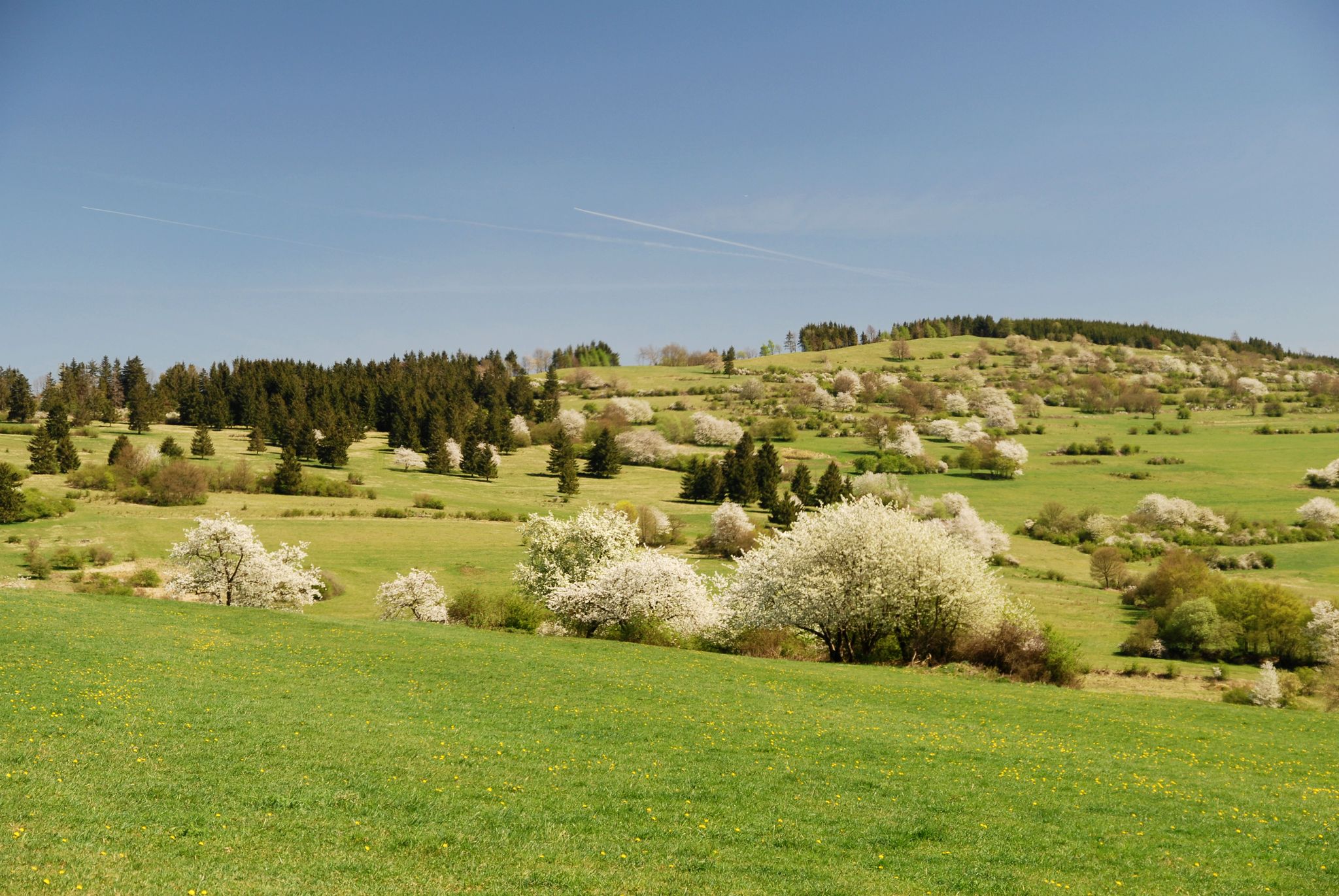
Extra tours North - excellent premium hiking trails of Rhön
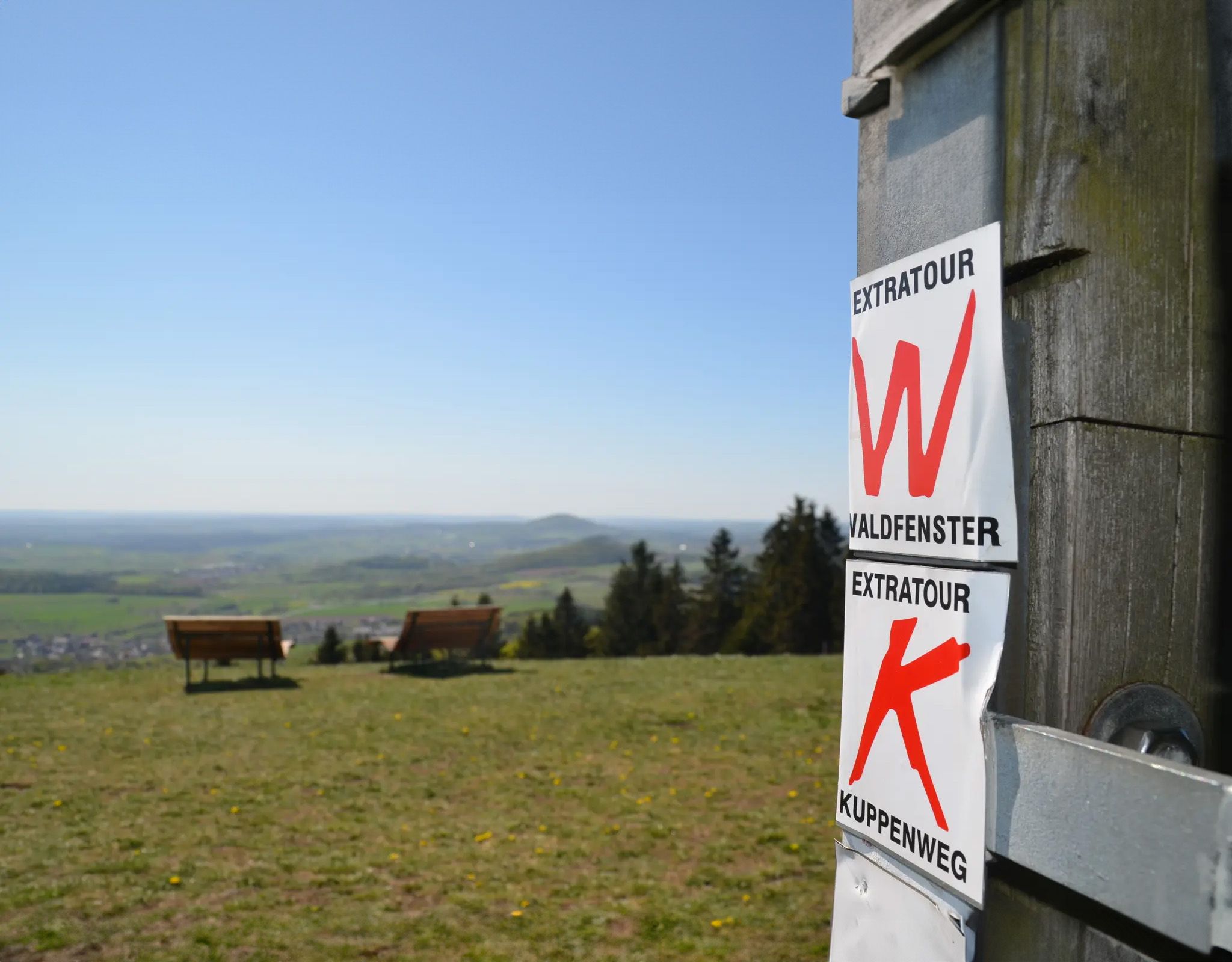
Hiking in the Rhön Mountains where nature and history combine
Mit Rosbacher auf Tour in Mittelhessen
Cycling around Hünfeld
Hiking around Hünfeld
Road Cycling Routes around Hünfeld
MTB Trails around Hünfeld
Running Trails around Hünfeld
Gravel biking around Hünfeld
Other adventures around Hünfeld


Tips from the Community

After spending the night here, you'll be treated to a very diverse breakfast selection. I was initially overwhelmed. Everything tasted very good.
0
0

Be sure to take the elevator up the tower. The tour guide's casual stories were very amusing and the view from the top is amazing.
3
0

The town of Schlitz has several castles.
4
0

The Vorderburg, which today houses the castle museum and the ballroom of the town of Schlitz, was built in its current form between 1565 and 1600. Its origins go back to the central Romanesque residential tower from the Middle Ages (the base of the tower was built before 1181). The core of the east wing is medieval, while the west wing was built around 1600. Various construction phases can be seen in the central, former residential tower. A porch consisting of an altar and stair tower, traces of which can still be seen, was demolished in 1812, and the late Gothic portal of the stair tower is now located in the garden exit of the Vorderburg tower. The narrow and rear sides of the two wings of the massive building have Renaissance gables. The tower roof dates from the 16th century. A wooden, partly baroque staircase leads to the various floors. The portal decorated with coats of arms from 1565 could be the work of Philipp Soldan from Frankenberg. In 1950, a chime system consisting of 26 bells was installed in the tower roof, which can be operated both electronically and manually. According to the wishes of its founder, Count Otto Hartmann von Schlitz, this carillon is intended to promote international understanding. At 3 p.m. and 5 p.m., folk songs from different nations can be heard over the roofs of the city on a weekly rotation.
3
0

In Schlitz you can take a break and take a walk around.
1
0

The city palace, with its preserved historical rooms, offers insights into the princely living culture of the Baroque and Classicism periods. Its predecessors were an abbot's castle (around 1300) and a four-wing Renaissance palace built between 1607 and 1612, which was redesigned from 1706 to 1721 according to plans by Johannes Dientzenhofer and served as the Baroque residence of the prince-abbots and prince-bishops of Fulda.
9
0

The Fulda City Palace, now the seat of the city administration, was built between 1708 and 1714 as the residence of the Prince Abbots of Fulda and later the Prince Bishops. The City Palace is a four-wing complex with two side wings in front, which enclose a courtyard of honor. The foundation walls and tower of the four-wing complex partly date from the previous buildings, the old Abbot's Castle and a Renaissance palace from the 17th century. Inside, many historical rooms have been preserved true to the original and can be visited. They impressively document the life and living culture of the absolutist rulers. There is, for example, the magnificent Prince's Hall, which is regularly used for classical concerts or other cultural events. The meetings of the city council are also held here. The heart of the palace, however, is the residential wing of the Prince Abbots and later the Prince Bishops. It was furnished around 1730 and later redesigned in the Rococo style. The most magnificent room is probably the Hall of Mirrors - the former dressing room of the prince abbot, which is equipped with hundreds of small and large mirrors. The city palace also houses a museum in which, among other things, an exquisite porcelain collection can be admired. https://www.rhoenfuehrer.de/ausflugsziele/sehenswuerdigkeiten/burgen-schloesser/stadtschloss-fulda/2950
9
1

I have to correct my tip from 2022. The opening times in the beer garden at the Music Academy are only Friday to Sunday from 11:00 a.m. to 8:00 p.m.
4
0
Frequently Asked Questions
What are some of the most historically significant castles or ruins to visit near Hünfeld?
The region around Hünfeld is rich in history. You can explore the remnants of Burgruine Haselstein, which dates back to the late 11th or early 12th century and offers a glimpse into medieval defensive architecture. Another significant site is Burg Fürsteneck, first mentioned in 1309, which has been preserved and now serves as an academy, showcasing centuries of architectural evolution.
Are there any castles near Hünfeld that offer panoramic views?
Yes, several castles provide excellent viewpoints. The Burgruine Haselstein, situated on a steep basalt cone, offers impressive views over the eastern part of the Hessisches Kegelspiel. Additionally, the View of Bieberstein Castle provides a beautiful vista from the bike path, and the tower in the Historic Old Town of Schlitz offers a great perspective of the town and the Schlitzer Land.
Which castles are particularly family-friendly around Hünfeld?
Many castles in the area are suitable for families. The Fulda City Palace, Historic Old Town of Schlitz, and Geisa Castle are all categorized as family-friendly. The Historic Old Town of Schlitz, with its four castles and medieval charm, can be an engaging experience for all ages, especially with the elevator access to the tower for views.
Are there any wheelchair-accessible castles or historical sites near Hünfeld?
Yes, the Fulda City Palace is noted as wheelchair accessible, allowing visitors to explore its magnificent reconstructed historical rooms.
What kind of outdoor activities can I do near the castles in the Hünfeld region?
The Hünfeld region offers various outdoor activities. You can find numerous routes for road cycling, running, and mountain biking. For instance, there's a 'Fürsteneck Castle – Climb to Ketten loop' for road cycling, or a 'Haselsee – Hasel Lake loop' for running. You can explore more options on the dedicated guides for Road Cycling Routes around Hünfeld, Running Trails around Hünfeld, and MTB Trails around Hünfeld.
Are there hiking trails that lead to or around castles in the Hünfeld area?
While specific hiking trails directly to every castle aren't detailed, the region's terrain, especially around Burgruine Haselstein, suggests walking is involved. Sturdy footwear is recommended for the ascent to Haselstein. The nearby routes for running and mountain biking also indicate a network of trails suitable for walking and exploring the natural surroundings of these historical sites.
What is the best time of year to visit the castles around Hünfeld?
The region's castles can be enjoyed throughout the year. Spring and autumn offer pleasant temperatures for exploring ruins like Burgruine Haselstein and walking the grounds of Burg Fürsteneck. Summer provides longer daylight hours, while winter can offer a unique, serene atmosphere, though some outdoor areas might be less accessible depending on weather conditions.
What should I wear when visiting castles and ruins in the Hünfeld region?
Given that many castles involve outdoor exploration and potentially uneven terrain, especially at ruins like Burgruine Haselstein where sturdy footwear is recommended for the ascent, comfortable walking shoes are essential. Layered clothing is advisable to adapt to changing weather conditions, particularly if you plan to spend time outdoors or engage in activities like hiking or cycling.
Can I bring my dog to the castles or their surrounding areas?
While specific dog policies for each castle vary, the outdoor grounds of Burg Fürsteneck are freely accessible, making it a potential option for walks with leashed dogs. For ruins and outdoor historical sites, dogs are often permitted in exterior areas, but it's always best to check individual site regulations beforehand.
Are there any hidden gems or lesser-known castles worth exploring near Hünfeld?
Beyond the more prominent sites, the region is dotted with various historical remnants. While not a 'hidden gem' in the sense of being unknown, the ongoing preservation efforts and archaeological investigations at Burgruine Haselstein continually reveal new insights, making it a site of evolving discovery. Its location atop a basalt cone also gives it a unique, somewhat secluded feel.
What makes the <a href="https://www.komoot.com/highlight/372941" target="_blank" rel="noopener">Historic Old Town of Schlitz</a> unique among the castles in the region?
The Historic Old Town of Schlitz is unique because it's not just one castle, but a medieval jewel featuring four castles—Vorderburg, Hinterburg, Ottoburg, and Schachtenburg—that form a well-preserved historical ensemble. This allows visitors to experience a complete medieval town setting rather than just an isolated castle.
What is the current use of <a href="https://en.wikipedia.org/wiki/F%C3%BCrsteneck_Castle" target="_blank" rel="noopener">Burg Fürsteneck</a> today?
Unlike many historical castles that are purely museums or ruins, Burg Fürsteneck has been repurposed as the 'Akademie Burg Fürsteneck,' an academy for vocational and cultural continuing education. It hosts nearly 200 courses annually, making it a vibrant center of learning and culture while preserving its historical architecture.
Most popular routes around Hünfeld
Most popular attractions around Hünfeld

Get inspired with the komoot mobile app


Explore more
Looking for the best castles somewhere else? Discover other guides around Hünfeld:
