Top 12 Caves around Kleinblittersdorf
Best caves around Kleinblittersdorf are found within the surrounding Saarland region, which features diverse underground attractions. The area is characterized by its geological history, including red sandstone formations and ancient coal seams. Visitors can explore both natural phenomena and historical man-made cave systems. This region offers a range of experiences for those interested in geology and history.
Best caves around Kleinblittersdorf
- The most popular caves is Lourdes Grotto, Oberwürzbach, a religious building and cave that is idyllically located in…
Last updated: July 1, 2026
Eichertsfels Cave
Highlight • Cave
Translated by Google •
Tip by

Lourdes Grotto, Oberwürzbach
Highlight • Religious Site
Translated by Google •
Tip by

Sign up now to discover places like this
Get recommendations on the best single tracks, peaks, & plenty of other exciting outdoor places.
Sign up for free
Mithras Cave (Heathen Chapel) on the Halberg
Highlight • Cave
Translated by Google •
Tip by

Steep path to Christkönigsbrunnen
Highlight (Segment) • Trail
Translated by Google •
Tip by

Oberwürzbach Cave and Forest Shrine
Highlight • Cave
Translated by Google •
Tip by

Sign up for free to discover even more caves around Kleinblittersdorf.
Sign up for free
Already have an account?
Start today with a free account
Your next adventure awaits.
Login or Signup
Popular around Kleinblittersdorf

Satisfy your Wanderlust – premium hiking trails in Saarland
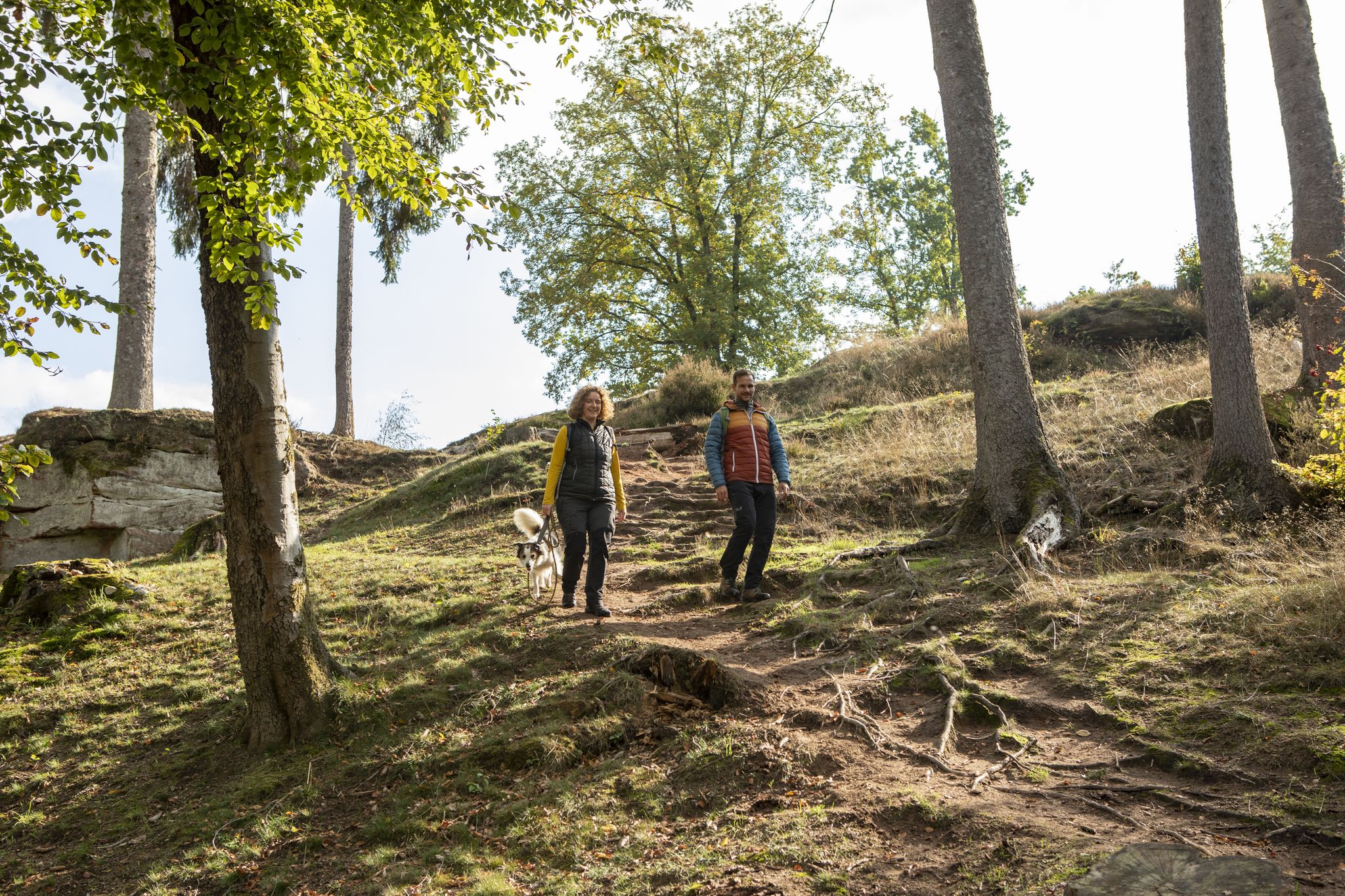
Excellent hiking in the Bliesgau Biosphere - On Premium trails
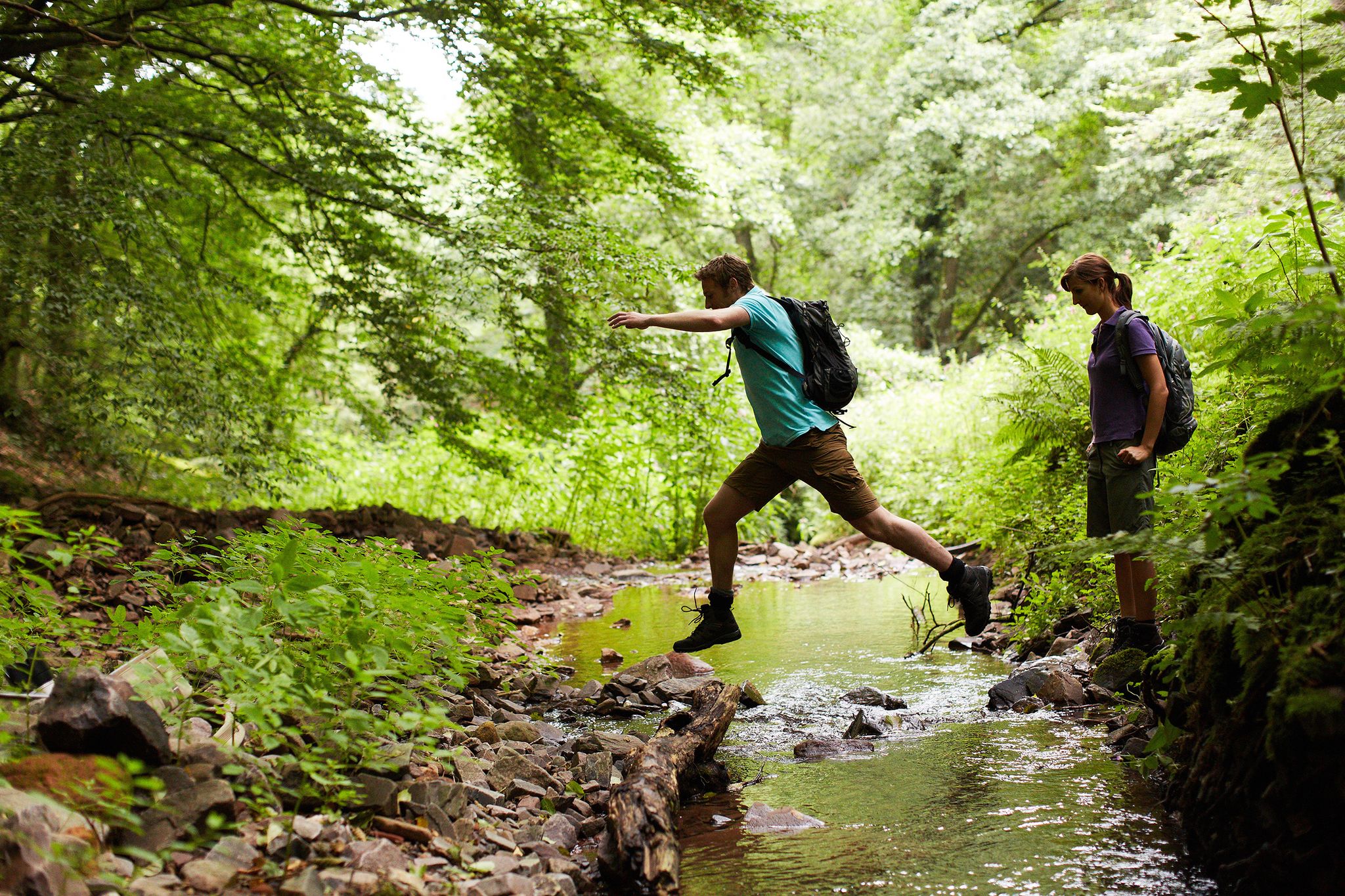
Countless trails, nature & history – hiking in Saarland
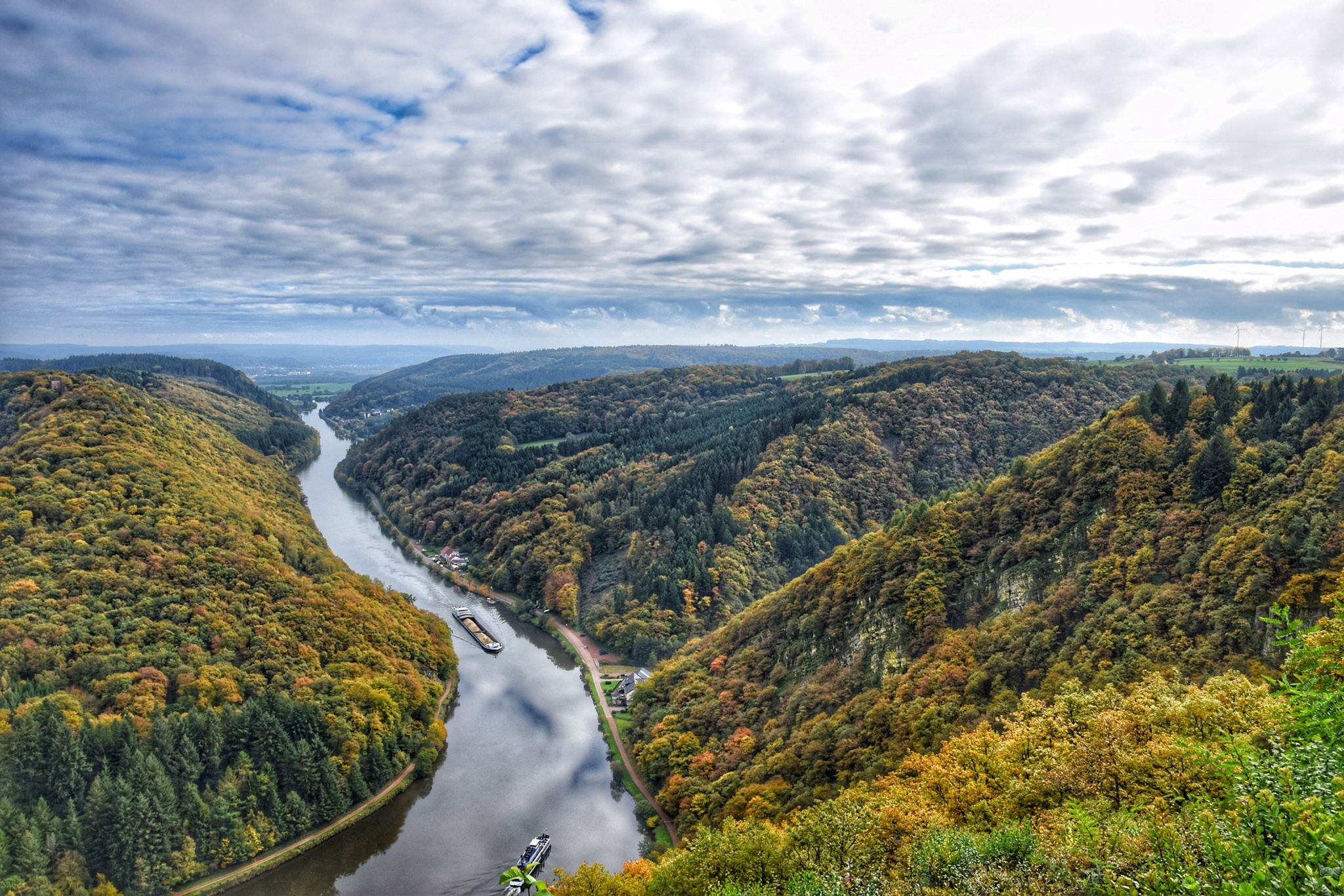
10 enchanting hikes through wild nature in Saarland
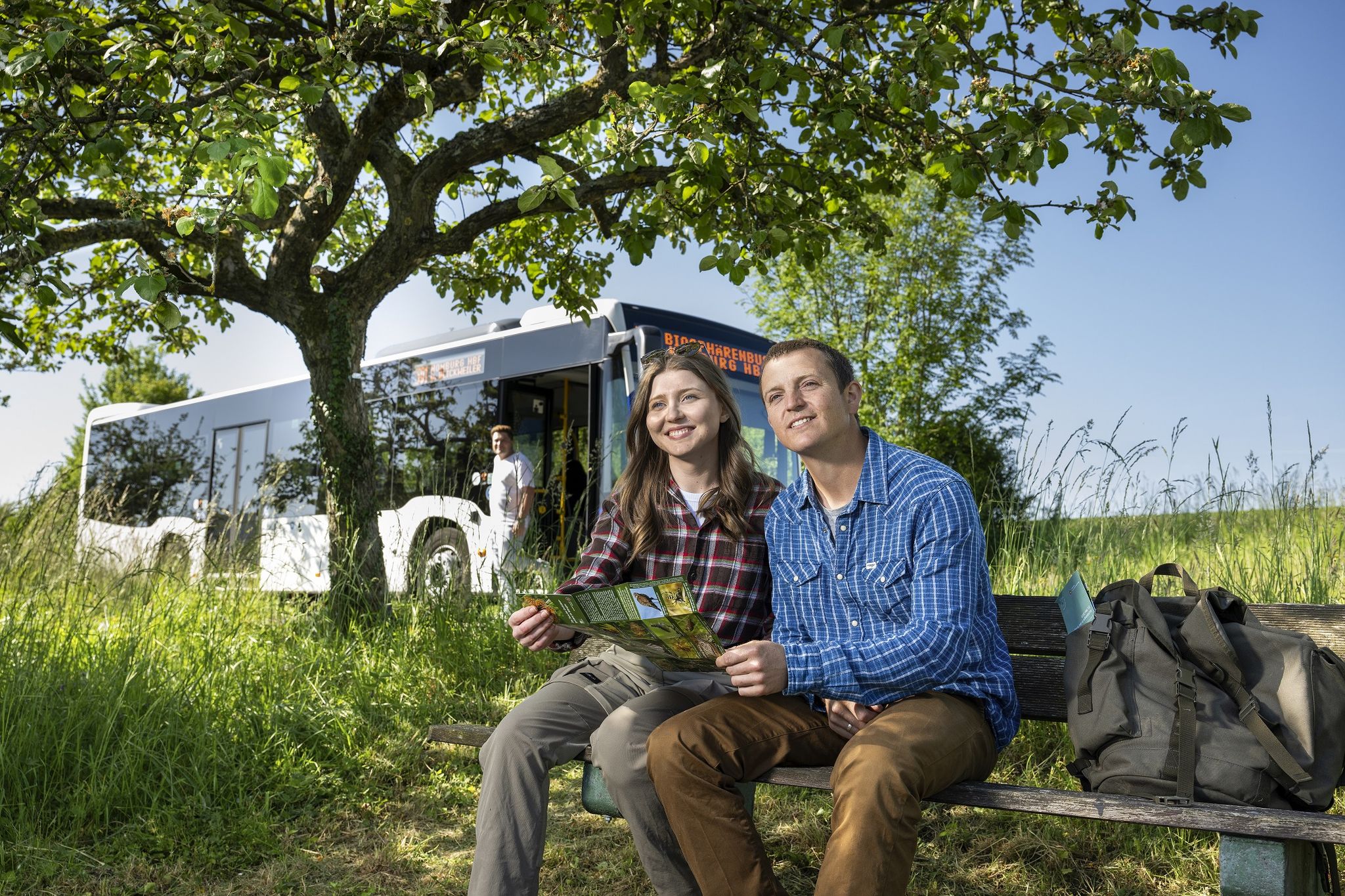
Wandern mit Bus und Bahn – Nachhaltig durch den Bliesgau
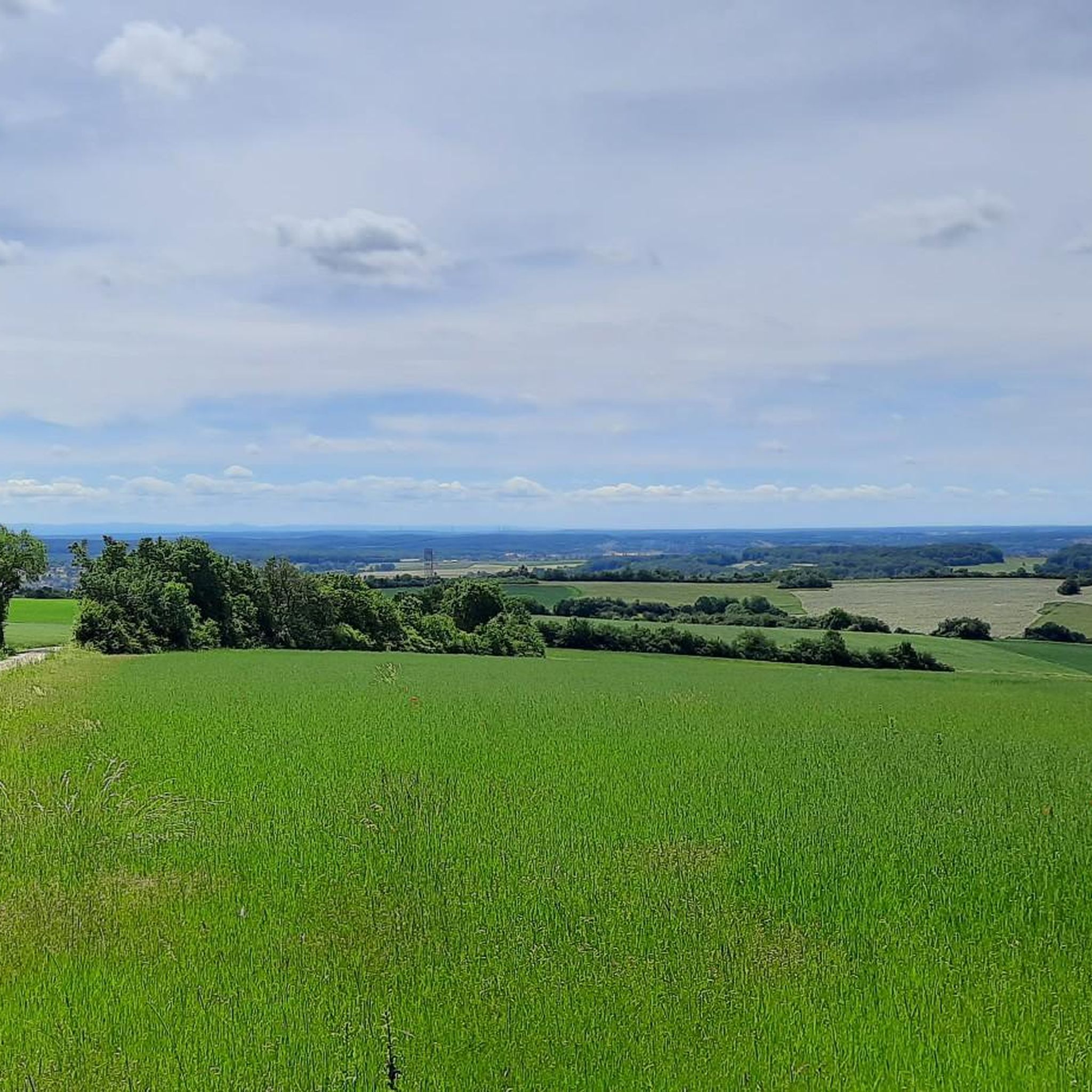
Hiking around Kleinblittersdorf
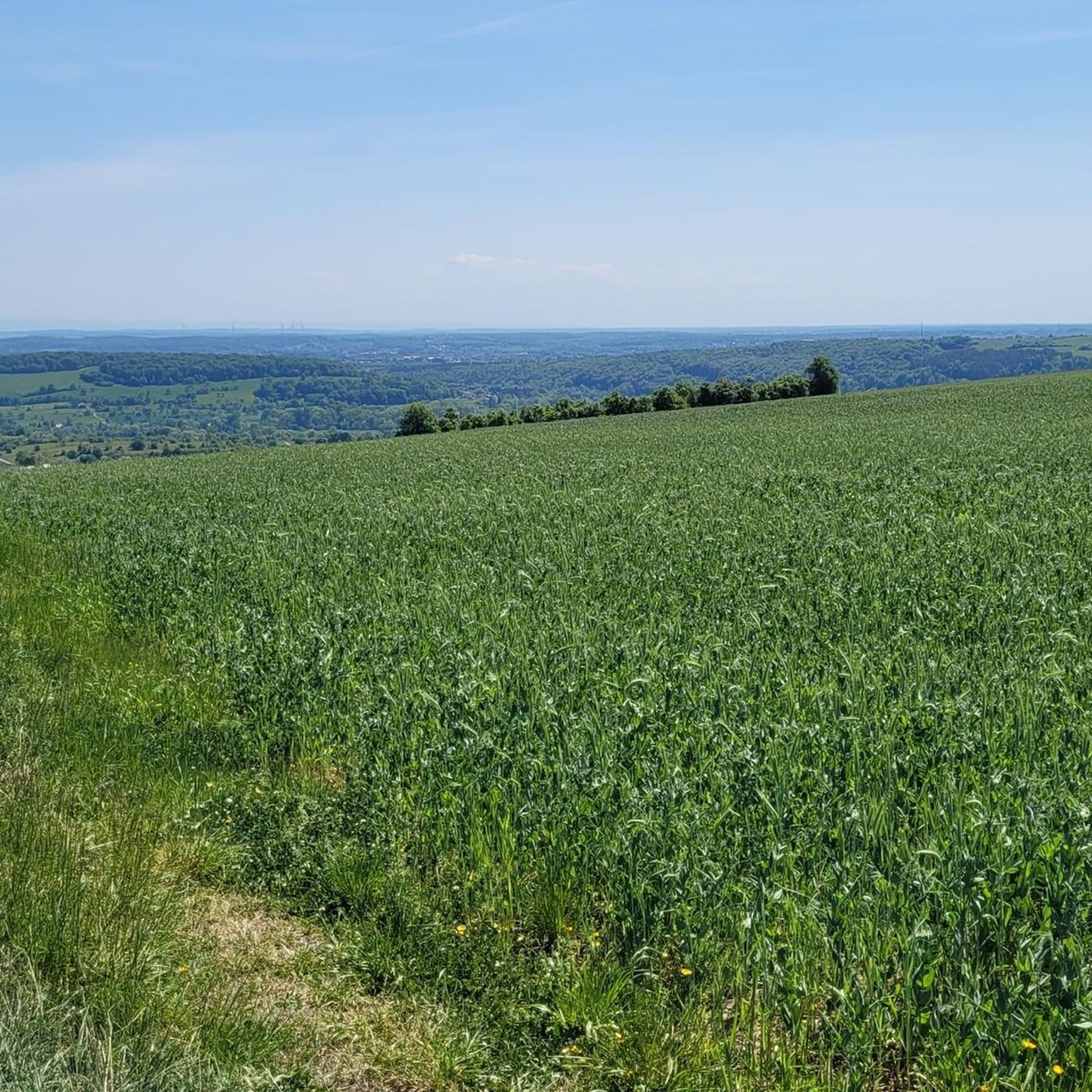
Cycling around Kleinblittersdorf
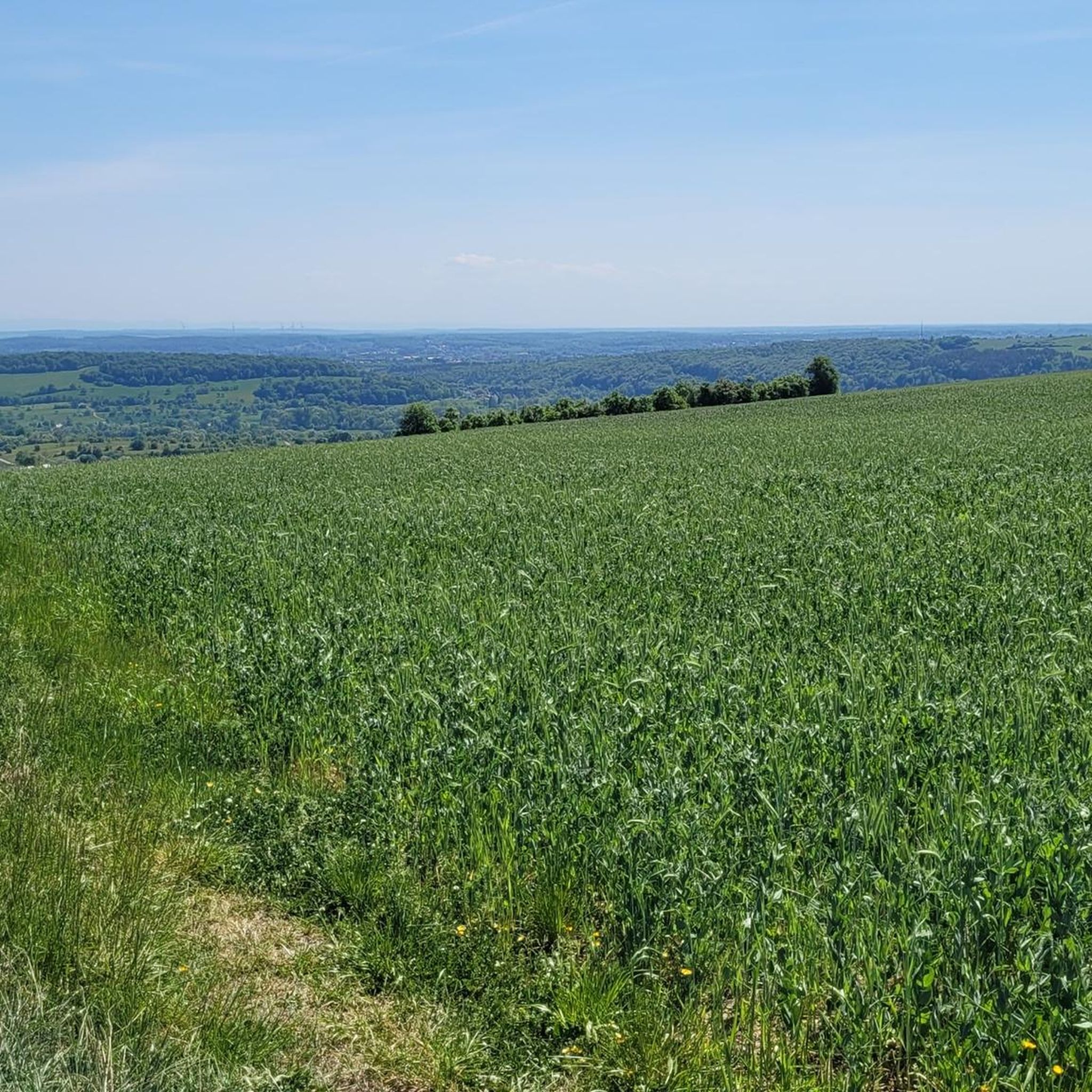
Running Trails around Kleinblittersdorf
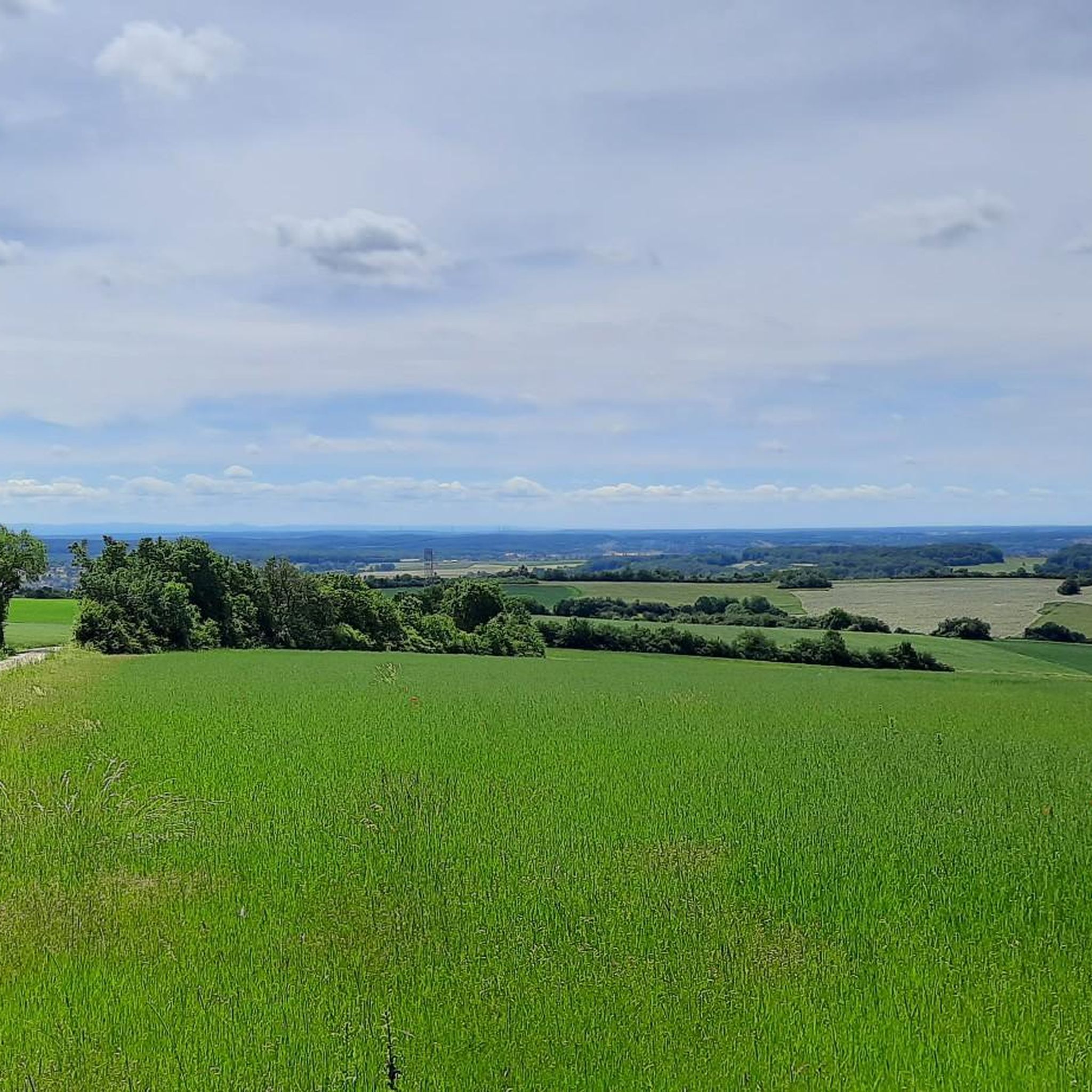
Road Cycling Routes around Kleinblittersdorf
MTB Trails around Kleinblittersdorf
Other adventures around Kleinblittersdorf


Tips from the Community

Short break at the Christkönigsbrunnen
0
0

Mithraeum (Latin mithraeum, plural mithraeen) is the name given to the temples of the Mithras cult. Mithraeums were usually built underground or carved into rock. A relatively small cult room was sufficient for the Mithras communities, which had only one to two dozen members. The largest known mithraeum had space for 80 believers. In contrast to Christianity, where larger churches were built in larger communities, in Mithraism the number, not the volume, was increased. At the height of the Mithras cult in the 3rd century, there were supposedly 800 mithraeums in Rome alone. However, since the individual mithraeums were usually not in use for long, this high number says nothing about the number of followers. To date, the remains of over 1000 mithraeums have been archaeologically proven throughout the entire Roman Empire.
1
0

Beautiful meditation place ✝️
2
0

Exhausting, but worth it 👍
0
0

It's currently difficult to walk, the path to the bunker to the fishing hut is no longer accessible due to forestry work. I don't understand why you have to flatten the paths so much to get the wood out. Part of the path is not accessible due to forestry work and is not cordoned off. Annoying.
1
0

For me this is one of the sensations in Saarbrücken! The cave and the recesses created later are still in great condition. There is also a bench under a ledge. If only it weren't for the car noise (like it was 2,000 years ago). "In pre-Christian and Roman times, a Mithraic cult was practiced on the Halberg - by the Gallo-Romans who lived here or the Roman soldiers of the nearby garrison. For this purpose, they created a barrel-vaulted mithraeum in the sandstone on the western slope of the Halberg, which is known in older literature as the "Heidenkapelle " is called. After Christianization in the 6th century, the grotto was incorporated into Christian worship. This means that the Halberg is possibly the oldest Christian place of worship in the region. The remains of this site can still be admired here and are in a relatively well-preserved condition." https://de.wikipedia.org/wiki/Halberg_(Saarland)
3
0
Very beautiful grotto and very lovingly designed.
2
0

Very beautiful rock. But be careful, there are also hikers here
1
0
Frequently Asked Questions
What types of underground attractions can I explore near Kleinblittersdorf?
The Saarland region surrounding Kleinblittersdorf offers a diverse range of underground experiences. You can find historical man-made cave systems like the Schlossberg Caves, unique natural phenomena such as the Burning Mountain, and ancient religious sites like the Mithras Cave (Heathen Chapel) on the Halberg. There are also natural sandstone formations with smaller cave-like structures, such as Eichertsfels Cave.
Are there any historical cave systems to visit in the Saarland region?
Yes, the region boasts significant historical underground sites. The Schlossberg Caves in Homburg are a fascinating man-made labyrinth of medieval mining tunnels, recognized as Europe's largest red sandstone cave system. Additionally, the Mithras Cave (Heathen Chapel) on the Halberg in Saarbrücken is an important archaeological site, once a temple for the ancient Roman Mithras cult.
Can I see unique natural geological phenomena near Kleinblittersdorf?
Absolutely. The Burning Mountain (Brennender Berg) near Dudweiler is a unique natural monument where coal seams have been smoldering underground for centuries, creating hot, sometimes smoking, ground. You can also explore the impressive sandstone formations and smaller cave-like structures at Eichertsfels Cave near St. Ingbert.
Are there family-friendly caves or grottoes to visit?
Yes, several sites are suitable for families. Eichertsfels Cave is known for its picturesque sandstone formations and is a popular spot for families and hikers. The Lourdes Grotto, Oberwürzbach, an idyllic religious site with a statue of the Lourdes Madonna, is also considered family-friendly.
What are the Schlossberg Caves in Homburg, and why are they worth visiting?
The Schlossberg Caves are Europe's largest red sandstone cave system, located beneath the historic Hohenburg Castle ruins in Homburg. They are worth visiting for their unique blend of natural geological beauty, featuring extensive passages and dome halls with striking red and yellow sandstone, and profound historical significance. They served various purposes throughout history, from escape routes to an air-raid shelter.
What kind of historical insights can I gain from visiting the Mithras Cave?
Visiting the Mithras Cave (Heathen Chapel) on the Halberg offers a direct glimpse into Roman religious history in the region. As a Mithraeum, it was a temple for the ancient Mithras cult, providing insights into their practices and the architecture of their relatively small, often underground, cult rooms.
What is the 'Hääreloch' cave, and what is its significance?
The 'Hääreloch' (Heidenloch) is a rock cave located on the southeastern slope of the Rotenkopf near St. Ingbert, mentioned in connection with the Steep path to Christkönigsbrunnen. Legend says pagans lived there in ancient times, using a mighty boulder to protect the entrance and a shaft as a chimney. It's known for its historical folklore and widely ramified corridors.
What is the best time to visit the Burning Mountain?
The Burning Mountain (Brennender Berg) near Dudweiler is best experienced on colder days. The heat and smoke from the smoldering coal seams are more noticeable in cooler temperatures, enhancing the unique natural spectacle.
Are there guided tours available for any of the caves?
Guided tours are highly recommended for the Schlossberg Caves in Homburg to fully appreciate their history and geological features. For other sites, it's advisable to check their official websites for specific tour availability.
What outdoor activities can I do near these caves?
The region around Kleinblittersdorf offers various outdoor activities. You can find numerous hiking trails, including routes like the 'Blies-Grenz-Weg'. There are also options for cycling, with routes such as 'The Saar – Saar Cycle Route loop from Blies-Guersviller', and mountain biking trails like 'Lock on the Saar – Beautiful forest singletrack loop from Kleinblittersdorf'. You can explore more routes on the respective guide pages for Hiking around Kleinblittersdorf, Cycling around Kleinblittersdorf, and MTB Trails around Kleinblittersdorf.
What should I wear when visiting caves in the Saarland region?
For caves like the Schlossberg Caves, which maintain a constant temperature of around 10 degrees Celsius, it's advisable to wear warm clothing even in summer. Sturdy, comfortable shoes are recommended for exploring any cave or grotto, especially if there are uneven paths or damp surfaces.
What do visitors enjoy most about the caves and grottoes near Kleinblittersdorf?
Visitors appreciate the blend of natural beauty and historical significance. For instance, the Eichertsfels Cave is loved for its beautiful sandstone formations, especially by families. The Lourdes Grotto, Oberwürzbach, is praised for its idyllic setting. The Mithras Cave (Heathen Chapel) on the Halberg is valued for its historical insights.
Most popular routes around Kleinblittersdorf
Most popular attractions around Kleinblittersdorf

Get inspired with the komoot mobile app


Explore more
Extend your search for the best caves by checking out these guides of the top ones around Kleinblittersdorf:
