The best road cycling routes around Kildale
4.4
(72)
3,690
riders
162
rides
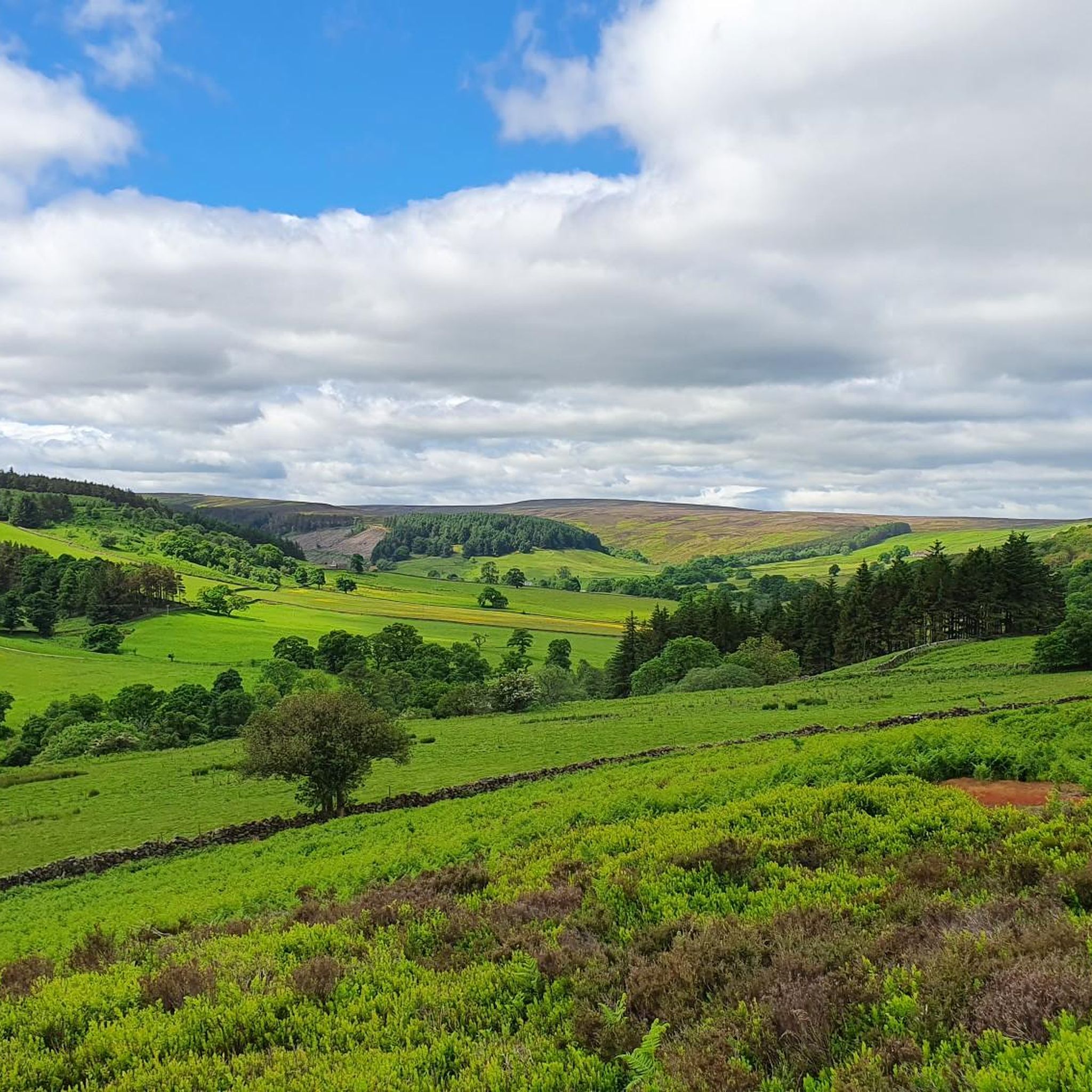
Road cycling routes around Kildale traverse the varied landscapes of the North York Moors National Park. The region features undulating terrain with climbs such as Hall Lane and Scarth Nick, alongside more gentle village loops. Road cyclists can expect a mix of open moorland, wooded sections, and routes passing through small villages and past reservoirs. The area offers diverse conditions for road cycling, from challenging ascents to more accessible paths.
Best road cycling routes around Kildale
- The most popular road…
Last updated: July 8, 2026
21
riders
Moderate road ride. Good fitness required. Mostly well-paved surfaces and easy to ride.
4.1
(7)
197
riders
37.3km
01:47
230m
230m
Easy road ride. Great for any fitness level. Mostly well-paved surfaces and easy to ride.

Sign up for free
5.0
(1)
153
riders
74.5km
03:43
930m
930m
Hard road ride. Very good fitness required. Mostly well-paved surfaces and easy to ride.
5.0
(2)
117
riders
60.9km
02:53
490m
490m
Moderate road ride. Good fitness required. Mostly well-paved surfaces and easy to ride.
47
riders
91.2km
04:04
490m
490m
Moderate road ride. Good fitness required. Mostly well-paved surfaces and easy to ride.
Get access to more routes and recommendations from other explorers.
Sign up for free
Already have an account?
Our route recommendations are based on thousands of hikes, rides, and runs completed by other people on komoot.
Start today with a free account
Your next adventure awaits.
Login or Signup
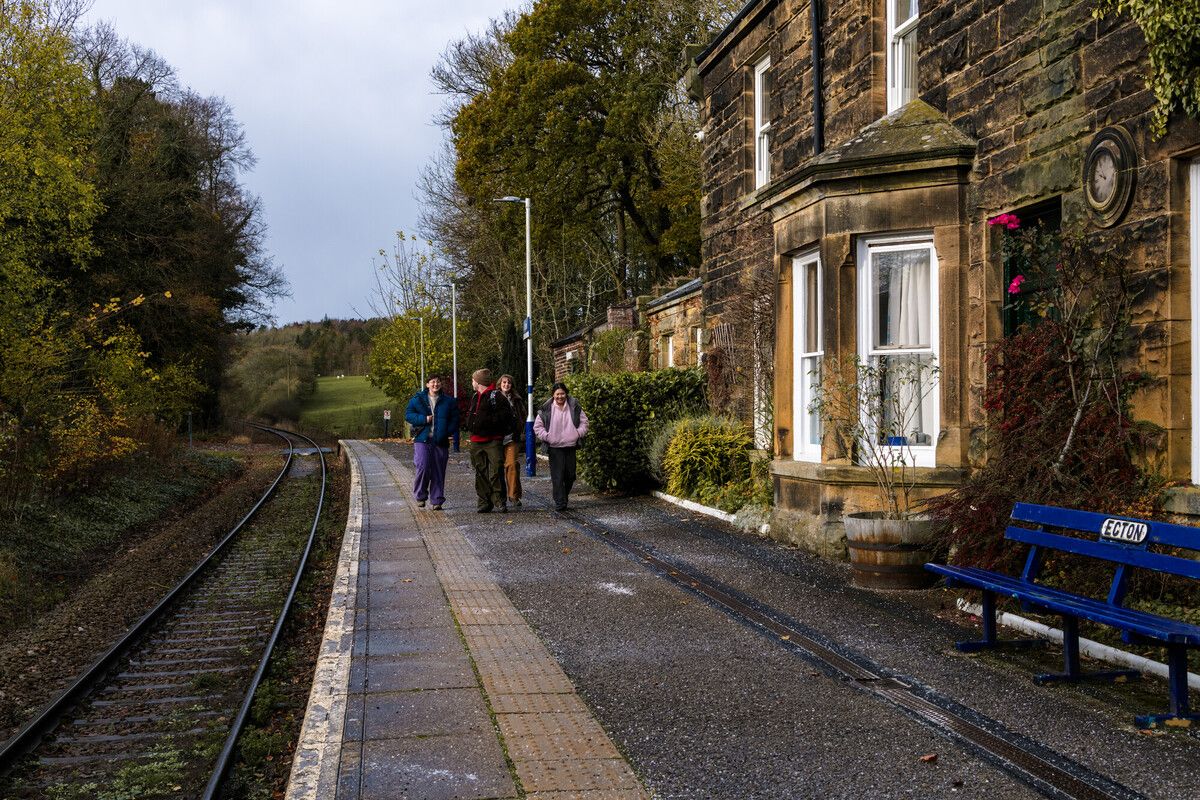
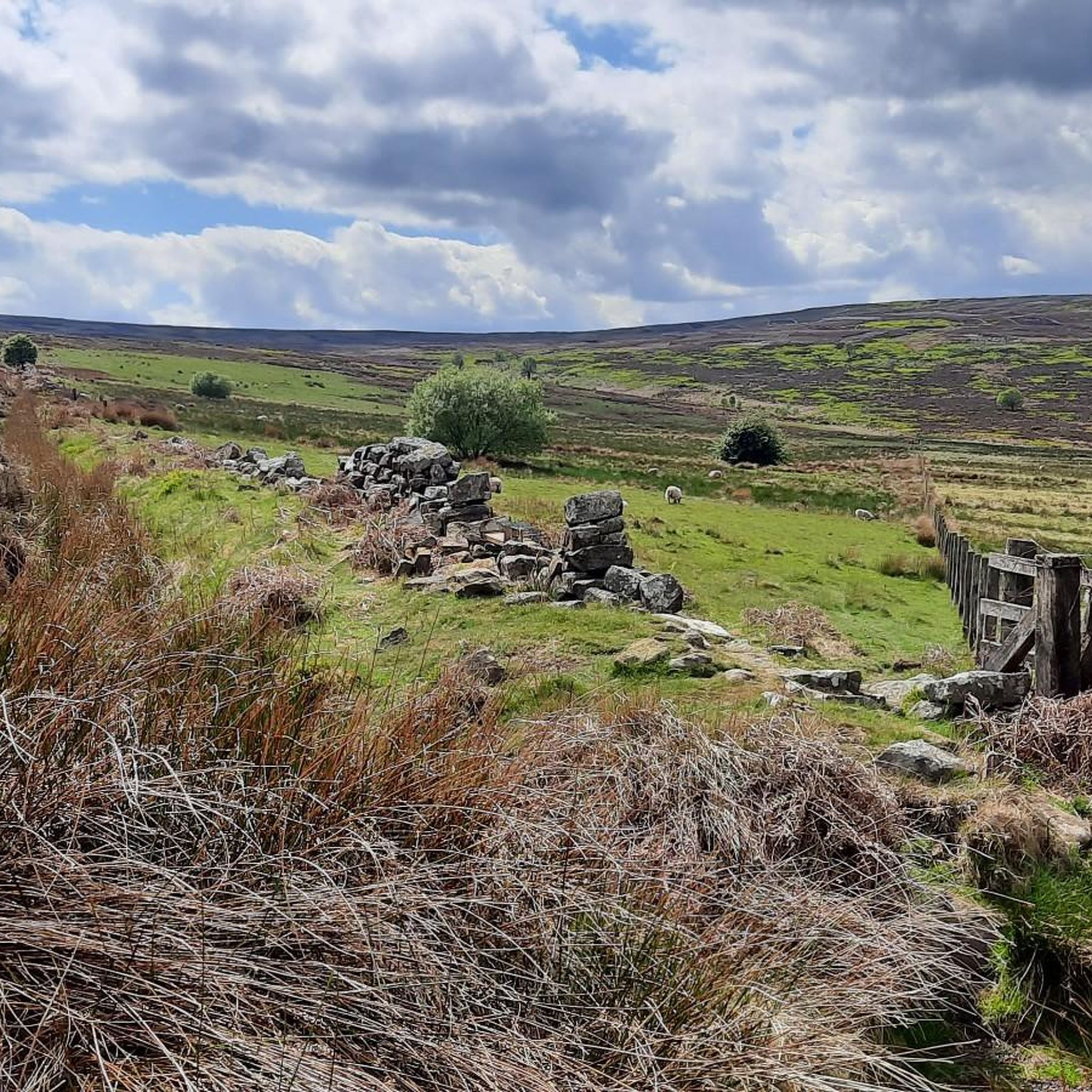
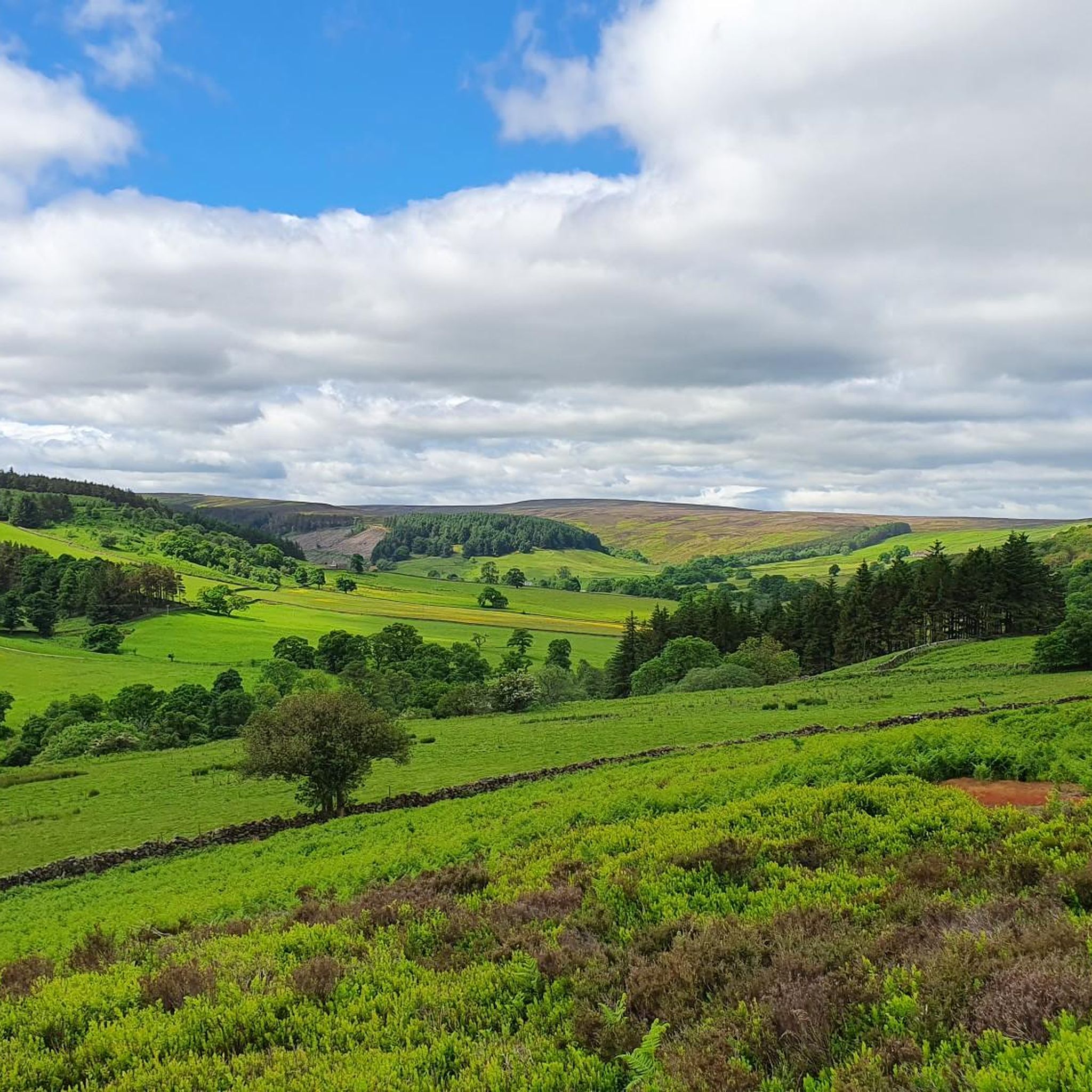
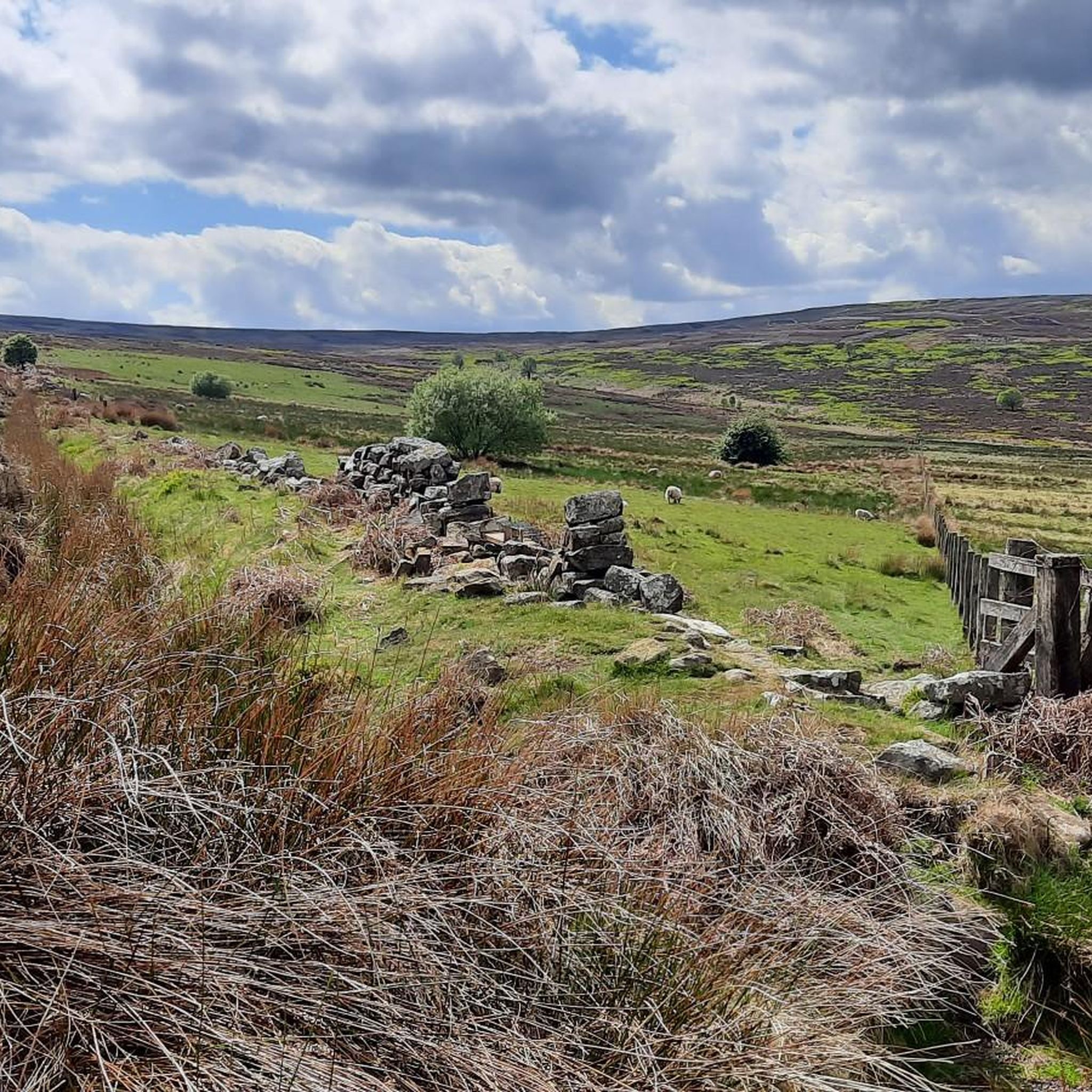

Other adventures around Kildale

Tips from the Community

Each of the sacred monuments that you repeatedly encounter – despite all the differences in their external design – has a common concern: The cross that rises here not only wants to attract the viewer's gaze, but – and this is primarily – to make him think of God. Not only in theological books, but even in secular literature, God's voice is often represented, and this is even often the case in crime novels. For example, Ellis Peters set the series of novels about the Benedictine 'Brother Cadfael', which is set in 12th-century England, in the surroundings of a monastery. In "The Virgin in the Ice" it says: "And yet life, clinging to faith, the tenacious struggle with fate had to go on, the land had to be cultivated year in, year out. Plough and harrow must not rest, and one had to take care of sowing and harvesting the fruits of the earth as much as here, in the monastery and church, of sowing and harvesting souls." I wish the viewer here in front of the cross a good thought for his soul.
0
0
The vast majority of small sacred monuments encountered by cyclists have a very long history, often dating back centuries. This is completely different with the object found here. Even though the cross on top of the shaft draws on the ancient tradition and formal language of a "Celtic cross," it is very modern. It was erected to mark the turn of the millennium, which is why it is also called the "Millennium Cross." Therefore, here is a very short passage from the prayer for the Stations of the Cross with the Holy Father, Pope John Paul II, on Good Friday of the Jubilee Year 2000: + "To you, crucified Lord Jesus Christ, the power and wisdom of God, be honor and praise forever and ever. Amen."
0
0


Wayside crosses are one of several types of Christian cross erected during the medieval period, mostly from the 9th to 15th centuries AD. In addition to serving the function of reiterating and reinforcing the Christian faith amongst those who passed the cross and of reassuring the traveller, wayside crosses often fulfilled a role as waymarkers, especially in difficult and otherwise unmarked terrain. The crosses might be on regularly used routes linking ordinary settlements or on routes having a more specifically religious function, including those providing access to religious sites for parishioners and funeral processions, or marking long-distance routes frequented on pilgrimages. Over 350 wayside crosses are known nationally, concentrated in south west England throughout Cornwall and on Dartmoor where they form the commonest type of stone cross. A small group also occurs on the North York Moors. The wayside cross and boundary marker known as Young Ralph survive complete even though previously broken and repaired. The cross marks the highest point on the old road from Keldholme in the south of the moors to Castleton in the north. It also marks the boundary of the Wapentake of Pickering Lyth. It has been adopted as the symbol of the North York Moors National Park and has been a listed monument since 1938.
2
0

Ingleby Greenhow is a village and civil parish in the Hambleton district of North Yorkshire. The name may derive from the Saxon for Englishman's green hill.
0
0
A stylish small market town on the River Leven. It is located in the Hambleton district of North Yorkshire.
0
0
The village of Hutton Rudby lies between the North Yorkshire market towns of Yarm and Stokesley and is close to the North York Moors National Park.
0
0
Easy parking (ice cream van in summer!) at Sheep Wash, great path through the coniferous wood running along the southern edge of the reservoir, awesome views, cool breeze across the water, option to follow numerous tracks east into the woods around Cote Garth and Golden Square. Lots of familys, dog walkers and hikers - something for everyone here.
1
0
Frequently Asked Questions
How many road cycling routes are available around Kildale?
There are over 160 road cycling routes around Kildale, offering a wide range of options for different skill levels and preferences.
What do other road cyclists say about the routes in Kildale?
The road cycling routes in Kildale are highly rated by the komoot community, with an average score of 4.4 stars from over 70 reviews. Cyclists often praise the varied terrain, from open moorland to charming village loops, and the challenging climbs like Hall Lane and Scarth Nick.
Are there easy road cycling routes suitable for beginners in Kildale?
Yes, Kildale offers several easy road cycling routes. An excellent option for a pleasant ride through villages and countryside is the Carlton in Cleveland Village – Hutton Rudby Village loop from Great Ayton, which is 23.2 miles (37.3 km) long.
Are there challenging road cycling routes for experienced riders in Kildale?
Experienced riders looking for a challenge will find routes with significant climbs. The Hall Lane Climb – Cod Beck Reservoir loop from Great Ayton is a difficult 46.4 miles (74.7 km) trail featuring demanding ascents and passing by Cod Beck Reservoir.
Are there circular road cycling routes in Kildale?
Many of the road cycling routes around Kildale are circular, allowing you to start and finish in the same location. For example, the popular Westerdale, Danby High & Glaisdale Moors loop from Castleton offers a moderate 26.4 miles (42.5 km) ride through open moorland.
What kind of scenery can I expect on road cycling routes around Kildale?
Road cycling routes around Kildale traverse the diverse landscapes of the North York Moors National Park. You can expect a mix of open moorland, wooded sections, and routes passing through small villages and past reservoirs, offering scenic views throughout your ride.
What natural landmarks can I see along road cycling routes in Kildale?
Many routes offer views of or pass near significant natural landmarks. You might spot Roseberry Topping Summit, Carlton Bank Summit Trig Point, or the distinctive rock formations of The Wainstones.
Are there any notable peaks or summits accessible from Kildale's road cycling routes?
Yes, the region features several notable peaks. While not always directly on the road, you can often see or cycle near prominent summits such as Roseberry Topping Summit and Round Hill Summit (Highest Point of Urra Moor), offering impressive vistas.
Is parking available near the road cycling routes in Kildale?
Kildale and surrounding villages like Great Ayton and Castleton, which serve as common starting points for routes, typically offer public parking facilities. It's advisable to check local signage for specific parking regulations and availability.
When is the best time of year for road cycling in Kildale?
The spring and summer months (April to September) generally offer the most favorable conditions for road cycling in Kildale, with milder temperatures and longer daylight hours. Autumn can also be beautiful with changing foliage, though weather can be more unpredictable.
Can I find routes with pub stops in Kildale?
Yes, many road cycling routes in the North York Moors National Park, including those around Kildale, pass through or near charming villages with traditional pubs. These offer excellent opportunities for a refreshment stop during your ride. You can often find such amenities in villages like Great Ayton, Danby, or Hutton Rudby.
What is the typical duration for road cycling routes in Kildale?
Route durations vary significantly based on distance and difficulty. Easy routes like the Carlton in Cleveland Village – Hutton Rudby Village loop might take around 1 hour 45 minutes, while more challenging and longer rides such as the Stokesley Town Centre – Hutton Rudby Village loop can take over 4 hours.
Can I expect to see wildlife while road cycling in Kildale?
Cycling through the North York Moors National Park offers good opportunities to observe local wildlife. You might spot various bird species, including birds of prey, and potentially deer or other mammals, especially in the quieter moorland and wooded sections of the routes.
Most popular attractions around Kildale

Get inspired with the komoot mobile app


Explore more
Browse the best Road cycling routes in other regions.
