Top 10 Natural Monuments around Castle Donington
Best natural monuments around Castle Donington encompass a variety of landscapes and geological features. The region is characterized by its natural beauty, including ancient parklands and unique rock formations. The nearby River Trent contributes to the area's natural appeal and historical significance. These sites provide opportunities for outdoor activities and exploration of the local environment.
Best natural monuments around Castle Donington
- The most popular natural monuments is Deer Park at Calke Abbey, an other_natural area that is part of…
Last updated: June 26, 2026
Deer Park at Calke Abbey
Highlight • Natural
Tip by

The Hemlock Stone
Highlight • Natural
Tip by

Sign up now to discover places like this
Get recommendations on the best single tracks, peaks, & plenty of other exciting outdoor places.
Sign up for free
Site of Wood Hall and Risley Lank
Highlight • Historical Site
The Risley Park …
Tip by

Anchor Church Caves
Highlight • Historical Site
Tip by

The Old Man of Calke Oak
Highlight • Forest
Tip by

Sign up for free to discover even more natural monuments around Castle Donington.
Sign up for free
Already have an account?
Start today with a free account
Your next adventure awaits.
Login or Signup
Tips from the Community

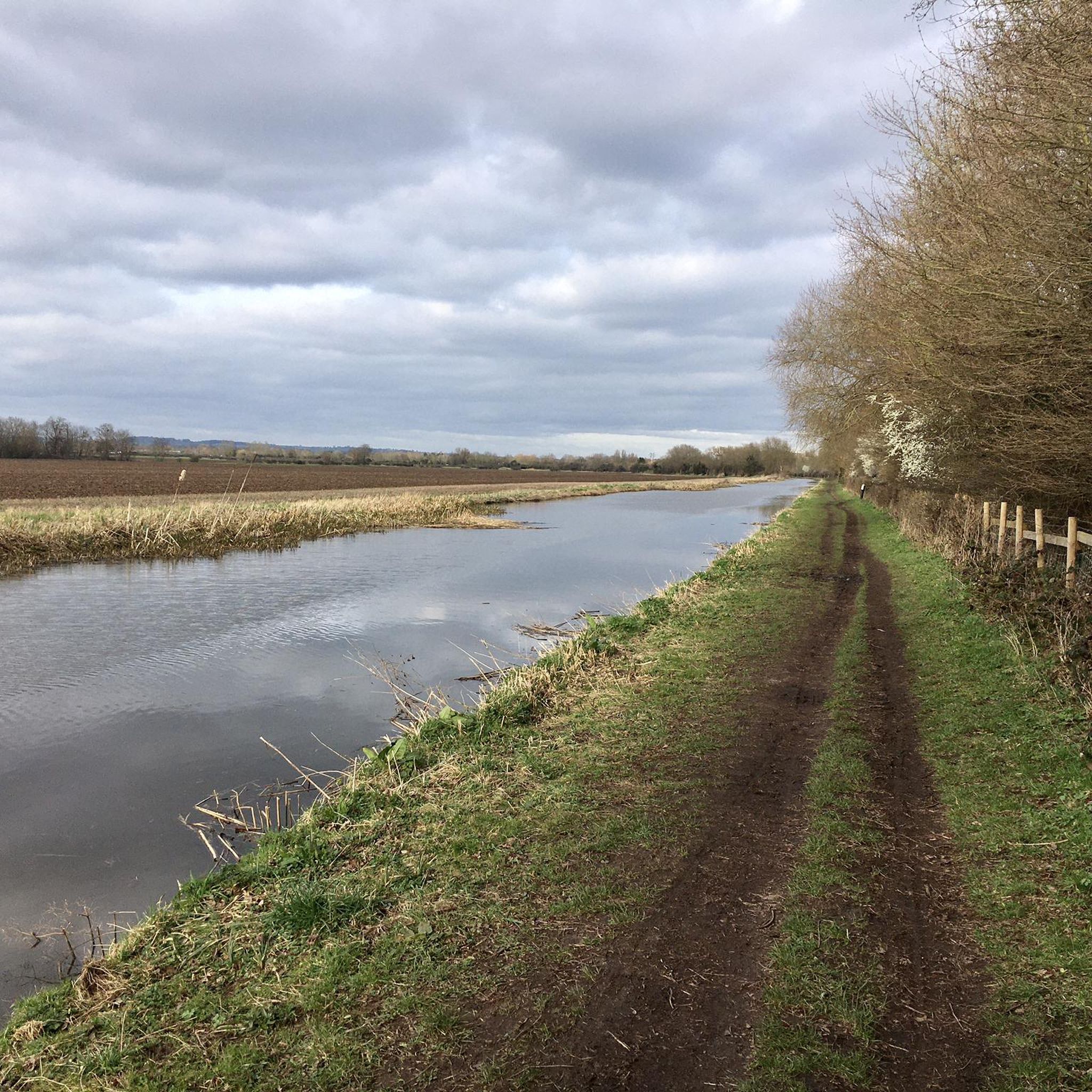
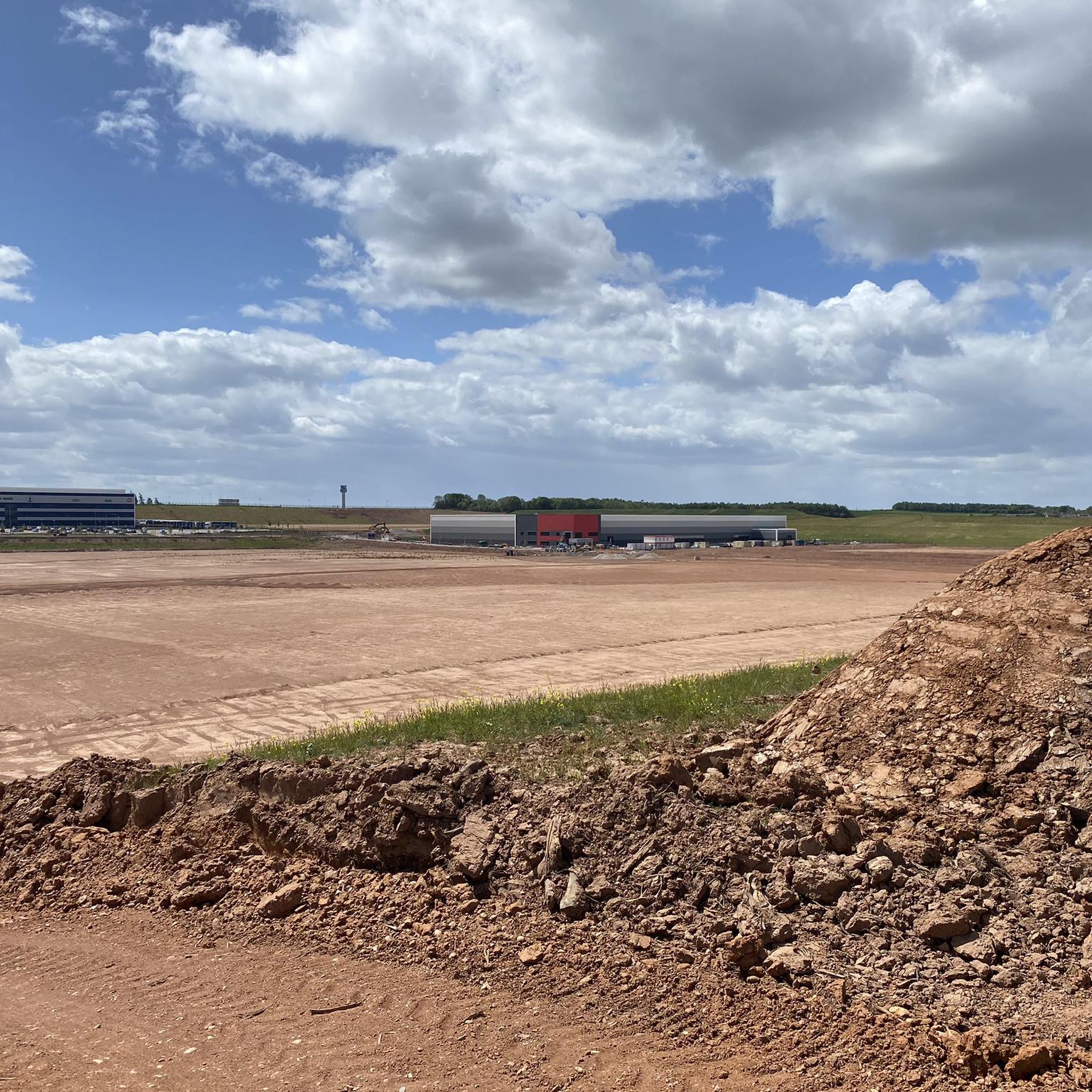
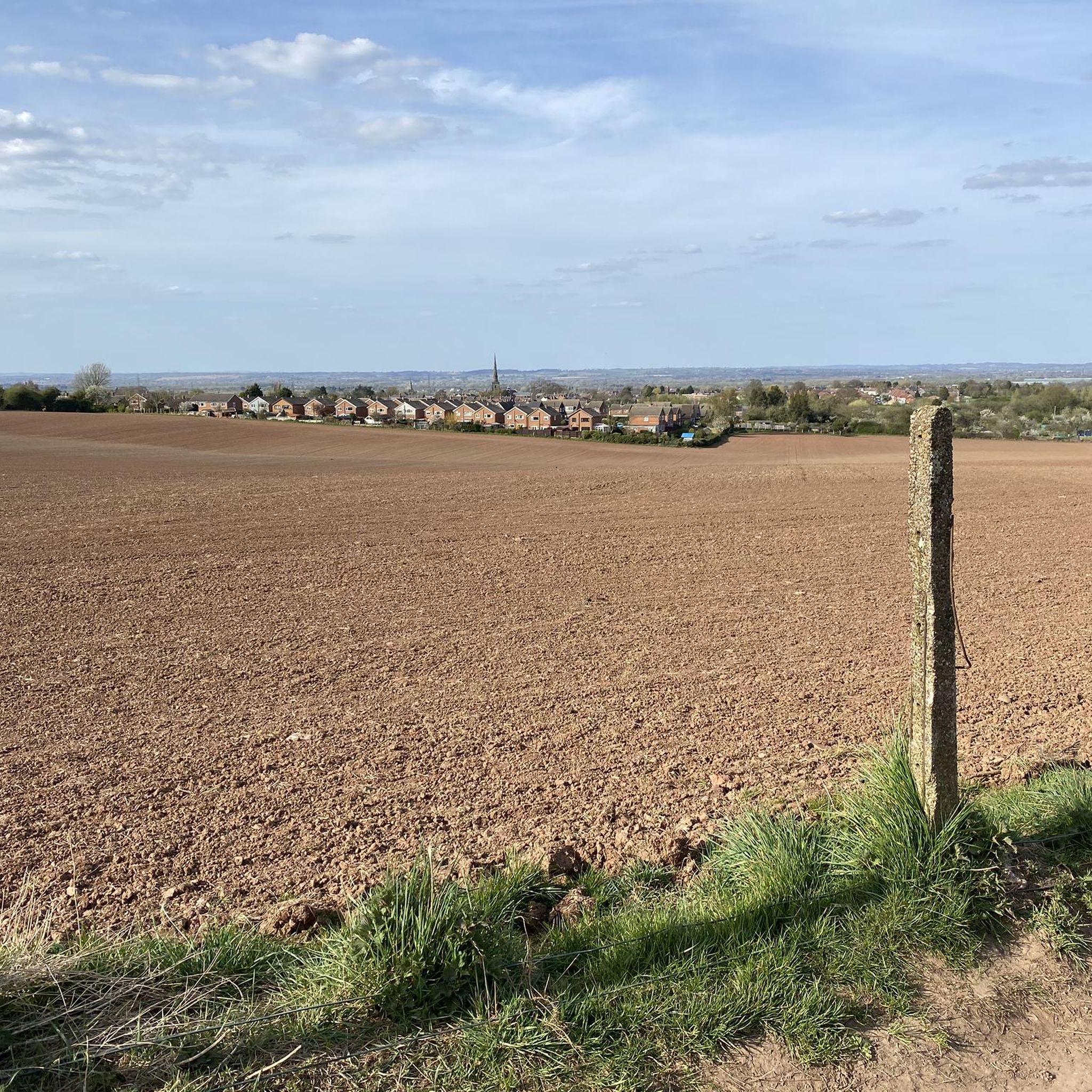
This was a medieval moated manor in the valley at the bottom of the field, situated by the brook. It was demolished in the late 16th century when a new house was built on the hill above where Risley Lodge Farm now stands visible on the hill top.
0
0

Added to the collection: komoot.com/de-de/collection/3600632/-naturdenkmaeler-besondere-baeume-und-weitere-schaetze-der-natur
0
0


Calke Abbey is a must visit site for anyone interested in ancient trees. The 1,000 year old Old Man of Calke may be the oldest, but there’s an 800 year old oak just a few metres away. The parkland is full of countless ancient and veteran trees rich in deadwood habitat, which is anything but dead as it’s brimming with saproxylic life.
1
0

Anchor Church caves are found in a Sandstone outcrop, close to Ingleby. The naturally formed caves have been extended by to form a dwelling (likely a hermitage around the 8th/9th century), complete with door and window holes. In more recent history (1840's) the owners of Foremarke Hall undertook some additional enhancements so they could use the caves as a summerhouse and picnic spot.
3
0
The Hemlock Stone is an outcrop of New Red Sandstone, deposited more than 200 million years ago in the Triassic Period. Approximately 28 feet (8.5 m) high, it is formed of a layer of Nottingham Castle Sandstone overlying a layer of Lenton Sandstone.
0
0

A true natural landmark for the area, situated in one of the quieter areas of Calke.
2
0
Frequently Asked Questions
Are there easy walking trails among the natural monuments near Castle Donington?
Yes, many natural monuments in the area offer easy walking opportunities. For example, the Deer Park at Calke Abbey is a popular spot for leisurely walks through a historic landscape. Blackbrook Reservoir also provides accessible paths around the water, suitable for a relaxed stroll.
What unique natural features can I explore around Castle Donington?
The region boasts several unique natural features. You can visit The Hemlock Stone, a striking 10-meter-high outcrop of red sandstone. Another fascinating site is Anchor Church Caves, naturally formed caves in a sandstone outcrop that have been extended and used as a dwelling and summerhouse over centuries. Additionally, the ancient Old Man of Calke Oak, estimated to be 1000-1200 years old, is a remarkable natural landmark.
Are the natural monuments around Castle Donington suitable for families and dogs?
Many of the natural monuments are indeed family-friendly and dog-friendly. The Deer Park at Calke Abbey is ideal for both, offering open spaces for exploration. Blackbrook Reservoir and the area around The Old Man of Calke Oak also welcome families and dogs, providing pleasant environments for outdoor activities.
What kind of wildlife can I expect to see at the natural monuments?
Wildlife spotting is a highlight in this region. At the Deer Park at Calke Abbey, you can observe resident deer in their natural habitat. Blackbrook Reservoir is known for its unique plant community and native white-clawed crayfish. The ancient trees, such as The Old Man of Calke Oak, provide rich deadwood habitats teeming with saproxylic life. Further afield, Attenborough Nature Reserve is excellent for bird-watching.
When is the best time to visit the natural monuments around Castle Donington?
The natural monuments can be enjoyed year-round, but spring and summer offer pleasant weather for walking and exploring the diverse flora and fauna. Autumn provides beautiful foliage, especially in areas like the Deer Park at Calke Abbey. Always check local weather forecasts before your visit.
What outdoor activities can I do near these natural monuments?
Beyond exploring the monuments themselves, the area around Castle Donington offers various outdoor activities. You can find numerous options for road cycling, running, and mountain biking. For road cycling, consider routes like the 'Cloud Trail – Donington Park Race Track loop'. Running enthusiasts might enjoy the 'Running loop from Castle Donington'. Mountain bikers have trails such as 'Robin Wood – Swarkestone Lock loop'. You can find more details on these activities in the Road Cycling Routes around Castle Donington, Running Trails around Castle Donington, and MTB Trails around Castle Donington guides.
Are there any historical natural monuments or sites with historical significance?
Yes, the region is rich in historical natural sites. The Anchor Church Caves have a history stretching back to the 8th/9th century as a hermitage. The Deer Park at Calke Abbey is part of a historic landscape. The River Trent, flowing past Castle Donington, has significant historical importance, having been navigable and playing a role in the region's past, with evidence of ancient fords and bridges. Donington Park SSSI also has a long history, mentioned in the Domesday Book.
Beyond the main highlights, what other natural attractions are there near Castle Donington?
In addition to the well-known sites, you can explore Staunton Harold Reservoir, a 230-acre nature reserve perfect for woodland walks, picnicking, and bird watching. Elvaston Castle Country Park, while known for its gardens, also offers natural beauty across its 320 acres. Hermit's Wood near Derby provides a natural woodland setting and is home to the intriguing Hermitage Cave.
What do visitors enjoy most about the natural monuments in this area?
Visitors particularly appreciate the blend of historical context, ecological importance, and opportunities for outdoor activities. The serene environments, the chance to observe wildlife like deer at Calke Abbey, and the unique geological formations such as The Hemlock Stone are frequently mentioned. The ancient trees, like The Old Man of Calke Oak, are also a major draw for their impressive age and natural beauty.
Is the Donington Park Site of Special Scientific Interest (SSSI) accessible to the public?
While Donington Park SSSI is crucial for its rare plants and animals, particularly its ancient oak trees, it is important to note that this 32.9-hectare site is private land and not generally open to the public. Its primary purpose is the protection of its unique wildlife and habitats.
Can I go fishing or engage in water activities near Castle Donington's natural monuments?
Yes, the River Trent, which flows past Castle Donington, is popular with anglers targeting chub, barbel, bream, and carp, particularly in the area known as 'West Meadow'. Staunton Harold Reservoir also offers trout fishing opportunities. For more general water activities, Attenborough Nature Reserve features numerous ponds and river paths, though specific activities may vary.
Most popular routes around Castle Donington
Most popular attractions around Castle Donington

Get inspired with the komoot mobile app


Explore more
Extend your search for the best caves by checking out these guides of the top ones around Castle Donington:
