Top 5 Castles around Kingwater
Best castles around Kingwater are located in a historical region of North West England, near the Anglo-Scottish border. This area, historically part of Cumberland and now Cumbria, features a landscape shaped by centuries of strategic importance. The region is characterized by its rolling hills and proximity to Hadrian's Wall, offering a blend of natural beauty and historical significance. It provides opportunities to explore ancient fortifications and Roman heritage.
Best castles around Kingwater
- The most popular castles is Thirlwall Castle Ruins…
Last updated: October 6, 2026
Milecastle 39 (Castle Nick) on Hadrian's Wall
Highlight • Historical Site
Tip by

Thirlwall Castle Ruins
Highlight • Historical Site
Tip by
Sign up now to discover places like this
Get recommendations on the best single tracks, peaks, & plenty of other exciting outdoor places.
Roman Vindolanda Fort and Museum
Highlight • Historical Site
Translated by Google •
Tip by

Cawfields Milecastle 42, Hadrian's Wall
Highlight • Historical Site
Tip by

Askerton Castle
Highlight • Castle
Translated by Google •
Tip by
Sign up for free to discover even more castles around Kingwater.
Already have an account?
Start today with a free account
Your next adventure awaits.
Tips from the Community

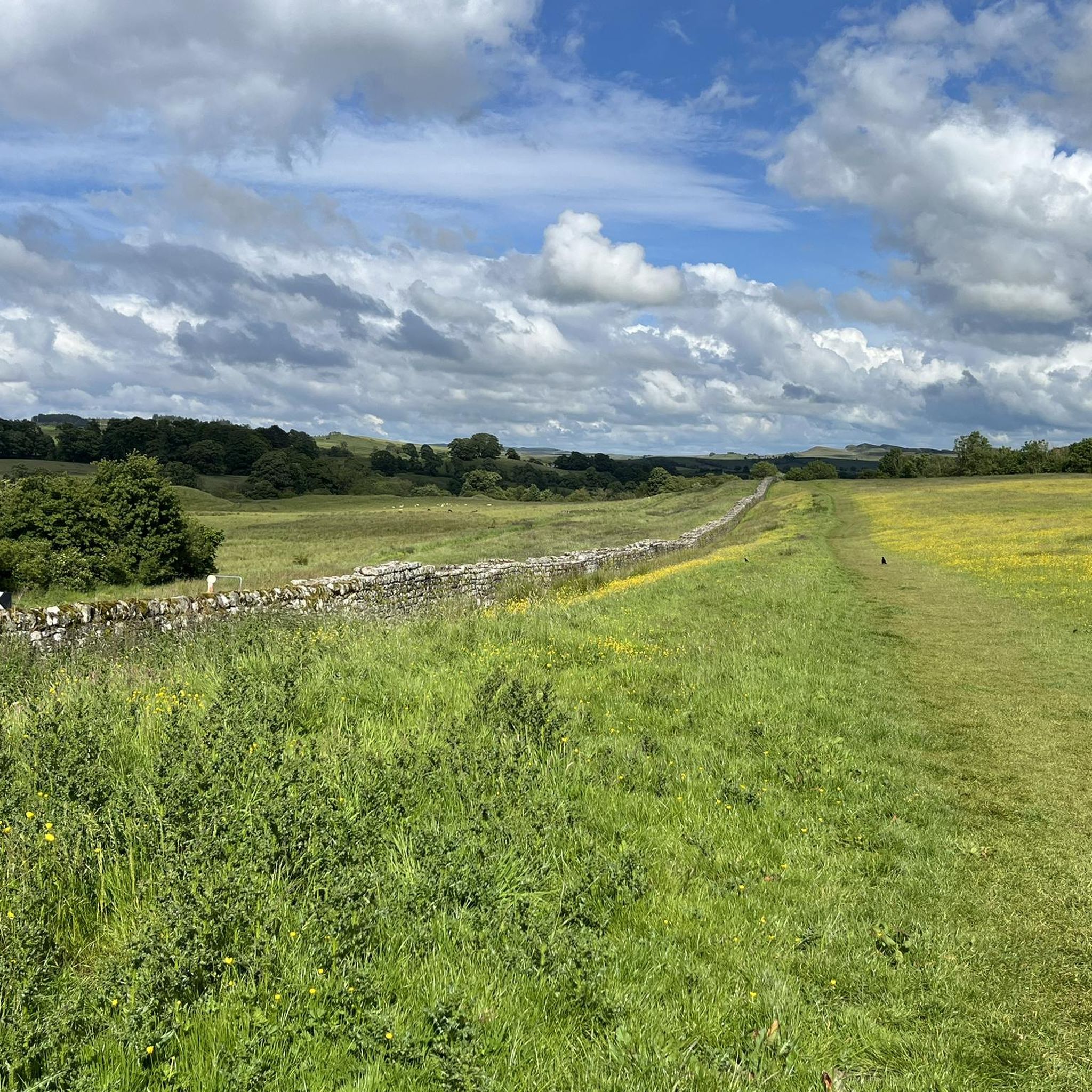
The Roman milecastle 39 is known as Castle Nick, because it lies in a niche in the hillside. The site was excavated between 1908 and 1911 and re-excavated between 1982 and 1987. In the south-east corner there was a stone oven and in the south-west corner a rectangular building with a sunken floor, associated with Roman finds. The milecastle appears to have been occupied until the end of the 4th century. In the 18th century, a dairy may have been built in the west corner. (Northumberland National Park)
5
0

Milecastle 39 is a super scenic and impressive place. It is a well-preserved Milecastle on Hadrian’s Wall. It is immediately to the west of the Sycamore Gap and is just one of many outstanding features on this stretch of wall.
0
0
Milecastle 42 is one of those spots on Hadrian’s Wall that feels like you’ve just stumbled on a hidden gem. It’s not huge, but that’s part of the charm – you can properly picture the Roman soldiers posted here, staring out across the wild Northumberland landscape and wondering what on earth they’d signed up for. The views are cracking, the ruins are well-marked, and it gives you that instant connection to history without being swamped by crowds. A quick stop, but a memorable one – exactly what you want on a wall walk.
0
0

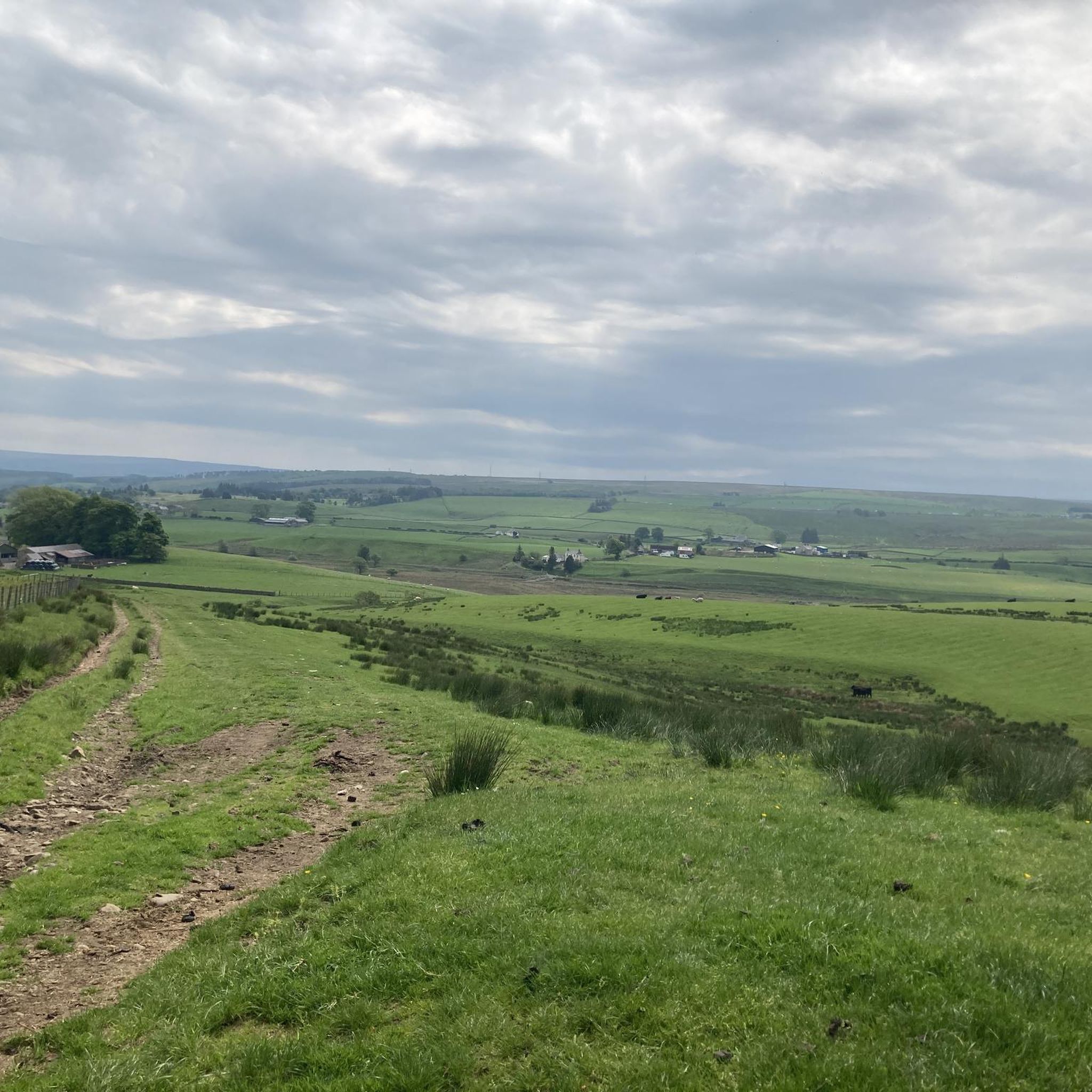
Askerton Castle is a rare example of a fortified medieval manor house, situated in remote north Cumbria, about three miles north of Hadrian's Wall. The original building was constructed around 1290 as an unfortified hall, but in the late 15th century, two battlemented towers—the Dacre Tower and the Dovecot Tower—were added by Thomas, Lord Dacre, as part of a border defense against the notorious Border Reivers. In the 16th century, the complex was expanded with a stable block and additional wings for troop accommodation. A third tower on the northwest corner is believed to have been lost, possibly to fire, but traces of its stonework and staircases are still visible in the walls. The structure contains impressive oak beams, dated between 1494 and 1510, and shows clear stages of architectural evolution—from a simple hall to a military stronghold. Although the castle is not open to the public, it is now part of the Askerton Castle Estate, an organic farm that produces beef, lamb, pork, and poultry. The building is a Grade I listed building, indicating its exceptional historical value.
7
0
🏛️ Vindolanda Fort is one of the most fascinating Roman archaeological sites in Britain. Built around 85 AD and rebuilt nine times, Vindolanda was an important military stronghold before and during the construction of Hadrian's Wall. The highlight of the discovery were the Vindolanda Tablets – wooden tablets containing personal letters, shopping lists, and even birthday party invitations. They are the oldest handwritten documents in Britain. On site, you'll see the remains of forts, bathhouses, barracks, and a Roman village (vicus), replicas of Roman buildings and sections of Hadrian's Wall, and a modern museum with thousands of artifacts: shoes, toys, weapons, jewelry, and more. 🍵 Visitor facilities: Café, shop, guided tours, and listening posts with explanations.
11
0


Vindolanda was a Roman fort that was occupied from the late 80s AD to the early 5th century AD. It is one of the best-preserved Roman forts in England, and has been the site of extensive archaeological excavations. The excavations have uncovered a wealth of artifacts, including weapons, armor, tools, and pottery. They have also revealed the remains of the fort's buildings, including the barracks, headquarters, and bathhouse. One of the most significant discoveries at Vindolanda is the Vindolanda tablets. These are a collection of wooden tablets that were written on by the soldiers and civilians who lived at the fort. The tablets contain a wide range of information about everyday life at Vindolanda, including letters, invitations, and shopping lists. The Vindolanda tablets are a unique and valuable source of information about Roman life on Hadrian's Wall. They provide us with a glimpse into the world of the Roman soldiers and civilians who lived and worked at the fort. Vindolanda is a popular tourist destination, and the museum on site houses a collection of artifacts from the fort, including the Vindolanda tablets. The museum also has a number of interactive exhibits that teach visitors about the history of the fort and the life of the Romans on Hadrian's Wall.
0
0
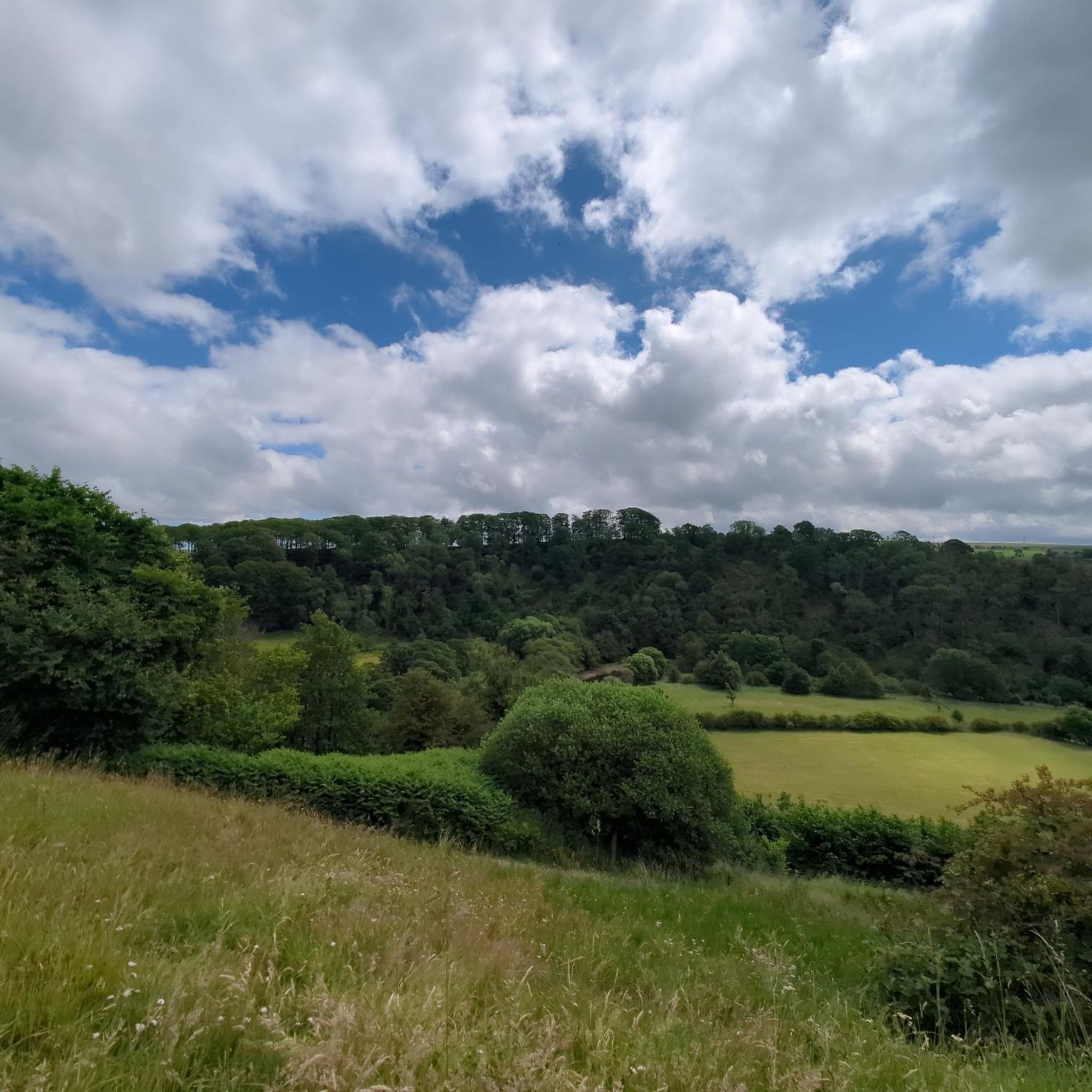
Originally built in the 12th century, and later strengthened using stones from nearby Hadrian’s Wall, Thirlwall Castle began to fall into disrepair in the 17th century. The site is protected by Grade I listed building and Scheduled Ancient Monument status. In 1999, Northumberland National Park Authority acquired a 99-year lease on Thirlwall Castle and 10 hectares of adjacent woodland. This is a great historic vista for the eyes for passing runners and why don't you come back for a picnic in the grounds when your not huffing and puffing so much.
1
0
Frequently Asked Questions
What historical castles can I visit near Kingwater?
The Kingwater area, historically part of Cumberland, offers several significant historical sites. You can explore the ruins of Thirlwall Castle, which was built using stones from Hadrian's Wall, or the atmospheric Ruins of Bewcastle Castle, which has a history dating back to the 11th century. Further afield, but still within the historical region, Carlisle Castle is a formidable medieval fortress with a rich history as a border stronghold.
Are there any Roman sites or forts to explore in the Kingwater area?
Yes, the region is rich in Roman history. The Roman Vindolanda Fort and Museum is a must-see, offering excavated ruins, a military bathhouse, and a museum showcasing artifacts including the famous Vindolanda Tablets. The Ruins of Bewcastle Castle were also built on the foundations of a Roman fort, and Carlisle Castle stands on the site of a second-century Roman fort.
Which castles near Kingwater are family-friendly?
For families, the Roman Vindolanda Fort and Museum is an excellent choice, offering interactive exhibits and a chance to explore ancient ruins. The Ruins of Bewcastle Castle also provide an engaging historical site for families to explore, set in peaceful nature.
Can I visit castle ruins for free around Kingwater?
Yes, the Thirlwall Castle Ruins are free to enter at all times, making them a great spot for a historical picnic. The Ruins of Bewcastle Castle are also freely accessible, though parts may be unstable.
What is the best time to visit the castles near Kingwater?
The best time to visit the castles and historical sites around Kingwater is generally during the spring, summer, and early autumn months (April to October). The weather is typically milder and more conducive to exploring outdoor ruins and walking trails. During these periods, sites like Vindolanda will have full operating hours. Winter visits can be atmospheric but may involve colder weather and potentially limited access to some areas.
Are there walking or cycling routes near the castles around Kingwater?
Yes, the area around Kingwater offers various outdoor activities. You can find several road cycling routes, such as the 'View of Bewcastle Castle – Bewcastle Church and Cross loop from King Water' which is an easy 25.8 km ride. For mountain biking, there's the 'Great North Trail: Haltwhistle Loop' (30.5 km, moderate). You can explore more options on the Road Cycling Routes around Kingwater, Gravel biking around Kingwater, and MTB Trails around Kingwater guide pages.
What kind of historical significance do the castles in this region hold?
The castles in the Kingwater area and broader Cumberland region are primarily significant for their role as border defenses. Due to their proximity to the Anglo-Scottish border, many, like Carlisle Castle and Bewcastle Castle, were crucial strongholds against Scottish incursions and witnessed numerous sieges and conflicts. Sites like Askerton Castle also highlight the need for fortified manor houses to protect against Border Reivers.
Are there any castles near Kingwater that offer a museum experience?
Yes, the Roman Vindolanda Fort and Museum provides an extensive museum experience with thousands of artifacts, including the famous Vindolanda Tablets. Additionally, Carlisle Castle houses Cumbria's Museum of Military Life within its walls, detailing the history of Cumbria's Infantry Regiment.
What are some lesser-known or 'hidden gem' castles in the area?
While not open to the public, Askerton Castle is a fascinating example of a fortified medieval manor house in remote north Cumbria. Its history as a border defense against Reivers and its architectural evolution make it a significant, albeit privately owned, historical site. For accessible ruins, Bewcastle Castle offers a more secluded and atmospheric experience.
What do visitors enjoy most about exploring castles around Kingwater?
Visitors frequently appreciate the tangible connection to history, especially the Anglo-Scottish border conflicts and Roman occupation. The opportunity to explore ancient ruins like Thirlwall Castle and Bewcastle Castle, often set in scenic landscapes, is a major draw. The Roman Vindolanda Fort and Museum is particularly praised for its extensive archaeological findings and engaging museum displays.
Is there parking available at the castles near Kingwater?
Parking availability varies by site. For major attractions like the Roman Vindolanda Fort and Museum, dedicated visitor parking is available. For more remote ruins like Thirlwall Castle and Bewcastle Castle, parking might be limited to roadside spots or small informal areas nearby. It's advisable to check specific site information before your visit.
What other notable castles are in the wider historical region of Cumberland?
Beyond the immediate Kingwater area, the broader historical region of Cumberland (now part of Cumbria) boasts other significant castles. These include Brougham Castle, a 13th-century fortress with a solid stone keep, and Greystoke Castle, which has a history spanning nearly a thousand years. Pendragon Castle, steeped in Arthurian myth, also offers dramatic ruins in the remote Mallerstang Valley.
Most popular attractions around Kingwater

Get inspired with the komoot mobile app


Explore more
Looking for the best castles somewhere else? Discover other guides around Kingwater:
