Top 3 Castles around Farlam
Best castles around Farlam include historical fortifications and manor houses in the surrounding Cumbrian village area. This region, close to Hadrian's Wall, offers a journey through centuries of border history. Visitors can explore sites ranging from medieval defensive structures to fortified farmsteads. The area provides insights into the architectural evolution and turbulent past of the Anglo-Scottish border.
Best castles around Farlam
- The most popular castles is Thirlwall Castle Ruins, a historical site built during the 12th century using stones…
Last updated: June 20, 2026
Thirlwall Castle Ruins
Highlight • Historical Site
Tip by

Askerton Castle
Highlight • Castle
Translated by Google •
Tip by

Sign up now to discover places like this
Get recommendations on the best single tracks, peaks, & plenty of other exciting outdoor places.
Sign up for free
Naworth Castle
Highlight • Other
Tip by

Lanercost Bridge
Highlight • Bridge
Translated by Google •
Tip by
Start today with a free account
Your next adventure awaits.
Login or Signup
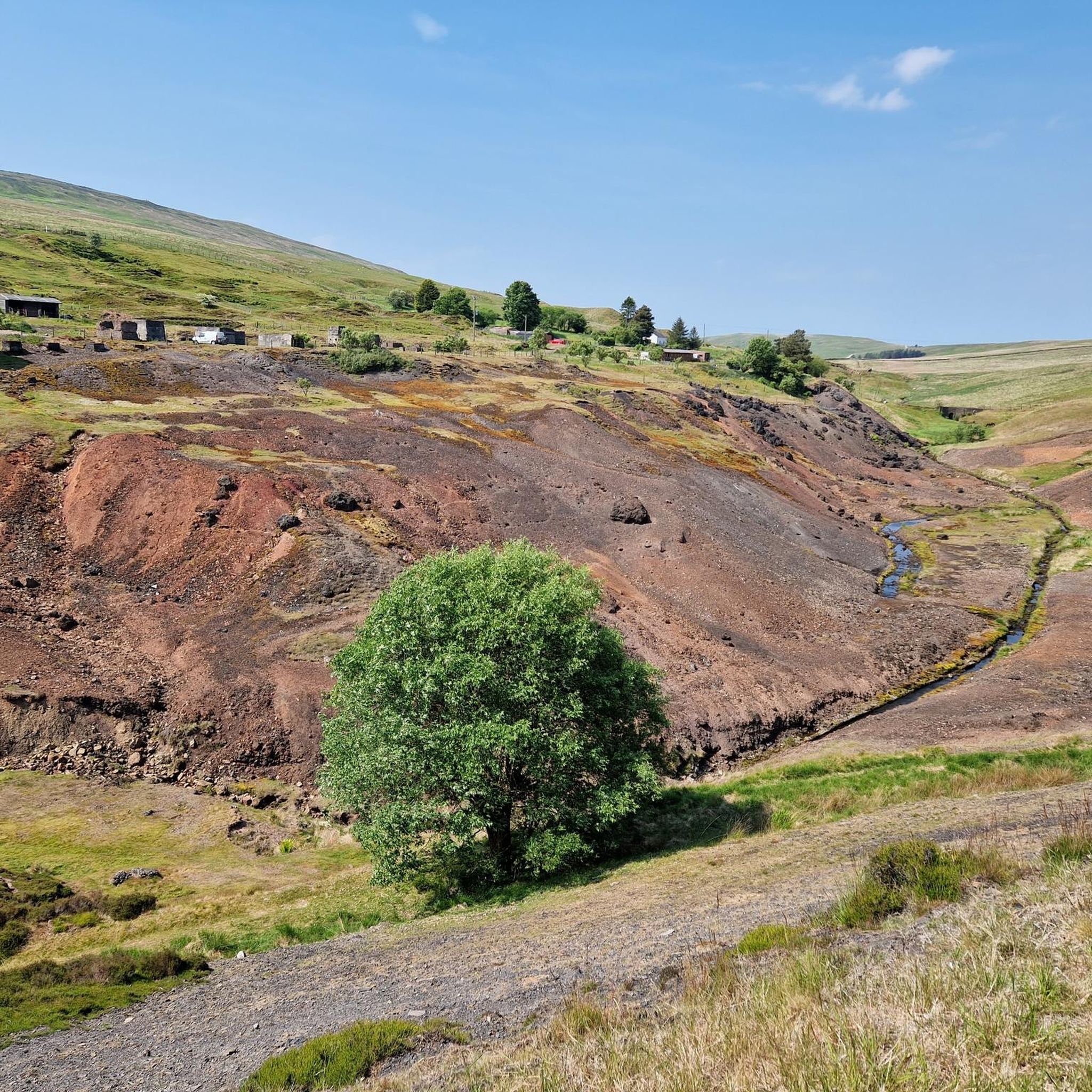
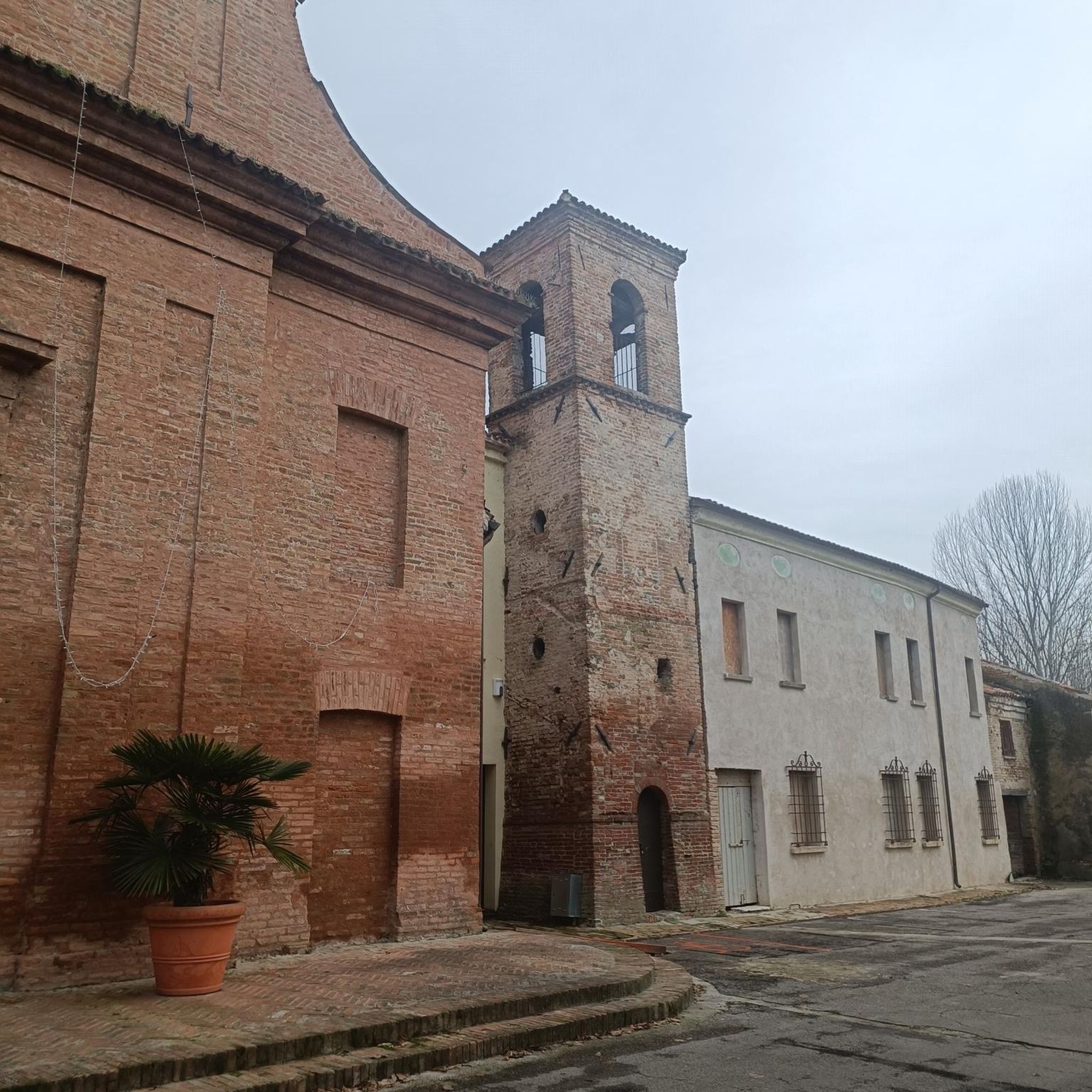
Tips from the Community

Built in 1724 by four local masons, this bridge replaced earlier wooden structures that had been destroyed by flooding. The bridge consists of two segmental arches: one over the river and one over the old Abbey Mill stream. The red sandstone, the triangular cutwaters, and the gently curving shape give it an authentic character.
11
0
Askerton Castle is a rare example of a fortified medieval manor house, situated in remote north Cumbria, about three miles north of Hadrian's Wall. The original building was constructed around 1290 as an unfortified hall, but in the late 15th century, two battlemented towers—the Dacre Tower and the Dovecot Tower—were added by Thomas, Lord Dacre, as part of a border defense against the notorious Border Reivers. In the 16th century, the complex was expanded with a stable block and additional wings for troop accommodation. A third tower on the northwest corner is believed to have been lost, possibly to fire, but traces of its stonework and staircases are still visible in the walls. The structure contains impressive oak beams, dated between 1494 and 1510, and shows clear stages of architectural evolution—from a simple hall to a military stronghold. Although the castle is not open to the public, it is now part of the Askerton Castle Estate, an organic farm that produces beef, lamb, pork, and poultry. The building is a Grade I listed building, indicating its exceptional historical value.
7
0


Originally built in the 12th century, and later strengthened using stones from nearby Hadrian’s Wall, Thirlwall Castle began to fall into disrepair in the 17th century. The site is protected by Grade I listed building and Scheduled Ancient Monument status. In 1999, Northumberland National Park Authority acquired a 99-year lease on Thirlwall Castle and 10 hectares of adjacent woodland. This is a great historic vista for the eyes for passing runners and why don't you come back for a picnic in the grounds when your not huffing and puffing so much.
1
0

An interesting ruin with a pleasant walk to get to it. Parking and information available in the local village.
0
0


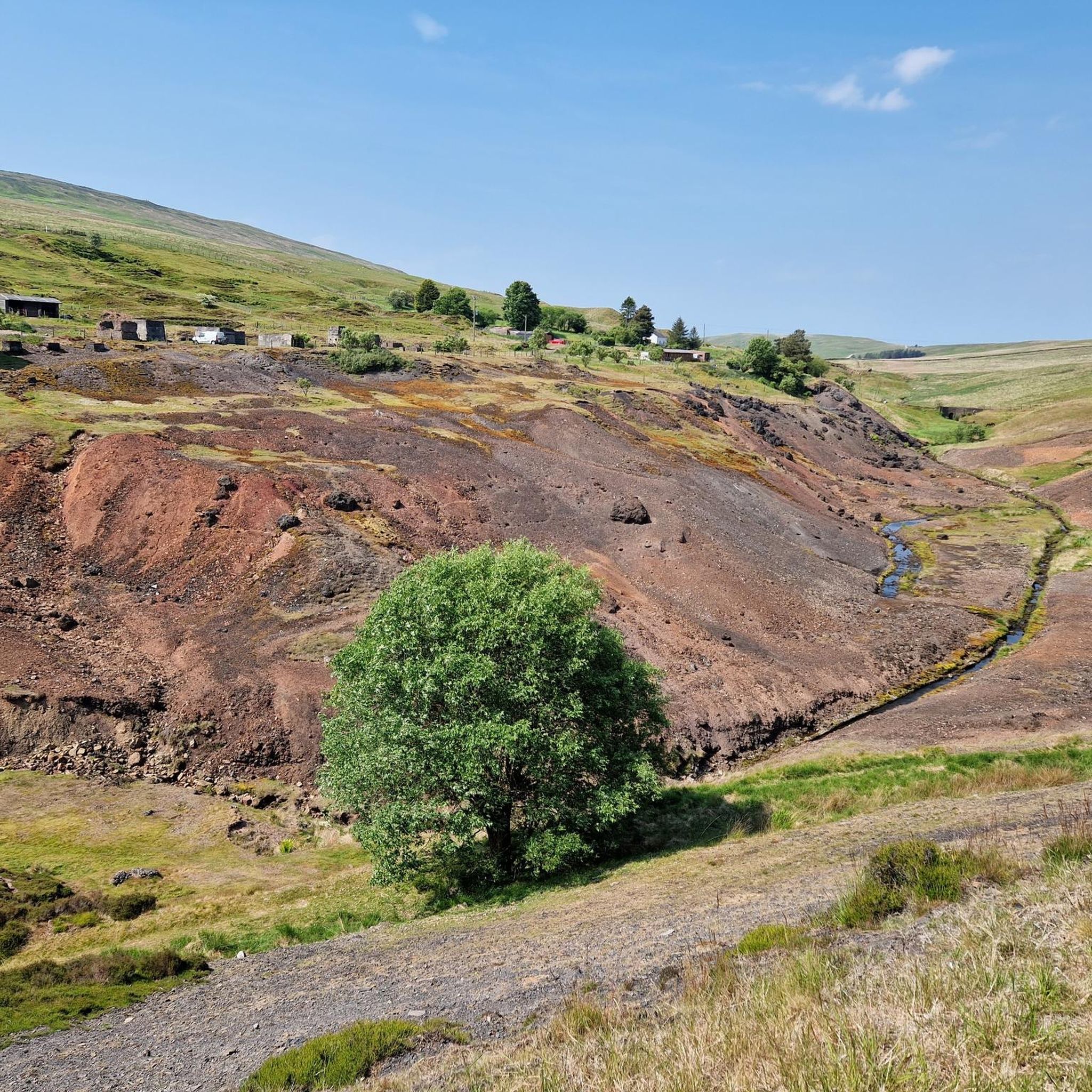
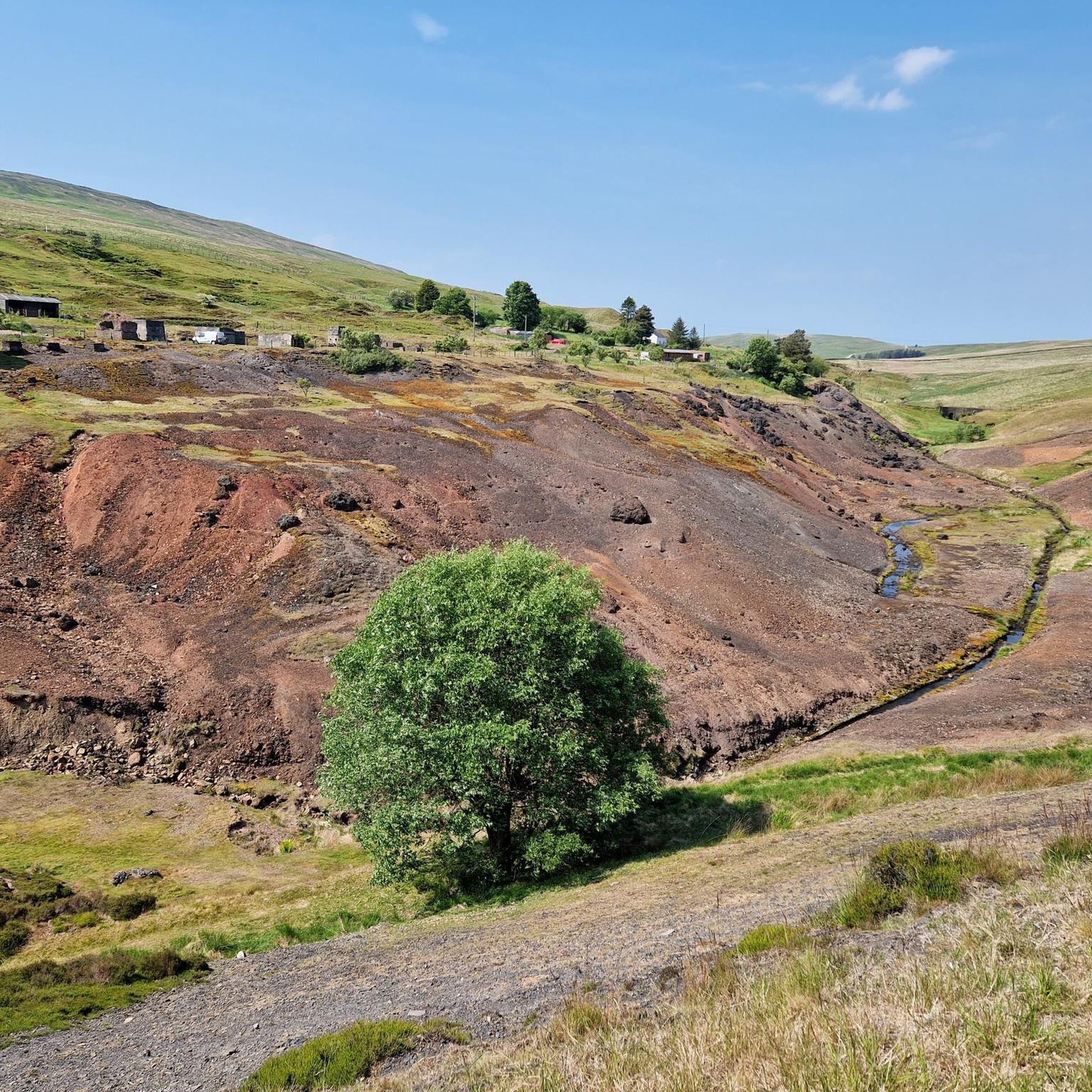
Now Askerton Castle Estate is an organic livestock farm, you can buy great quality meat but you can't visit the castle.
0
0

A medieval fortified manor house, The original unfortified house was built around 1300. The existing hall range dates to the 15th century, though parts of it may date to the previous century.
1
0
Frequently Asked Questions
What kind of historical fortifications can I explore around Farlam?
The Farlam area is rich in border history, featuring medieval fortifications and fortified manor houses. You can explore the ruins of Thirlwall Castle Ruins, a testament to Anglo-Scottish border conflicts, and learn about the unique fortified manor house of Askerton Castle. The region also has examples of bastles, like the one associated with Farlam Hall Cottages, which were fortified farmhouses common in the borderlands.
Can I visit Thirlwall Castle Ruins, and what should I expect?
Thirlwall Castle Ruins are freely accessible to the public at all times. These 12th-century ruins, famously built using stones from Hadrian's Wall, offer a glimpse into medieval defensive architecture. It's a picturesque spot, perfect for a picnic, and provides a historical vista for those exploring the area.
Is Askerton Castle open to the public?
Askerton Castle is a rare example of a fortified medieval manor house, but it is not open to the public. It is part of the Askerton Castle Estate, which operates as an organic farm. While you cannot enter the castle itself, its historical significance as a Grade I listed building and its evolution from a simple hall to a military stronghold against Border Reivers make it a notable landmark in the region.
What is the history of Naworth Castle?
Naworth Castle is a spectacular medieval castle built in the 13th century. It has a rich history, having hosted various nobles and even inspired artist William Morris, who described it as "the most poetical in England." Today, it remains a private residence, with the heir to the 13th Earl of Carlisle residing there. You can find more information about the castle on its official website: naworth.co.uk.
Are there opportunities for hiking or walking near these castles?
Yes, the Farlam area offers several walking opportunities that can be combined with castle visits. For instance, Thirlwall Castle Ruins are located near Hadrian's Wall, offering scenic walks. You can find various hiking routes, including easy to moderate trails, in the Hiking around Farlam guide, which includes routes around Talkin Tarn and Gelt Woods.
Are there family-friendly activities or walks around the castles?
Absolutely! Thirlwall Castle Ruins are a great spot for families, offering free entry and a perfect setting for a picnic. For family-friendly walks, consider routes like the Talkin Tarn Lake loop or the Bishop Hill Quarry Lime Kilns loop, which are featured in the Family-friendly hikes around Farlam guide.
What is the best time of year to visit the castles around Farlam?
The best time to visit is generally during the spring, summer, and early autumn months (April to October) when the weather is milder and more conducive for exploring ruins and walking trails. These seasons offer pleasant conditions for picnics at sites like Thirlwall Castle Ruins and enjoying the surrounding Cumbrian landscapes.
Are the castle sites around Farlam dog-friendly?
Many outdoor historical sites and walking trails in the Farlam area are dog-friendly, provided dogs are kept under control, especially around livestock. Thirlwall Castle Ruins, being an open-access site, is suitable for dog walks. Always remember to clean up after your pet.
Where can I find parking when visiting the castles?
For Thirlwall Castle Ruins, parking is typically available nearby, often in designated lay-bys or small car parks associated with Hadrian's Wall walking routes. For other sites like Askerton Castle, which is private, parking is not generally available for public visitors. It's always advisable to check local signage for specific parking regulations.
What is the connection between these castles and Hadrian's Wall?
The castles in the Farlam area have strong historical ties to Hadrian's Wall. Thirlwall Castle Ruins famously utilized stones from the nearby Hadrian's Wall for its construction. Askerton Castle is also situated approximately three miles north of Hadrian's Wall, placing it within the historical border region influenced by the Roman frontier and later border conflicts.
Are there cycling routes near the castles?
Yes, the Farlam area offers several cycling routes that pass near historical sites. You can find various options, from moderate to difficult, in the Cycling around Farlam guide. Routes like the Hadrian's Wall – Lanercost Priory loop offer a chance to combine cycling with exploring the rich history of the region.
Where can I find refreshments or accommodation near the castles?
While the immediate vicinity of some castle ruins might not have direct facilities, nearby villages like Brampton, Hallbankgate, and Talkin offer cafes, pubs, and accommodation options. Farlam Hall itself is a luxury hotel with a Michelin Key restaurant, providing a high-end option for dining and stay.
Most popular attractions around Farlam

Get inspired with the komoot mobile app


Explore more
Looking for the best castles somewhere else? Discover other guides around Farlam:
