The best road cycling routes around Bewcastle
4.5
(14)
586
riders
31
rides
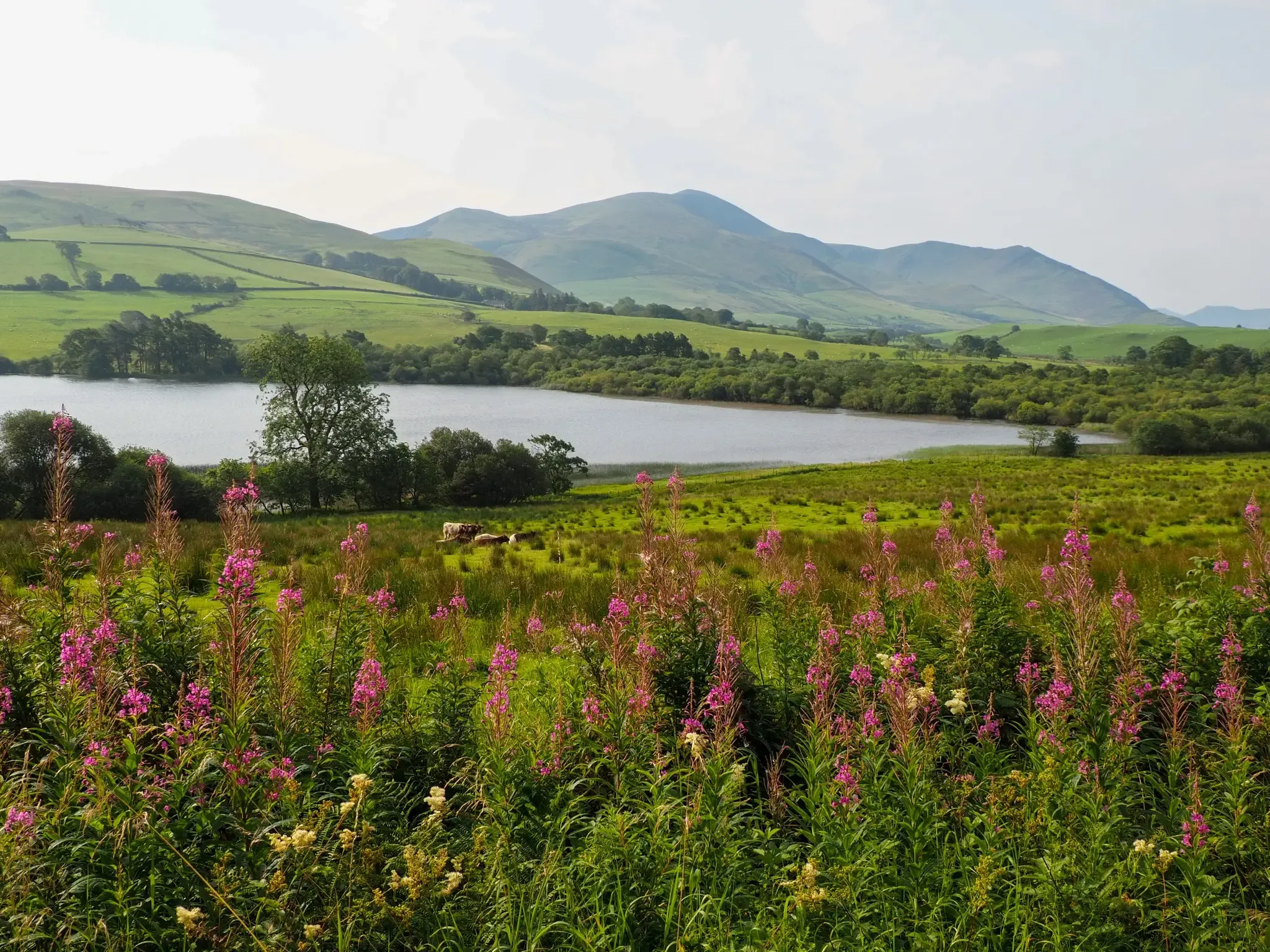
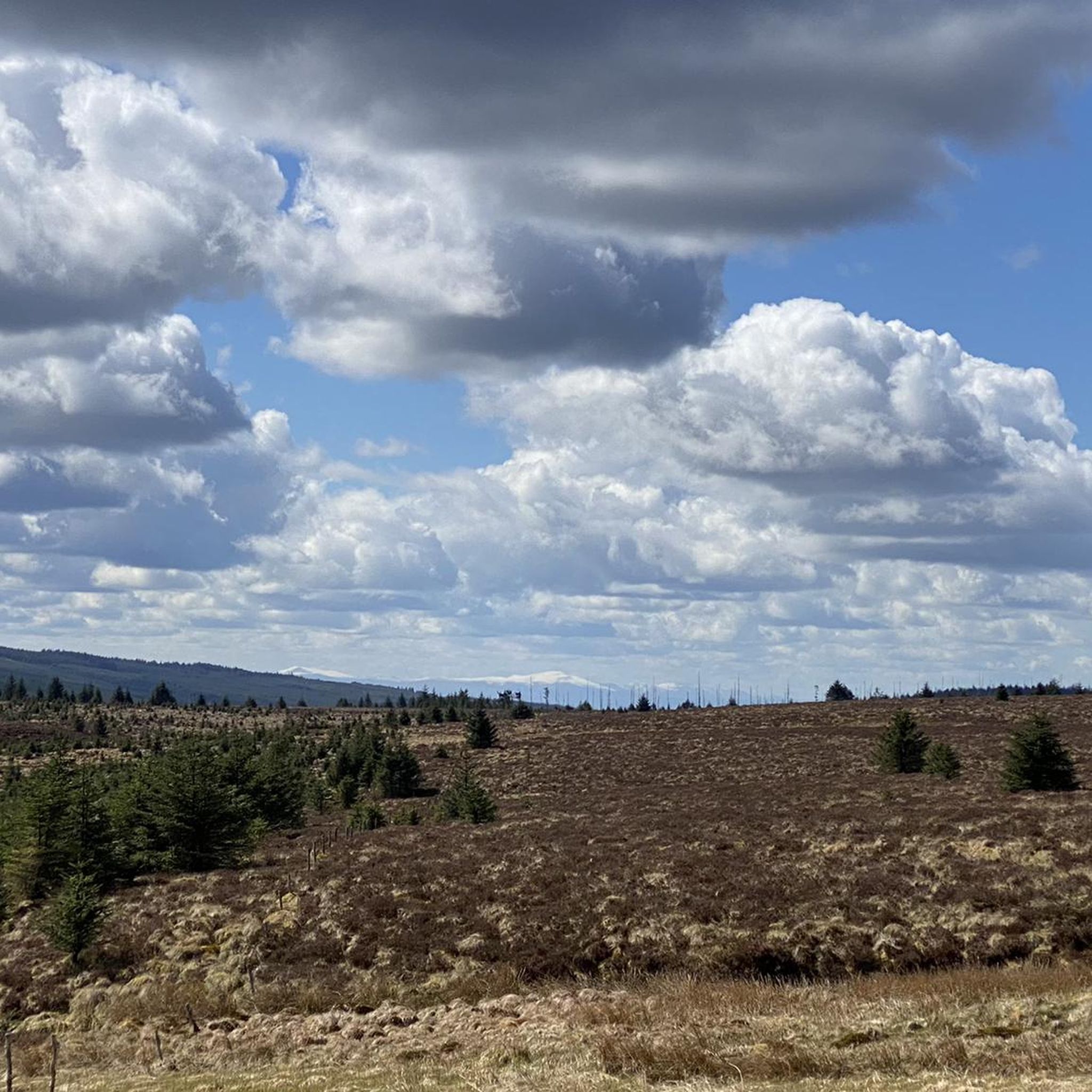
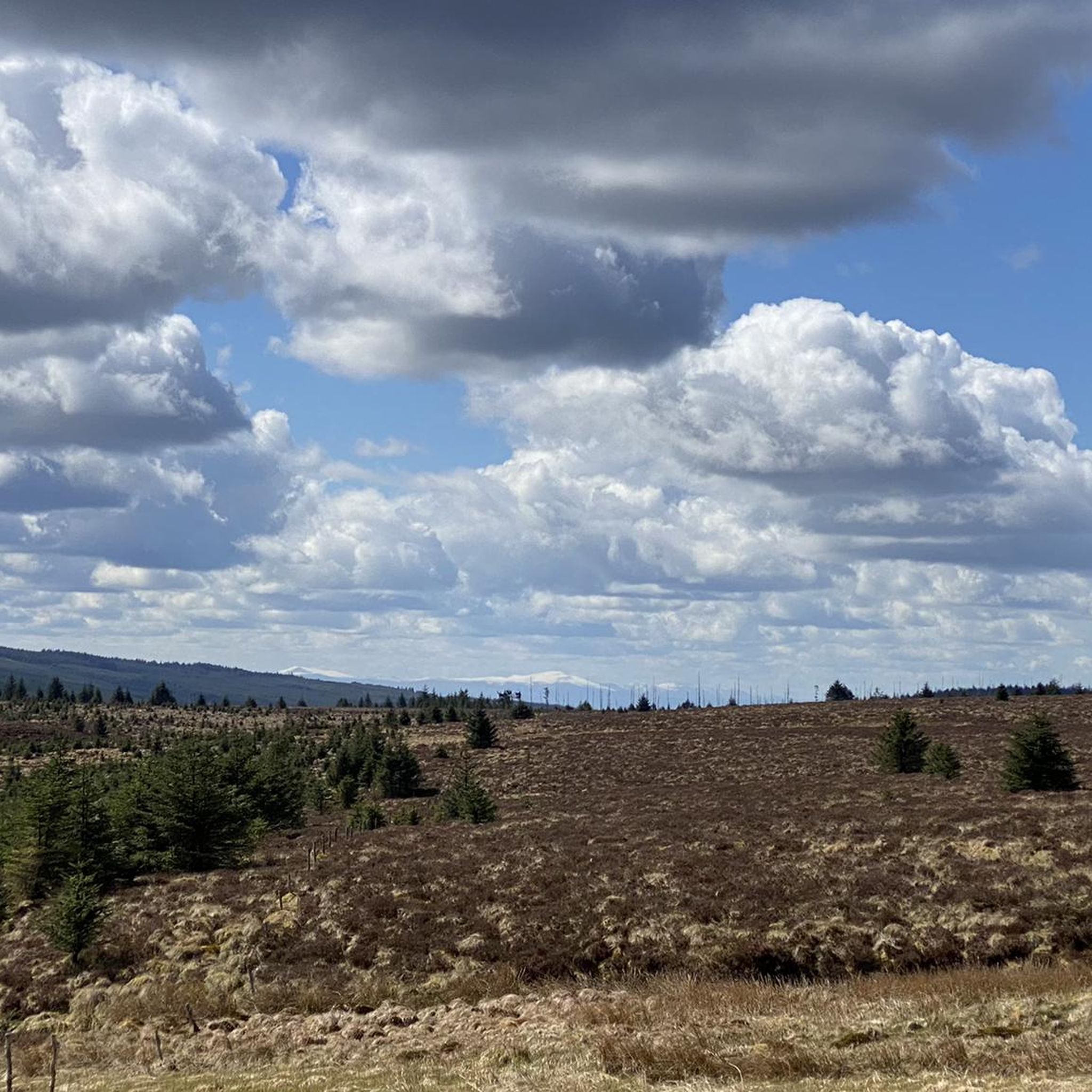
Road cycling routes around Bewcastle traverse a landscape characterized by rolling hills and open countryside, situated near the England–Scotland border. The region features a mix of rural roads, offering views of historical sites and agricultural land. Elevations are generally moderate, with some routes including longer climbs. The area provides a network of paths suitable for road cycling.
Best road cycling routes around Bewcastle
- The most popular road cycling route is The Olive Tree Café – Kielder Castle loop from Newcastleton…
Last updated: July 9, 2026
32
riders
51.4km
02:06
340m
340m
Moderate road ride. Good fitness required. Mostly well-paved surfaces and easy to ride.
5.0
(1)
18
riders
Moderate road ride. Good fitness required. Some segments of this route may be unpaved and difficult to ride.

Sign up for free
6
riders
43.2km
02:28
610m
610m
Moderate road ride. Good fitness required. Mostly well-paved surfaces and easy to ride.
6
riders
42.9km
02:28
580m
580m
Moderate road ride. Good fitness required. Mostly well-paved surfaces and easy to ride.
6
riders
39.0km
02:00
480m
490m
Moderate road ride. Good fitness required. Some segments of this route may be unpaved and difficult to ride.
Get access to more routes and recommendations from other explorers.
Sign up for free
Already have an account?
Our route recommendations are based on thousands of hikes, rides, and runs completed by other people on komoot.
Start today with a free account
Your next adventure awaits.
Login or Signup
Other adventures around Bewcastle

Tips from the Community

There are many bridges in Langholm, partly due to two river merging into one. The photo is the main Langholm Bridge
0
0

At this small sacred monument, there are several reasons why cyclists should not pass by carelessly, but should linger for a moment: Firstly, the church, together with the surrounding cemetery and the 'Bewcastle Cross' standing on the grounds, form a very harmonious unit. Secondly, when contemplating this cross, one looks far back into history, as its creation is dated to the 7th or 8th century. Thirdly, however – and mainly (!) – the artistic design of the obelisk, which rises to about the lower eaves of the church roof, tapering slightly upwards, is extremely noteworthy ('Amy' and 'Joe' have already described this in their contributions). My personal conclusion: Although the actual cross, which once crowned the obelisk, has long been missing, it is still a noteworthy small sacred monument!
0
0

St Cuthbert Bewcastle Church stands on the foundations of a Roman fort and has roots dating back to the 13th century. Although the current building largely dates from the 18th and 19th centuries, parts of the east chancel are still medieval. The church exudes simplicity and tranquility, with a rectangular plan and a wooden gallery on the west side. Within the church, traces of the Border Reivers' turbulent history can be found, including gravestones bearing names like Armstrong and Routledge.
8
0
Bewcastle Fort (Latin: Fanum Cocidi) was a Roman fort in the English town of Bewcastle. The fort lay north of Hadrian's Wall and was connected by a road (Maiden Way) to the Banna (Birdoswald) fort on the wall. The fort's Latin name (The Shrine of Cocidius) indicates that it enclosed an existing local shrine. The Romans equated the deity Cocidius with Mars, and the fort was possibly built there to control tribal gatherings. In the second century, the Cohors I Dacorum mil. eq. (a mixed cohort with infantry and cavalry in dual garrisons, with auxiliaries from Dacia) was stationed there. A dual garrison cohort was also likely stationed there in the third century. By 400, before Hadrian's Wall was abandoned, Bewcastle Fort had already been abandoned. Around 1092, Bewcastle Castle was built in a corner of the former fortress, using Roman stone. The church of St. Cuthbert is also located within the old fortress walls.
7
0
Cattle grid, a bypass and an intersection
7
0
The Bewcastle Cross. This 7th-century Anglo-Saxon cross is one of the oldest and most exquisite in Europe. It still stands in its original location in the church garden and is richly decorated with runes, wickerwork, and Christian iconography. On the west side, you see Christ, John the Baptist with the Lamb of God, and a falconer who may represent John the Evangelist. On the east side, a vine winds upward, populated by mythical and real animals—a symbol of the connection between creation and faith.
10
0
The ruins of Bewcastle Castle lie mysteriously tucked away in the northeastern corner of an old Roman fort in Cumbria. The original castle was built around 1092 on the foundations of the Fanum Cocidii fort and served as a border defense against Scottish incursions. Destroyed in 1173, it was rebuilt in the 14th century by John de Strivelyn, a general of King Edward III. The castle had a square plan of 27 meters, surrounded by a dry moat that partially utilized Roman ditches. Within the walls were buildings surrounding a small courtyard, with a gatehouse added later. The walls are up to 9 meters high, with visible windows and fireplaces on the second floor. Bewcastle Castle was strategically located on the Maiden Way, a Roman road leading to Hadrian's Wall, and played a role in conflicts with the notorious Border Reivers. Today the ruins are unstable and partly inaccessible, but they remain a powerful symbol of border defense and medieval architecture.
9
0
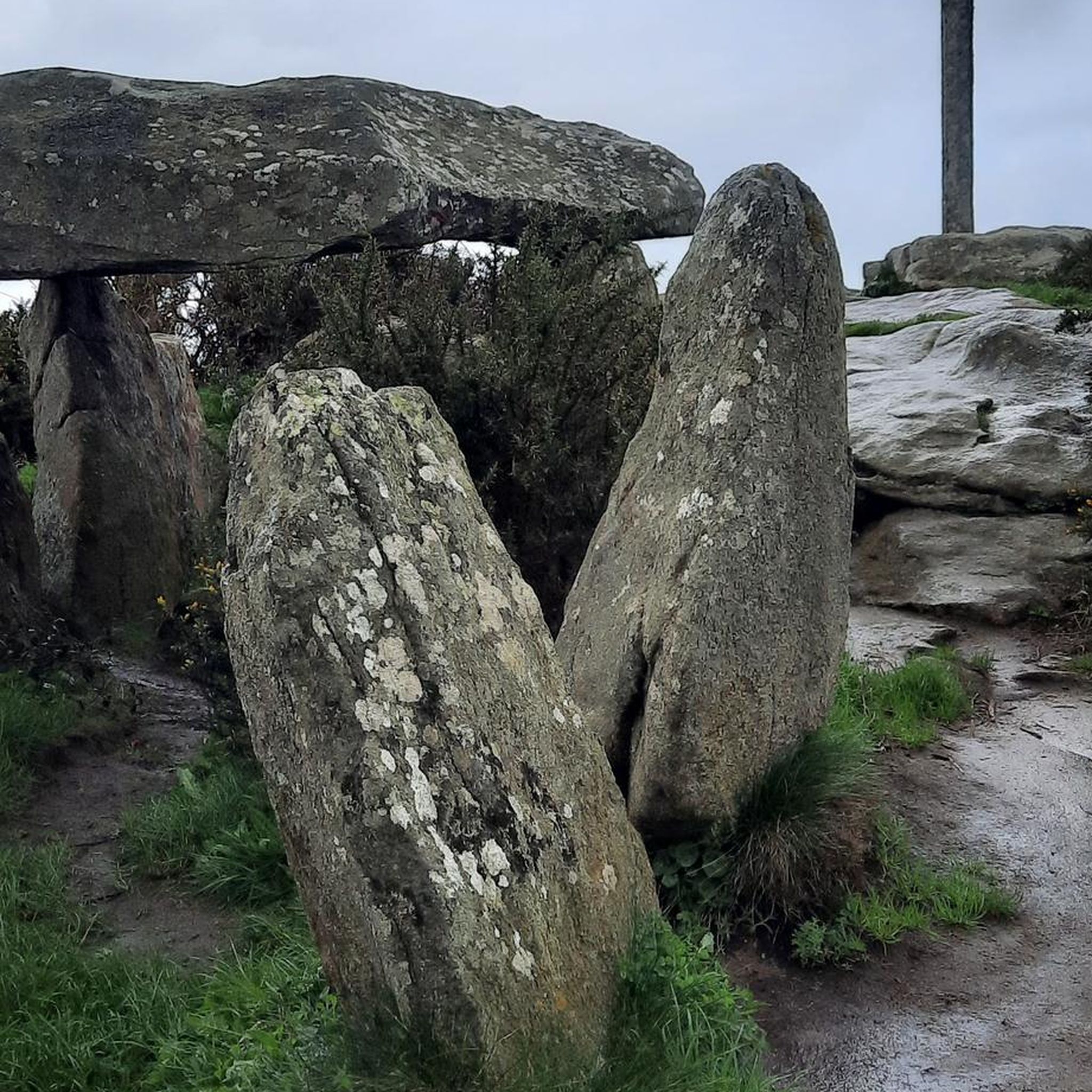
Located just north of Newcastleton in the Scottish Borders, Old Castleton Cemetery bears witness to centuries of local history. Situated on a hill along the B6357, this cemetery offers stunning views of the surrounding countryside. It contains over 670 memorials, many of which have been photographed and recorded on Find a Grave. The site also contains three Commonwealth war graves from the Second World War, further enhancing its historical significance. The site is popular with genealogical researchers and walkers who want to explore Liddesdale's heritage.
4
0
Frequently Asked Questions
How many road cycling routes are available around Bewcastle?
There are over 30 road cycling routes in the Bewcastle area, catering to various skill levels. You'll find options ranging from moderate distances to longer, more challenging rides across rolling hills and open countryside.
Are there any easy road cycling routes for beginners in Bewcastle?
Yes, Bewcastle offers several routes suitable for beginners. There are 7 easy-rated road cycling tours available, providing a gentle introduction to the region's scenic roads.
What kind of terrain can I expect on road cycling routes near Bewcastle?
Road cycling routes around Bewcastle are characterized by rolling hills and open countryside, situated near the England–Scotland border. While elevations are generally moderate, some routes do include longer climbs, offering a varied experience.
Are there any long-distance road cycling routes in the Bewcastle area?
For those seeking longer rides, routes like the Lanercost Priory – Bewcastle Church and Cross loop from Newcastleton cover over 44 miles (71 km), leading through historical sites and open countryside. Many routes offer moderate to challenging distances.
What historical sites or landmarks can I see along the road cycling routes?
Many routes pass by significant historical sites. For instance, the Lanercost Priory – Bewcastle Church and Cross loop from Newcastleton takes you past Lanercost Priory and Bewcastle Church and Cross. You might also encounter parts of Hadrian's Wall Ruins on some routes.
Are there any circular road cycling routes around Bewcastle?
Yes, many of the road cycling routes in Bewcastle are designed as loops. Examples include The Olive Tree Café – Kielder Castle loop from Newcastleton and Pelosi's Corner Café, Langholm – The Olive Tree Café loop from Newcastleton, which offer convenient circular journeys.
What do other road cyclists say about the routes in Bewcastle?
The road cycling routes in Bewcastle are highly rated by the komoot community, with an average score of 4.5 stars from over 12 reviews. Cyclists often praise the varied terrain, the scenic views of the open countryside, and the historical landmarks encountered along the way.
Are there cafes or places to stop for refreshments along the road cycling routes?
Yes, some routes are designed to connect local cafes. For example, The Olive Tree Café – Kielder Castle loop from Newcastleton and Pelosi's Corner Café, Langholm – The Olive Tree Café loop from Newcastleton both feature cafes as part of their loops, providing convenient stops.
What is the best time of year for road cycling in Bewcastle?
The best time for road cycling in Bewcastle is generally from spring through autumn when the weather is milder and the countryside is in full bloom. While some routes are accessible year-round, winter conditions can bring challenges like colder temperatures and potentially icy roads.
Are there any routes that take me close to the England–Scotland border?
Yes, given Bewcastle's location, several routes traverse areas close to or even along the England–Scotland border. The England–Scotland Border – The Olive Tree Café loop from Newcastleton is a prime example, offering views of this historic boundary.
Can I find routes that include views of lakes or water features?
While Bewcastle itself is more about rolling hills, some routes venture towards nearby attractions. For instance, the region around Bewcastle features several lakes, including Kielder Water, which offers scenic viewpoints like Freya's Cabin and the Kielder Water Lakeside Trail, accessible from some of the longer loops.
Most popular attractions around Bewcastle

Get inspired with the komoot mobile app


Explore more
Browse the best Road cycling routes in other regions.
