The best walks and hikes around Stirchley And Brookside
4.6
(566)
6,449
hikers
265
hikes
Hiking around Stirchley And Brookside offers a diverse landscape characterized by river valleys, woodlands, and historical industrial heritage sites. The region features trails that traverse areas around the River Severn and its tributaries, often incorporating canals and former industrial landscapes now reclaimed by nature. Elevation gains are generally moderate, providing accessible options for various skill levels.
Best hiking trails around Stirchley And Brookside
- The most popular hiking route is Iron Bridge War Memorial – Coalport Bridge loop from Telford, a 10.6 miles (17.1 km) trail that takes 4 hours 32 minutes to complete. This route explores the historic Ironbridge Gorge area, offering views of the River Severn and iconic bridges.
- Another top favourite among local hikers is Iron Bridge War Memorial – Bedlam Furnaces loop from Stirchley, a moderate 11.4 miles (18.3 km) path. This trail provides a longer exploration of the Ironbridge Gorge, passing historical furnaces and woodlands.
- Local hikers also love the Telford Amphitheatre – Stirchley Chimney loop from Madeley, a 7.2 miles (11.5 km) trail leading through parkland and historical sites, often completed in about 3 hours 3 minutes.
- Hiking around Stirchley And Brookside is defined by river valleys, canal paths, and woodlands, often featuring historical industrial landmarks. The network offers options for different ability levels, from easy strolls to more challenging moderate hikes.
- The routes in Stirchley And Brookside are highly rated by the komoot community with an average score of 4.7 stars from over 500 reviews. More than 5,900 hikers have used komoot to explore Stirchley And Brookside's varied terrain.
Last updated: June 26, 2026
4.4
(14)
86
hikers
17.1km
04:33
180m
180m
Moderate hike. Good fitness required. Easily-accessible paths. Suitable for all skill levels.
4.0
(1)
83
hikers
6.35km
01:40
50m
50m
Easy hike. Great for any fitness level. Easily-accessible paths. Suitable for all skill levels.

Sign up for free
5.0
(2)
29
hikers
11.6km
03:04
110m
110m
Moderate hike. Good fitness required. Easily-accessible paths. Suitable for all skill levels.
5.0
(1)
14
hikers
5.90km
01:37
90m
90m
Easy hike. Great for any fitness level. Easily-accessible paths. Suitable for all skill levels.
12
hikers
7.22km
01:53
50m
50m
Easy hike. Great for any fitness level. Easily-accessible paths. Suitable for all skill levels.
Get access to more routes and recommendations from other explorers.
Sign up for free
Already have an account?
Our route recommendations are based on thousands of hikes, rides, and runs completed by other people on komoot.
Start today with a free account
Your next adventure awaits.
Login or Signup
Tips from the Community

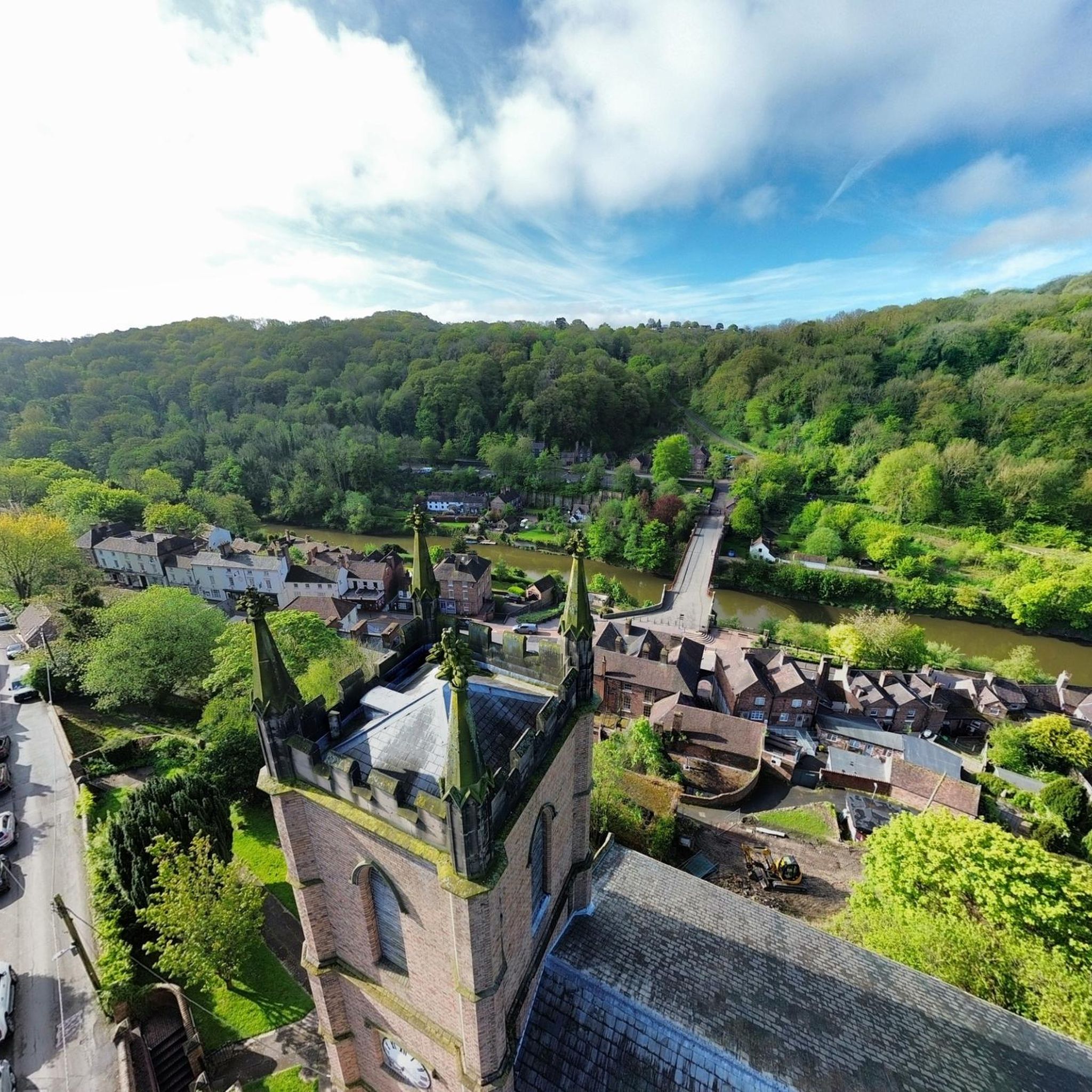
This is a gorgeous, relatively flat cycle trail alongside the River Severn.
1
0

As a memorial to the many dead, such memorials – usually called “war memorials” in English – are still very important today. “Now, Lord, you let your servant depart in peace, as you have said...” says the so-called “Hymn of Simeon” (Luke’s Gospel, Chapter 2, Verse 29). However, the people commemorated here did not depart in peace, but became victims of war and tyranny. This is why the term “dead soldiers’ memorial” is now sometimes used in German instead of the previously most common “war memorial”. However, such a war memorial, which one encounters so often on the road, regardless of nationality, language and name, is always a testimony to the horror of war and tyranny – still significant and current today. They all have two essential functions, and this is renewed for each generation: -1- Commemorate and remember the victims -2- Remind people to keep the peace
2
0
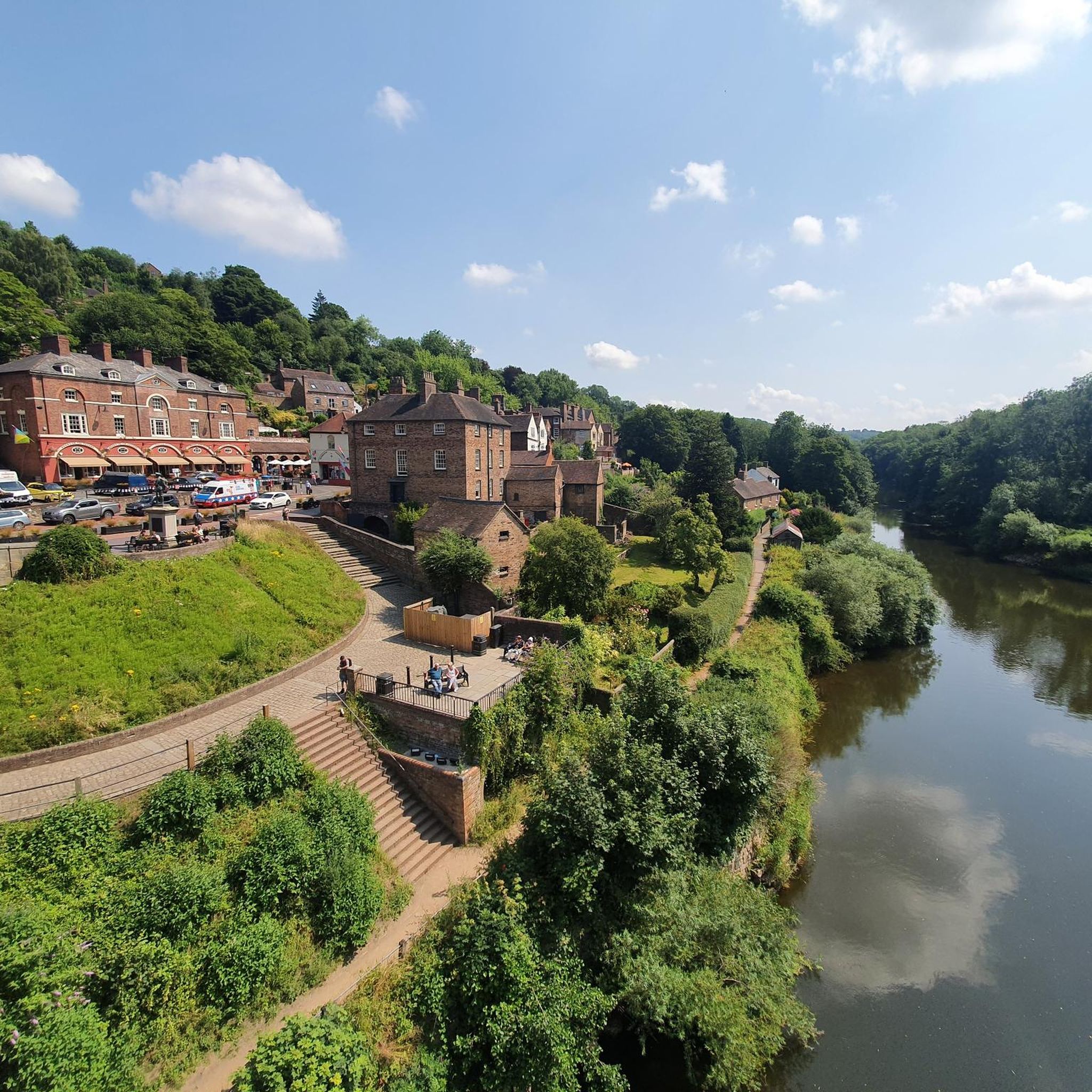
"In order to be able to transport his goods, the ironworks owner Abraham Darby III was looking for an architect who could build him a stable bridge made of "stone, brick or wood" across the five-kilometer-wide valley of the Severn in central England. Thomas Pritchard accepted the challenge, but he built a bridge made of cast iron, the completion of which in 1781 marked the beginning of the new "Iron Age". It was the largest free-floating bridge construction of the time. Built at the highest point of the valley, the Iron Bridge became a symbol of the industrial power of the Darbys and a monument to the Industrial Revolution." With these words, the website for the television series "Treasures of the World - Heritage of Humanity" presents its film contribution (in German) about the UNESCO-recognized World Heritage Site "Iron Bridge": https://www.ardmediathek.de/video/schaetze-der-welt/ironbridge-grossbrittanien-folge-156/3sat/Y3JpZDovL3N3ci5kZS83MTUyMDA4
2
0

The Coalport China Museum is one of the ten Ironbridge Gorge Museums administered by the Ironbridge Gorge Museum Trust. The museum is based in the village of Coalport within the Ironbridge Gorge on the northern bank of the River Severn in Shropshire, England.
0
0
Jackfield Tile Museum is a museum which presents the history of the British decorative tile industry between 1840 and 1960, the period in which this factory and that of Maw & Co nearby played an important part in this industry.
0
0
Information on the South Telford Way and information on the Ironbridge Gorge site
0
0
War memorial to remember and honour the fallen. Lest we forget.
1
0
Great place to stop off whilst hiking / walking or visiting the museums.
0
0
Frequently Asked Questions
How many hiking trails are available in Stirchley And Brookside?
There are over 275 hiking routes available in the Stirchley And Brookside area. These trails offer a diverse landscape of river valleys, woodlands, and historical industrial heritage sites, catering to various preferences and skill levels.
What do other hikers say about the trails in Stirchley And Brookside?
The hiking trails in Stirchley And Brookside are highly rated by the komoot community, with an average score of 4.7 stars from over 500 reviews. Hikers often praise the varied terrain, historical landmarks, and scenic views along the River Severn and its tributaries.
Are there easy hiking options suitable for beginners or casual walkers?
Yes, Stirchley And Brookside offers a good selection of easy hikes. With over 150 routes classified as easy, you can find gentle strolls through parkland and along canal paths. An example is the Telford Amphitheatre – Telford Disc Golf Course loop from Dawley, which is an easy 3.8-mile hike.
Are there longer or more challenging hikes in the Stirchley And Brookside area?
For those seeking more challenging routes, Stirchley And Brookside has over 100 moderate and 14 difficult trails. These often involve greater distances and more varied terrain, such as the Iron Bridge War Memorial – Bedlam Furnaces loop from Stirchley, a moderate 11.4-mile path exploring the Ironbridge Gorge.
Are there any circular walks available in Stirchley And Brookside?
Many of the trails in Stirchley And Brookside are designed as circular routes, allowing you to start and end at the same point. For instance, the popular Iron Bridge War Memorial – Coalport Bridge loop from Telford is a 10.6-mile circular hike through the historic Ironbridge Gorge.
What kind of natural features and attractions can I expect to see along the trails?
The region is characterized by river valleys, woodlands, and canals. You can explore areas around the River Severn, discover historical industrial heritage sites, and enjoy natural beauty. Notable attractions include The Wrekin summit, The Wrekin Hillfort, and The Ercall Bluebell Woods.
Are there any historical landmarks or points of interest to visit while hiking?
Yes, the Stirchley And Brookside area is rich in history, particularly around the Ironbridge Gorge. You can encounter historical industrial landmarks like the Iron Bridge, Coalport Bridge, and Bedlam Furnaces. Other points of interest include Lilleshall Monument and the Wellington Rotary Toposcope on the Wrekin.
Are the hiking trails in Stirchley And Brookside suitable for families?
Many trails in Stirchley And Brookside are suitable for families, especially the easier, shorter routes through parkland and along canal paths. These often have gentle gradients and well-maintained surfaces, making them enjoyable for all ages. Look for routes marked as 'easy' on komoot for family-friendly options.
Is public transport available to access hiking trails in the area?
While specific public transport links to every trailhead vary, the region around Stirchley (Birmingham) and Brookside (Telford) generally has bus services that can provide access to various starting points for walks. It's advisable to check local bus routes and timetables for the specific trailhead you plan to visit.
Where can I find parking for hiking trails in Stirchley And Brookside?
Parking availability varies by trailhead. Many popular starting points, especially near attractions like the Ironbridge Gorge or larger parks, offer designated parking areas. For specific routes, komoot often provides information on parking facilities near the starting point.
Are there any trails that pass by cafes or pubs for refreshments?
Given the blend of urban green spaces and historical villages in the region, many trails, particularly those near towns like Ironbridge or Madeley, will have cafes, pubs, or other refreshment stops nearby or directly along the route. Planning your hike with komoot allows you to see points of interest, including eateries, along your chosen path.
What is the best time of year to go hiking in Stirchley And Brookside?
The best time for hiking in Stirchley And Brookside is generally during spring, summer, and early autumn when the weather is milder and the natural scenery is at its most vibrant. Spring offers blooming wildflowers, while autumn provides beautiful foliage. Winter hiking is possible, but some paths might be muddy or slippery, and daylight hours are shorter.
Most popular routes around Stirchley And Brookside
Most popular attractions around Stirchley And Brookside

Get inspired with the komoot mobile app


Explore more
Browse the best Hikes in other regions.
