Top 19 Castles around Kutzenhausen
Best castles around Kutzenhausen. Kutzenhausen is a small, rural village in Northern Alsace, known for its preserved heritage. The surrounding region is rich in medieval castles, many of which are ruins nestled within the scenic Northern Vosges Regional Nature Park. This area offers a landscape characterized by forested hills and rocky outcrops, providing strategic locations for historical fortresses.
Best castles around Kutzenhausen
- The most popular castles is Hammel Castle, a castle that features a romantic appearance from various angles, including a notable corner tower and avenue. This historic complex is an important cultural monument in the region.
- Another must-see spot is Hattenberg Castle Ruins, a historical site with former castle ruins. Visitors can explore the remnants of this structure, which is a landmark of Wollmetshofen.
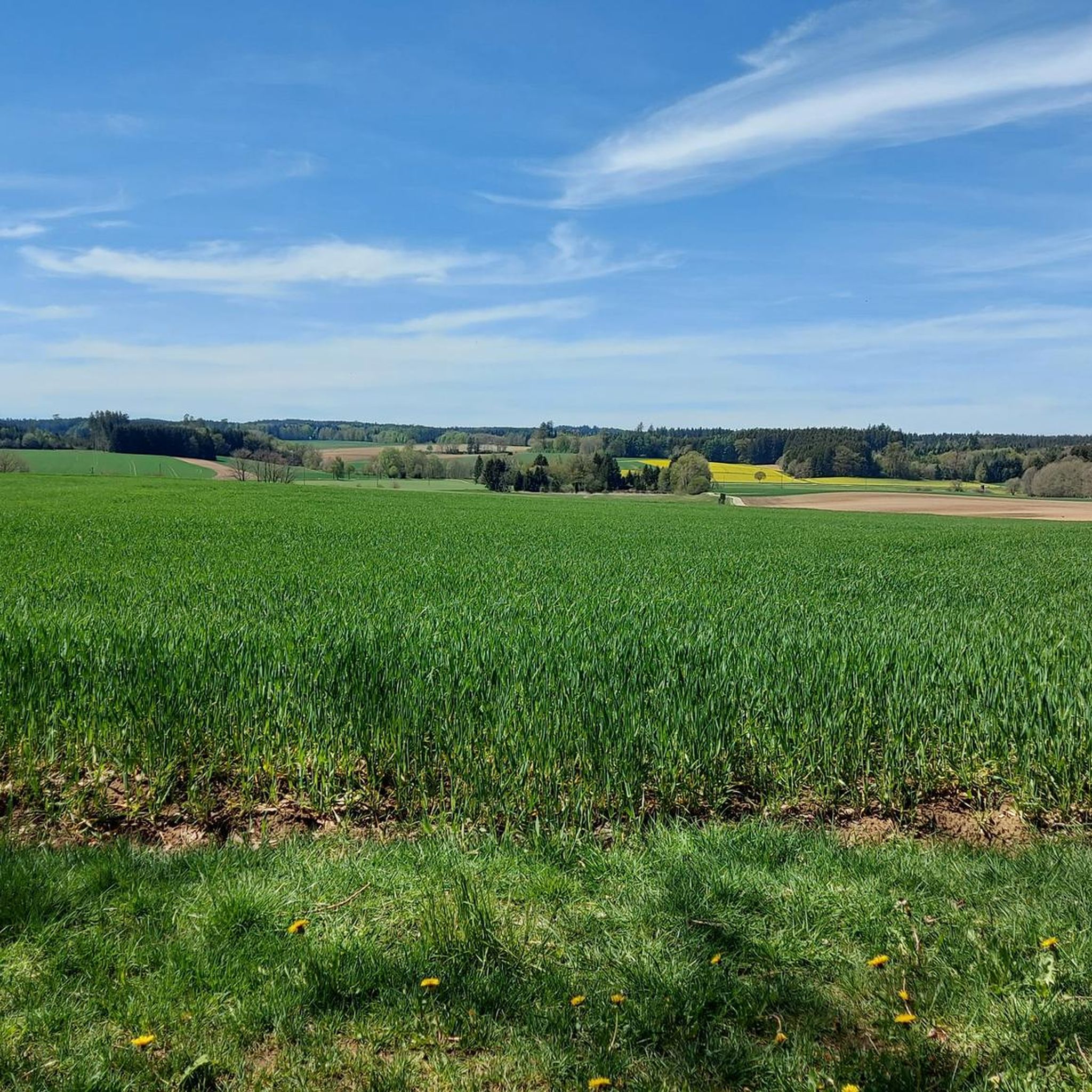
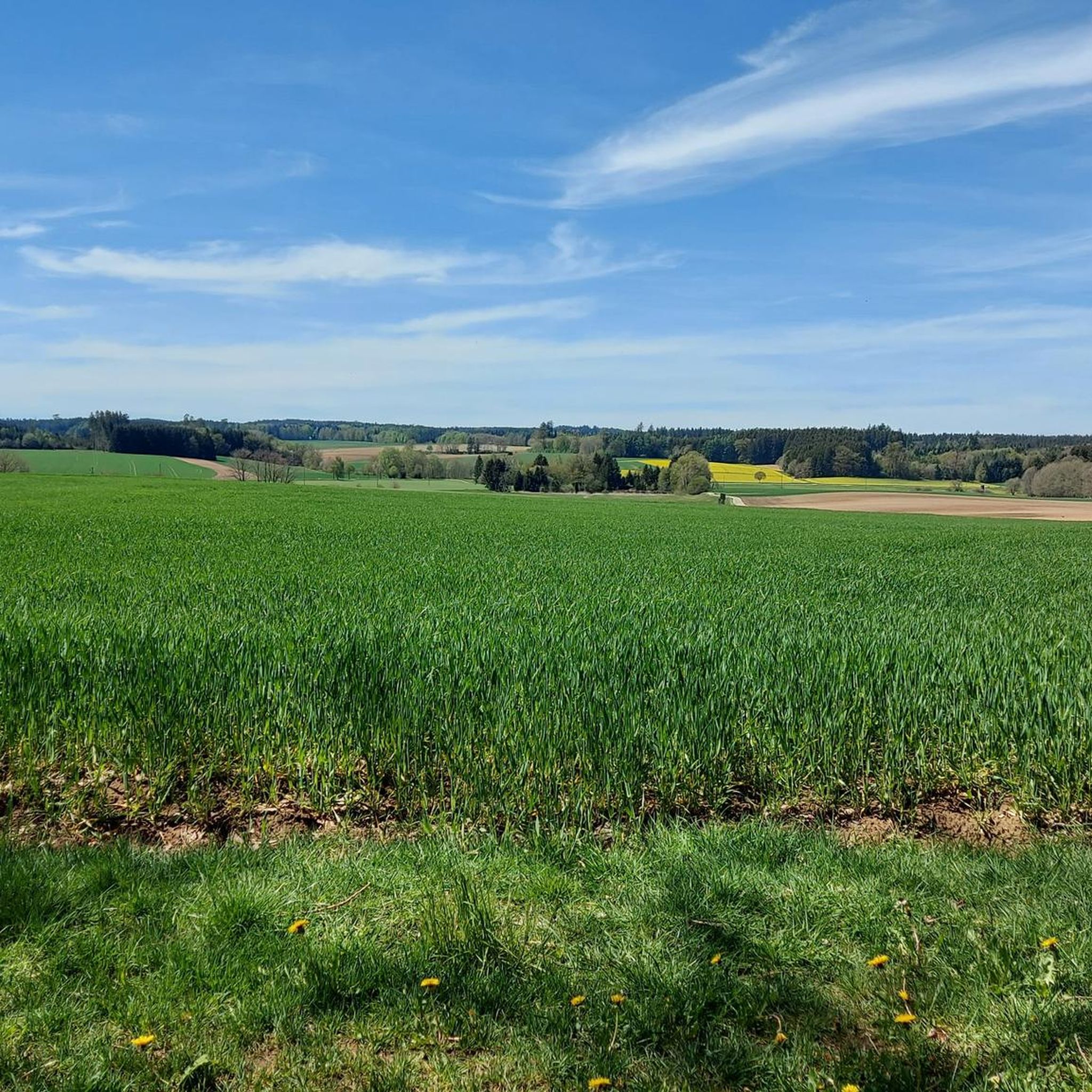
- Visitors also love Elmischwang Castle, a castle located directly on well-maintained bike paths. This building is situated amidst scenic surroundings, offering an accessible historical point of interest.
- Kutzenhausen is known for its variety of medieval castles, including fortified castles, castle ruins, and some that are integrated with natural rock formations. The region offers a diverse range of historical sites to explore.
- The castles around Kutzenhausen are appreciated by the komoot community, with more than 490 upvotes and 50 photos shared by visitors.
Last updated: July 1, 2026
Elmischwang Castle
Highlight • Castle
Translated by Google •
Tip by

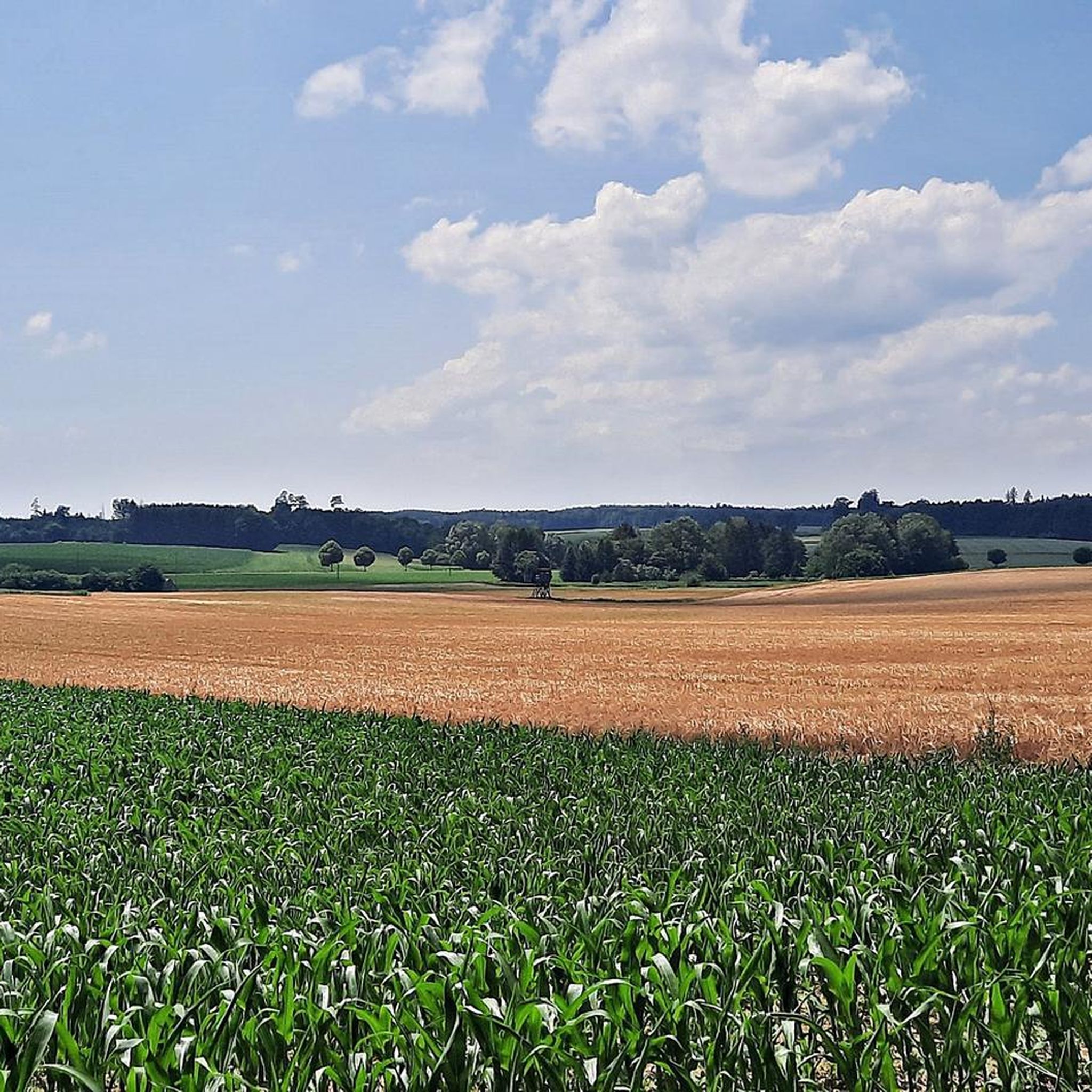
Hammel Castle
Highlight • Castle
Translated by Google •
Tip by

Sign up now to discover places like this
Get recommendations on the best single tracks, peaks, & plenty of other exciting outdoor places.
Sign up for free
Hainhofen Castle
Highlight • Castle
Translated by Google •
Tip by

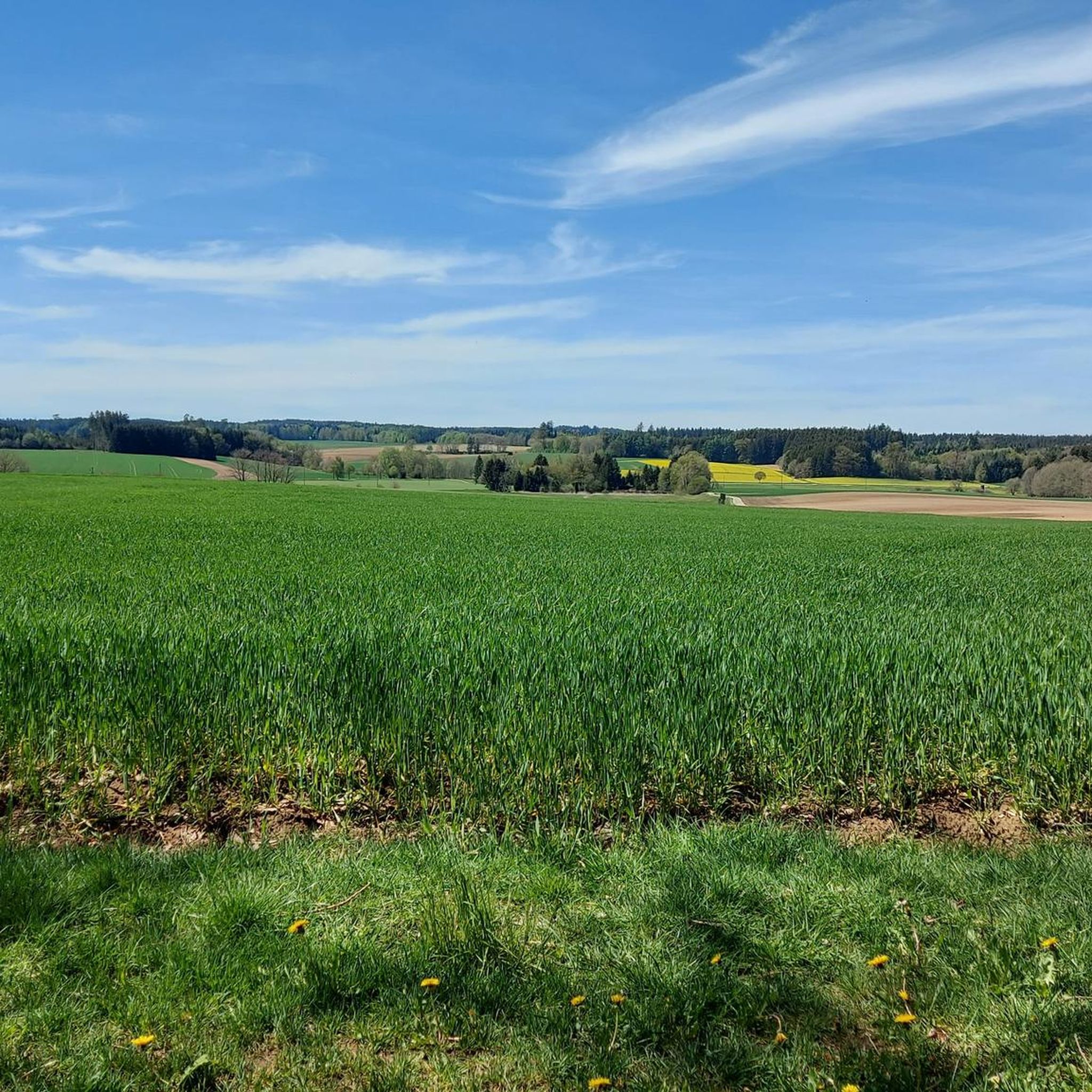
Hattenberg Castle Ruins
Highlight • Historical Site
Translated by Google •
Tip by

Reflection of Fuggerschloss Gablingen in the Schmutter
Highlight • Castle
Translated by Google •
Tip by
Sign up for free to discover even more castles around Kutzenhausen.
Sign up for free
Already have an account?
Start today with a free account
Your next adventure awaits.
Login or Signup

Tips from the Community

In the 19th century, a comprehensive redesign was carried out by the architect Jean Keller, who also designed the magnificent grand hall.
1
0

Hattenberg Castle Site The castle was built in the 12th century by the Chamberlains of Kemnat. The Hohenstaufen dynasty had granted the family the sub-advocateship over the possessions of the Bishopric of Augsburg in this area. The branch of the Kemnat family residing at Hattenberg subsequently took its name from the fortress. Several members of the family appear in contemporary documents from the 13th century. However, the castle was devastated in 1297 during a feud between the lord of the castle, Heinrich von Hattenberg, and Bishop Wolfhard von Rohr. The Prince-Bishopric of Augsburg then acquired the associated rights of lordship. Nevertheless, in 1304, the Hattenberg family was appointed Landvogt (governor) of Upper Swabia and city and district governor of Augsburg. Heavily indebted due to his military service in the army of Albrecht I of Austria, the nobleman attempted to improve his financial situation through several raids and highway robberies. The citizens of Augsburg, together with the bishop and the cathedral chapter, sued the knight before King Albrecht in 1305. Shortly thereafter, the "robber knight" was stripped of his bailiwick over the bishop's estates. The Hattenberg family line likely died out with Marquard von Hattenberg around 1370. The castle site had already been pledged by the Prince-Bishopric in 1365. In 1641, the Augsburg Cathedral Chapter purchased the Lordship of Hattenberg. Around 1780, the castle's remaining walls were demolished to make way for the construction of the brewery in Ustersbach. Later, the conical shape of the main castle was partially removed by quarrying the conglomerate rock deposits found there.
0
0

Built in 1550, in 1700 the castle came into the possession of the Augsburg patrician family von Stetten through marriage
0
0

The castle was built in the 12th century by the chamberlains of Kemnat. The Hohenstaufen dynasty had granted the dynasty the sub-bailiwick over the possessions of the Diocese of Augsburg in this area. The branch of the Kemnat family based in Hattenberg subsequently named itself after the fortress. Several bearers of this name appear in contemporary documents in the 13th century. The castle was, however, already devastated in 1297 during a feud between the lord of the castle, Heinrich von Hattenberg, and Bishop Wolfhard von Rohr. The Bishopric of Augsburg subsequently acquired the associated sovereign rights.
1
0

Originally a moated castle, a rectangular structure built under Anton Fugger, individual sections of the walls are medieval, the core dates from the end of the 16th century, renovated around 1730, and remodeled in the last quarter of the 18th century.
2
0
Wolfgang von Paler the Elder was granted sheep in 1550. He commissioned the construction of a new palace around 1550/60. The building was presumably destroyed by the Swedes in 1648. The new owner, Raimund Egger, had the palace rebuilt.
2
0

Hainhofen Castle is located in the Hainhofen district of the town of Neusäß in the Augsburg district of Bavaria. The property consists of two main buildings: the baroque high castle, a four-story hipped roof building that was built in 1730, and the classicist long castle, which was built between 1760 and 1780 by the von Rehlingen family. The castle originally served as the seat of various patrician families, including the Fuggers and the von Rehlingens. Today it is privately owned and has been extensively restored. In 2013, the owners received the Swabia District Monument Prize for this exemplary renovation. The castle is picturesquely located on the western edge of the town in the Schmutter lowlands and is a protected architectural monument. Although it is not open to the public, it remains an important testimony to regional history and architectural development in Swabia. Near the castle is the Catholic parish church of St. Stephanus, which was built in 1718/19 by Johann Holzapfel. This church is also worth a visit and complements the historical ensemble of Hainhofen. For hikers and nature lovers, the area around the castle offers attractive routes that include the Schmuttertal and the Lohwald. A highlight is certainly the castle in Hainhofen, which was built in 1582 by Anton Fugger.
1
0
Hammel Castle is located in the Hammel district of the town of Neusäß in the Augsburg district, Bavaria. The castle is owned by the von Stetten family. History: • 1550: Wolfgang von Paler the Elder is granted Hammel and initiates the construction of the new castle around 1550/60. • 1648: The building is probably destroyed by Swedish troops during the Thirty Years' War. • After 1648: The new owner, Raimund Egger, has the castle rebuilt. • 1700: Through marriage, two thirds of the castle becomes the property of the Augsburg patrician family von Stetten; later the family also acquires the remaining share. • Mid-19th century: Extensive renovation work is carried out. • 1891: Under the planning of the Augsburg architect Jean Keller, the east-west wing is extended and the facade structure is renewed and the south gable is decorated with neo-Gothic battlements. Architecture: The castle consists of two three-story wings. The shorter "old building" has a gable roof and a facade structure with neo-Gothic battlements. The surrounding wall is equipped with four defensive towers, including the so-called Malakow Tower on the southeast corner, which was provided with a balustrade and an arbor-like structure made of wood in 1856. Current use: Hammel Castle is still owned by the von Stetten family and is not open to the public. However, the historic complex is an important cultural monument in the region and an example of the architecture and history of Augsburg's patrician families.
3
0
Frequently Asked Questions
What are some of the most notable castles to visit near Kutzenhausen?
While Kutzenhausen itself is a small village, the Northern Alsace region is rich in medieval castles. A prominent example is the Château de Fleckenstein, a remarkable ruined castle built on a rocky outcrop in the Regional Nature Park of the Northern Vosges. Other significant castles in the wider region include the extensively restored Château du Haut-Kœnigsbourg, Lichtenberg Castle with its 800 years of history, and the scenic Châteaux de Ribeauvillé.
Are there any family-friendly castles or activities near Kutzenhausen?
Yes, the Château de Fleckenstein is particularly appealing to families. It features a 'Castle of Challenges' ('Château des Défis') with interactive activities for a playful discovery of the site. Additionally, Elmischwang Castle is noted as family-friendly and located directly on well-maintained bike paths, offering an accessible historical point of interest.
What kind of historical significance do the castles in this region hold?
The castles around Kutzenhausen, particularly in Northern Alsace, are steeped in medieval history. For instance, Château de Fleckenstein dates back to the 12th century and was an impregnable fortress for six centuries, controlling vital roads. Many castles, like Hattenberg Castle Ruins, are remnants of strategic strongholds, offering insights into the region's past as a contested borderland between Alsace and Lorraine.
Can I find hiking opportunities around the castles near Kutzenhausen?
Absolutely. The region, especially around the Château de Fleckenstein, is known for its magnificent pine woods and numerous hiking trails within the Northern Vosges Regional Natural Park. The Châteaux de Ribeauvillé (Saint-Ulrich, Girsberg, and Haut-Ribeaupierre) are also accessible via hiking paths, offering scenic routes and historical exploration.
Are there any castles that offer panoramic views of the surrounding landscape?
Yes, several castles provide breathtaking views. The elevated location of Château de Fleckenstein offers panoramic views of the Northern Vosges Regional Natural Park and the Palatinate Forest. Further south, Château du Haut-Kœnigsbourg provides exceptional views of the Alsace plain, the Vosges, the Black Forest, and even the Alps on clear days. Hohlandsbourg Castle also boasts a 360° view of the Alsace Plain and the Black Forest.
What are the best seasons to visit the castles in Northern Alsace?
The best seasons to visit are generally spring, summer, and early autumn. During these times, the weather is pleasant for exploring castle ruins and hiking the surrounding trails. The panoramic views are clearer, and many sites offer extended opening hours. Winter visits can be picturesque, especially with snow, but some trails might be challenging, and certain facilities may have reduced hours.
Are there any castles near Kutzenhausen that are integrated with natural rock formations?
Yes, the region features unique 'troglodyte castles' where structures are carved directly into the rock. The Château de Fleckenstein is a prime example, with some rooms integrated into the cliff face. Another is Frœnsbourg Castle, a semi-troglodytic construction resting on two independent rocks.
What kind of amenities can I expect near the castles?
Larger and more popular castles like Château de Fleckenstein often have facilities such as restaurants and picnic areas on-site. For example, Wellenburg Castle Restaurant offers a nice beer garden and Austrian-Bavarian food. Many castles are also located near villages or towns where you can find cafes and other services.
What outdoor activities can I do near the castles around Kutzenhausen?
Beyond exploring the castles themselves, the area around Kutzenhausen and the Northern Vosges Regional Nature Park offers various outdoor activities. You can find numerous road cycling routes, running trails, and general cycling tours that pass by or near historical sites and offer scenic views.
Are there any castles that are privately owned and not open to the public?
Yes, some historical castles in the region remain in private hands and are not accessible to the public. For instance, Hammel Castle, while a significant cultural monument, is still owned by the von Stetten family and is not open for visits. Similarly, Hainhofen Castle is privately owned and not open to the public.
How much time should I allocate for visiting a castle in this region?
The time needed varies depending on the castle. For a comprehensive visit to a major site like Château de Fleckenstein, especially if you plan to explore the 'Castle of Challenges' or hike nearby, you might want to allocate 2-4 hours. For smaller ruins or those visited as part of a longer hike, 1-2 hours might suffice. Consider the travel time between sites as well.
Are there public transport options to reach castles from Kutzenhausen?
While Kutzenhausen is a rural village, public transport options exist to reach some regional hubs. From there, local buses or taxis might connect to specific castle sites. For example, you can research bus routes from Kutzenhausen to towns like Lembach, which is a gateway to Château de Fleckenstein. However, for many remote castle ruins, driving or cycling might be the most convenient way to access them.
Most popular routes around Kutzenhausen
Most popular attractions around Kutzenhausen

Get inspired with the komoot mobile app


Explore more
Looking for the best castles somewhere else? Discover other guides around Kutzenhausen:
