Attractions and Places To See around Dalmuir And Mountblow - Top 20
Attractions and places to see around Dalmuir And Mountblow offer a blend of natural beauty, historical sites, and recreational opportunities in West Dunbartonshire, Scotland. The area is situated on the alluvial plains of the River Clyde and is bordered by the Kilpatrick Hills to the north. Visitors can explore extensive parks, historical landmarks, and the Forth & Clyde Canal, which connects to the River Clyde. The region provides diverse options for outdoor activities and cultural exploration.
Best attractions and places to see around Dalmuir And Mountblow
- The most popular attractions is Mugdock Castle, a castle that stands on a rocky promontory. Protection to the east, north, and west was historically provided by Mugdock Loch, which was larger in the Middle Ages.
- Another must-see spot is West Highland Way Starting Obelisk (Milngavie), a man-made monument marking the beginning of a significant trail. The initial section of the West Highland Way features good paths and signs leading out of town towards Loch Lomond.
- Visitors also love Kelvingrove Art Gallery and Museum, an art gallery and museum that opened in 1901. This free-entry institution houses 22 galleries with items including Ancient Egyptian artefacts, taxidermy, and Renaissance art.
- Dalmuir And Mountblow is known for historical sites, natural viewpoints, and cultural institutions. These include extensive parks, significant historical monuments, and scenic natural features.
- The attractions around Dalmuir And Mountblow are appreciated by the komoot community, with more than 300 upvotes and 60 photos shared.
Last updated: July 3, 2026
Craigallian Loch
Highlight • Historical Site
The 'Fire Sitters' founded mountaineering clubs such as the Creagh Dhu, Lomond and Ptarmigan clubs, and emboldened the folk who went on to open up Scotland to all.
The text reads:
"Here burned the Craigallian Fire.
During the depression of the 1930s
it was a beacon of companionship
and hope for young unemployed people
who came from Glasgow and Clydebank
seeking adventure in Scotland's wild
places. Their pioneering spirit helped to
make the Scottish countryside free for
all to roam."
Tip by

Duncolm Summit
Highlight • Viewpoint
Tip by

Sign up now to discover places like this
Get recommendations on the best single tracks, peaks, & plenty of other exciting outdoor places.
Sign up for free
Mugdock Castle
Highlight • Castle
Tip by

West Highland Way Starting Obelisk (Milngavie)
Highlight • Monument
Tip by

West Highland Way: Southern Section in Loch Lomond and The Trossachs National Park
Highlight (Segment) • Viewpoint
In addition, a pause at the distillery Glengoyne worthwhile :)
Translated by Google •
Tip by

Sign up for free to discover even more attractions around Dalmuir And Mountblow.
Sign up for free
Already have an account?
Start today with a free account
Your next adventure awaits.
Login or Signup

Tips from the Community

Solid starting stage of the West Highland Way. Every day heading north, it becomes more "typically Scottish".
0
0
Above all, the path through Mugdock-Forest is worth it.
0
0

The original Castle on this site was built in the 13th century by the Graham family. The Grahams were a family on the rise and the family were made the Earls of Montrose in 1505. The most famous Graham resident of Mugdock Castle was James Graham (1612-1650) known as The Great Montrose. He was a poet and soldier who fought for the cause of King Charles I during the Wars of The Three Kingdoms (more commonly referred to as The English Civil Wars) and was marked as one of the greatest soldiers of the time. So great was his military fame that King Louis XIV offered him the role as Marshal of France. His success ultimately ran out in 1650 with the loss of The Battle of Carbisdale in Rosshire. Montrose was betrayed by a fellow Scotsman and was ultimately Hung, Drawn and Quartered for his part in the war. His campaigns were immortalised by Sir Walter Scott in his 1819 novel A Legend of Montrose.
0
0

The start of the West Highland Way is very urban, and the first section will feel more like a country park. Good paths and signs will lead you out of the town towards Loch Lomond.
2
1

Nice to see in the video: https://youtu.be/FTvrh28-ojY
1
0

What else do you need to know. Insanely beautiful
0
0

The first major lake on the West Highland Way is very atmospheric.
5
0
A nice starting point for the West Highland Way. There is a lot to look at and to read. A photo with the obelisk is probably a must. 😊
8
1
Frequently Asked Questions
What natural landscapes and viewpoints can I explore near Dalmuir and Mountblow?
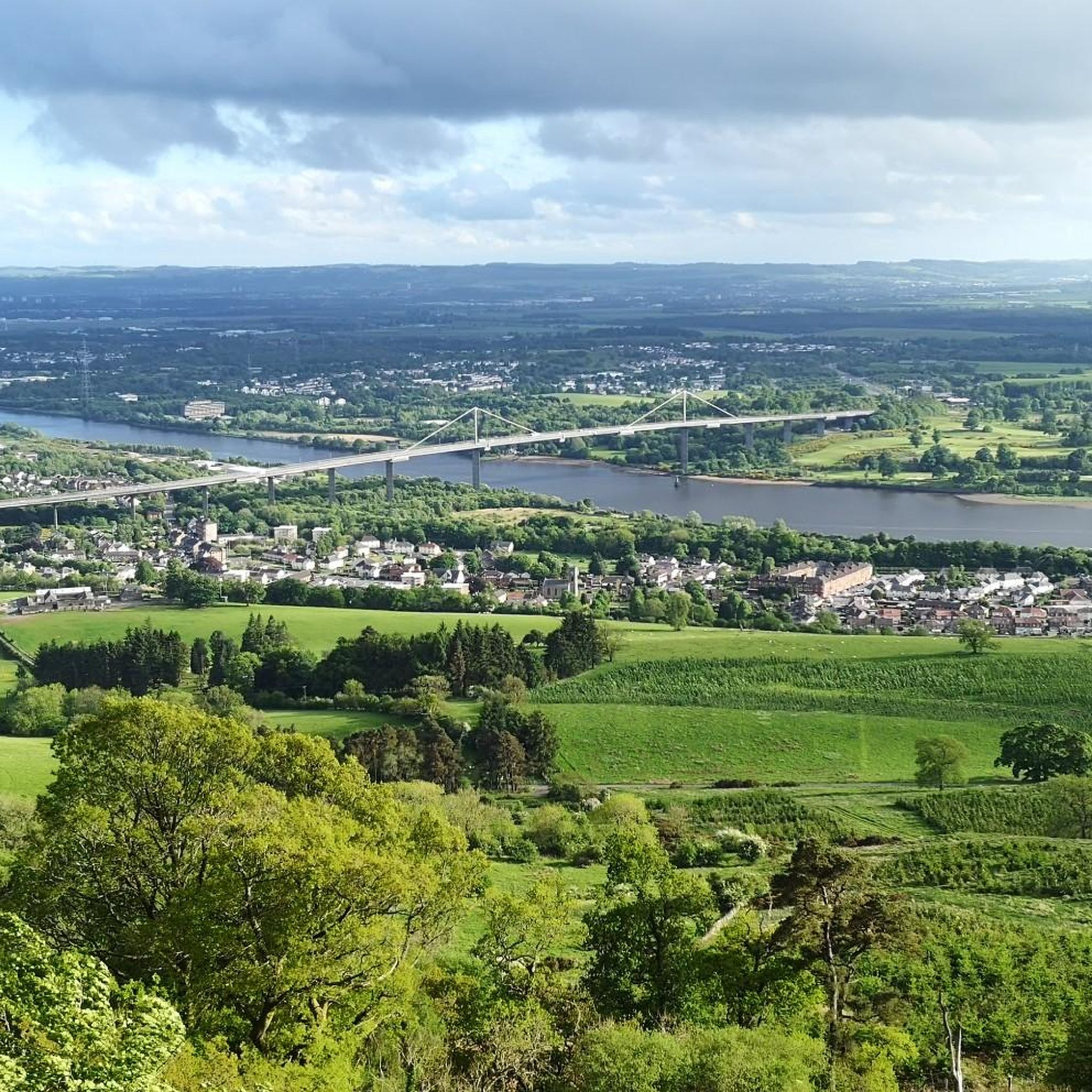
The area offers diverse natural beauty. You can hike in the Kilpatrick Hills, which provide panoramic views of Glasgow and the River Clyde, especially from Duncolm Summit, the highest point. The River Clyde itself offers scenic views, and the historic Forth & Clyde Canal is ideal for walks. Craigallian Loch is another atmospheric natural spot.
Are there any historical sites or cultural attractions in the Dalmuir and Mountblow area?
Yes, the region is rich in history. You can visit Mugdock Castle, a medieval fortress with a fascinating past. The Craigallian Loch features a commemorative plaque marking the legendary 'Craigallian Fire' from the 1930s. Dalmuir Park has a unique historical tunnel that served as a bomb shelter, and the Dalmuir Drop Lock on the Forth & Clyde Canal is an innovative engineering marvel. Nearby, the Clydebank Museum offers insights into the area's industrial heritage, including shipbuilding and the Singer factory.
What family-friendly activities are available around Dalmuir and Mountblow?
Families can enjoy Dalmuir Park, which features an ornamental fountain, a pond, and a play area. Mugdock Castle and its country park are free to enter and offer plenty of space for exploration. The Kelvingrove Art Gallery and Museum, a short distance away, is also highly recommended for its diverse exhibits and family-friendly atmosphere. The starting point of the West Highland Way in Milngavie is also considered family-friendly in its initial sections.
What kind of outdoor activities and routes can I find near these attractions?
The area is excellent for outdoor enthusiasts. You can find numerous routes for hiking, cycling, and running. For hiking, consider routes like the 'View of Erskine Bridge – The Slacks Summit loop from Kilpatrick' or the 'Loch Humphrey – The Slacks Summit loop from Kilpatrick'. Cyclists can explore routes such as the 'Balloch Castle loop from Clydebank' or the 'Clyde Walkway Cycle Path'. Runners have options like the 'Loch Humphrey – The Slacks Summit loop from Kilpatrick'. You can find more details on these activities on the respective guide pages for hiking, cycling, and running.
Are there any accessible options for visitors with mobility considerations?
The initial section of the West Highland Way Starting Obelisk (Milngavie) is noted for having good paths and being wheelchair accessible. Dalmuir Park also offers paved paths suitable for various mobility levels. For specific routes, it's always advisable to check the terrain details beforehand.
What is the Mountblow Recreation Ground, and what can I see there?
Mountblow Recreation Ground is a significant local facility, historically home to Clydesdale Harriers. It features a notable Art Deco pavilion dating from 1937, which is a rare example of Modern Movement sports architecture and has been refurbished. The ground historically included various sports pitches.
Where can I learn about the industrial history of the Clyde area?
To delve into the industrial history, particularly shipbuilding and the impact of the Singer factory, a visit to the Clydebank Museum is highly recommended. It houses detailed ship models of famous vessels like the RMS Queen Mary and HMS Hood, offering a deep dive into the region's past.
What do visitors enjoy most about the attractions around Dalmuir and Mountblow?
Visitors frequently appreciate the blend of historical significance and natural beauty. For instance, the atmosphere and historical plaque at Craigallian Loch are often highlighted. The stunning architecture and diverse collections at the Kelvingrove Art Gallery and Museum are also very popular, as are the panoramic views from Duncolm Summit.
Are there any specific tips for visiting Dalmuir Park?
Dalmuir Park is an extensive green space covering about 7 hectares. It features an ornamental fountain, an outdoor theatre, and a pond. The path beside the lade is home to kingfishers and other wildlife. Main entrances are located at Mountblow and Overtoun Road. The park underwent a significant renovation in 2013.
Can I find cafes or amenities near the walking routes in Dalmuir and Mountblow?
While specific cafes directly on all routes might vary, the starting point of the West Highland Way in Milngavie, which is accessible from the area, has numerous cafes and restaurants, as well as a supermarket and ATM for last-minute needs. Dalmuir Square also serves as a center for retail and community facilities.
What is the best time of year to visit Dalmuir and Mountblow for outdoor activities?
The spring and summer months (April to September) generally offer the most pleasant weather for outdoor activities, with longer daylight hours and milder temperatures, ideal for hiking and cycling in the Kilpatrick Hills or along the canals. However, the natural beauty can be appreciated year-round, with autumn offering vibrant foliage and winter providing a different, often quieter, experience.
Is there public transport available to reach attractions near Dalmuir and Mountblow?
Yes, Dalmuir and Mountblow are well-connected by public transport, particularly buses and trains, given their proximity to Clydebank and Glasgow. This makes it convenient to reach local parks, historical sites, and trailheads. For specific routes and schedules, it's best to check local transport provider websites.
Most popular routes around Dalmuir And Mountblow
Most popular attractions around Dalmuir And Mountblow

Get inspired with the komoot mobile app


Explore more
Still not found the Highlight you’re looking for? See guides of the top attractions in other regions:
