Crailing, Eckford And Nisbet
Crailing, Eckford And Nisbet
Top 8 Castles around Crailing, Eckford And Nisbet
Best castles around Crailing, Eckford And Nisbet are located in the Scottish Borders, an area historically significant for its role as a border stronghold. The region features various historical structures, including fortified houses, ruined castles, and grander estates built on former castle sites. These landmarks offer insight into the area's past, from medieval defensive structures to later architectural developments. The landscape provides a setting for exploring these historical sites.
Best castles around Crailing, Eckford And Nisbet
- The most popular castles…
Last updated: October 20, 2026
Jedburgh Abbey
Highlight • Historical Site
Tip by

Floors Castle
Highlight • Monument
Tip by
Sign up now to discover places like this
Get recommendations on the best single tracks, peaks, & plenty of other exciting outdoor places.
Cessford Castle Ruins
Highlight • Castle
Tip by

Roxburgh Castle Ruins
Highlight • Historical Site
Tip by
Walled Garden at Floors Castle
Highlight • Castle
Tip by
Sign up for free to discover even more castles around Crailing, Eckford And Nisbet.
Already have an account?
Start today with a free account
Your next adventure awaits.
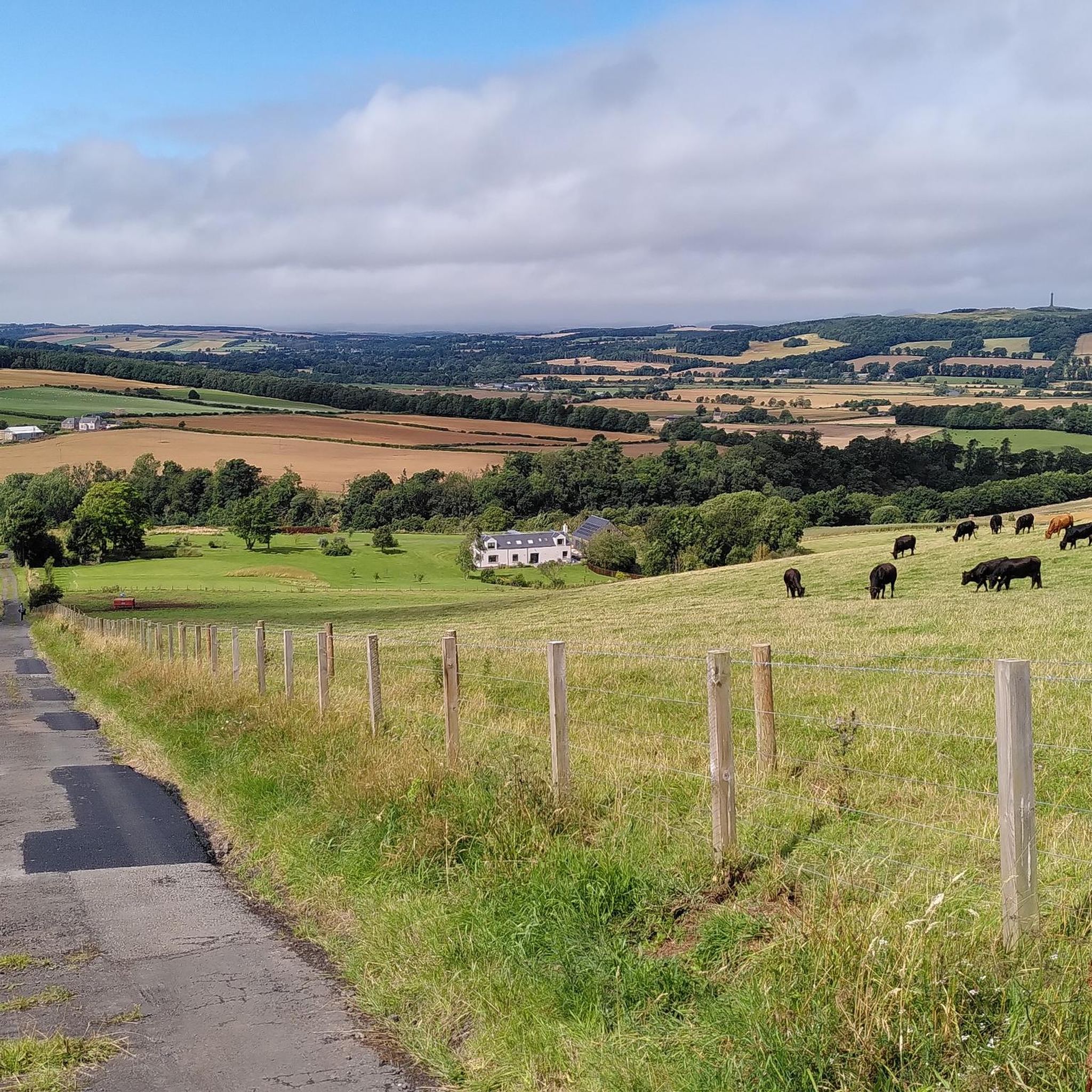
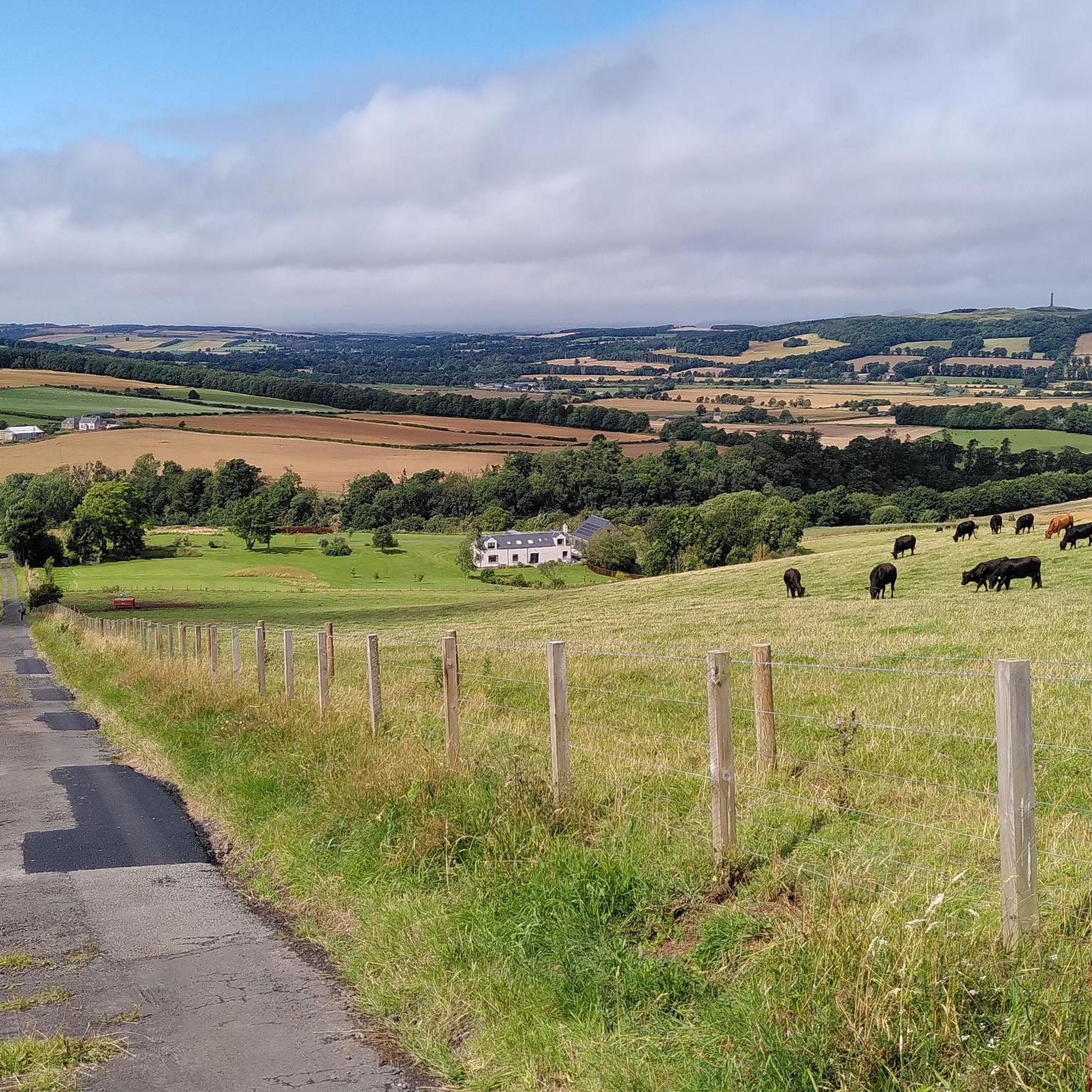
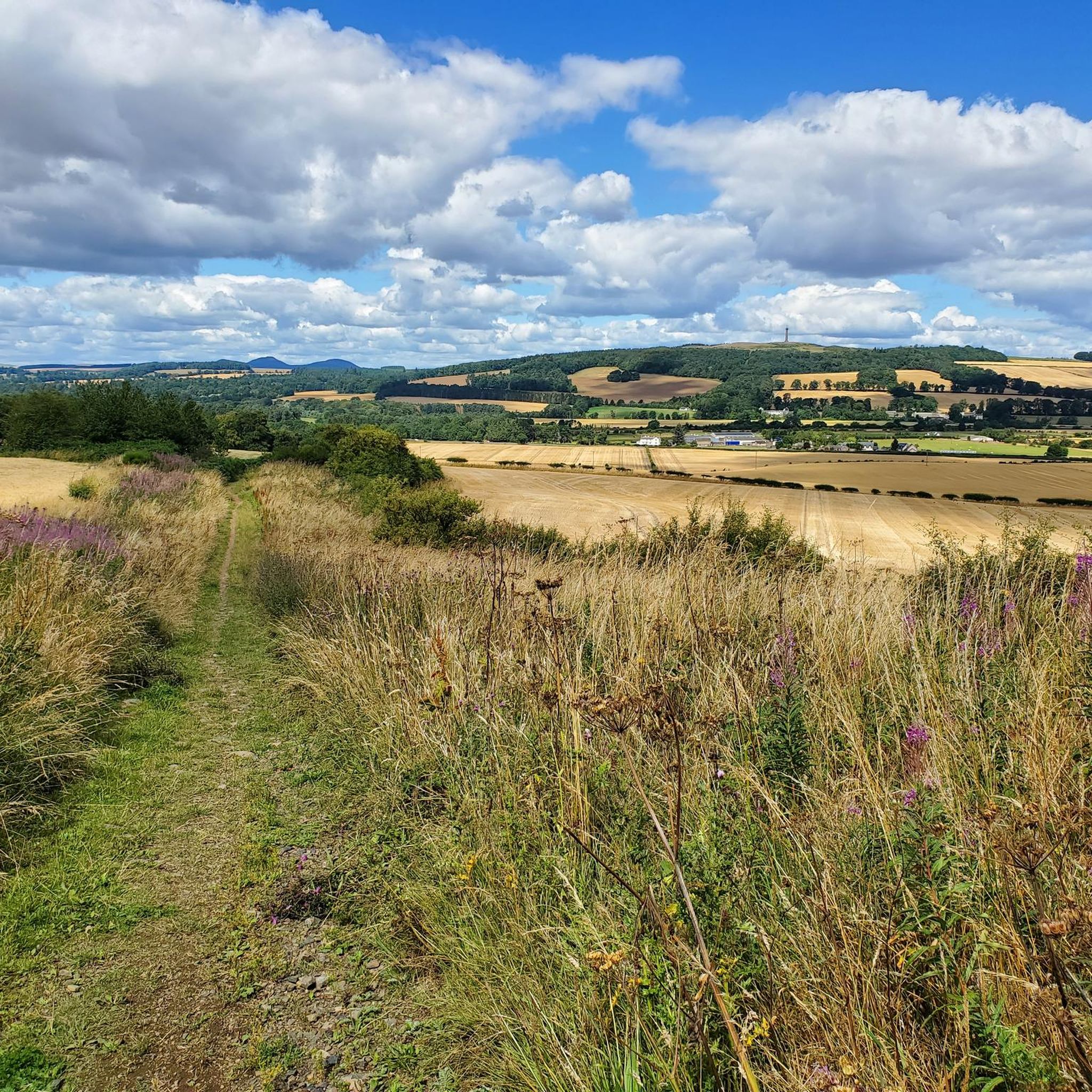
Tips from the Community


A truly magnificent castle, and a Category A listed building. It is the home of the Duke of Roxburghe, and, apparently, the largest inhabited castle in Scotland. It was built for the 1st Duke in 1721-26 by William Adam, on the site of a previously existing house (House of Floris), and then extensively redone by W H Playfair in 1837-47 from the Georgian original to the way it is looking now. This is an unmissable place. It is open to tourists. Please see the Castle's website for more information and tickets: https://www.floorscastle.com/
1
0
This is a gorgeous 4-acre walled garden within the Floors Castle (you will need a ticket, which covers the Castle as well). The garden was relocated to the west of the Castle in 1857, it provided fruit and vegetables for the Castle's kitchen, and flowers for the house - this tradition continues today. It is a fantastic, colourful and pretty place to spend some time at.
1
0
Roxburgh Castle is now a ruin after a long and tumultuous history. It was built in the early 12th century by David I. For many centuries of wars between Scotland and England, it kept changing hands until it was eventually razed to the ground in the 16th century part of a treaty between England and France.
1
0
This is a truly superb and impressive ruined Augustinian abbey from the 12th century. Right in the centre of the town of Jedburgh, it is an absolute must, particularly if you are a history buff!
1
0

When passing through the town, the striking silhouette of Jedburgh Abbey is impossible to overlook. Dating back to the 12th Century, this remarkable structure stands as one of the four abbeys established in the Scottish Borders during that era. What sets it apart is its unique blend of Romanesque and early Gothic architectural styles. Jump off your bike and take a look inside.
1
0

Cessford was built around 1450. It was part of the line of frontier defences between England and Scotland.
0
0

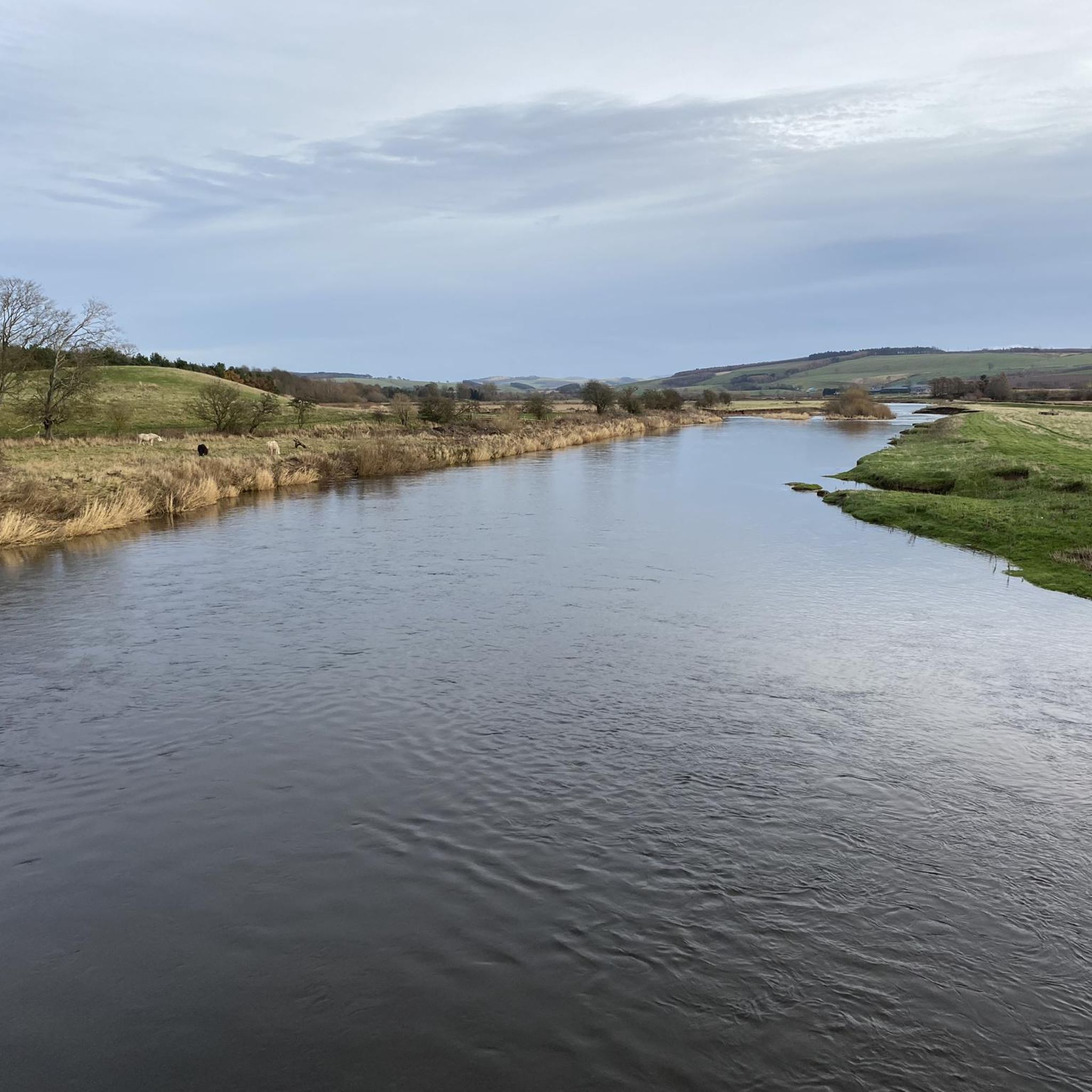
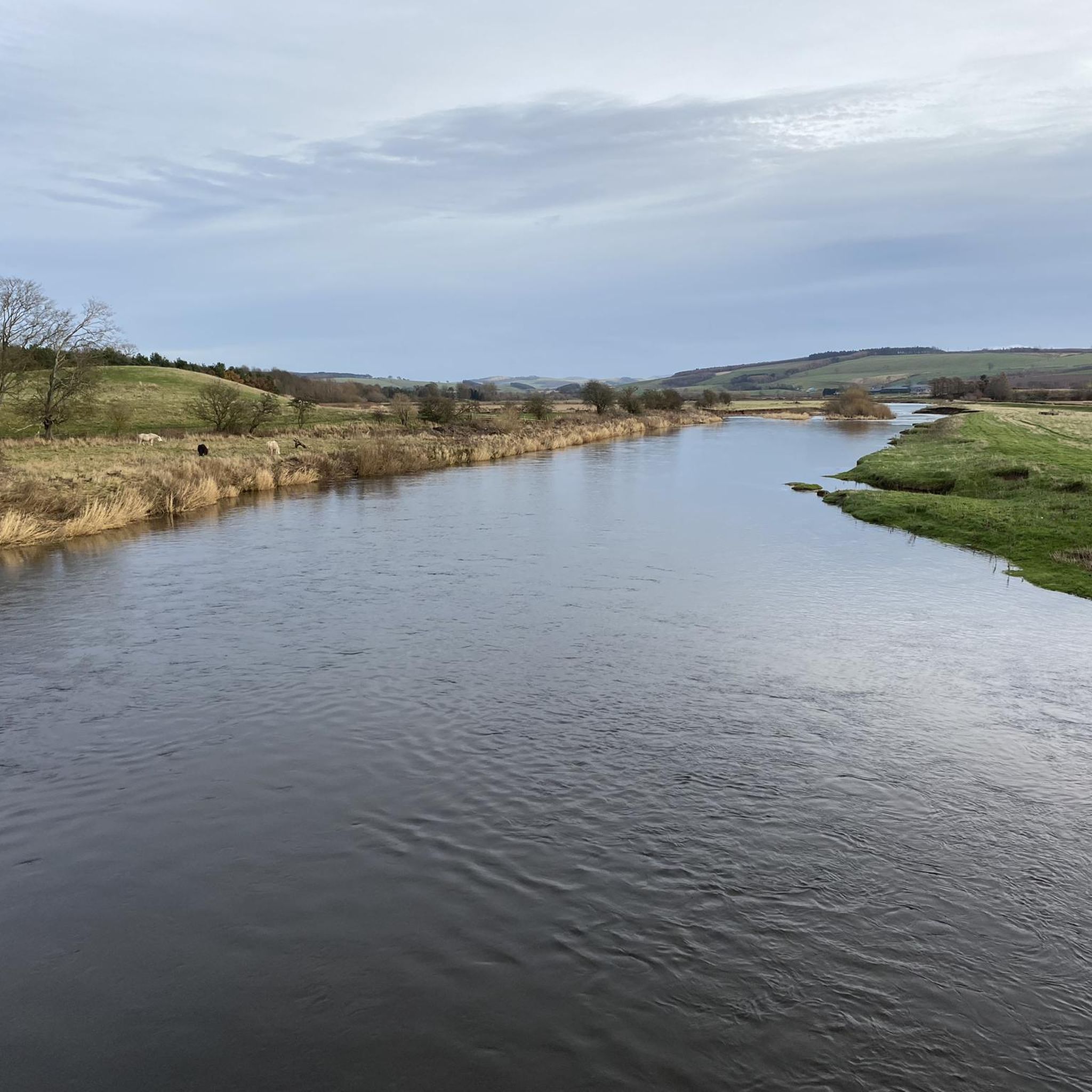
Some lovely winding roads near the river. Lovely post office too before Kelso.
0
0
Frequently Asked Questions
What kind of historical sites can I expect to find in the Crailing, Eckford And Nisbet area?
The Crailing, Eckford And Nisbet area in the Scottish Borders is rich in history, featuring a variety of historical structures. You'll find formidable ruined castles like Cessford Castle Ruins, fortified houses, and grander estates built on older castle sites. These range from medieval defensive structures to 17th-century mansions incorporating older elements, reflecting centuries of architectural evolution in the region.
What is the historical significance of castles in the Scottish Borders region?
The Scottish Borders, including the Crailing, Eckford And Nisbet area, was a turbulent region historically. Castles and fortified houses here, such as Cessford Castle Ruins, were crucial strongholds during the Border Wars and the era of the Border Reivers. Their robust construction, often with thick walls and defensive features, illustrates their primary purpose as defensive edifices against frequent attacks and skirmishes.
Beyond the main highlights, are there other notable historical buildings or castle sites to explore?
Yes, the area offers more than just the prominent castles. Nisbet House, for example, is a 17th-century mansion that incorporates an older square pele tower, reflecting its evolution from a fortified house. Crailing House, while not a castle, is a striking Regency-style mansion built on the site of an earlier castle. Even sites like Mowhaugh (Mow Tower) offer historical context, with only grass-covered footings remaining of a significant medieval pele tower.
What makes Cessford Castle Ruins a significant historical site?
Cessford Castle Ruins is a formidable L-plan castle from the 15th century, built by the Ker family. Its walls are up to 13 feet thick, designed for defense during the Border Wars. It was a crucial stronghold, frequently attacked by the English, and its massive construction clearly shows its purpose to withstand sieges. Today, its atmospheric ruins are free to visit and offer a tangible connection to the region's reiving history. Visitors should exercise caution due to its crumbling state.
Can I visit Nisbet House or Crailing House?
Nisbet House is a private residence, but it can be viewed from the road, offering a glimpse of its historical grandeur and its evolution from a medieval pele tower. Crailing House, a Category A-listed Regency-style mansion, has recently undergone restoration and is now offered as a luxury vacation rental, allowing visitors to experience its historical ambiance by booking a stay.
Are there family-friendly castles or historical sites in the area?
Yes, several sites are suitable for families. Jedburgh Abbey and Floors Castle are both listed as family-friendly in the guide. While Cessford Castle Ruins is an atmospheric ruin, its crumbling state requires caution, so it might be more suitable for older children or supervised visits.
What outdoor activities can I do near these castles?
The region around Crailing, Eckford And Nisbet offers various outdoor activities. You can find numerous running trails, easy hikes, and mountain biking routes. For example, there are 'Running Trails around Crailing, Eckford And Nisbet' and 'Easy hikes around Crailing, Eckford And Nisbet' that allow you to explore the scenic landscape. You can find more details on these routes in the respective guides on komoot.
Are there hiking trails that incorporate castles or historical sites?
Yes, the area is ideal for combining outdoor activities with historical exploration. Many hiking and running routes pass by or lead to historical sites. For instance, you can find routes that take you past Cessford Castle Ruins or Jedburgh Abbey. Check the 'Easy hikes around Crailing, Eckford And Nisbet' guide for options that might include these landmarks.
What is the best time of year to visit the castles in the Scottish Borders?
The Scottish Borders can be enjoyed year-round, but for outdoor activities and comfortable exploration of castle ruins, spring (April-May) and autumn (September-October) offer pleasant weather and beautiful scenery. Summer (June-August) is also popular, though it can be busier. Winter visits are possible, but some sites might have reduced hours or be less accessible due to weather conditions.
What do visitors enjoy most about the castles and historical sites in this area?
Visitors particularly appreciate the rich history and the atmospheric nature of the ruins. The striking silhouette of Jedburgh Abbey and the formidable presence of Cessford Castle Ruins are often highlighted. The blend of Romanesque and early Gothic architecture at Jedburgh Abbey and the sheer defensive scale of Cessford Castle provide a deep connection to the region's past. The guide's highlights have garnered over 70 upvotes and feature more than 35 photos, indicating their strong appeal.
Is parking available at the castle sites?
Parking availability varies by site. For prominent attractions like Jedburgh Abbey and Floors Castle, designated parking facilities are typically available. For more remote ruins like Cessford Castle Ruins, parking might be limited to roadside spots or small informal areas nearby. It's advisable to check specific access details for each location before your visit.
How long should I allocate for visiting these castles?
The time needed depends on the site. For a comprehensive visit to a major attraction like Floors Castle, including its grounds and interior, you might need 2-4 hours. Exploring the ruins of Jedburgh Abbey could take 1-2 hours. Smaller, more remote ruins like Cessford Castle Ruins might only require 30-60 minutes for exploration, especially if combined with a walk or cycle in the surrounding area.
Most popular routes around Crailing, Eckford And Nisbet
Most popular attractions around Crailing, Eckford And Nisbet

Get inspired with the komoot mobile app


Explore more
Looking for the best castles somewhere else? Discover other guides around Crailing, Eckford And Nisbet:
