Attractions and Places To See around Hopeman And Covesea - Top 20
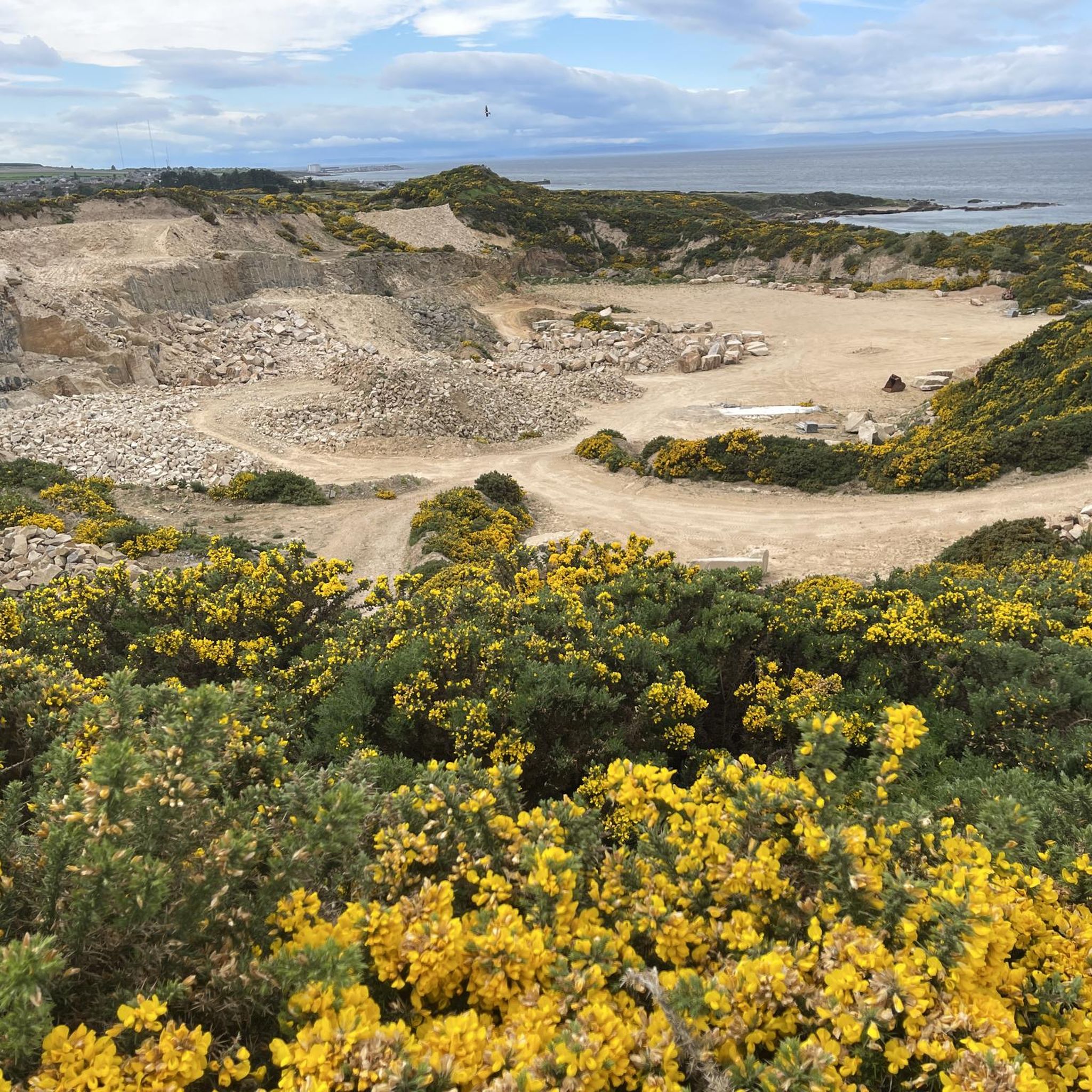
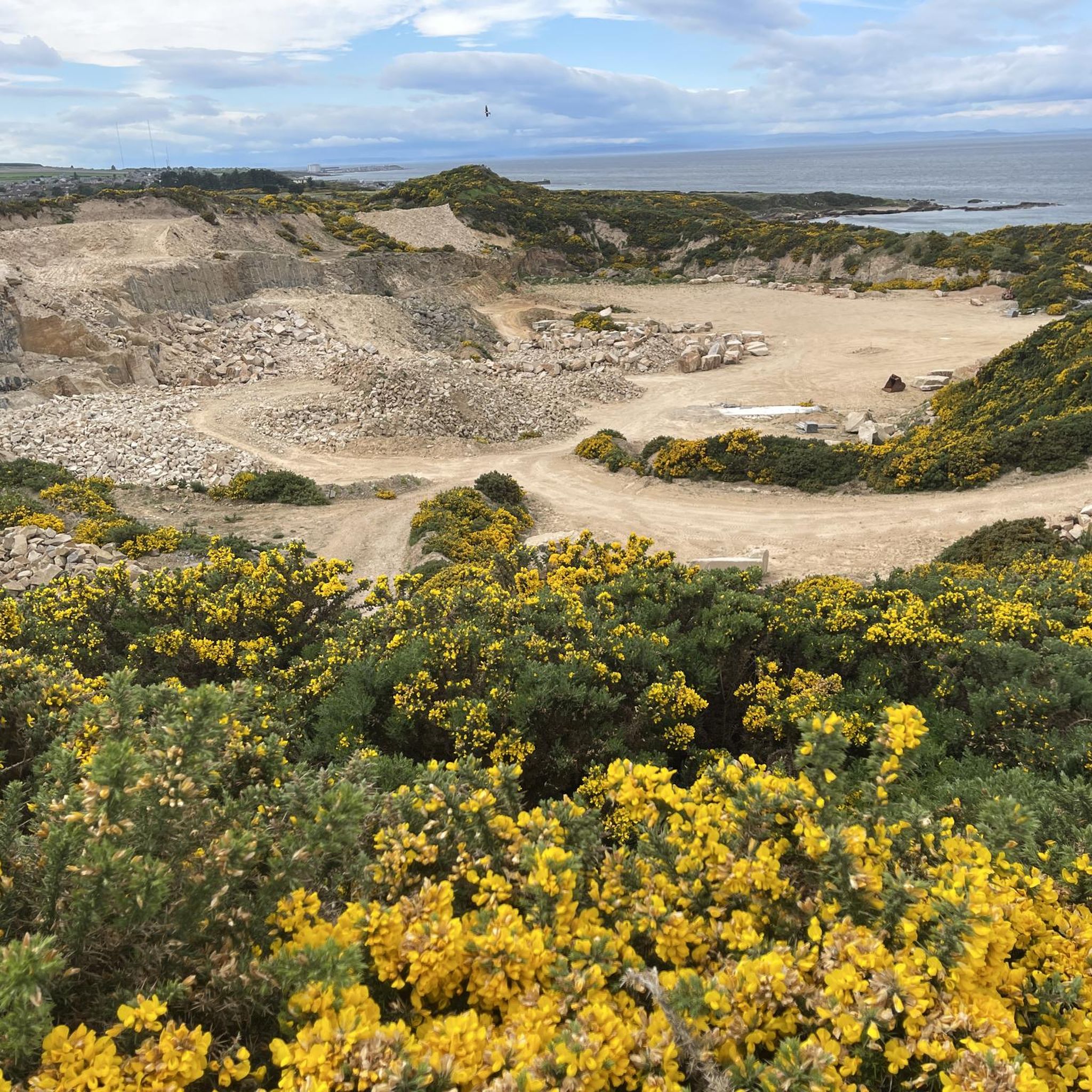
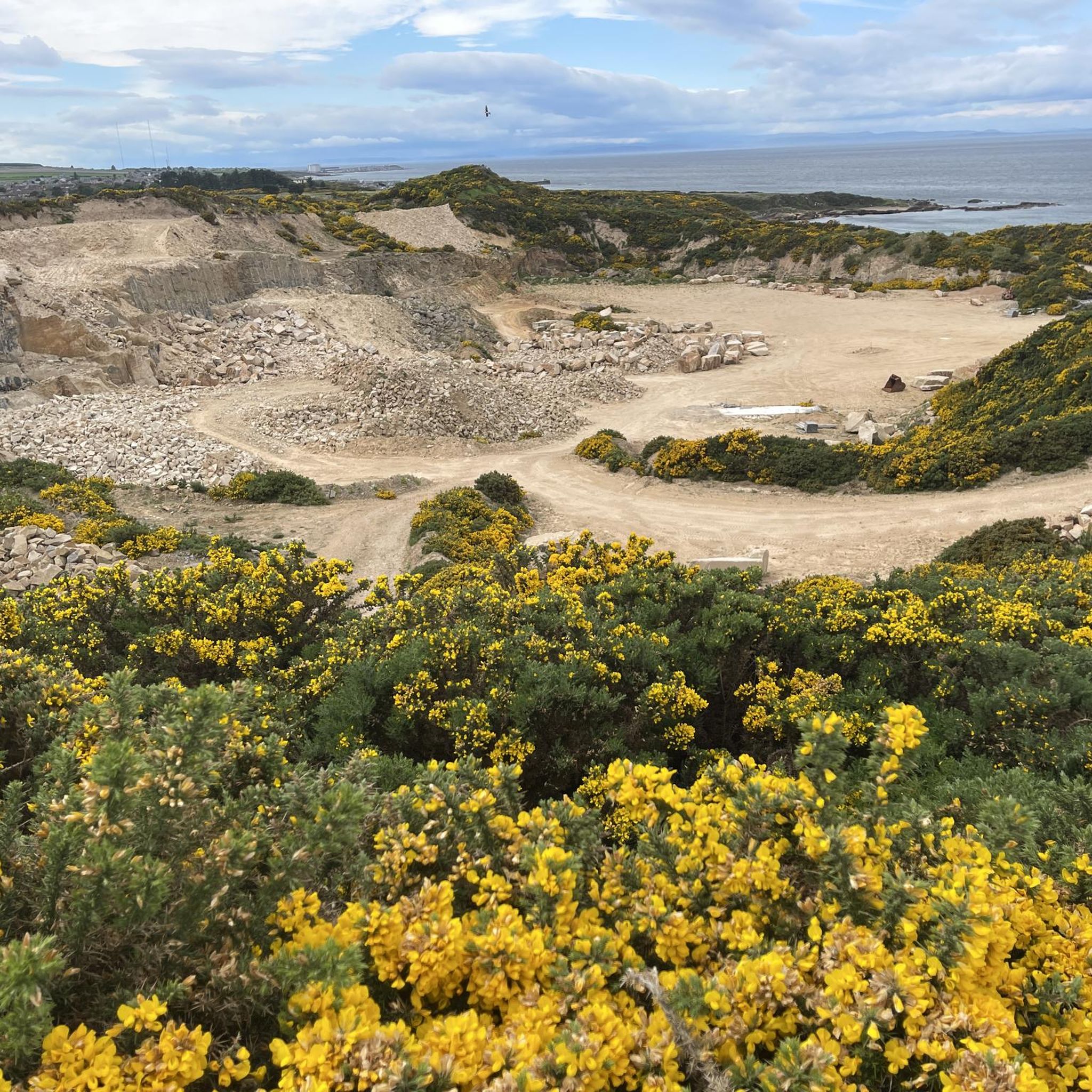
Best attractions and places to see around Hopeman And Covesea, located on Scotland's Moray Firth coast, offer a diverse range of natural and historical sites. The area features sandy beaches, dramatic cliffs with sea caves, and significant landmarks. Visitors can explore coastal landscapes, maritime history, and archaeological discoveries. This region provides opportunities for coastal walks and wildlife observation.
Best attractions and places to see around Hopeman And Covesea
- The most popular attractions is Elgin Cathedral Ruins, a viewpoint that consists of the remains of a cathedral built in 1224. The renovated towers offer views over the cathedral and the city.
- Another must-see spot is Lossiemouth East Beach, a scenic viewpoint and beach. Visitors can expect vast sand dunes, a smooth shoreline popular with surfers, and opportunities to spot seals and bottlenose dolphins.
- Visitors also love Hopeman Beach Huts, a series of colourful and unique structures along the beachfront. These huts add character to the coastline and are located on a sandy beach with rock formations.
- Hopeman And Covesea is known for its historical landmarks, natural coastal features, and unique cultural sites. The area offers a variety of beaches, caves, and viewpoints to see and explore.
- The attractions around Hopeman And Covesea are appreciated by the komoot community, with 62 upvotes and 79 photos shared by visitors.
Last updated: July 2, 2026
Elgin Cathedral Ruins
Highlight • Viewpoint
The entrance fee is quite high at 7.50 GBP. If we had not had the Historic Scotland Explorer Pass, which already included the entrance, we would have saved the visit and looked at the grounds only from the outside. By the way, the Explorer Pass (visitbritainshop.com/germany/historic-scotland-explorer-pass/) is highly recommended if you are planning to visit several historic sites.
Translated by Google •
Tip by

Covesea Lighthouse and Caves
Highlight • Cave
Access to the lighthouse was always at the discretion of the lighthouse keepers and as such there was never general access to the tower fot the public. With the support of the local community there was a desire to get this wonderful building into public hands. The Lossiemouth Business Association helped form the Covesea Lighthouse Community Company Ltd, which was established to buy the property, with the intention of getting it open to the public for the first time. With the support of government funding the lighthouse was bought in 2013.
Tip by

Sign up now to discover places like this
Get recommendations on the best single tracks, peaks, & plenty of other exciting outdoor places.
Sign up for free
Lossiemouth East Beach
Highlight • Viewpoint
If you're lucky, you might spot seals basking on the sand, whilst the sight of the the long, orange bill of the oystercatcher is common. Your chances of seeing Moray's bottlenose dolphins are best in summer and on a rising tide.
An iconic, though somewhat archaic, bridge links the beach to Seatown but has been closed for some time. In September 2020 a contractor was secured to repair the bridge. Until repairs are complete, anyone completing the Moray Coast Trail will need to take a detour, taking the bridge crossing off the itinerary.
Tip by

Hopeman Beach Huts
Highlight • Structure
Tip by
Bunker and Anti-Tank Blocks on Burghead Beach
Highlight • Historical Site
Translated by Google •
Tip by

Sign up for free to discover even more attractions around Hopeman And Covesea.
Sign up for free
Already have an account?
Start today with a free account
Your next adventure awaits.
Login or Signup

Tips from the Community

This section of the beach is "decorated" by numerous bunkers and concrete blocks. They once served to defend the coast during the Second World War from a feared German invasion, but today they effectively prevent the beach from being eroded by the sea, providing peaceful coastal protection.
1
0

Elgin Cathedral, a historic ruin in northeast Scotland, was dedicated to the Holy Trinity. It was established in 1224 on land granted by King Alexander II and stood outside the burgh of Elgin, close to the River Lossie. It replaced the cathedral at Spynie located 3 kilometres (2 mi) to the north, which was served by a small chapter of eight clerics. By 1226, the new and developing cathedral was staffed with 18 canons, a number that increased to 23 by 1242. A damaging fire in 1270 led to significant enlargement. It remained unscathed during the Wars of Scottish Independence but suffered extensive fire damage in 1390 when attacked by Robert III's brother Alexander Stewart, Earl of Buchan, also known as the Wolf of Badenoch. In 1402, the cathedral precinct faced another incendiary attack by the Lord of the Isles followers.
0
0
Didn't go into the grounds of the cathedral but was pretty satisfied with the views afforded from the paths around it. Plenty of street parking around the Cathedral.
0
0

Very beautiful and photogenic
0
1

Completed in 1846, the Lighthouse was manned until 1984 when automation meant that the keepers were no longer required and the switching on and off of the lamp could be done remotely from the Northern Lighthouse Board headquarters in Edinburgh. With the advent of new technology, the addition of a North Cardinal Buoy next to the Halliman Skerries allowed the lamp to be switched off in 2012. Access to the lighthouse was always at the discretion of the lighthouse keepers and as such there was never general access to the tower fot the public. With the support of the local community there was a desire to get this wonderful building into public hands. The Lossiemouth Business Association helped form the Covesea Lighthouse Community Company Ltd, which was established to buy the property, with the intention of getting it open to the public for the first time. With the support of government funding the lighthouse was bought in 2013.
0
0
The cathedral, dedicated to the Holy Trinity, was established in 1224 on land granted by King Alexander II outside the burgh of Elgin and close to the River Lossie. It replaced the cathedral at Spynie, 3 kilometres (2 mi) to the north, which was served by a small chapter of eight clerics. By 1226, the new and developing cathedral was staffed with 18 canons increasing to 23 by 1242. A damaging fire in 1270 resulted in a significantly enlarged building. It remained unaffected by the Wars of Scottish Independence, but again suffered extensive fire damage in 1390 when attacked by Robert III's brother Alexander Stewart, Earl of Buchan, also known as the Wolf of Badenoch. In 1402 the cathedral precinct again suffered an incendiary attack by the followers of the Lord of the Isles.
0
0

Vast sand dunes and smooth shoreline, popular with surfers, swimmers, and paddlers. Accessible via the new bridge at the end of the river.
1
0
A series of well maintained painted huts, each as unique as the next. Hopeman beach is a great sandy beach with rock formations and occasional dolphins. Parking is free, and you can walk along the shore a good distance to cliffs.
0
0
Frequently Asked Questions
Beyond the main highlights, what other notable landmarks can I explore in the Hopeman and Covesea area?
The region offers several unique landmarks. You can visit the historic Covesea Lighthouse, completed in 1846, which now serves as a tourist attraction and heritage museum for RAF Lossiemouth. It offers tours and panoramic views of the Moray Coast. Another interesting spot is Hopeman Harbour, established in 1838, which now functions as a small boat and yacht marina. Additionally, the Braemou Well in Hopeman is an historic 17th-century natural spring.
What natural features and beaches can I explore in Hopeman and Covesea?
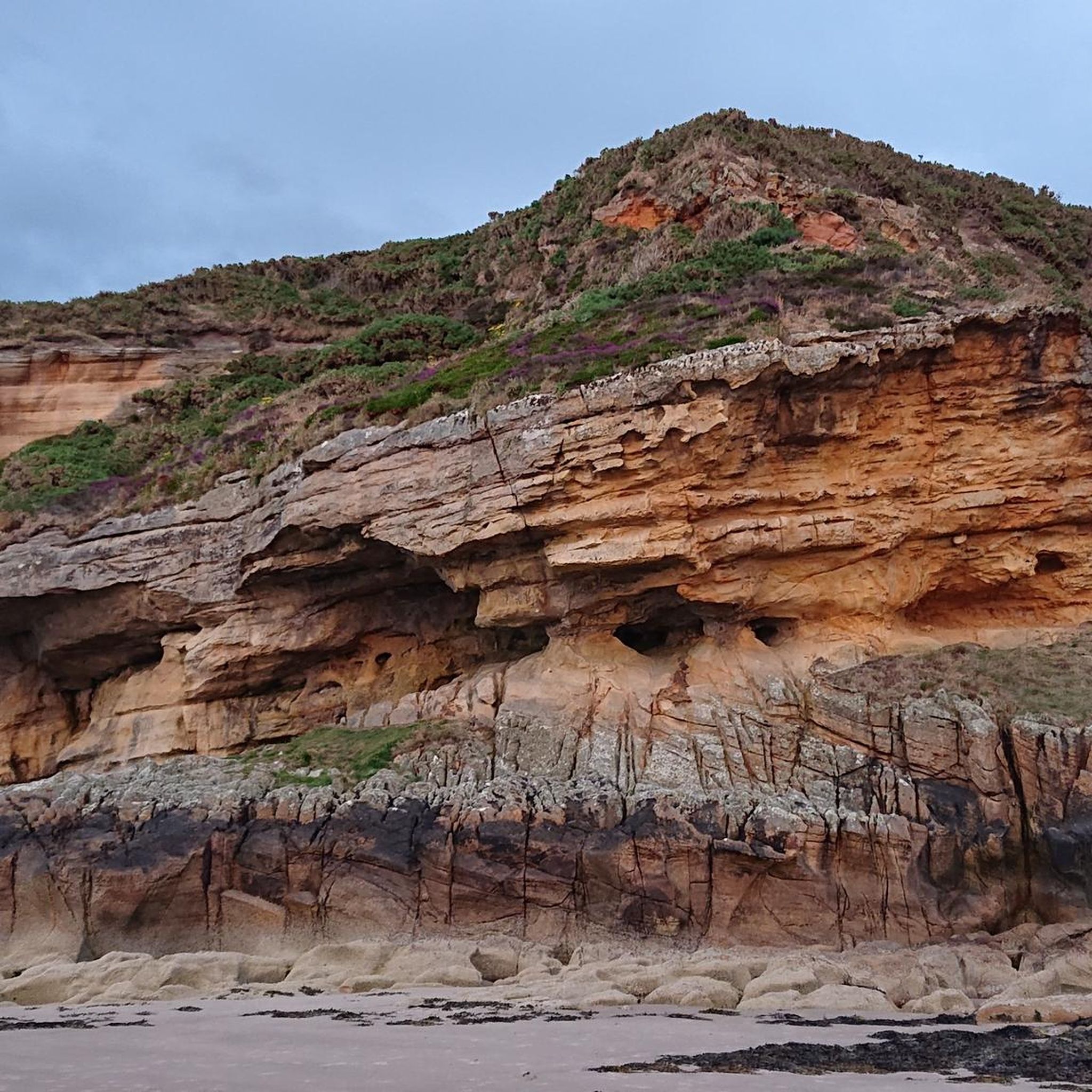
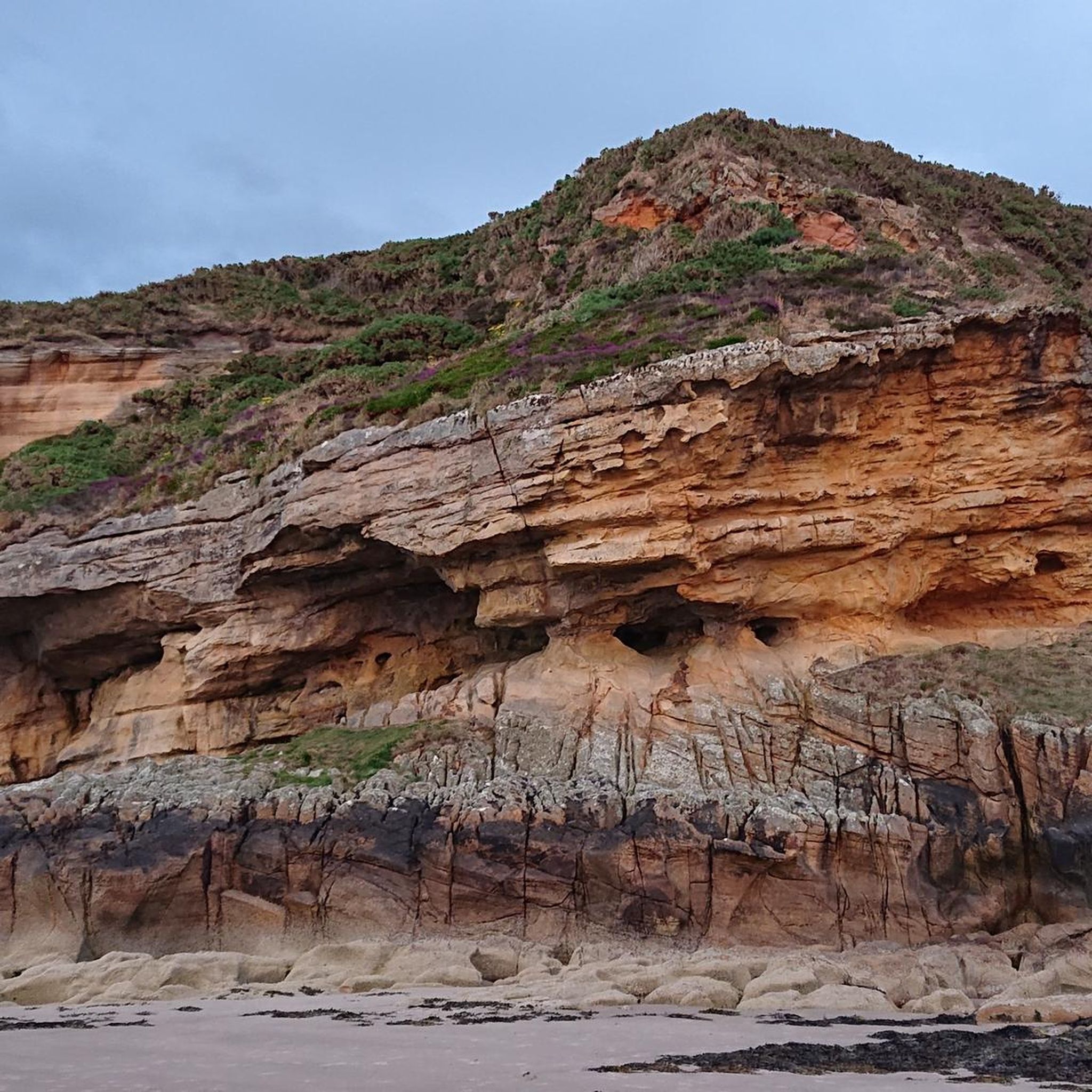
Hopeman and Covesea are rich in natural beauty. Hopeman East Beach is known for its soft sands, rock pools, and vibrant Hopeman Beach Huts, popular for paddleboarding and surfing. Hopeman West Beach is a shorter, sandy, dog-friendly stretch. Near Covesea, you'll find Covesea Beach and Caves, featuring flat sands, black rock outcrops, and sandstone cliffs up to 100 feet high. The Moray Firth is also a great place for wildlife watching, with opportunities to spot seals and bottlenose dolphins.
Are there any significant caves to visit near Covesea?
Yes, the cliffs at Covesea Beach are riddled with numerous caves. The most famous is the Sculptor's Cave, historically and archaeologically important for its Pictish carvings and evidence of ancient rituals. Access to some of these caves, including the Sculptor's Cave, is only possible at low tide due to tidal conditions.
What historical sites are there to visit in the region?
The area boasts several historical sites. The Covesea Lighthouse, built in 1846, has a rich maritime history and now houses a heritage museum. The Elgin Cathedral Ruins, though a short distance away, are a significant historical landmark dating back to 1224. You can also find Bunkers and Anti-Tank Blocks on Burghead Beach, remnants from the Second World War that once defended the coast.
Are there family-friendly activities or places to visit in Hopeman and Covesea?
Absolutely! Hopeman East Beach is very family-friendly, offering soft sands, rock pools for exploration, and a play area and skateboard park behind the beach. The vibrant Hopeman Beach Huts add a fun, colourful element to the coastline. Many of the coastal walks are also suitable for families, offering scenic views and opportunities for wildlife spotting.
What walking or hiking opportunities are available along the coast?
The Moray Coastal Trail passes through Hopeman, offering scenic walks with views of hidden coves, sea stacks, and natural arches. You can enjoy pleasant strolls along Hopeman East Beach, where a coastal path runs alongside. For specific routes, consider exploring the easy hikes available, such as the "Clasach Cove – Hopeman Beach Huts loop from Hopeman" or the "Covesea Skerries Lighthouse – Covesea Rock Formations loop from Covesea Skerries Lighthouse." You can find more details on these and other routes in our Easy hikes around Hopeman And Covesea guide.
Are there options for cycling or mountain biking near Hopeman and Covesea?
Yes, the area provides opportunities for cycling. You can find various routes for mountain biking, such as the "Old Railway Track Path – Roseisle Forest loop from Hopeman" or the "Fishing Station loop from Seatown." For more detailed information and routes, check out our MTB Trails around Hopeman And Covesea guide.
What is the best time of year to visit Hopeman and Covesea?
The Moray Firth coast is beautiful year-round, but the best time often depends on your interests. Summer (June to August) offers warmer weather ideal for beach activities and spotting bottlenose dolphins. Spring and autumn provide pleasant temperatures for coastal walks and fewer crowds. Winter can be dramatic and beautiful for rugged coastal scenery, though some paths might be more challenging.
Are there any golf courses in the vicinity?
Yes, the Covesea Golf Links offers a nine-hole, pay-and-play course. It features an undulating landscape situated between the Covesea cliffs and the Covesea Lighthouse, providing a scenic golfing experience.
What do visitors enjoy most about the attractions around Hopeman and Covesea?
Visitors particularly appreciate the stunning coastal scenery, the vibrant Hopeman Beach Huts, and the opportunities for wildlife spotting, especially the Moray Firth dolphins. The historical significance of sites like the Covesea Lighthouse and the unique geological features of Covesea Beach and Caves also receive high praise. The area is valued for its blend of natural beauty, history, and outdoor activities.
Can I bring my dog to the beaches and trails in the area?
Yes, Hopeman West Beach is dog-friendly. Many of the coastal paths and trails, including sections of the Moray Coastal Trail, are also suitable for dogs. It's always recommended to keep dogs under control and be mindful of local signage, especially in areas with wildlife or livestock.
Where can I find cafes or places to eat in Hopeman?
Hopeman has options for refreshments. The Hopeman Harbour area often features a gallery shop, and you can find local cafes and pubs within the village. While specific establishments aren't detailed, the village is equipped to cater to visitors.
Most popular routes around Hopeman And Covesea

Get inspired with the komoot mobile app


Explore more
Still not found the Highlight you’re looking for? See guides of the top attractions in other regions:
