Top 20 Castles around Glauburg
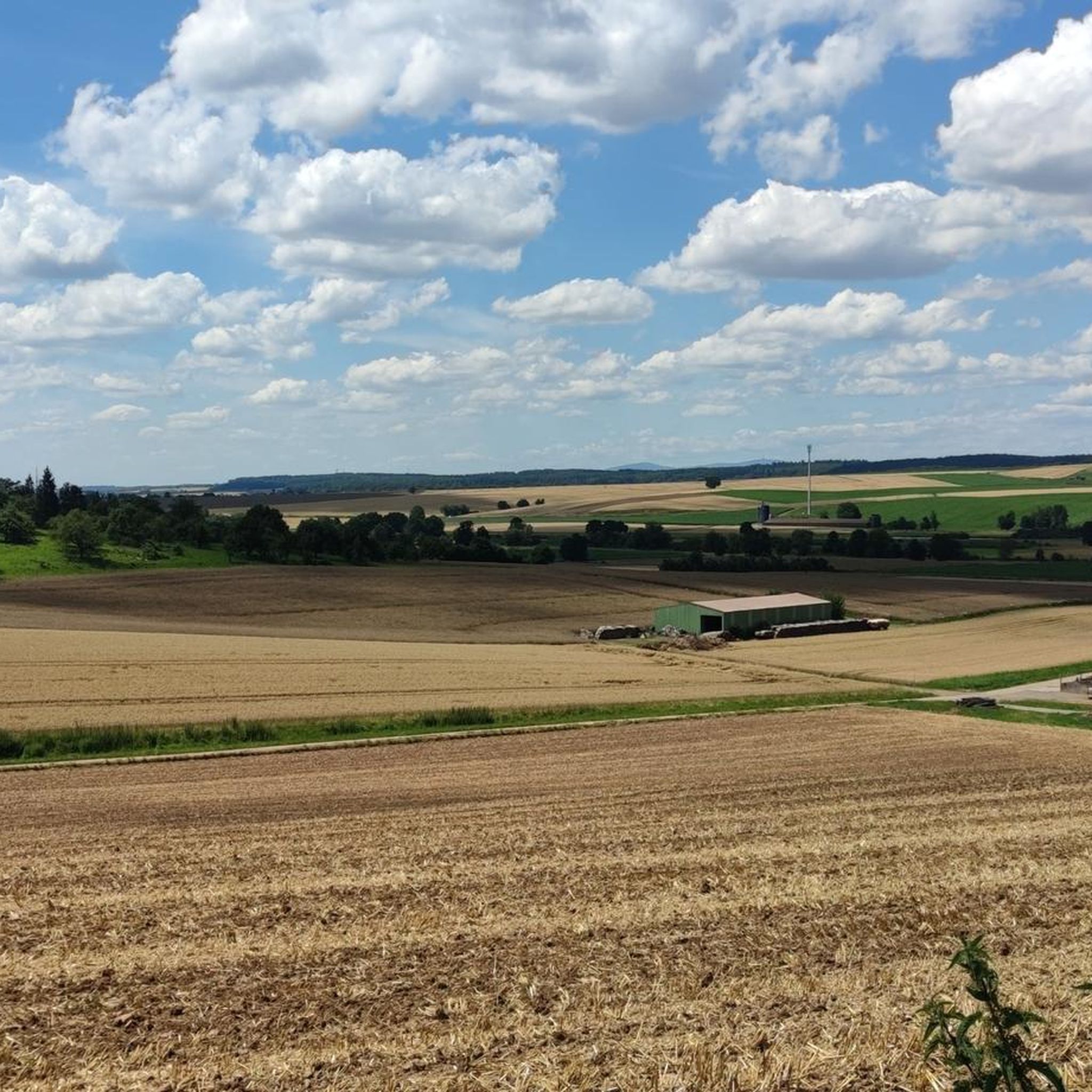
Best castles around Glauburg are situated in a region characterized by its historical layers and diverse landscape. The area features a 276-meter-high basalt ridge, offering views of the surrounding hilly terrain and dense forests. Glauburg is known for its archaeological significance, with evidence of continuous settlement from the Neolithic Age through the Middle Ages, including Iron Age Celtic civilization and medieval castle life. This combination provides a unique opportunity to explore both ancient and medieval history.
Best castles around Glauburg
…Last updated: August 16, 2026
Büdingen
Highlight • Historical Site
Translated by Google •
Tip by

Ronneburg Castle
Highlight • Castle
Translated by Google •
Tip by

Sign up now to discover places like this
Get recommendations on the best single tracks, peaks, & plenty of other exciting outdoor places.
Sign up for free
Ruins of Glauburg Castle
Highlight • Castle
Translated by Google •
Tip by

Ysenburg Castle
Highlight • Castle
de.wikipedia.org/wiki/Burg_Staden?oldformat=true
Translated by Google •
Tip by

Stammheim Castle
Highlight • Castle
The moated castle, built in 1592, invites you to a …
Translated by Google •
Tip by

Sign up for free to discover even more castles around Glauburg.
Sign up for free
Already have an account?
Start today with a free account
Your next adventure awaits.
Login or Signup
Popular around Glauburg
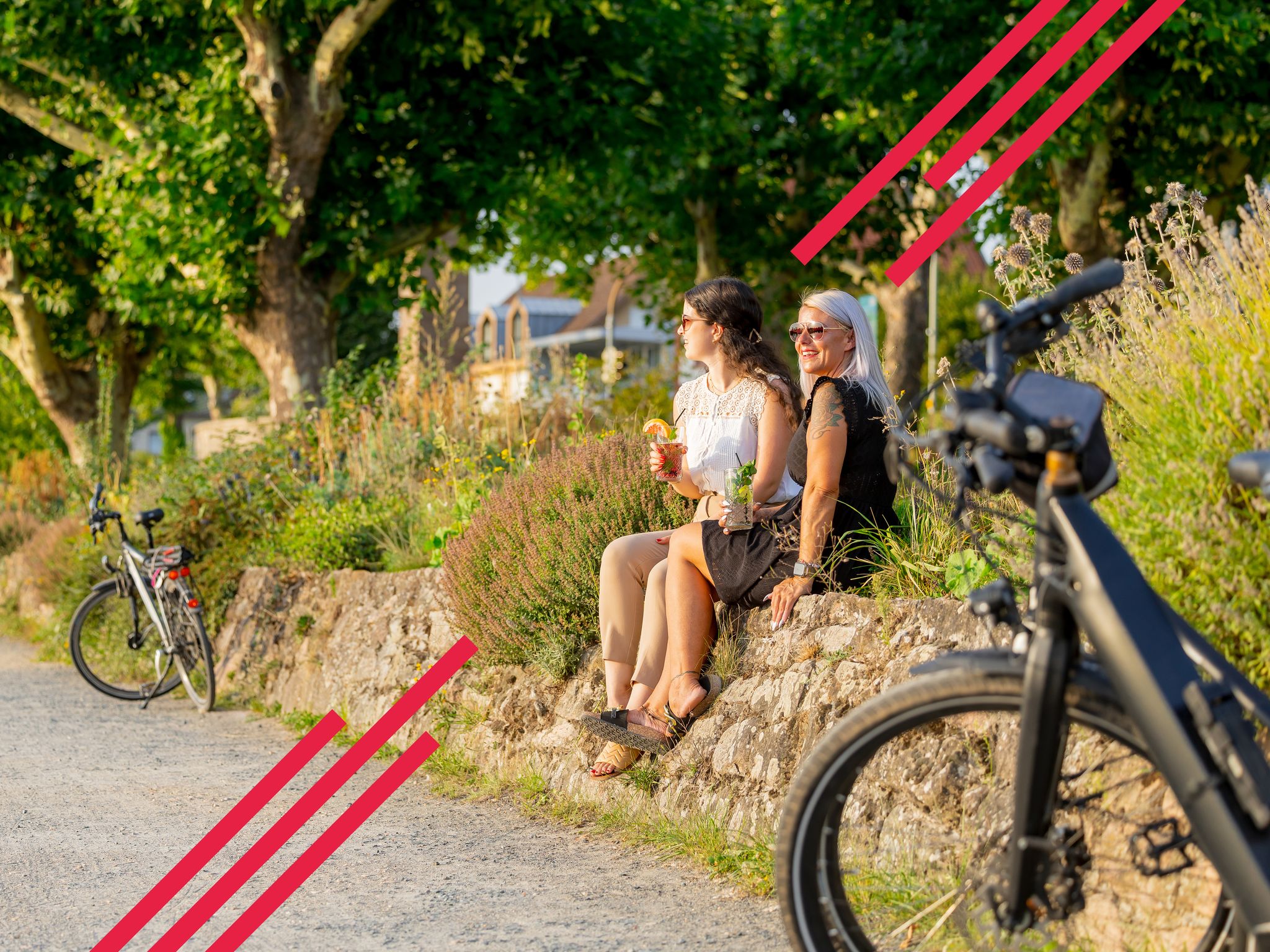
Changing habitats – themed cycling in FrankfurtRheinMain
On the Bonifatius Route from Mainz to Fulda
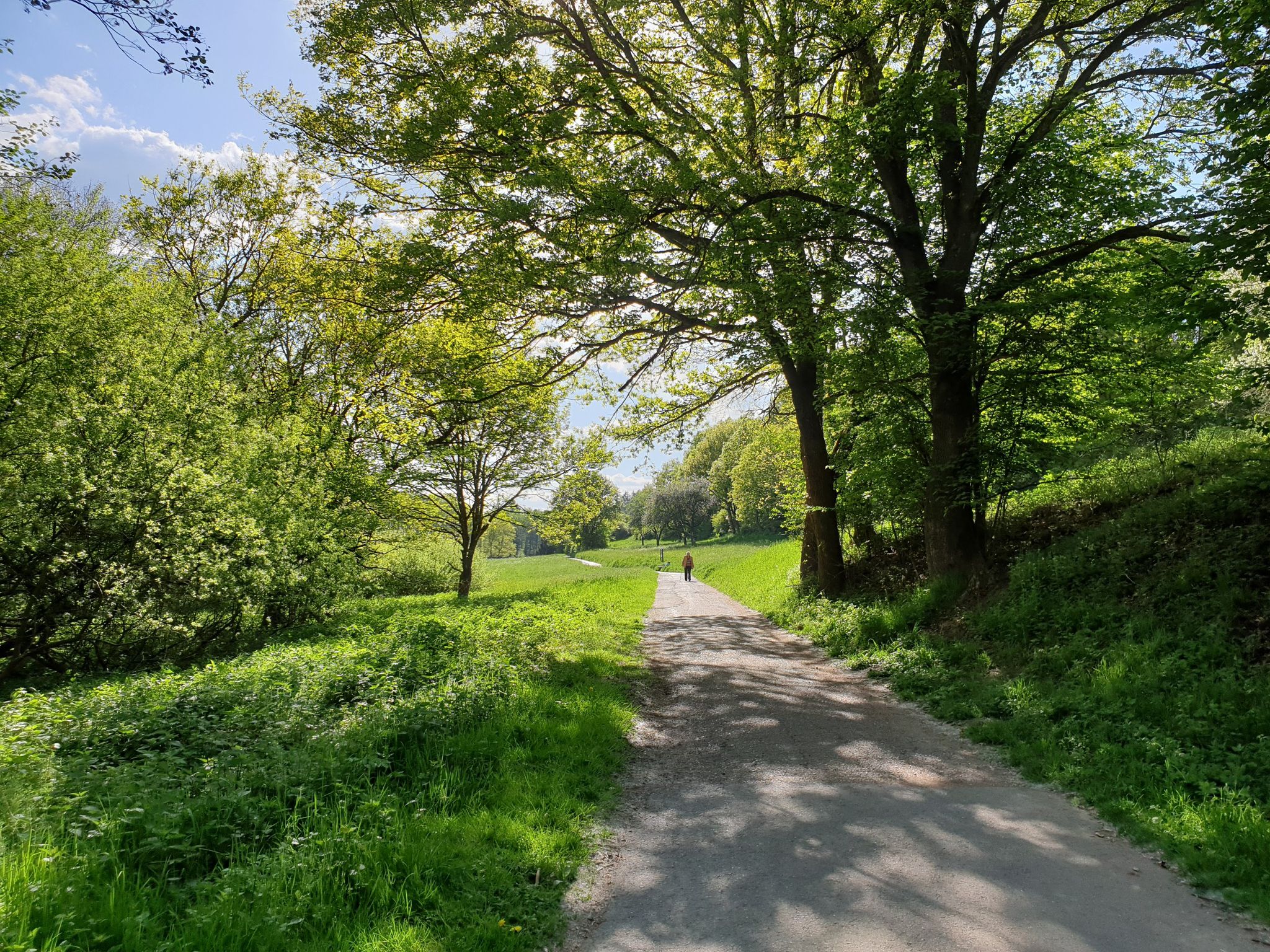
Culture, nature and good food in Hessen – gourmet Tours in the RMV region
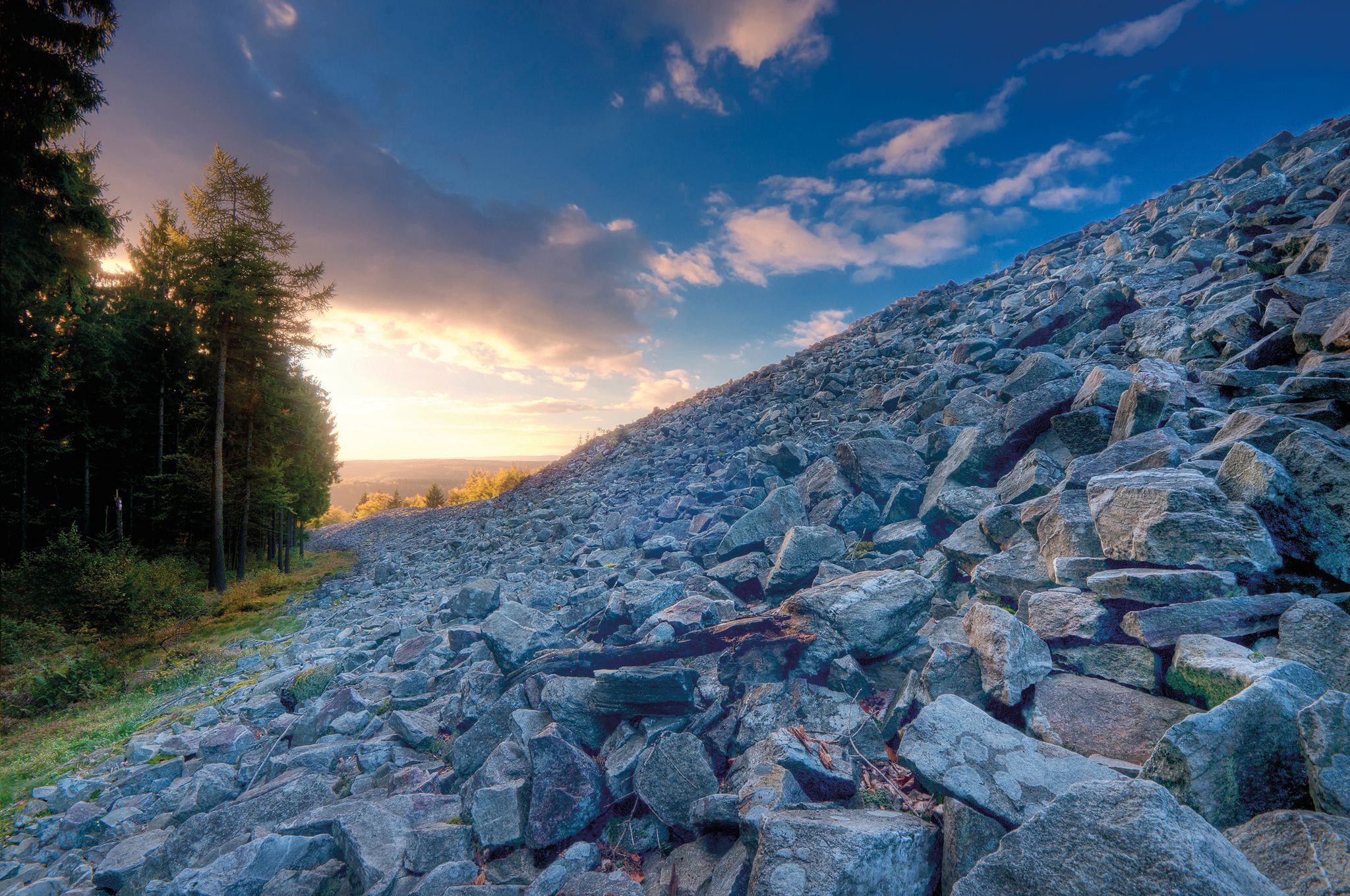
Celtic hikes — time travel into a past millennium
Hiking around Glauburg
Cycling around Glauburg
Road Cycling Routes around Glauburg
MTB Trails around Glauburg
Running Trails around Glauburg

Gravel biking around Glauburg
Other adventures around Glauburg


Tips from the Community

Only a few foundations and some remains of the walls of the only castle can still be seen.
1
0

Büdingen is a medium-sized town in Hesse on the eastern edge of the Rhine-Main region, in the southeastern part of the Wetterau district. Until 1972 it was the district seat of the district of the same name. Büdingen is located in a wooded area on the Seemenbach, at the transition from the Wetterau to the Vogelsberg. The city is known nationally for its medieval old town with castle, which is one of the best-preserved urban complexes in Europe. With an area of around 123 km², Büdingen is the largest city in the district and one of the largest in Hesse.
7
0
When I'm on a bike ride nearby, I usually make a quick stop at the 🏰 castle. I really like the 🏰 castle.
4
0

Whenever we come towards Stammheim, or directly to Stammheim, Stammheim Castle is one of our favorite destinations... When we walk around this corner I think of an old friend who always said: Stamm(Stammheim), Stade(Staden), Mockscht(Mockstadt)—Mudder, what is the world so big....😂😂
5
0

Anyone who visits the Celtic Museum on Glauberg should under all circumstances not shy away from the path to the summit of Glauberg. Large parts of an old Celtic fortification can be explored there. The app from the museum also provides the necessary information.
0
1

You can see the restored foundation walls of a castle ruin from the beginning of the 13th century. was created. The archway is still very well preserved. During excavations at this site, various parts were found, including a rider's spur, oven tiles and the remains of a water dispenser.
2
0

Castle where you can also get married
5
1

At the end of the 16th century (1592), this Renaissance building was erected by the von Rosenbach and von Karsbach couples on the foundations of an old moated castle belonging to the knight Wortwin von Stammheim. At the end of the 17th century, the descendants sold the castle, the farm buildings and all the fields and forests to the Count von Schlitz. The relationship between the count's tenants and the population was always tense and led to legal disputes. In 1851, the community of Stammheim bought the property. The fields were sold or leased to local farmers. The large stables were demolished and the broken basalt stones used to build new houses in Stammheim. During the Night of Broken Glass on November 9, 1938, the Jews living in Stammheim were locked in the castle for one night. Until the end of the war, forced laborers were housed here, who were guarded day and night. After the Second World War, the castle was an emergency shelter for refugee families; vegetables were grown in the garden. In addition, the castle served as a social center for singing lessons of the folk choir (until 1966), as a school (since 1865) or for meetings of the municipal council. The greater municipality of Florstadt (since 1972) shied away from the cost of the renovation, so the Renaissance palace was sold to a private buyer in early 1975. He invested a lot of work and money in the object and designed a real gem. The Stammheim Castle is now known far beyond the borders of the Wetterau as a "wedding castle". Many couples exchange vows here in a wonderful ambience. Stammheim Castle: The family of von Rosenbach and von Karsbach erected a renaissance building on the remains of an old water castle in 1592. In 1851 the community of Stammheim bought the building which today is famously known as "wedding castle".
5
0
Frequently Asked Questions
What kind of historical sites can I explore around Glauburg?
The Glauburg region offers a rich tapestry of history, from ancient Celtic settlements to medieval castles. You can visit the Ruins of Glauburg Castle, which sits on the historically significant Glauberg plateau, featuring archaeological remains from the Iron Age and medieval fortifications. Nearby, the Keltenwelt am Glauberg museum showcases sensational Celtic finds. Other sites include the well-preserved Ronneburg Castle from the 13th century and the medieval Büdingen Old Town with its castle.
Are there family-friendly castles to visit near Glauburg?
Yes, several castles in the area are suitable for families. Büdingen Old Town is considered one of Germany's most beautiful medieval towns, offering an engaging historical experience. Ronneburg Castle features a castle museum and a falconry, which can be particularly exciting for children. Ysenburg Castle and Stammheim Castle are also listed as family-friendly options.
What outdoor activities can I do near the castles in Glauburg?
The Glauburg area, with its hilly landscape and forests, is excellent for outdoor enthusiasts. You can find numerous routes for cycling, mountain biking, and gravel biking. For example, explore the 'Vulkan Spring Kneipp Pool – Nidder Bridge in Ortenberg loop' for mountain biking or the 'View of Lißberg Castle – Gedern Castle loop' for cycling. You can find detailed routes and guides for these activities on komoot, such as the MTB Trails around Glauburg, Gravel biking around Glauburg, and Cycling around Glauburg guides.
Are there hiking trails around the castles in Glauburg?
Yes, the area around Glauburg offers great trails through the woods and scenic viewpoints. The Glauberg plateau, home to the Ruins of Glauburg Castle, has a signposted archaeological trail and offers beautiful views of the hilly landscape. While specific hiking guides for castles are not listed, the region's general outdoor guides provide many options for exploring the natural surroundings on foot.
What makes the Glauberg plateau and its castle ruins unique?
The Glauberg plateau is unique due to its layered history, showcasing continuous settlement from the Neolithic Age to the Middle Ages. The Ruins of Glauburg Castle are medieval, but the site also hosts the renowned Keltenwelt am Glauberg, an archaeological park famous for Iron Age Celtic princely graves and a Celtic prince statue. This combination allows visitors to explore both ancient Celtic civilization and medieval castle life at one location, offering a rare glimpse into different historical periods.
Can I bring my dog to the castles in the Glauburg region?
Some castles in the region are dog-friendly. For instance, Ronneburg Castle is listed as dog-friendly, allowing you to explore its grounds with your canine companion. It's always a good idea to check specific rules or restrictions with individual sites before your visit.
What kind of views can I expect from the castles around Glauburg?
The castles, especially those on higher ground, offer picturesque views. The Ruins of Glauburg Castle, situated on a 276-meter-high basalt ridge, provides beautiful panoramic views of the surrounding hilly landscape. Ronneburg Castle also serves as a viewpoint, offering expansive vistas of the Wetterau region.
Are there cafes or restaurants available at the castles?
Yes, some castles provide dining options. Ronneburg Castle houses a restaurant and a cafe. Ysenburg Castle also features a cafe with a beautiful outdoor area right on the water. It's advisable to check their current operating hours before your visit.
What do visitors enjoy most about the castles around Glauburg?
Visitors frequently praise the historical depth and scenic beauty of the region. They appreciate the well-preserved medieval architecture of places like Ronneburg Castle and the charm of Büdingen Old Town. The unique combination of Iron Age Celtic history and medieval castle ruins at the Glauberg plateau is also a major draw, offering both archaeological insights and stunning views.
What is the best time to visit the castles in the Glauburg region?
The Glauburg region is enjoyable throughout the year, but autumn offers particularly beautiful scenery with changing foliage, making it ideal for hiking and exploring the castle grounds. Spring and summer provide pleasant weather for outdoor activities and longer daylight hours to explore the various historical sites and their surrounding landscapes.
How accessible are the castles by public transport?
While specific public transport details for each castle are not provided, the Glauburg area is generally accessible. For detailed information on reaching specific sites like the Glauberg plateau or other castles by public transport, it is recommended to consult local transport schedules or official tourism websites for the Glauburg region.
Are there any hidden gems among the castles or historical sites?
While not explicitly 'hidden,' the unique combination of the medieval Ruins of Glauburg Castle with the adjacent Keltenwelt am Glauberg museum offers a truly distinctive experience that might be overlooked if one focuses only on traditional castles. This site provides a rare opportunity to delve into both Iron Age and medieval history on a single plateau, making it a fascinating and enriching visit.
Most popular routes around Glauburg
Most popular attractions around Glauburg

Get inspired with the komoot mobile app


Explore more
Looking for the best castles somewhere else? Discover other guides around Glauburg:
