Attractions and Places To See around Kelvindale - Top 20
Attractions and places to see around Kelvindale, a district in Glasgow's West End, offer a blend of local points of interest and convenient access to wider city attractions. The area features natural elements like the River Kelvin and various green spaces, providing opportunities for outdoor activities. Kelvindale is characterized by traditional housing and is well-connected to Glasgow's cultural and historical sites. This makes it a suitable starting point for exploring both local charm and significant urban landmarks.
Best attractions and…
Last updated: August 12, 2026
Craigallian Loch
Highlight • Historical Site
Tip by

George Square
Highlight • Monument
Tip by

Sign up now to discover places like this
Get recommendations on the best single tracks, peaks, & plenty of other exciting outdoor places.
Sign up for free
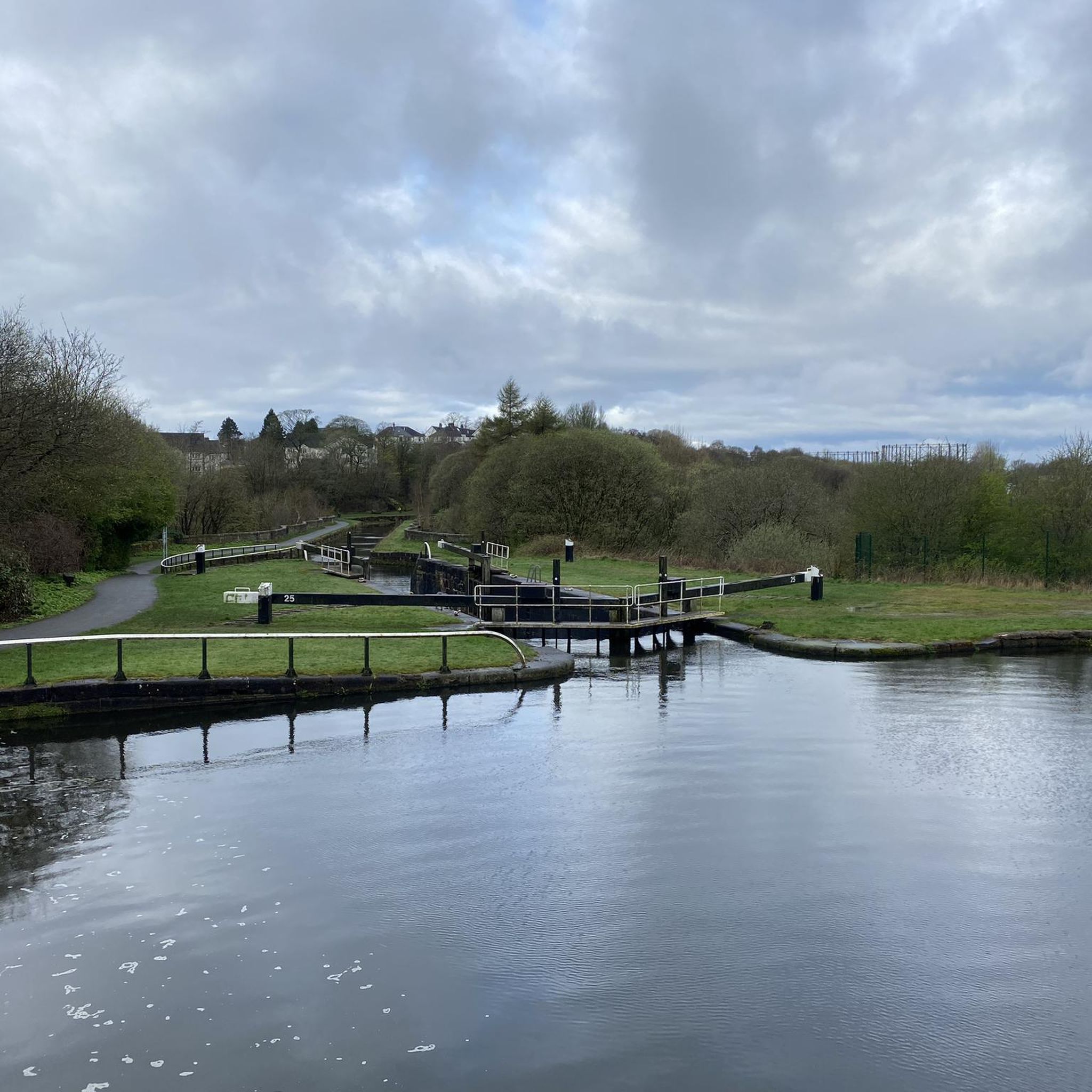
Forth and Clyde Canal Towpath
Highlight • Cycleway
Tip by

West Highland Way Starting Obelisk (Milngavie)
Highlight • Monument
Tip by

Mugdock Castle
Highlight • Castle
Tip by

Sign up for free to discover even more attractions around Kelvindale.
Sign up for free
Already have an account?
Start today with a free account
Your next adventure awaits.
Login or Signup

Tips from the Community

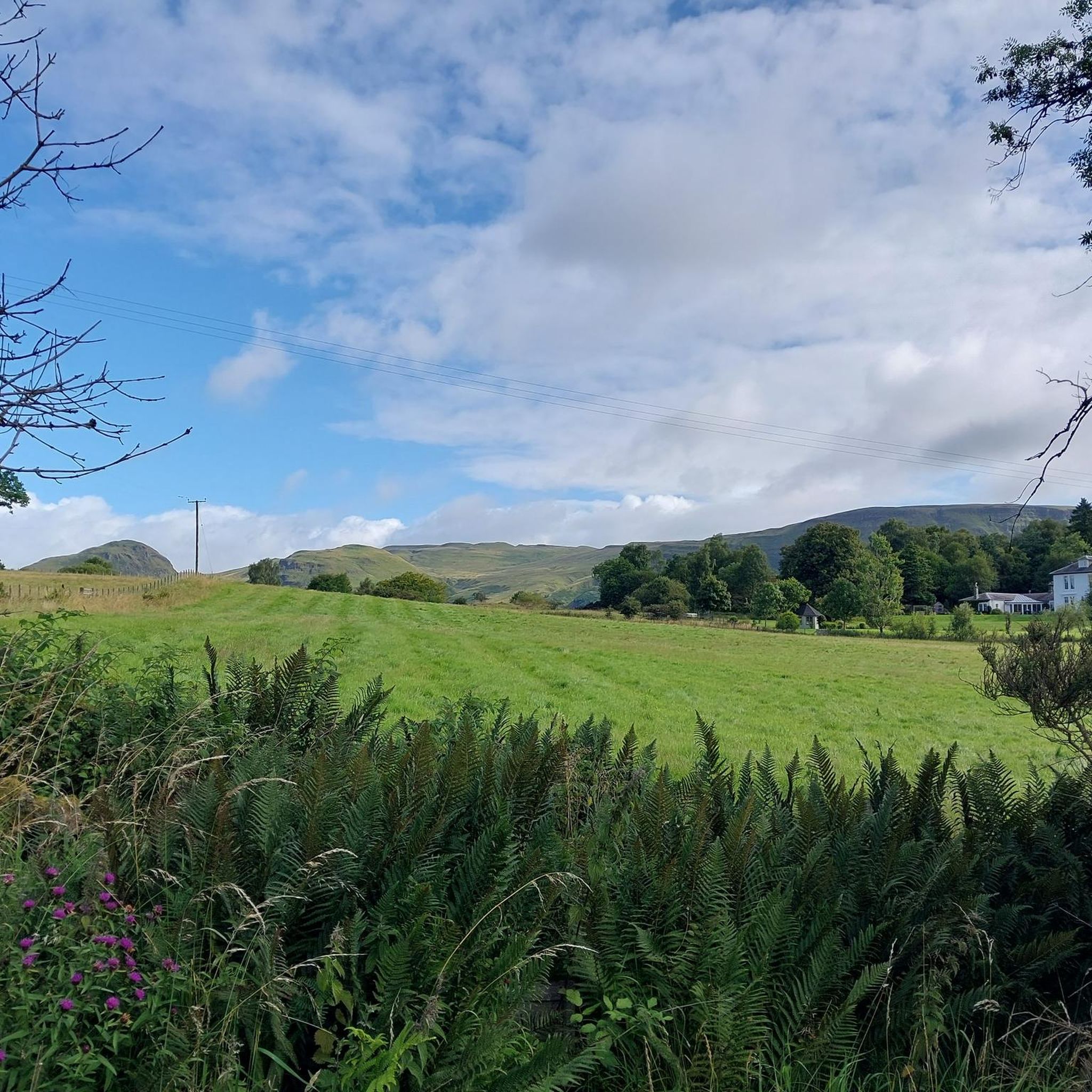
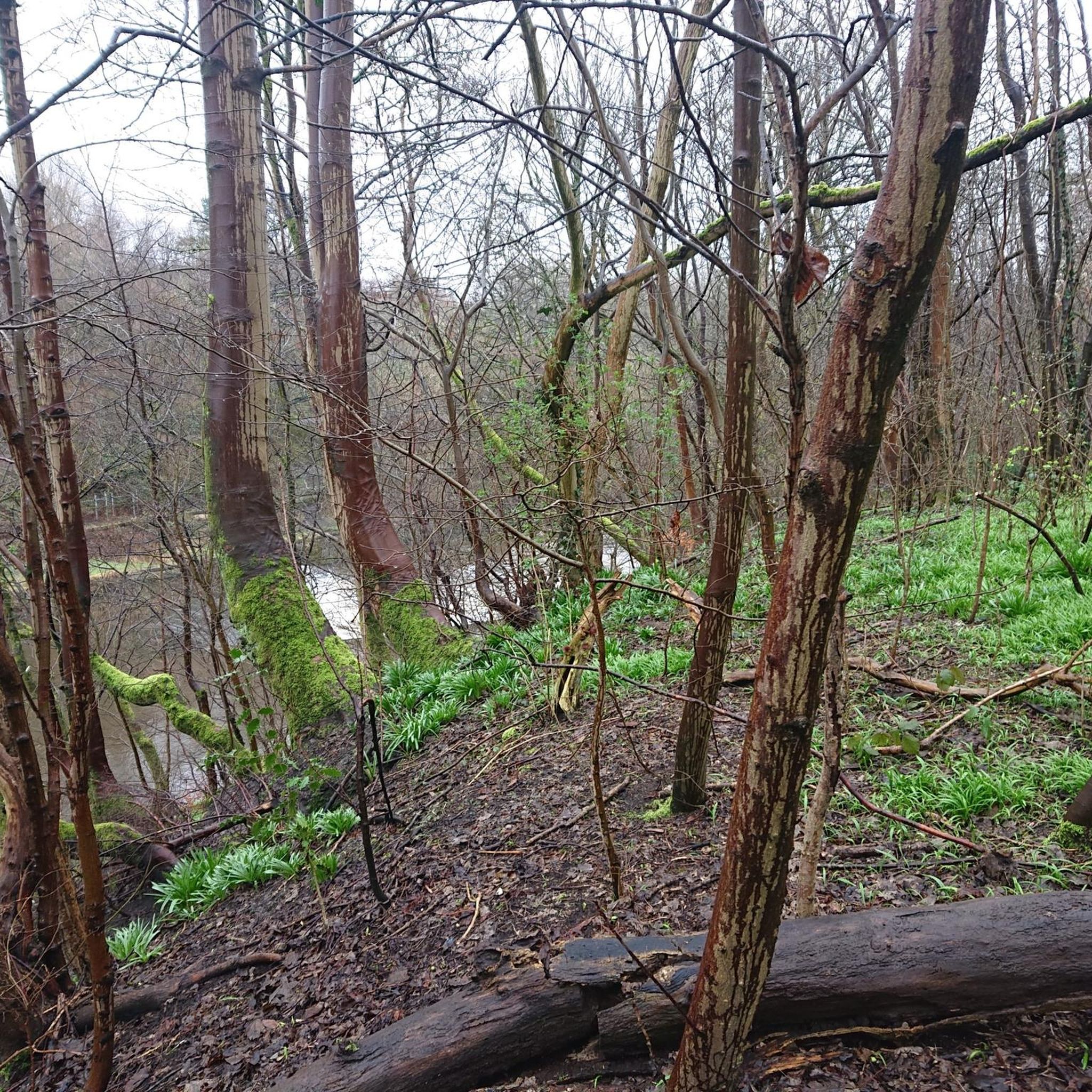
Above all, the path through Mugdock-Forest is worth it.
0
0

The original Castle on this site was built in the 13th century by the Graham family. The Grahams were a family on the rise and the family were made the Earls of Montrose in 1505. The most famous Graham resident of Mugdock Castle was James Graham (1612-1650) known as The Great Montrose. He was a poet and soldier who fought for the cause of King Charles I during the Wars of The Three Kingdoms (more commonly referred to as The English Civil Wars) and was marked as one of the greatest soldiers of the time. So great was his military fame that King Louis XIV offered him the role as Marshal of France. His success ultimately ran out in 1650 with the loss of The Battle of Carbisdale in Rosshire. Montrose was betrayed by a fellow Scotsman and was ultimately Hung, Drawn and Quartered for his part in the war. His campaigns were immortalised by Sir Walter Scott in his 1819 novel A Legend of Montrose.
0
0

The start of the West Highland Way is very urban, and the first section will feel more like a country park. Good paths and signs will lead you out of the town towards Loch Lomond.
2
1

Nice to see in the video: https://youtu.be/FTvrh28-ojY
1
0

What else do you need to know. Insanely beautiful
0
0

The first major lake on the West Highland Way is very atmospheric.
5
0
A nice starting point for the West Highland Way. There is a lot to look at and to read. A photo with the obelisk is probably a must. 😊
8
1

Frequently Asked Questions
What natural features can I explore around Kelvindale?
Kelvindale offers access to several natural features. The River Kelvin runs through the area, with the Kelvin Walkway providing pleasant walking opportunities. Nearby, you can visit Dawsholm Park, popular with birdwatchers, and the Glasgow Botanic Gardens, which offer green space and walks along the River Kelvin. To the southwest, Victoria Park provides another accessible green space. Additionally, Craigallian Loch is a significant natural feature with historical importance, located a short distance away.
Are there historical sites to visit near Kelvindale?
Yes, Kelvindale is well-situated for exploring historical sites. You can visit Mugdock Castle, a historical site standing on a rocky promontory. In Glasgow city center, George Square, laid out in 1781, features important buildings and statues. The Duke of Wellington Statue is another notable historical landmark. Further afield, Glasgow Cathedral and the adjacent Victorian Necropolis offer significant historical and architectural interest.
What cultural attractions are accessible from Kelvindale?
Kelvindale's location in Glasgow's West End provides easy access to a wealth of cultural institutions. The Kelvingrove Art Gallery and Museum is one of Scotland's most popular free attractions, featuring 22 galleries. The Riverside Museum, home to the Glasgow Museum of Transport and the Tall Ship Glenlee, is also nearby. The University of Glasgow, with its Gilmorehill campus, is easily accessible, and hosts the Hunterian Museum, known for its diverse collections.
Are there family-friendly activities or attractions in the Kelvindale area?
Many attractions around Kelvindale are suitable for families. The Forth and Clyde Canal Towpath and Kelvin Cycle Way offer opportunities for family cycling and walking. Mugdock Castle and its country park are free to enter and provide space for exploration. George Square and the Duke of Wellington Statue are central landmarks that can be part of a family city tour. The Kelvingrove Art Gallery and Museum and the Riverside Museum also offer engaging exhibits for all ages.
What cycling routes are available near Kelvindale?
Kelvindale is a great starting point for cycling. The Forth and Clyde Canal Towpath offers scenic stretches for cycling and connects with the Kelvin Cycle Way. For more extensive rides, you can explore various road cycling routes, including an easy 24 km loop from Anniesland to Maryhill Locks and Kelvin Aqueduct, or a moderate 73 km loop to Maryhill Locks and The Clydeside Distillery. Find more options on the Road Cycling Routes around Kelvindale guide.
Are there good running trails around Kelvindale?
Yes, there are several running trails near Kelvindale. You can find moderate routes such as a 10 km loop from Anniesland to Lock 27 Bar, or a 5 km loop from Kelvindale exploring the Kelvin Aqueduct and River Kelvin. Another moderate 12 km route takes you from Kelvindale through the Glasgow Botanic Gardens and along the River Kelvin. Discover more running options on the Running Trails around Kelvindale guide.
What are some viewpoints or scenic spots in the area?
For scenic views, the Forth and Clyde Canal Towpath offers pleasant vistas along the water. The Victorian Necropolis, adjacent to Glasgow Cathedral, provides impressive panoramic views of the city. Craigallian Loch is also noted for its atmospheric scenery and views of distant hills.
What do visitors enjoy most about the attractions around Kelvindale?
Visitors appreciate the blend of historical significance and natural beauty. For instance, Mugdock Castle is valued for its historical context and free access. The Forth and Clyde Canal Towpath is praised for its good stretches for cycling and scenic views. George Square is enjoyed for its vibrant atmosphere, important statues, and surrounding amenities like restaurants.
Are there any wheelchair-accessible attractions near Kelvindale?
Yes, several attractions are wheelchair accessible. George Square, Glasgow's principal civic square, is wheelchair friendly. The Duke of Wellington Statue is also located in an accessible area. Many of Glasgow's major cultural institutions, such as the Kelvingrove Art Gallery and Museum and the Riverside Museum, are designed to be accessible.
Can I find gravel biking routes near Kelvindale?
Yes, there are challenging gravel biking routes available. Options include difficult loops like the 60 km Craigallian Loch – Burncrooks Reservoir loop from Bearsden, or the 49 km John Muir Way Gravel Descent – Craigallian Loch loop from Westerton. These routes offer adventurous rides through varied terrain. More details can be found on the Gravel biking around Kelvindale guide.
What is the Kelvindale Tunnel and can it be explored?
The Kelvindale Tunnel is a disused railway tunnel located beneath the Forth and Clyde Canal. It once connected the Dawsholm and Temple gasworks. While disused, it can be explored as part of walks along the River Kelvin Walkway, offering a unique glimpse into the area's industrial past.
What is the significance of the Temple Gas Holders in Kelvindale?
The Temple Gas Holders are a prominent landmark in Kelvindale. Erected in 1891, they were once reputed to be the largest in the United Kingdom. These decommissioned structures were granted Category B listed status in 2018, recognizing their historical and architectural importance to the district.
Most popular routes around Kelvindale
Most popular attractions around Kelvindale

Get inspired with the komoot mobile app


Explore more
Still not found the Highlight you’re looking for? See guides of the top attractions in other regions:
