Attractions and Places To See around Cockenzie And Port Seton - Top 20
Best attractions and places to see around Cockenzie And Port Seton are found in this unified town on the Firth of Forth in East Lothian, Scotland. This area blends rich history with coastal charm, offering a range of notable landmarks and natural beauty. Historically two distinct fishing villages, it is now known for its cultural heritage and scenic coastline. Visitors can explore historic harbours, medieval churches, and coastal paths.
Best attractions and places to see around Cockenzie And Port Seton
- The most popular attractions is Dalkeith Palace and Gazebo, a castle and historical site with over 1,000 acres of parkland. It features outdoor activities, a restaurant, and a magnificent palace completed in 1711.
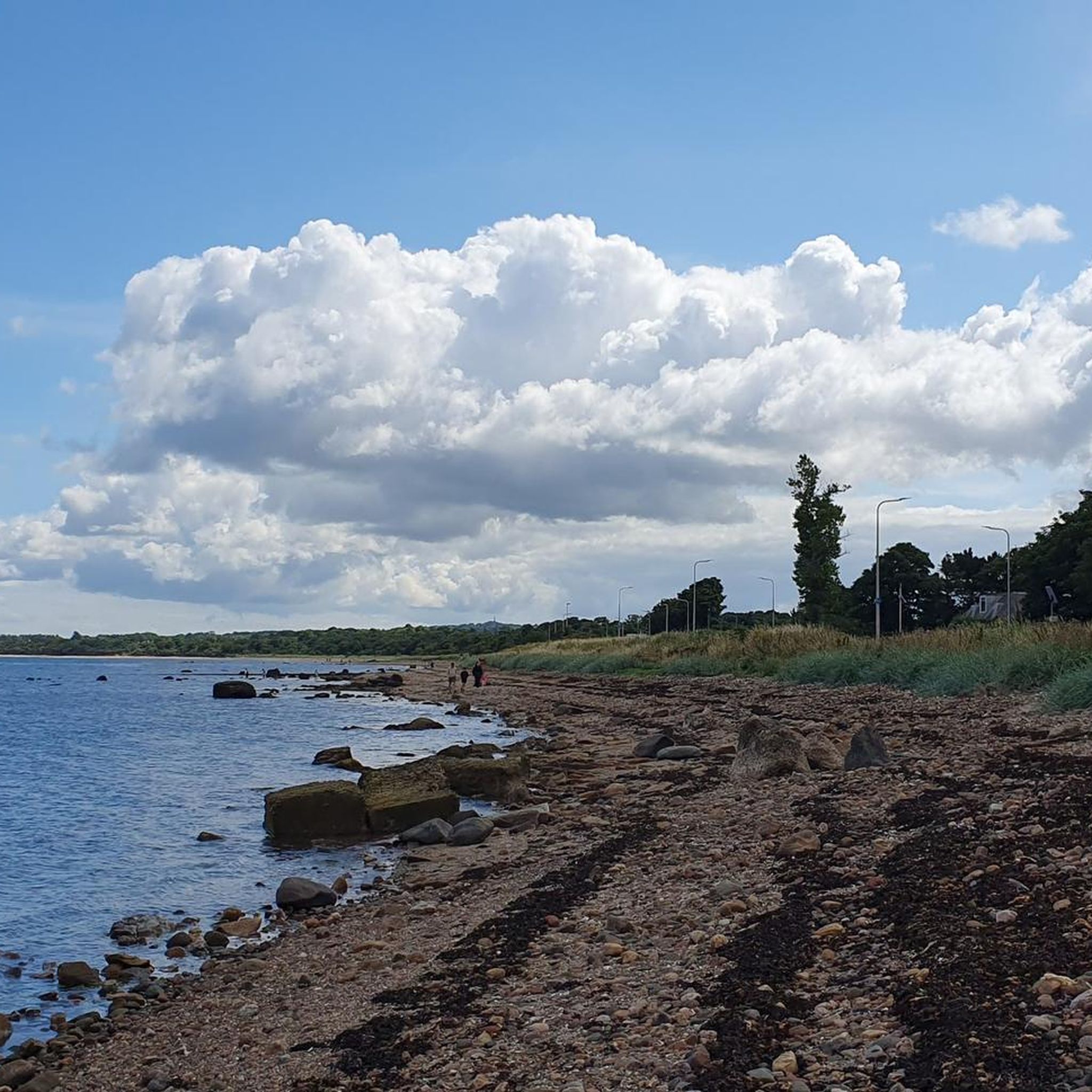
- Another must-see spot is Portobello Promenade and Beach, a cycle way and beach. This 3.2 km stretch of golden sand offers swimming opportunities and features shops, restaurants, and cafes along its promenade.
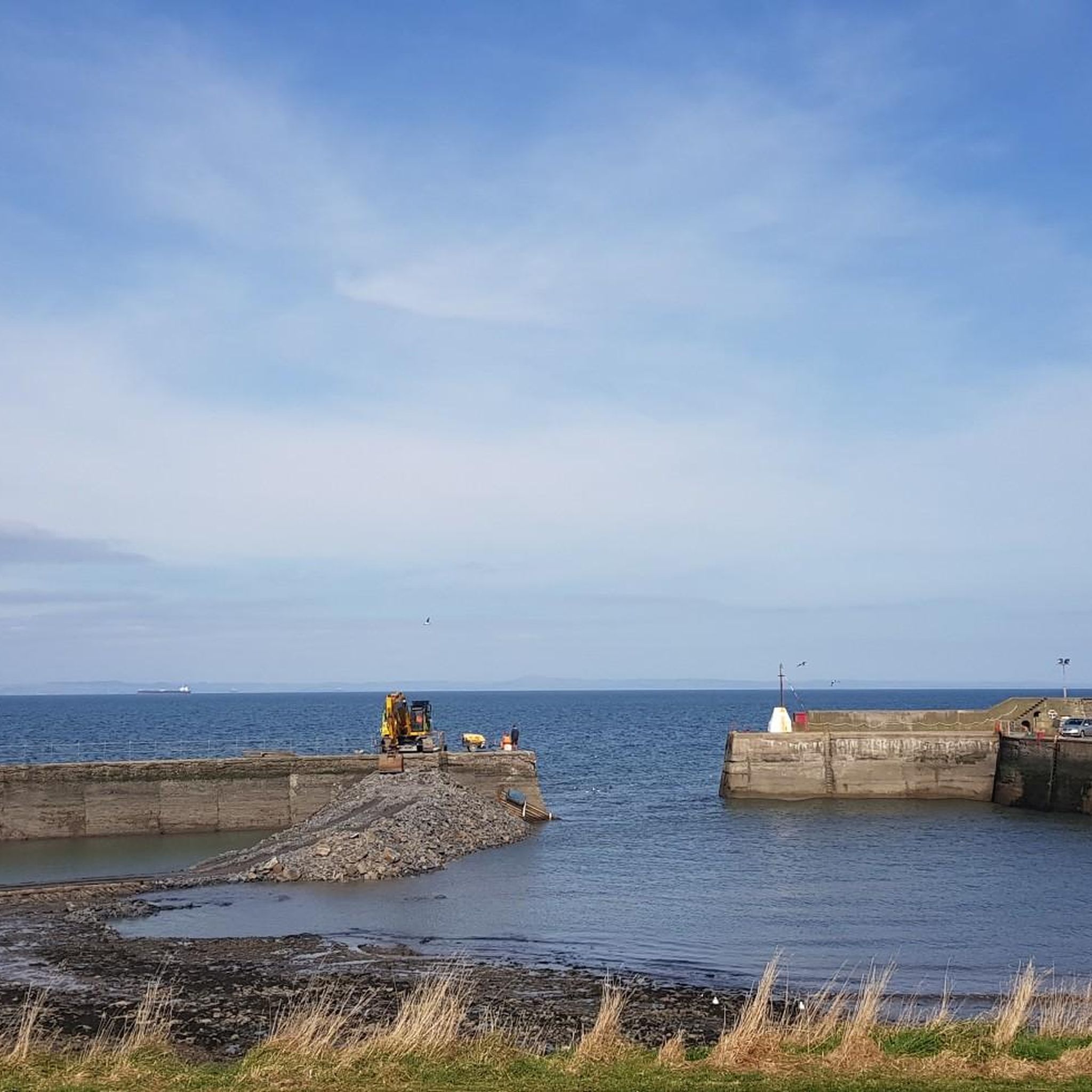
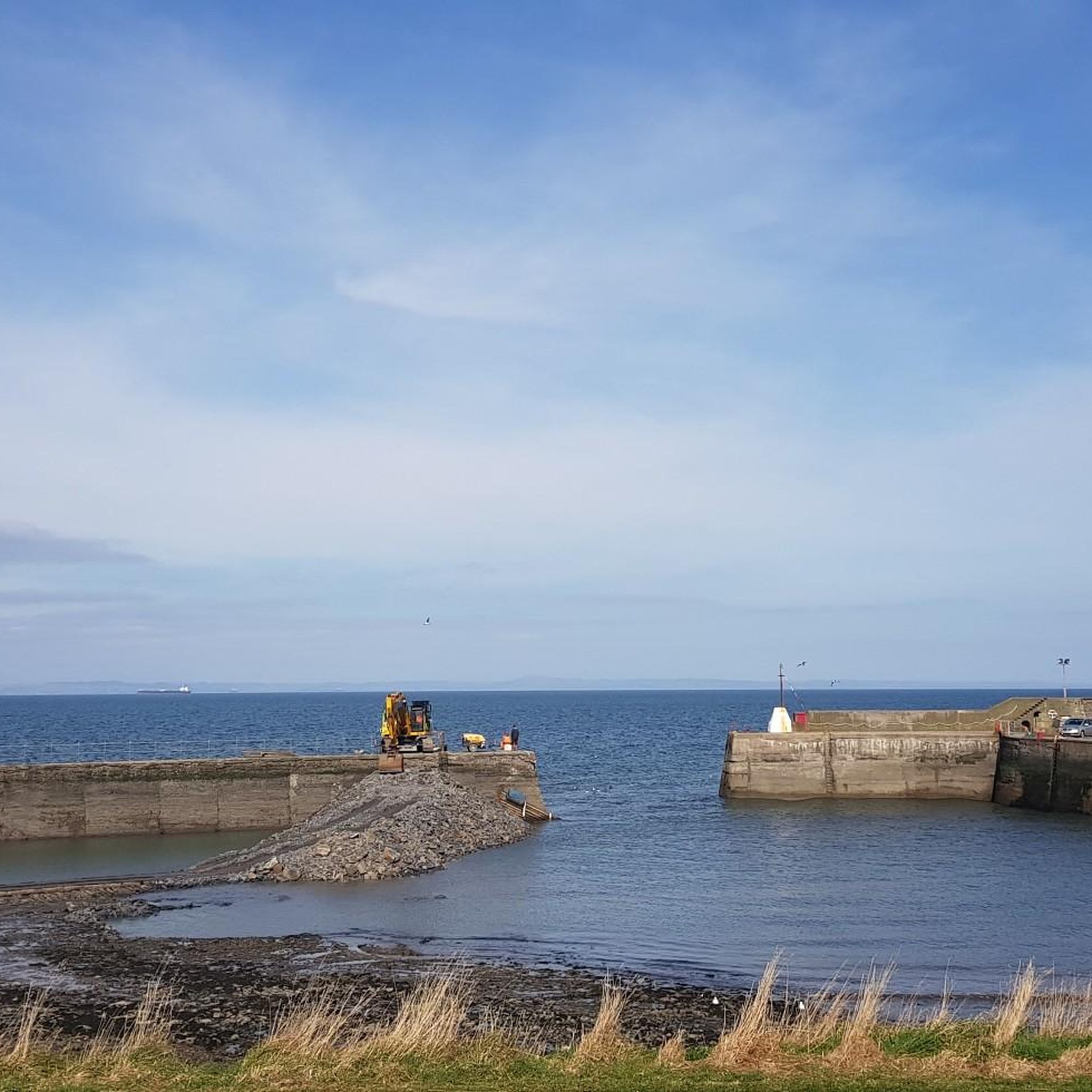
- Visitors also love Fisherrow Harbour, a historical site and port. Fishing has been an industry here since before Roman times, with the current harbour dating to the 17th century.
- Cockenzie And Port Seton is known for its historic sites, coastal paths, and natural features. The area offers a variety of attractions to see and explore, including medieval churches, historic harbours, and scenic viewpoints along the Firth of Forth.
- The attractions around Cockenzie And Port Seton are appreciated by the komoot community, with 354 upvotes and 29 photos shared across 4 highlights.
Last updated: August 25, 2026
Portobello Promenade and Beach
Highlight • Cycleway
There are lots of shops, restaurants and cafes along the promenade for refreshments and souvenirs. Don't miss the beautiful Georgian and Victorian architecture as you stroll, jog or cycle by.
Tip by

Fisherrow Harbour
Highlight • Structure
Tip by

Sign up now to discover places like this
Get recommendations on the best single tracks, peaks, & plenty of other exciting outdoor places.
Sign up for free
Montagu Bridge
Highlight • Bridge
Opened in July 2016, the brand new Dalkeith Country Park is an experience unlike any other. You'll find the magical new Fort Douglas play park alongside Restoration Yard, a gorgeous new store and cafe in the former stableyard which has been lovingly restored to create a truly special day out.
There's also the wider park to explore with waymarked walking and cycling trails to suit the whole family and special events too. Explore the Old Oak Wood with trees over 900 years old, enjoy a picnic in one of the areas we've created, or simply breathe in the fresh air of this beautiful country park, which you'll find hard to believe is just a few miles from Edinburgh's city centre.
Tip by

Dalkeith Palace and Gazebo
Highlight • Castle
The park is open from 7am to 7pm daily. Tickets for adults cost £10. You can find more information, here: dalkeithcountrypark.co.uk
Tip by

Alanda’s Fish and Chips at Longniddry Bents
Highlight (Segment) • Restaurant
Tip by

Sign up for free to discover even more attractions around Cockenzie And Port Seton.
Sign up for free
Already have an account?
Start today with a free account
Your next adventure awaits.
Login or Signup
Popular around Cockenzie And Port Seton
Tips from the Community


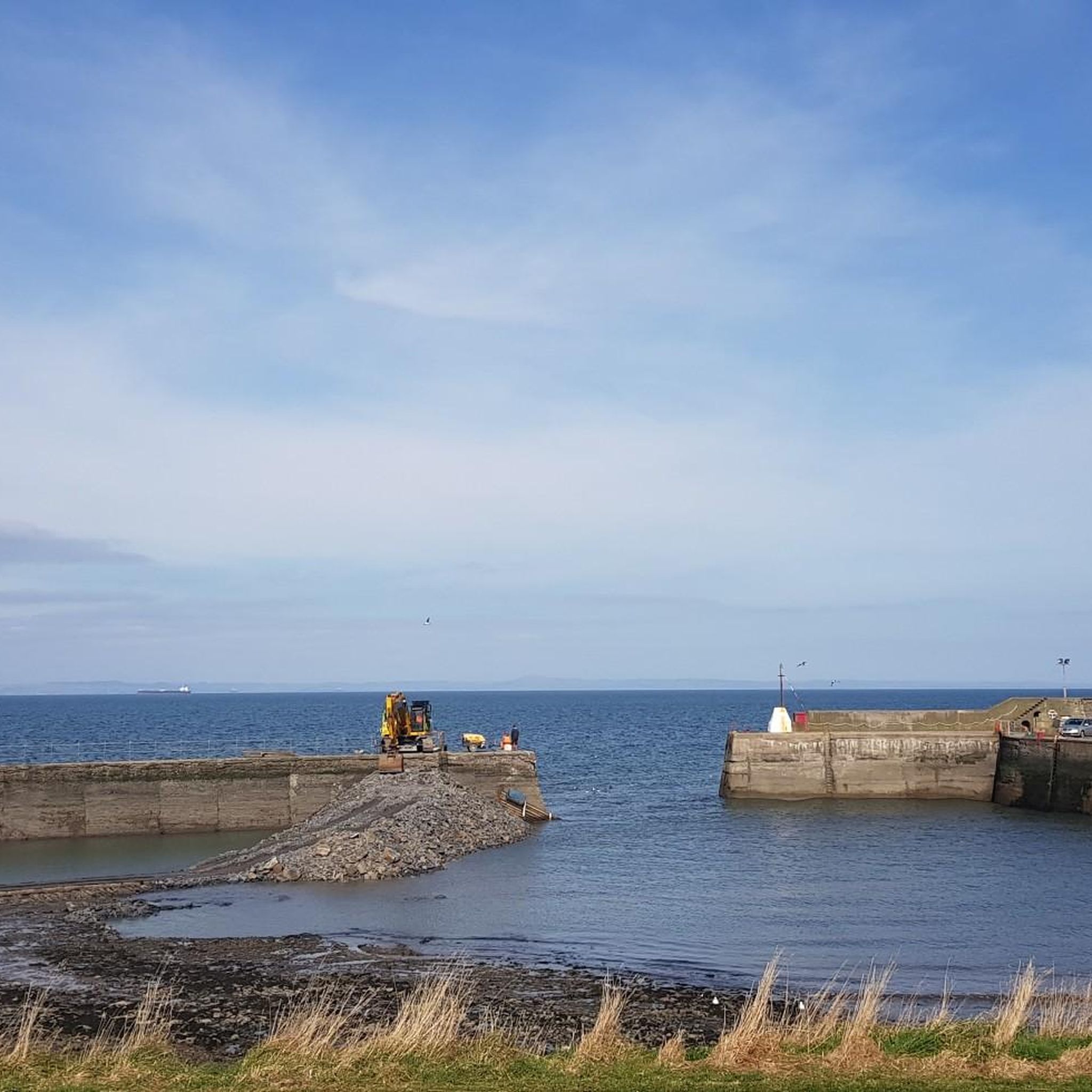
There has been fishing at Fisherrow and Musselburgh since Roman times, and the present 17th-century harbour is very close to the Roman harbour at the mouth of the River Esk that served the Inveresk Roman Fort on the high ground east of the Esk upriver. The Fisherrow fishermen used to fish for herring, and later for white fish, prawns and sprats. The harbour was home to a large fishing fleet.
0
0

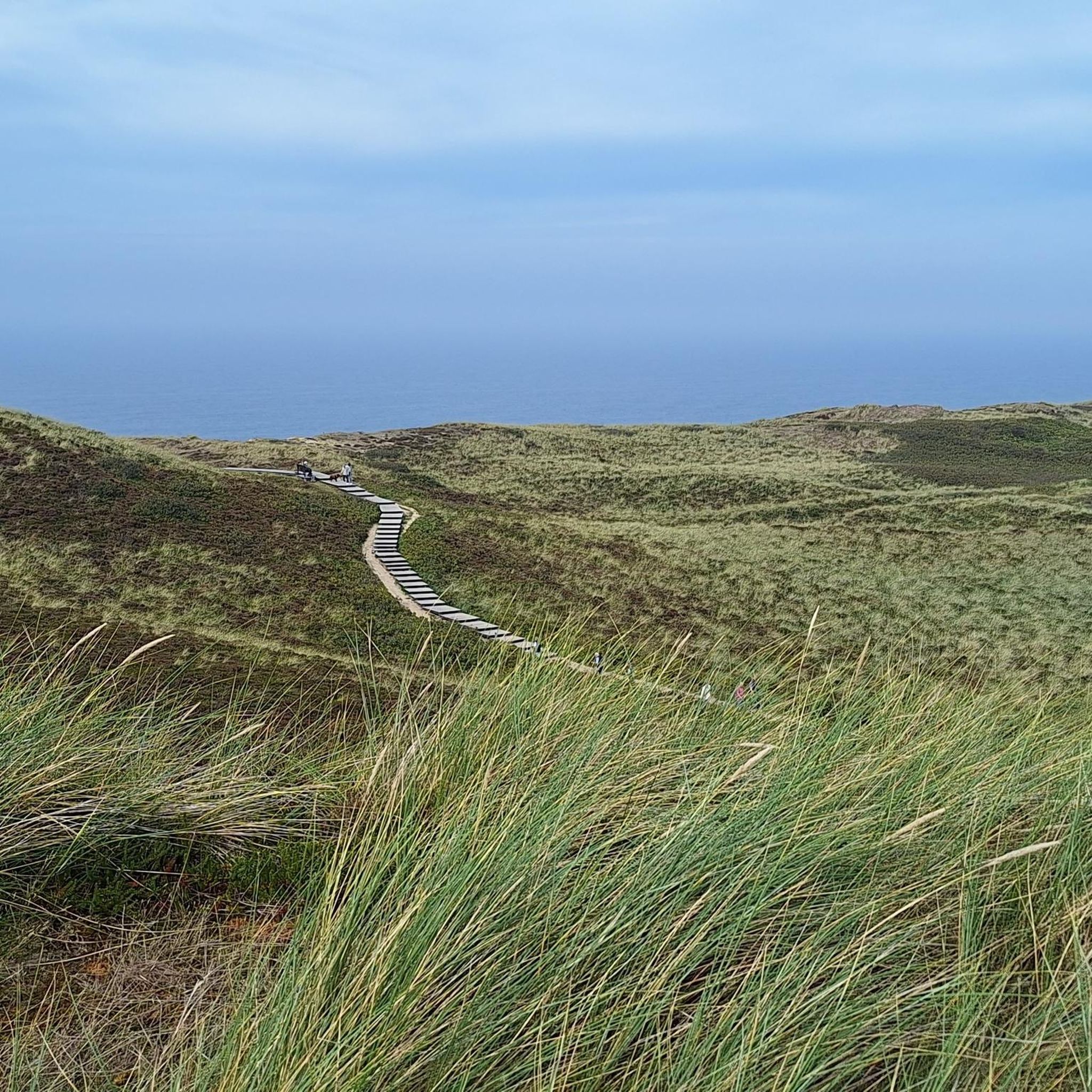
The clue is in the title but worth the effort for the views.
0
0

Fisherrow Harbour serves Musselburgh. Fishing has been an industry here since before the roman times but the current harbour dates to the 17th century. The harbour was used in the second world war which reduced the fishing industry. Today there is still fishing but on a much smaller and more leisure-based scale.
0
0

So Komoot “recommendations” for the last weekend of November includes the Alanda’s take-away at Longniddry Bents……. I wouldn’t bother as it is closed, and the van not even on site, for the winter 🧐
2
1

Restoration Yard: The Store Open 7 days from 10.00 – 17.00 The Kitchen Open 7 days from 9.30 The Larder Open 7 days from 9.00
0
0

The same road used for the Edinburgh Marathon! Great with a tailwind, but a killer with a headwind...
0
0
Frequently Asked Questions
What historical landmarks can I explore in Cockenzie and Port Seton?
The area is rich in history. You can visit Seton Collegiate Church, one of Scotland's finest medieval churches, or explore Cockenzie House and Garden, a 17th-century mansion with a gift shop and café. The Waggonway Museum highlights the history of Scotland's first railway. Don't miss the historic Cockenzie & Port Seton Harbours, which were central to the villages' fishing and coal export industries, and the Old Salt Stone Buildings, remnants of the area's salt production past.
Are there any coastal walks or natural features to enjoy?
Yes, the area boasts an attractive coastline along the Firth of Forth. A scenic coastal path, part of the John Muir Way, connects the two historic harbours. You can also explore the Firth of Forth SSSI (Site of Special Scientific Interest) to the east of Port Seton, known for its geological significance and Carboniferous age sedimentary strata exposed along the shore platforms and beaches.
What are some family-friendly activities in Cockenzie and Port Seton?
Families can enjoy the coastal path and beaches for walks and playtime. The Seton Sands Holiday Village is a popular destination near the beach. For a day trip slightly further afield, Dalkeith Palace and Gazebo offers over 1,000 acres of parkland with outdoor activities and a magnificent palace, while Portobello Promenade and Beach provides a 3.2 km stretch of sand with shops, restaurants, and cafes.
Where can I find easy walking trails around Cockenzie and Port Seton?
There are several easy hiking routes available. You can enjoy loops such as the "Port Seton Harbour – Cockenzie House Café loop" or the "Port Seton Harbour – Seton Collegiate Church loop." These trails offer a great way to explore the local landmarks and coastline. Find more details on these and other easy hikes in the Easy hikes around Cockenzie And Port Seton guide.
Are there cycling routes near Cockenzie and Port Seton?
Absolutely! The area offers various cycling routes for different skill levels. You can try the "Longniddry Old Railway Path – Nungate Bridge loop from Cockenzie and Port Seton" for a moderate ride, or explore other options. For more information and route details, check out the Cycling around Cockenzie And Port Seton guide.
What is the best time of year to visit Cockenzie and Port Seton?
The coastal path and outdoor attractions are enjoyable throughout the year, but the warmer months from late spring to early autumn (May to September) generally offer the most pleasant weather for exploring the beaches, walking trails, and gardens. During these months, you'll find more opportunities for outdoor activities and events.
Are there any good places to eat or get refreshments near the attractions?
Yes, you'll find several options. Cockenzie House and Garden has a café. Along Portobello Promenade and Beach, there are numerous shops, restaurants, and cafes. If you're looking for fish and chips, Alanda’s Fish and Chips at Longniddry Bents is a popular spot, though it may be closed in winter. There are also local fishmongers in the community selling fresh catches.
Can I reach Cockenzie and Port Seton attractions by public transport?
Yes, Cockenzie and Port Seton are accessible by public transport, primarily bus services connecting them to Edinburgh and other towns in East Lothian. Specific routes and schedules can be checked with local transport providers to plan your visit to the various attractions.
What is the significance of the harbours in Cockenzie and Port Seton?
The harbours are central to the area's identity and history. Cockenzie's harbour, established in 1591, was vital for coal exportation and salt extraction. Port Seton's harbour, built in 1656, grew as a significant fishing hub. Today, they remain active and offer picturesque views, with a coastal path connecting them for visitors to enjoy.
Are there any gravel biking opportunities in the area?
Yes, gravel biking is a popular activity. Routes like the "Longniddry Bents – Longniddry Old Railway Path loop from Longniddry" offer moderate challenges. You can find more gravel biking routes and details in the Gravel biking around Cockenzie And Port Seton guide.
What is the history behind the Tranent Waggonway?
The Tranent Waggonway, highlighted at the Waggonway Museum, holds historical significance as Scotland's first railway. It began operating in 1722, primarily transporting coal from Tranent to Cockenzie, playing a crucial role in the region's industrial development and trade.
What is the appeal of <a href="https://www.komoot.com/highlight/3358855" target="_blank" rel="noopener">Fisherrow Harbour</a>?
Fisherrow Harbour, located nearby in Musselburgh, has a long history of fishing dating back to before Roman times, with the current harbour established in the 17th century. While its industrial use declined after WWII, it remains active for leisure and smaller-scale fishing, offering a glimpse into the area's maritime heritage and scenic views.
Most popular routes around Cockenzie And Port Seton

Get inspired with the komoot mobile app


Explore more
Still not found the Highlight you’re looking for? See guides of the top attractions in other regions:
