Top 4 Castles around Kirkintilloch
Best castles around Kirkintilloch offer a glimpse into the region's rich history, situated in an area once home to Kirkintilloch Castle and connected to the Roman Antonine Wall. The town's name, derived from "Fort at the Head of the Hill," reflects its long past as a fortified location. Visitors can explore historical sites and remnants of ancient structures, providing a tangible link to Roman times and the Scottish Wars of Independence. The landscape combines historical significance with natural surroundings, making…
Last updated: July 2, 2026
Mugdock Castle
Highlight • Castle
Tip by

Craigend Castle Ruins
Highlight • Castle
Tip by
Sign up now to discover places like this
Get recommendations on the best single tracks, peaks, & plenty of other exciting outdoor places.
Sign up for free
Lennox Castle Ruins
Highlight • Historical Site
Tip by

Antonine Wall at Bar Hill
Highlight • Historical Site
Tip by

Start today with a free account
Your next adventure awaits.
Login or Signup
Tips from the Community

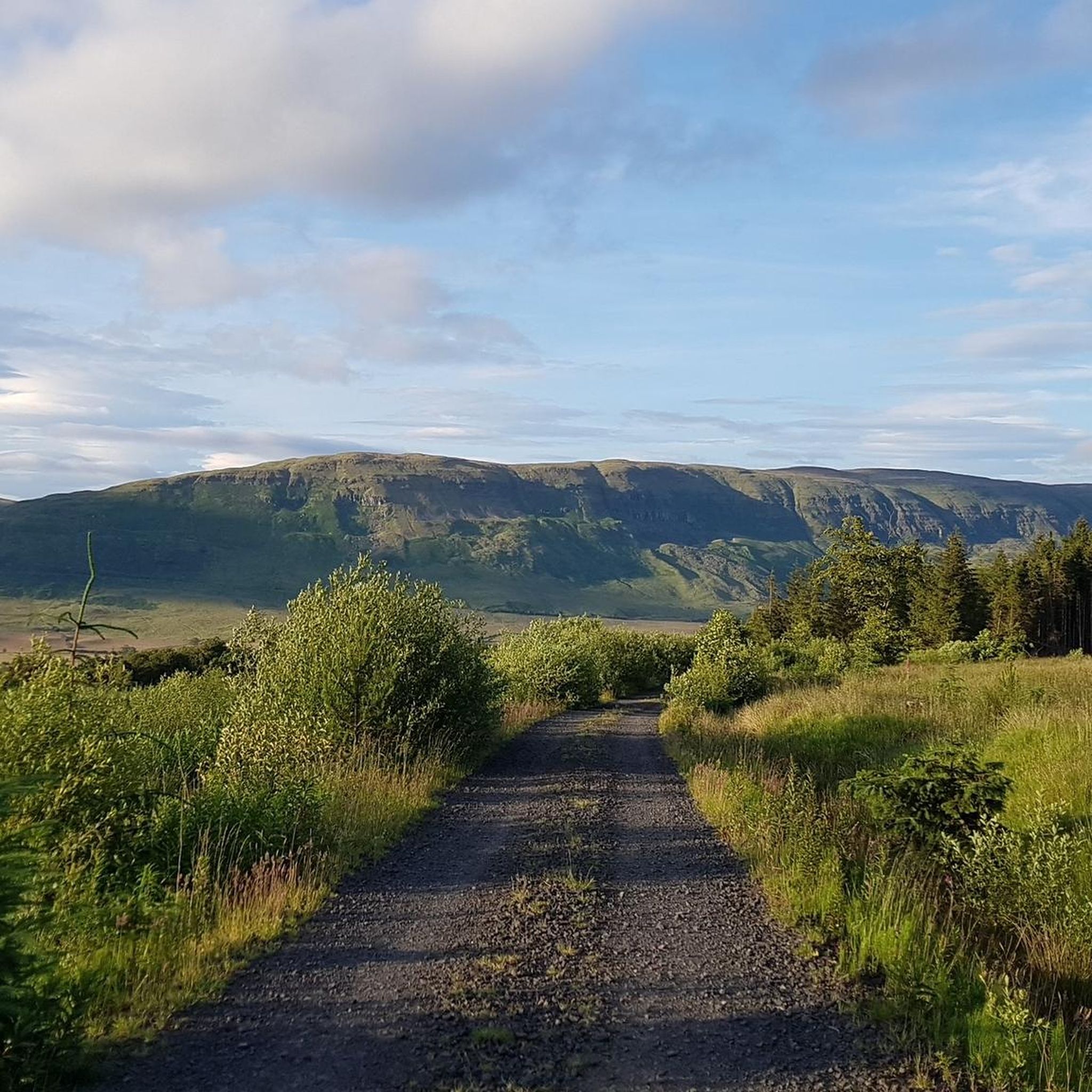
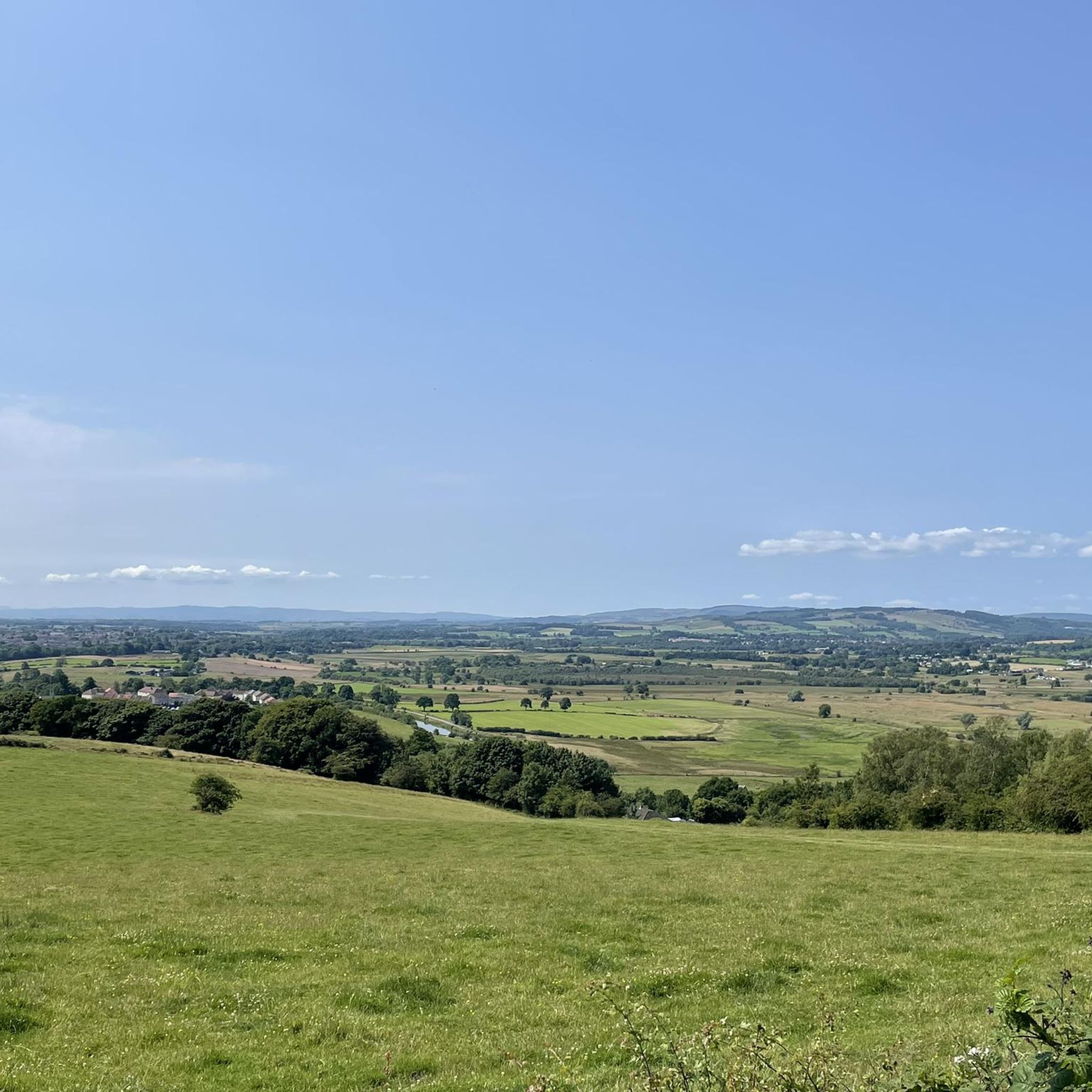
Above all, the path through Mugdock-Forest is worth it.
0
0

The original Castle on this site was built in the 13th century by the Graham family. The Grahams were a family on the rise and the family were made the Earls of Montrose in 1505. The most famous Graham resident of Mugdock Castle was James Graham (1612-1650) known as The Great Montrose. He was a poet and soldier who fought for the cause of King Charles I during the Wars of The Three Kingdoms (more commonly referred to as The English Civil Wars) and was marked as one of the greatest soldiers of the time. So great was his military fame that King Louis XIV offered him the role as Marshal of France. His success ultimately ran out in 1650 with the loss of The Battle of Carbisdale in Rosshire. Montrose was betrayed by a fellow Scotsman and was ultimately Hung, Drawn and Quartered for his part in the war. His campaigns were immortalised by Sir Walter Scott in his 1819 novel A Legend of Montrose.
0
0

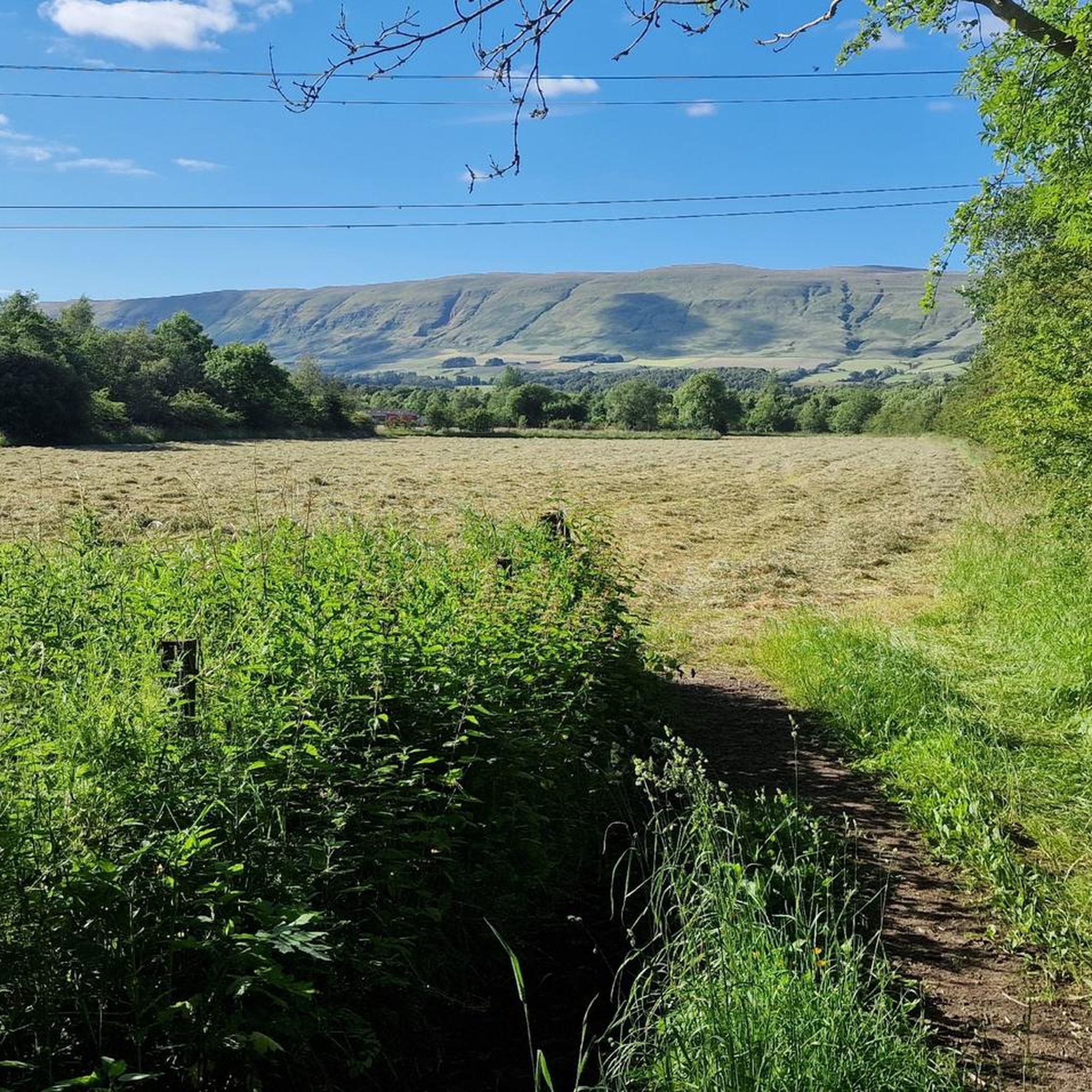
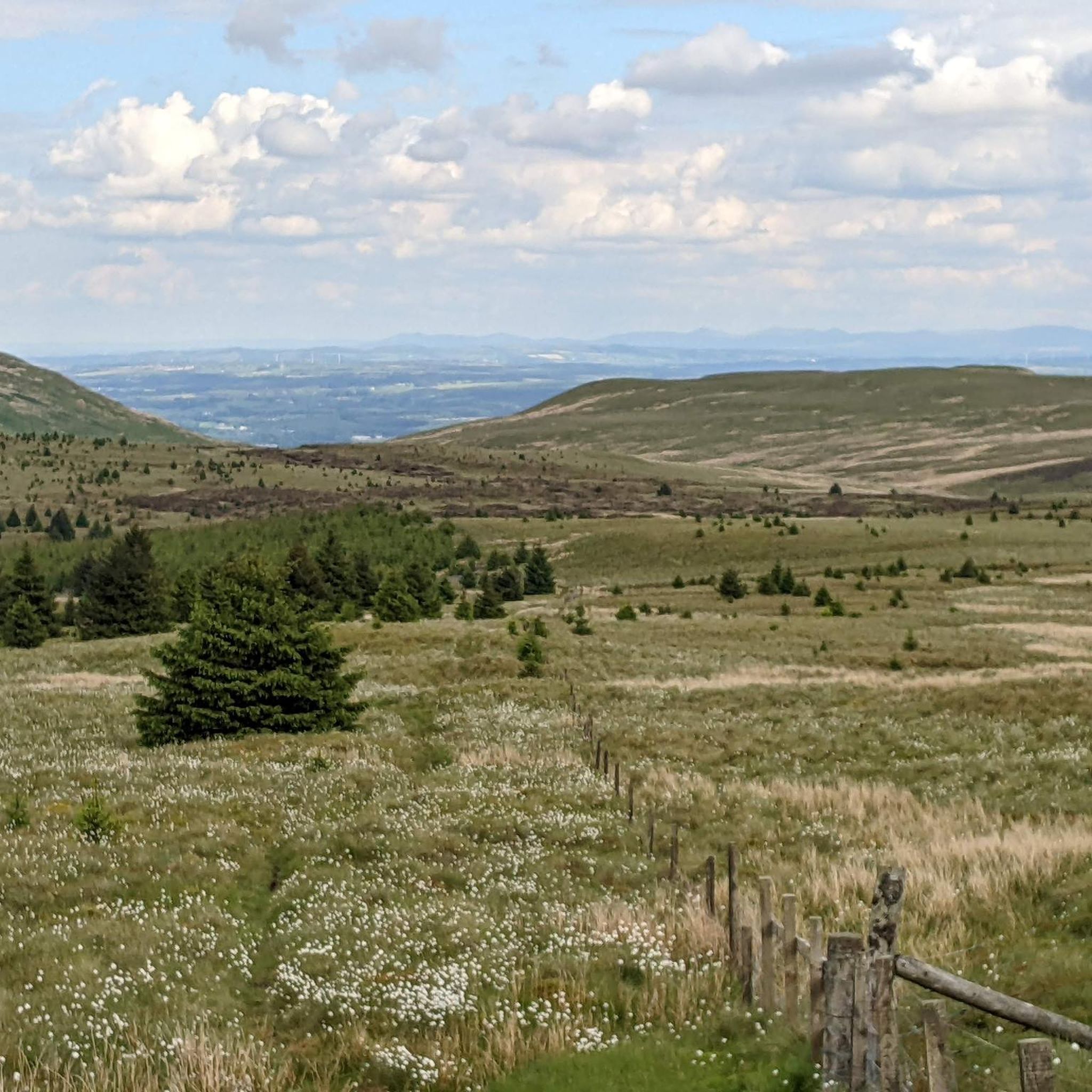
The Antonine Wall was a turf wall, built on stone foundations by the Romans, about 20 years after Hadrian's Wall. It stretches from coast to coast across the central belt of Scotland. Croy Hill was a minor fort on the wall.
0
0

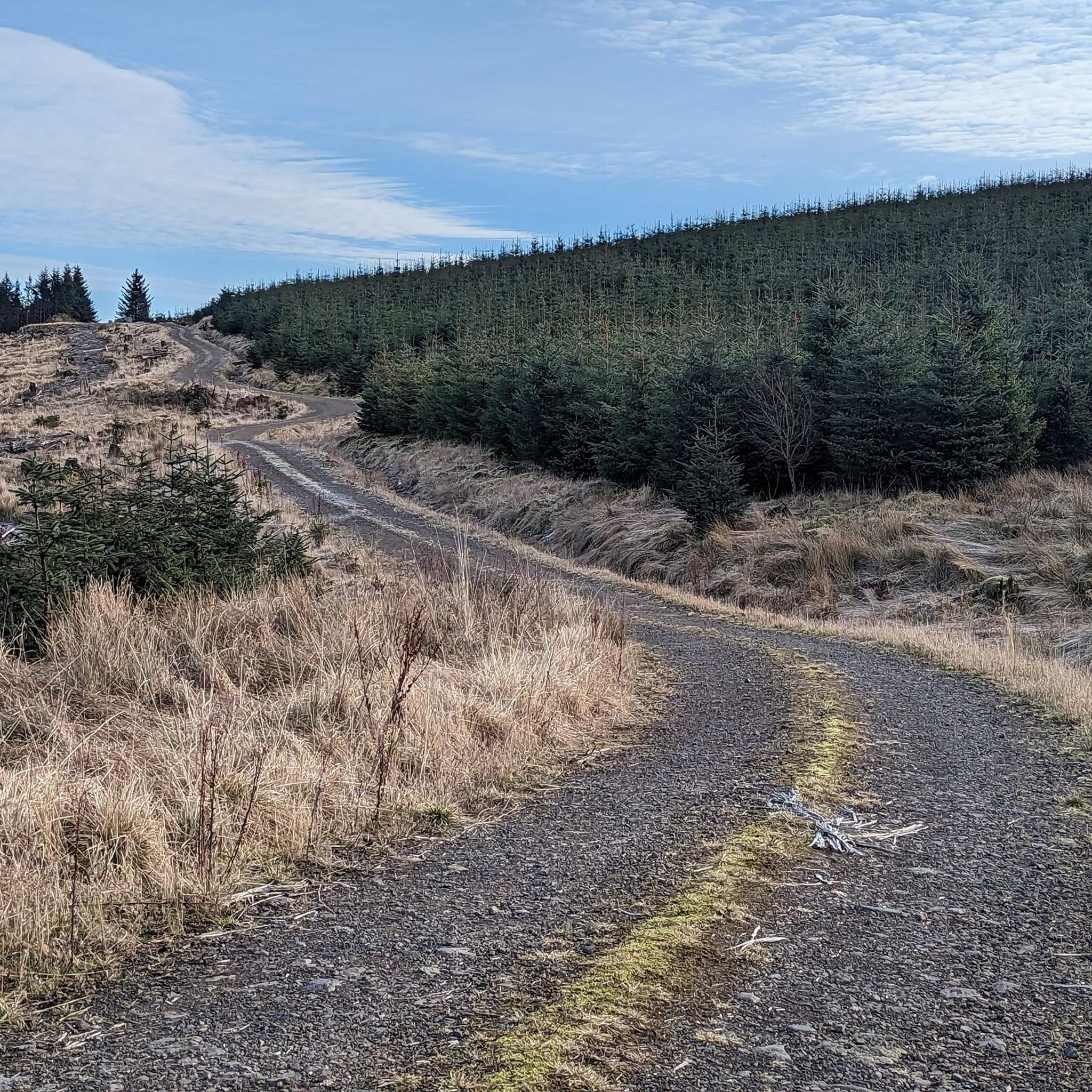
Unfortunately everything is fenced off, walled up or otherwise blocked off. But not bad for a walk. Unfortunately, it seems that a bunch of unreasonable people throw their rubbish in the forest there. From up here, go down to a mountain bike trail.
0
0

The eerie ruins of Lennox Castle are situated in a secluded and rural spot. Built in the 1830s, the castle was converted into a psychiatric hospital in the early 20th century. At the time, the hospital was hailed as a groundbreaking facility and was the largest and best-equipped in Britain. However, the hospital was closed in 2002 amid ongoing reports of poor conditions for patients. These days, the impressive ruins are equally beautiful and haunting.
5
0
Mugdock Castle and country park is free to enter and has free parking. For opening times and more information, visit: https://www.mugdock-country-park.org.uk.
3
0

Built in 1812, this is the fragmentary remains of what was an extremely well-detailed and impressive country house, which continues to form a significant feature in the landscape. Although much of the original structure of the building has gone, and the building is a roofless, there is still sufficient fabric to show that this was a country house of some distinction with extremely good decoration and fine features. The fine carving to the parapet is especially distinctive. There is photographic evidence to show that the interior of the building continued the Gothic style and included a lavish rib-vaulted entrance hall. It is thought that the house began to lose its structure in the 1950s and 60s. The Gothic building style was fashionable in the late 18th and early 19th centuries. It was a romantic, highly decorative building type echoing interest in the medieval period and its values.
2
0
Mugdock Castle stands on a rocky promontory which rises gently on its eastern and southern approaches but falls steeply away to the north and west. Protection to the east, north and west was provided by Mugdock Loch which was much greater in size in the Middle Ages than it is today. A ridge of volcanic rock running from east to west just south of the Castle kept the water level high. This provided the Castle with a natural defence on three sides making it difficult for attackers to mount an assault.. When this was removed by blasting in Victorian times, the level dropped by two metres.
9
0
Frequently Asked Questions
What historical sites related to castles can I visit in Kirkintilloch itself?
In Kirkintilloch, you can explore the site of the former Kirkintilloch Castle within Peel Park. While only earthworks remain today, including a motte and ditch, this site holds significant historical importance, dating back to Roman times and playing a role in the Scottish Wars of Independence. It was once a stronghold of the Comyn family and later slighted by Robert the Bruce. The Auld Kirk Museum in Kirkintilloch also offers displays on the town's archaeology and history, providing further context to the castle's past.
Are there any well-preserved castles or ruins near Kirkintilloch?
Yes, near Kirkintilloch, you can visit Mugdock Castle, which stands on a rocky promontory and was historically protected by Mugdock Loch, offering a glimpse into medieval defensive architecture. Another notable site is Craigend Castle Ruins, which are the fragmentary remains of an 1812 country house showcasing detailed Gothic architecture.
What is the Antonine Wall and where can I see it near Kirkintilloch?
The Antonine Wall was a turf wall built on stone foundations by the Romans, stretching across Scotland's central belt. Near Kirkintilloch, you can visit the Antonine Wall at Bar Hill, where you can explore remnants of this ancient Roman fortification. This UNESCO World Heritage site offers a tangible link to the region's Roman past.
Are there family-friendly castles or historical sites in the Kirkintilloch area?
Yes, Mugdock Castle and its surrounding country park are considered family-friendly, offering free entry and parking. The historical site of Kirkintilloch Castle in Peel Park also provides an open space for exploration and learning about local history. The Antonine Wall site can also be an engaging educational visit for families.
What kind of outdoor activities can I do near these castles?
The area around Kirkintilloch offers various outdoor activities. You can find numerous running trails, such as the 'View of the Campsie Fells – Forth and Clyde Canal Towpath loop,' or explore hiking routes like the 'Forth and Clyde Canal – The Stables loop.' Road cycling is also popular, with routes like 'View of the Mountains – Milton of Campsie Tunnel loop.' For more details on routes, visit the Running Trails around Kirkintilloch, Hiking around Kirkintilloch, and Road Cycling Routes around Kirkintilloch guides.
What should I know about visiting Lennox Castle Ruins?
Lennox Castle Ruins, built in the 1830s, are situated in a secluded area. While impressive, the site is largely fenced off and blocked, as it was converted into a psychiatric hospital in the early 20th century and closed in 2002. It's a hauntingly beautiful spot for a walk, but direct access to the ruins themselves is limited.
Is there parking available when visiting castles near Kirkintilloch?
Yes, for Mugdock Castle and Country Park, free parking is available. For other sites like Kirkintilloch Castle in Peel Park, parking can typically be found in Kirkintilloch town centre, which is within walking distance. Specific parking details for other ruins may vary, so it's advisable to check local information.
What is the best time of year to visit the castles and historical sites around Kirkintilloch?
The spring and autumn months generally offer pleasant weather for exploring the outdoor historical sites and castle ruins around Kirkintilloch. These seasons provide comfortable temperatures for walking and fewer crowds. Winter visits are possible, but some areas might be muddy or less accessible, and daylight hours are shorter.
Can I bring my dog to the castles and historical sites?
Many outdoor historical sites and country parks in the Kirkintilloch area, including the grounds around Mugdock Castle and Peel Park (home to Kirkintilloch Castle earthworks), are generally dog-friendly. However, it's always recommended to keep dogs on a lead and check specific site regulations before your visit.
Are there cafes or amenities near the castles?
While some castle sites like Mugdock Castle are within a country park that may have facilities, for other sites like Kirkintilloch Castle in Peel Park, you'll find cafes, pubs, and other amenities readily available in Kirkintilloch town centre. It's a good idea to plan your visit to include stops in nearby towns for refreshments.
How long should I allocate to visit the castles and historical sites?
The time needed varies by site. For the Kirkintilloch Castle earthworks in Peel Park, an hour or two might suffice for exploration and reflection. Visiting Mugdock Castle and its country park could easily fill a half-day or more, especially if you plan to enjoy the walking trails. The Antonine Wall site at Bar Hill might take 1-2 hours. Consider combining visits with nearby walks or town exploration.
What is the historical significance of Kirkintilloch Castle?
Kirkintilloch Castle, though now only earthworks, was a crucial strategic site. It was likely built by the Comyn family in the 12th century, possibly on or near a Roman fort associated with the Antonine Wall. It played a significant role during the Scottish Wars of Independence, changing hands multiple times and notably housing an English garrison involved in the arrest of William Wallace. The castle was eventually destroyed around 1307 by Robert the Bruce.
Most popular routes around Kirkintilloch
Most popular attractions around Kirkintilloch

Get inspired with the komoot mobile app


Explore more
Looking for the best castles somewhere else? Discover other guides around Kirkintilloch:
